Gallery
Follow Along
Knots and handwriting, broken into steps you can replay as often as you need.
This gallery is for skills you learn with your hands. Reading about a knot or a fold is slow; watching it happen one step at a time, and being able to stop, rewind and turn the model round, is much faster. Each exhibit here breaks a skill into short steps and shows each one as a moving model that you can replay as often as you need.
Some exhibits teach something you can do the same day. A paper crane takes twelve folds from one uncut square. Tying knots covers forty knots, from the reef knot to the bowline, with notes on which ones slip and which ones hold. Folding paper planes includes rubber-powered models you can fly. Others explain a skill that takes longer to master: how to solve a 3×3 cube layer by layer, how the pieces move in chess and how to finish a game, how to aim and spin a cue ball, and how the letters of Hangul and twenty-two other writing systems are built. One exhibit covers emergency skills, chest compressions, using an AED and helping someone who is choking, and it is meant as a refresher, not a replacement for a hands-on course.
A good way to start is with the paper crane, because it needs nothing but a square of paper and shows how a model of steps works. From there you can choose by what you have to hand: string for knots, paper for planes and origami, a board for chess, a cube for the cube puzzle.
Each exhibit keeps the tasks you have finished in your browser, so you can come back later and carry on. The commentary under each one explains why each step works, gives the history of the skill, and lists the sources it relies on.
Exhibits
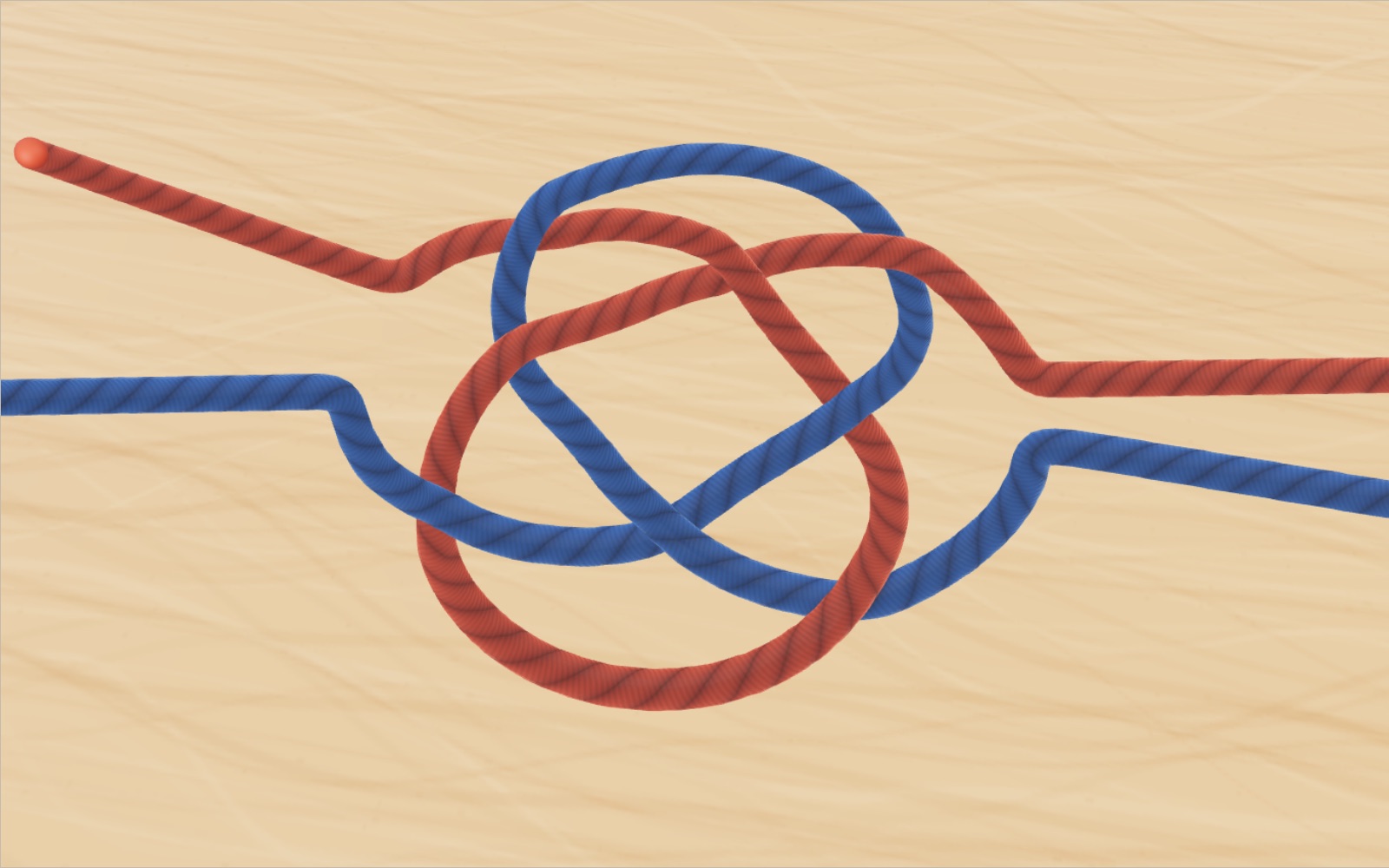
How to tie knots: 40 knots step by step
In one set of break tests a bowline kept about 63% of the rope's strength and a sheet bend about half.
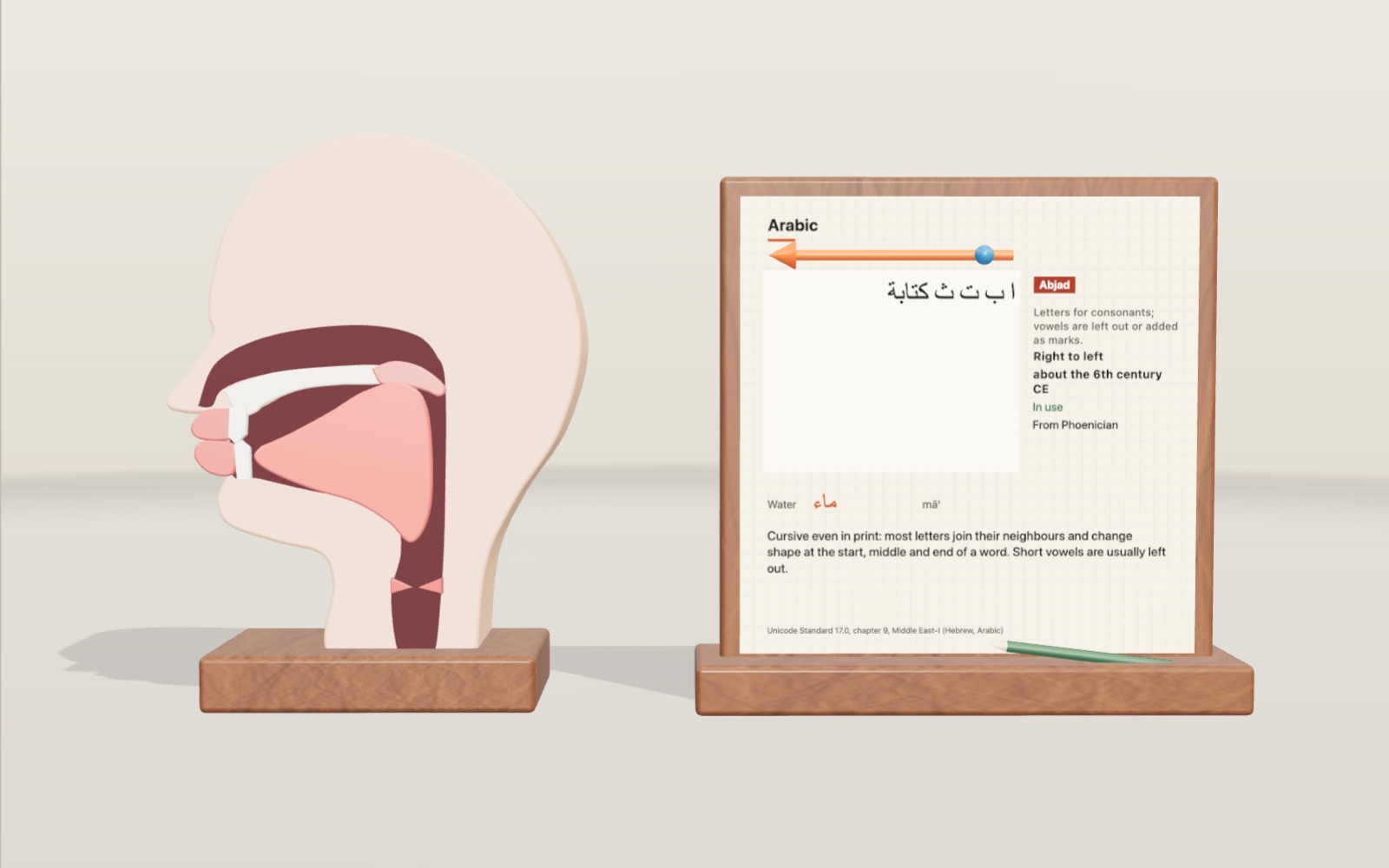
Writing systems of the world: Hangul and 22 more scripts
The 1446 book that announced Hangul says ㄱ draws the tongue root closing the throat. Here it stands beside 22 other scripts, from clay wedges to Braille.
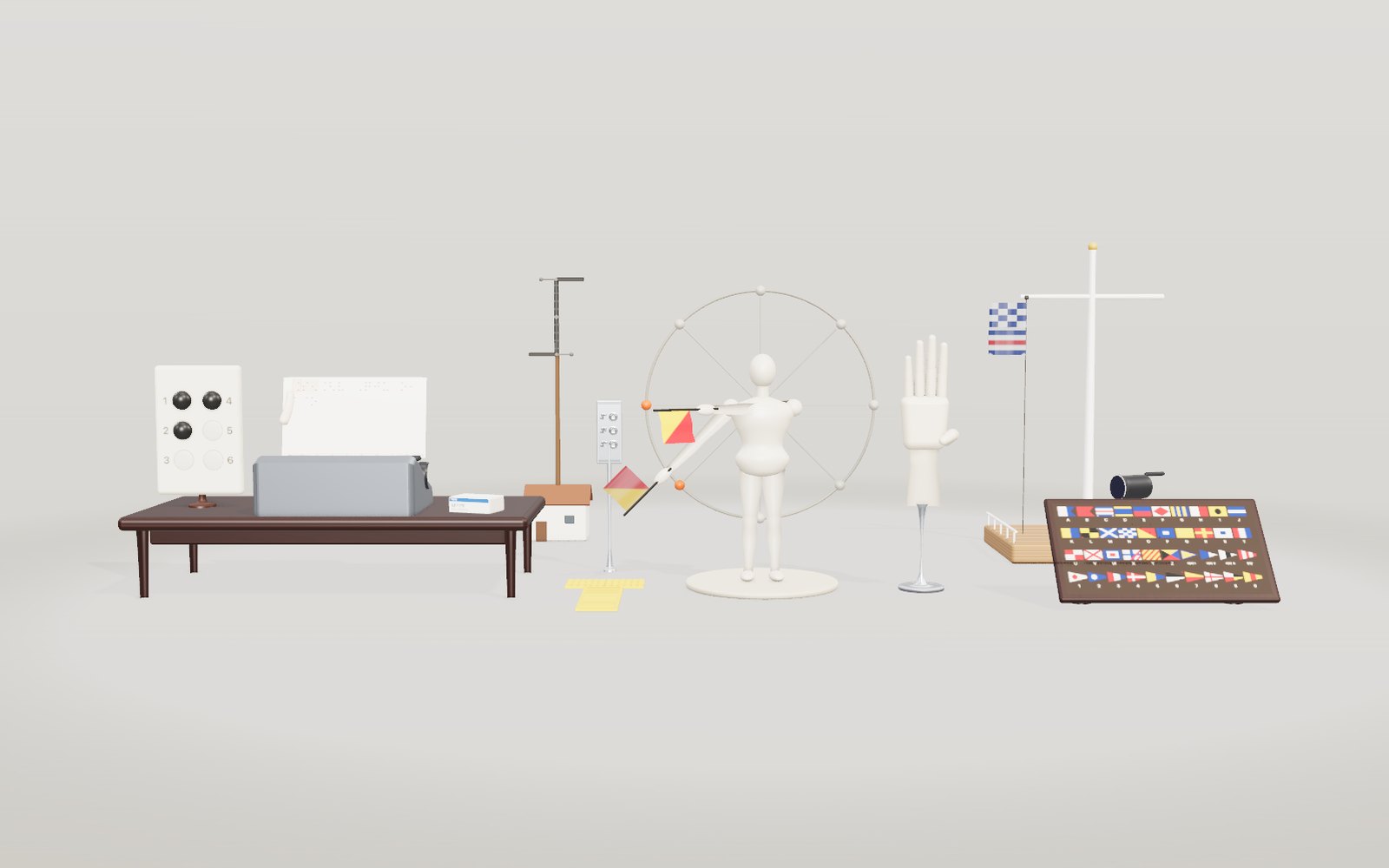
Braille, semaphore and fingerspelling: how the codes work
A braille dot is 1.5 mm across, and six of them in a 2 by 3 grid give 64 patterns that Korean, English, Japanese and music braille all share.
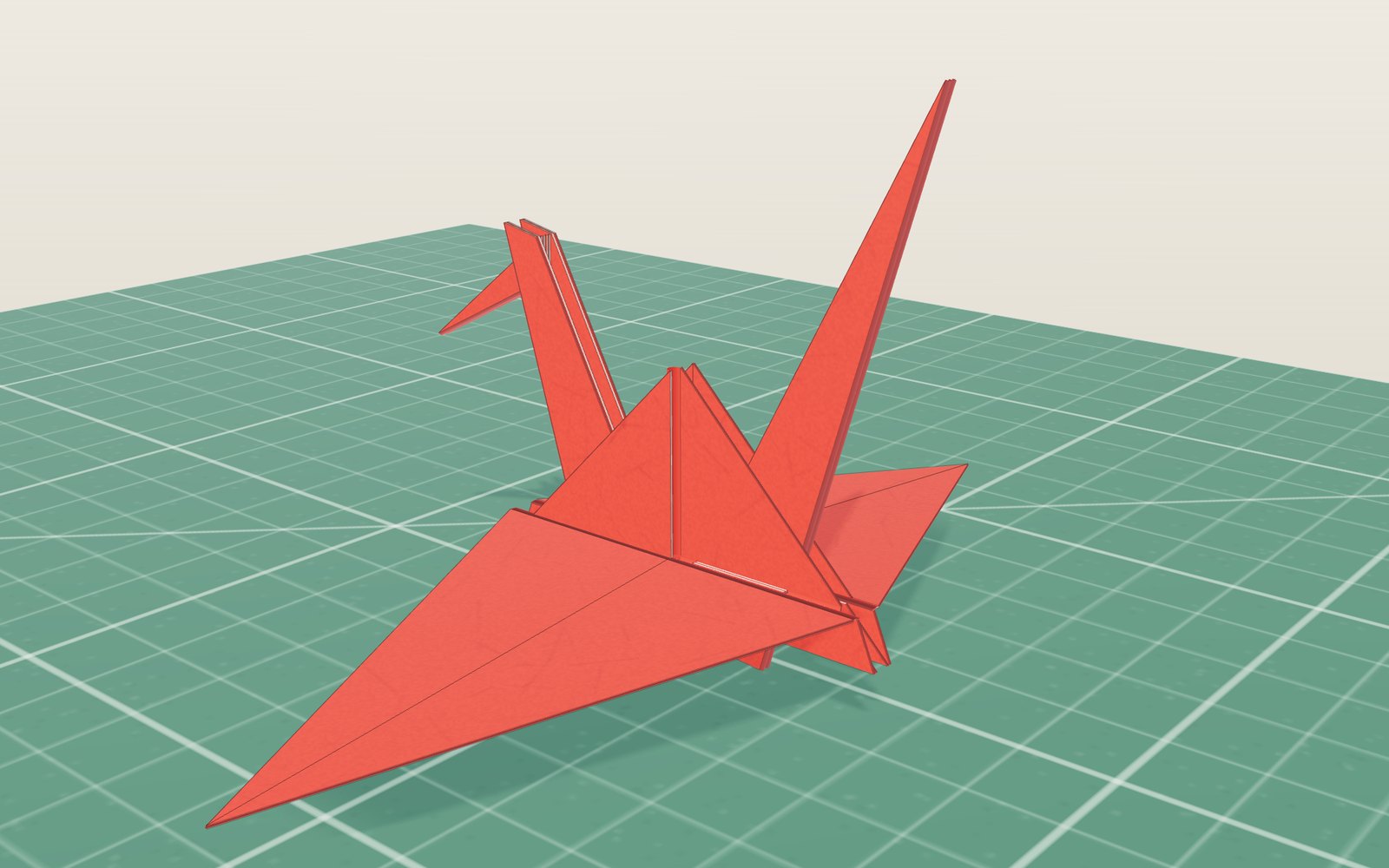
How to fold a paper crane and read its crease pattern
A paper crane is folded from one uncut square, and its two wings, neck and tail are the square's four corners.
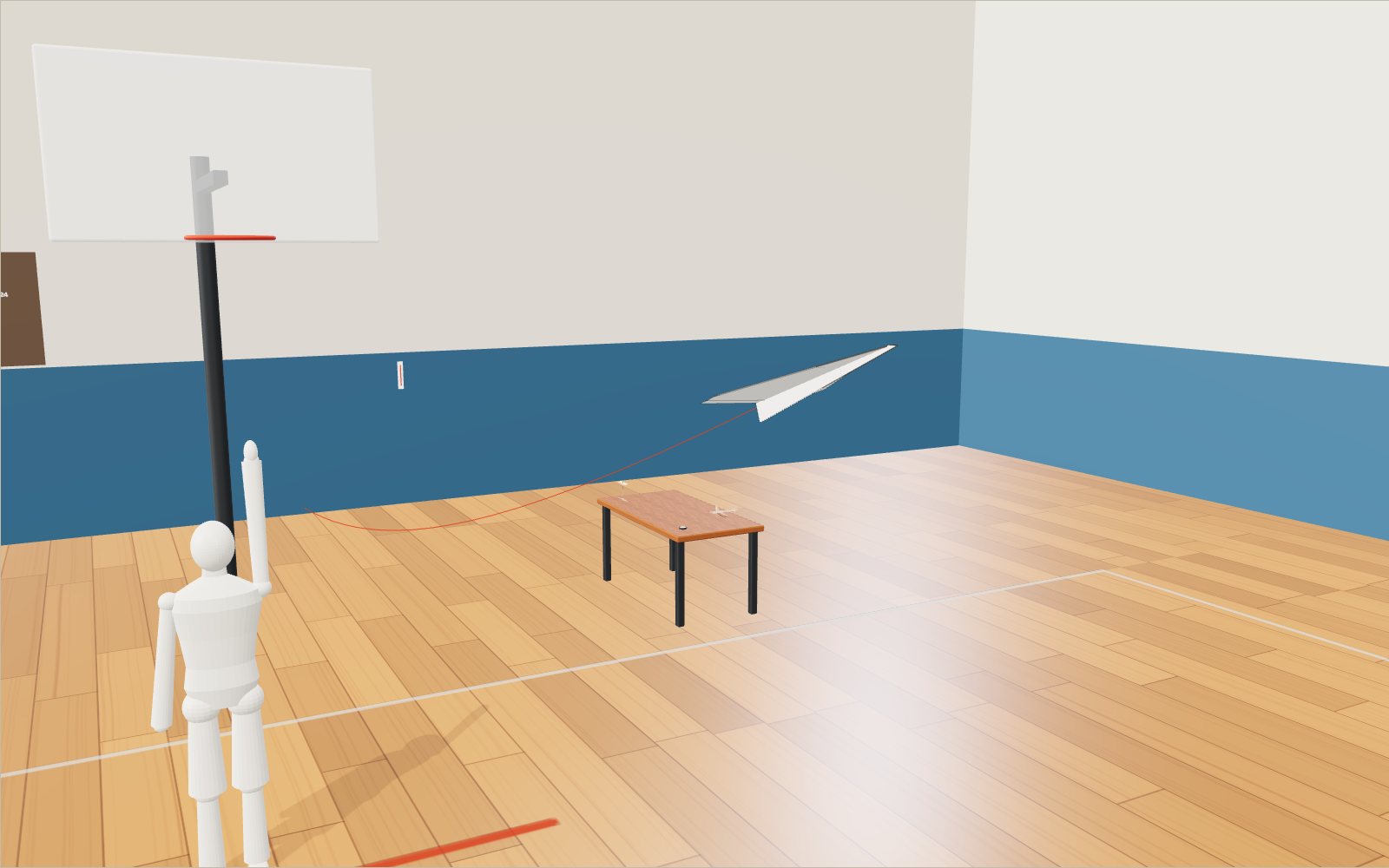
How to fold paper airplanes and fly rubber-powered models
The farthest a folded sheet of paper has flown is 98.43 m, indoors, in Shanghai in December 2025.
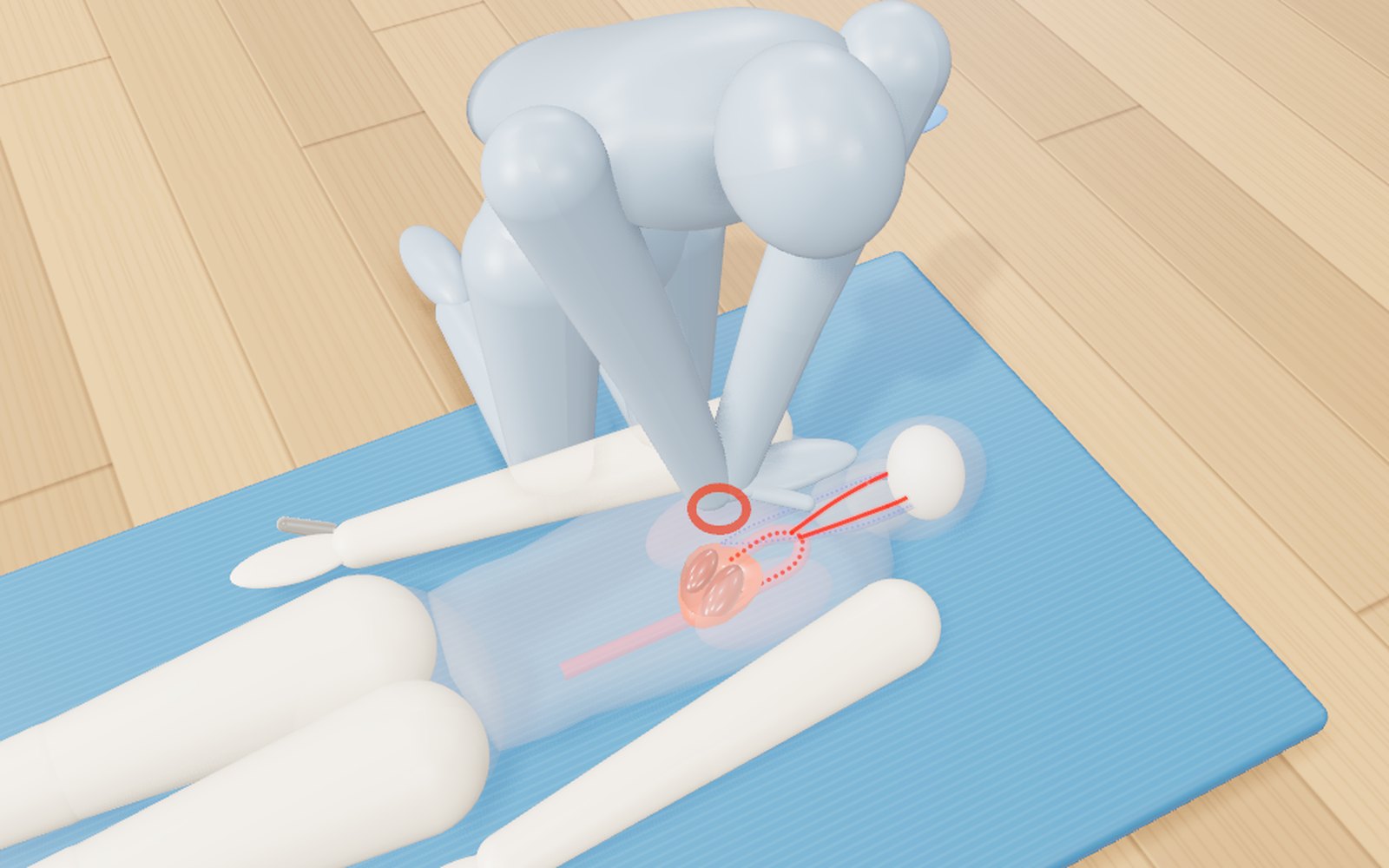
How to do CPR, use an AED, help someone choking and use a fire extinguisher
Push 100 to 120 times a minute, about 5 cm deep: with a bystander doing that, survival in Korea in 2024 was 2.36 times higher.
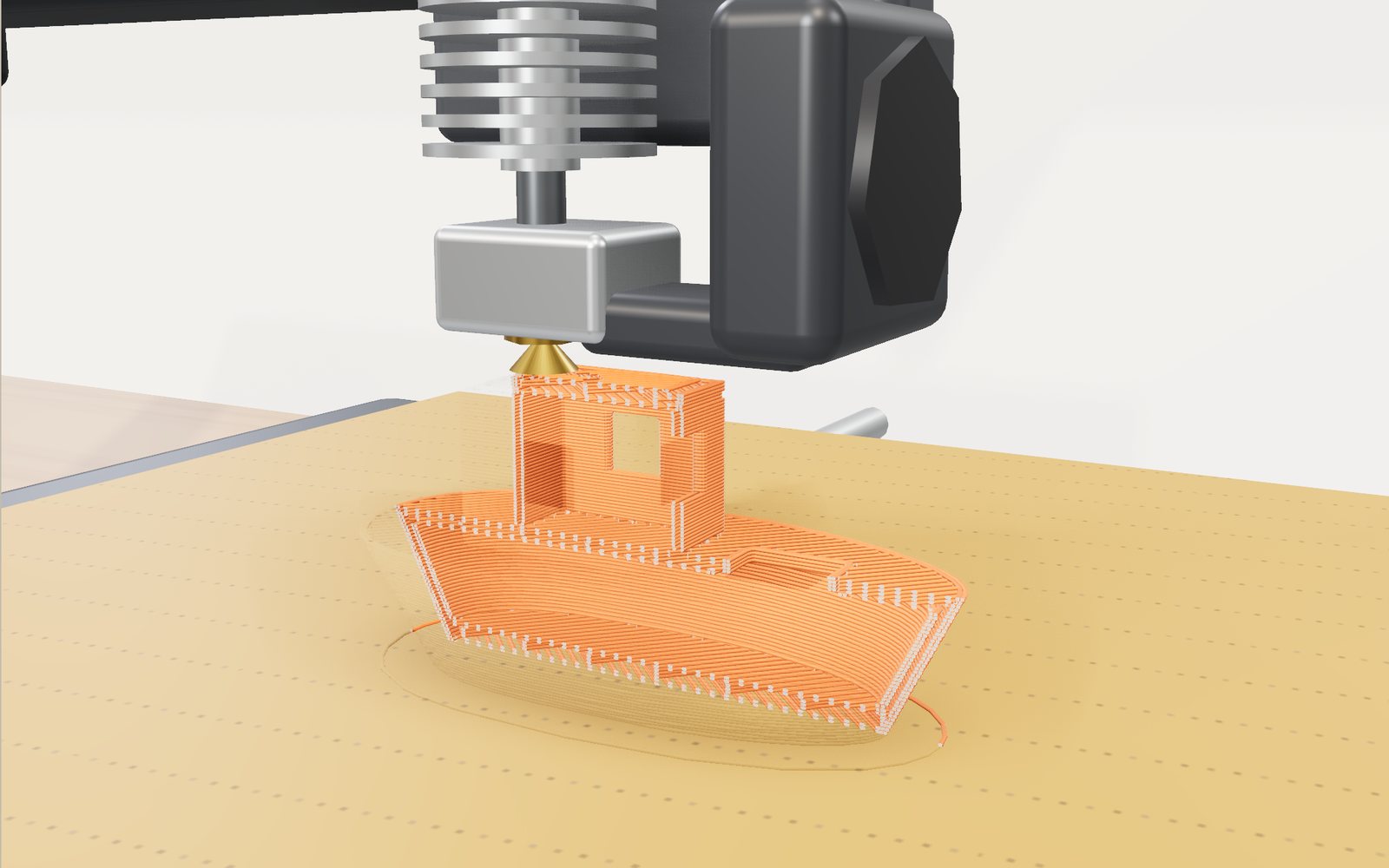
How a 3D printer works, layer by layer
A 20 mm cube printed in 0.2 mm layers is exactly 100 layers, each drawn by a nozzle 0.4 mm wide.
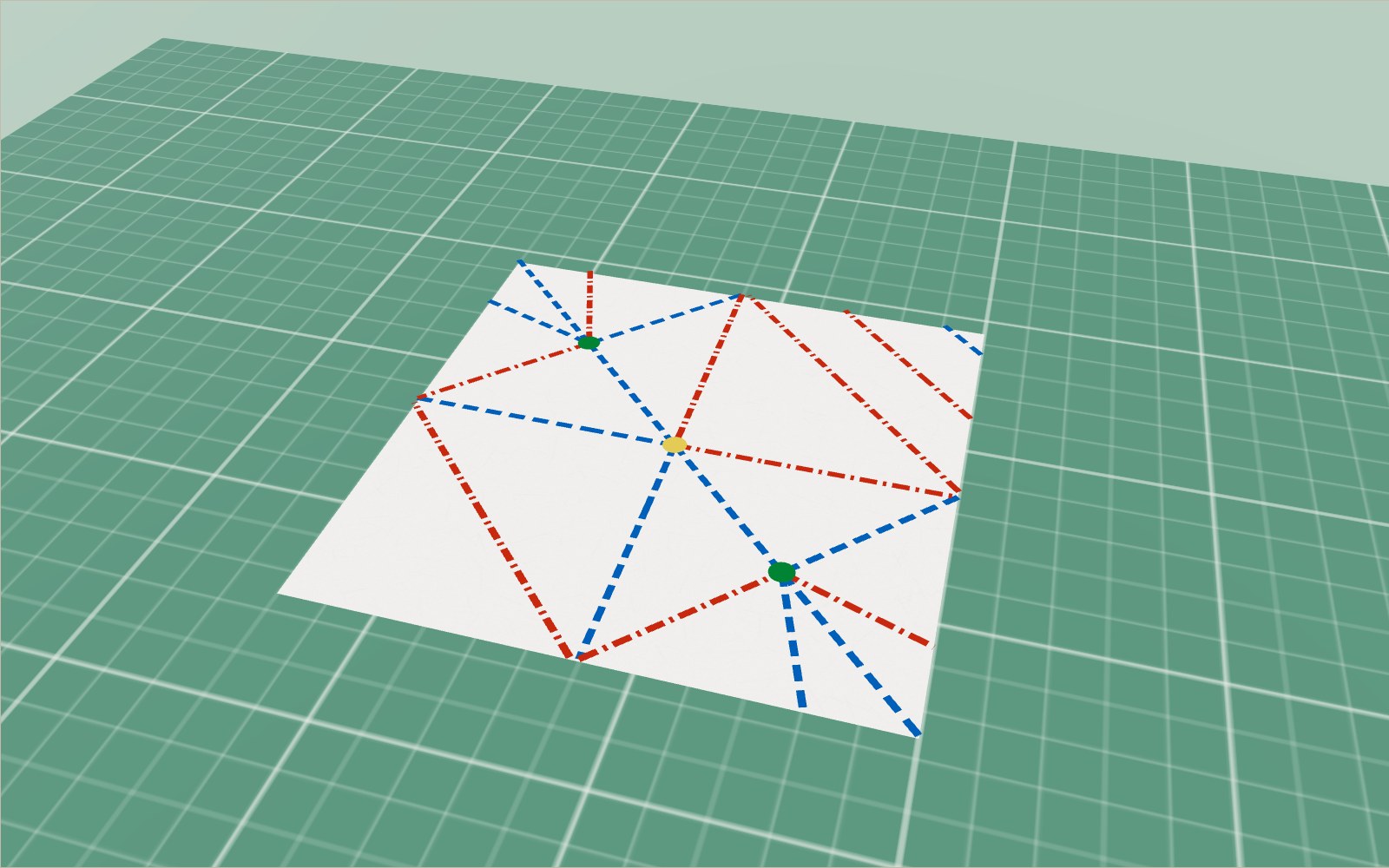
Origami: 20 models to fold step by step and unfold
A crane uses about 30 folds, a cup six; every flat-folded point you make has mountains and valleys that differ by exactly two.
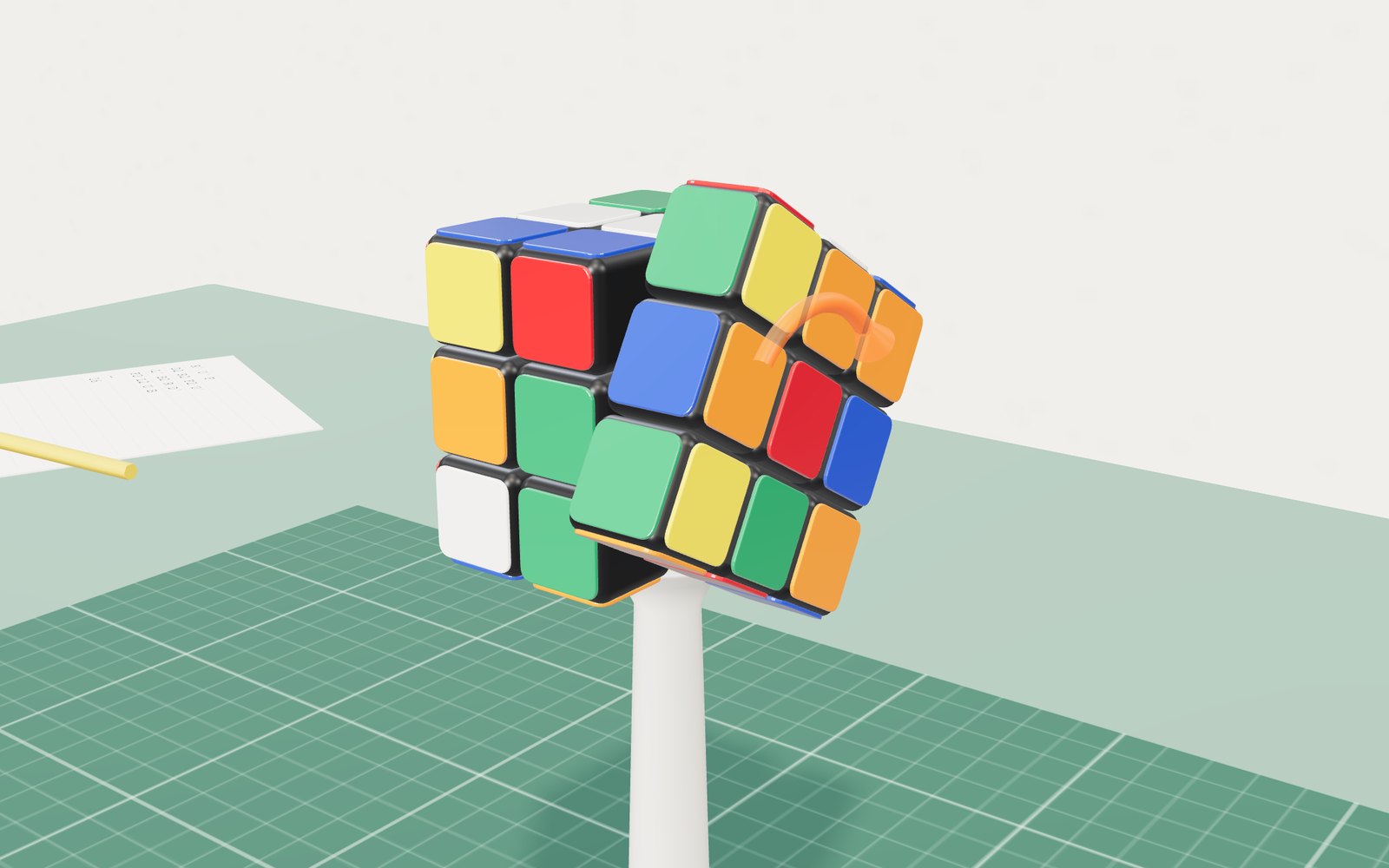
How to solve a 3×3 cube, step by step
A 3×3 cube has 43,252,003,274,489,856,000 positions, and every one of them can be solved in 20 moves or fewer.
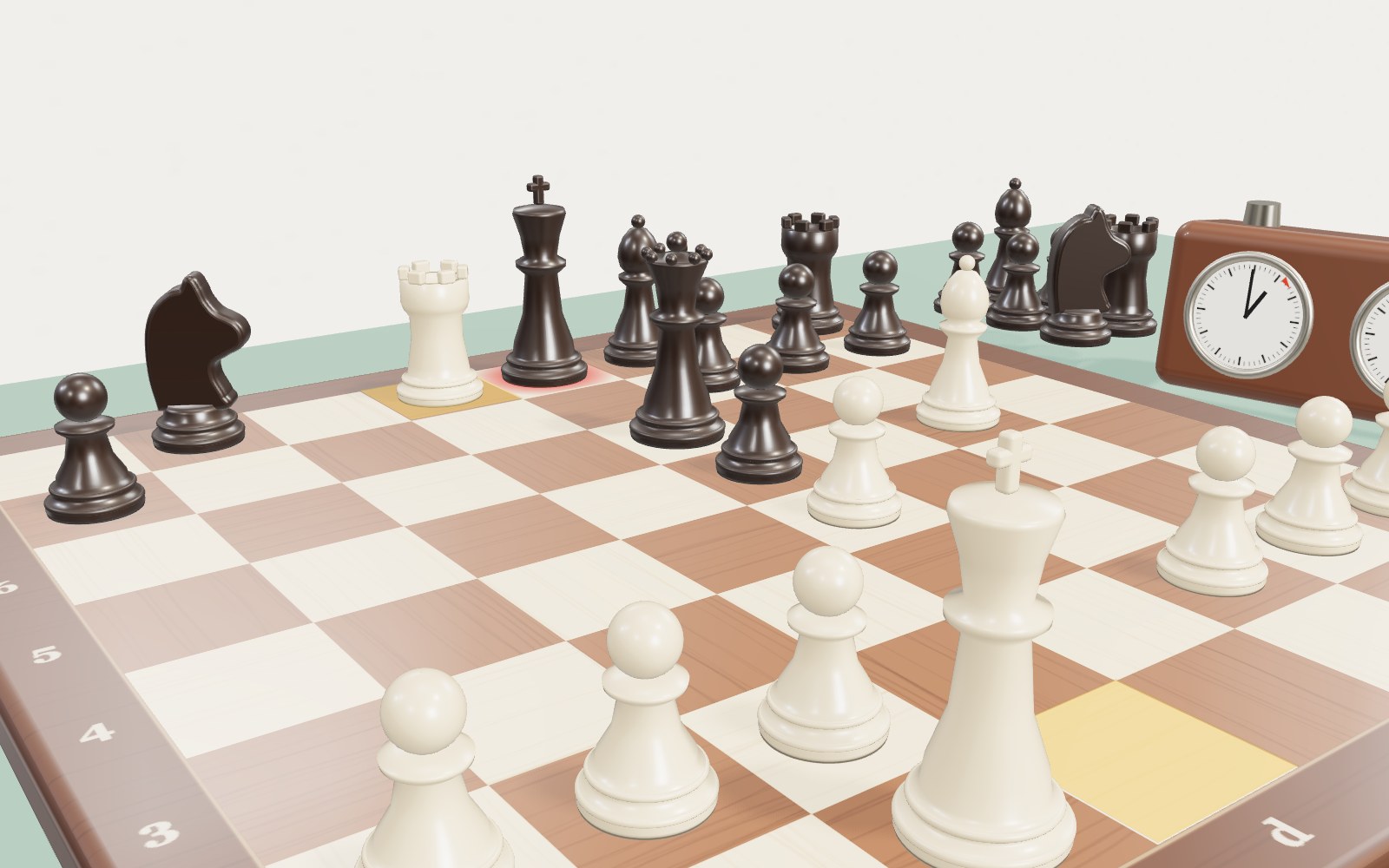
How to play chess, step by step
After just four moves by each side there are 84,998,978,956 possible games.
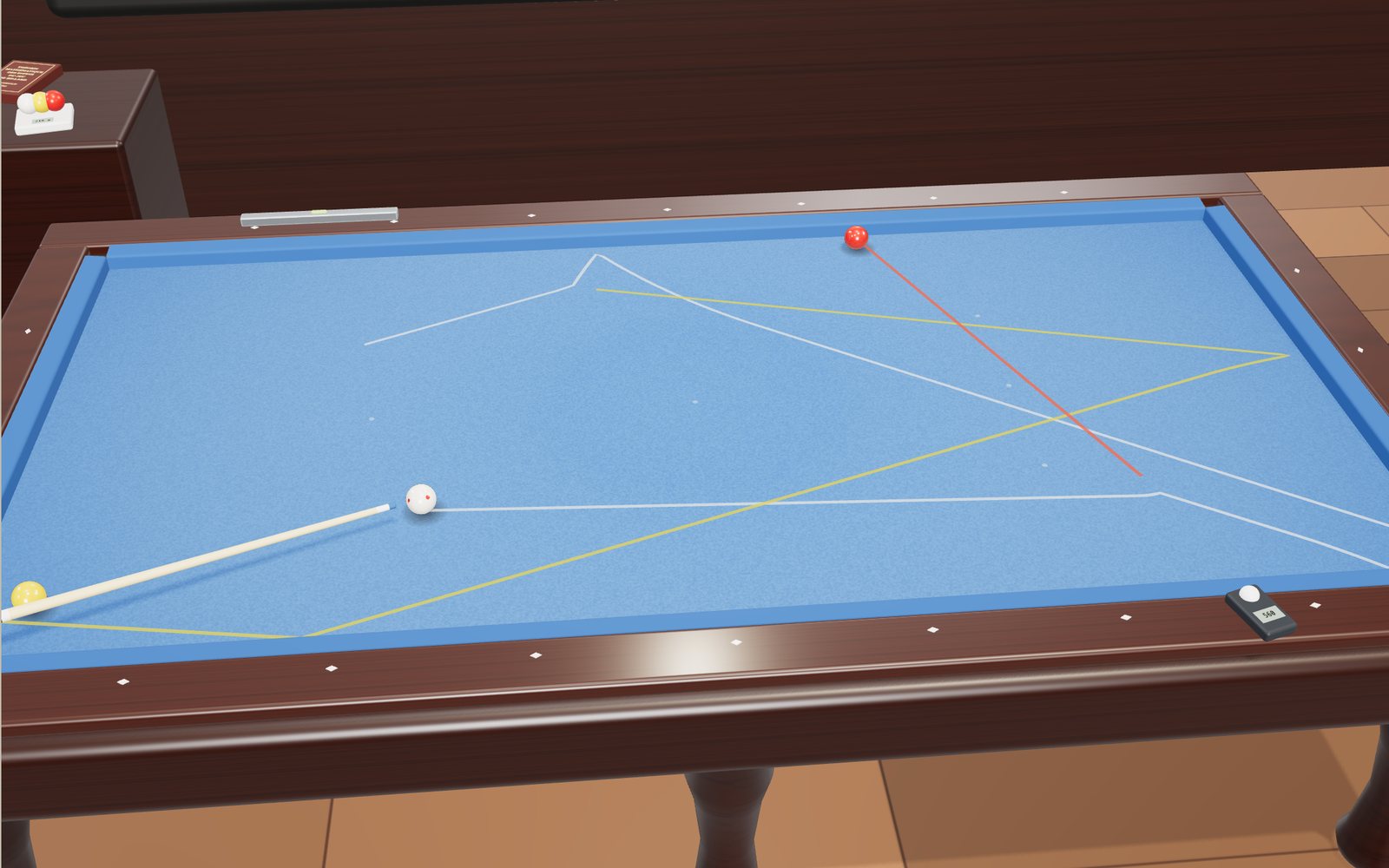
Billiards angles: aiming, spin and the diamond system, step by step
Two equal balls that meet without spin part at a right angle, and a ball struck at its centre slides for 12/49 of v²/μg before it starts to roll.