Gallery
How It Works
Clocks, engines and locks, opened up and run slowly enough to follow each part.
Most machines keep their workings behind a cover. The exhibits here take the cover off and let you run the mechanism at any speed, from one slow cycle to real time.
Use See inside to make the case transparent, Take apart to move the parts away from each other, and the guide to follow the order in which force and motion pass through the machine. The models follow published dimensions and ratios, and each article lists its sources with the date they were checked.
Exhibits
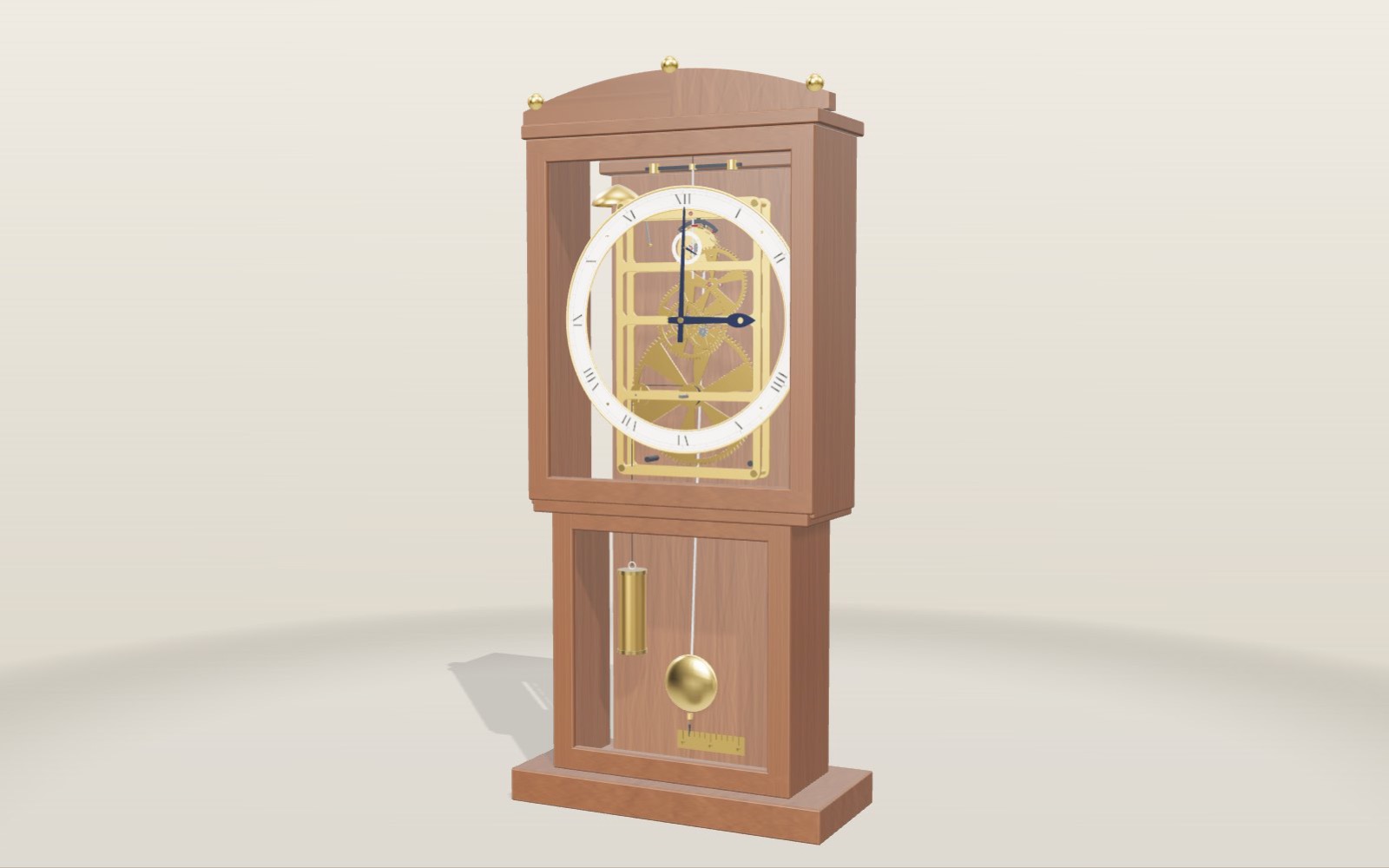
How a pendulum clock works, and why its length sets the time
A pendulum clock counts seconds with one rod 99.4 cm long. Change its length, its temperature and its place on Earth, swap four escapements and see how many seconds a day each costs.
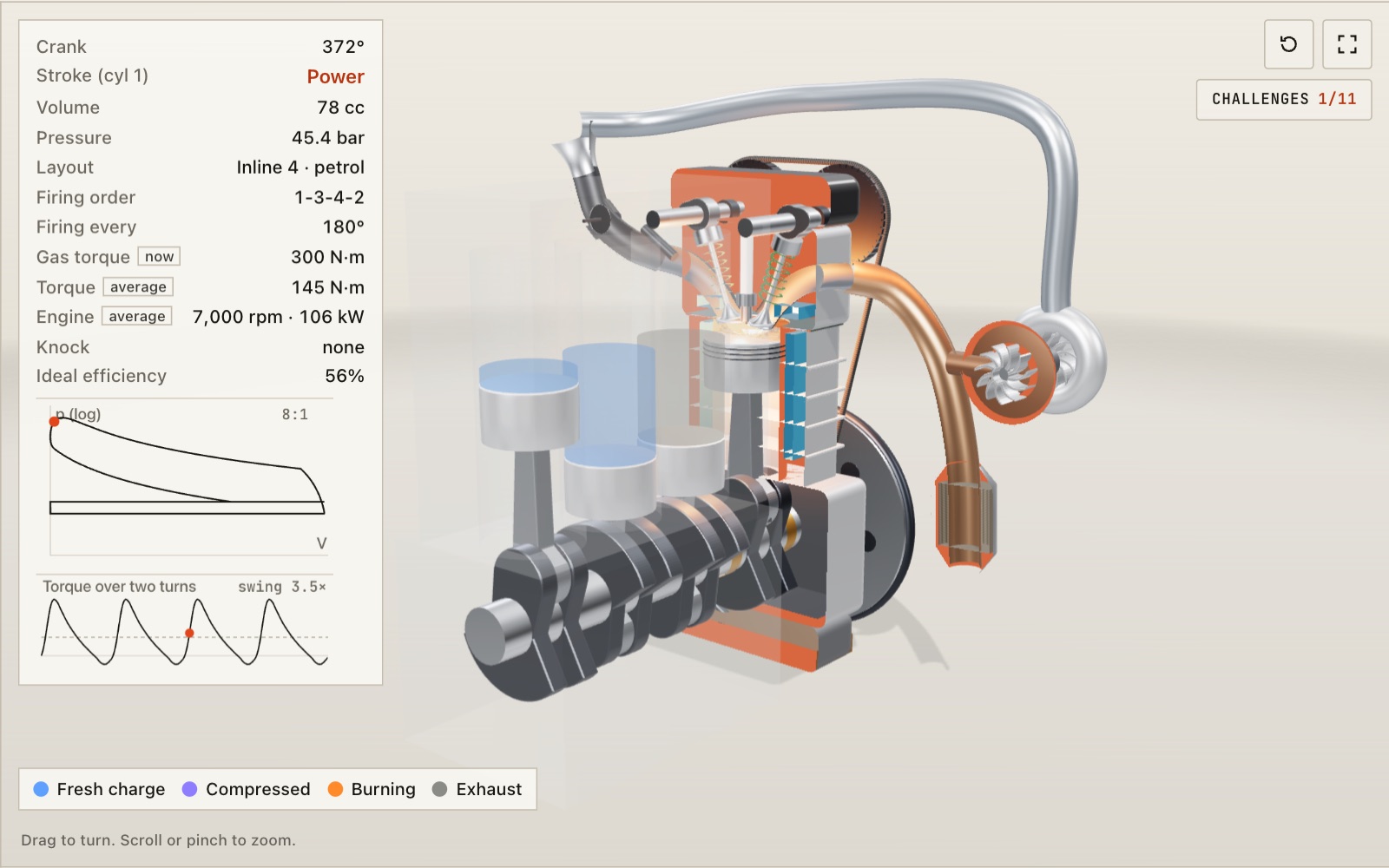
How a four-stroke engine works: two crank turns per cycle
At 3,000 rpm each cylinder fires 25 times a second. Here the engine turns slowly enough to follow every stroke, laid out as anything from a single to a V8 with its own firing order.
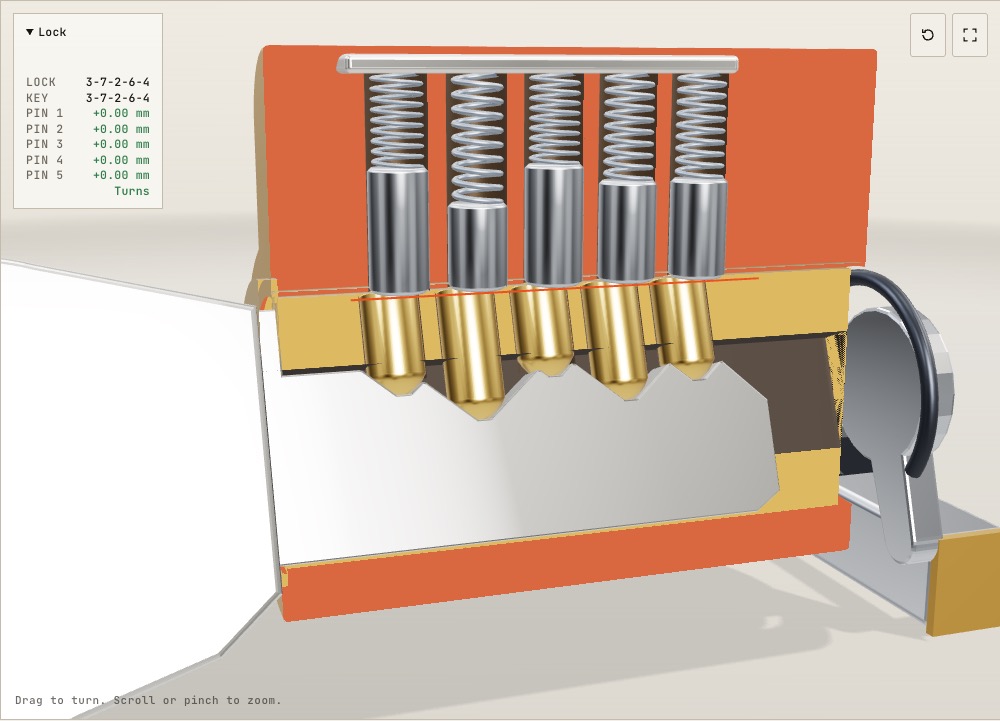
How does a pin tumbler lock work inside? A 3D cutaway
On a common Schlage key one cut depth differs from the next by 0.381 mm, and that small step is enough to keep a wrong key from turning.
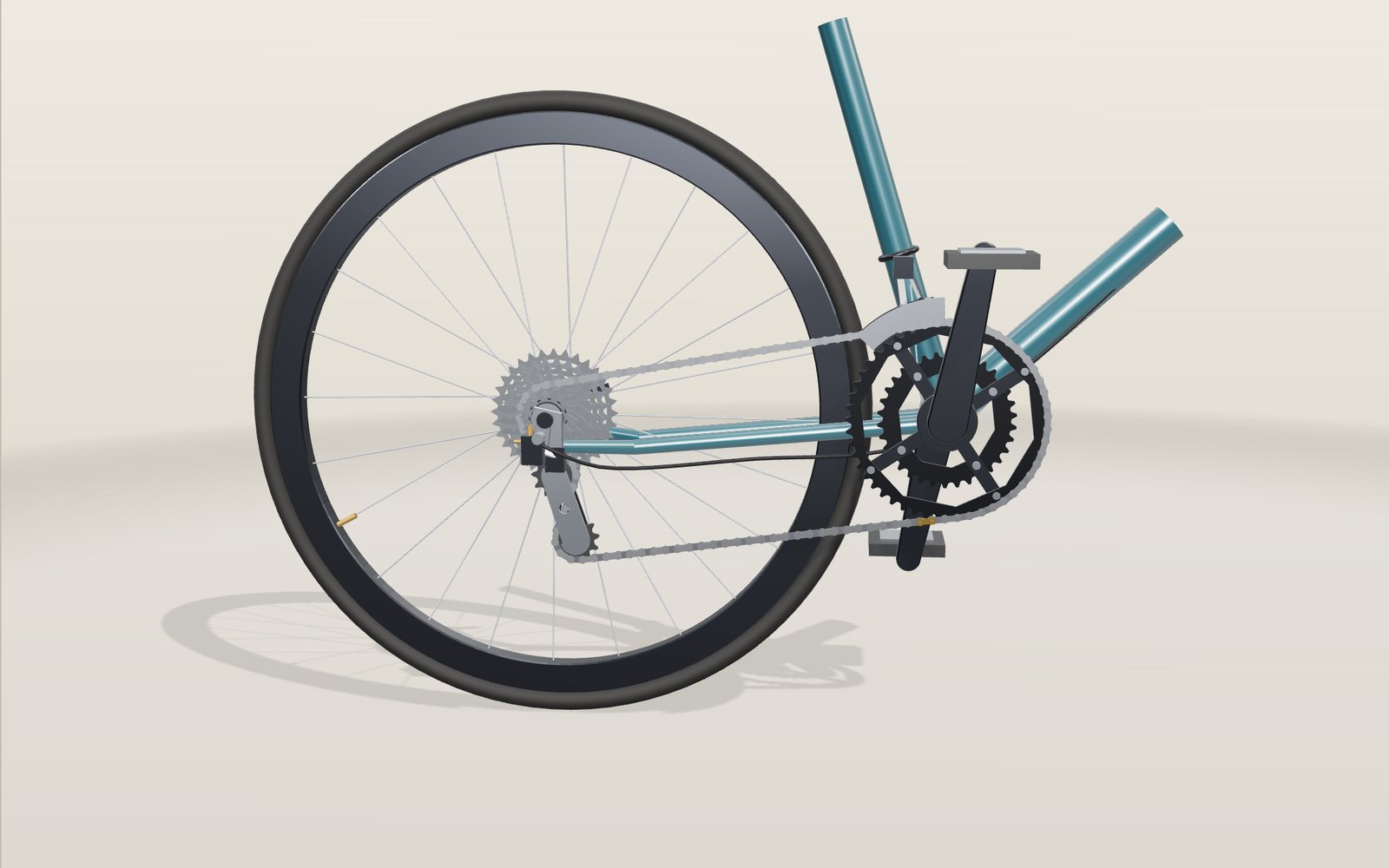
Bicycle gears: which gear makes climbing a hill easier
In a 50 by 11 gear one turn of the pedals moves a road bike 9.57 metres; in 34 by 32 it moves 2.24 metres.
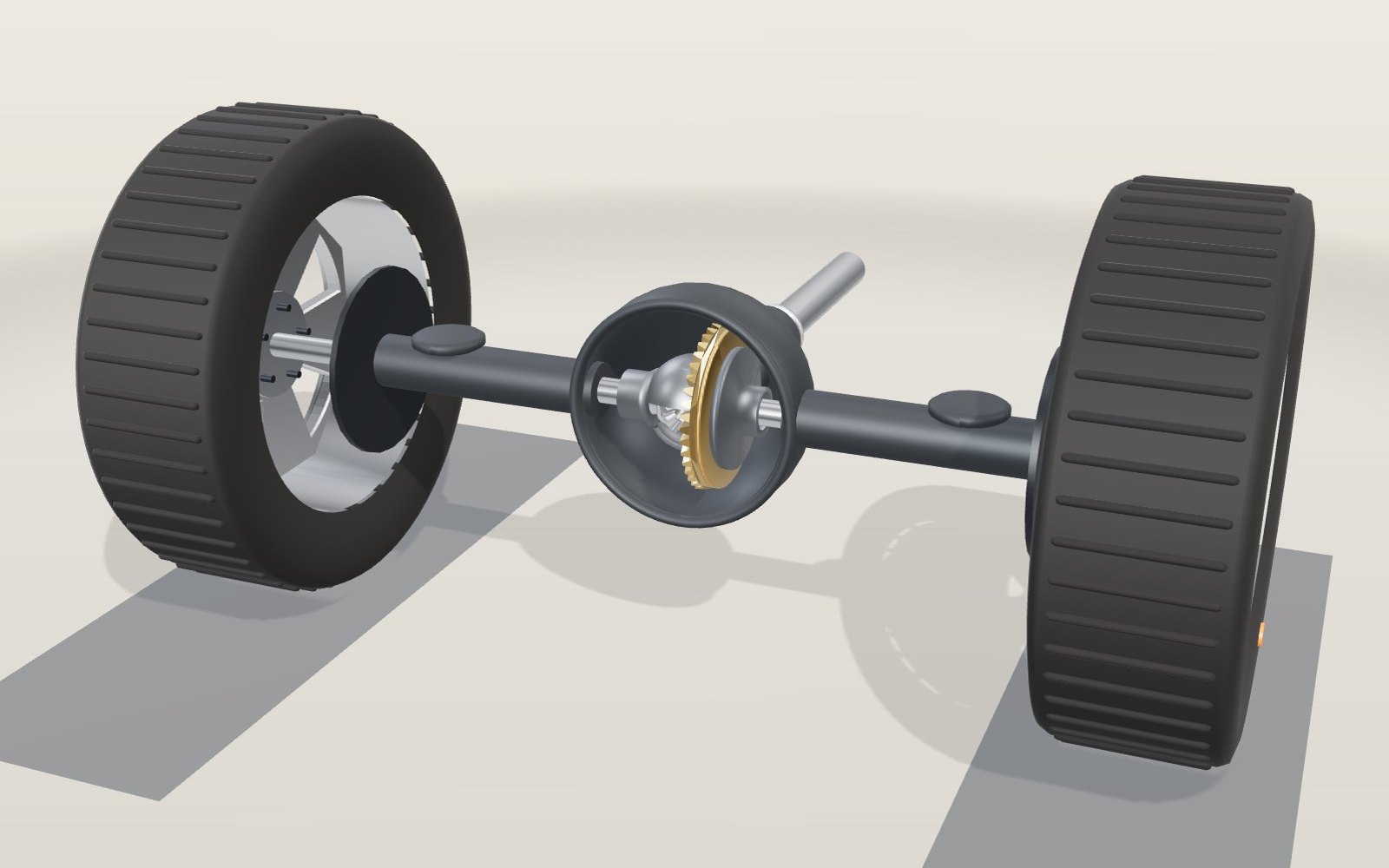
How does a differential work in a car? A 3D gear model
Round a 10 m bend at 50 km/h and the outer rear wheel turns 17% faster than the inner one, yet both are driven from the same shaft.
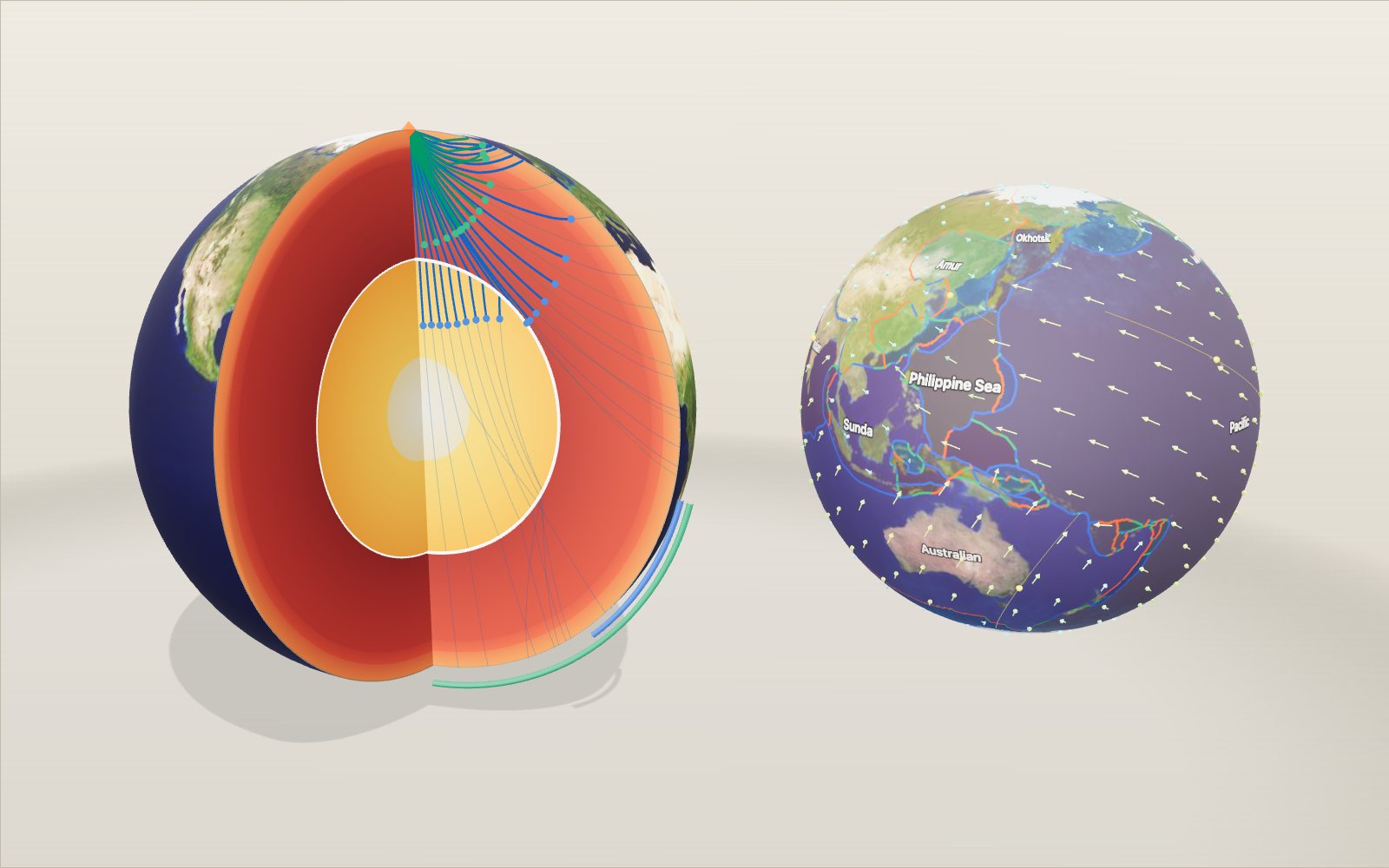
Layers of the Earth: depth and density, interactive model
Nobody has drilled deeper than 12.3 km, yet we know the pressure at the centre to within a few per cent, because earthquakes shine through the planet.
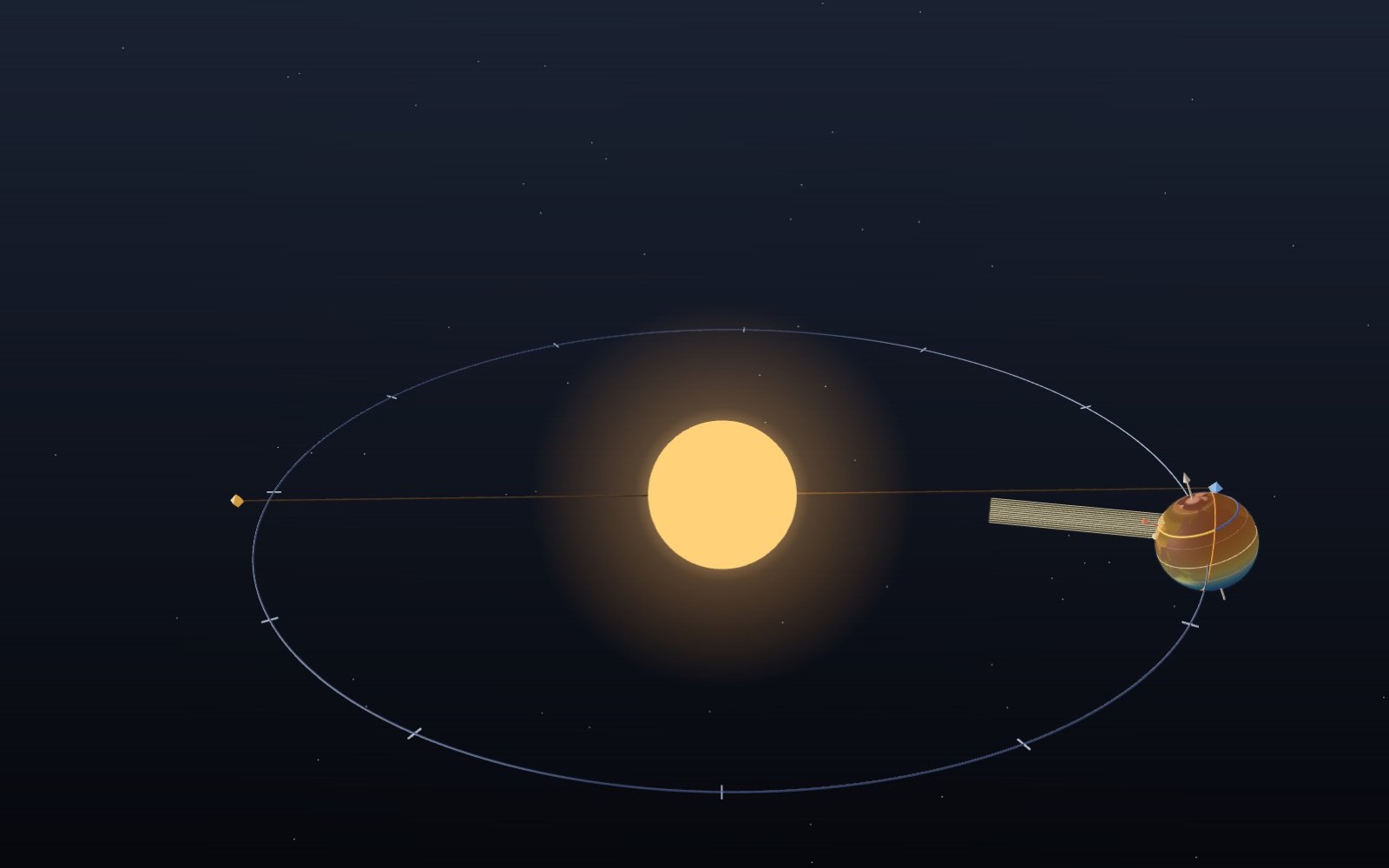
Why we have seasons: tilted Earth, changing daylight
The Earth is closest to the Sun in the first week of January, in the middle of the northern winter.
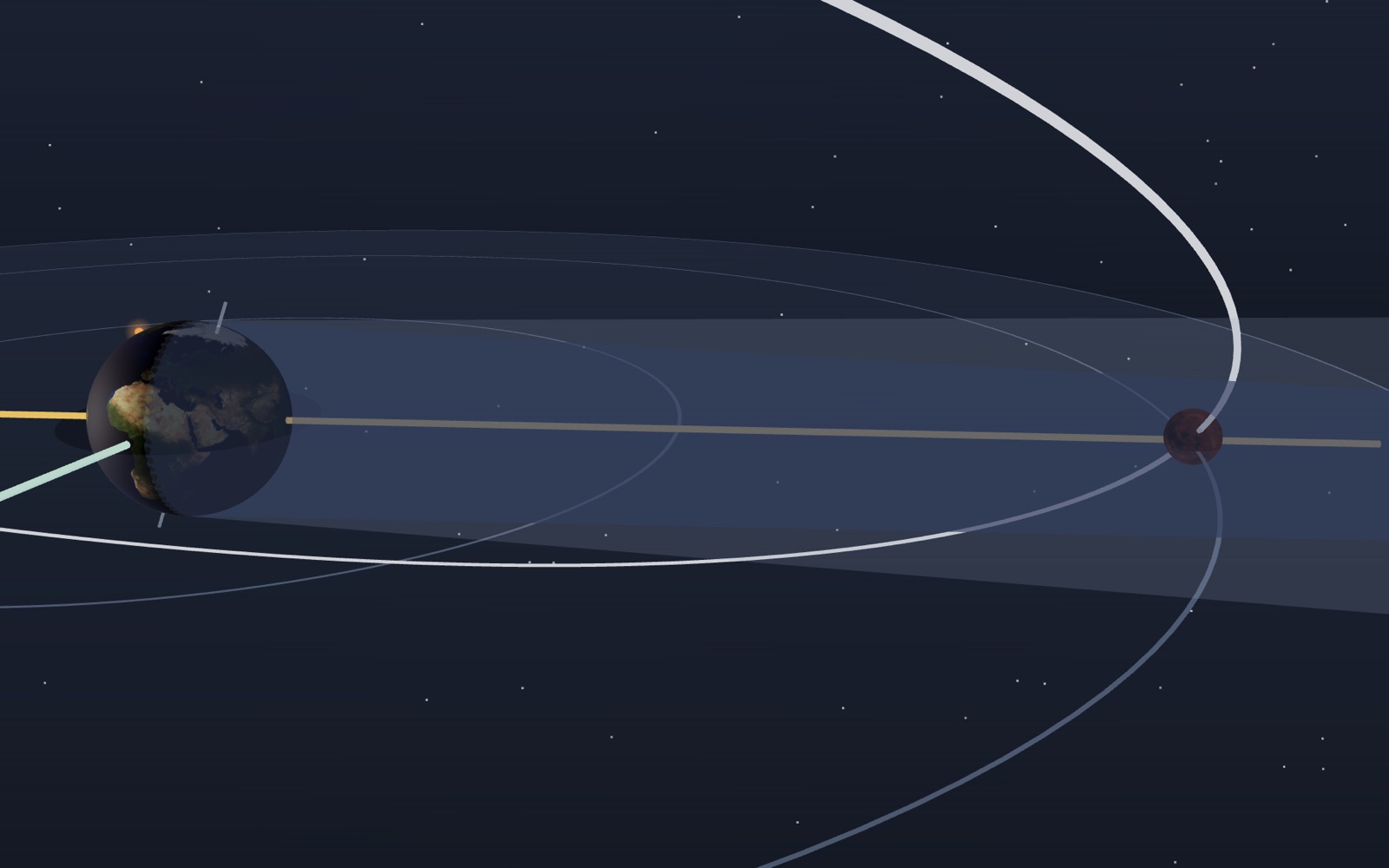
Moon phases: why a crescent is not Earth’s shadow
The Moon passes between the Earth and the Sun every 29.5 days, so why is there no solar eclipse every month?
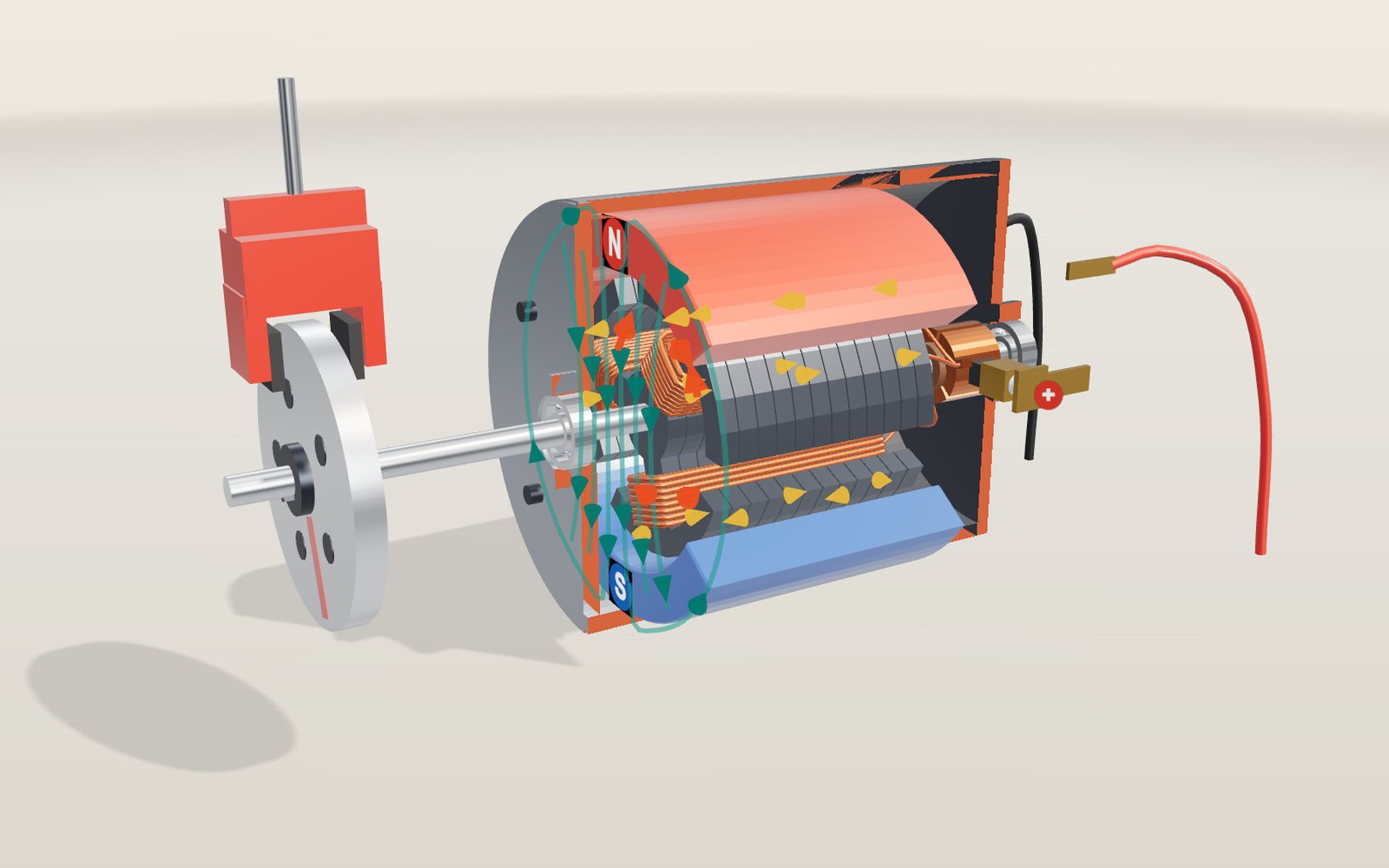
Electric motor simulator: how it works, step by step
Eight motors, from Faraday's wire in mercury in 1821 to the magnets inside an electric car, all turning on the same push between current and field.
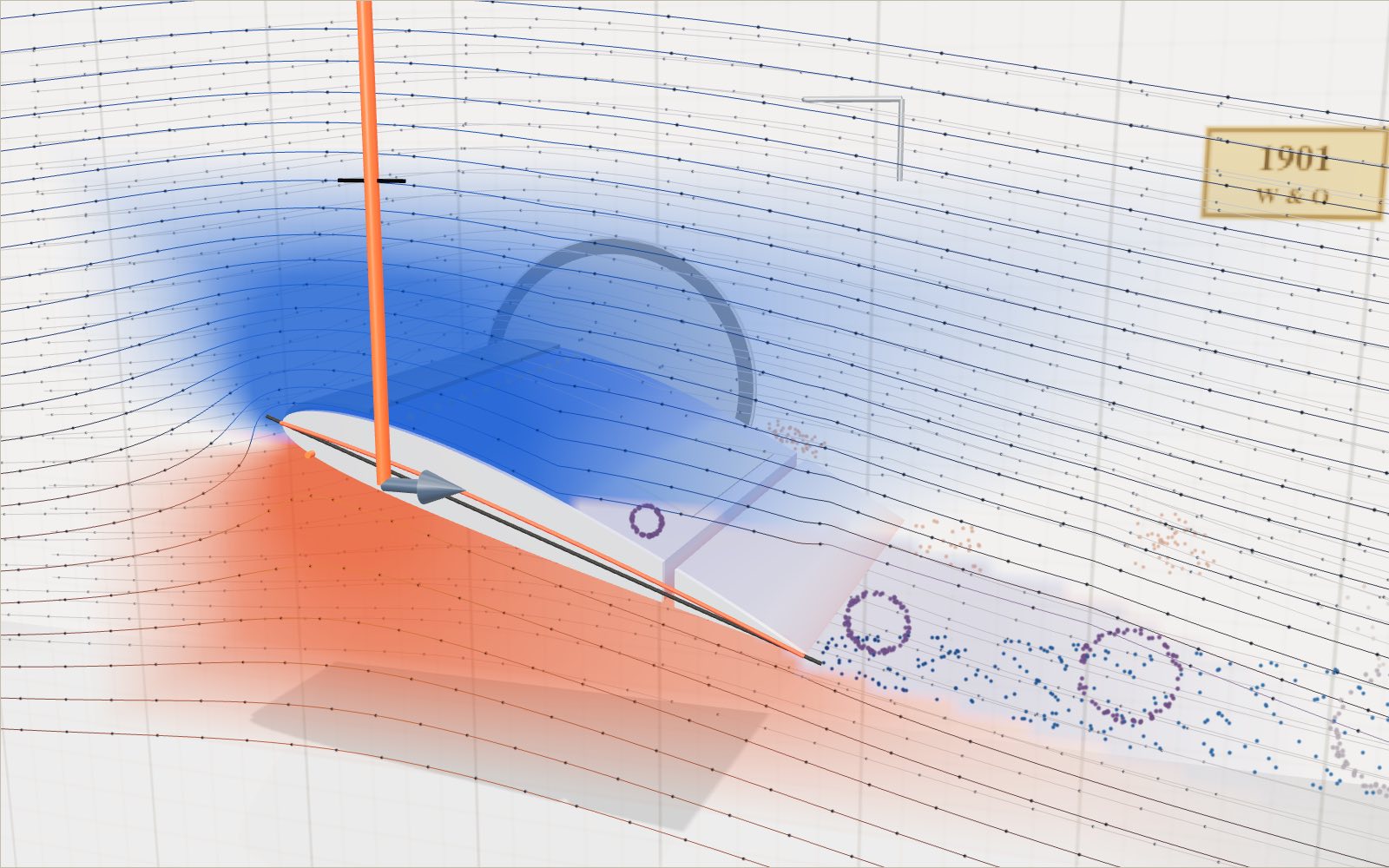
How a wing makes lift, and what changes as the angle grows
Air over the top of a wing reaches the trailing edge first. It does not wait for the air underneath.
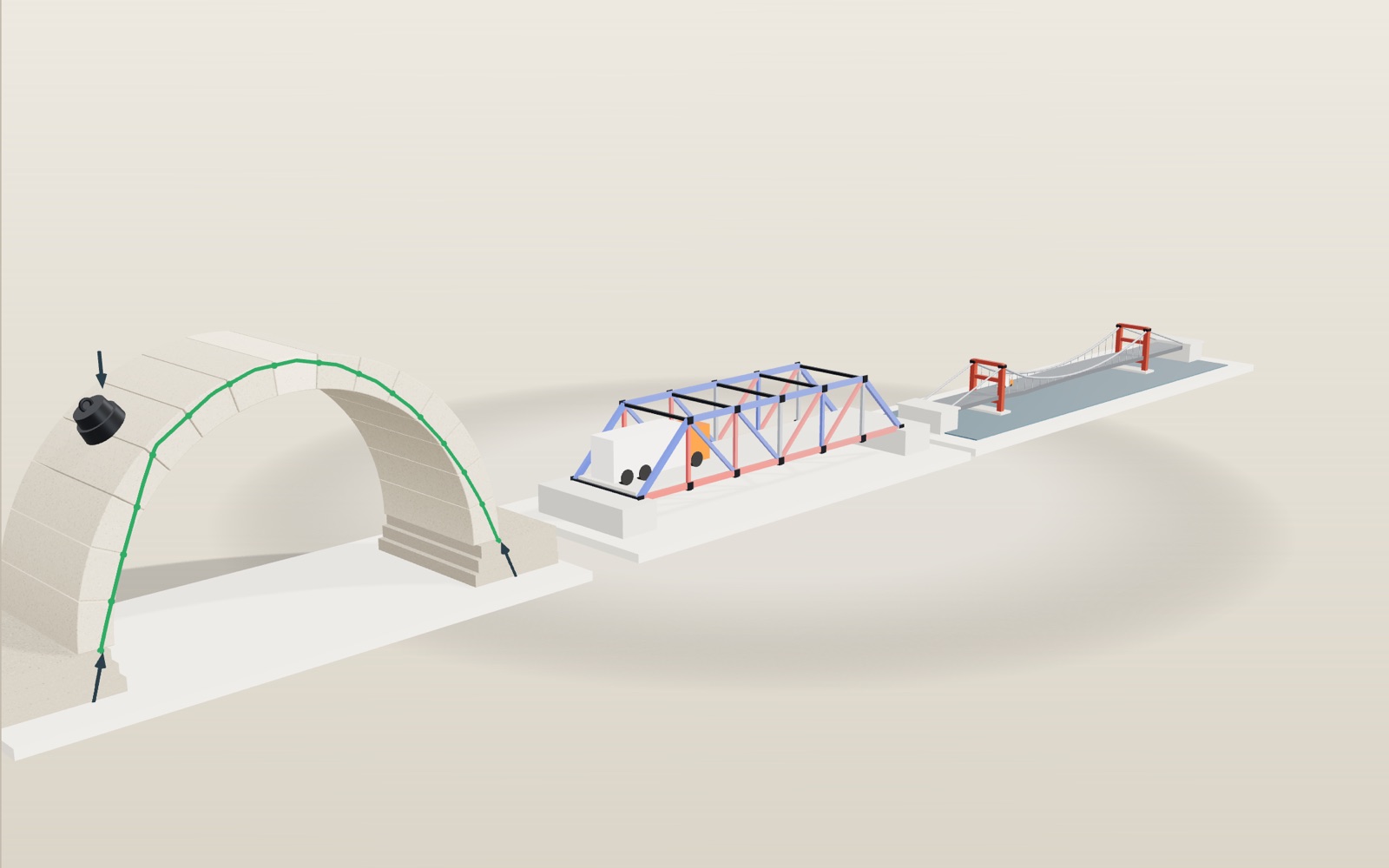
Stone arch bridge: load it and watch how it carries weight
A stone arch has no glue between its blocks, yet it stands on its own once the last stone is set at the top.
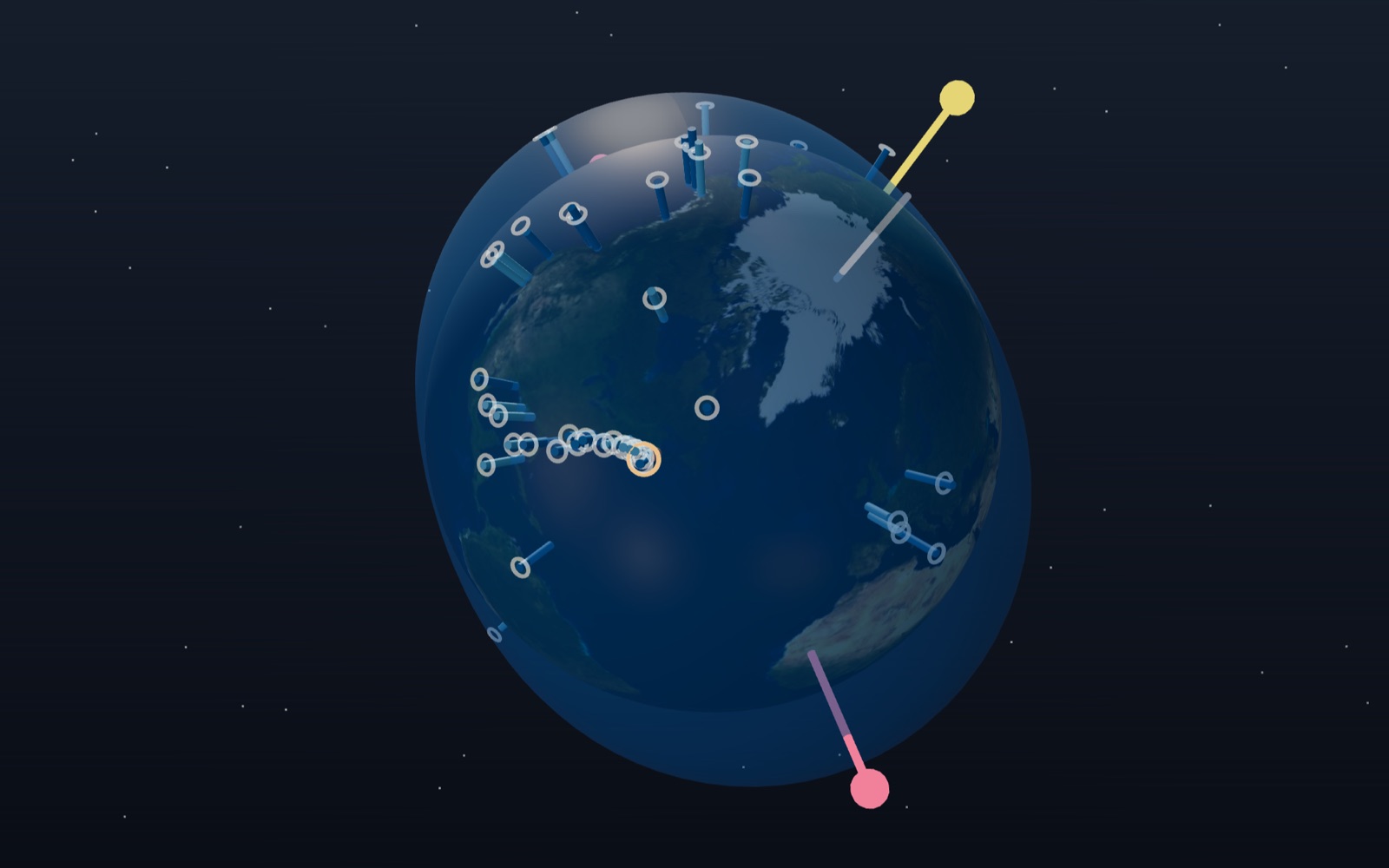
How tides work
The Moon raises the sea on the side of the Earth facing it, so why is there a second high tide on the side facing away?
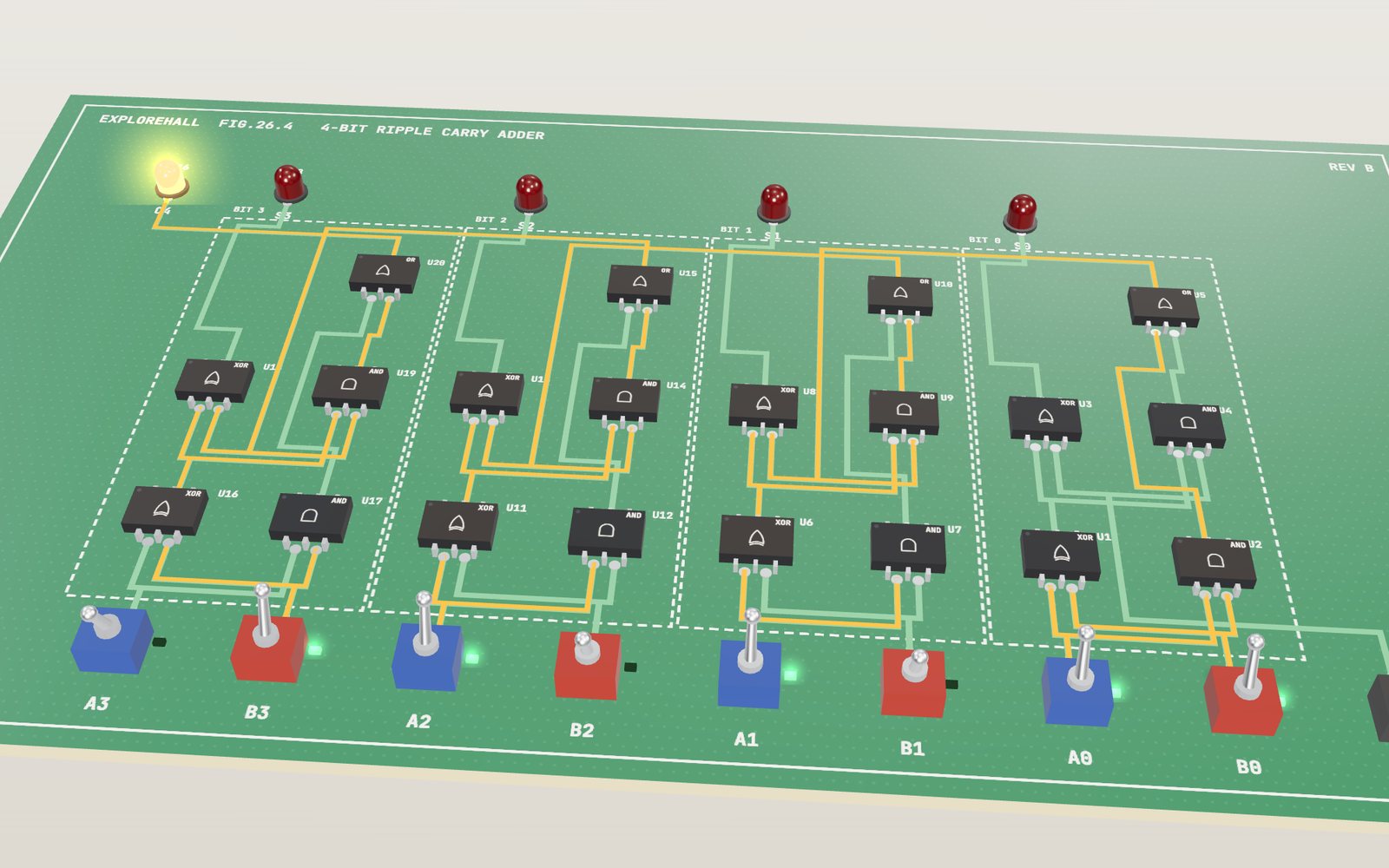
How logic gates add numbers: sum bits and carry bits
Adding 7 and 9 on this board takes 20 gates, and the last carry lands 8 gate delays after you flip the switches.
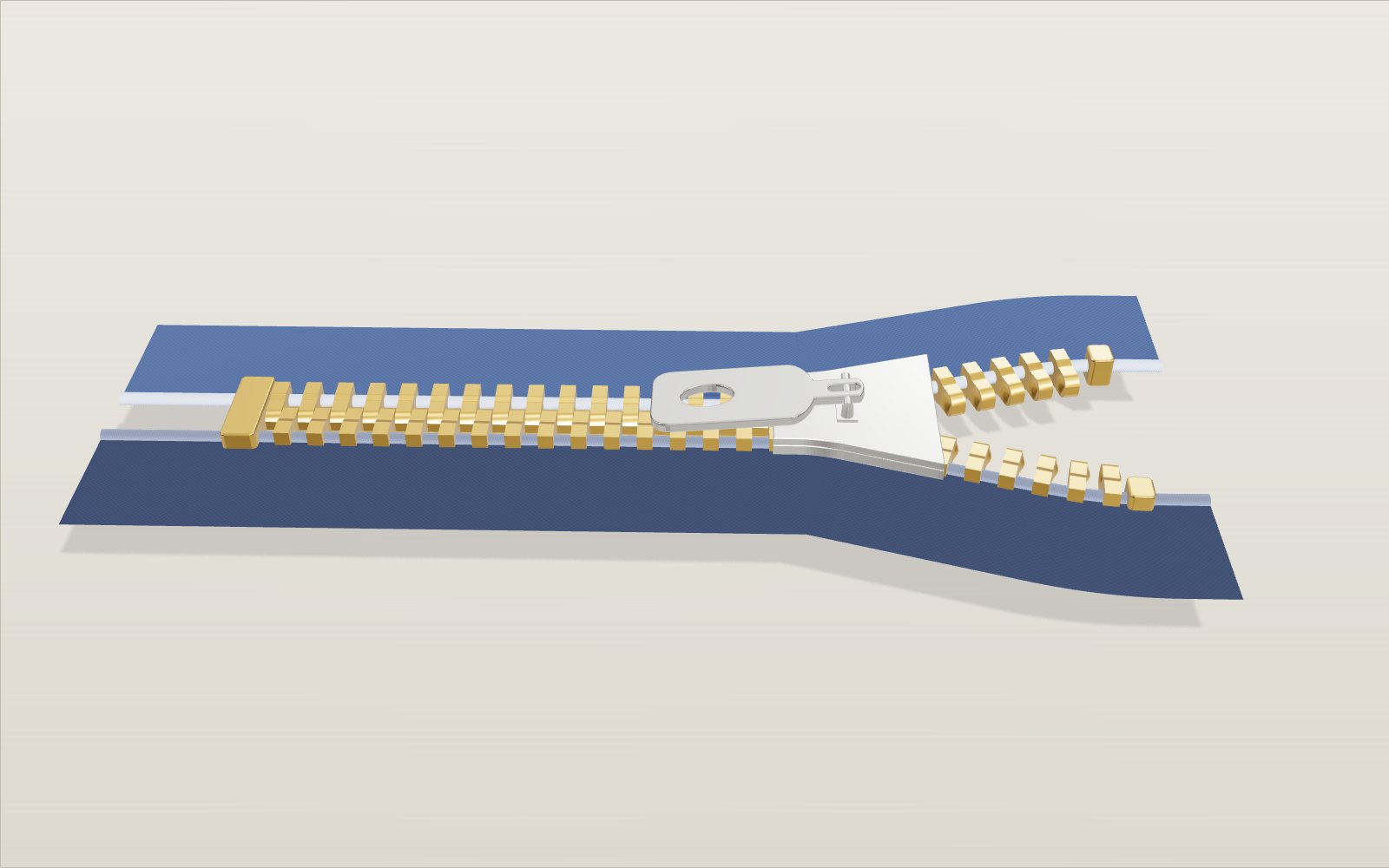
How a zipper works: how the slider locks the teeth
Nothing inside a zipper slider moves, yet the same Y-shaped channel locks the teeth on the way up and unlocks them on the way down.
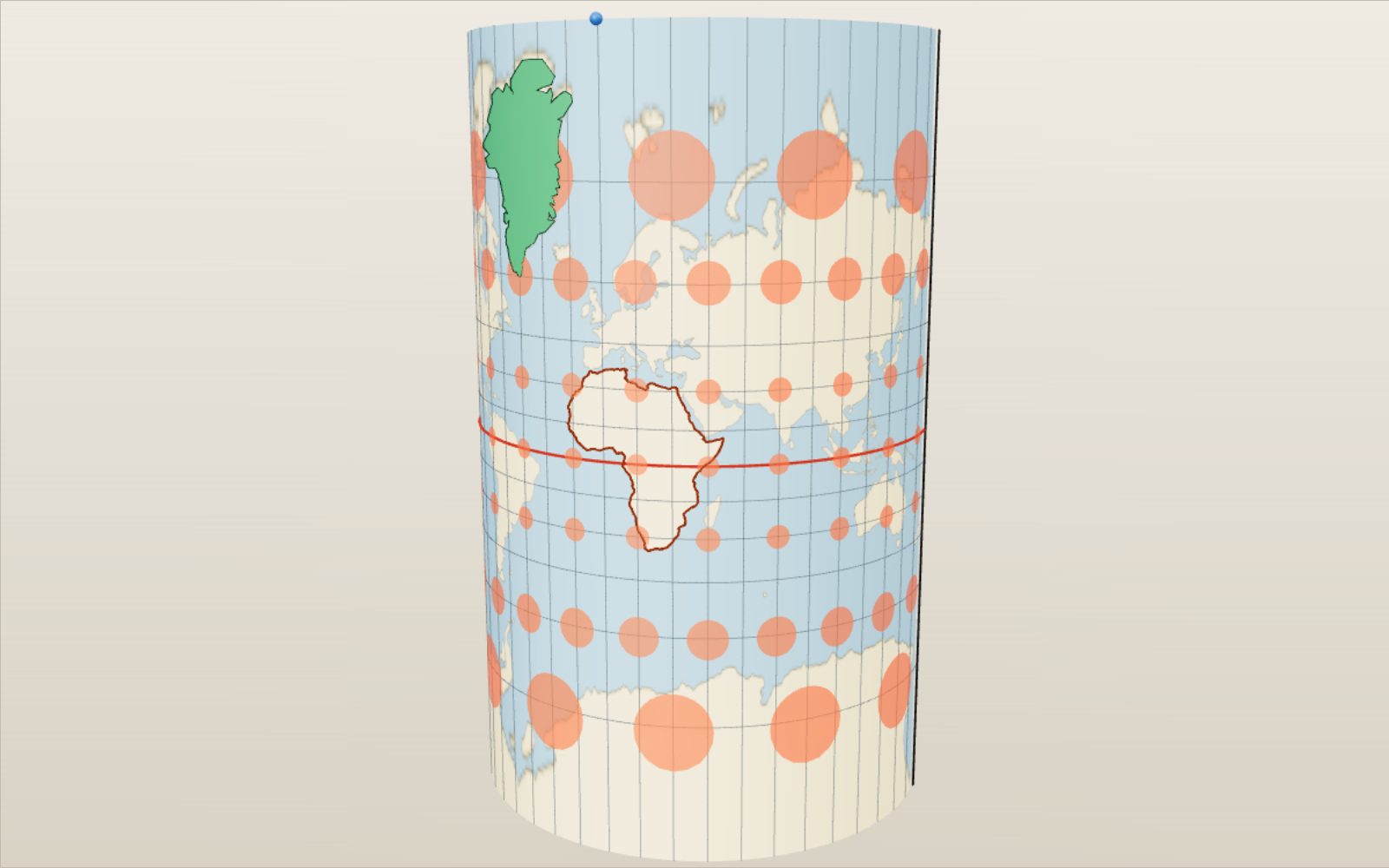
Map projections: why Greenland looks as big as Africa
On a Mercator map Greenland looks bigger than Africa, which is in fact about 14 times larger.
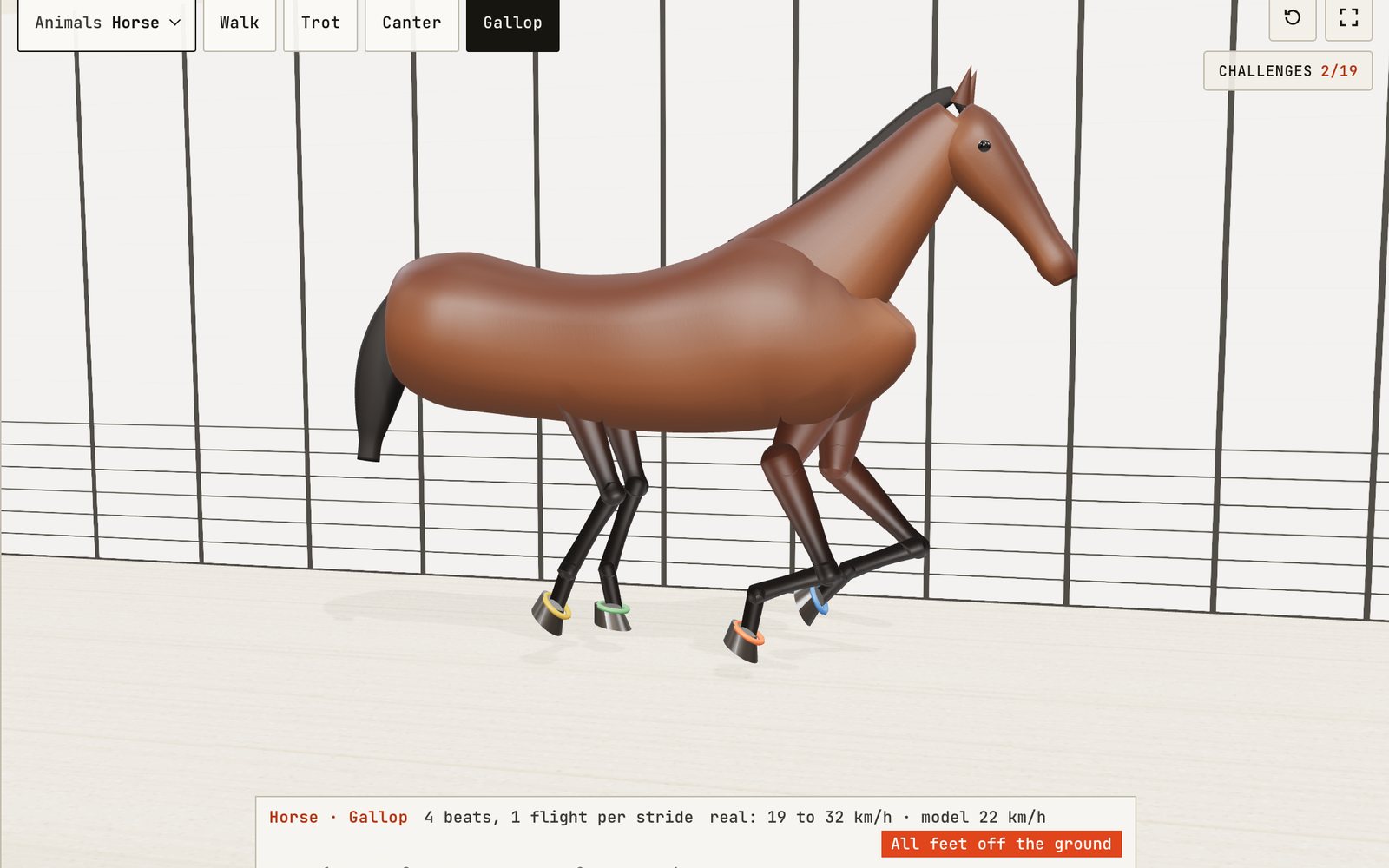
How a horse runs: walk, trot, canter and gallop
In 1878 Muybridge's cameras showed that a galloping horse does lift all four feet at once, but with its legs tucked under it. Some fast animals never leave the ground at all.
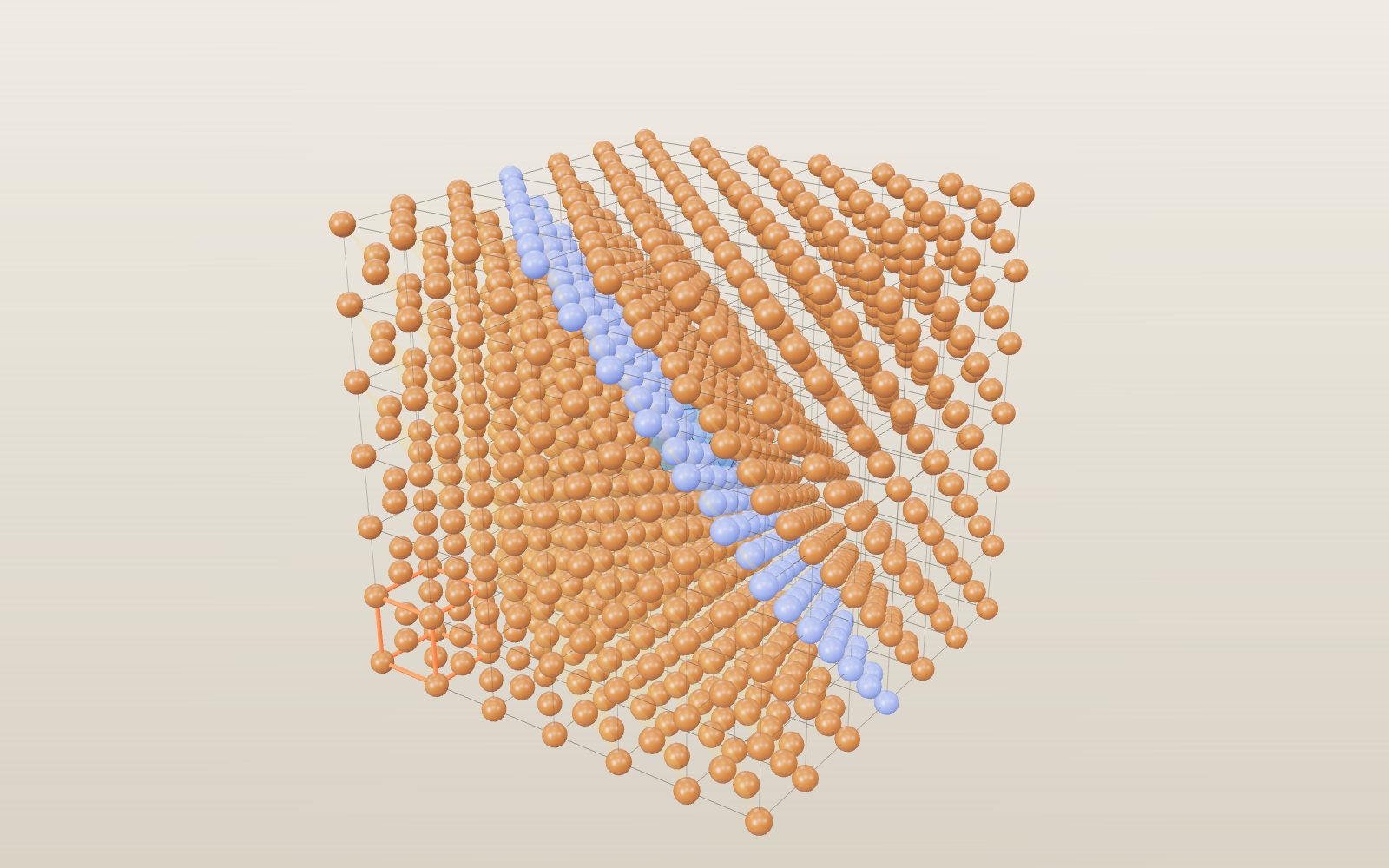
Why salt forms cubes: crystal structure and unit cells
A grain of table salt is a stack of cubes 0.564 nm on a side, with sodium and chlorine alternating along every edge.
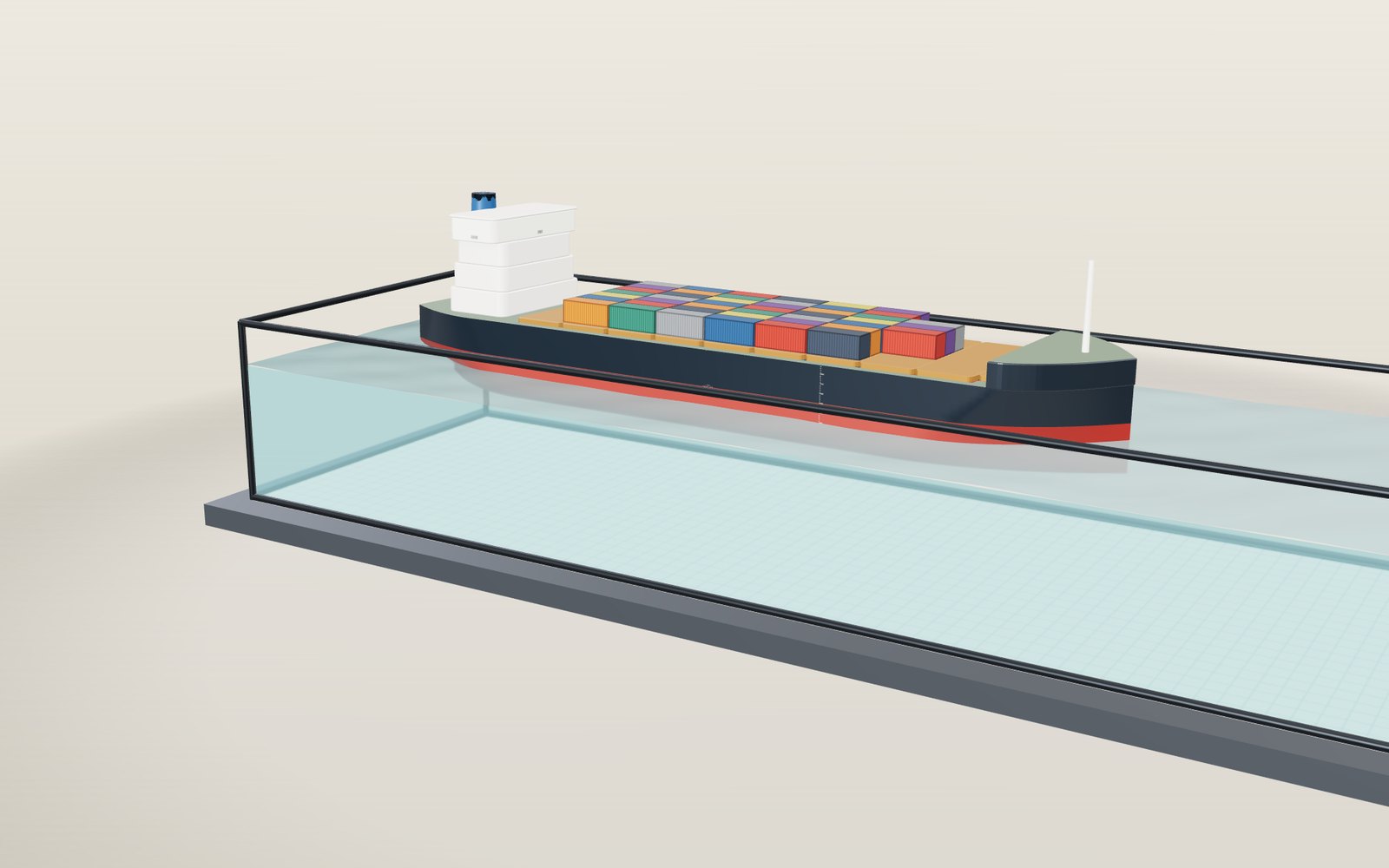
Why do ships float?
A 1,900-tonne steel ship floats, yet the same 1,900 tonnes of steel pressed into a cube goes straight to the bottom.
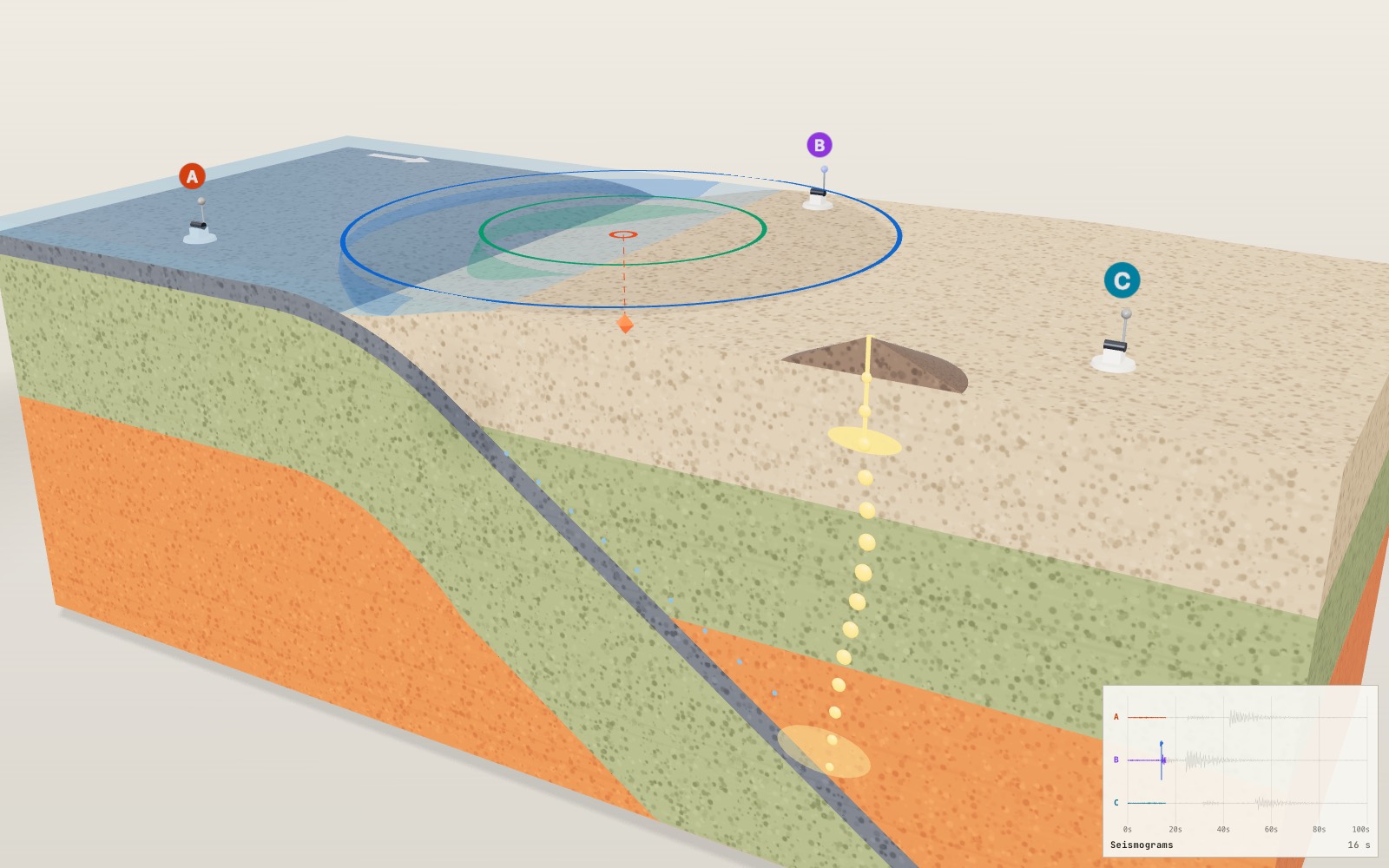
Where volcanoes and earthquakes happen
For each second between the P wave and the S wave, the earthquake is roughly 8 km farther from the seismometer.
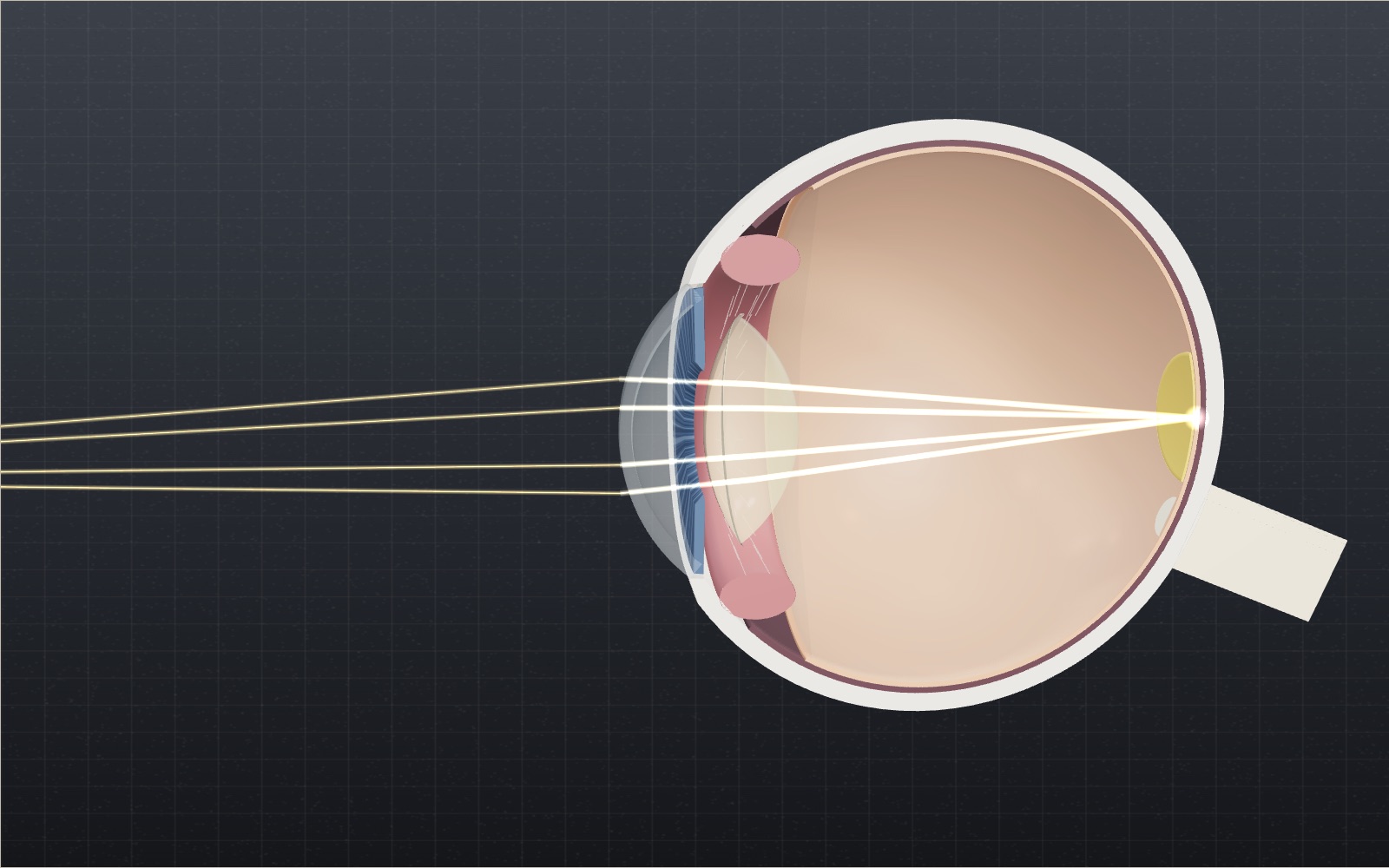
How does the eye focus on near and far objects? Try it in 3D
The cornea supplies about 43 of the eye's 60 dioptres, so why does the small lens behind it get all the credit for focusing?
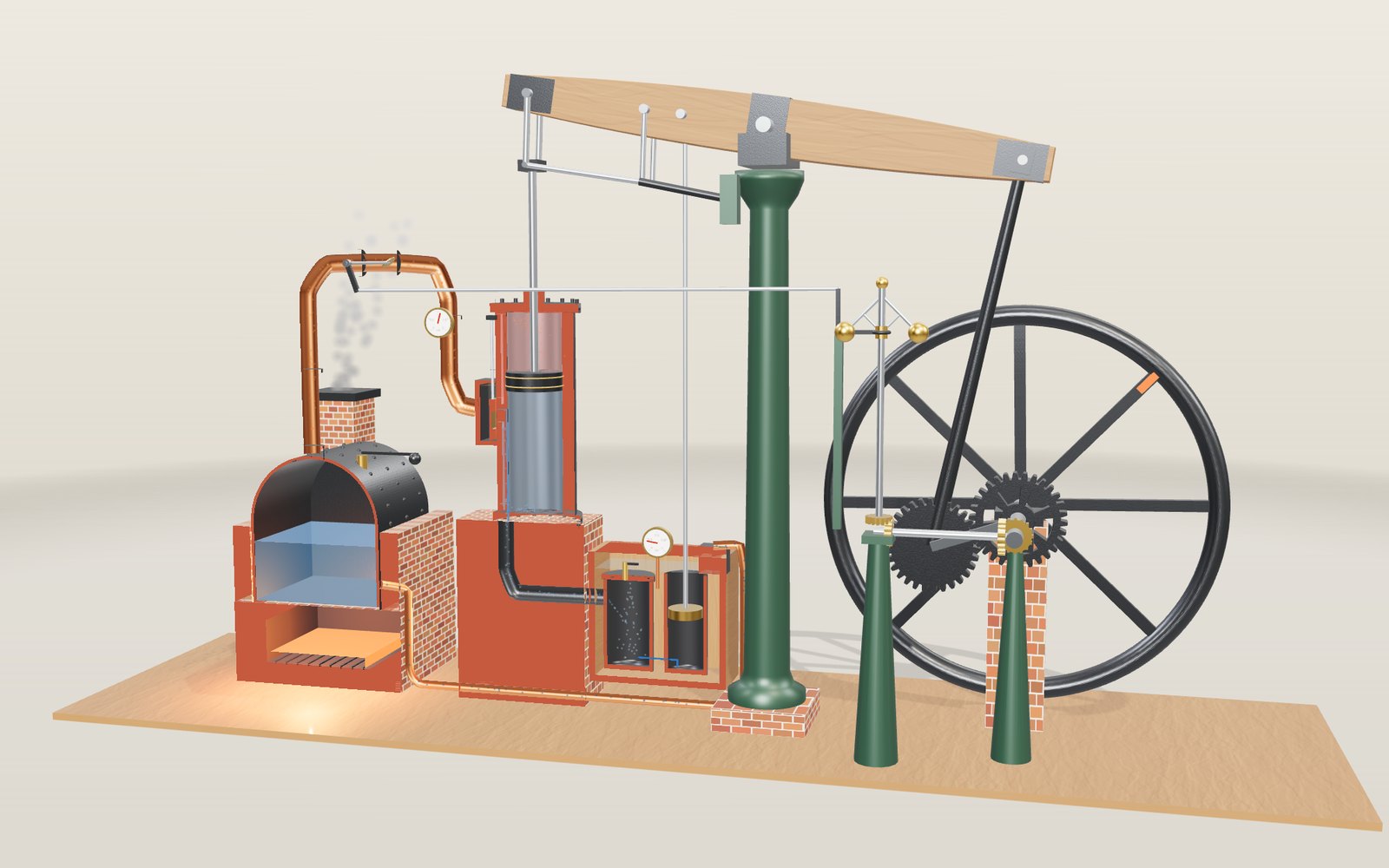
How does the Watt steam engine work? A working 3D model
A Watt engine did the same work as a Newcomen engine on about a third of the coal, because it condensed its steam in a separate vessel.
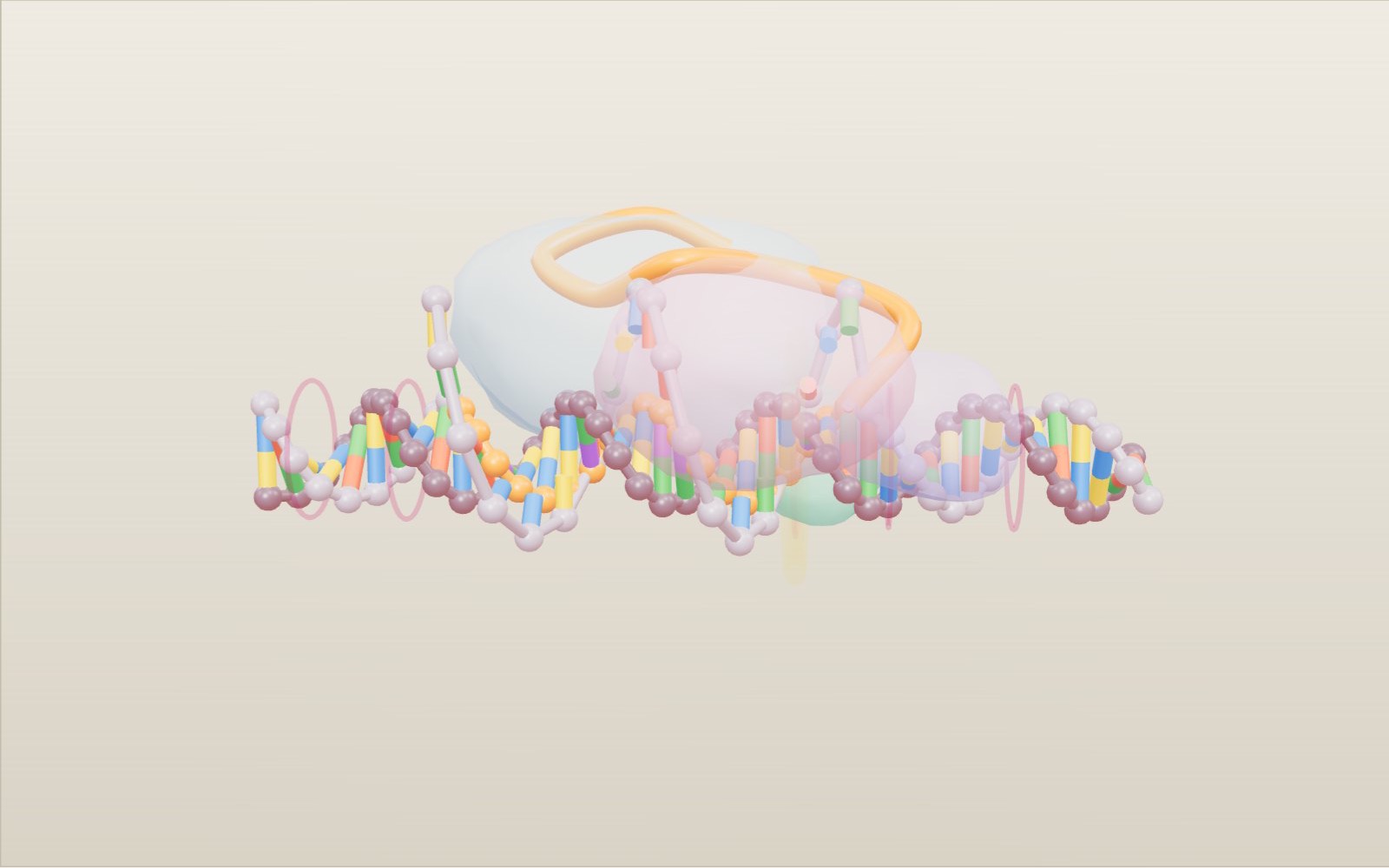
How CRISPR-Cas9 gene editing works
A guide RNA reads just 20 letters of DNA, and that is usually enough to pick out one spot among the 3 billion base pairs of a human genome.
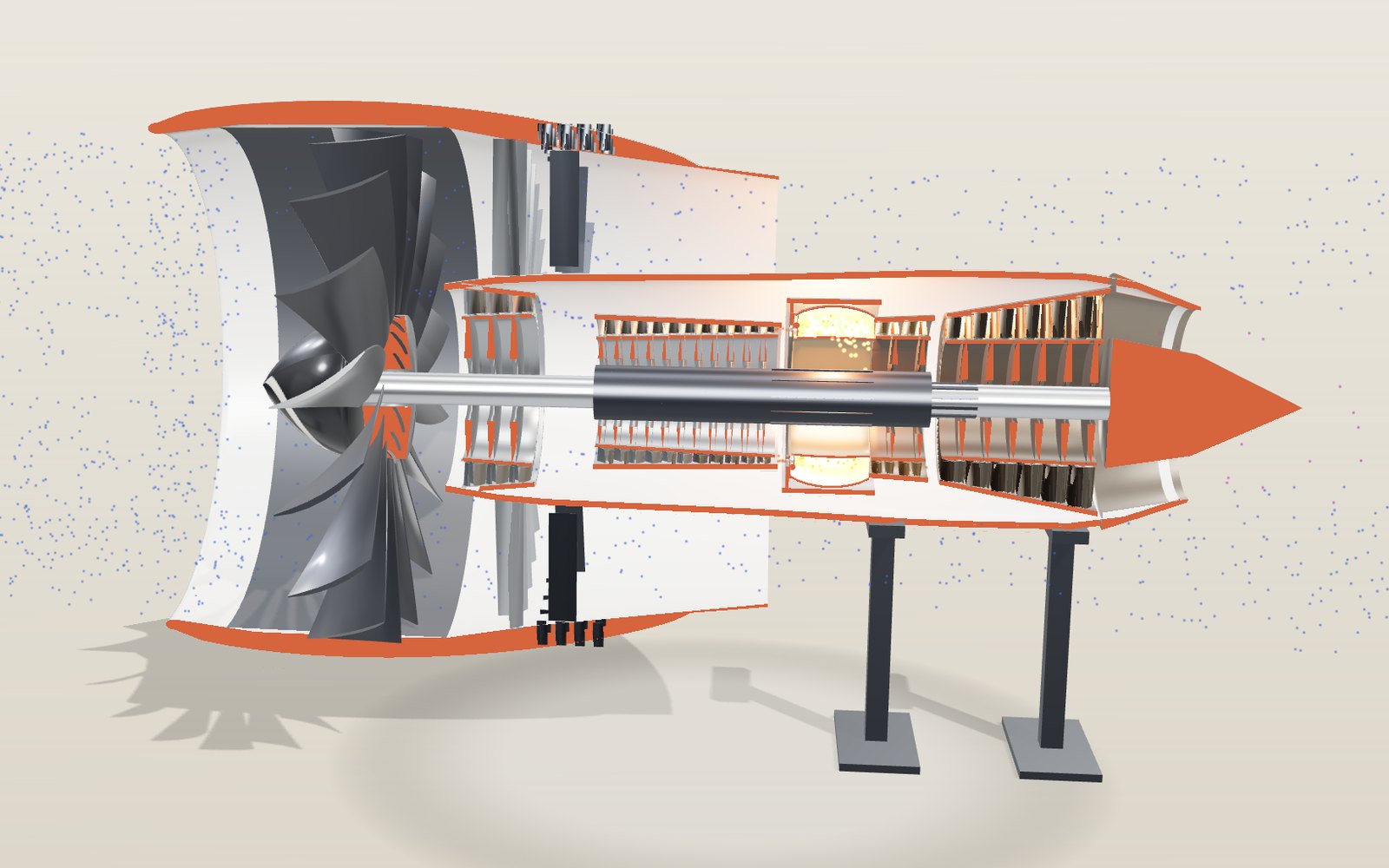
How a jet engine works: where an airliner’s thrust comes from
In an airliner's turbofan only one kilogram of air in eleven passes through the flame. Six other kinds of jet engine split the work differently, and you can open each one here.
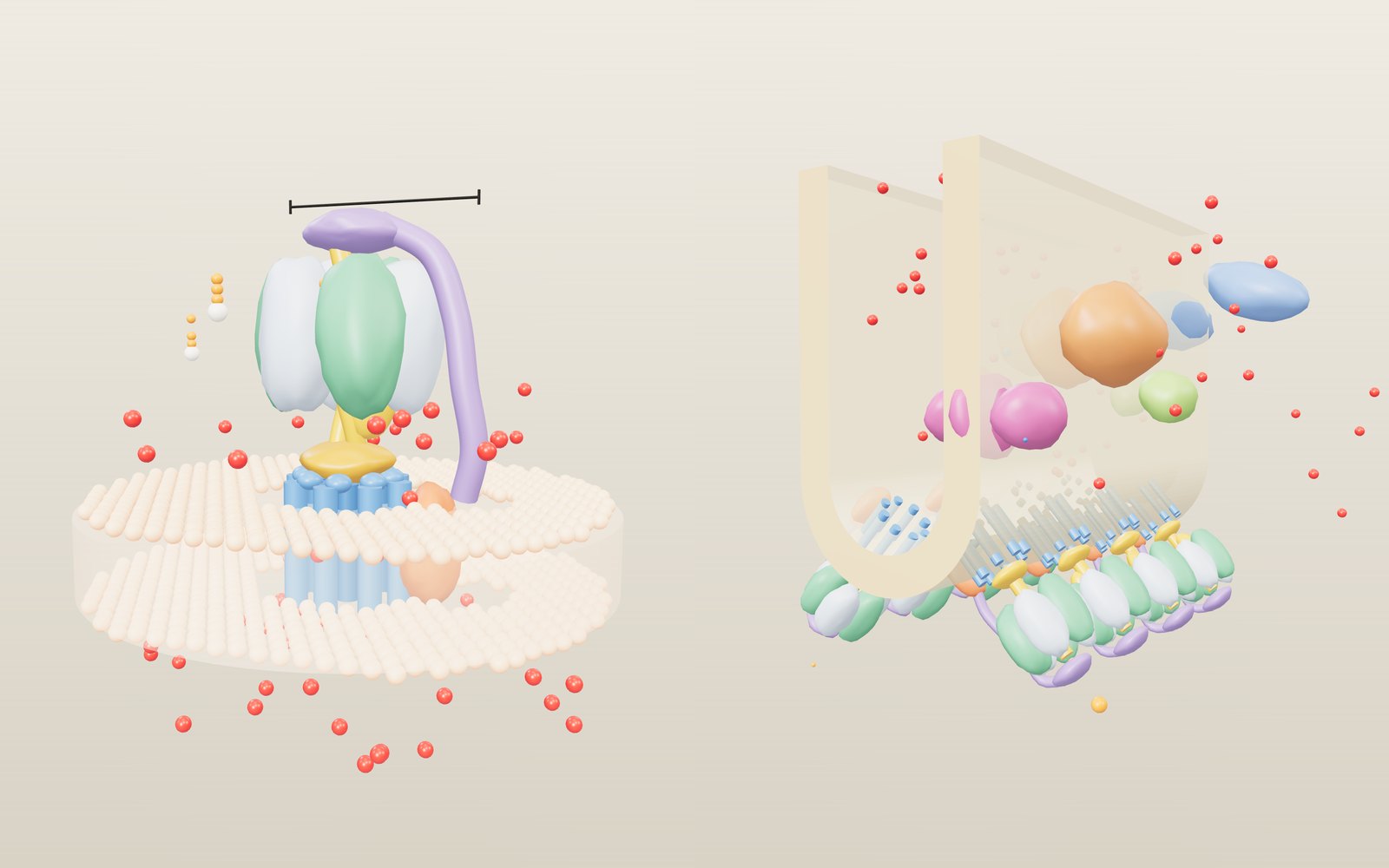
How ATP synthase works
In mitochondria the rotor of ATP synthase turns about 100 times a second, and every full turn releases three molecules of ATP.
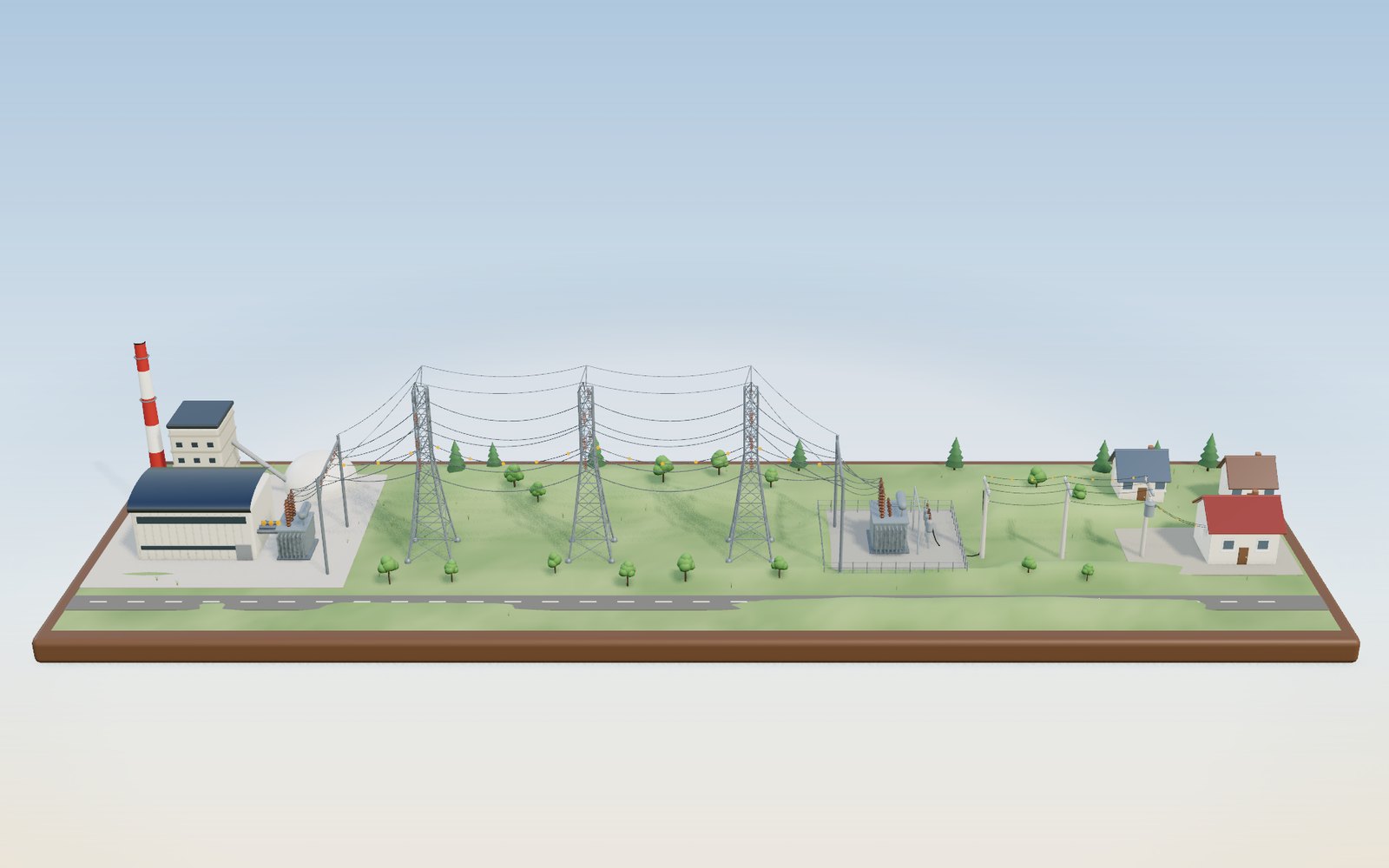
How electricity gets to your home
Electricity leaves the power station at 345,000 volts and reaches the outlet at 220, because high voltage keeps the current, and the heat lost in the wires, small.
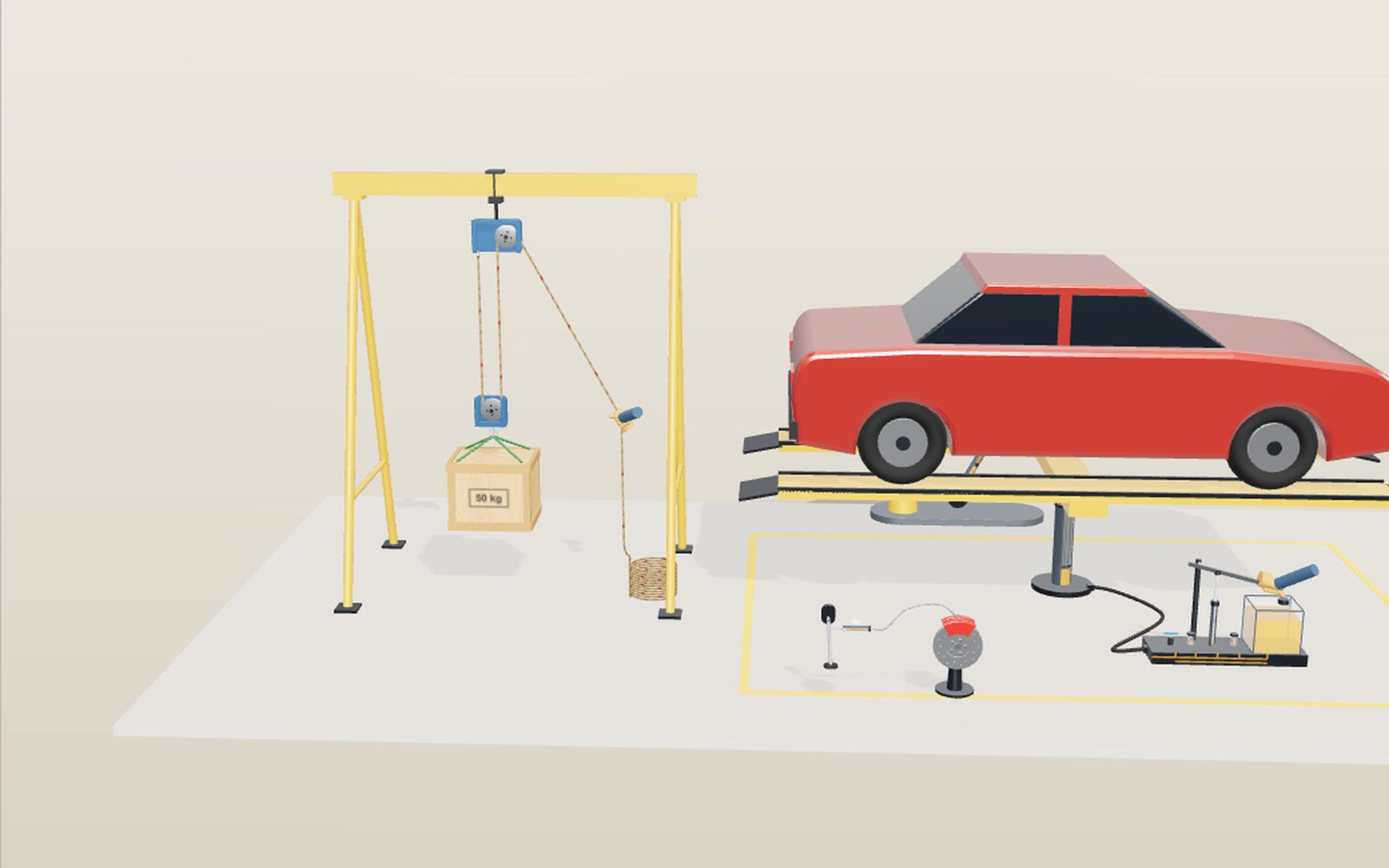
Pulley and hydraulic jack simulator: lift a crate and a car
A 50 kg crate can be lifted with an 82 N pull, as long as you are willing to pull six metres of rope for every metre it rises.
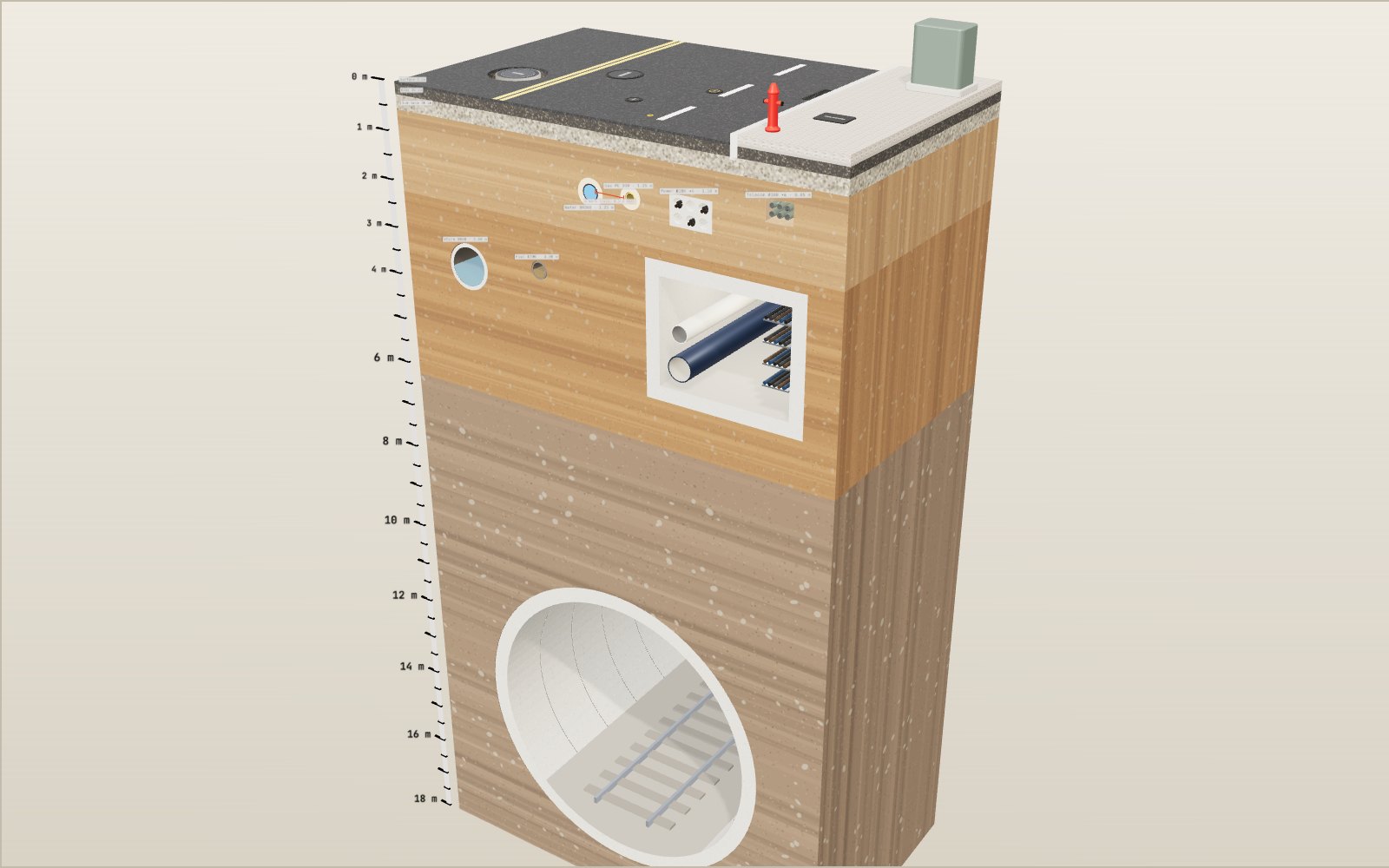
What is under the street
Korean road rules put a water main at least 1.2 metres under the road and a main sewer at least 3 metres down, so four kinds of pipe and cable all lie within the top 2 metres.
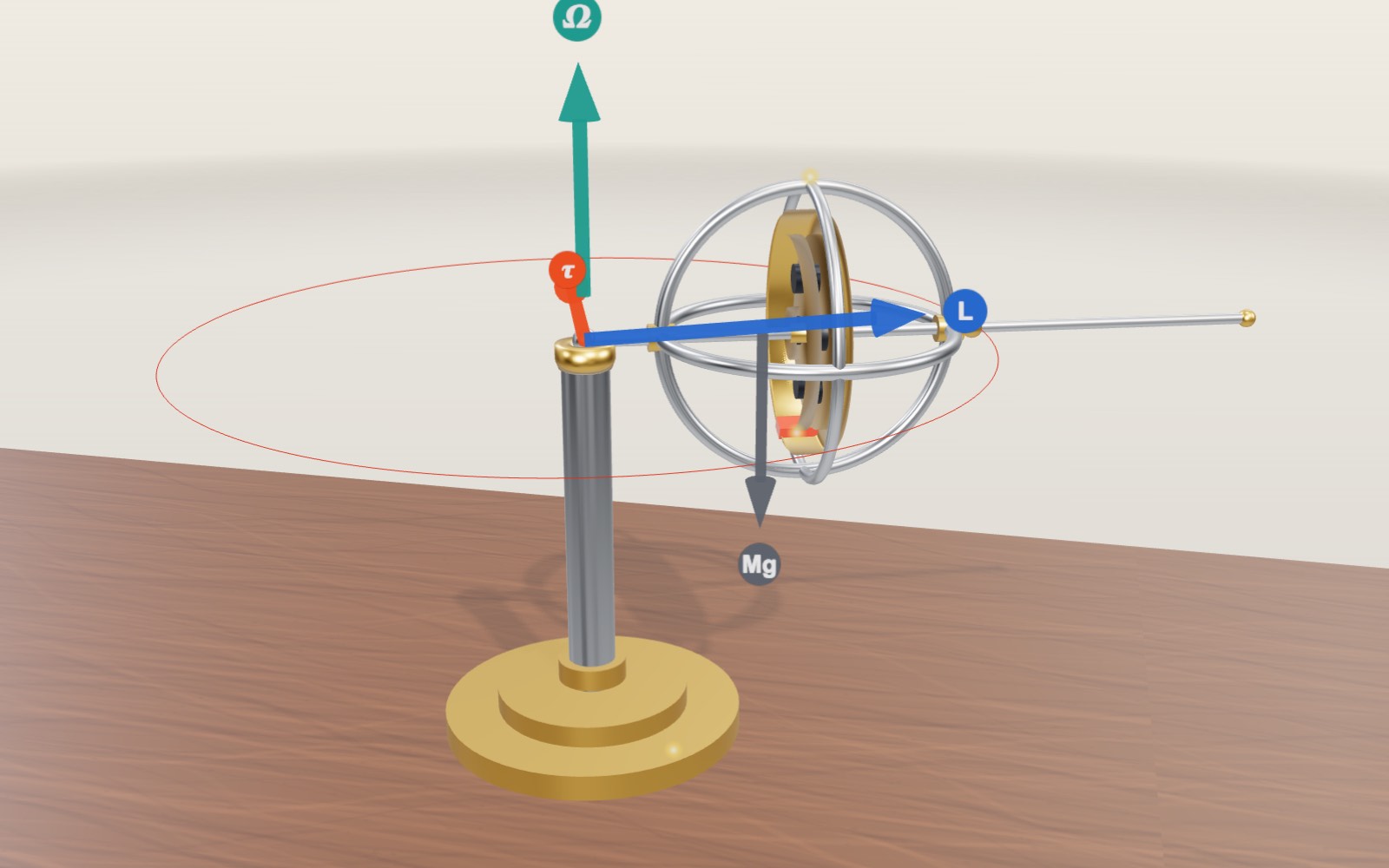
Why a spinning gyroscope doesn’t fall over
A wheel spinning at 3,000 rpm can rest one end of its axle on a post with nothing under the other end, and it circles the post once every 2.8 seconds.
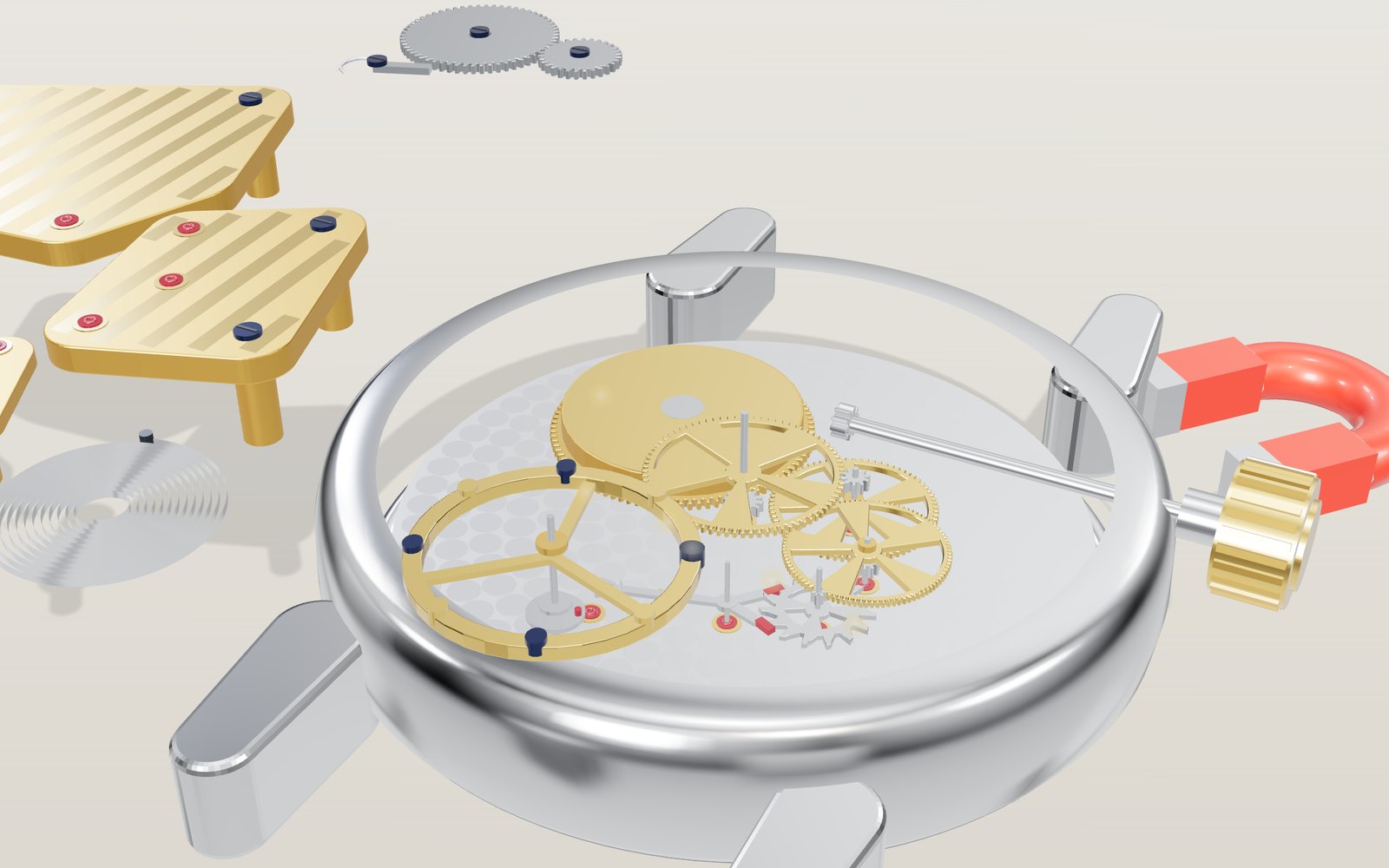
How does a mechanical watch work without a battery?
A balance wheel the size of a fingernail swings eight times a second, and each swing lets the gears move on by half a tooth.
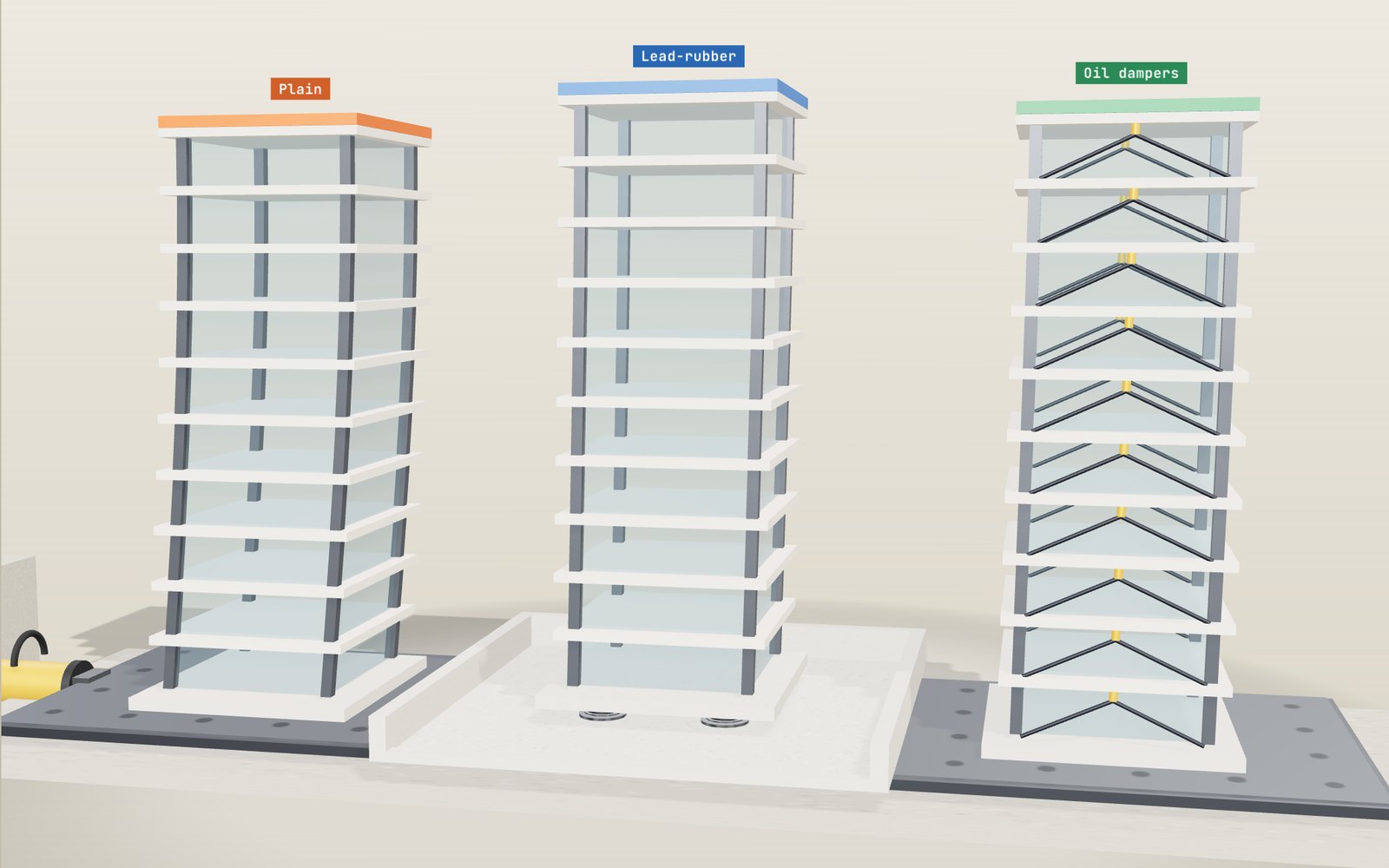
How buildings resist earthquakes
Shake a six-storey model at 0.6 seconds, its own period, and its floors bend about 14 times more than at one second. Rubber bearings, dampers and braces each answer that in a different way.
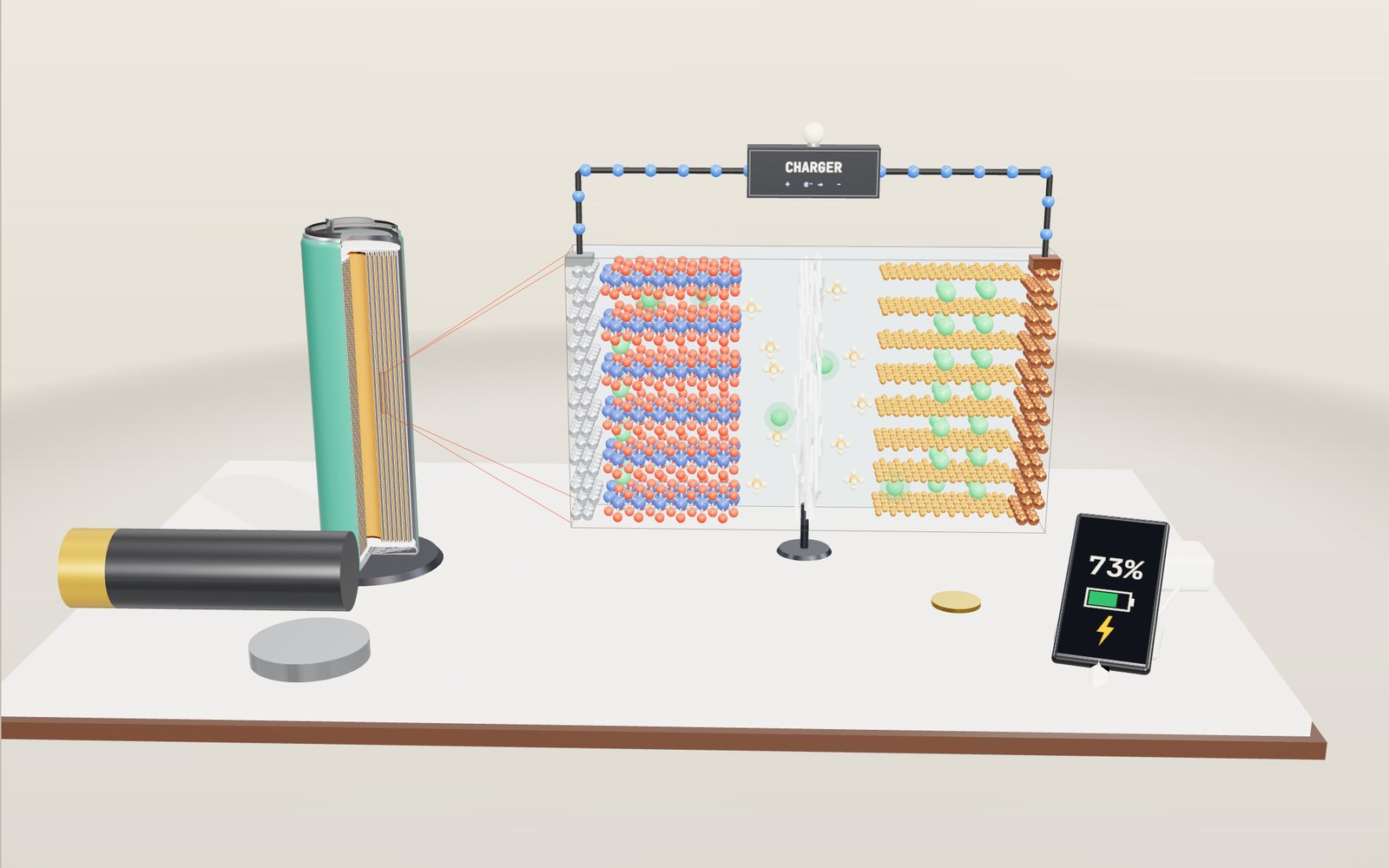
How a lithium-ion battery works: where the ions go on charge
Each time an 18650 cell charges, about 7 × 10²² lithium ions leave a metal oxide and squeeze in between sheets of graphite.
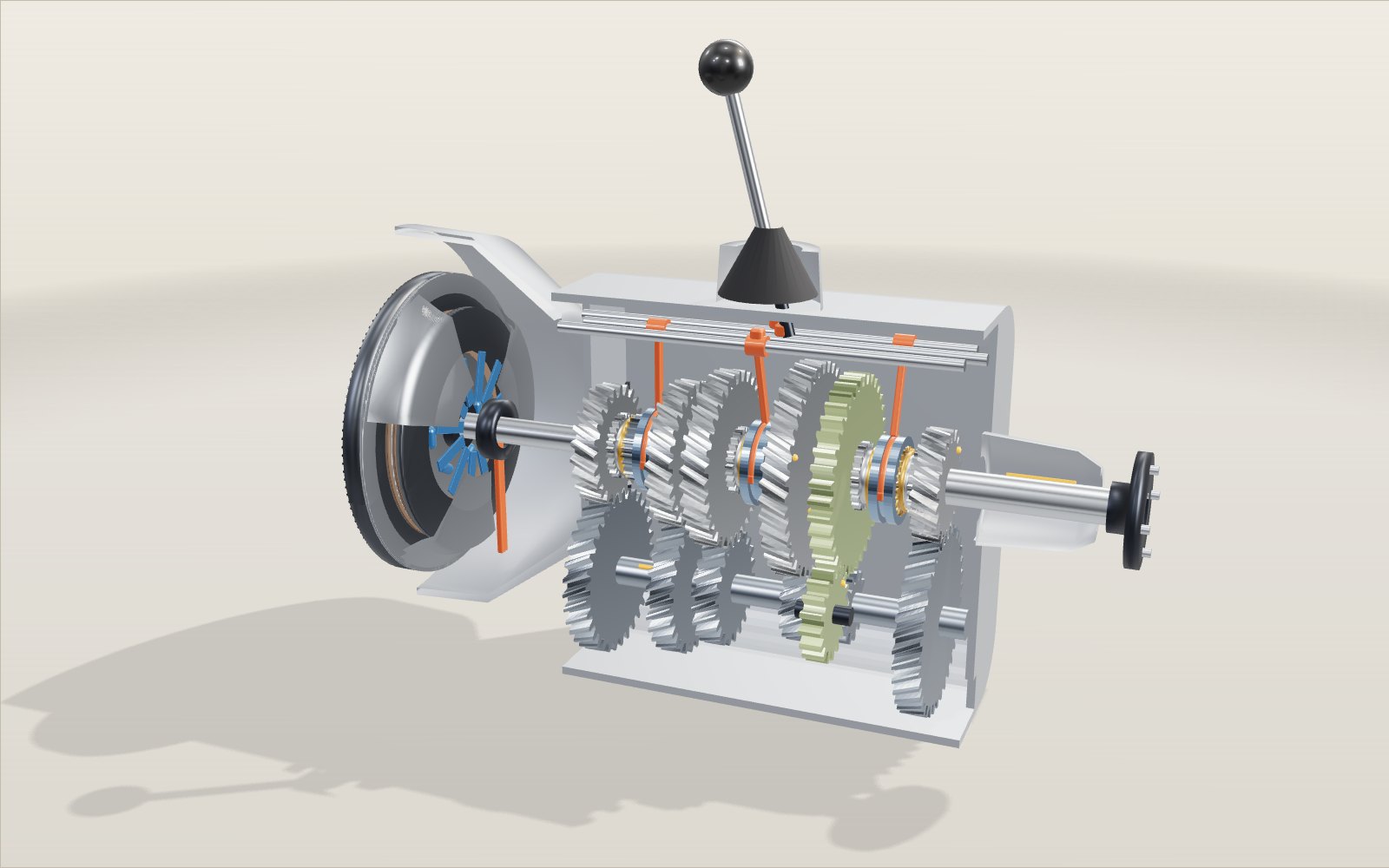
How a manual gearbox works
At 3,000 rpm the same engine moves the car at 23 km/h in first and 115 km/h in fifth, and a brass ring the size of a biscuit decides when the next gear can go in.
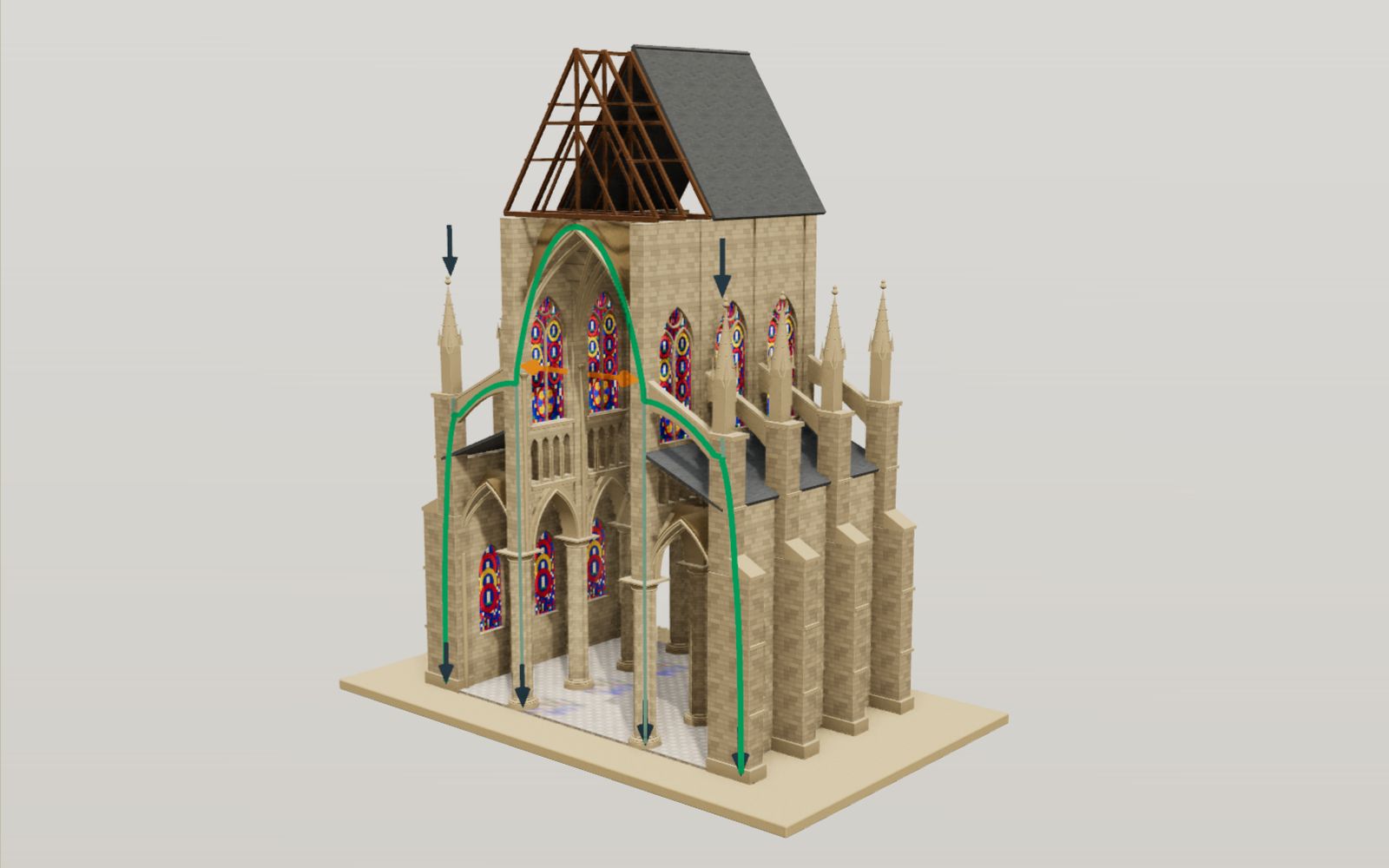
Gothic cathedral: flying buttresses, interactive model
The stone vault of Amiens Cathedral hangs 42.3 metres above the floor, and the walls under it are mostly glass.
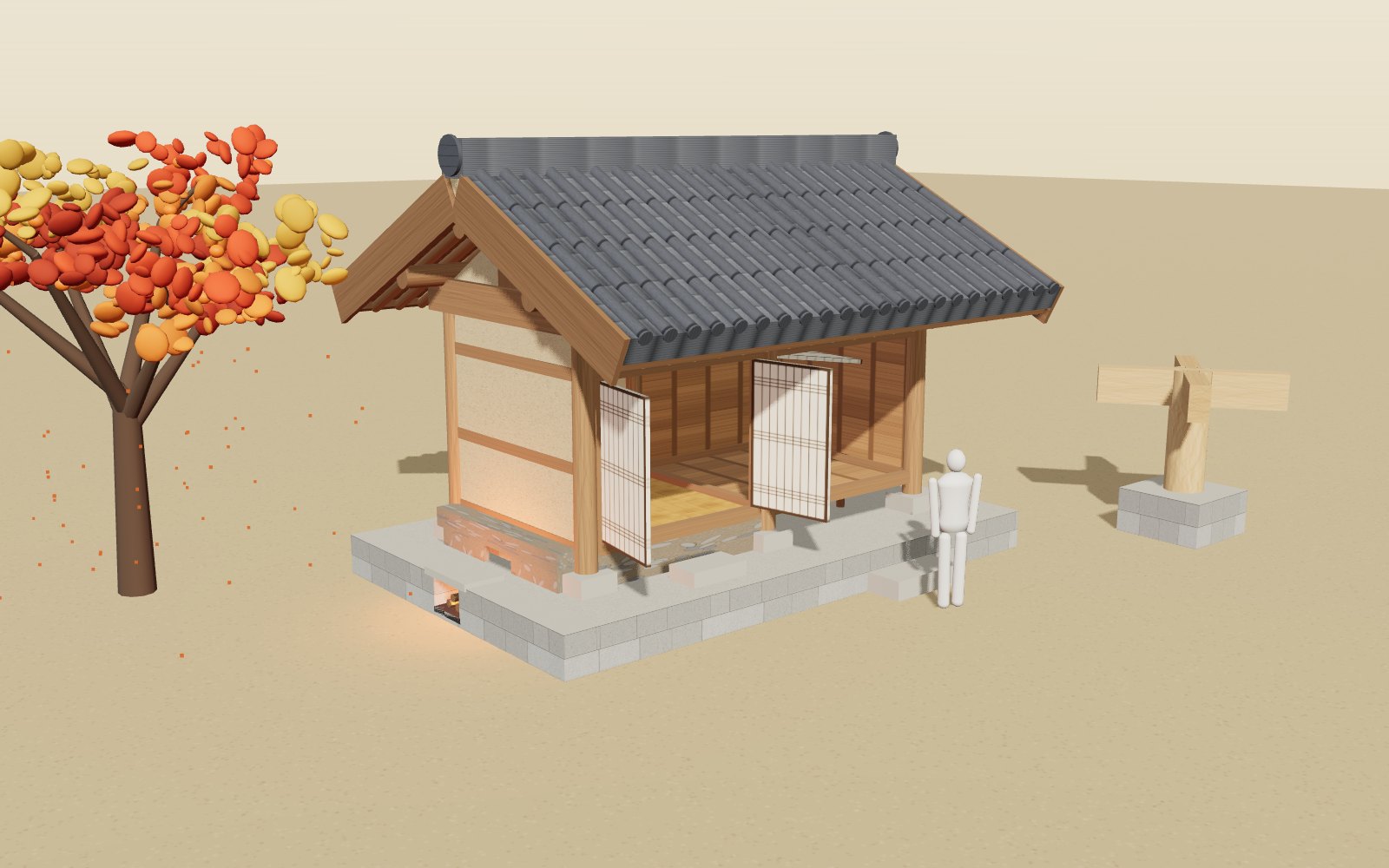
How a hanok is put together and heated by ondol
The frame of a hanok locks together with carved wooden joints, and under its warm room the smoke from one small fire runs through stone flues to the chimney.
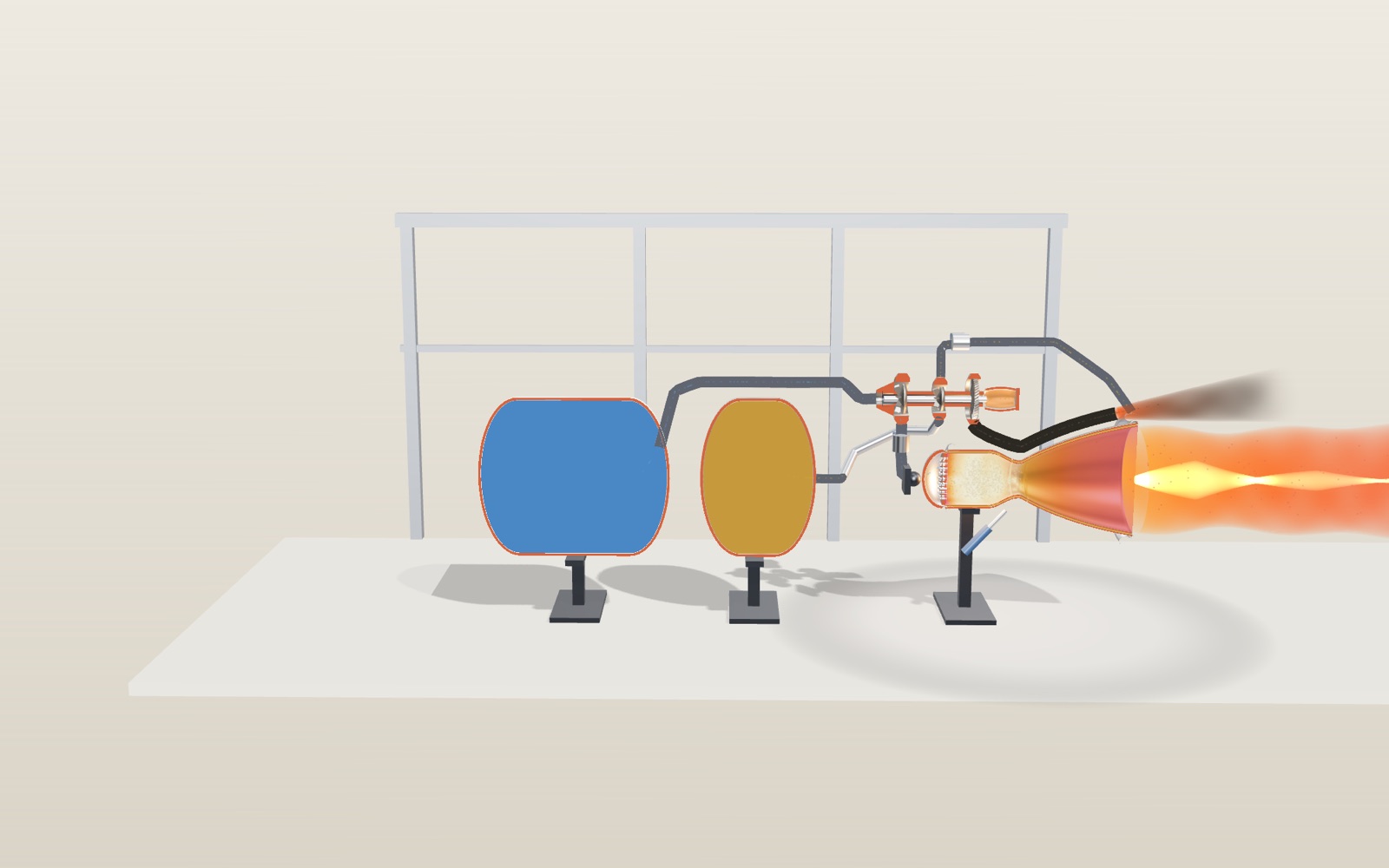
Liquid rocket engine: interactive model, how it works
Nuri's 75-tonne engine burns 255 kg of kerosene and liquid oxygen every second, and the same engine pushes about 13 percent harder in space than at sea level.
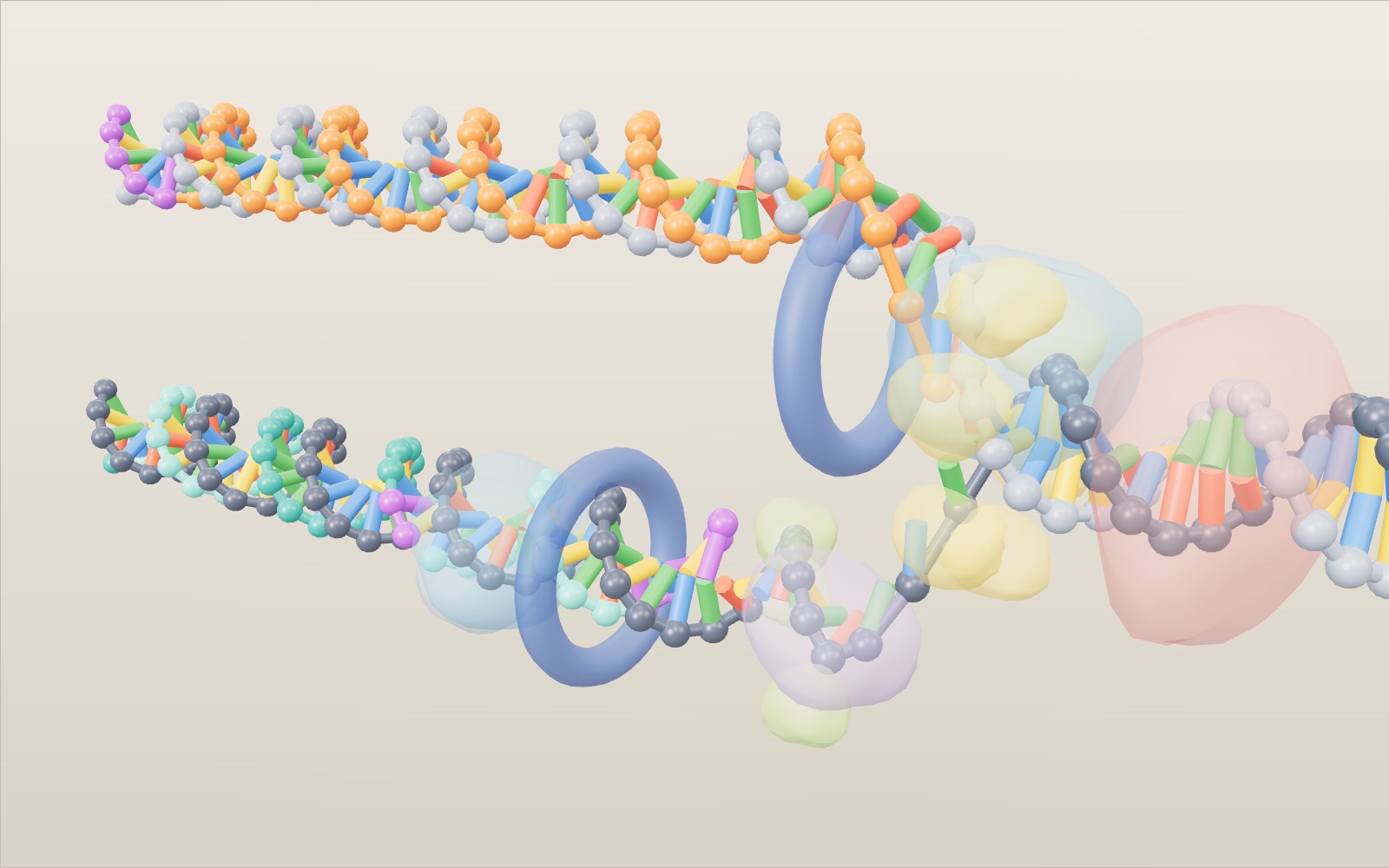
How DNA replication works, step by step: Okazaki fragments in 3D
A DNA polymerase can only add to one end of a strand, so at every replication fork one new strand grows in a single piece and the other in short fragments.
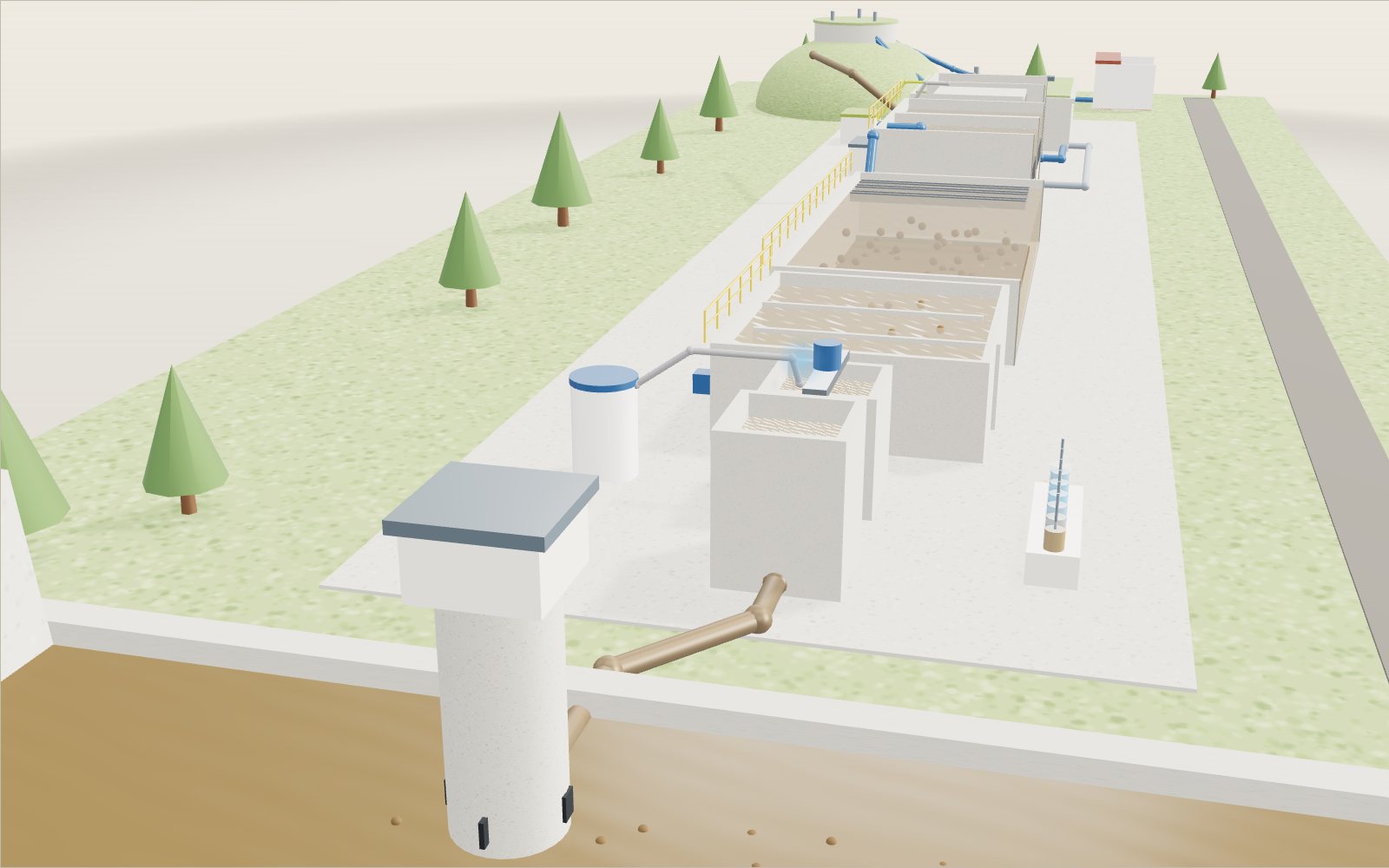
How a water treatment plant turns muddy water clear
A grain of clay two micrometres across would take eleven days to sink through a settling basin, but stuck into a floc by a coagulant it reaches the floor in about two hours.
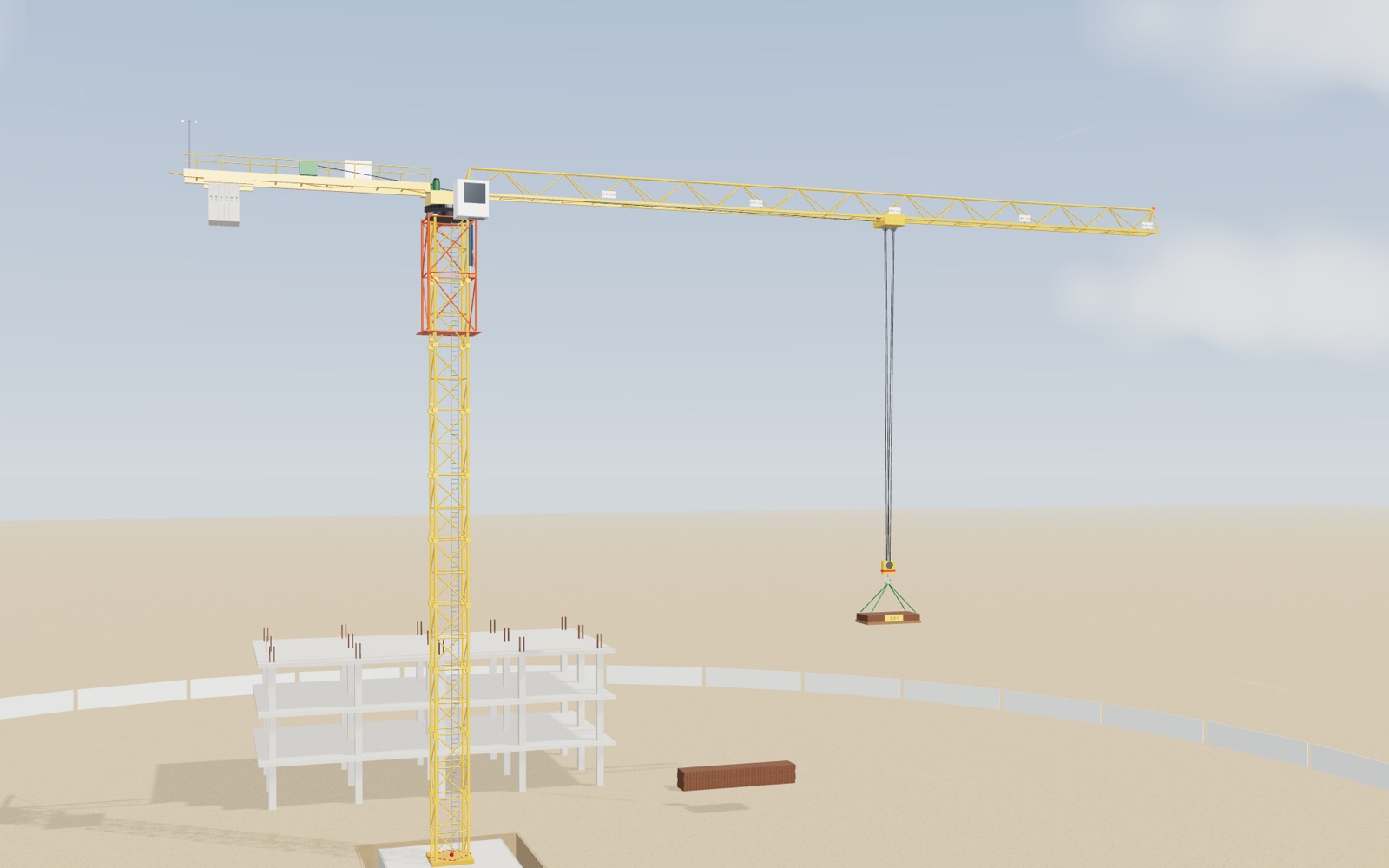
Why a tower crane doesn't tip over
A tower crane that lifts 8 tonnes next to its mast may carry only 3.2 tonnes at the tip of its 50 m jib, and the reason is a single multiplication.
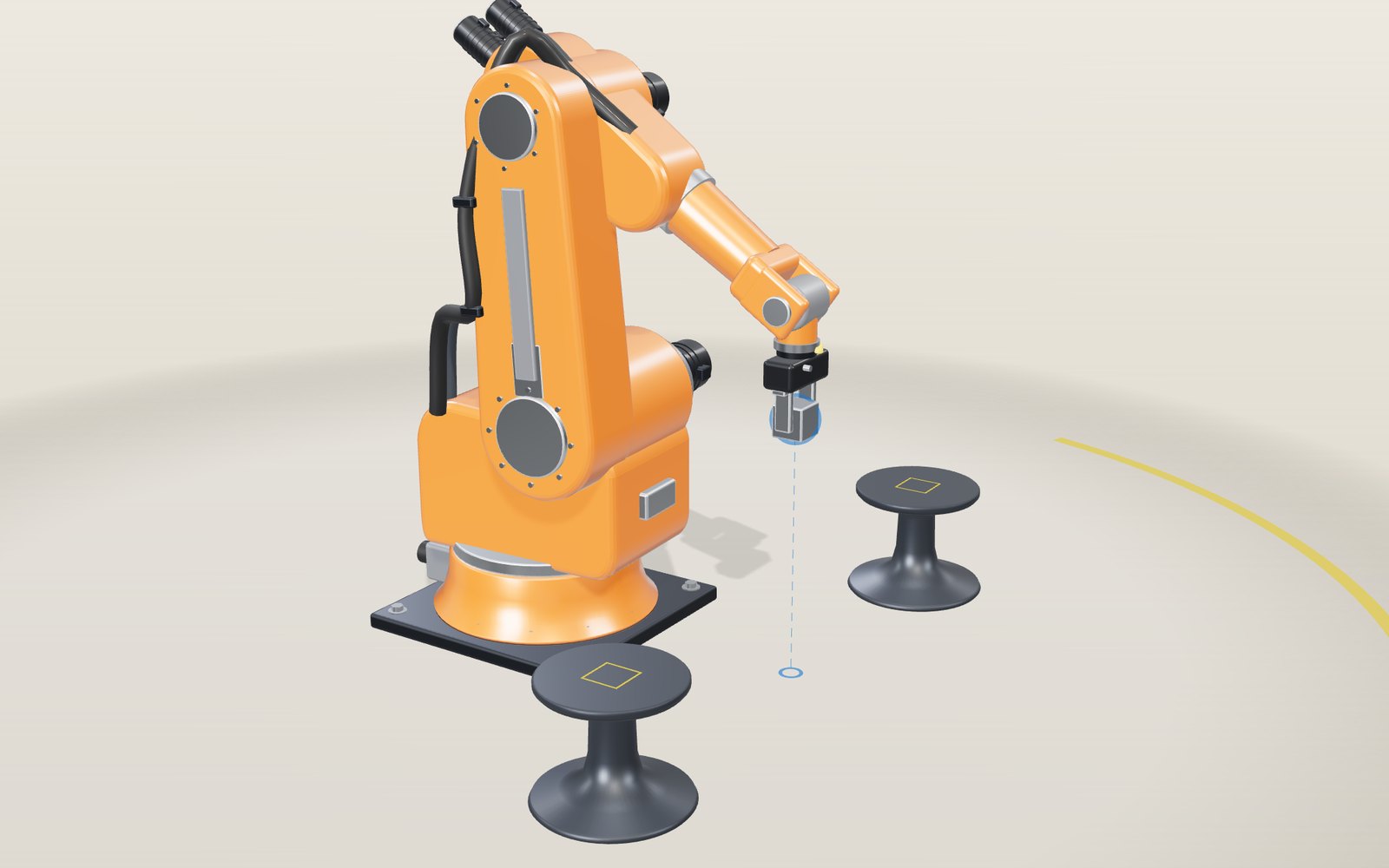
Robot arm: move the joints, how it works step by step
Slide the fingertips of a six-axis robot arm sideways at 250 mm/s past one particular line in space, and one of its wrist joints has to spin at 510° a second.
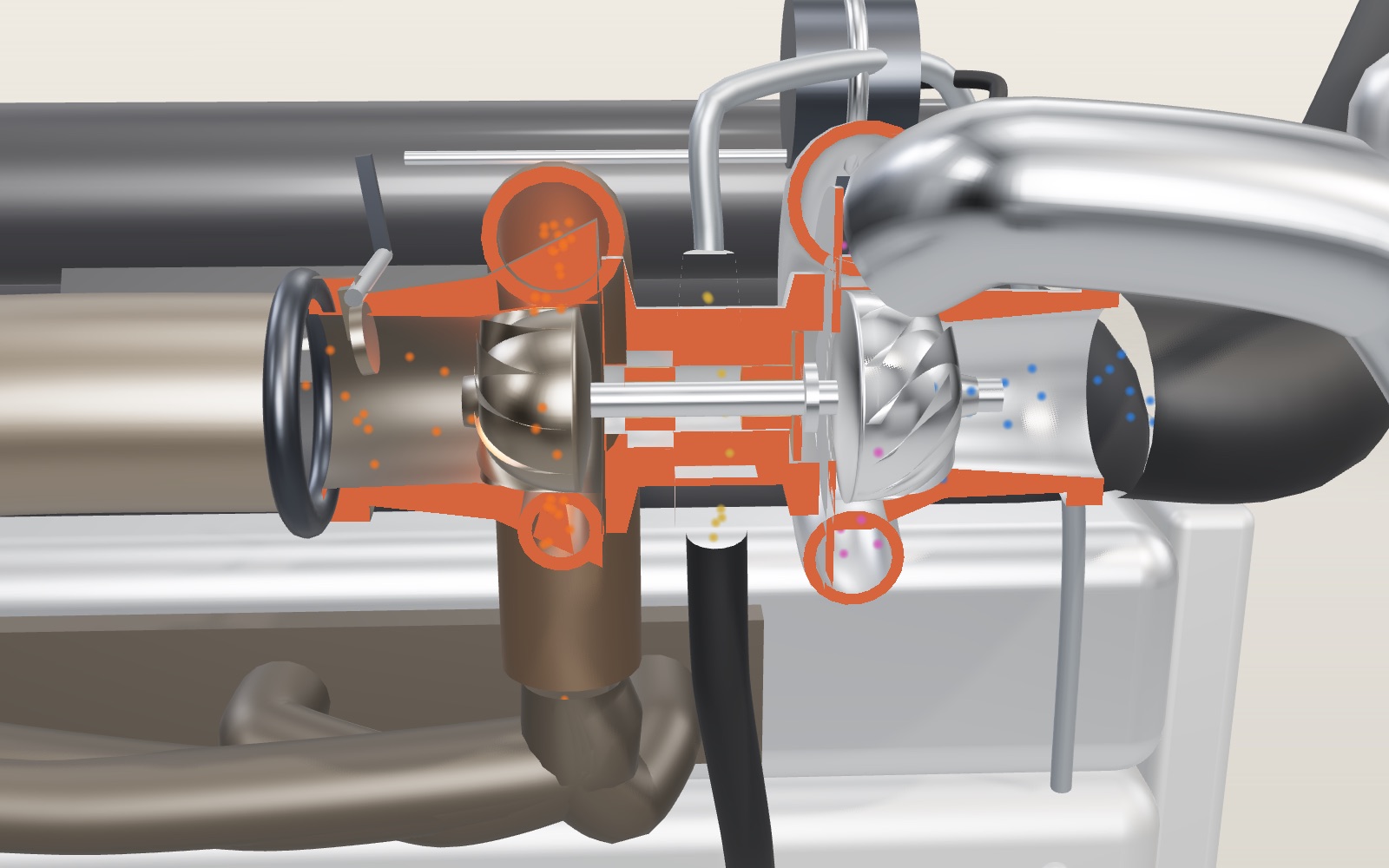
Turbocharger: interactive model, take it apart
On this model 2.0-litre engine, a shaft spinning at 142,000 rpm squeezes almost twice as much air into each cylinder.
How nerve signals travel
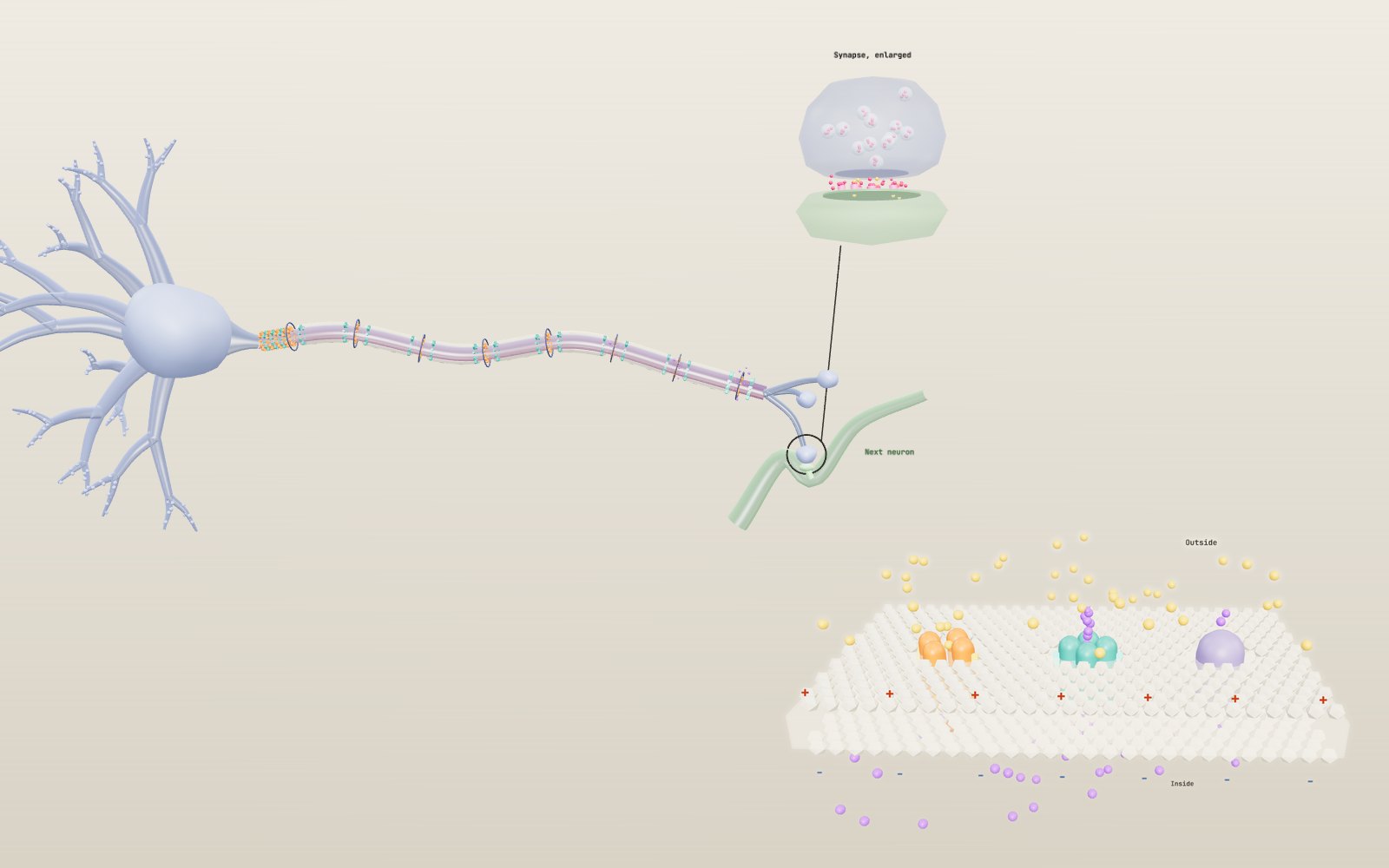
A nerve cell sits at about −70 mV, and when a stimulus lifts it to about −55 mV it fires a spike that is always the same size.
How a solar panel works
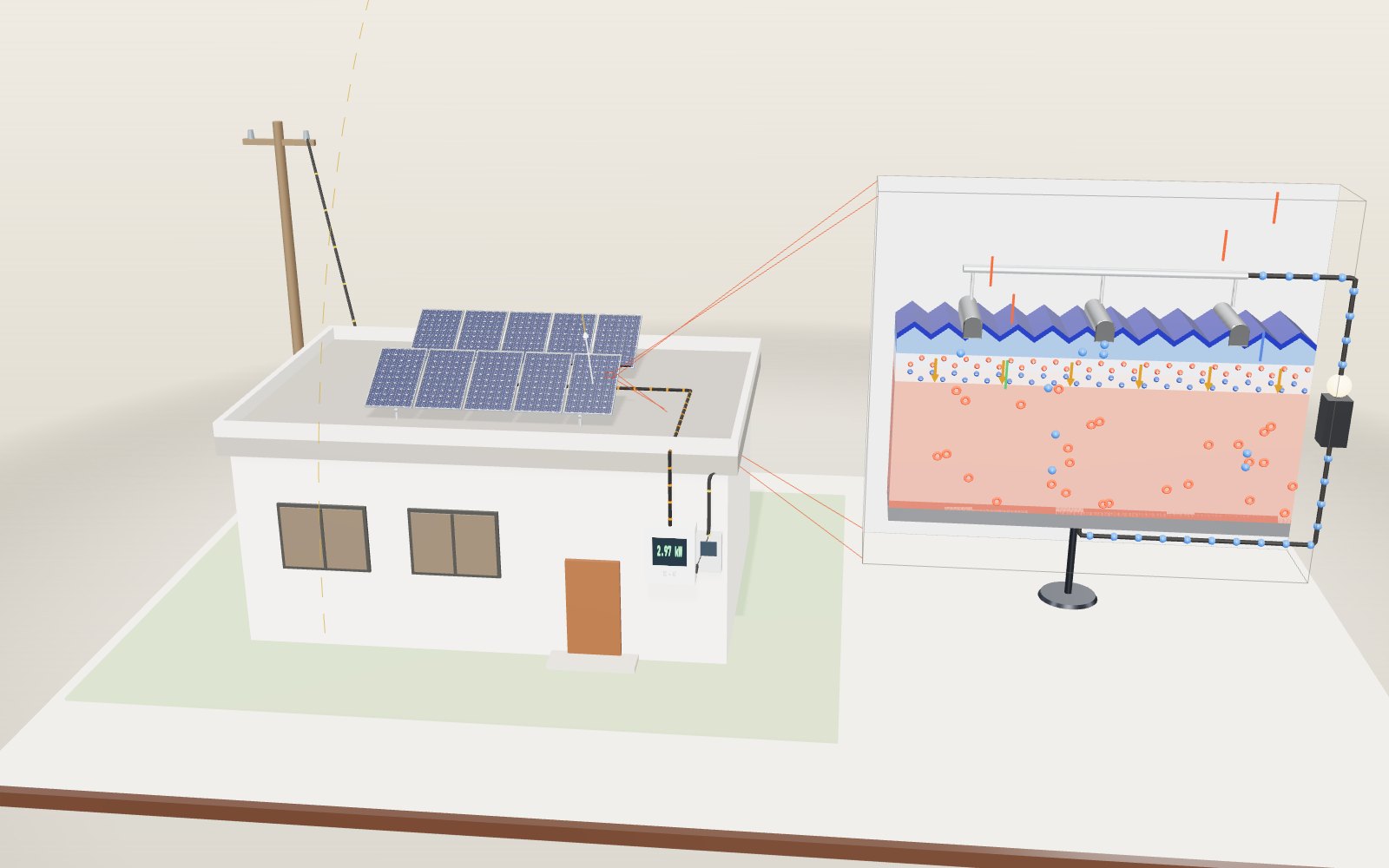
In full sun a 60-cell rooftop panel makes about 300 watts, and all of it comes from an electric field sitting inside each slice of silicon.
How fibre optics and submarine cables work
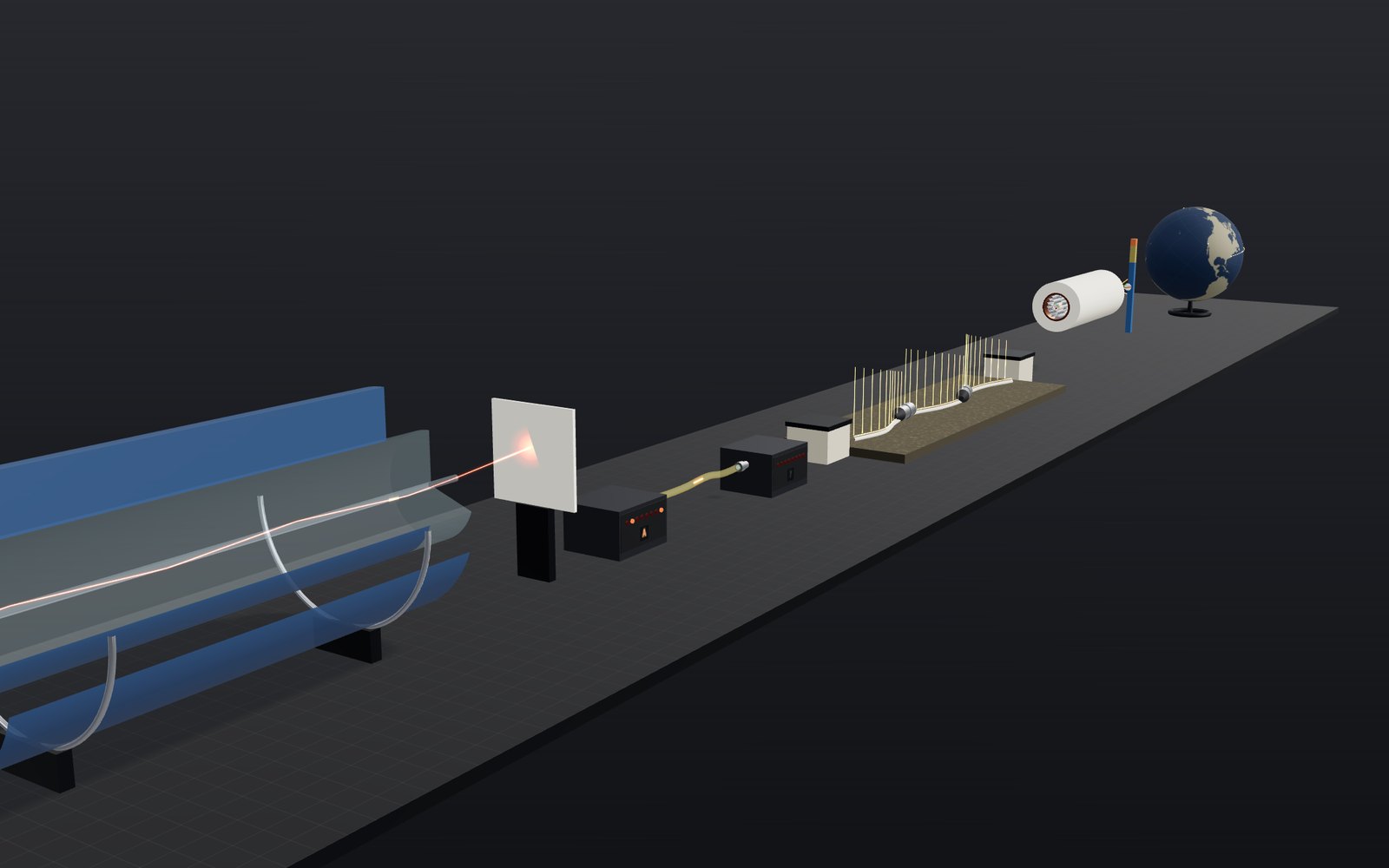
Light in a submarine cable stays inside a glass core 8.2 micrometres wide for thousands of kilometres because it meets the core wall at more than 84.5°.
How photosynthesis works
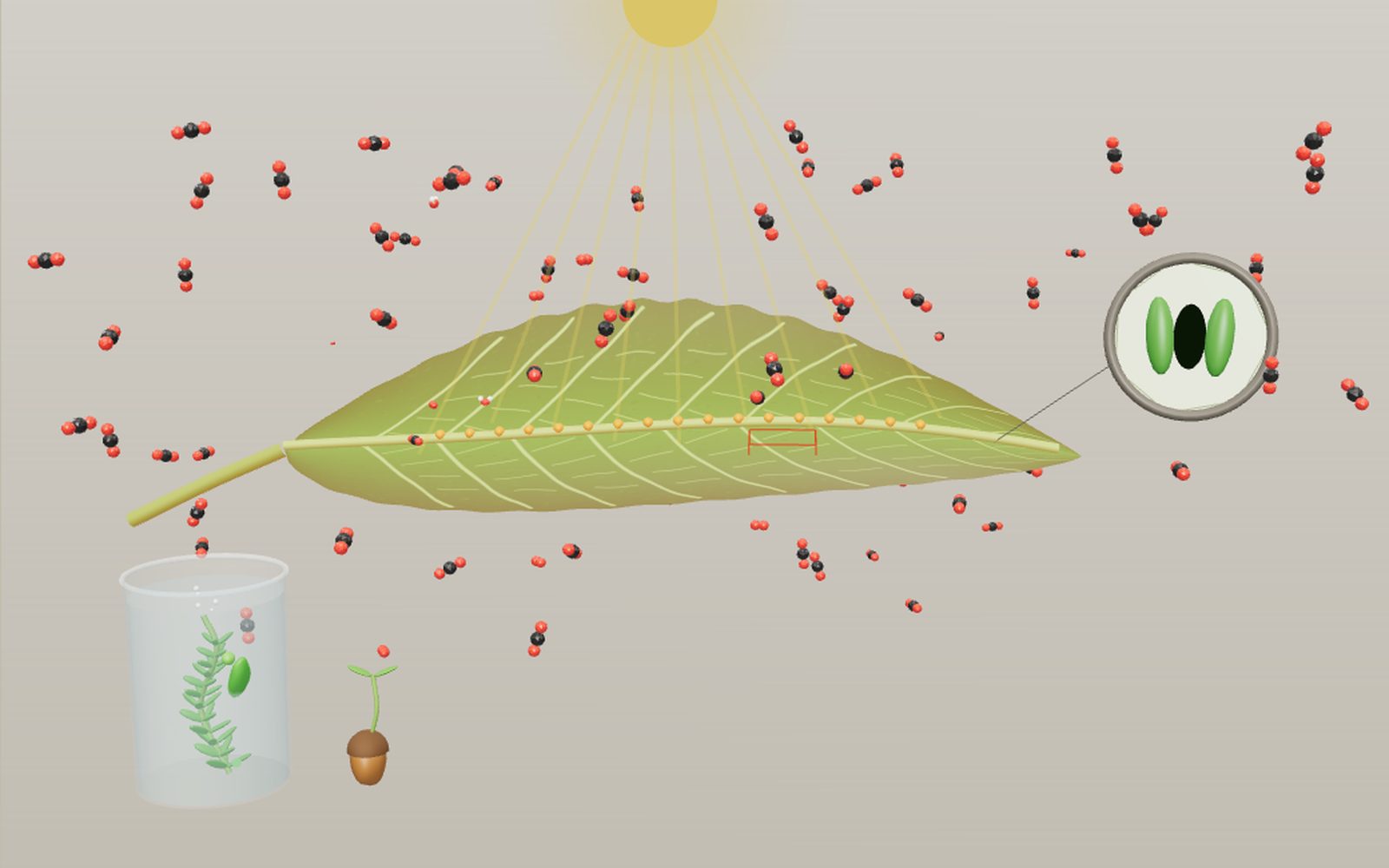
A leaf in full sun pulls carbon dioxide out of air that holds only about 426 parts per million of it, and builds sugar from it.
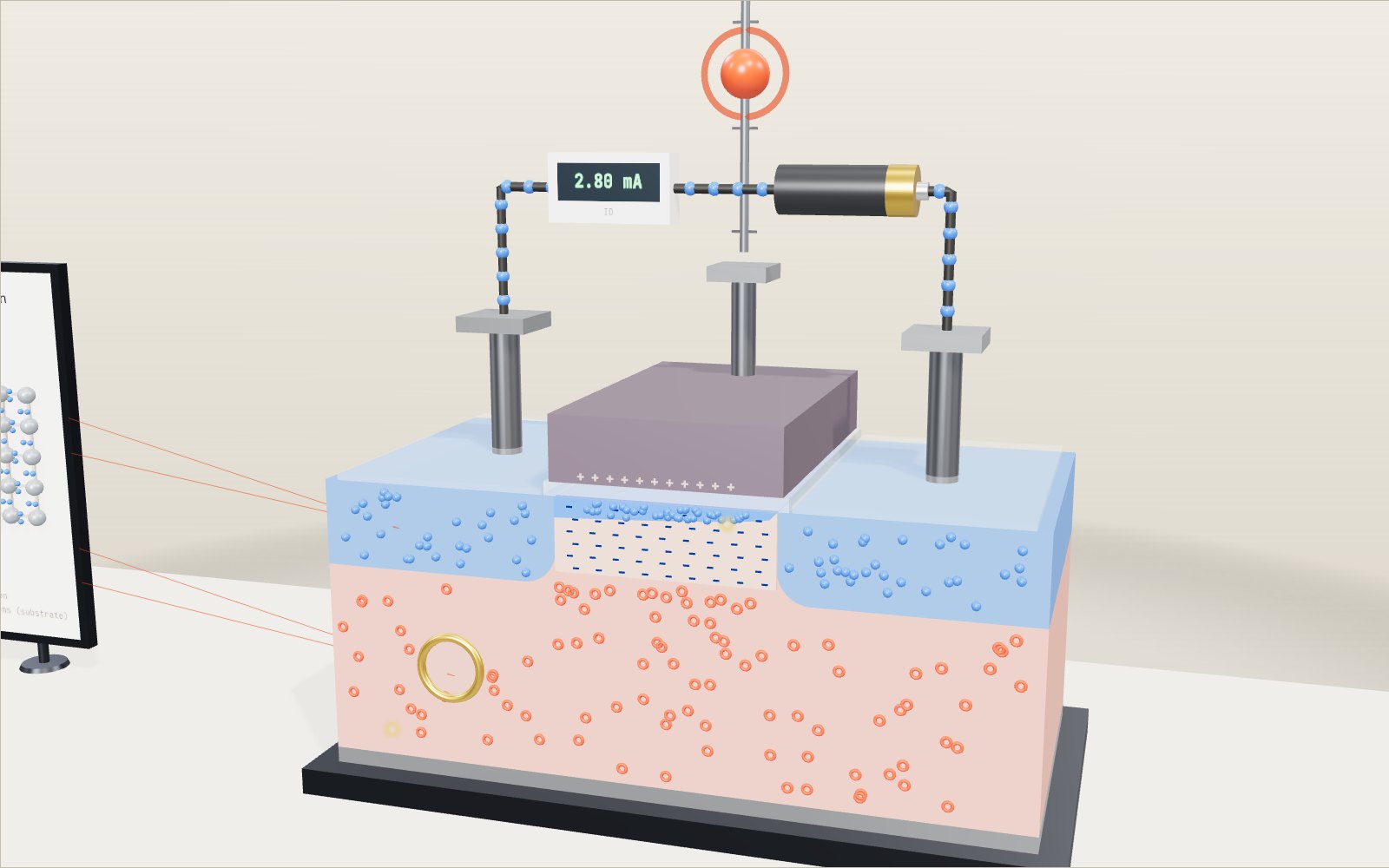
How a transistor works as a switch: the MOSFET gate
A chip with 16 billion transistors turns each one on and off with a few volts on a gate that never touches the silicon underneath.
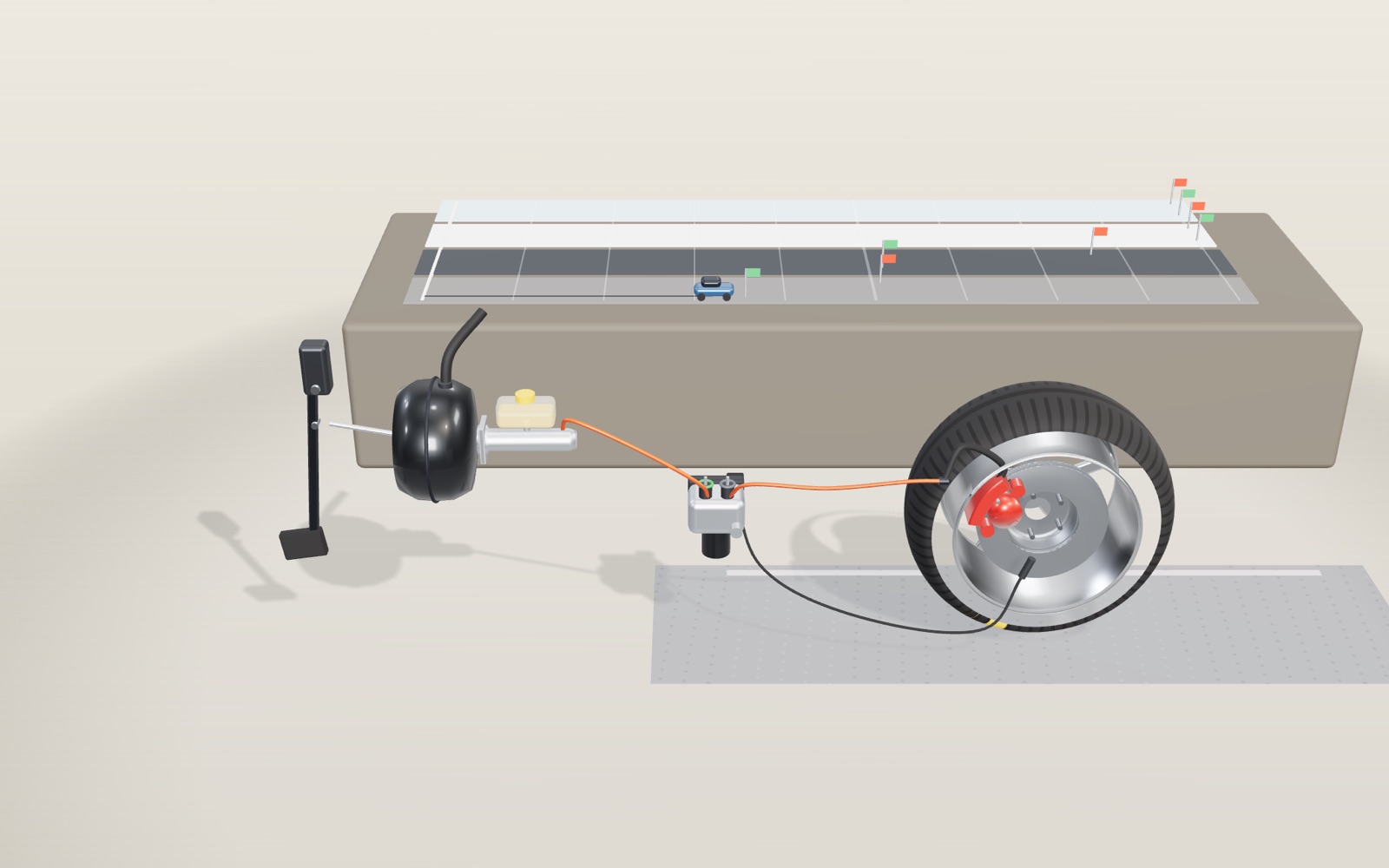
Disc brake and ABS simulator: how they work, step by step
On a dry road at 100 km/h a skidding tyre needs about 51 m to stop, while a tyre that ABS keeps turning stops the same model car in 36 m.
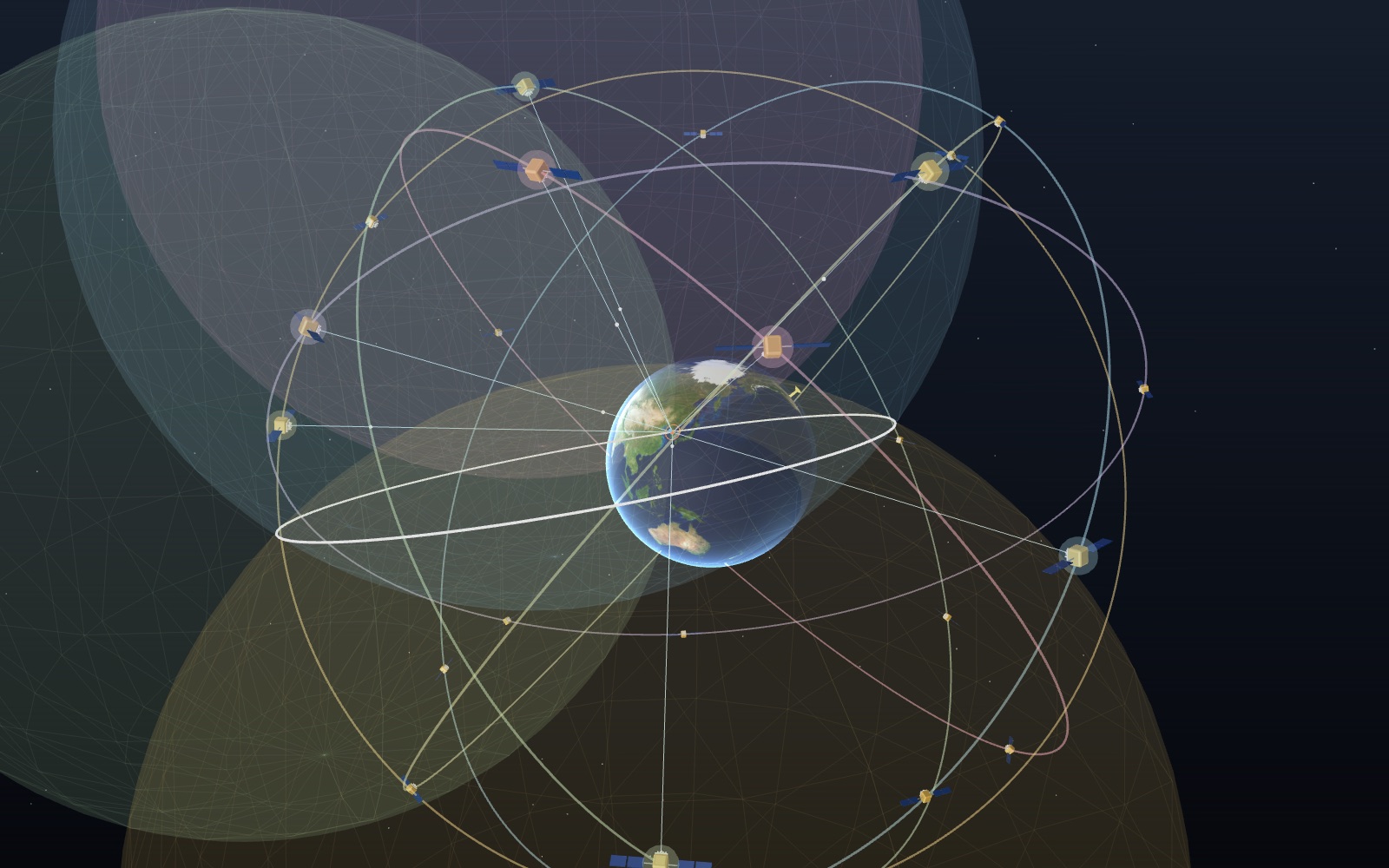
How GPS works: why your phone needs four satellites
A GPS signal takes about 70 thousandths of a second to fall 20,200 km to your phone, and a millionth of a second of error moves you 300 m.
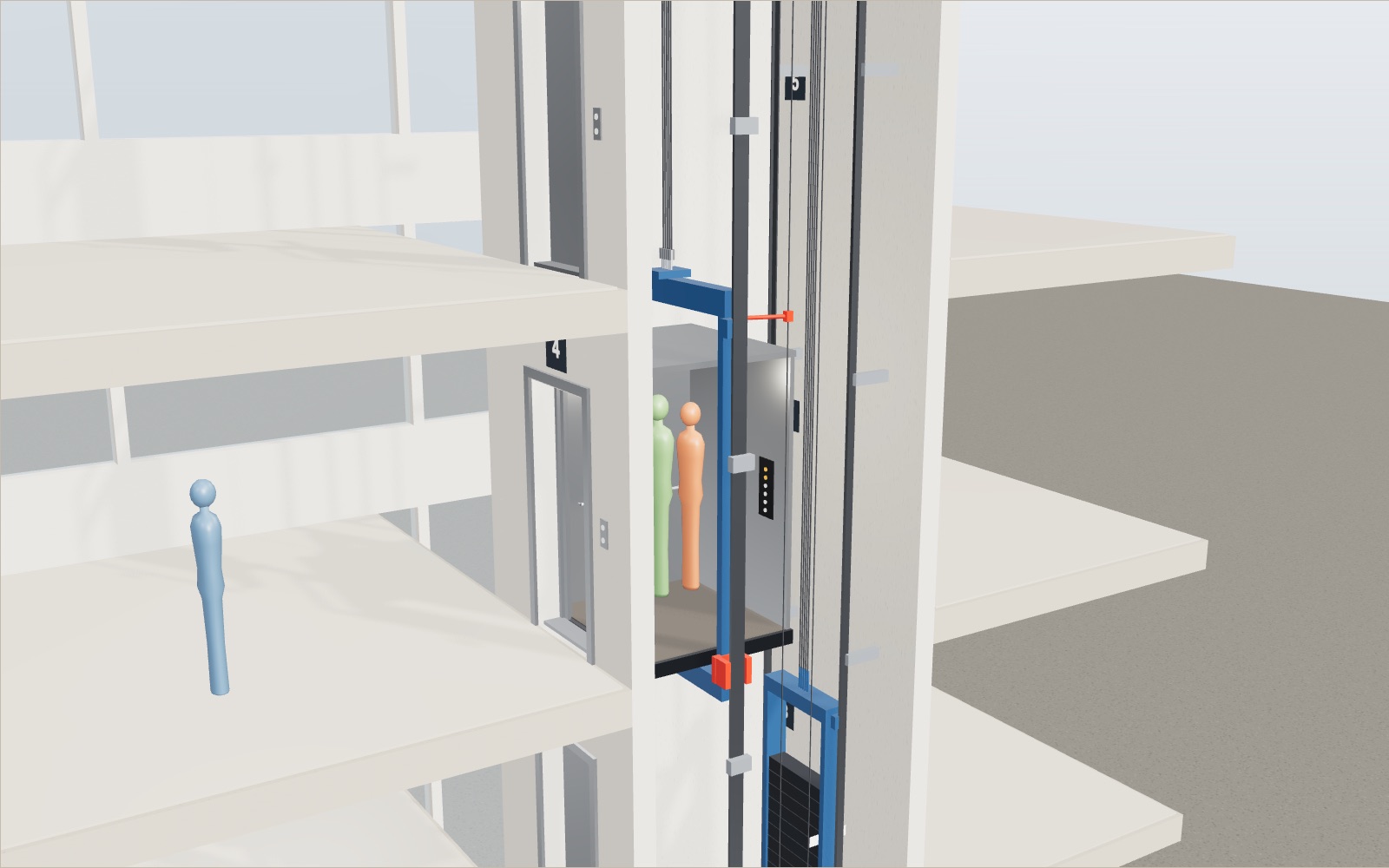
How does an elevator work? Counterweight and safety brake
A lift car full of people can weigh almost two tonnes, yet the motor that raises it only has to lift about a quarter of that, because a counterweight hangs on the other end of the ropes.
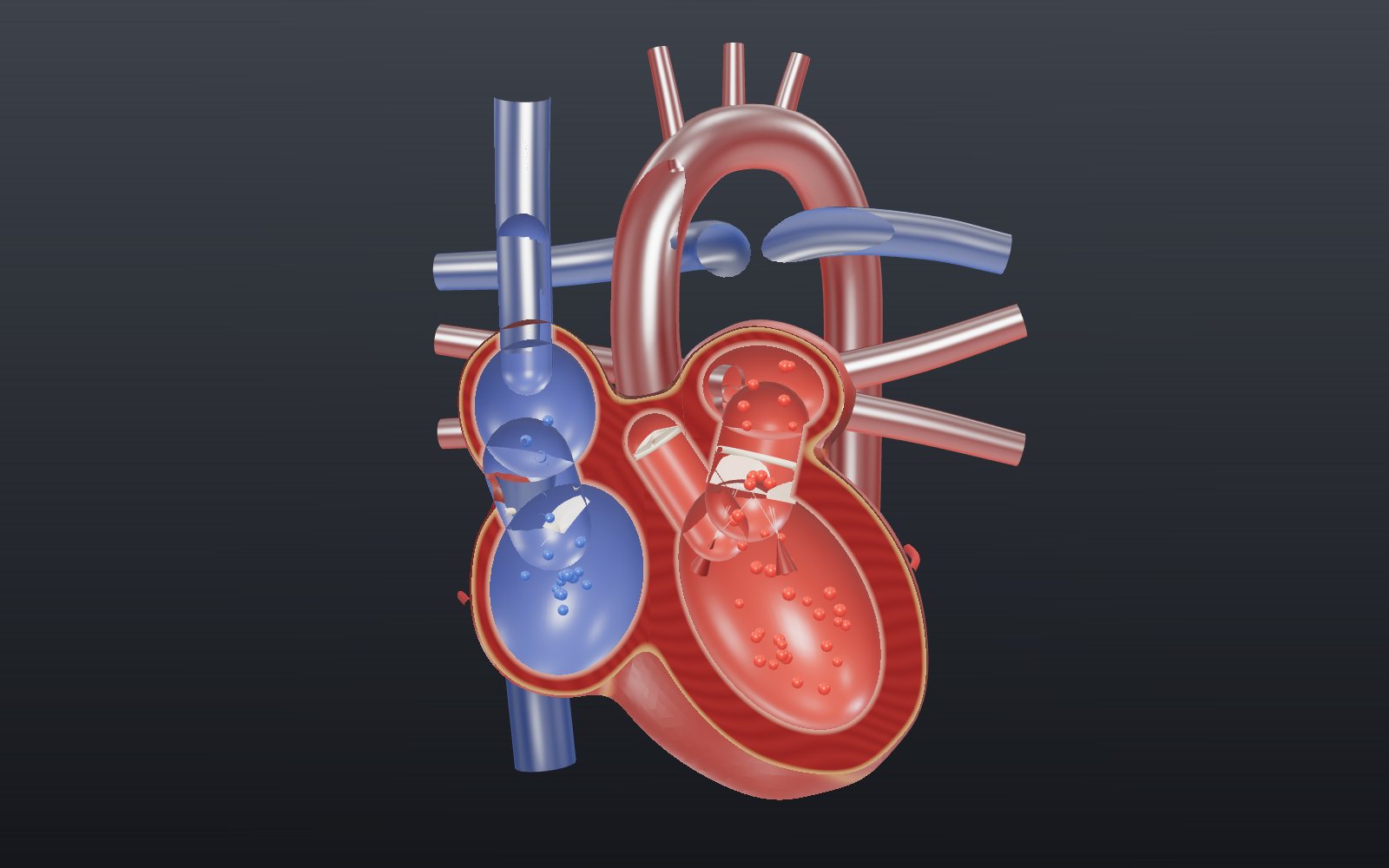
Heart beating: interactive model of the heart, step by step
Your heart pushes out about 70 mL of blood with each beat, and at a resting pace it does that about 108,000 times a day.
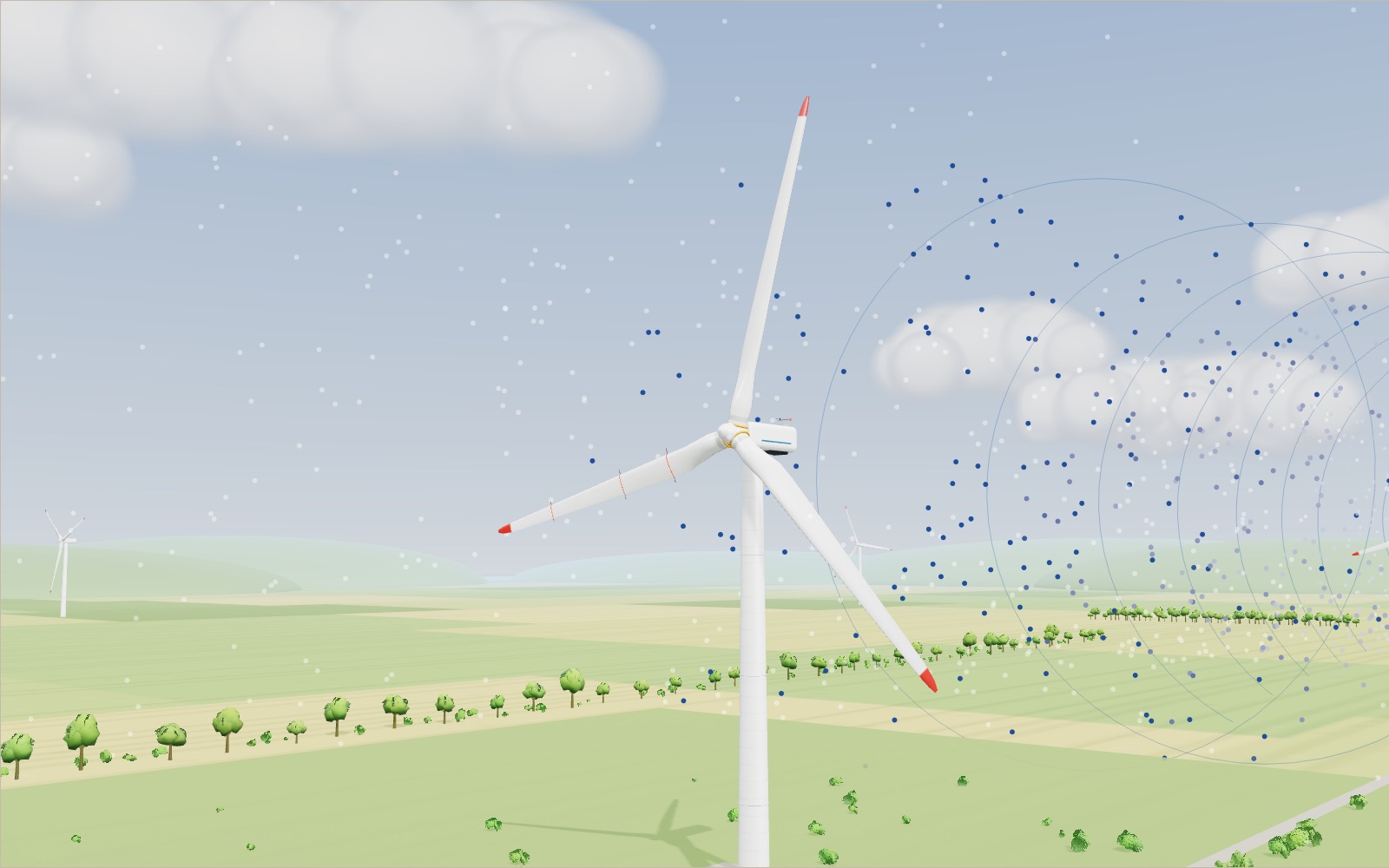
How a wind turbine works: why the blades twist in strong wind
A turbine with 61-metre blades makes no more power in a gale than in a stiff breeze, because above 11.4 metres a second it turns its blades out of the wind.
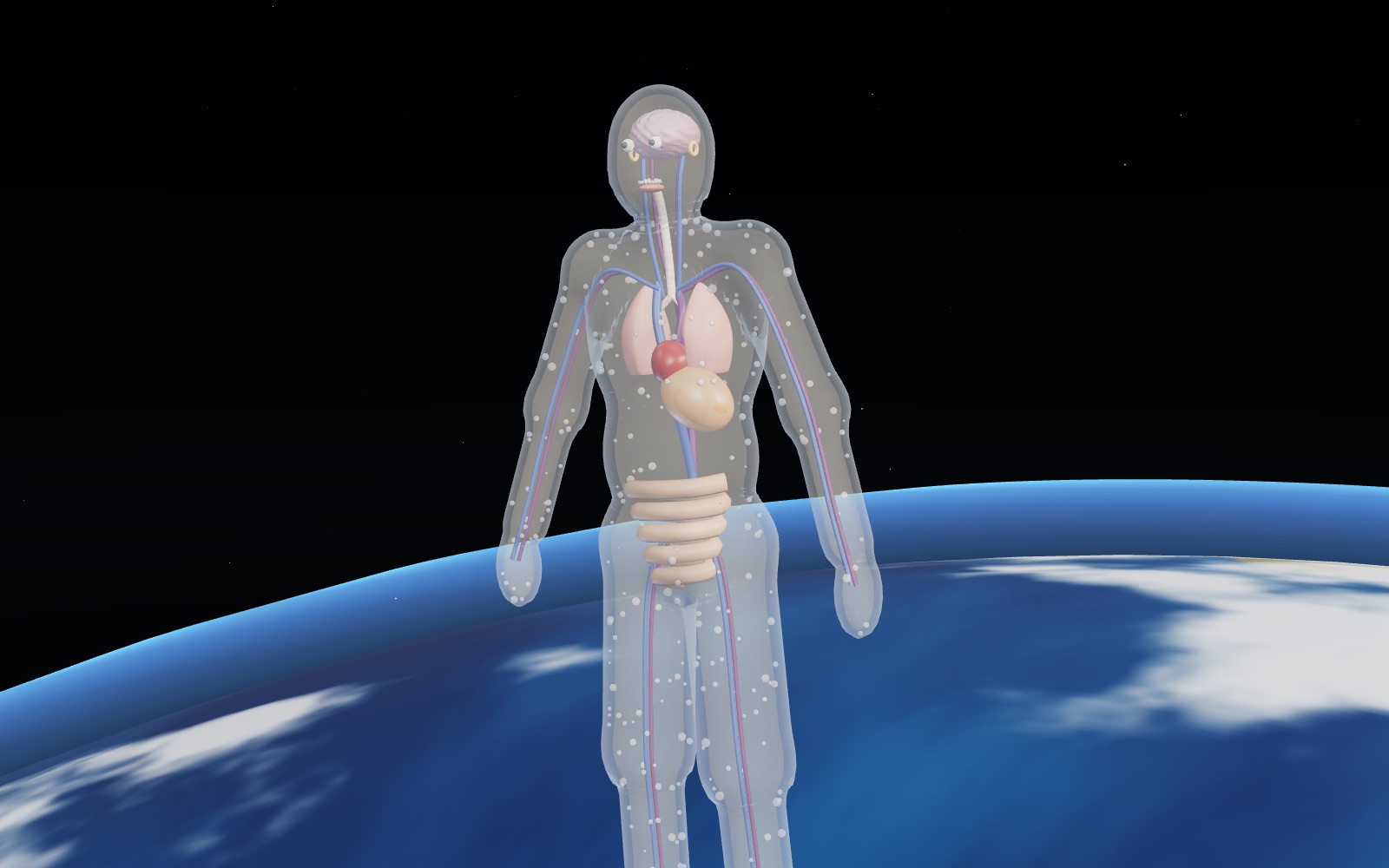
What happens to your body in space without a suit
Without a suit you would have about 10 seconds of useful consciousness, and if air came back within a minute or so you might well recover. You would not explode.