Gallery
Senses
Exhibits about hearing and seeing, from piano strings to the way a dog sees colour.
What you hear and see depends on the instrument making the sound and the eye receiving the light. These exhibits let you play notes, look at sound as a picture, compare how animals see colour and check the real size of small things on your own screen.
Exhibits
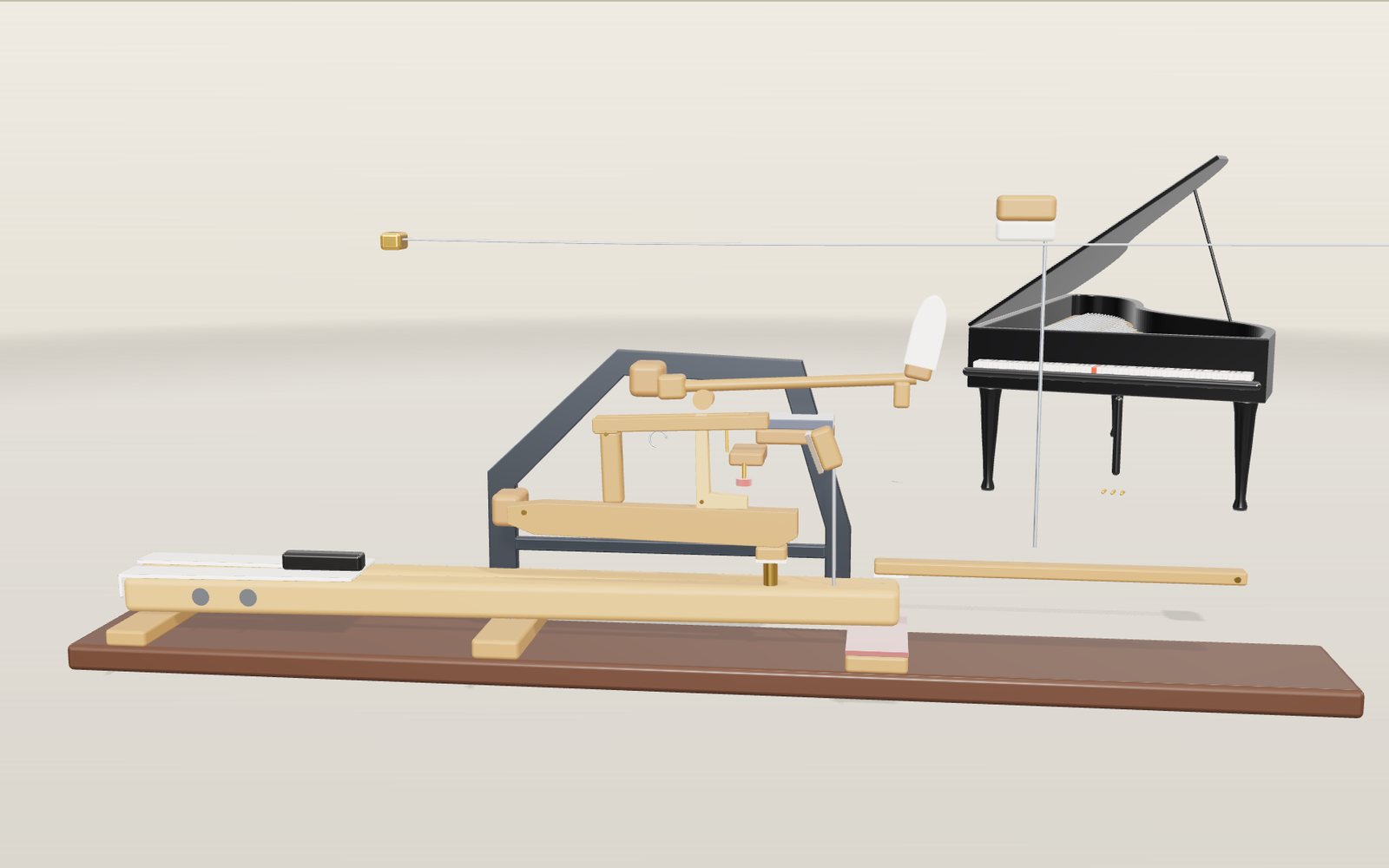
How a piano works: the grand action and equal temperament
Press a key 10 millimetres and a felt hammer flies to the string, hits it and falls away before it can stop the note.
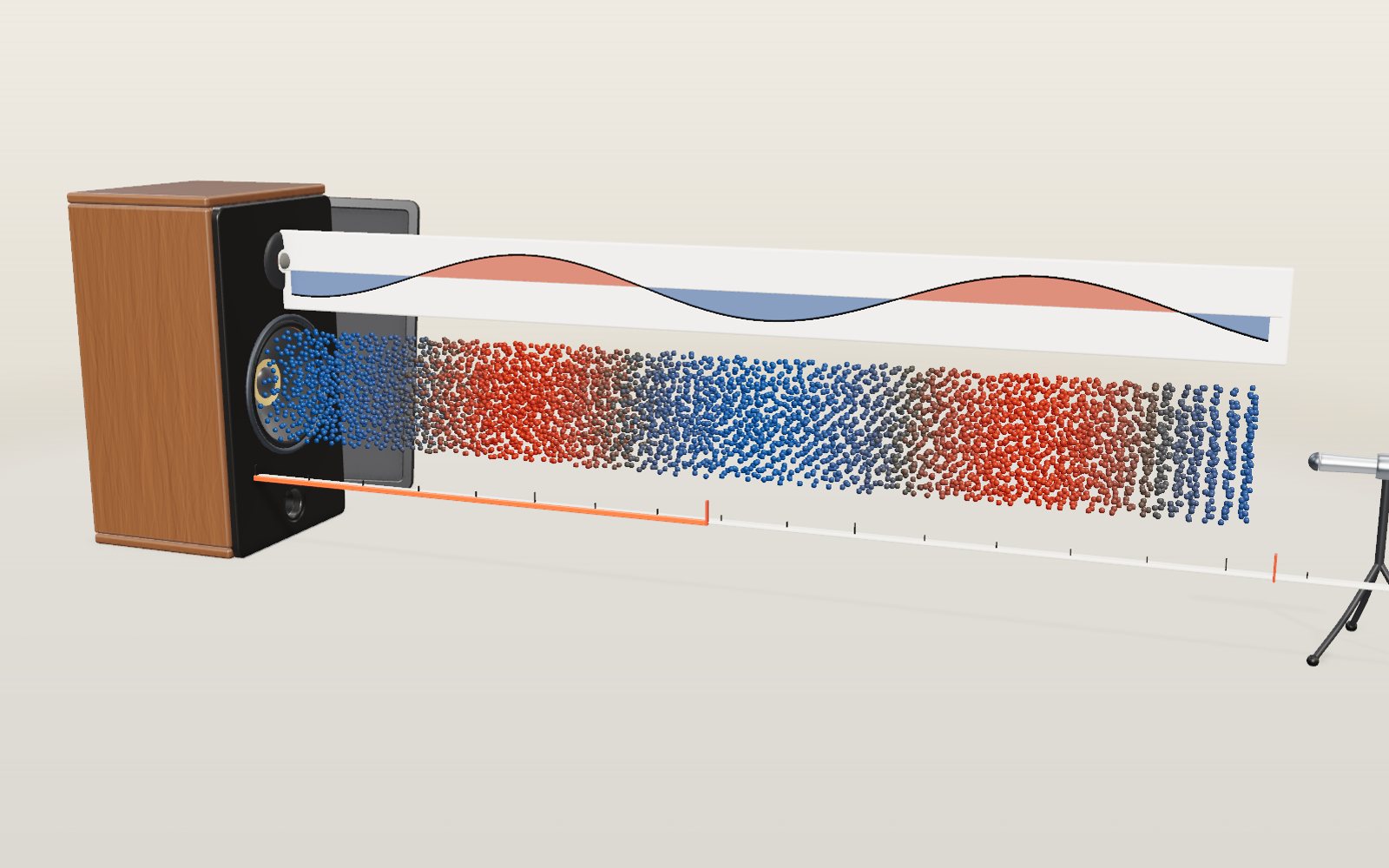
What sound looks like: sound waves, frequency and decibels
A 440 Hz tone packs the air into dense layers 78 centimetres apart, yet even at 94 dB each bit of air moves less than a thousandth of a millimetre.
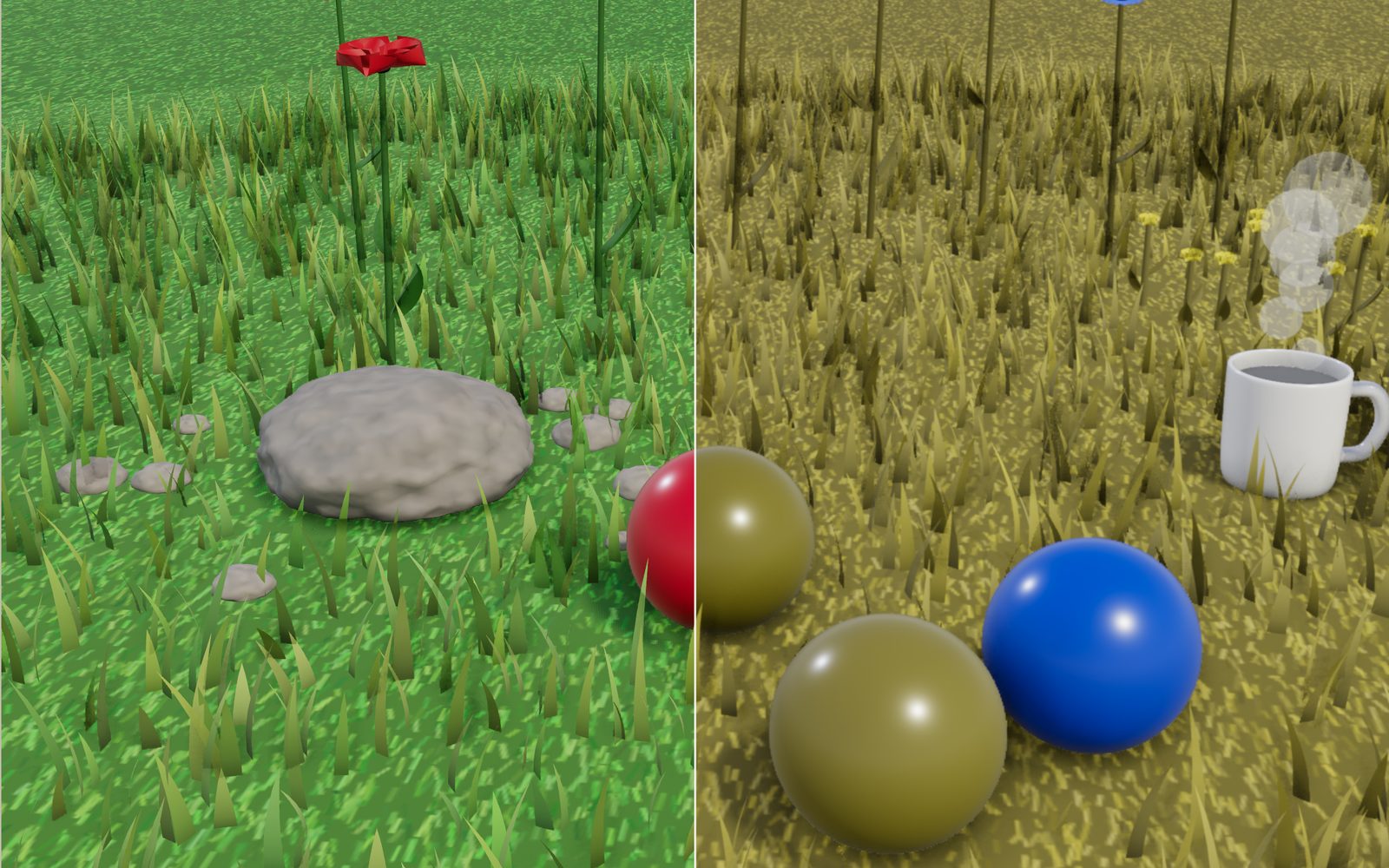
Animal vision: see the world through 69 animals’ eyes
A red ball on green grass is easy for you to find and surprisingly hard for a dog. A honeybee sees a pattern in the same flower that you cannot.
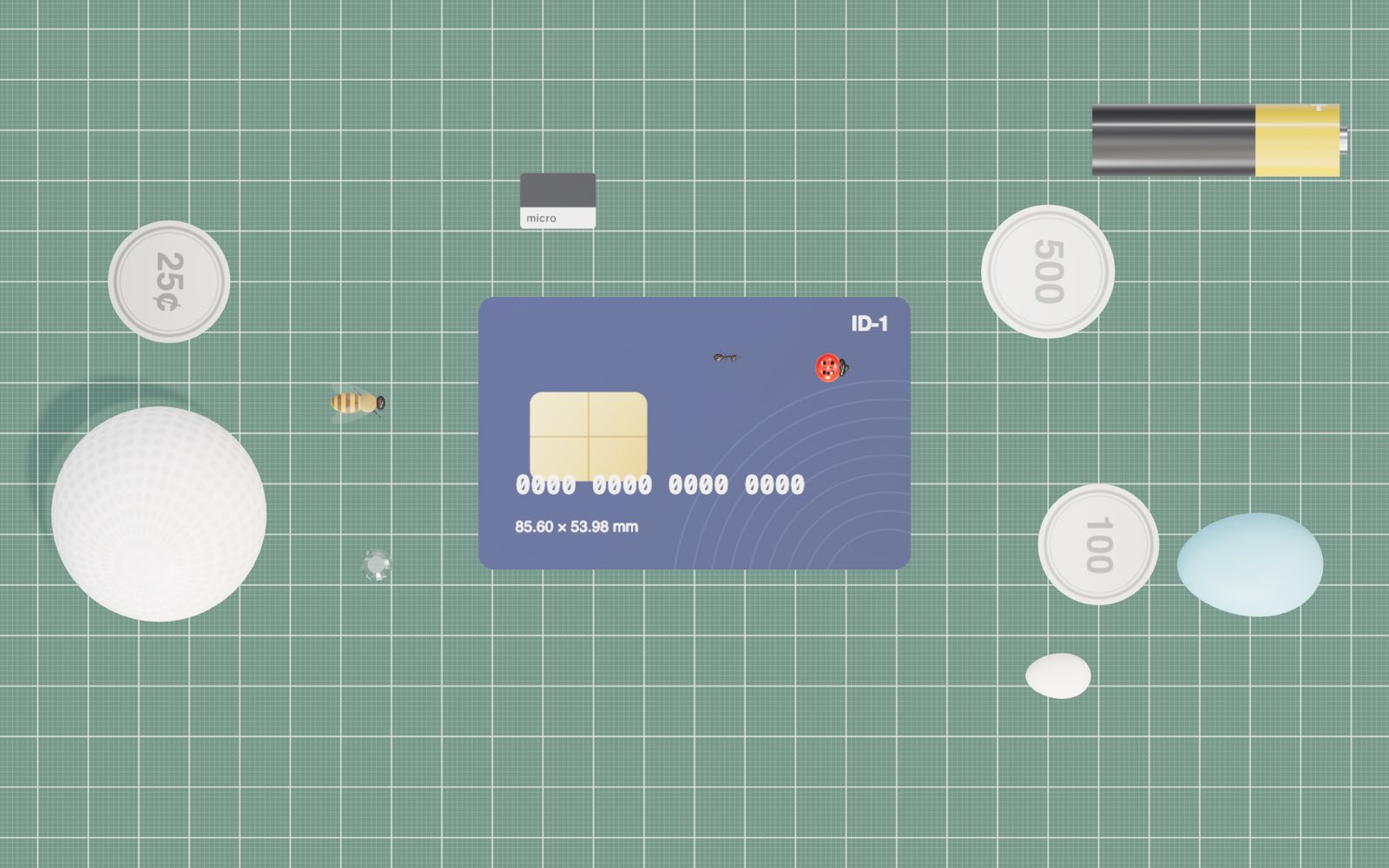
Actual size: see real objects at true scale on your screen
A T. rex tooth was about 30 cm long with its root, longer than most laptop screens are wide. A blue whale would take more than a hundred.
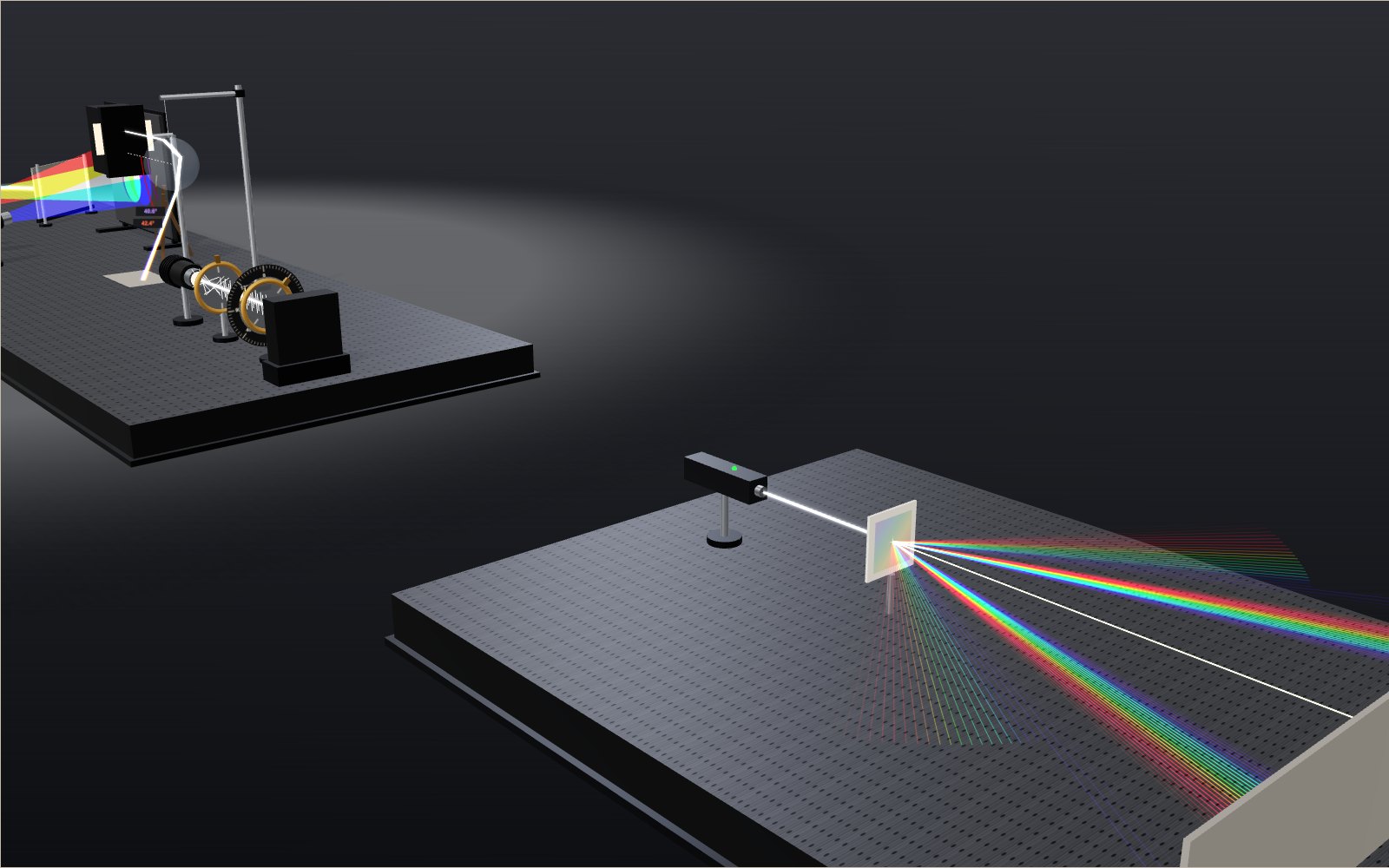
Light and colour, from prisms to polarisers
A glass prism bends violet light about 1.6 degrees more than red, and that small gap is all it takes to spread white light into a spectrum.
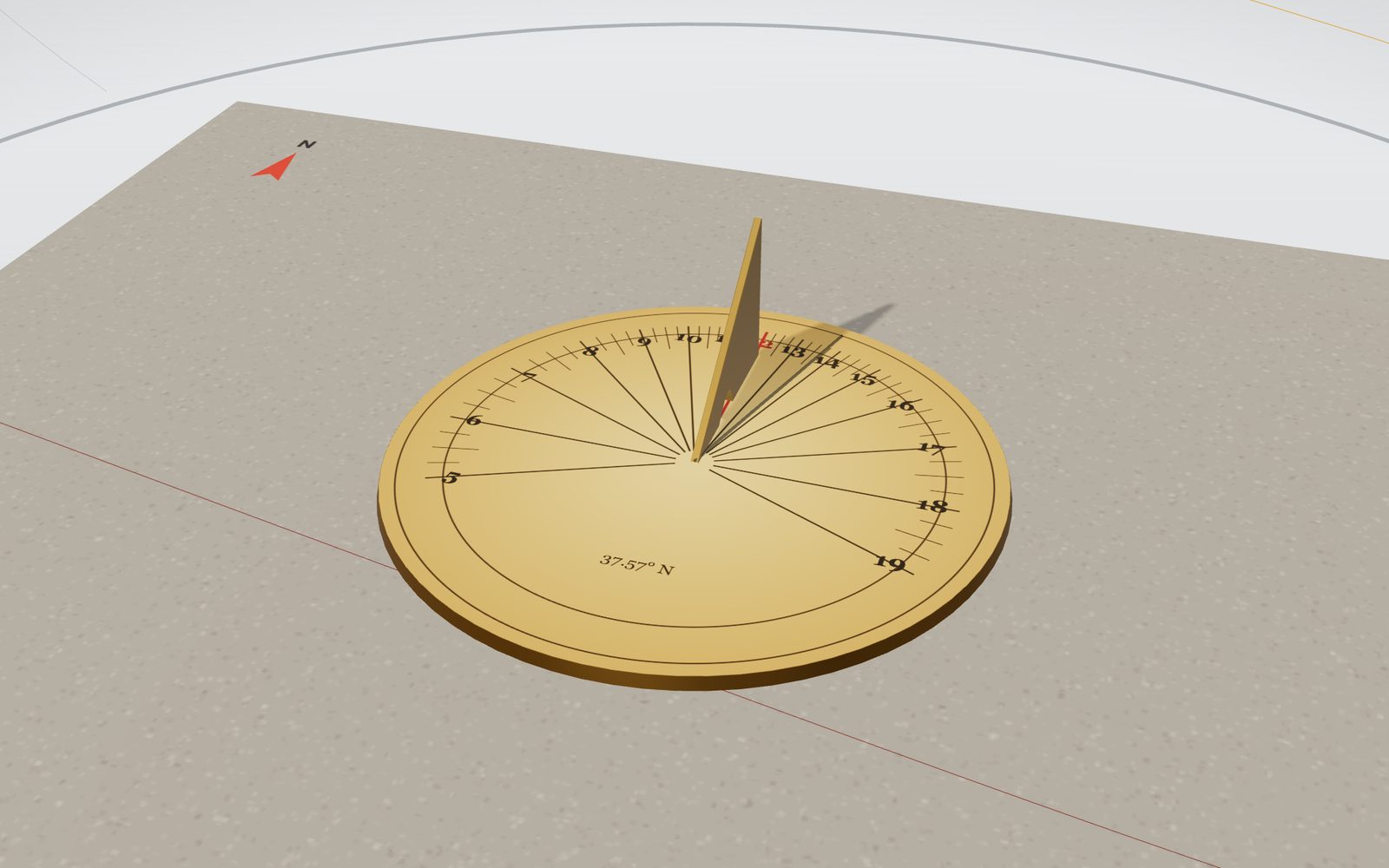
Sundial: interactive model, how to read the time
In Seoul a sundial reads about half an hour behind the clock, because the city lies 8° west of the meridian that sets Korean time.
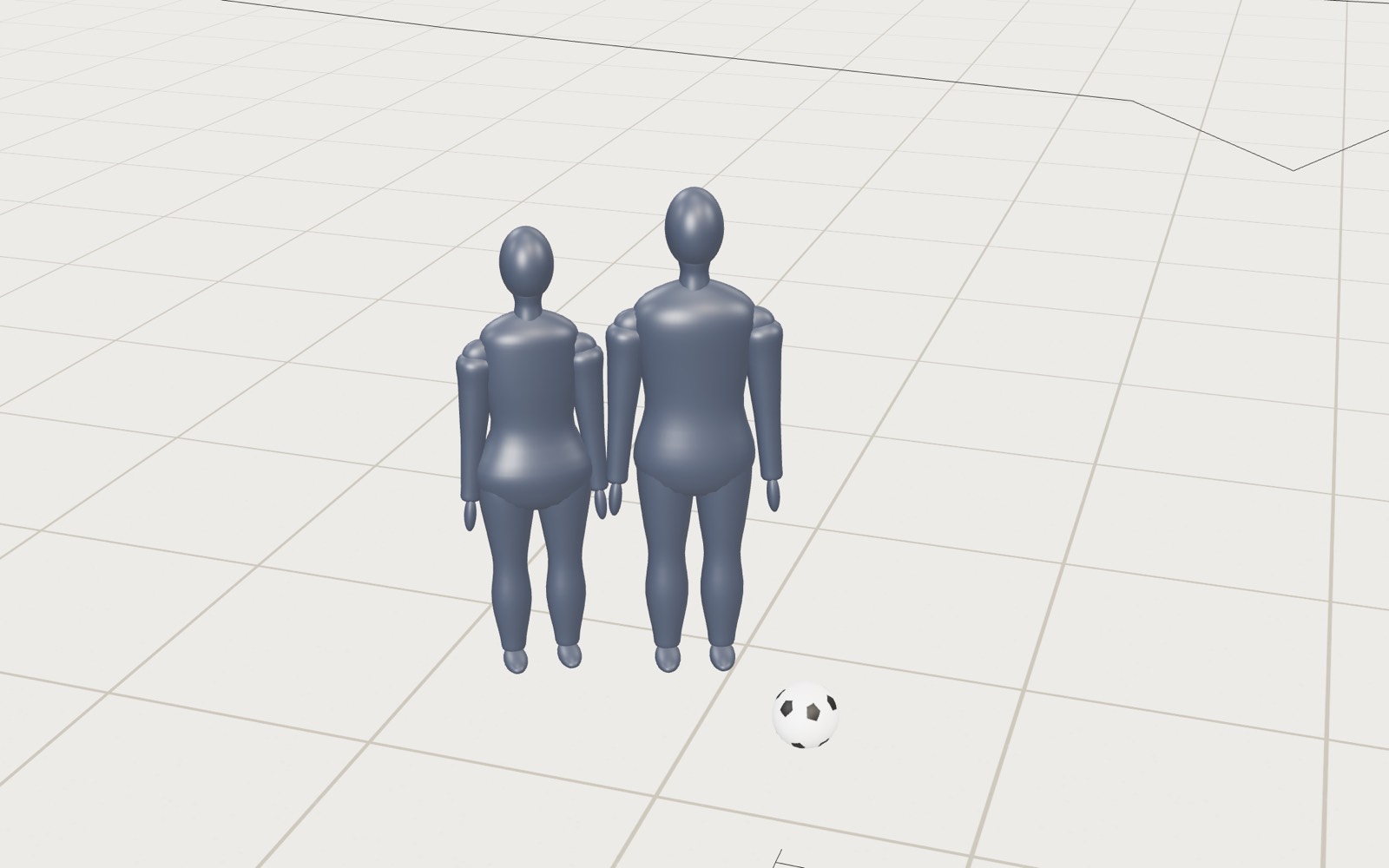
Powers of ten: from a proton to the observable universe
From inside a proton to the edge of the observable universe is 42 steps of ten.
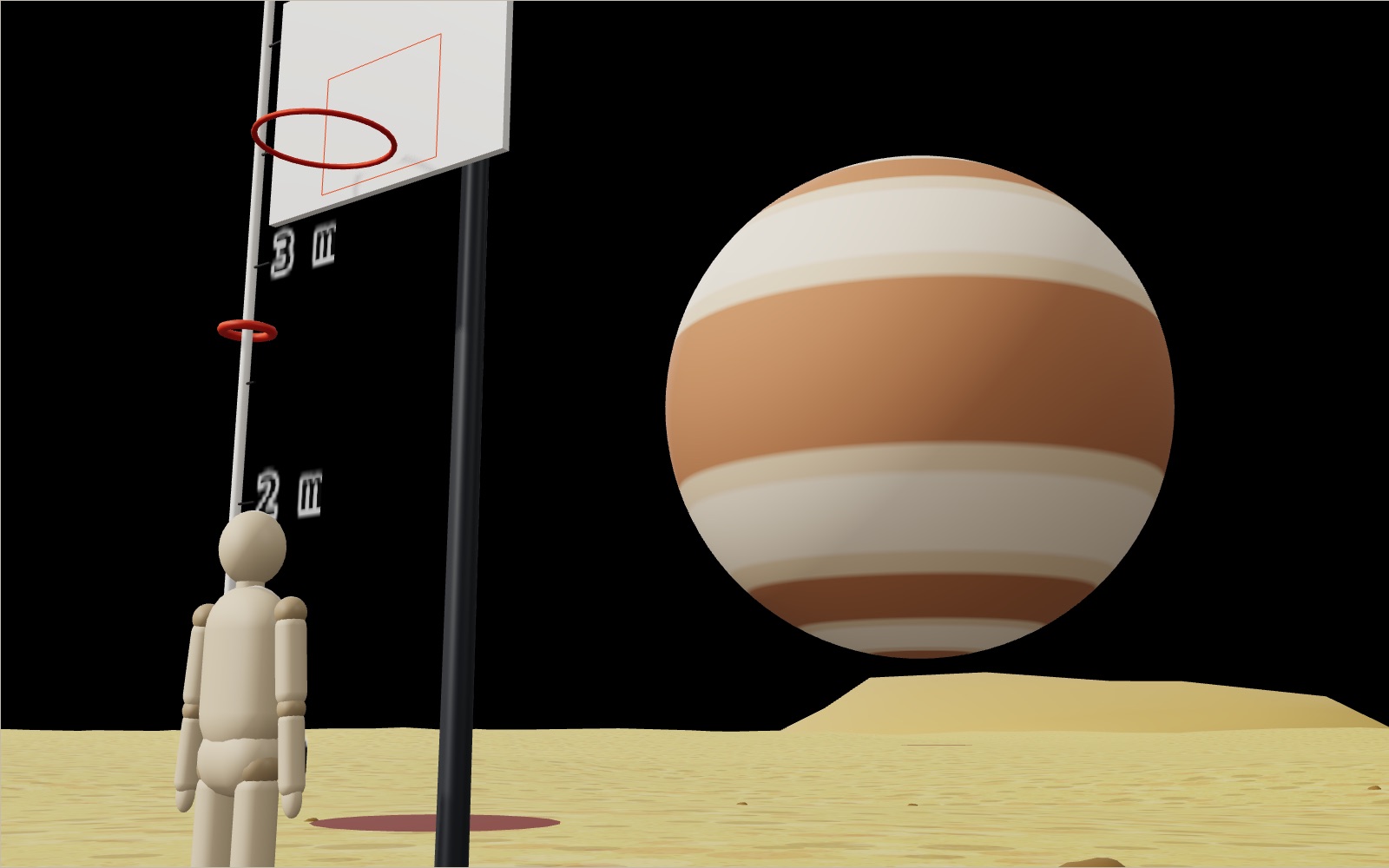
Your weight and jump height on other planets and moons
A 50 cm jump on Earth becomes a 3 m leap on the Moon, 18 m on Ceres and a one-way trip off asteroid Bennu.
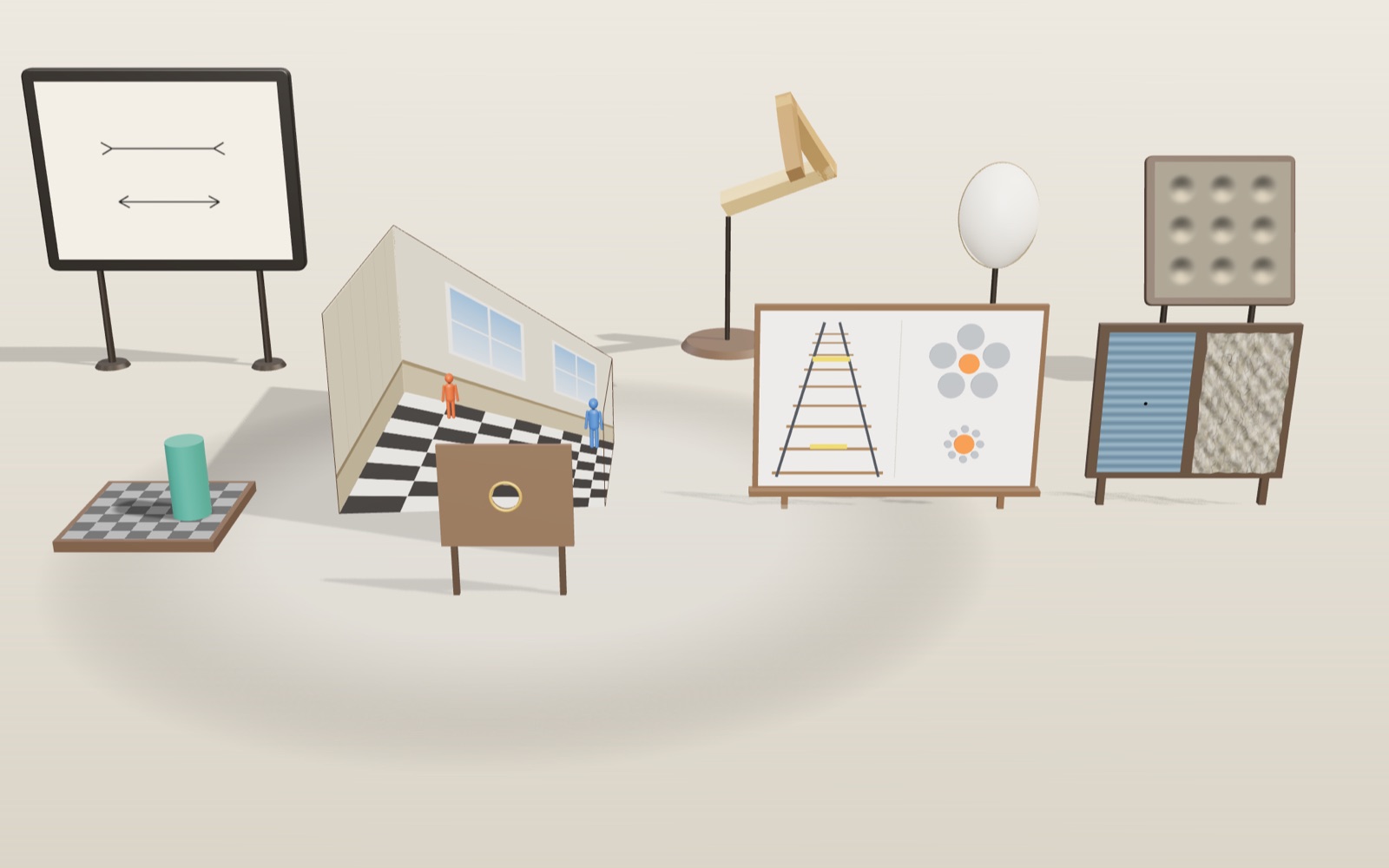
Optical illusions: why equal grey tiles look different
Tile A looks dark and tile B looks light, yet your screen sends the same grey to your eye from both.
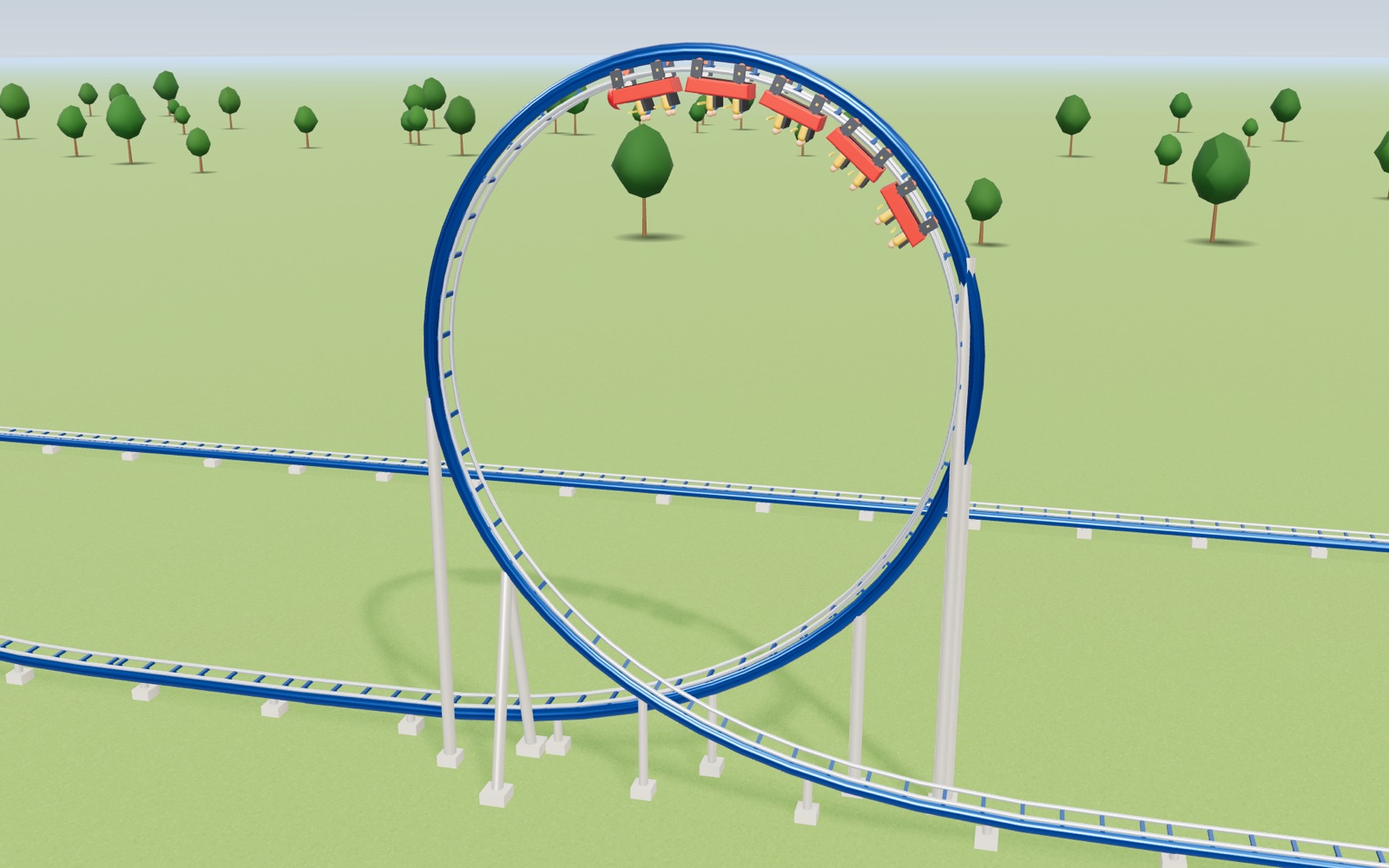
Roller coaster physics: how roller coasters work
A train that creeps over a 42 m lift hill at 3 m/s is doing 99 km/h at the bottom, and nothing but gravity has pushed it.
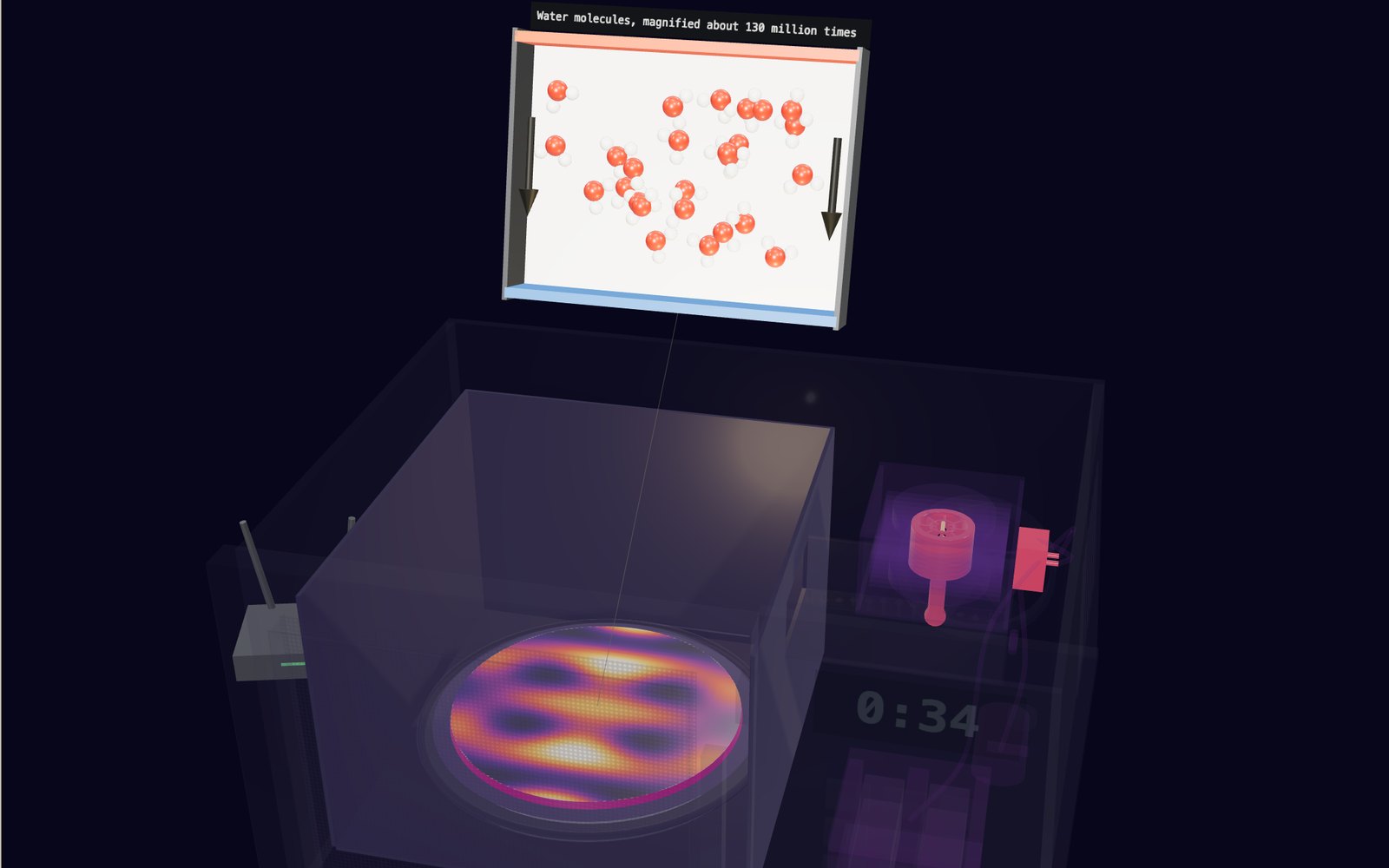
How a microwave oven works: the magnetron that makes the waves
The waves inside a microwave oven are 12.2 cm long, so without a turntable the hot spots in your food sit about 6 cm apart.
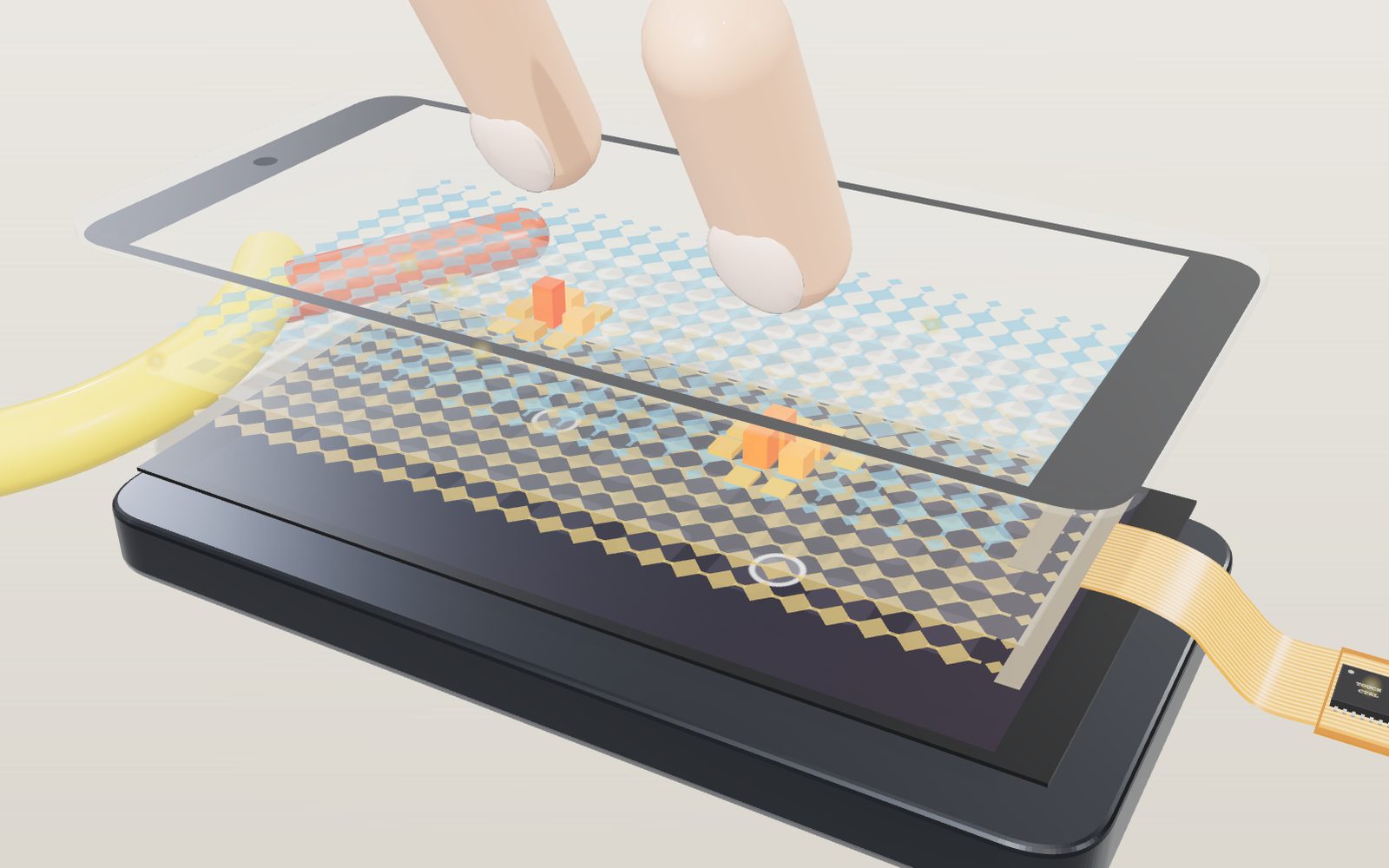
How a touchscreen works: how the glass finds your finger
Under the glass of a phone lies a grid of transparent electrodes, and your finger shows up as a small dip in the charge passing between them.
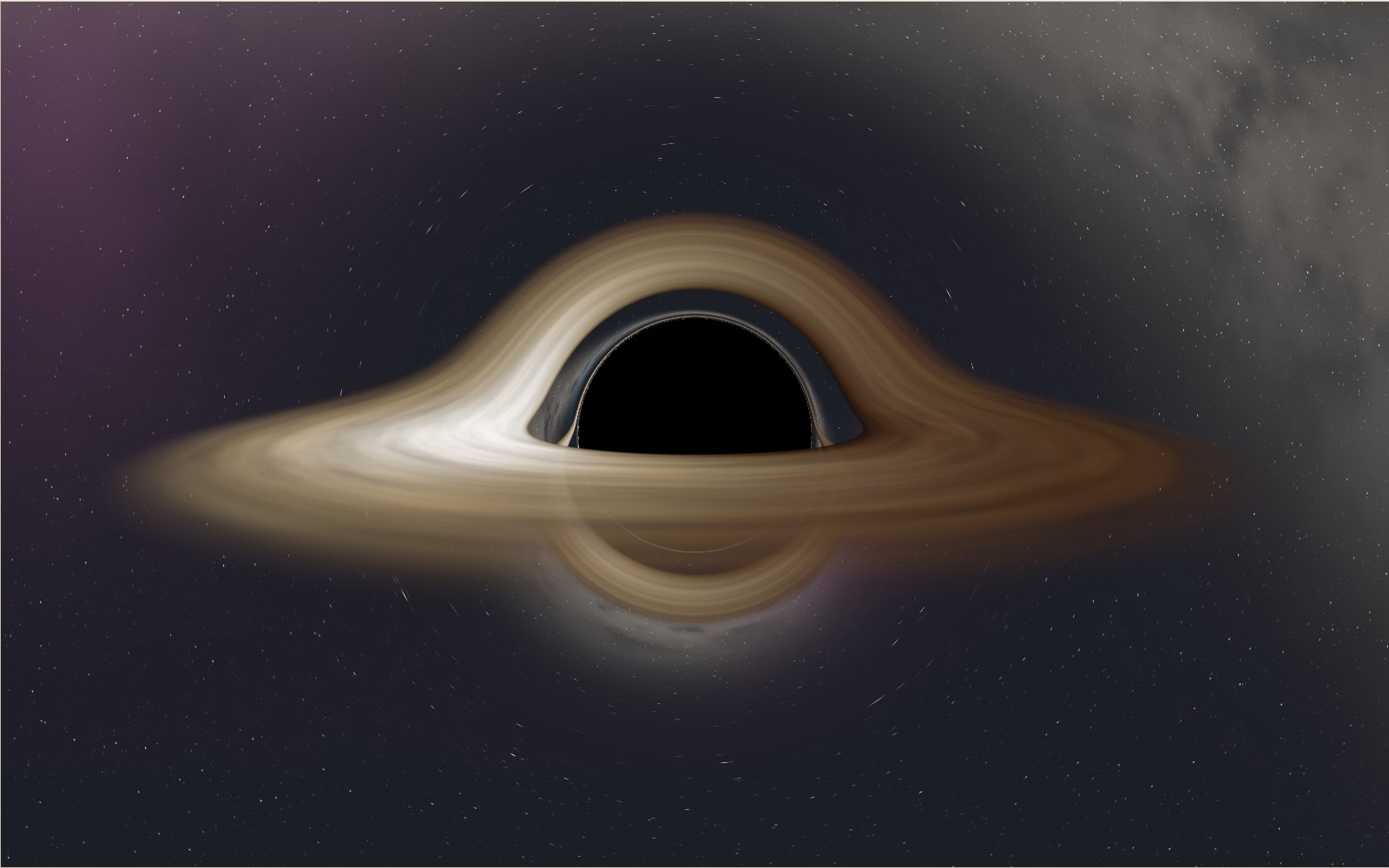
What you would see falling into a black hole
From 40 times the horizon radius a black hole's shadow is only 7.4° wide, yet starlight from directly behind it already forms a ring 28° across.
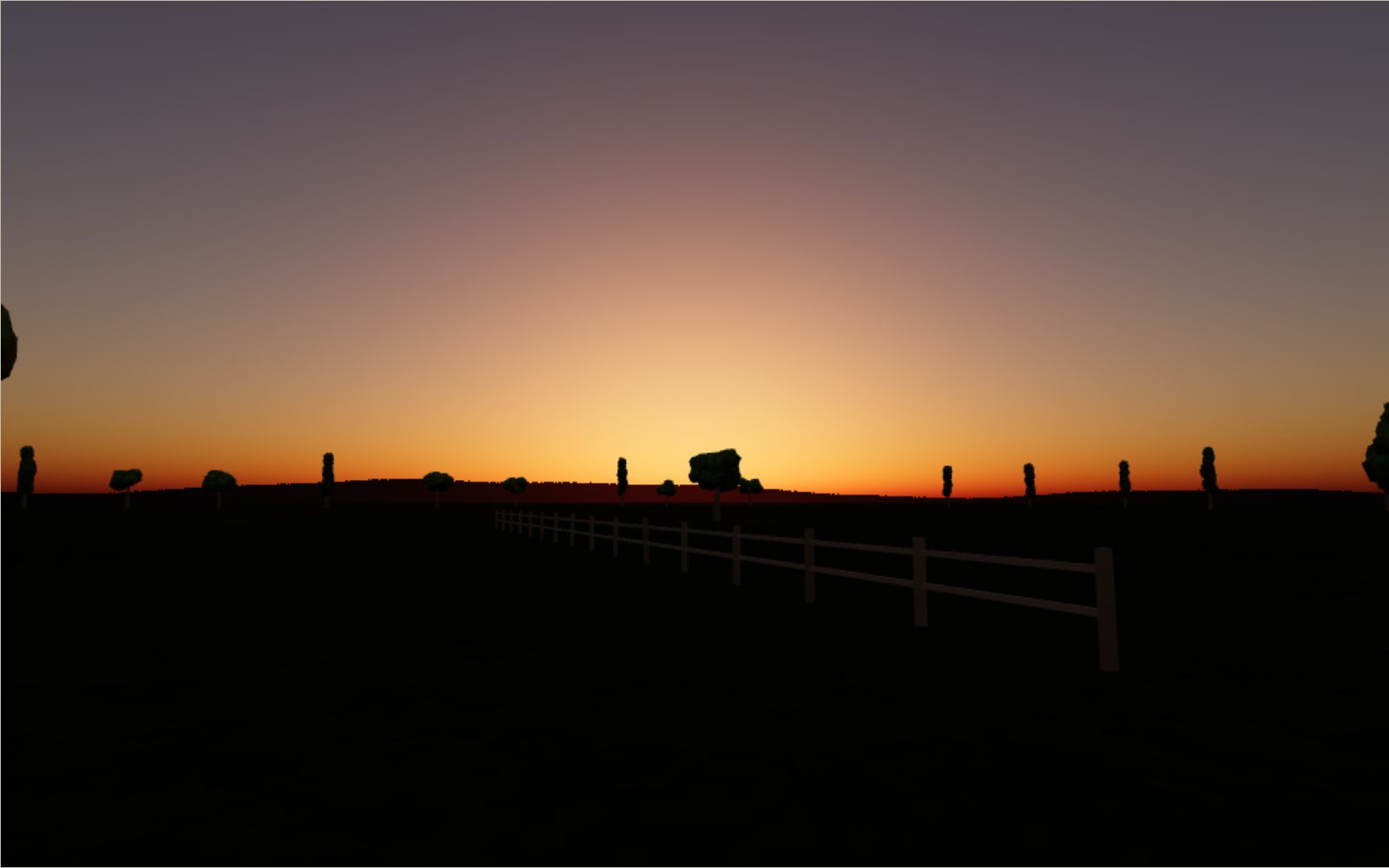
Why the sky is blue and sunsets are red
Air scatters 440 nm blue light about six times more strongly than 680 nm red, and a sun on the horizon shines through 35 times as much air as a sun overhead.
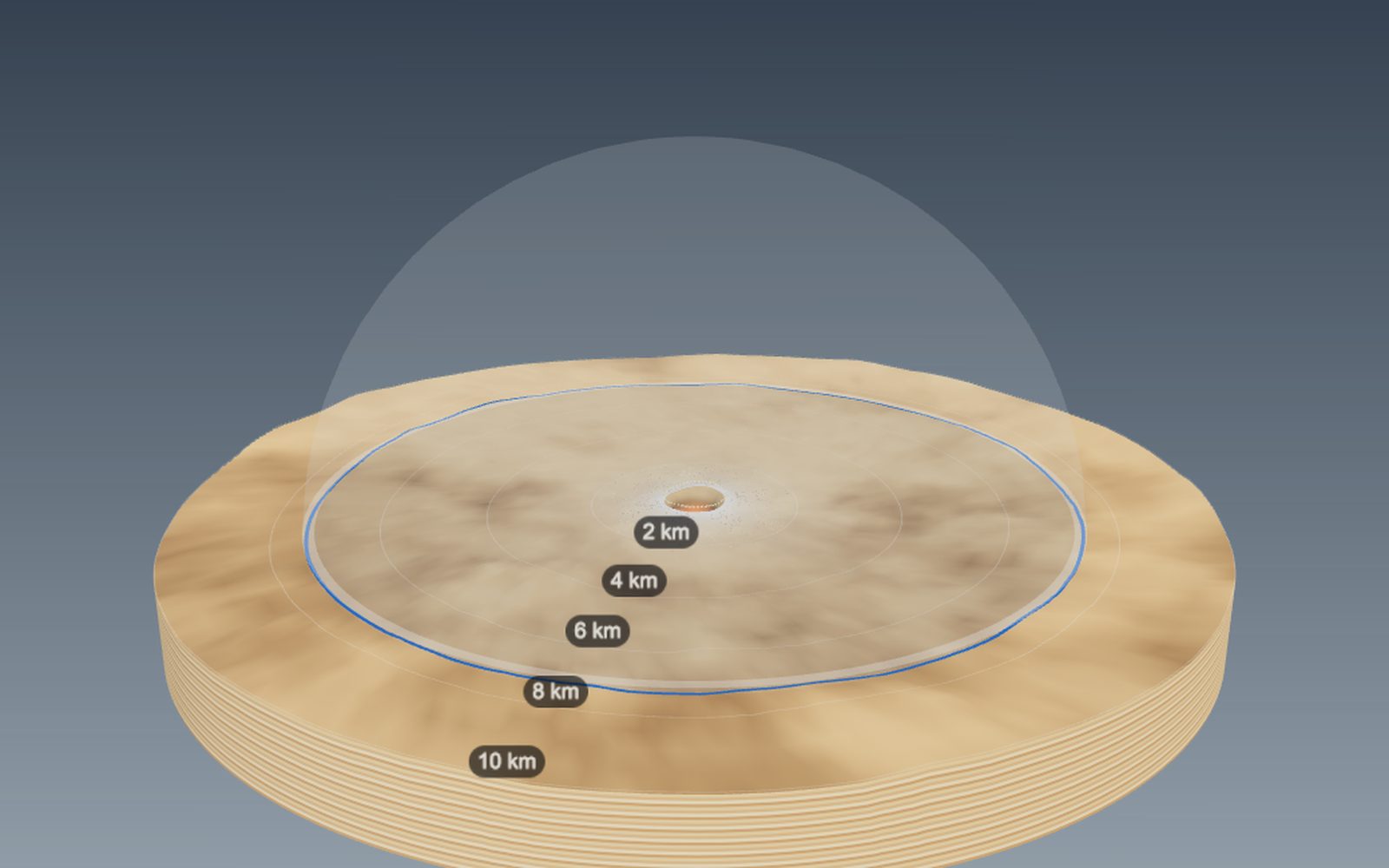
How big a crater would an asteroid make, and how craters form
The 1.2 km wide Meteor Crater in Arizona was dug by an iron asteroid only a few tens of metres across.
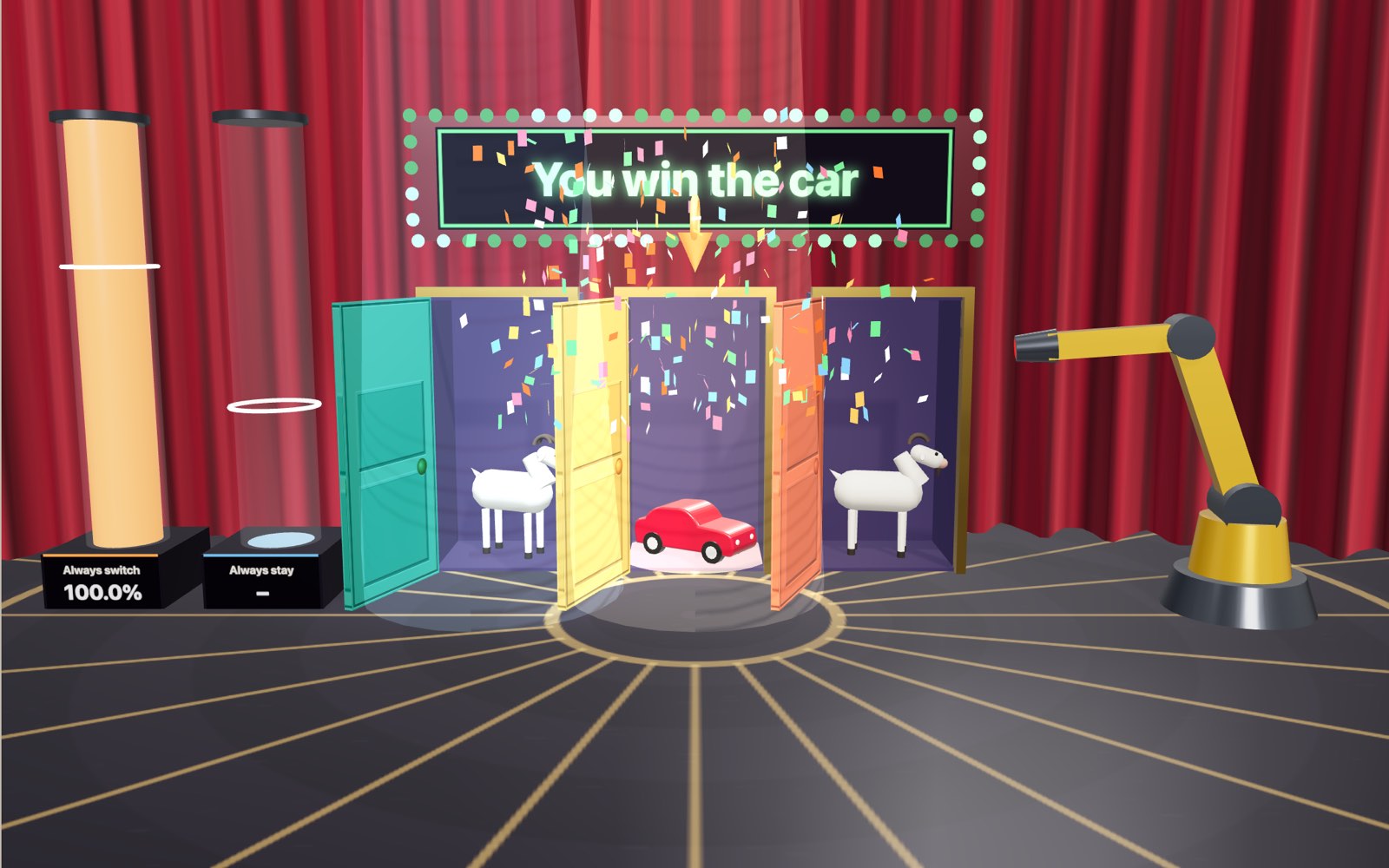
Why should you switch doors in the Monty Hall problem?
After the host opens a door with a goat, the door you did not pick hides the car in two games out of three.
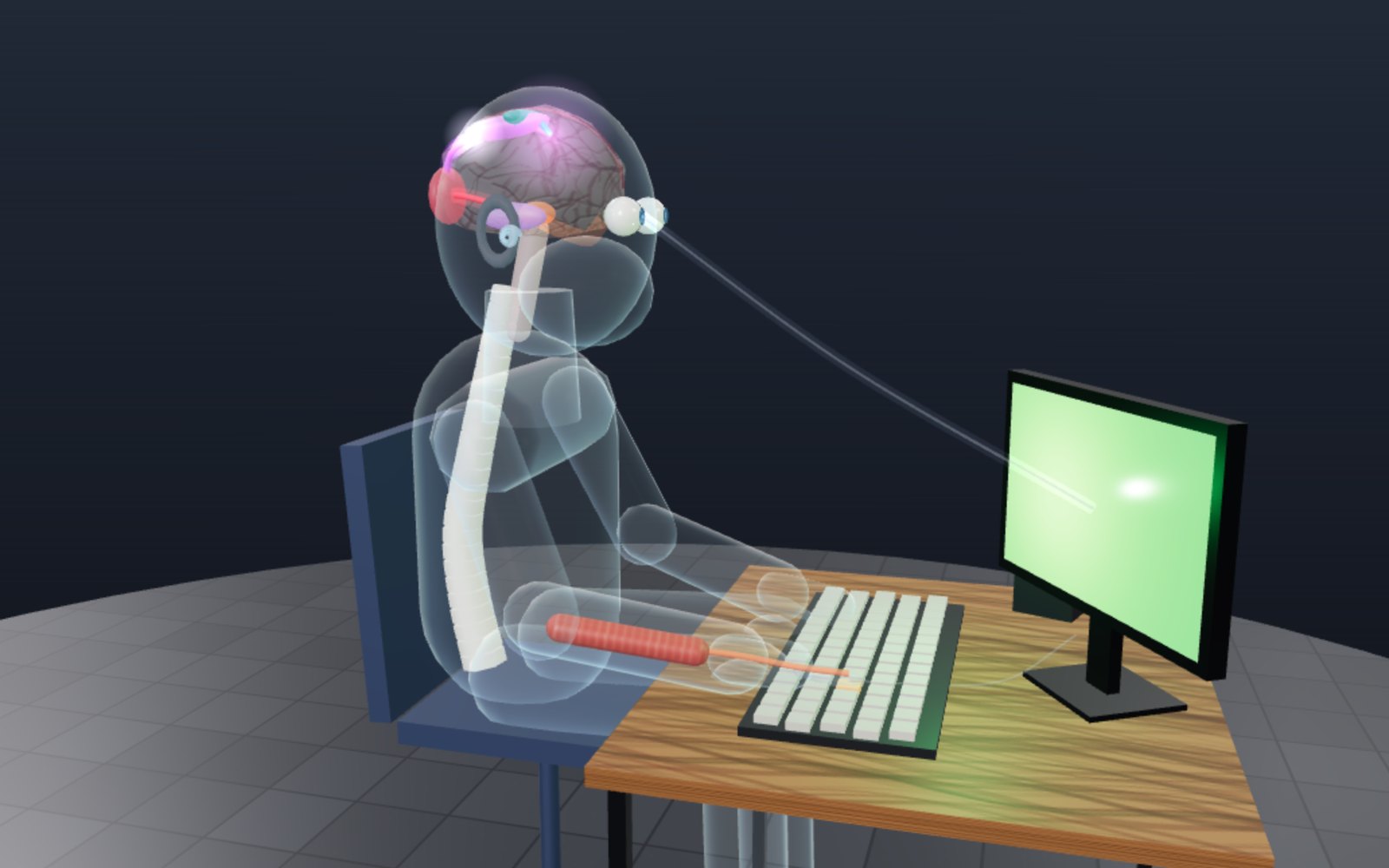
Reaction time test: how many milliseconds do you take?
Light from the screen reaches your eye almost at once, yet your finger moves about a fifth of a second later. Most of that time passes inside your head.
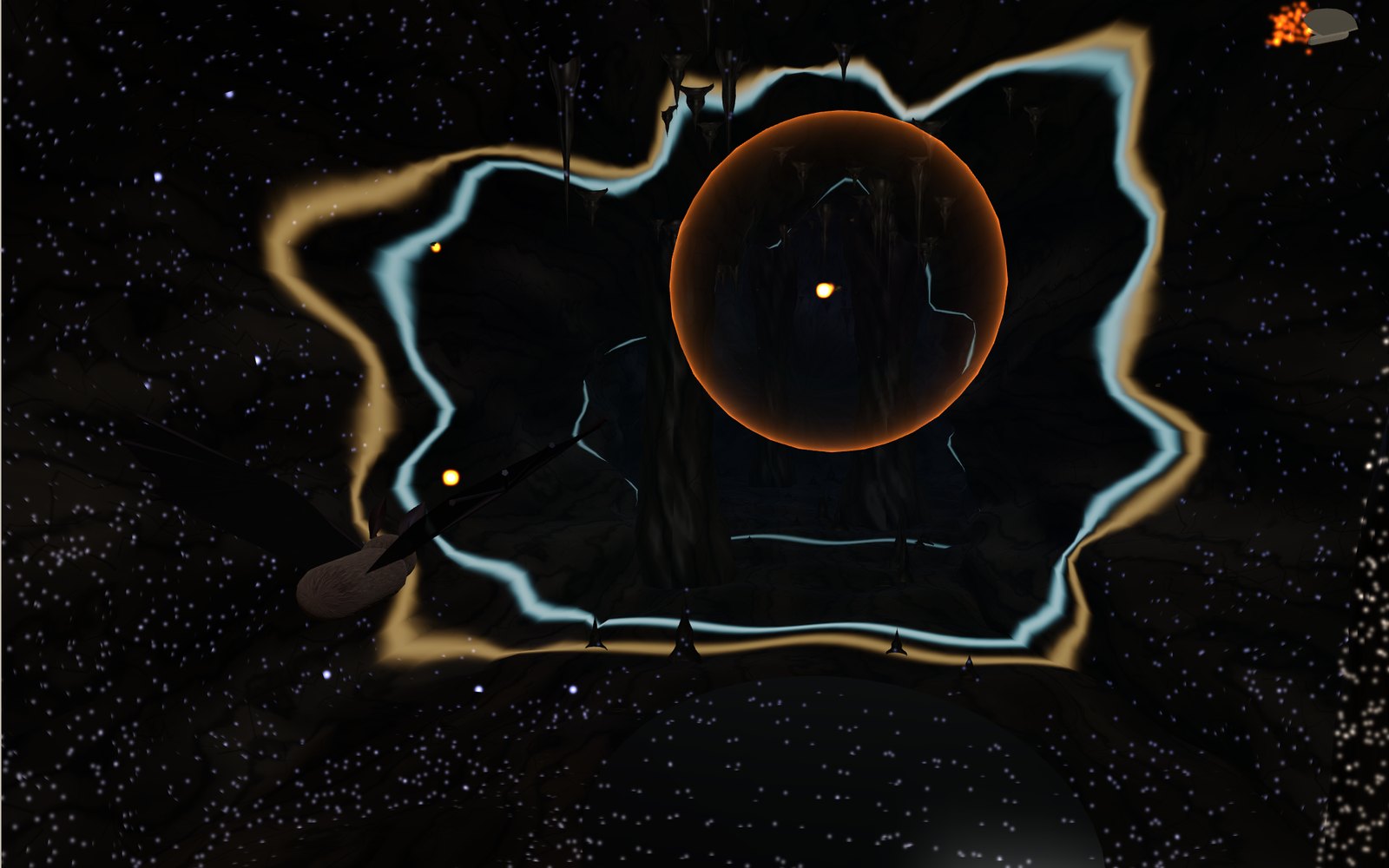
How do bats see with sound? Echolocation explained
An echo from a moth 1 m away comes back to a bat in under 6 thousandths of a second, and that delay is how the bat knows the distance.
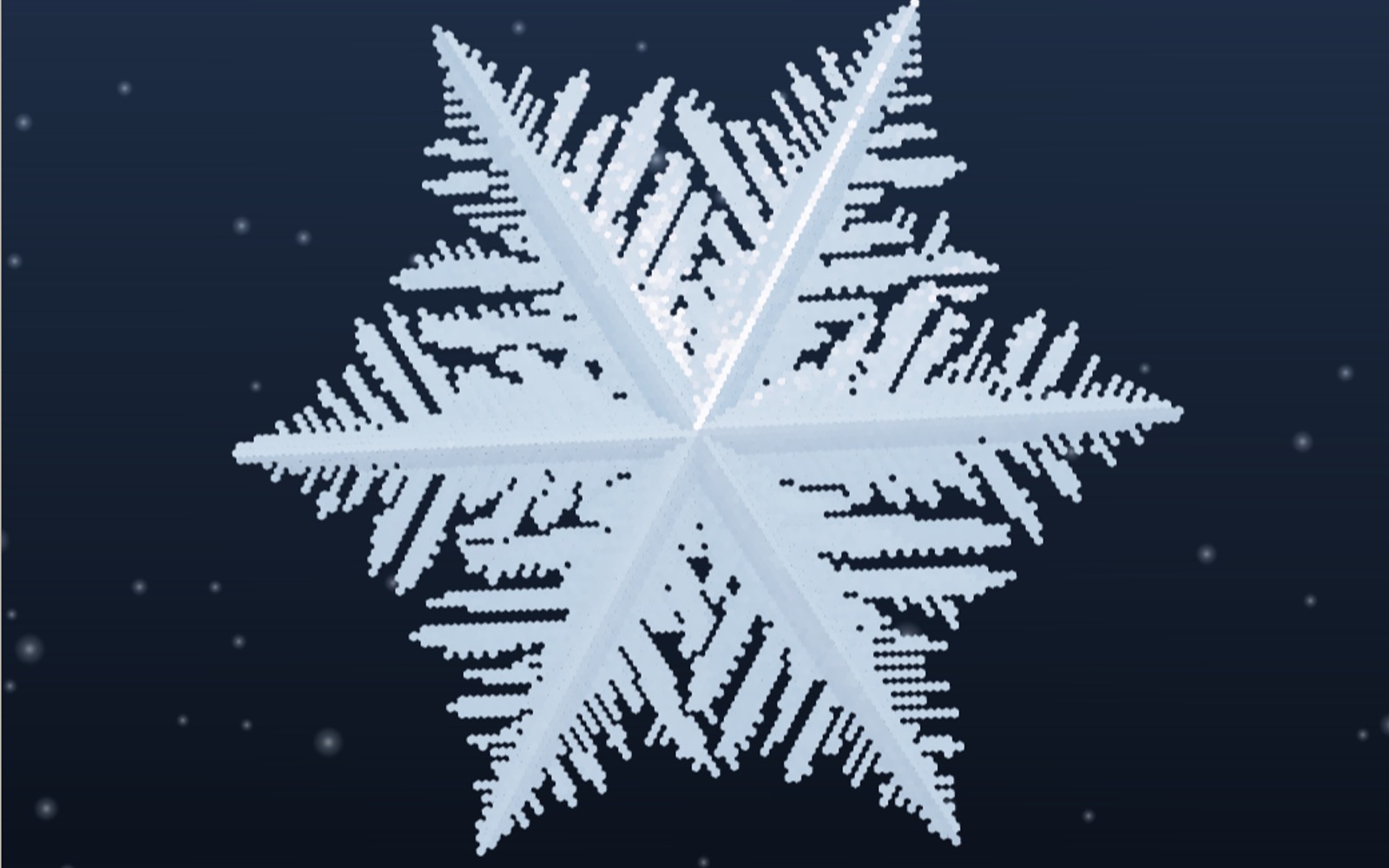
Snowflake growth simulator: grow your own crystal
A snow crystal grown at −15 °C sprouts six branching arms, while one grown at −5 °C becomes a needle 2 mm long.
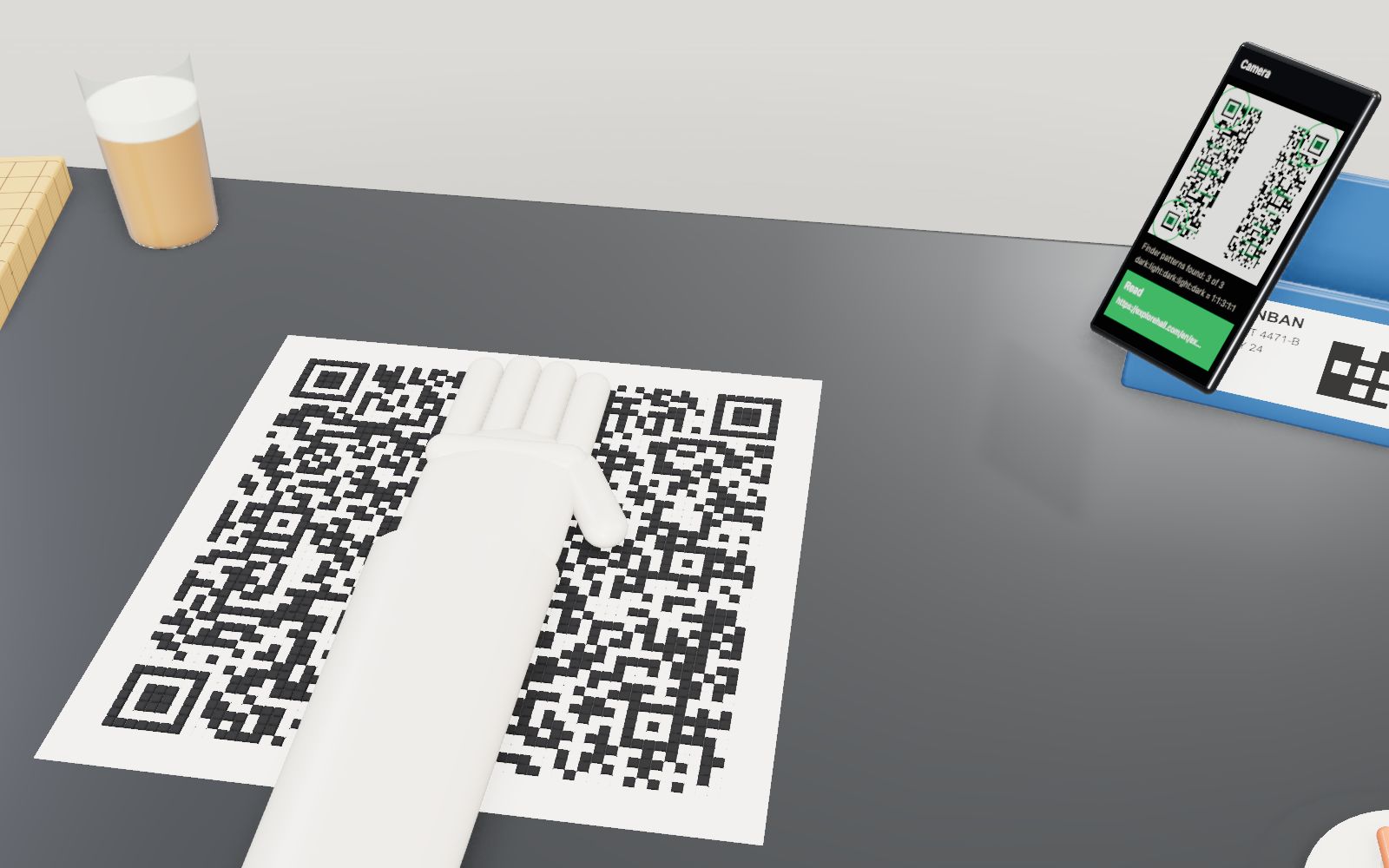
How a QR code is read
Cover 30 % of a QR code with your hand and a phone still reads it. Cover one corner and it does not.
How lightning and thunder work
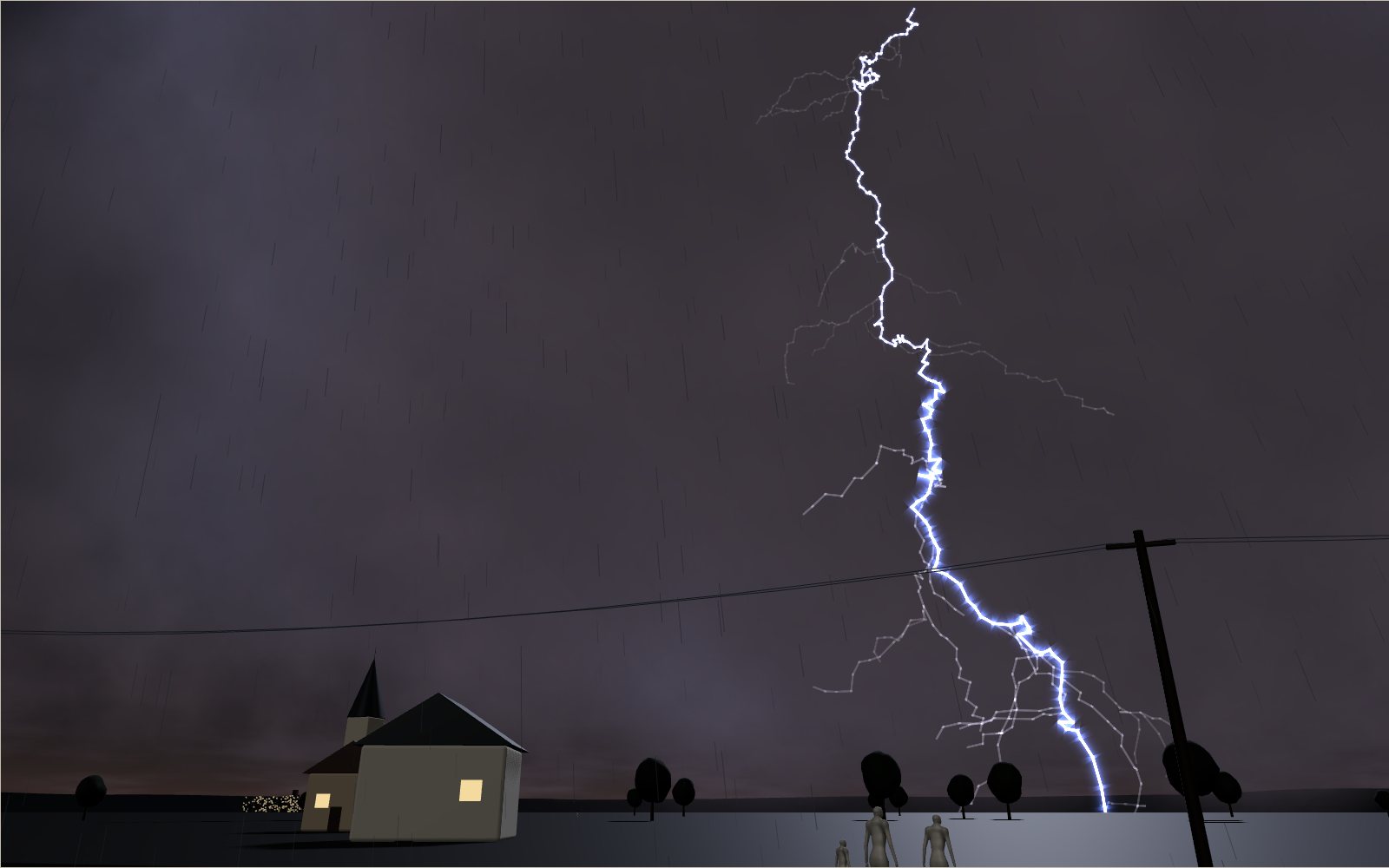
A lightning channel heats the air to about five times the temperature of the Sun’s surface, and its thunder needs about 3 seconds to cover each kilometre to you.
Travelling at the speed of light
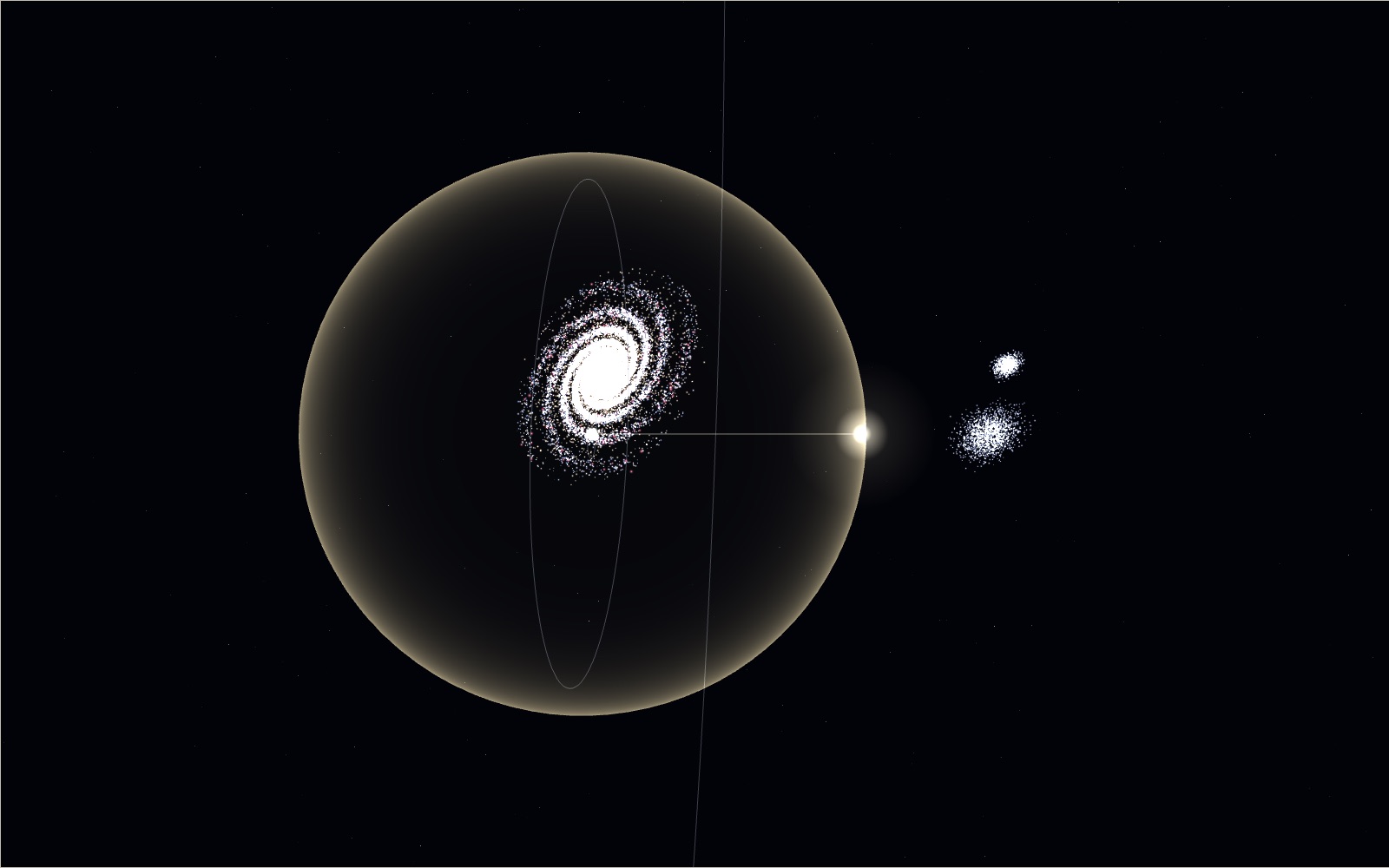
Light goes round the equator 7.5 times in a second, yet the same light needs 2.5 million years to reach the Andromeda galaxy.
Satellites orbiting Earth right now
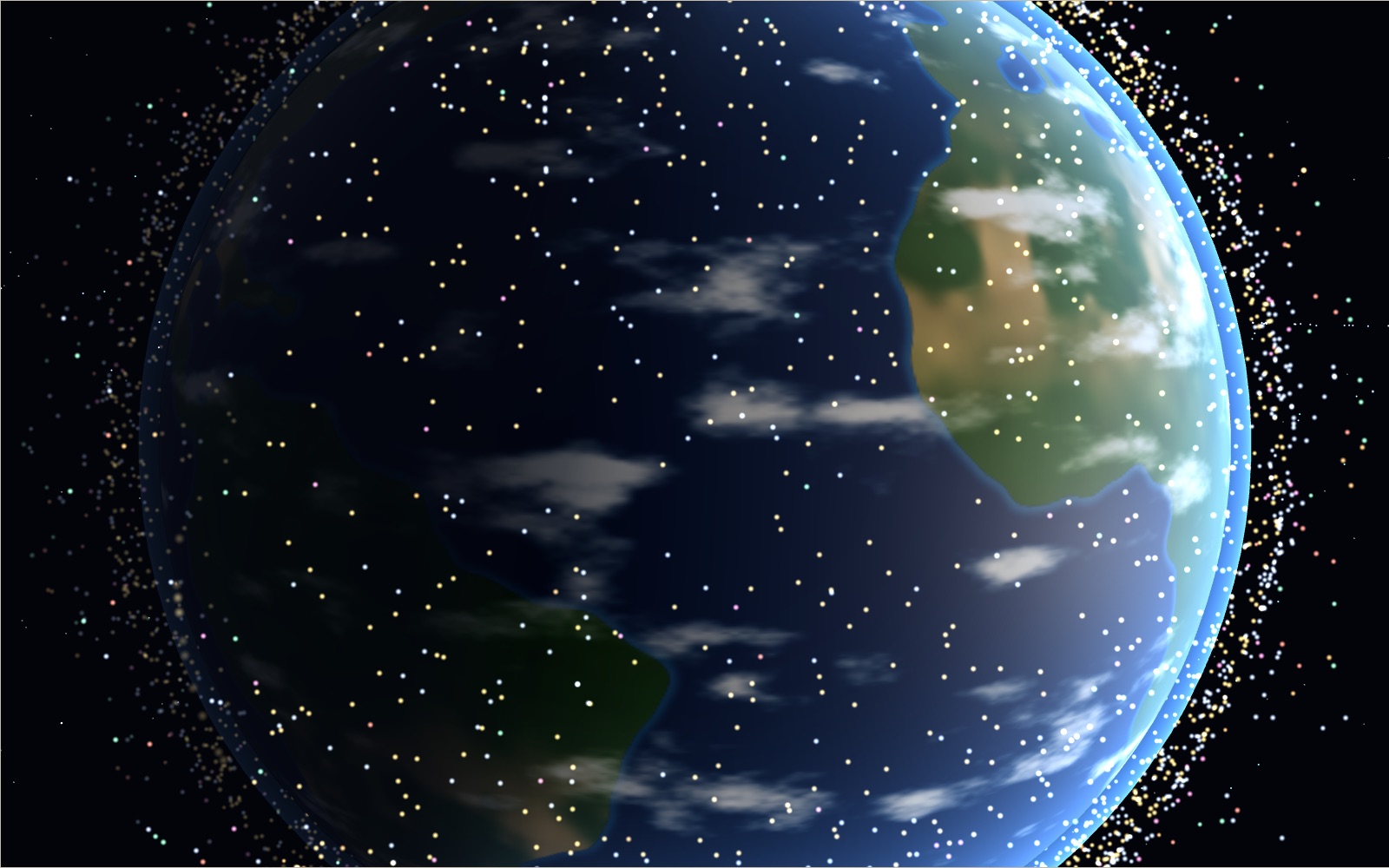
On 20 October 2026 the public catalogue listed 16,768 working satellites, and two in every three belonged to one company's internet network.