Online science museum

How things work,
as working models

Clocks, engines and locks rebuilt as 3D models you can turn and take apart, each with a full written explanation.

Try one now

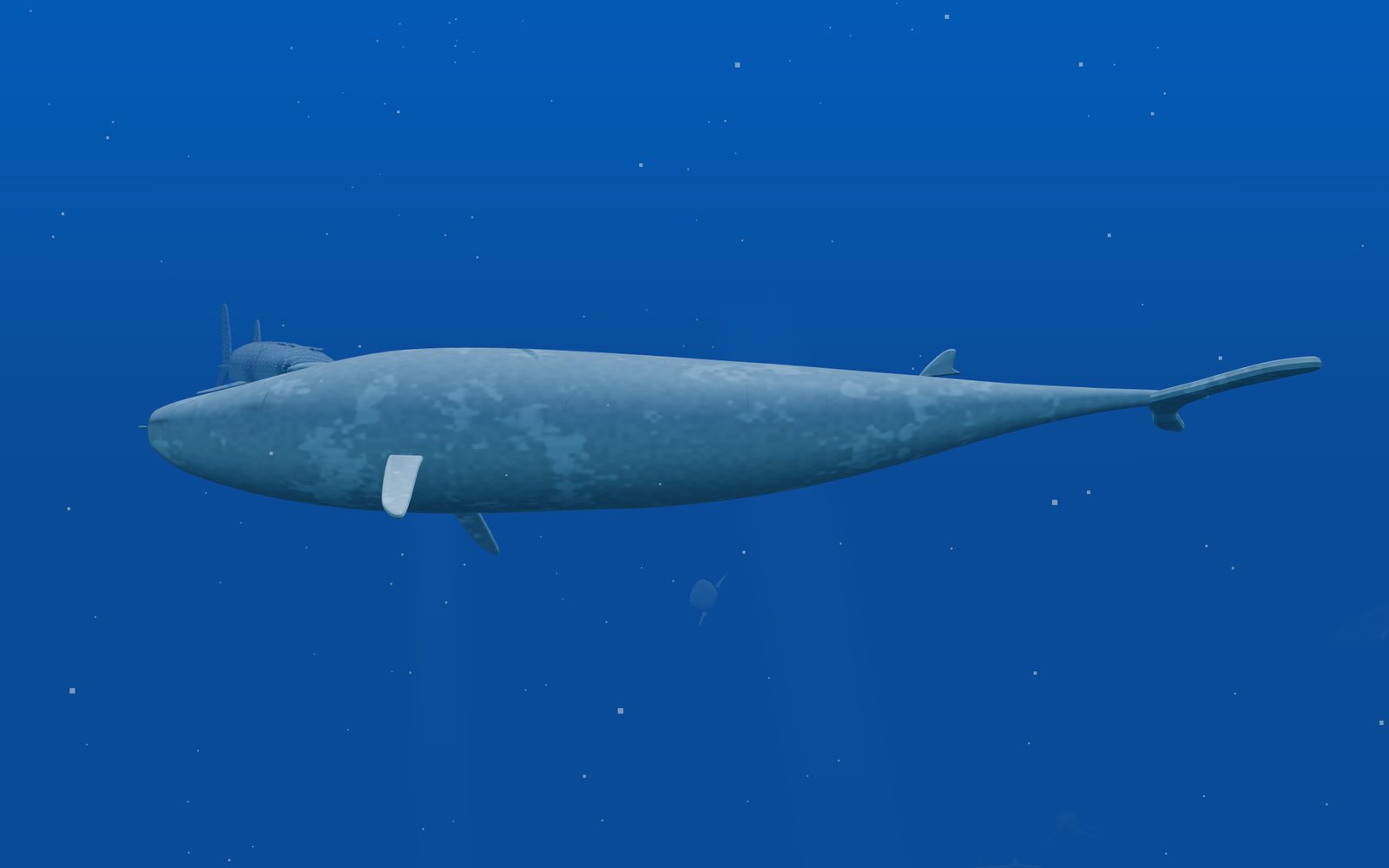
  1. FIG. 93 · Walk-throughsGiants of the sea: megalodon and the blue whaleSwim beside 48 sea giants at their real size, from a 28 m blue whale to megalodon, Livyatan and Mosasaurus, in eight seas from today back to the Triassic.Open
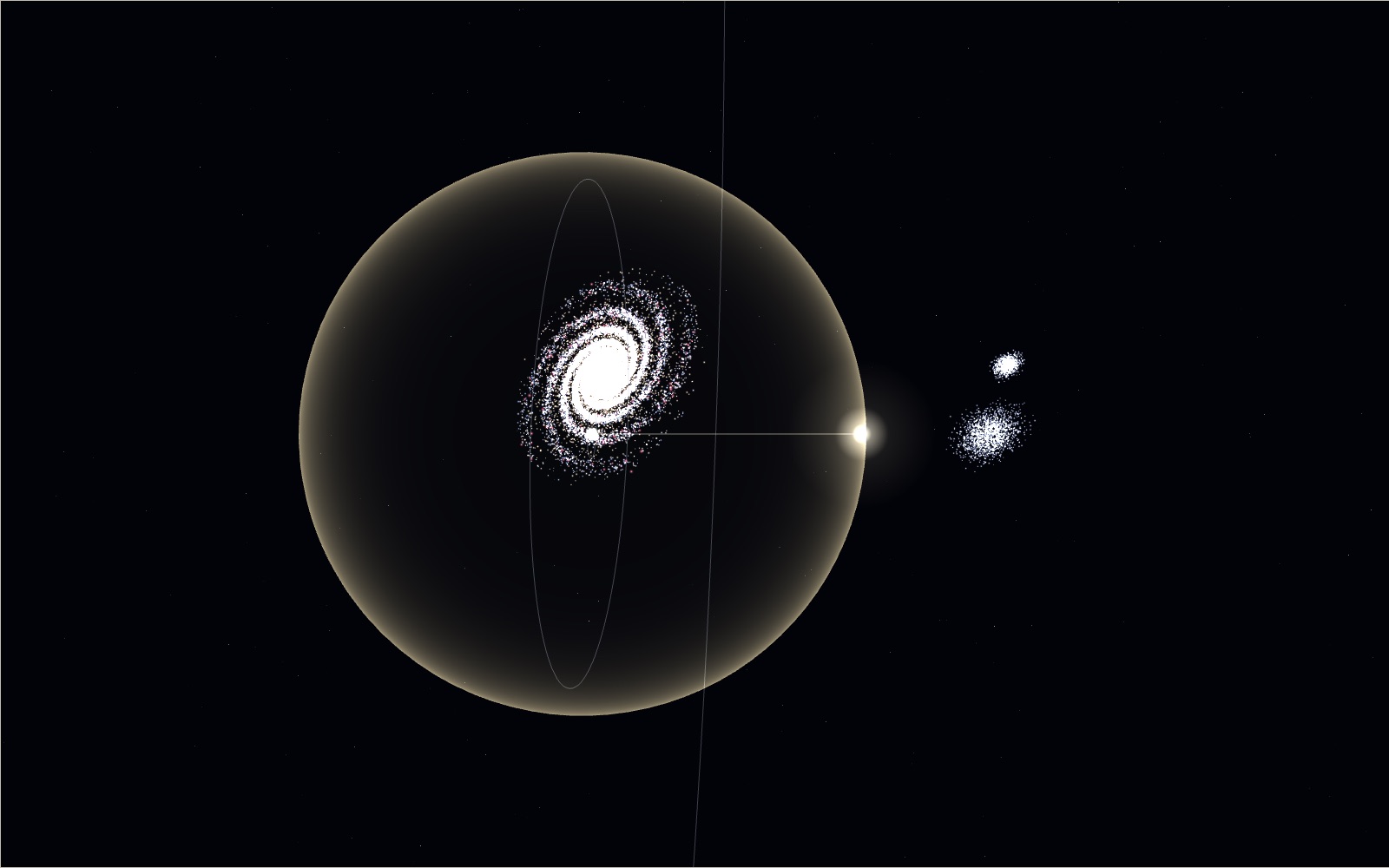
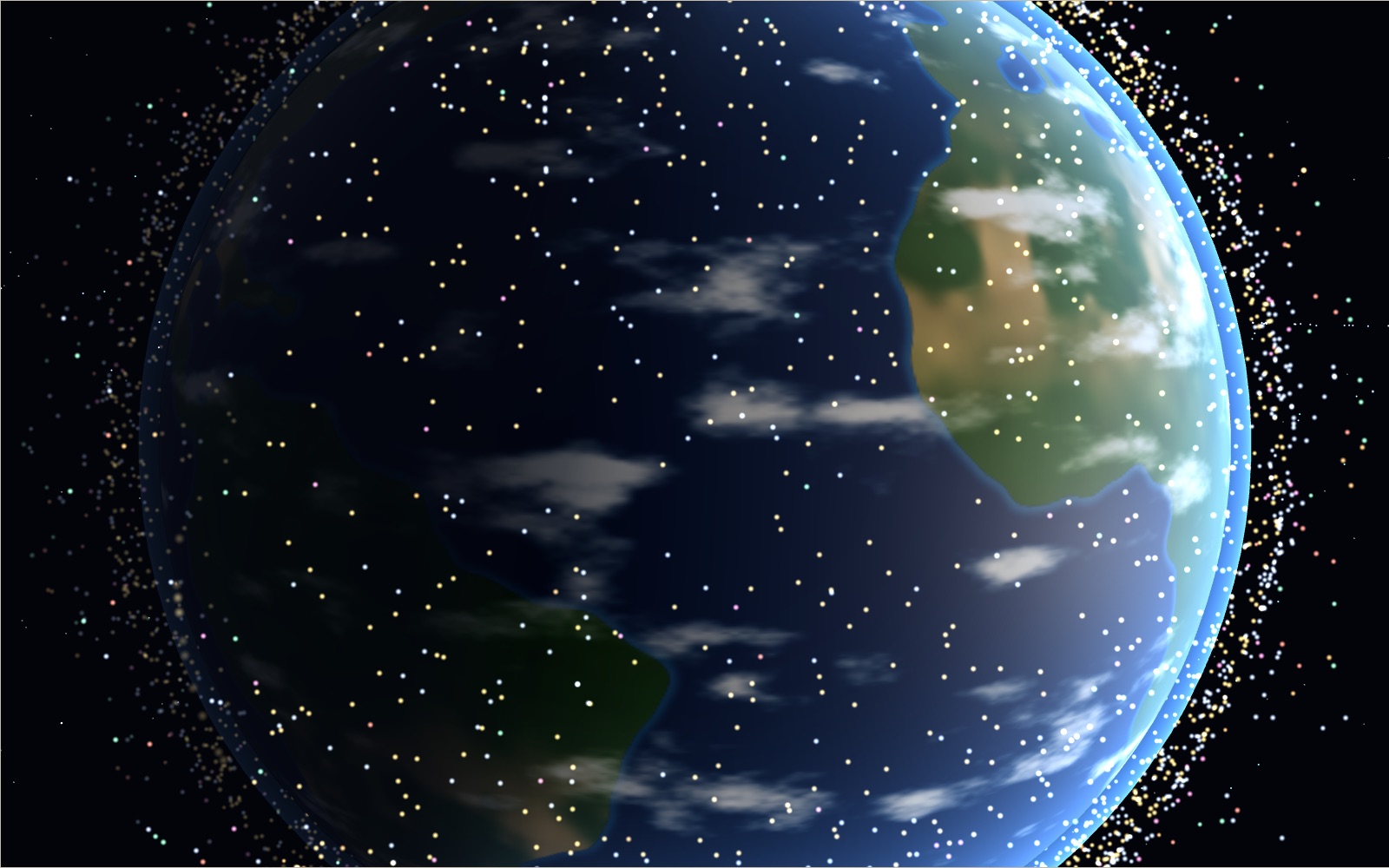
  2. FIG. 118 · SensesSatellites orbiting Earth right nowOn 20 October 2026 the public catalogue listed 16,768 working satellites, and two in every three belonged to one company's internet network.Open
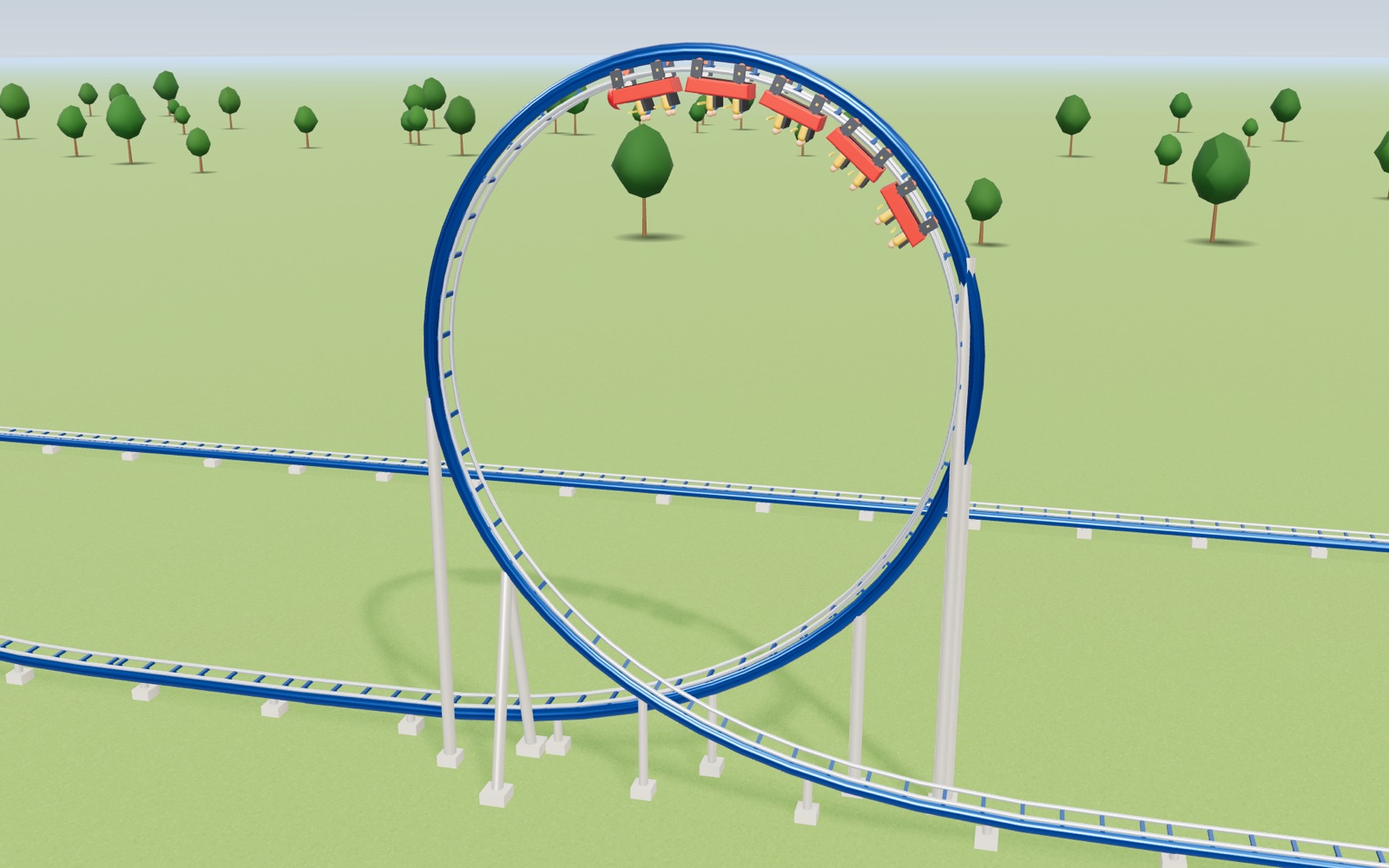
  3. FIG. 55 · SensesRoller coaster physics: how roller coasters workA train that creeps over a 42 m lift hill at 3 m/s is doing 99 km/h at the bottom, and nothing but gravity has pushed it.Open
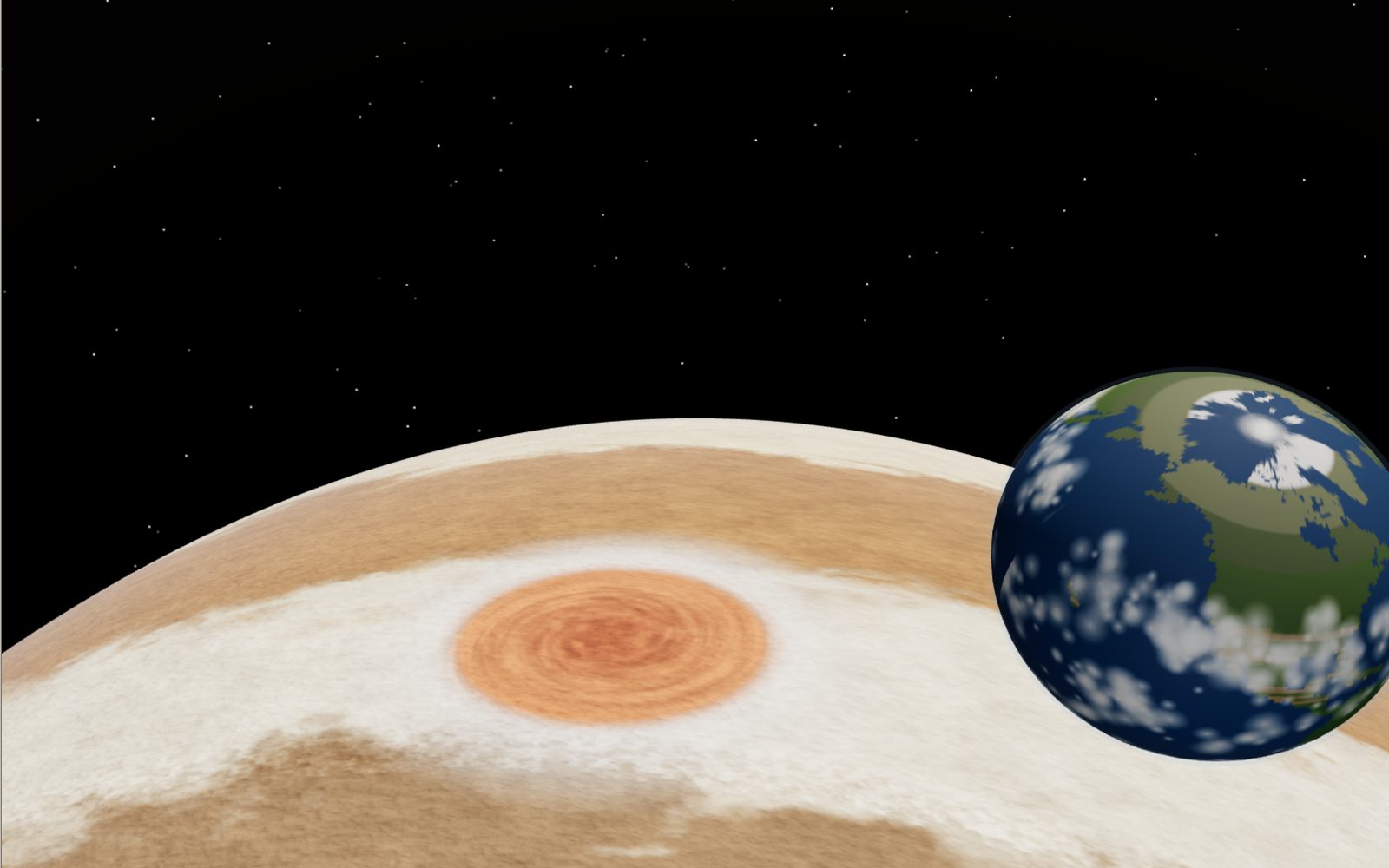
  4. FIG. 97 · Walk-throughsFly over Jupiter's clouds and the Great Red SpotIn the late 1800s the Great Red Spot was about three Earths long; Hubble now measures it at about one. Float over it with Earth beside you, then sink 132 km into the clouds with the Galileo probe.Open
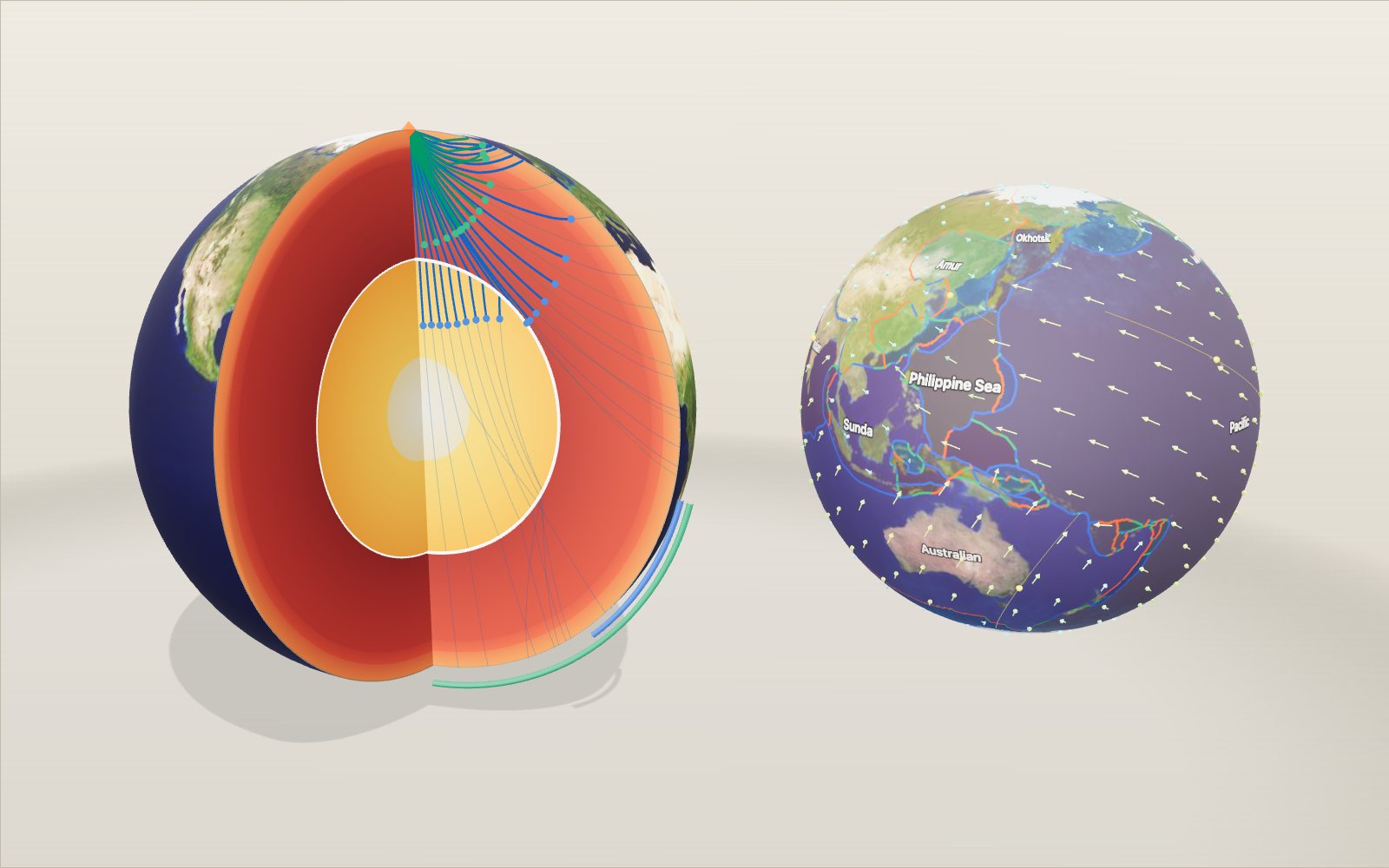
  5. FIG. 06 · How It WorksLayers of the Earth: depth and density, interactive modelNobody has drilled deeper than 12.3 km, yet we know the pressure at the centre to within a few per cent, because earthquakes shine through the planet.Open
FIG. 11 · Old Machines

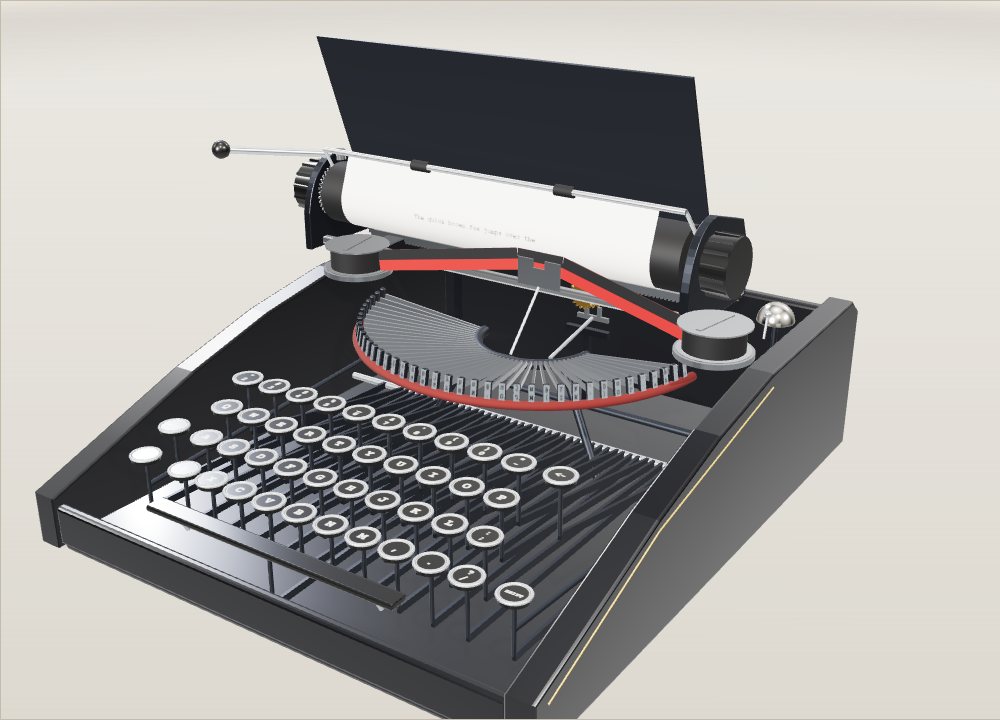
How a typewriter works: inside a manual typewriter

On a pica typewriter every letter, space and full stop moves the carriage the same 2.54 mm to the left.

Open

Galleries

Courses

About Explorehall

Explorehall is a small online science museum. Each exhibit is a 3D model of one machine or natural process, built from published measurements, with a long article underneath that explains how it works.

You can drag a model to look at it from any side, change its speed, make the case transparent, or move the parts apart to see how they fit. The guide next to the model walks through the mechanism in order, and the parts list jumps to any piece you want to look at.

The articles cover the mechanism, the numbers behind it, where the real object differs from the model, a short history, common questions and the sources used. If a number appears on the page, the formula is usually there too.

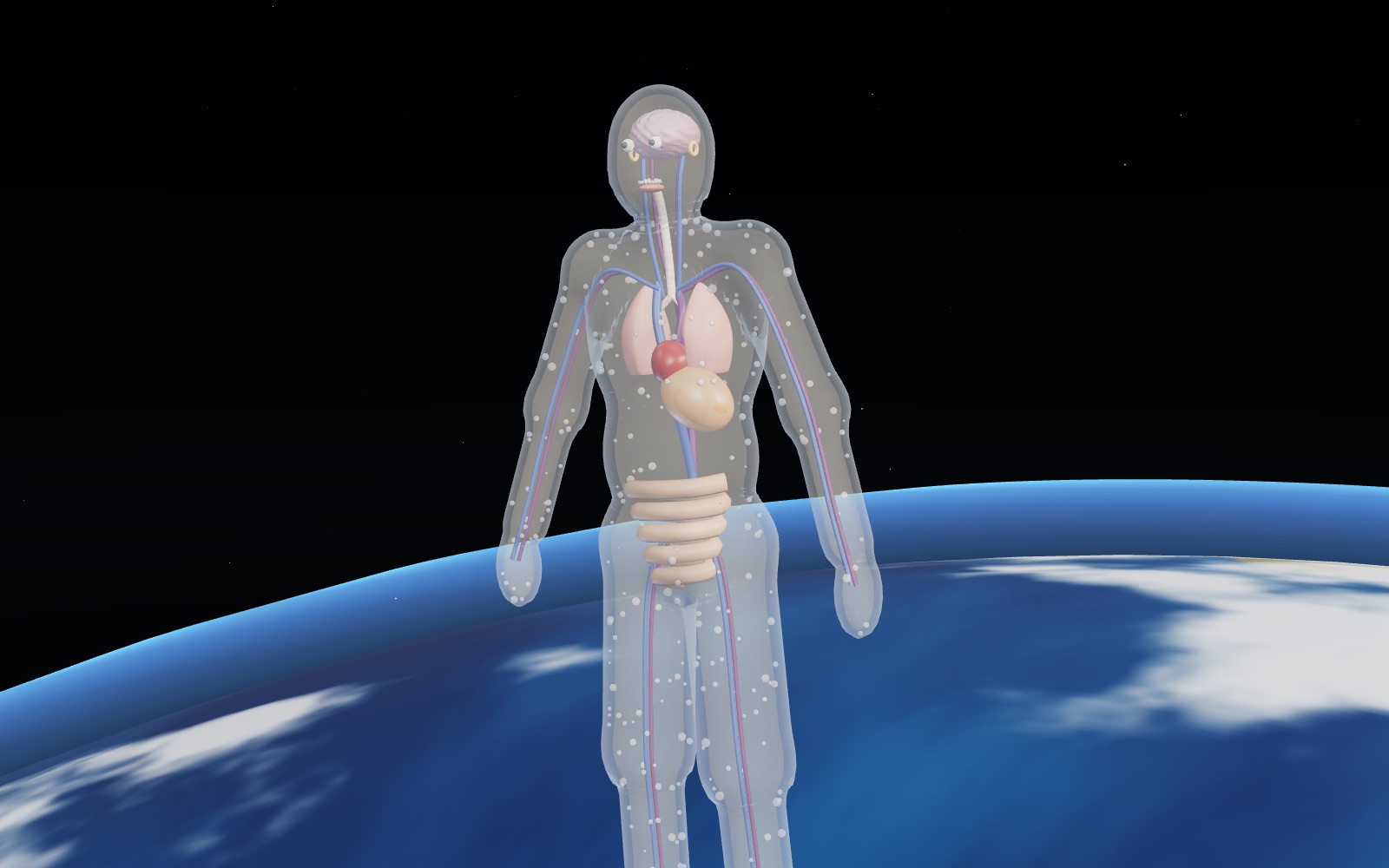
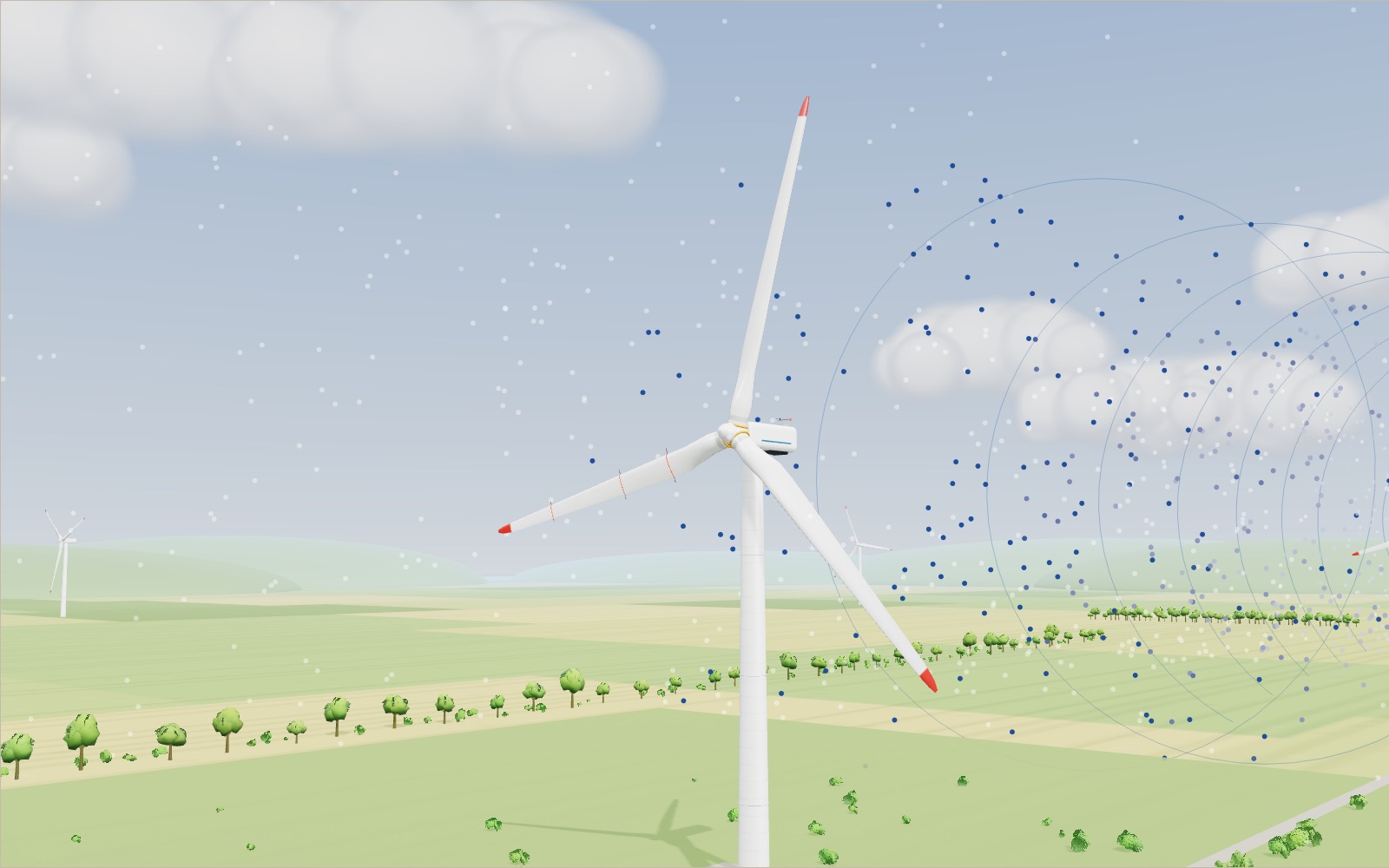
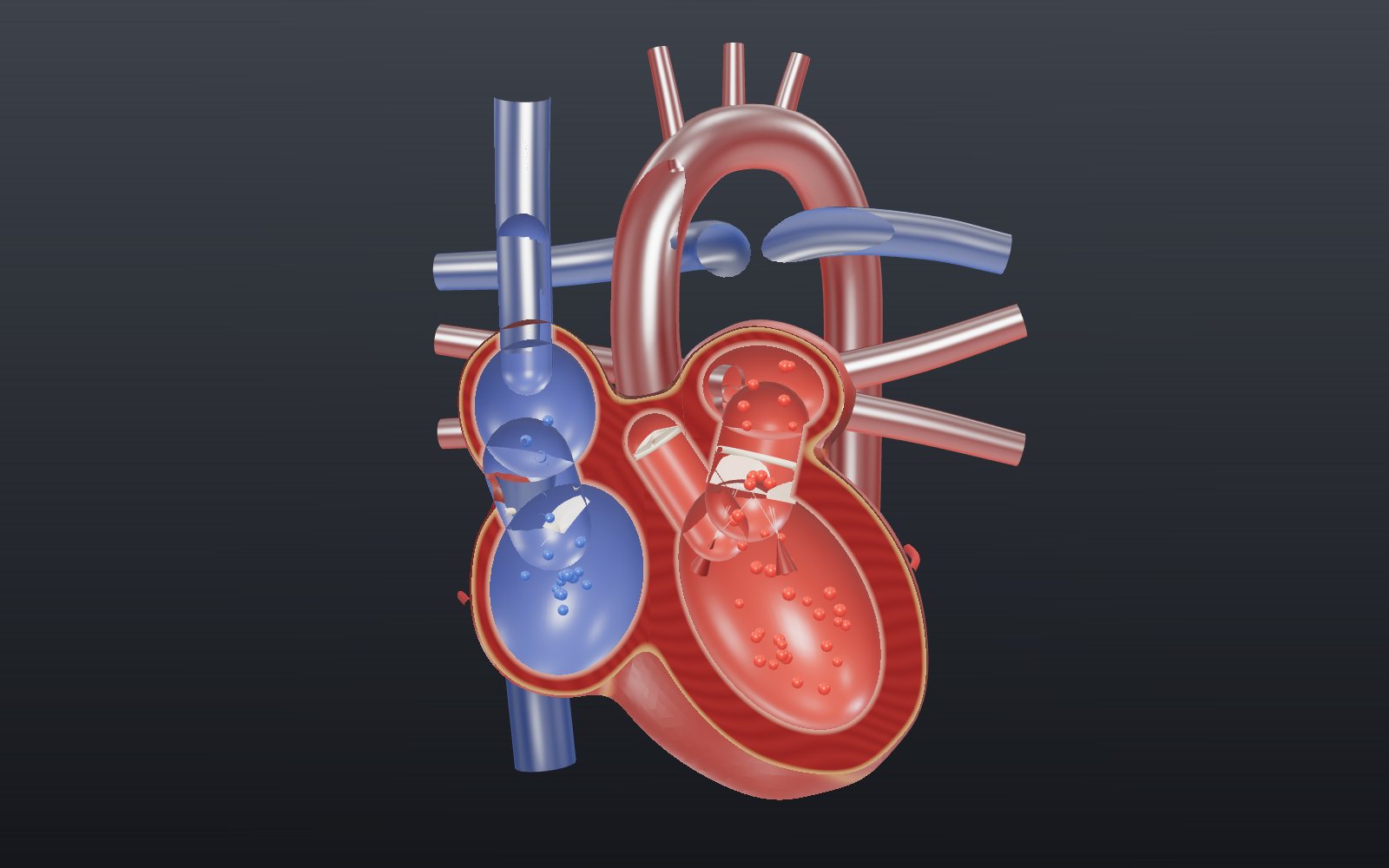
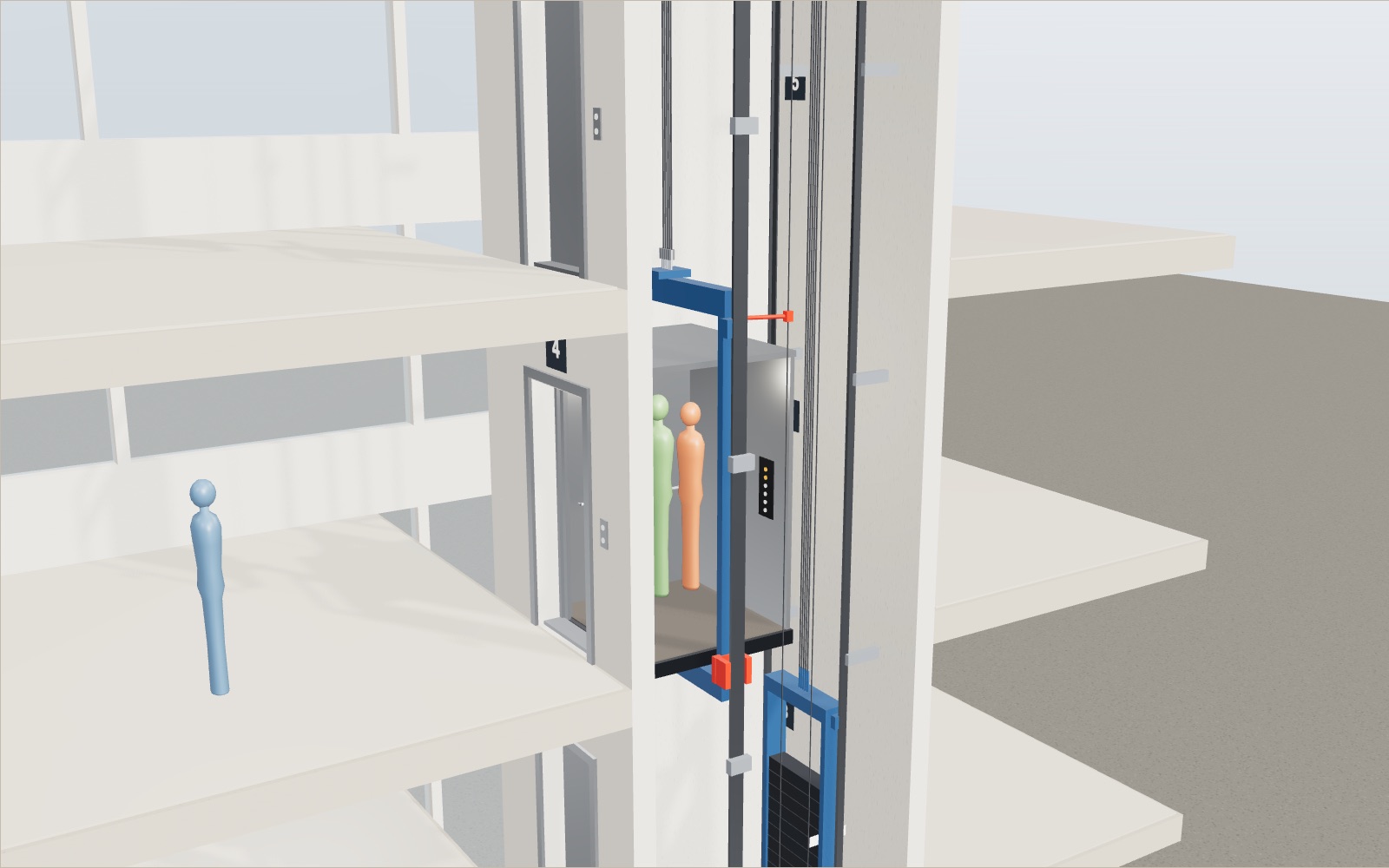
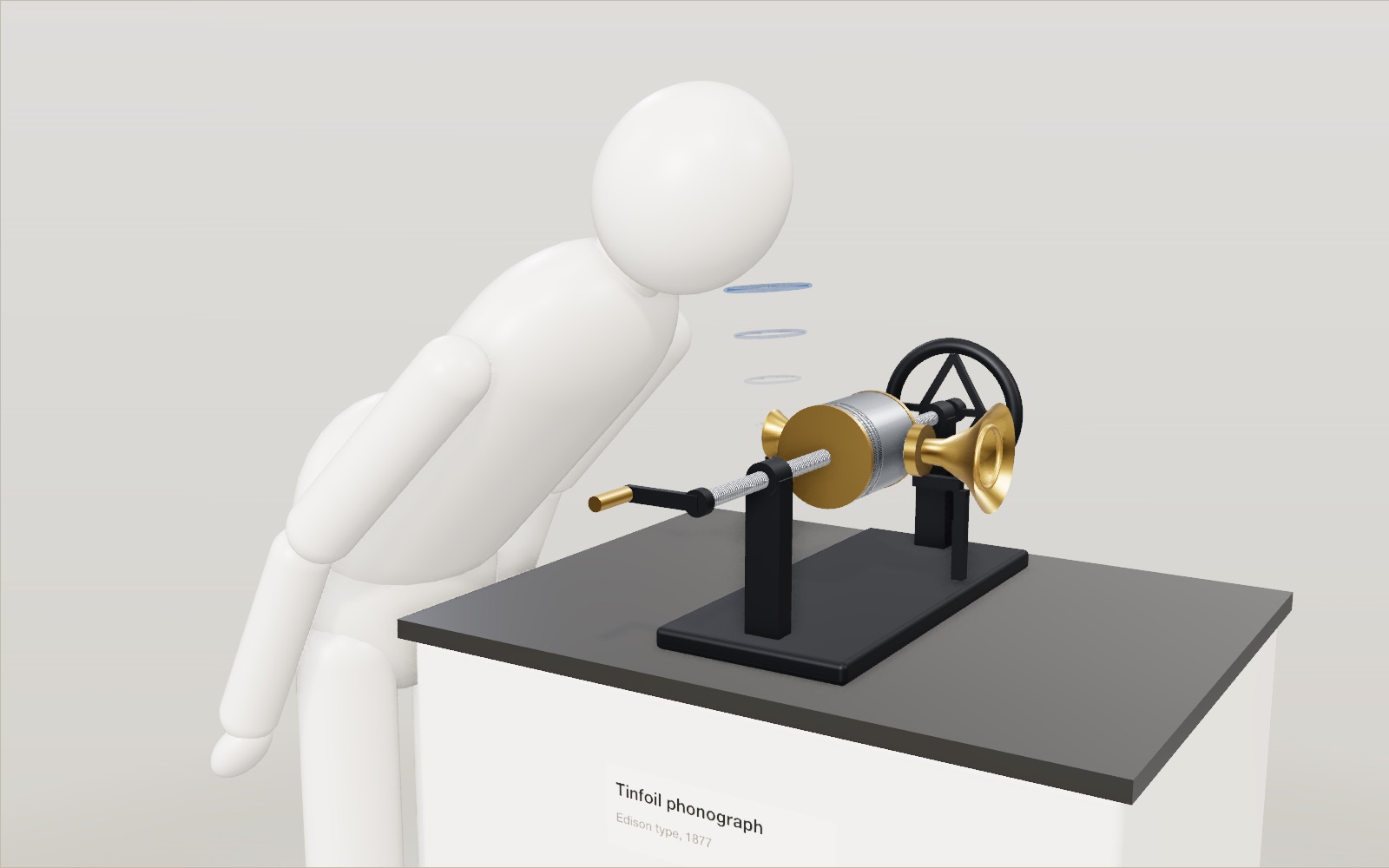
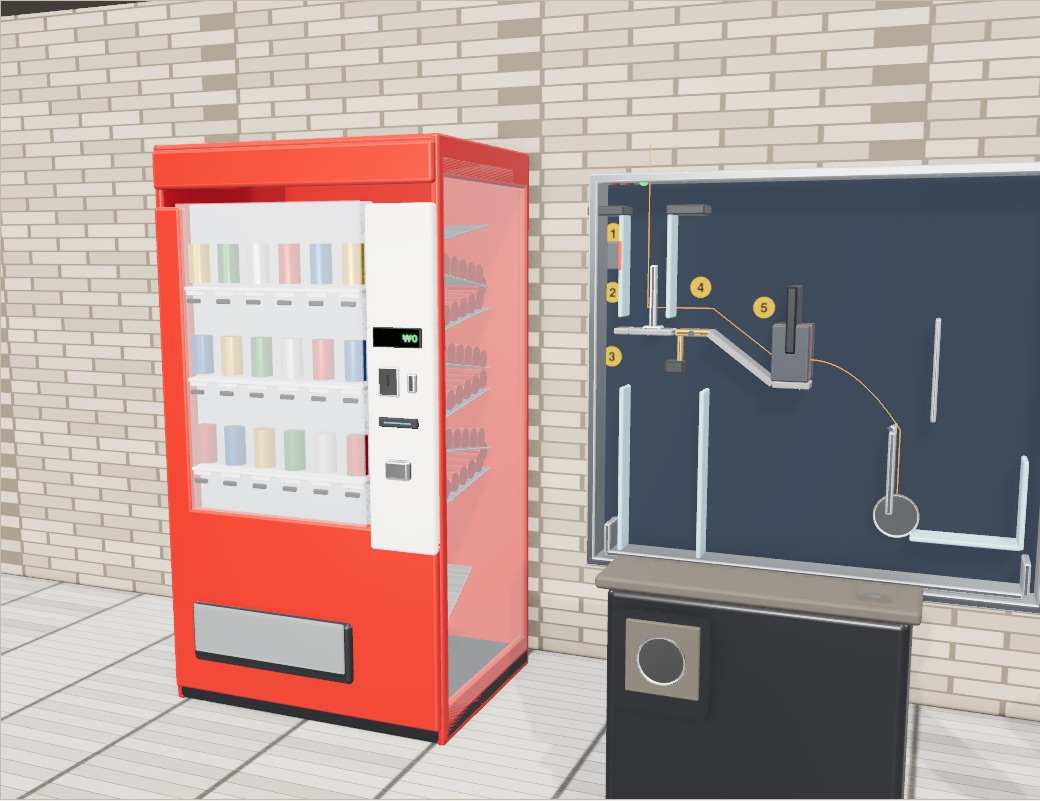
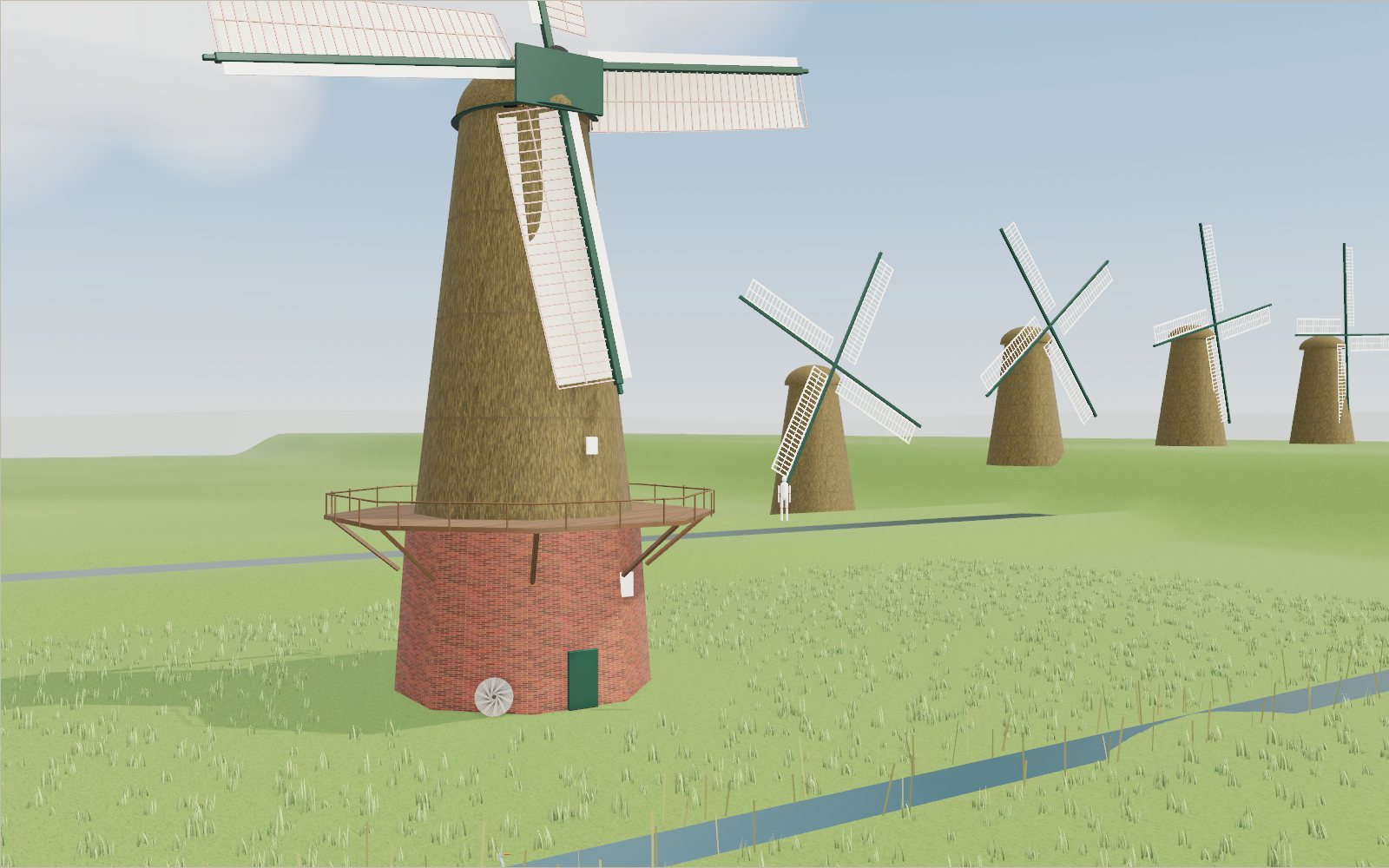
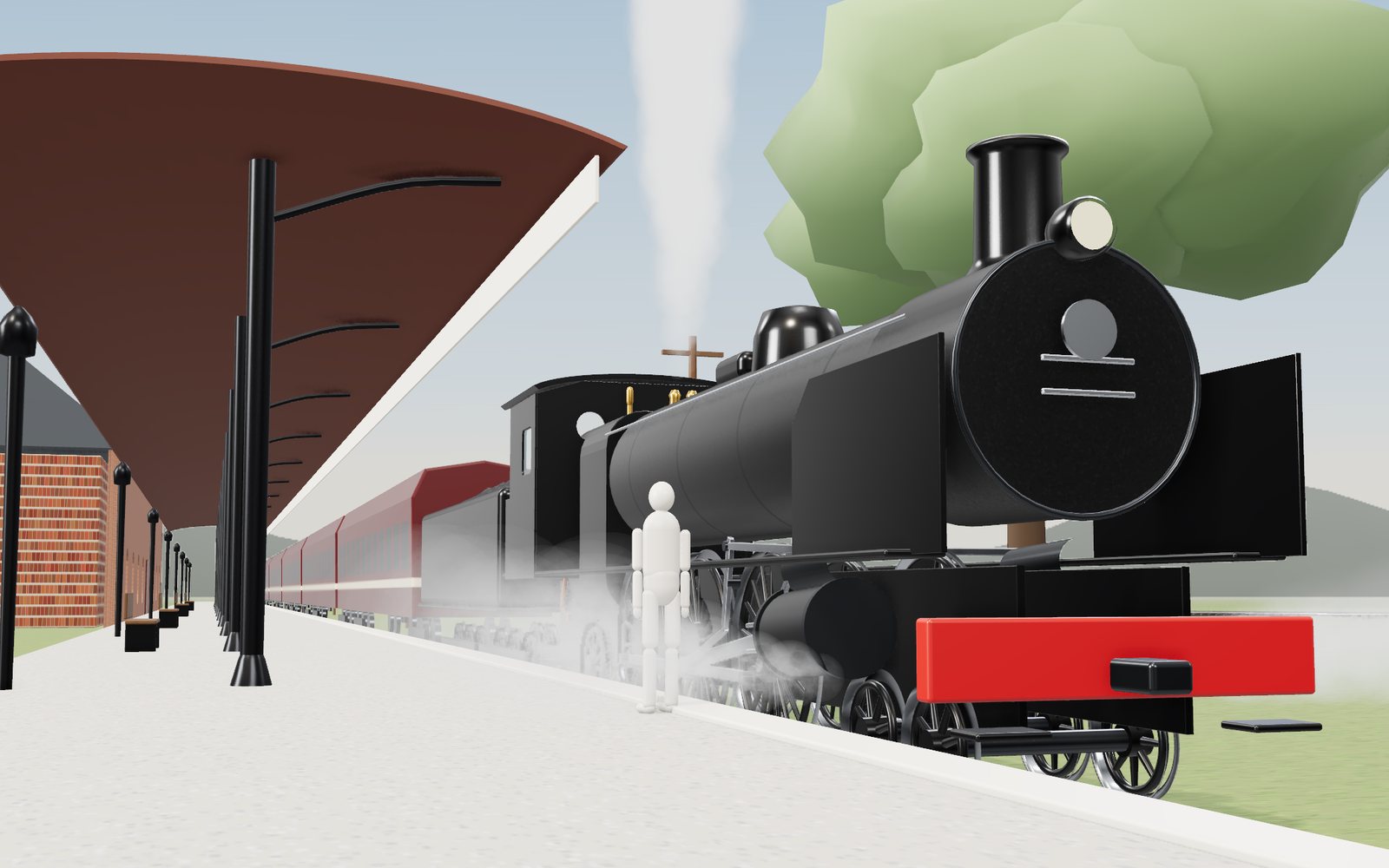
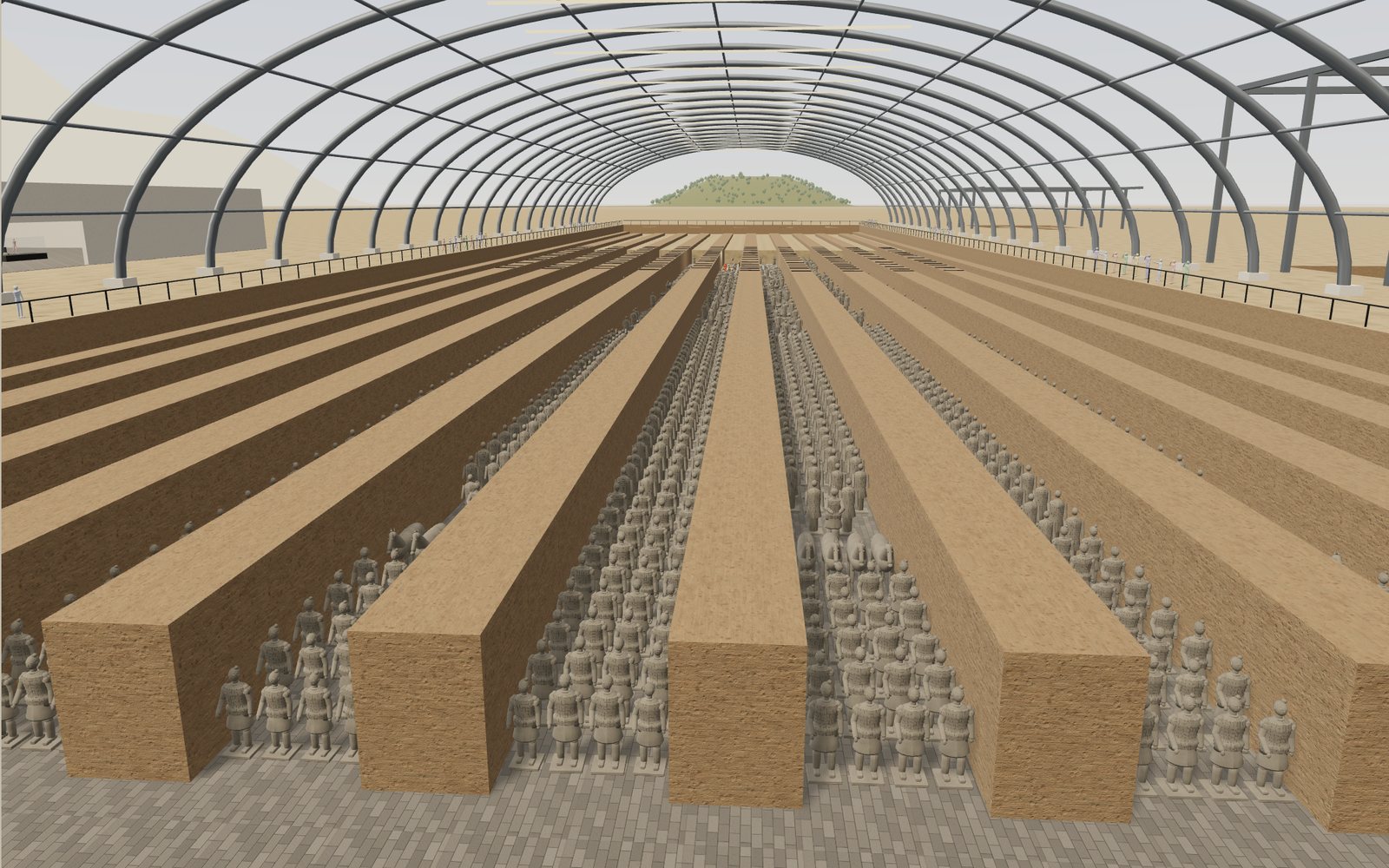
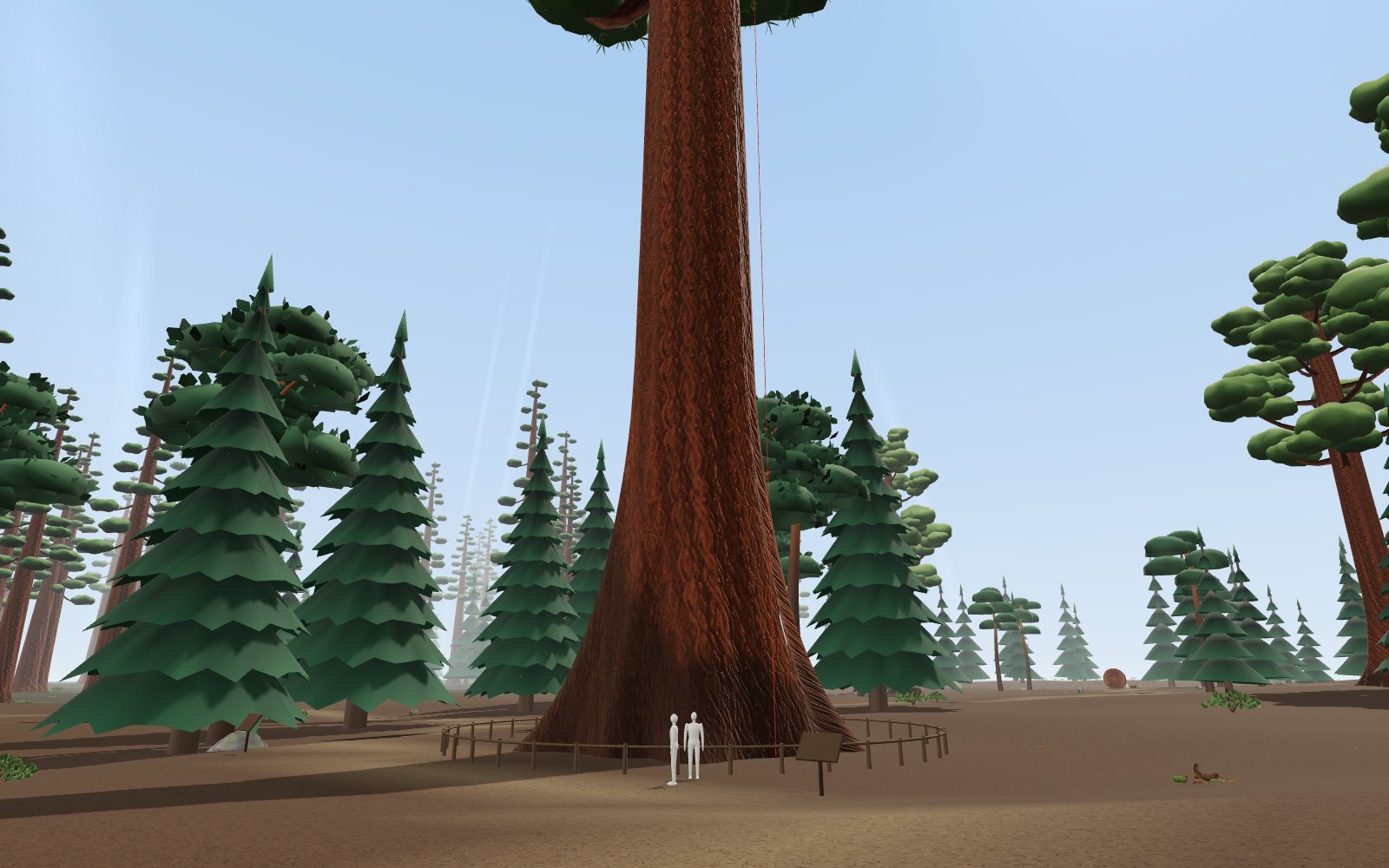
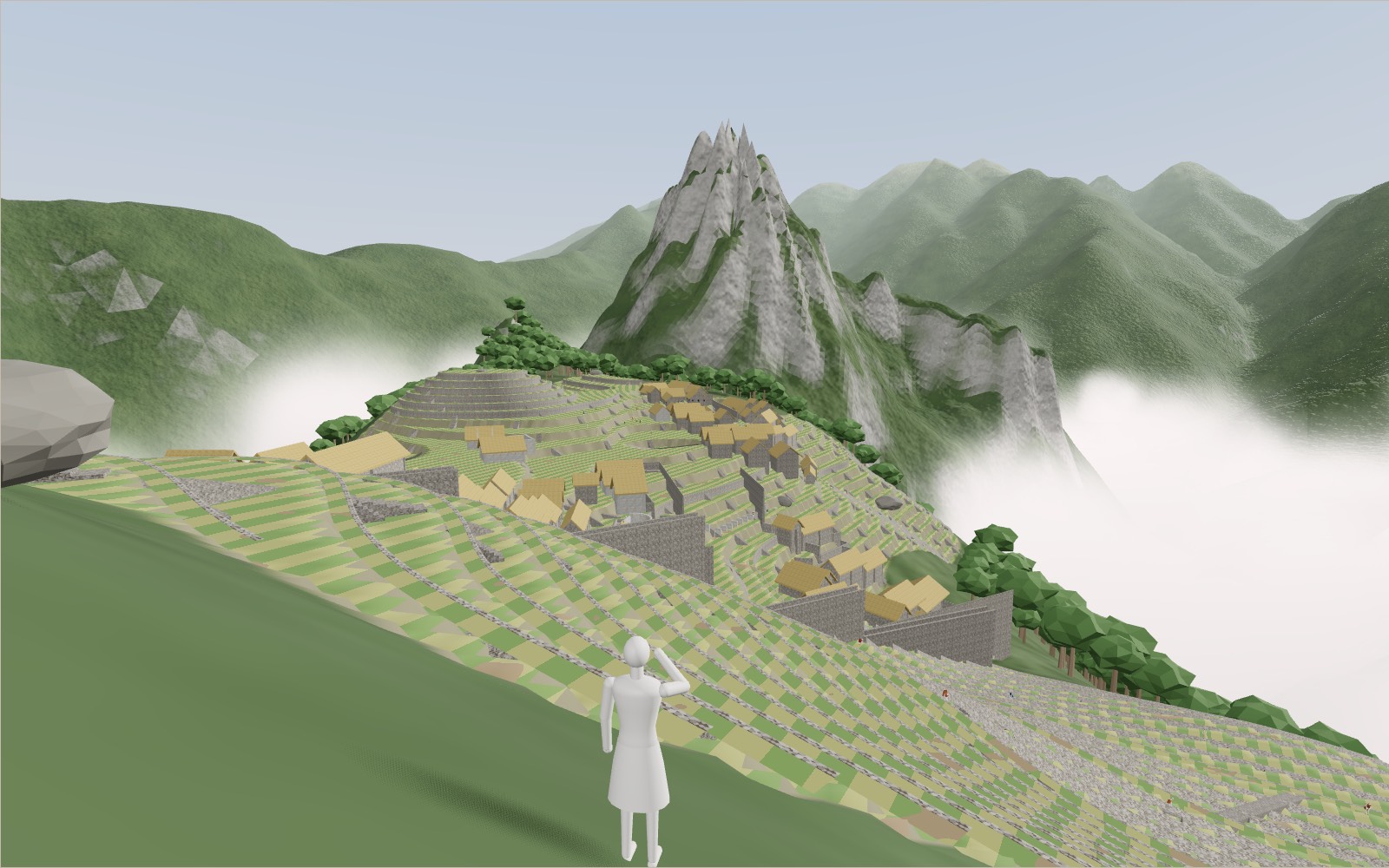
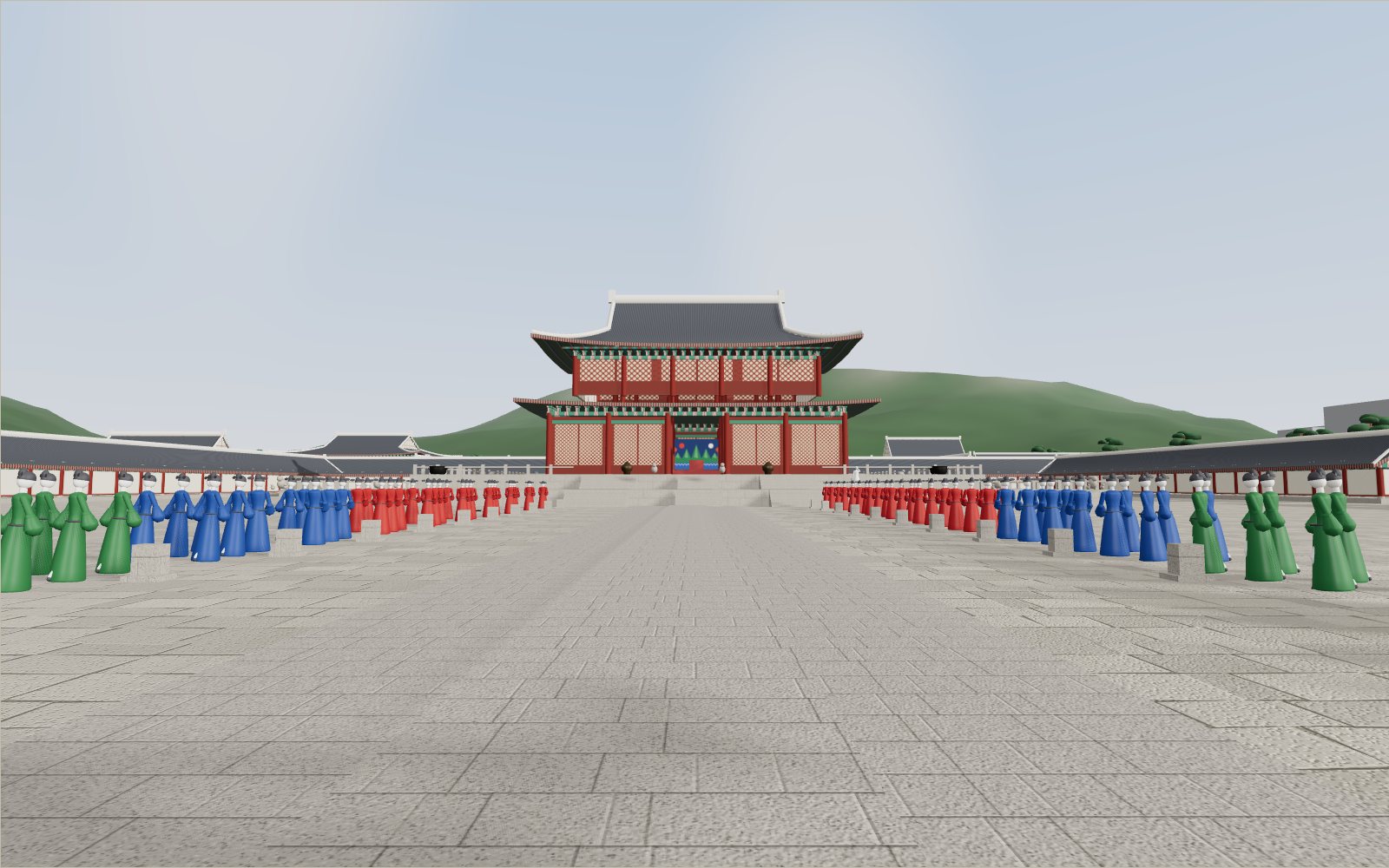
Exhibits are grouped into five galleries. How It Works opens up everyday machines and natural processes. Old Machines has devices that are hard to find in use today, such as typewriters and telegraph keys. Follow Along is for things you learn with your hands, like knots and handwriting. Senses is about hearing and seeing. Walk-throughs are life-size places you can walk around, from a field of dinosaurs to the inside of a cell.
Advertisement