8 exhibitsCourses
Buildings and the city
How structures stand up, and how a city keeps water and power moving underneath them.
Old structures that stand by their shape alone come first, then the cranes, lifts and earthquake protection of modern buildings, and finally what runs under the street.
The first three stops are buildings that stand up by their shape: a stone arch, a Gothic vault held by buttresses, and a hanok frame locked together with wooden joints. The next three are the machines and devices of modern buildings: the crane that builds them, the lift inside them and the bearings that keep them standing in an earthquake.
The last two go under the street, to the pipes and cables a city runs on and the plant that makes its tap water. Together they show that a city is held up as much by things you never see as by the buildings you do.
- 01
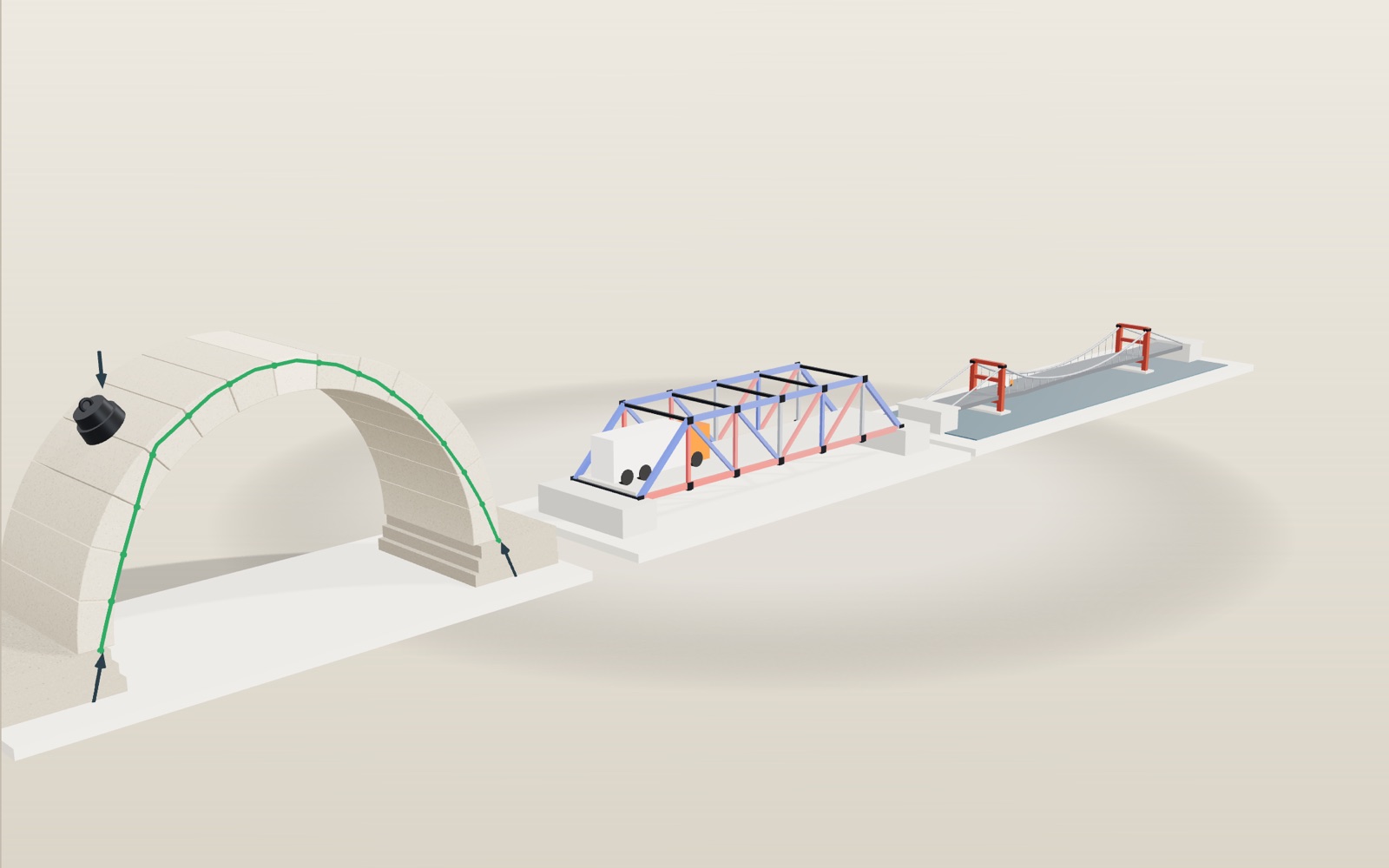 FIG. 24 · How It Works
Stone arch bridge: load it and watch how it carries weight
A stone arch has no glue between its blocks, yet it stands on its own once the last stone is set at the top.
Take the centring away before the last stone is laid and see what happens.
- 02
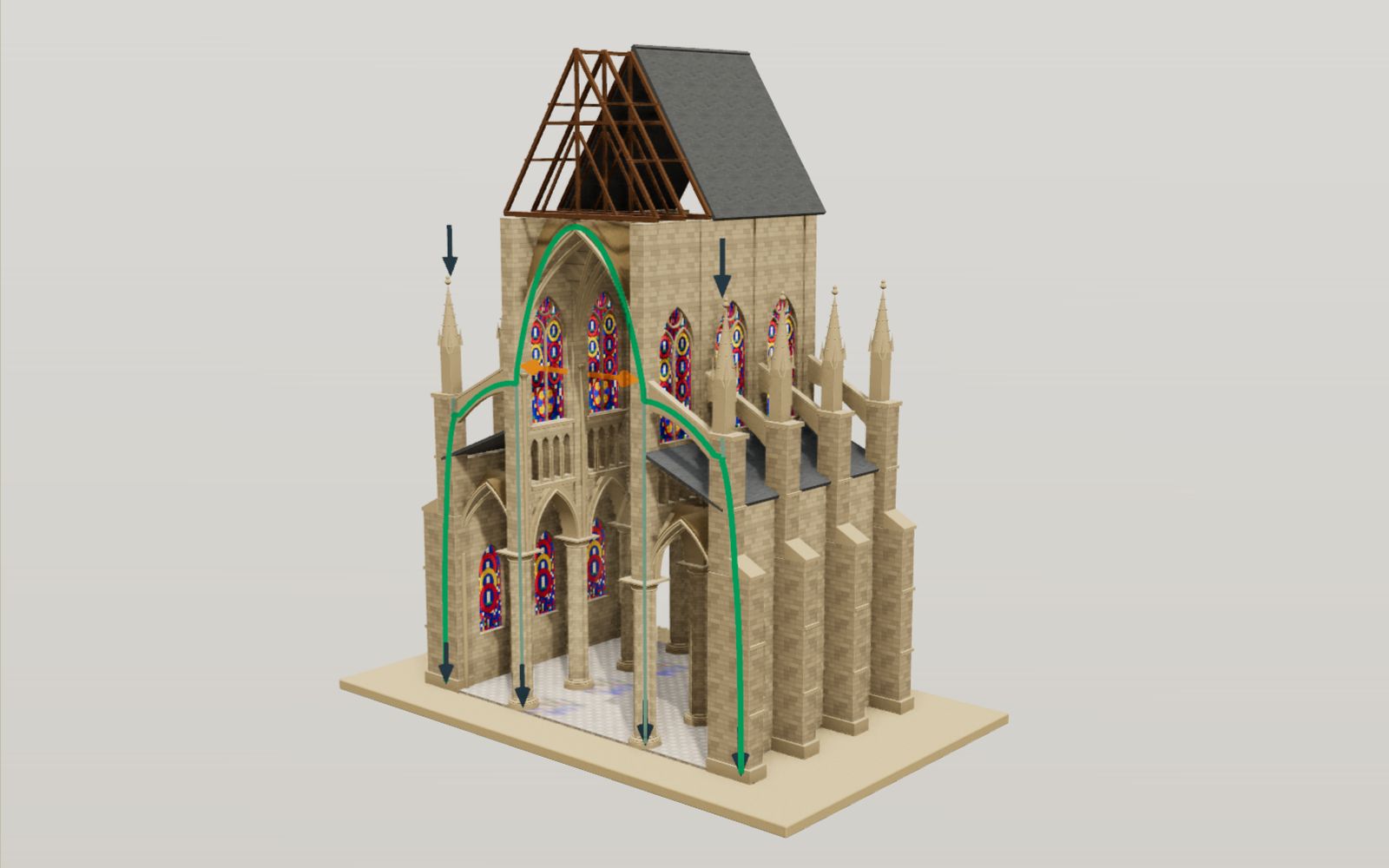 FIG. 51 · How It Works
Gothic cathedral: flying buttresses, interactive model
The stone vault of Amiens Cathedral hangs 42.3 metres above the floor, and the walls under it are mostly glass.
Switch the flying buttresses off and watch the thrust line leave the wall.
- 03
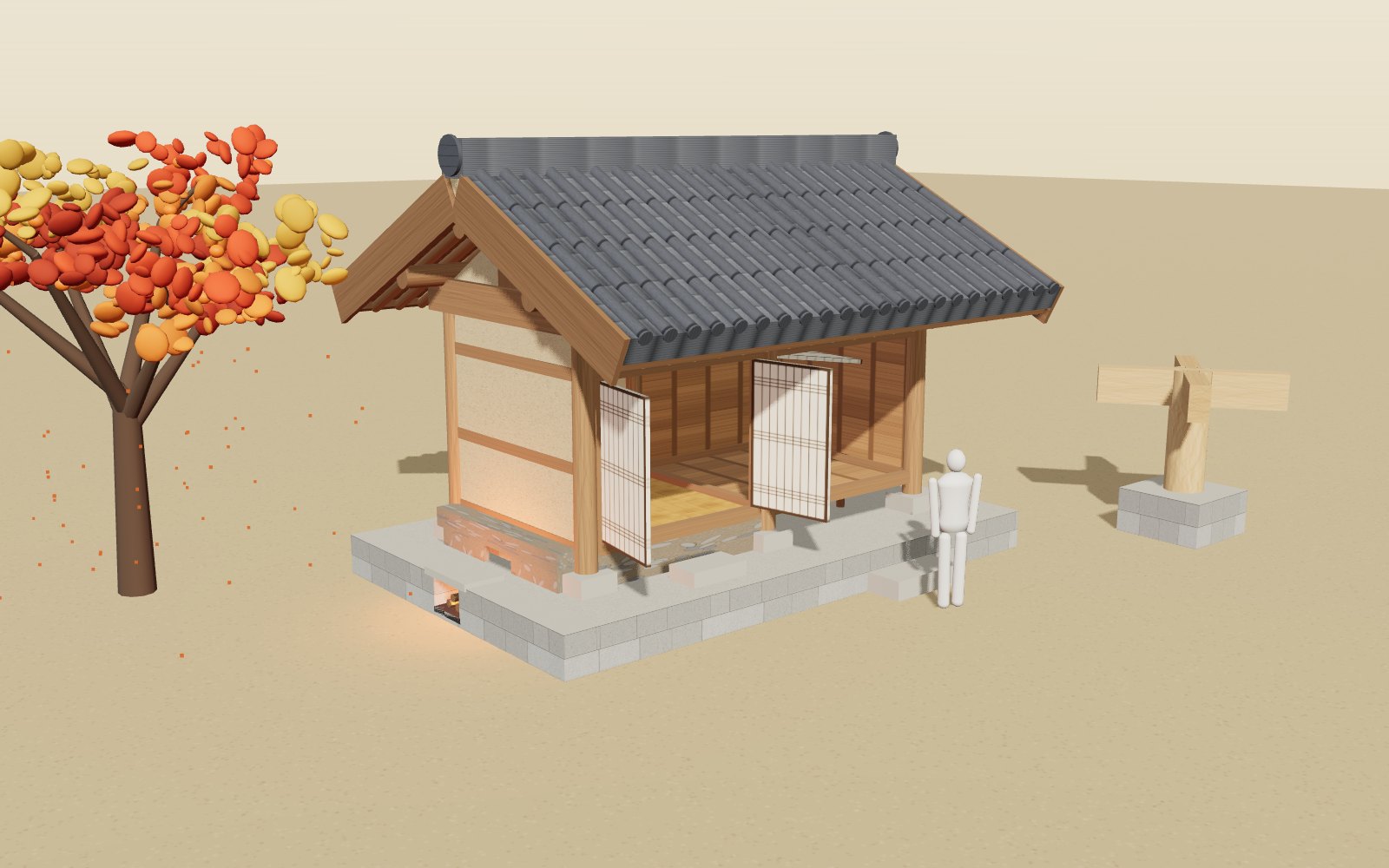 FIG. 57 · How It Works
How a hanok is put together and heated by ondol
The frame of a hanok locks together with carved wooden joints, and under its warm room the smoke from one small fire runs through stone flues to the chimney.
Take the frame apart joint by joint and see how it locks without nails.
- 04
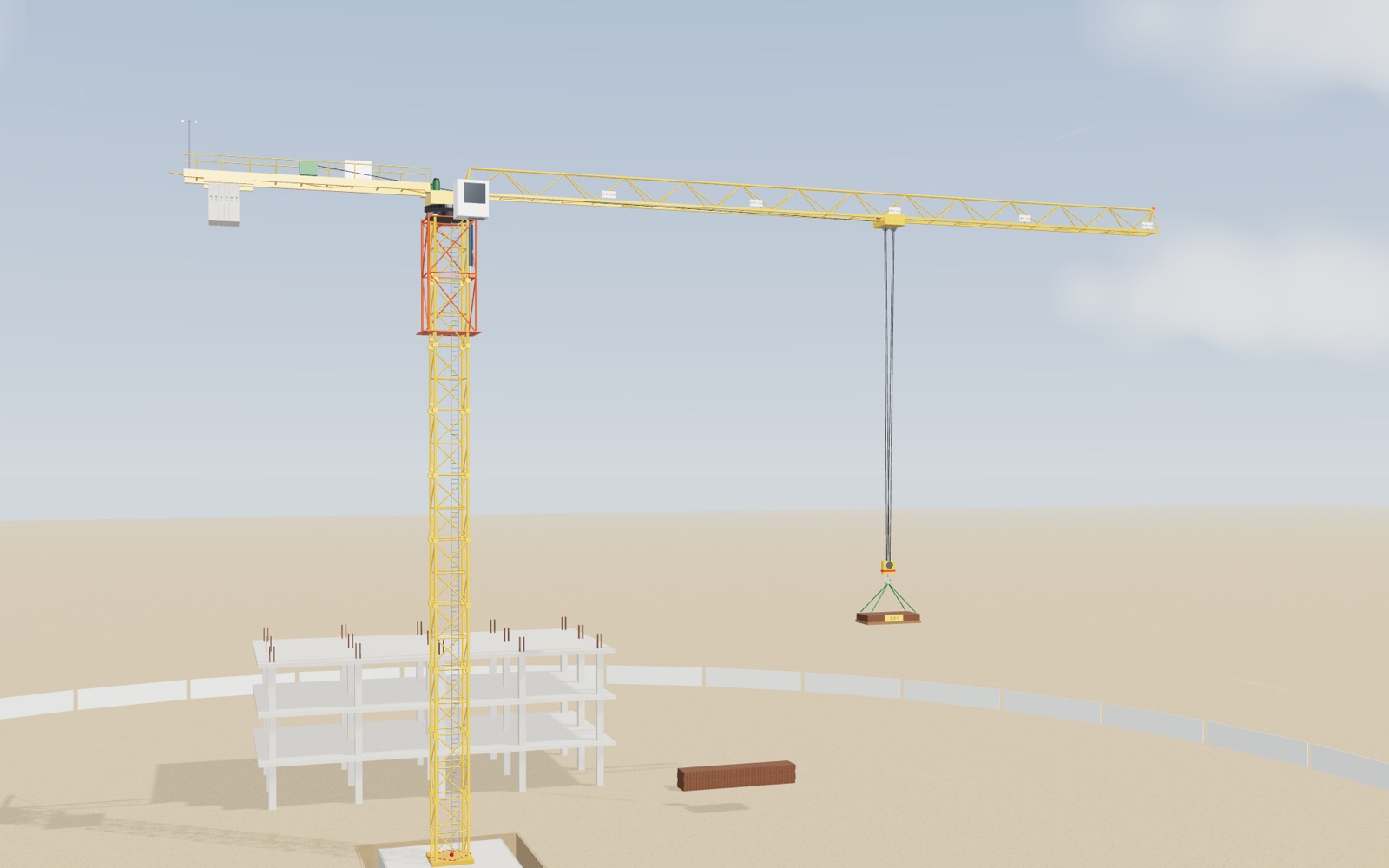 FIG. 61 · How It Works
Why a tower crane doesn't tip over
A tower crane that lifts 8 tonnes next to its mast may carry only 3.2 tonnes at the tip of its 50 m jib, and the reason is a single multiplication.
Move a 3.2 t load out to the tip of the jib and read the load chart.
- 05
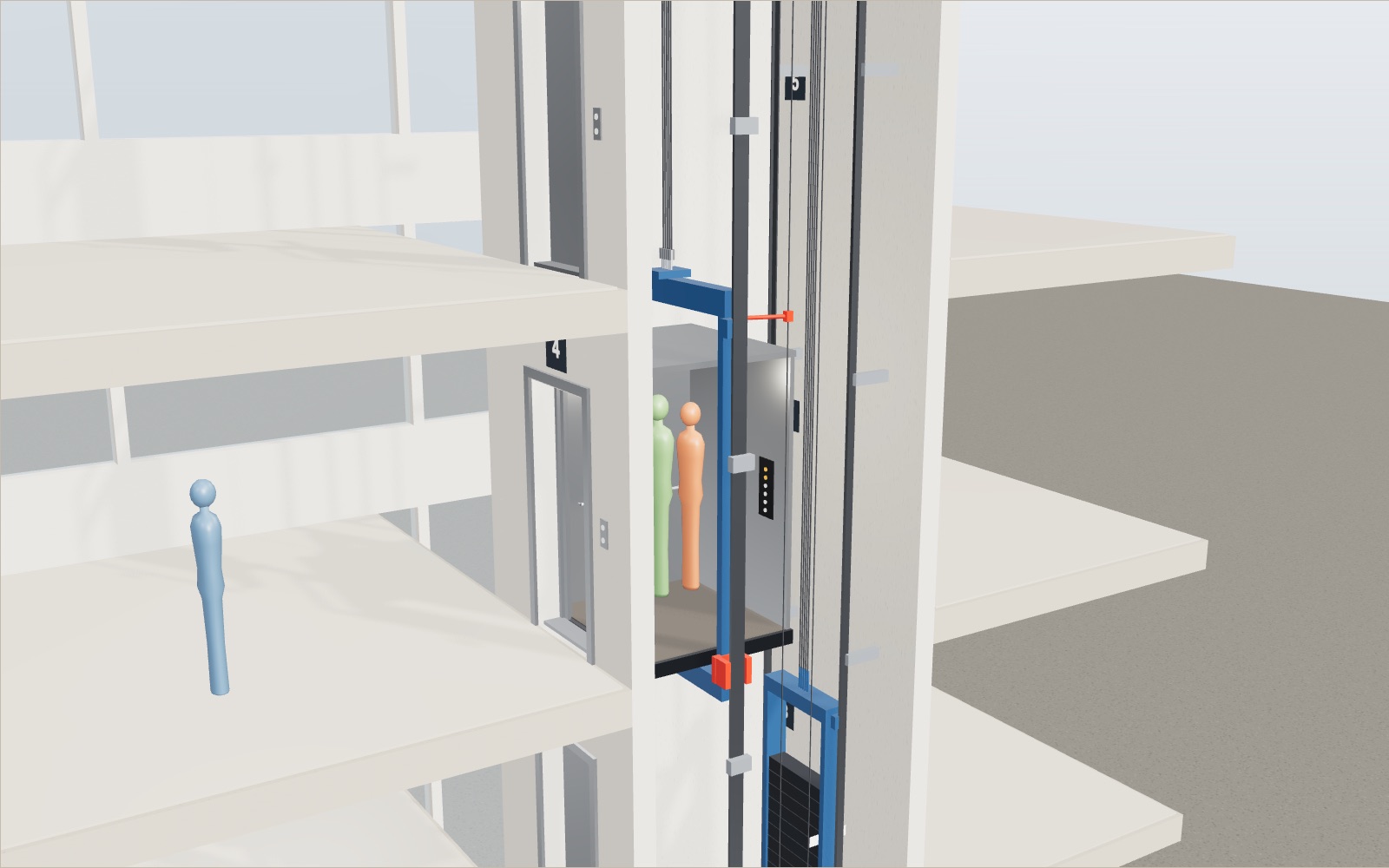 FIG. 76 · How It Works
How does an elevator work? Counterweight and safety brake
A lift car full of people can weigh almost two tonnes, yet the motor that raises it only has to lift about a quarter of that, because a counterweight hangs on the other end of the ropes.
Cut the ropes and watch the safety gear grip the rails.
- 06
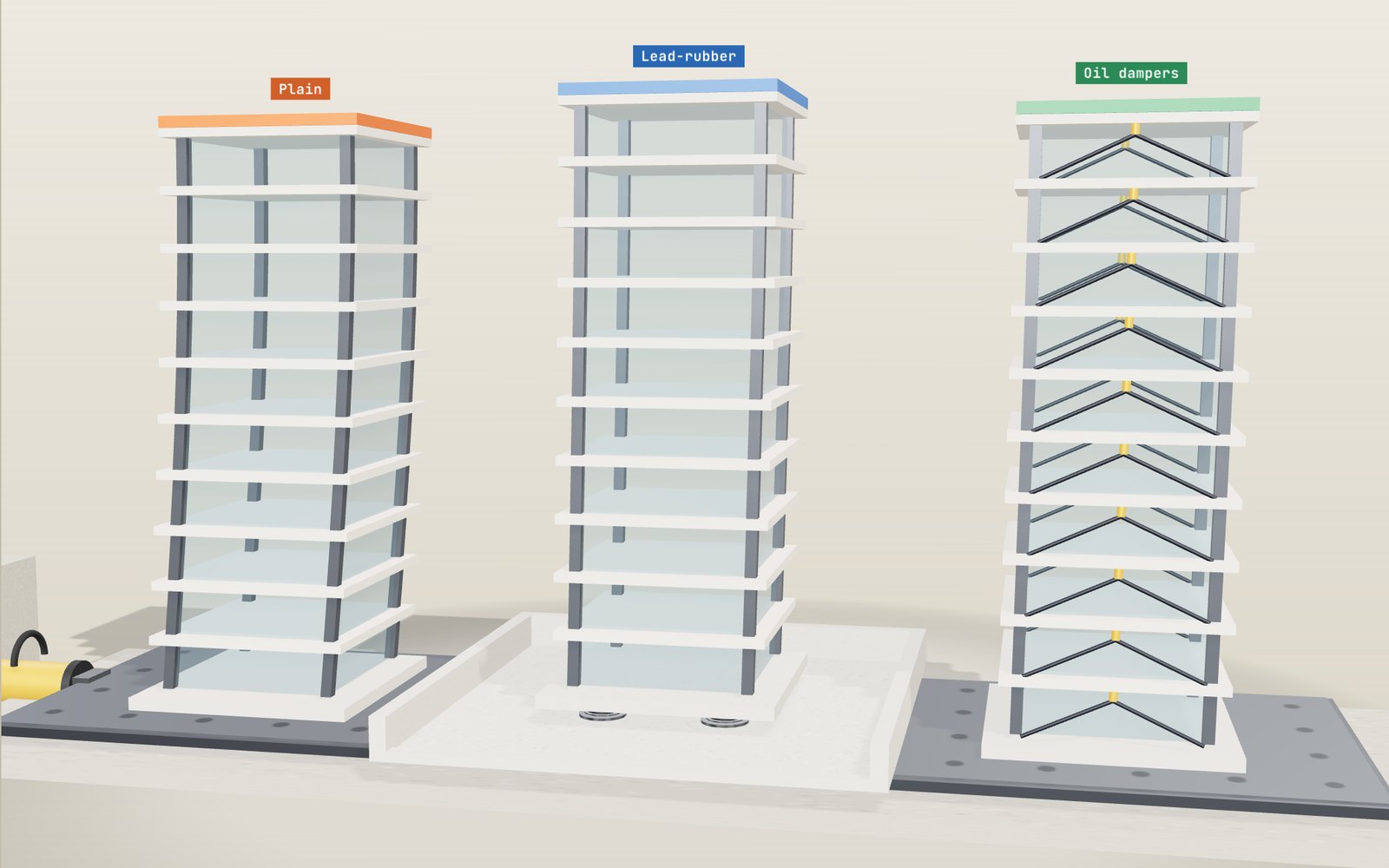 FIG. 48 · How It Works
How buildings resist earthquakes
Shake a six-storey model at 0.6 seconds, its own period, and its floors bend about 14 times more than at one second. Rubber bearings, dampers and braces each answer that in a different way.
Put the building on rubber bearings and compare how much the top floor moves.
- 07
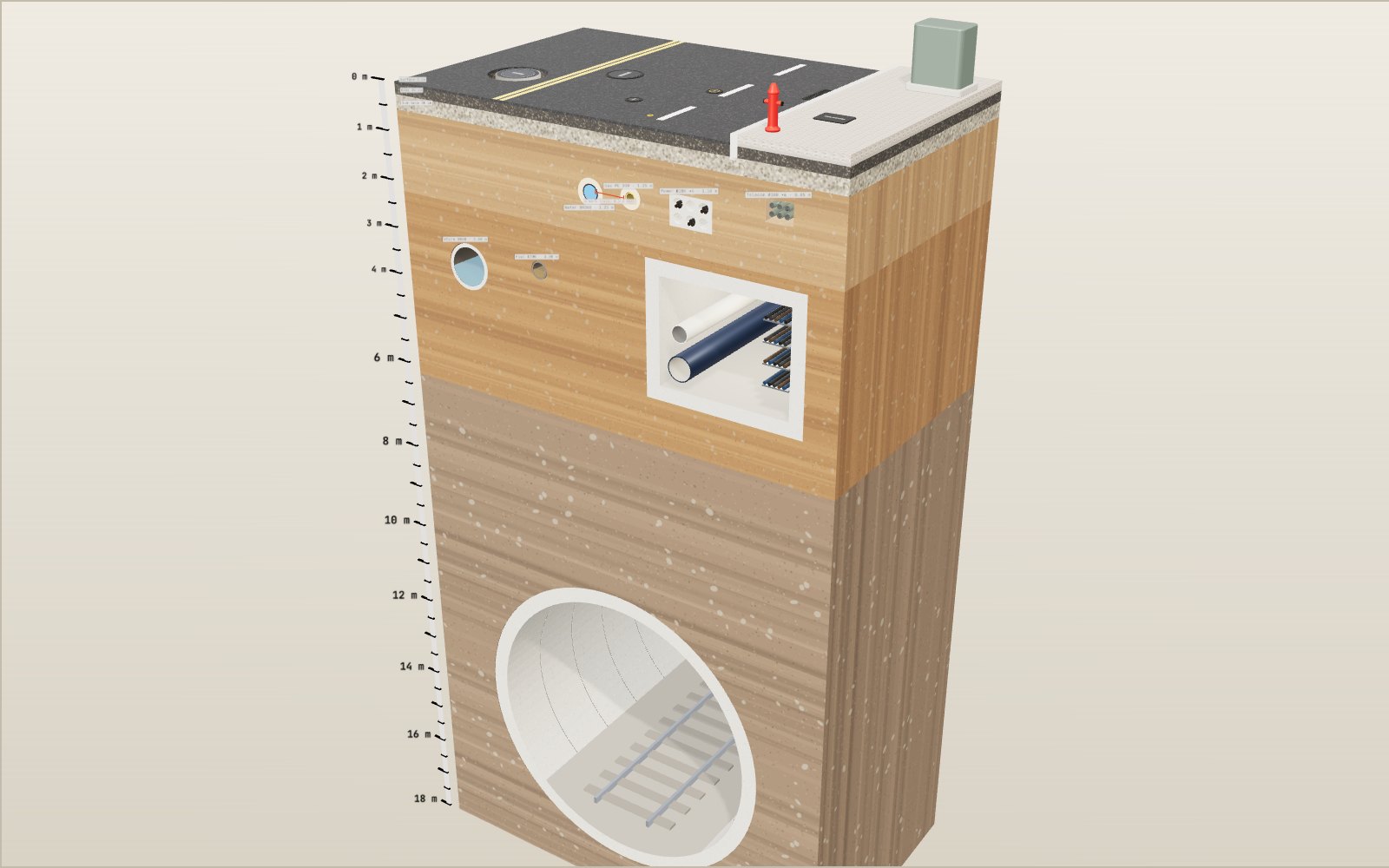 FIG. 45 · How It Works
What is under the street
Korean road rules put a water main at least 1.2 metres under the road and a main sewer at least 3 metres down, so four kinds of pipe and cable all lie within the top 2 metres.
Dig down past the water main and the sewer and read their depths.
- 08
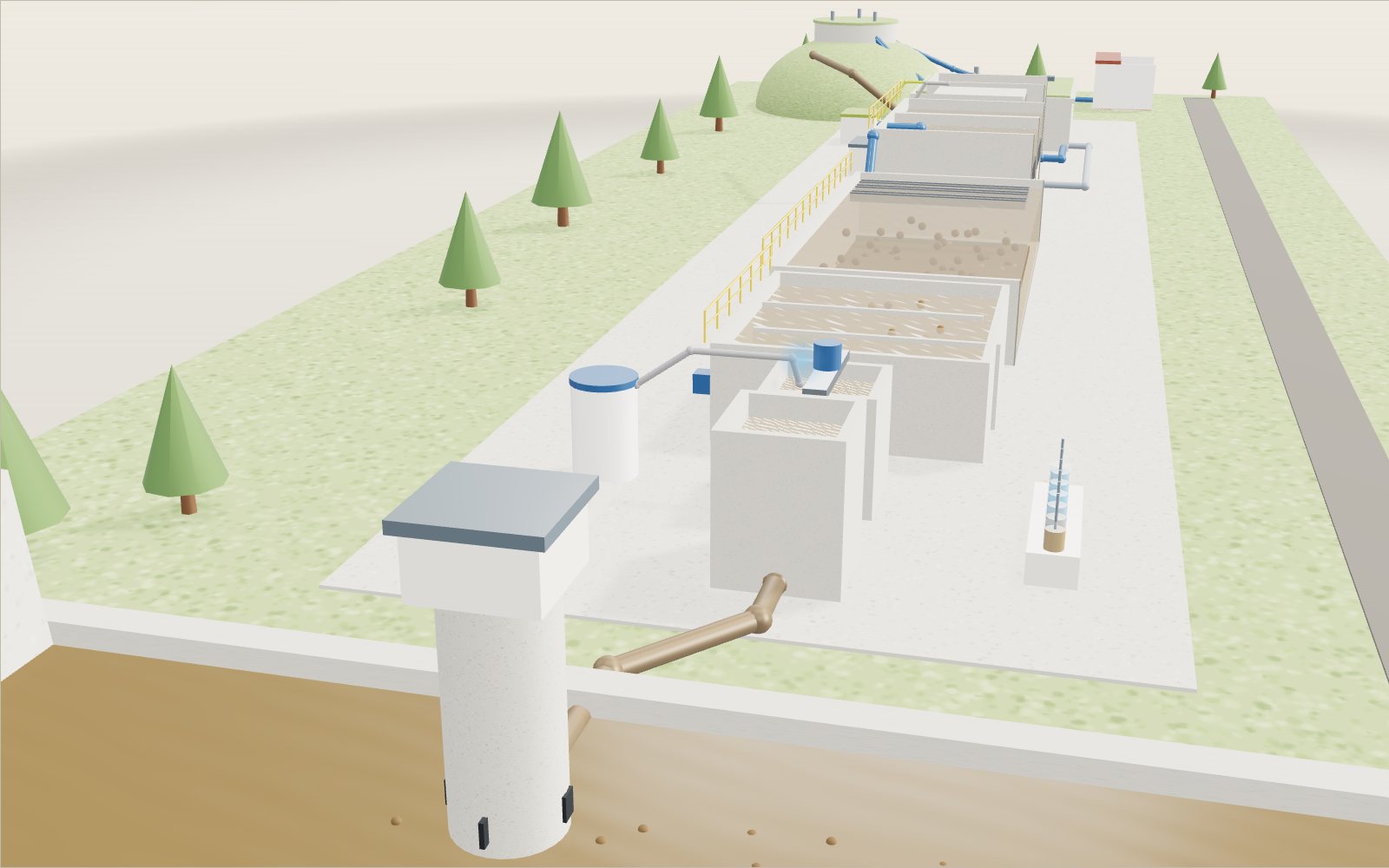 FIG. 60 · How It Works
How a water treatment plant turns muddy water clear
A grain of clay two micrometres across would take eleven days to sink through a settling basin, but stuck into a floc by a coagulant it reaches the floor in about two hours.
Set the coagulant dose to zero and see how long clay takes to settle.