7 exhibitsCourses
Engines: from steam to rockets
How the heat of burning fuel becomes motion, from the steam engine to the engine that lifts a rocket.
Oldest first: from the steam engine through the car engine to engines that push with their exhaust instead of turning wheels.
An engine turns heat into motion, and this course follows that idea for about 250 years. It starts with a steam engine that worked a mine pump, goes through the parts of a car that make, boost and pass on power, and ends with engines that push a vehicle with their exhaust.
Every model runs slowly enough to follow one cycle at a time, and most can be cut open. Keep an eye on two numbers as you go: how much of the fuel's energy ends up as work, and how fast the parts have to turn.
- 01
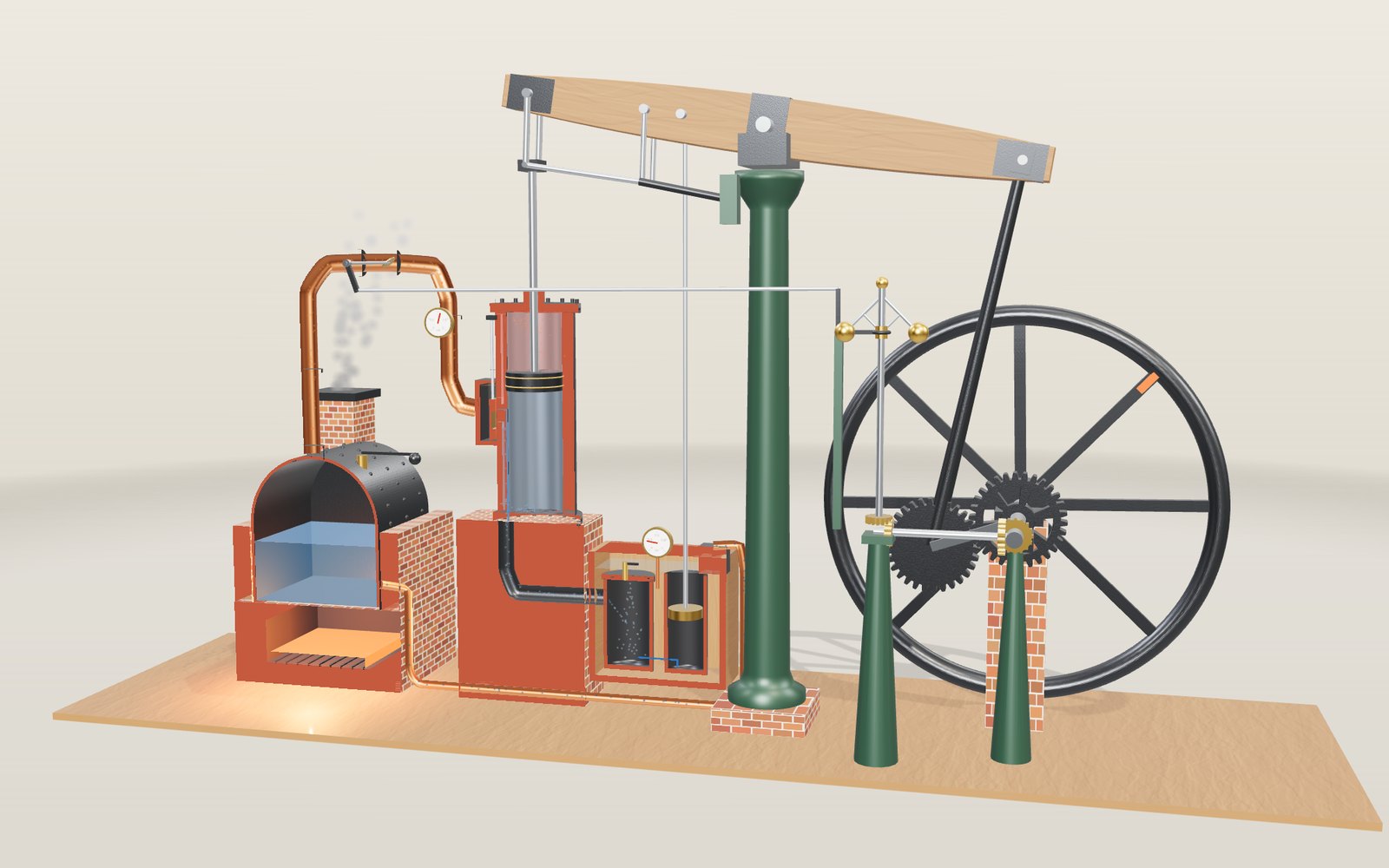 FIG. 40 · How It Works
How does the Watt steam engine work? A working 3D model
A Watt engine did the same work as a Newcomen engine on about a third of the coal, because it condensed its steam in a separate vessel.
Compare the coal used with and without the separate condenser.
- 02
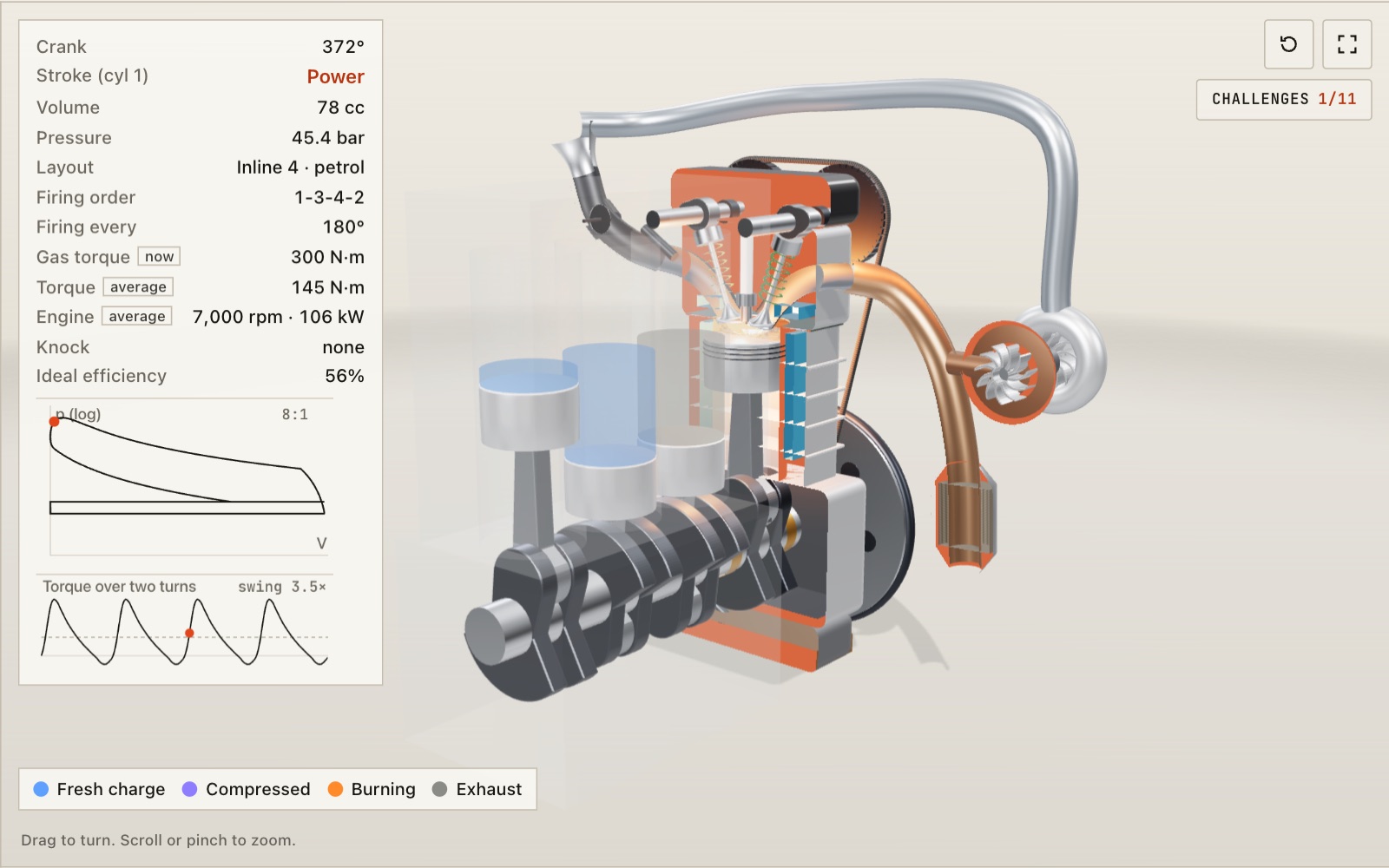 FIG. 02 · How It Works
How a four-stroke engine works: two crank turns per cycle
At 3,000 rpm each cylinder fires 25 times a second. Here the engine turns slowly enough to follow every stroke, laid out as anything from a single to a V8 with its own firing order.
Slow the crank right down and follow one cylinder through all four strokes.
- 03
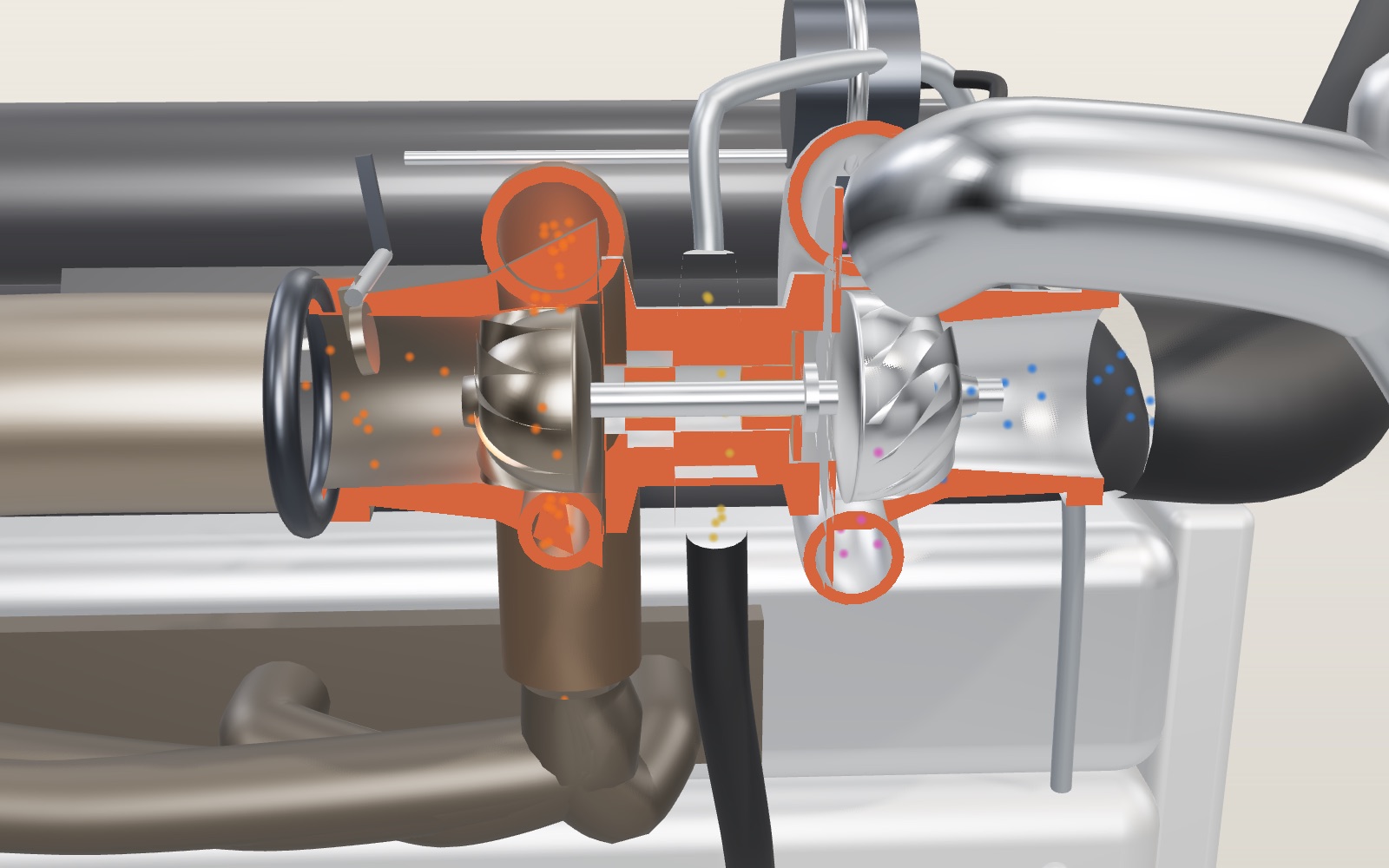 FIG. 65 · How It Works
Turbocharger: interactive model, take it apart
On this model 2.0-litre engine, a shaft spinning at 142,000 rpm squeezes almost twice as much air into each cylinder.
Raise the boost and watch how much more air reaches each cylinder.
- 04
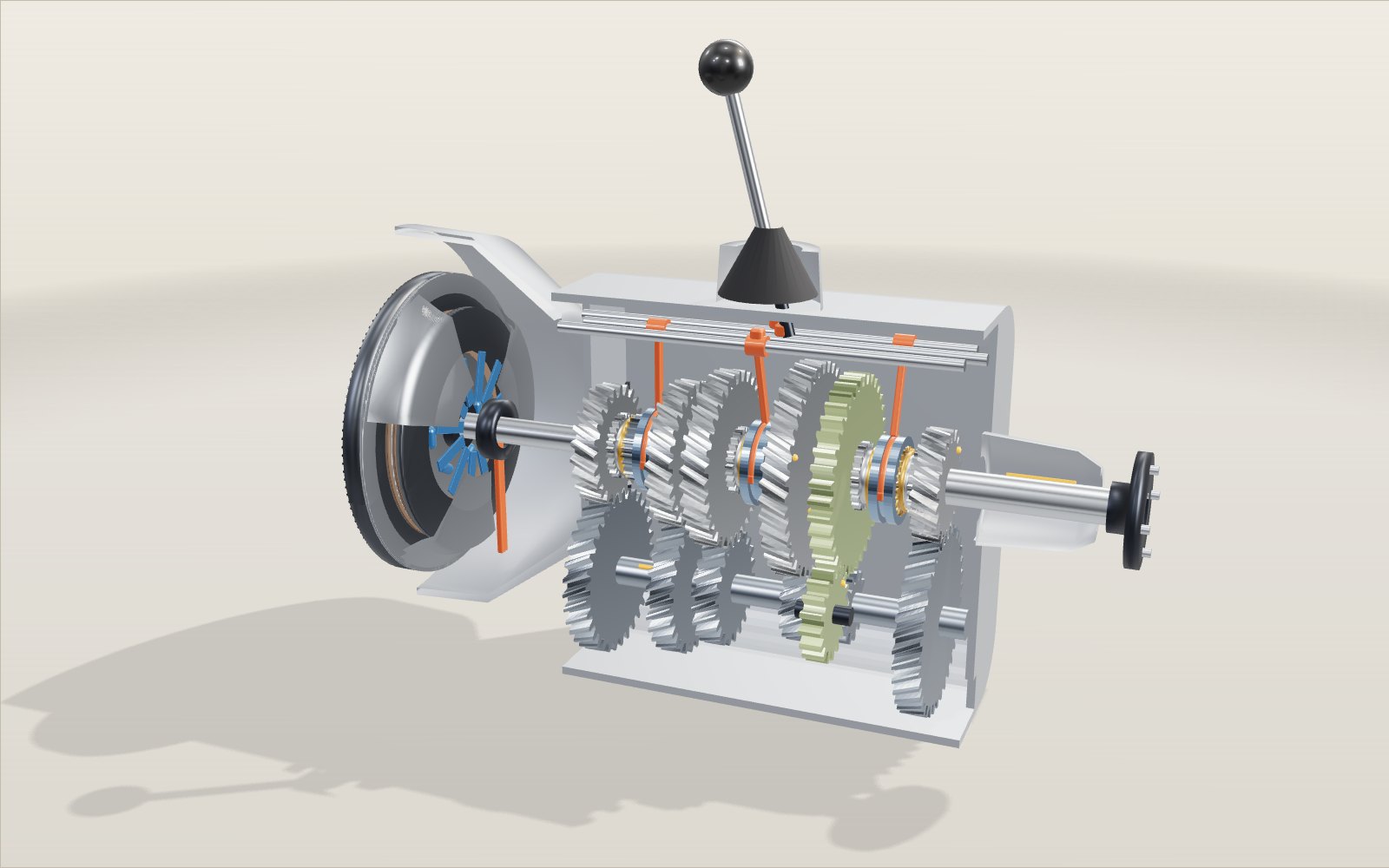 FIG. 50 · How It Works
How a manual gearbox works
At 3,000 rpm the same engine moves the car at 23 km/h in first and 115 km/h in fifth, and a brass ring the size of a biscuit decides when the next gear can go in.
Shift without the clutch and see what the synchro ring has to stop.
- 05
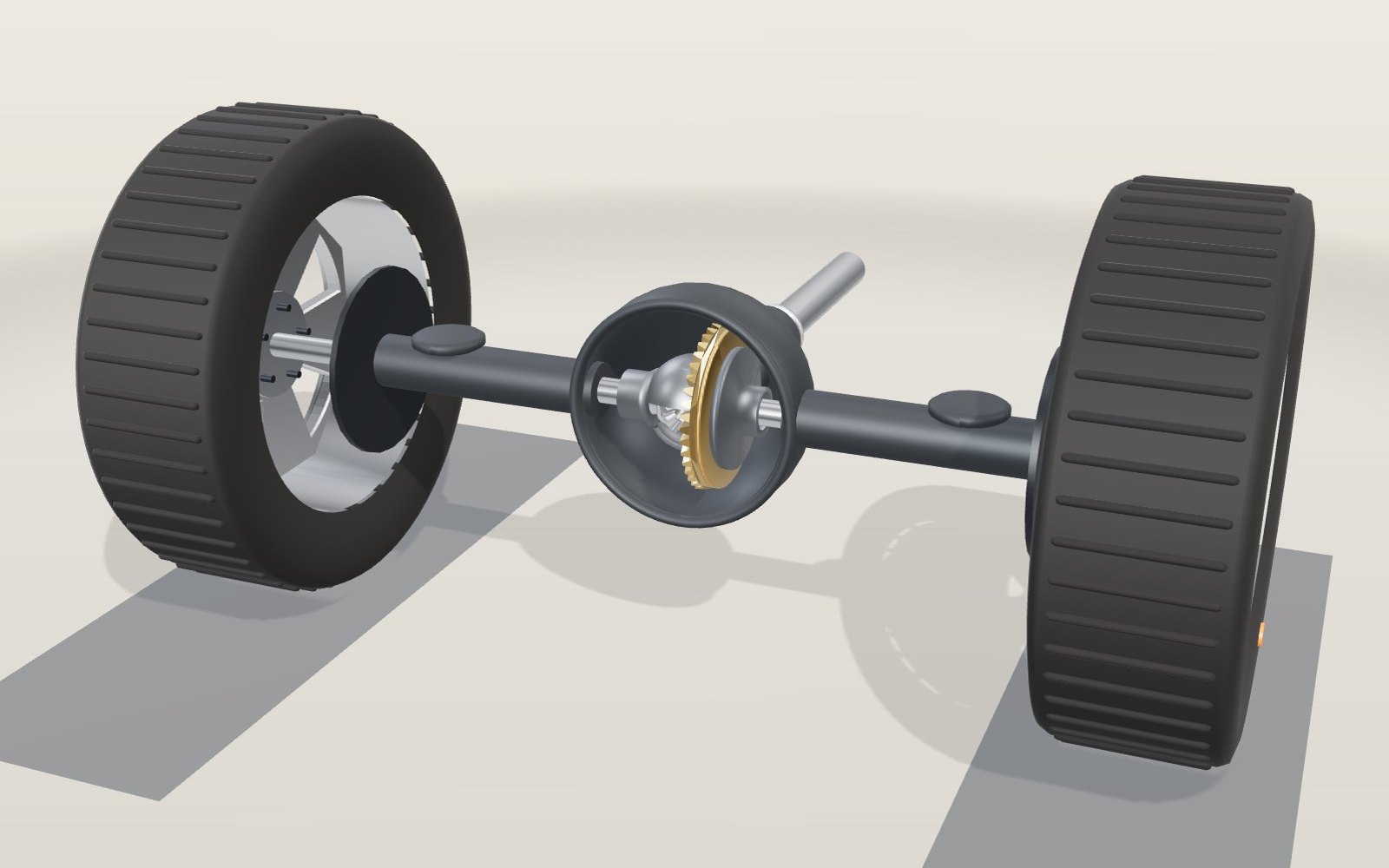 FIG. 05 · How It Works
How does a differential work in a car? A 3D gear model
Round a 10 m bend at 50 km/h and the outer rear wheel turns 17% faster than the inner one, yet both are driven from the same shaft.
Drive round a tight bend and compare the speeds of the two rear wheels.
- 06
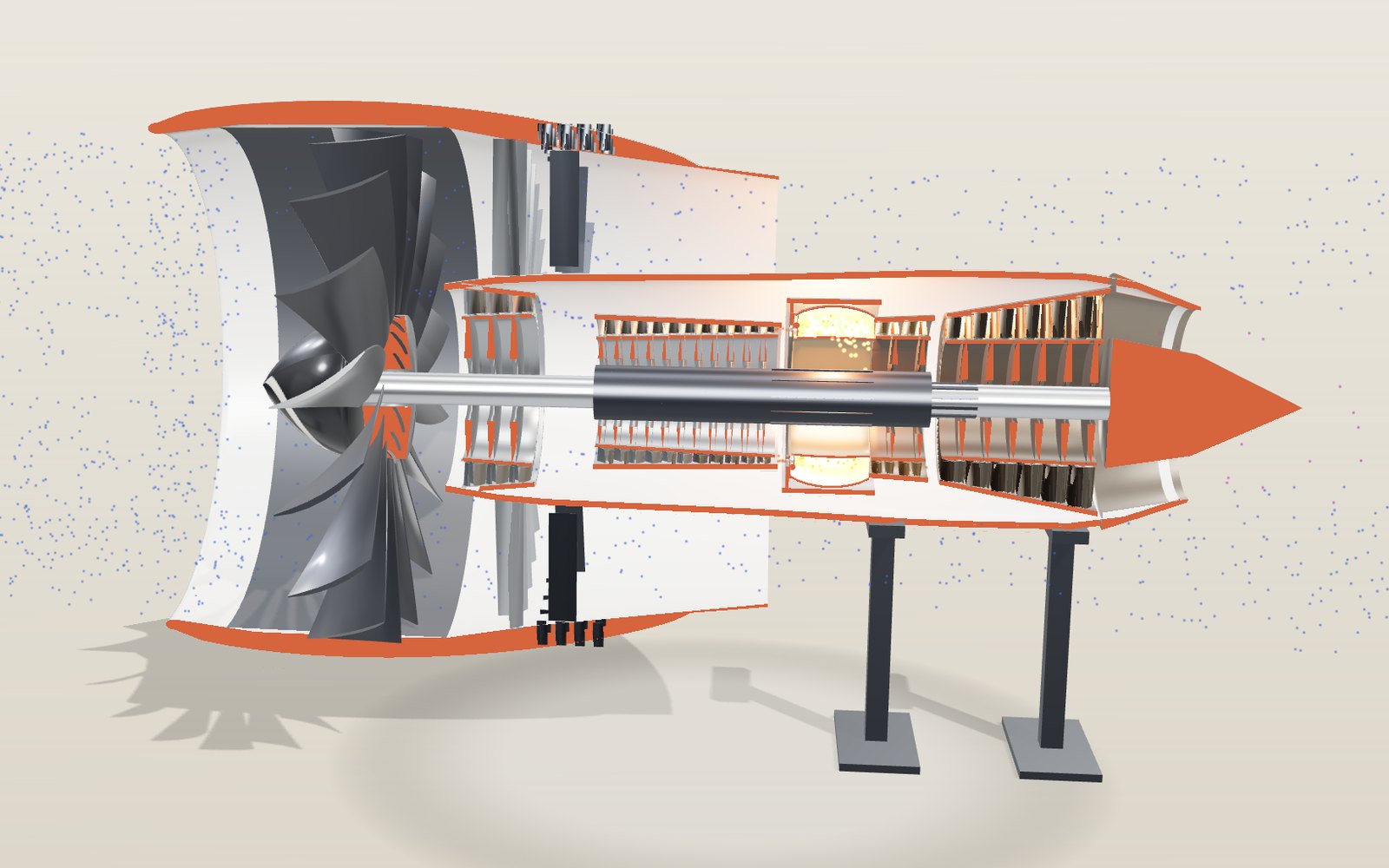 FIG. 41 · How It Works
How a jet engine works: where an airliner’s thrust comes from
In an airliner's turbofan only one kilogram of air in eleven passes through the flame. Six other kinds of jet engine split the work differently, and you can open each one here.
Open the turbofan and find the share of air that goes round the core.
- 07
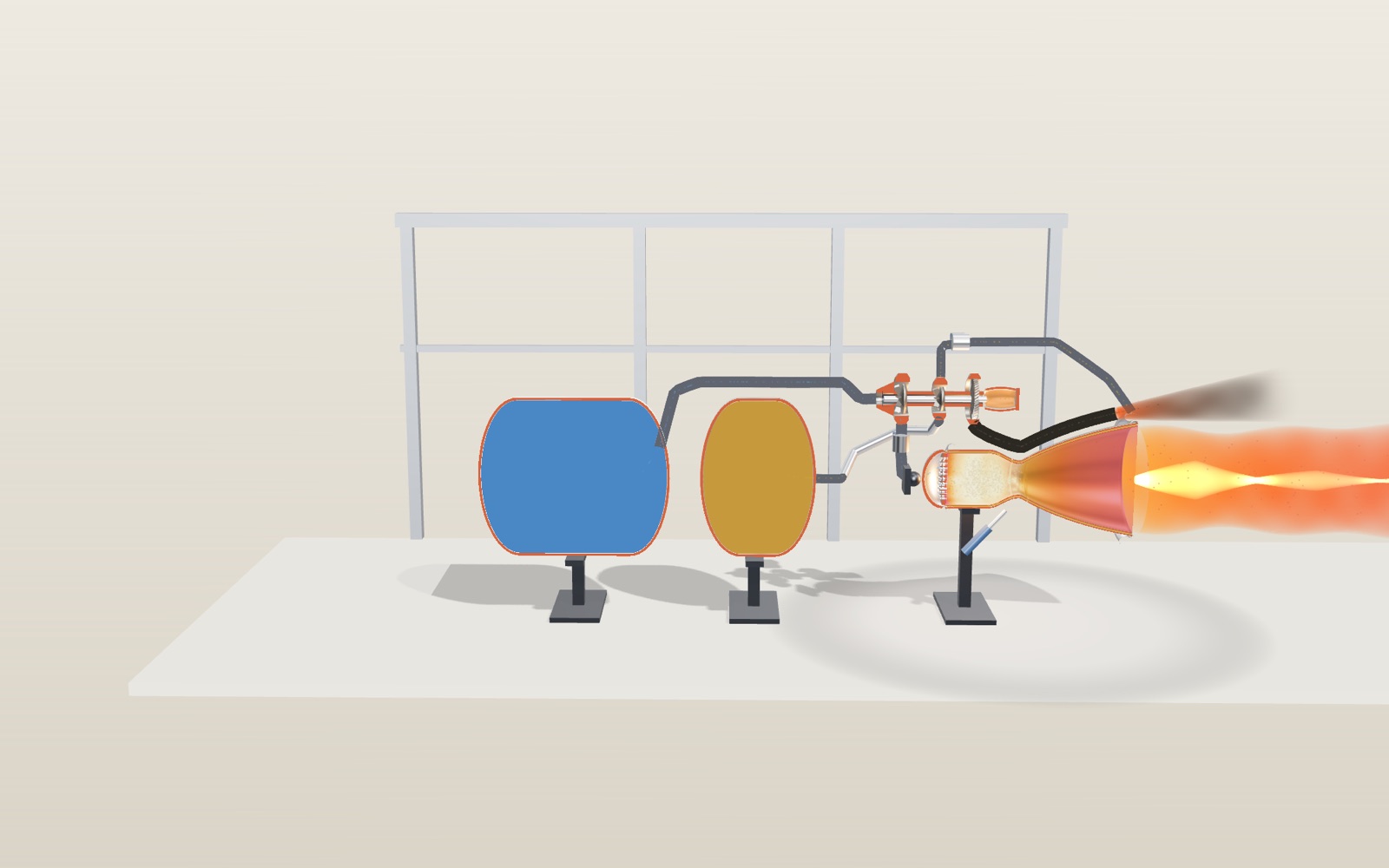 FIG. 58 · How It Works
Liquid rocket engine: interactive model, how it works
Nuri's 75-tonne engine burns 255 kg of kerosene and liquid oxygen every second, and the same engine pushes about 13 percent harder in space than at sea level.
Climb from sea level into space and watch the thrust rise as the outside air disappears.