8 exhibitsCourses
Space: from your window to a black hole
Start with the sky you can see from home and move outwards, as far as the edge of a black hole.
Each stop is farther from home than the one before, and the course ends at a black hole.
The first two stops can be checked from your own window: why summer is warm and why the Moon changes shape. From there each stop is farther away, through a walk across the solar system, your weight on other worlds, the Moon and Mars on foot and an asteroid strike, to the edge of a black hole.
The same few rules carry the whole route: light travels in straight lines, gravity weakens with distance, and orbits keep going unless something pushes them. Try to spot where each rule appears again.
- 01
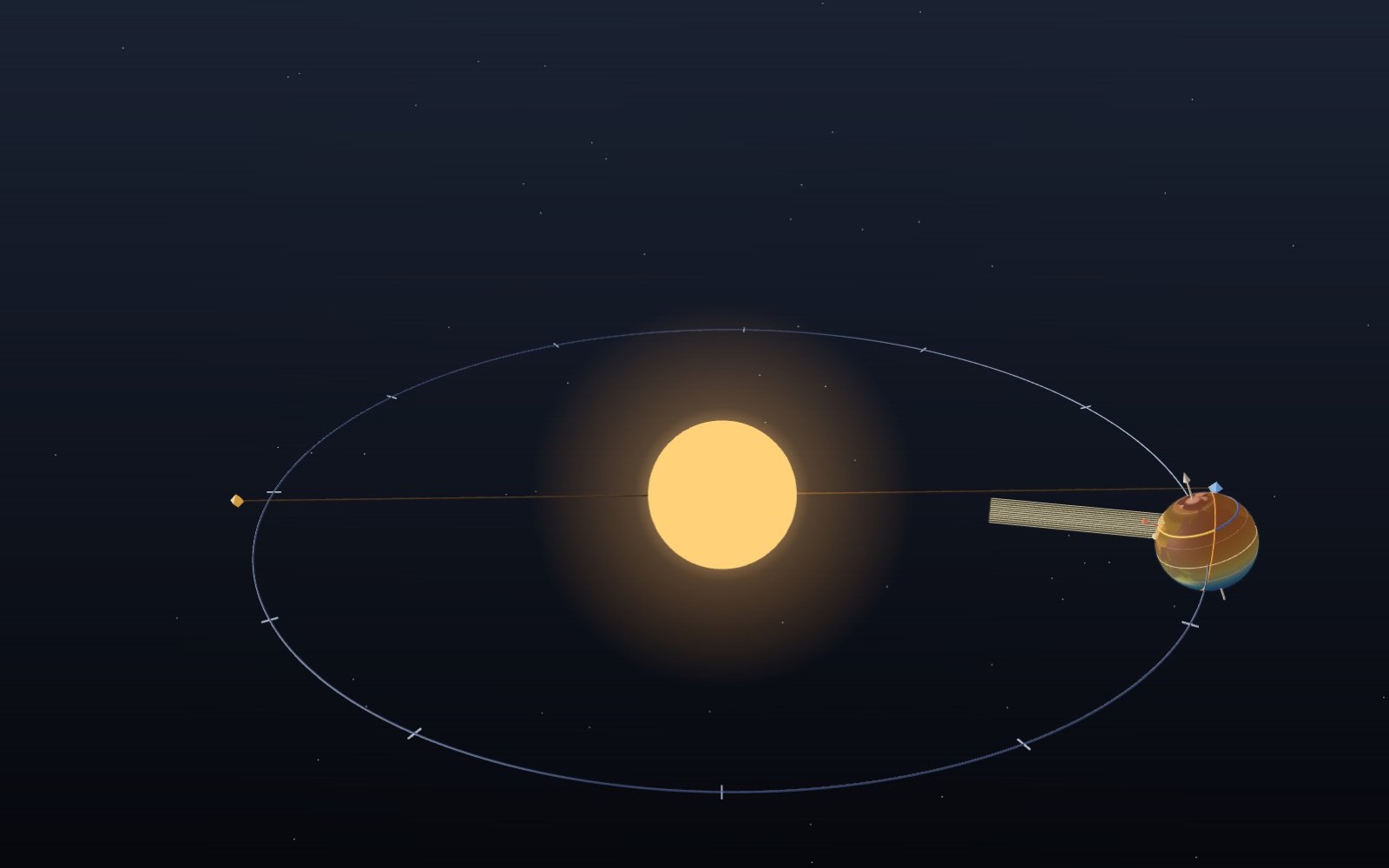 FIG. 07 · How It Works
Why we have seasons: tilted Earth, changing daylight
The Earth is closest to the Sun in the first week of January, in the middle of the northern winter.
Set the date to early January, when Earth is closest to the Sun, and look at where it is winter.
- 02
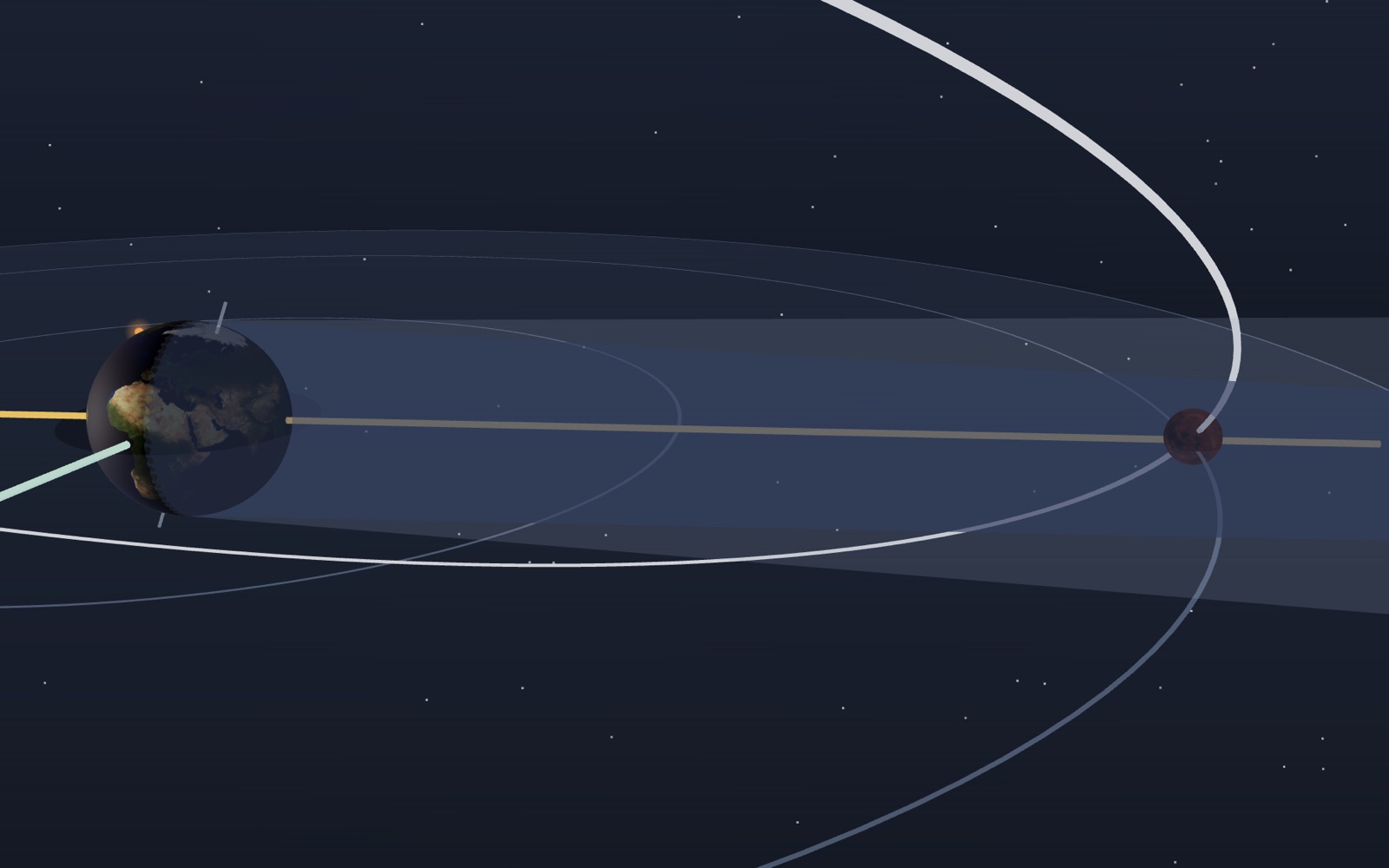 FIG. 08 · How It Works
Moon phases: why a crescent is not Earth’s shadow
The Moon passes between the Earth and the Sun every 29.5 days, so why is there no solar eclipse every month?
Switch the true 5.14° tilt on and see why most new moons pass above or below the Sun.
- 03
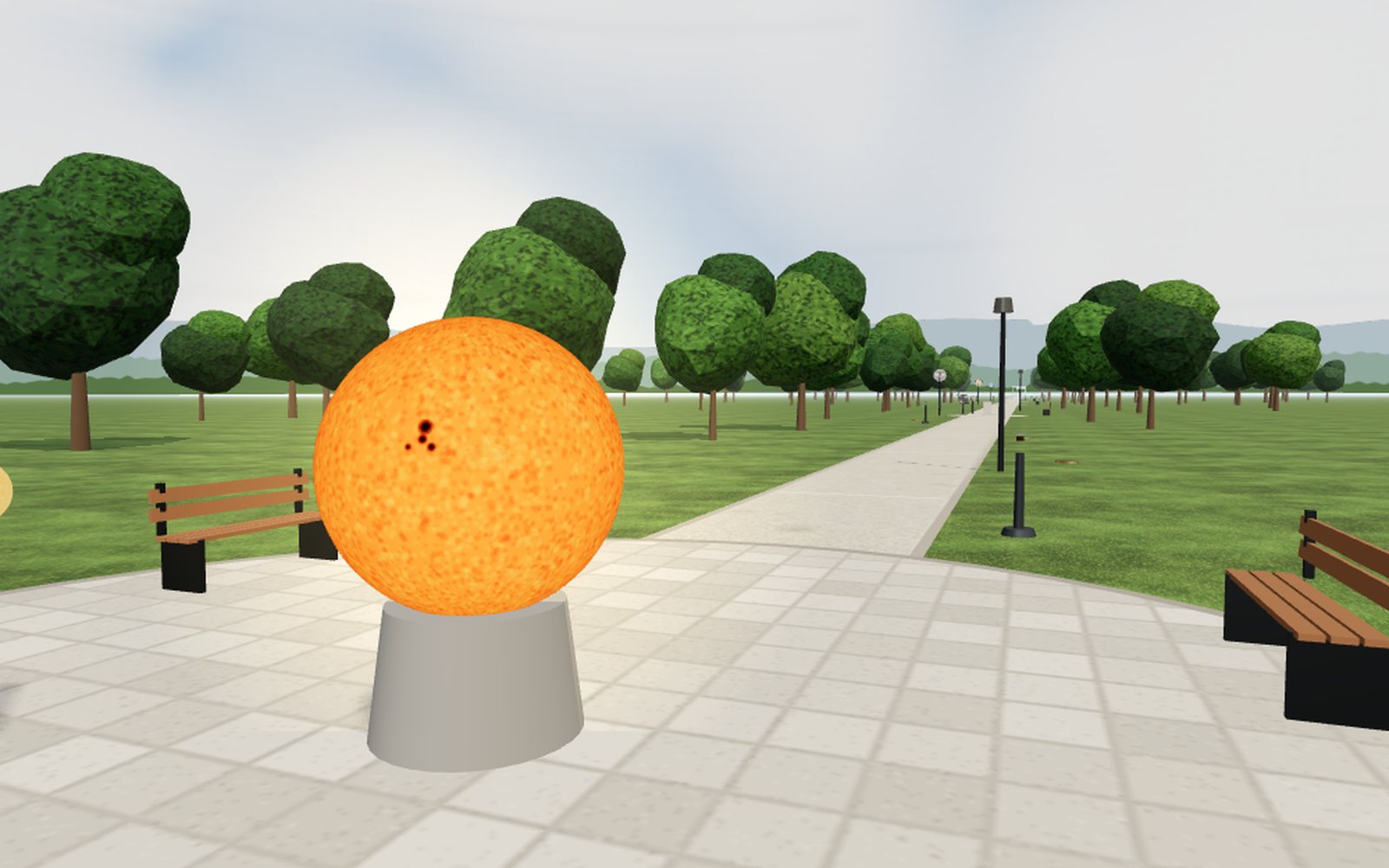 FIG. 81 · Walk-throughs
Solar system scale model measurements along a park walk
Shrink the Sun to a ball 1.39 m wide and Earth becomes a 1.27 cm marble 150 m down the path, Neptune is 4.5 km away and Voyager 1 would be 25.7 km.
Walk out to Neptune, 4.5 km on this scale, and see how empty the path is.
- 04
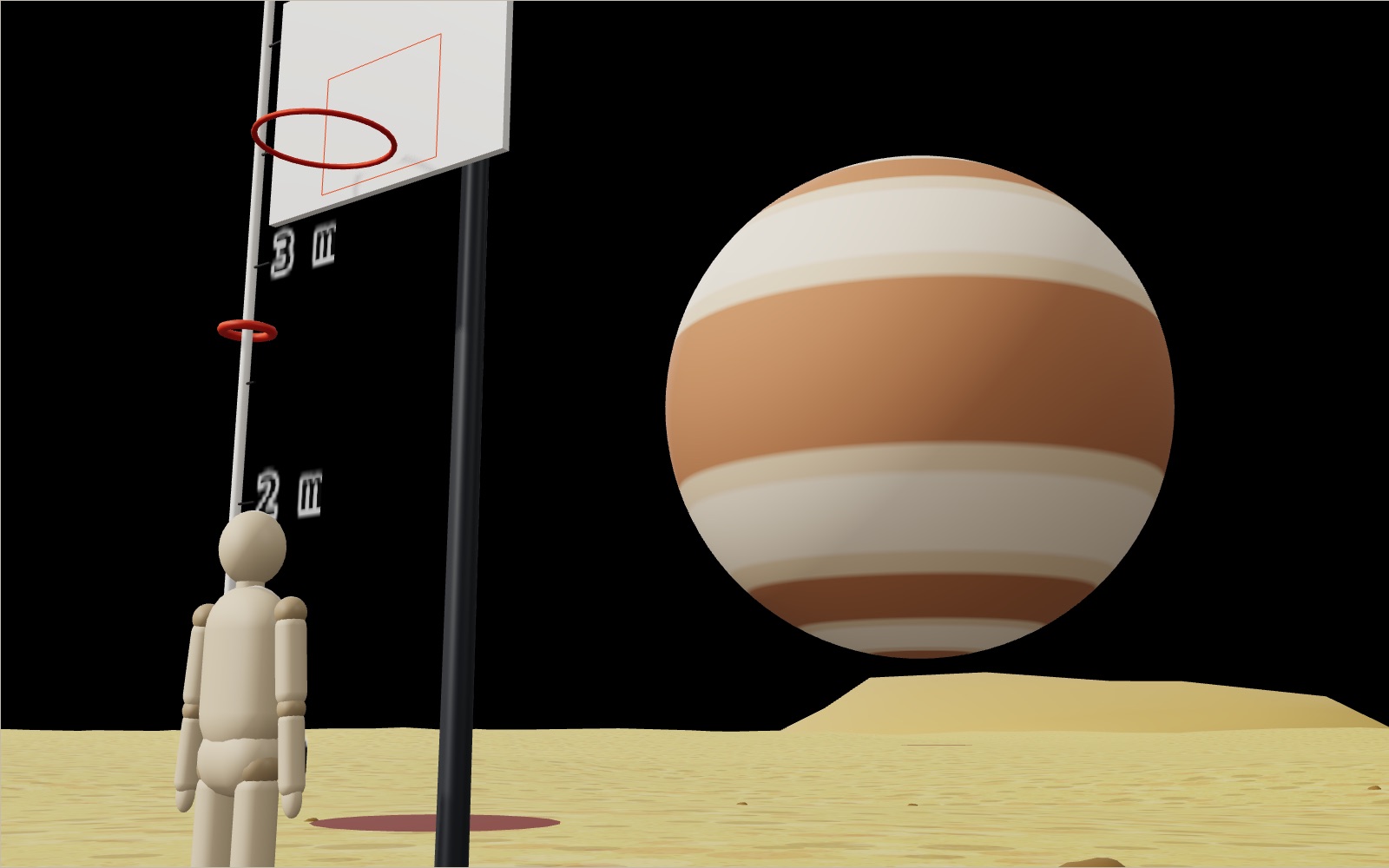 FIG. 30 · Senses
Your weight and jump height on other planets and moons
A 50 cm jump on Earth becomes a 3 m leap on the Moon, 18 m on Ceres and a one-way trip off asteroid Bennu.
Jump on the Moon, on Ceres and on Bennu and compare how high you go.
- 05
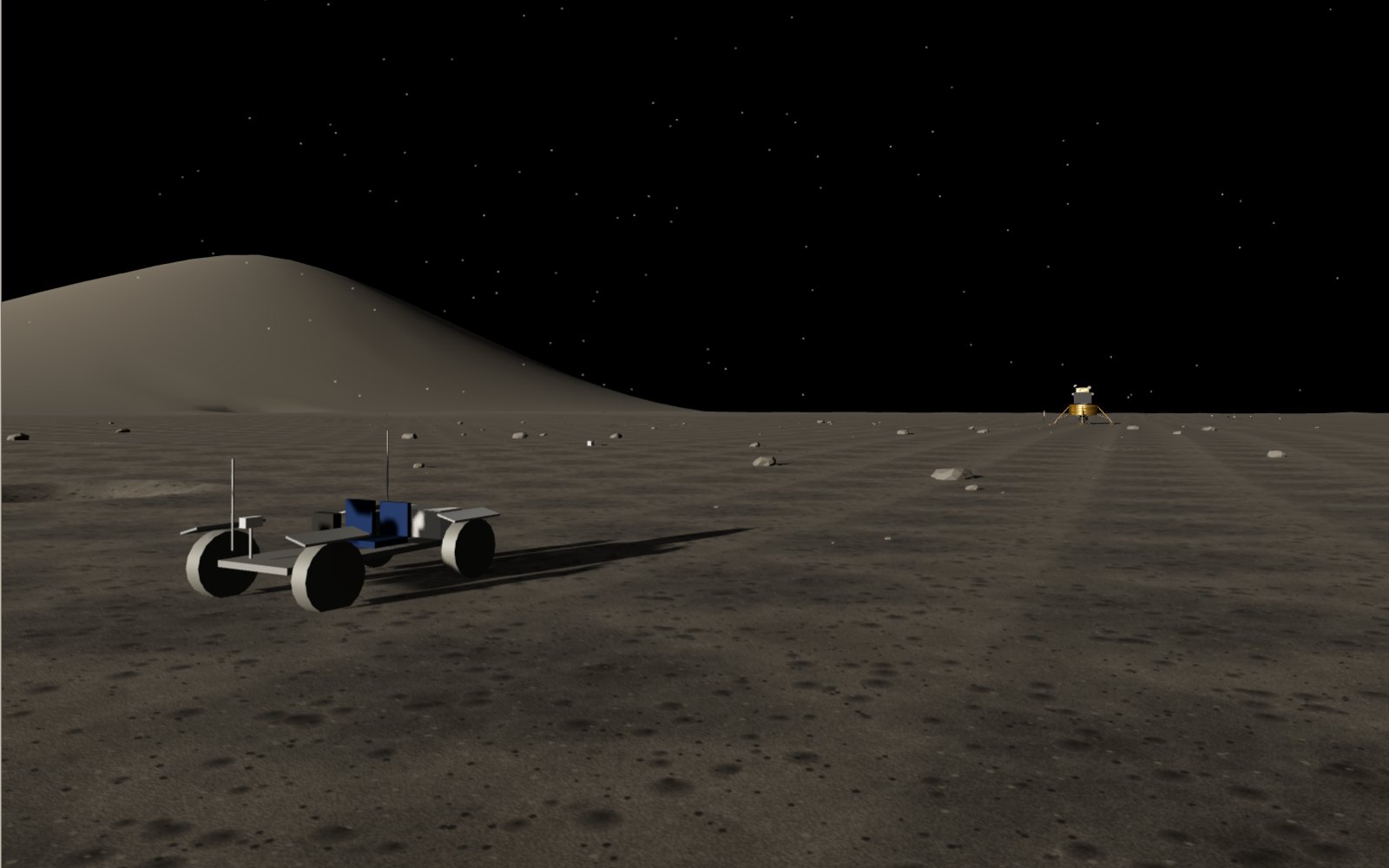 FIG. 64 · Walk-throughs
Walk the Apollo landing sites
Standing on the Moon with your eyes 1.6 m up, the horizon is only about 2.4 km away. All six Apollo landing sites are here, from Tranquility Base to Taurus-Littrow.
Visit all six landing sites and compare the ground the astronauts walked on.
- 06
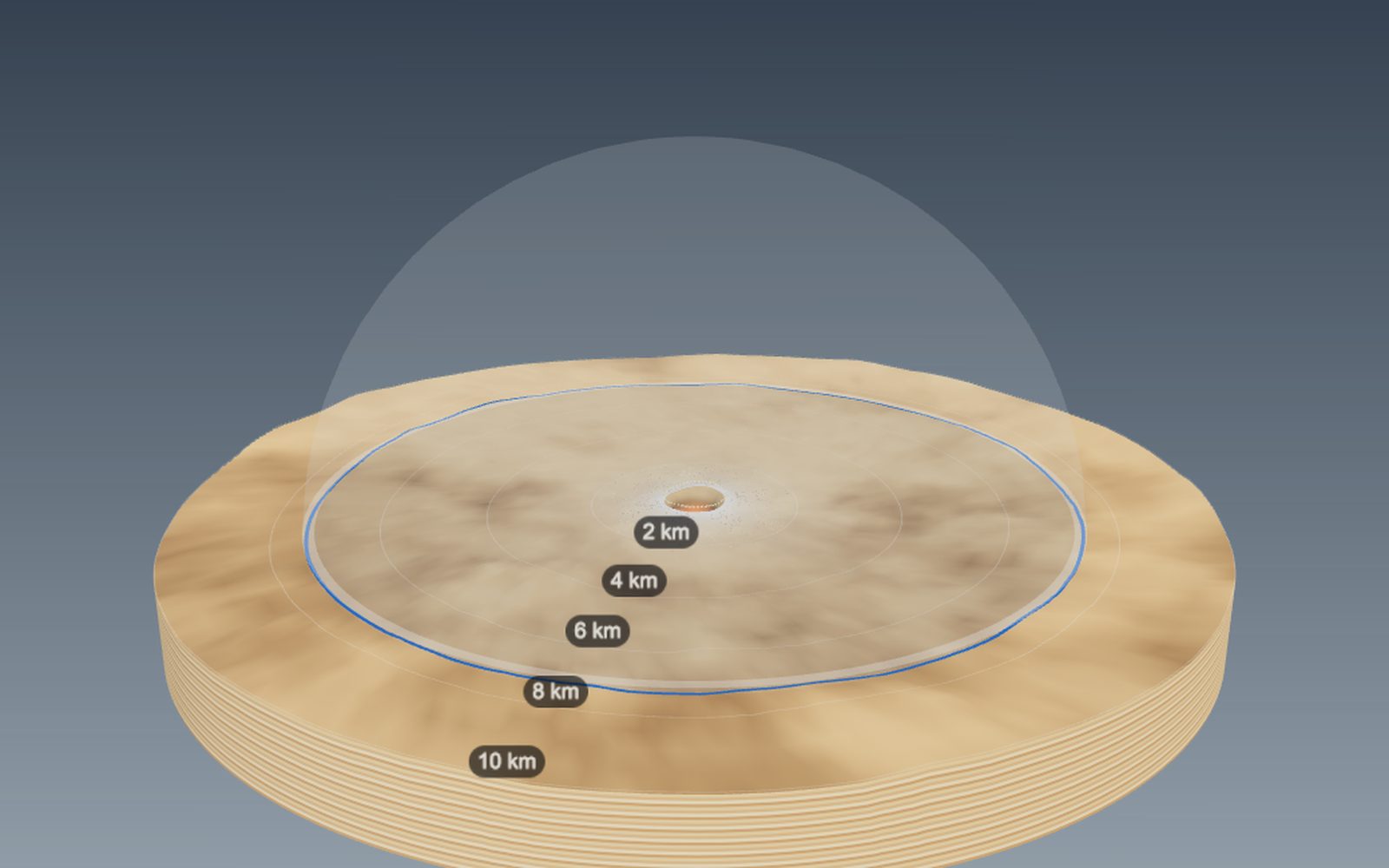 FIG. 84 · Senses
How big a crater would an asteroid make, and how craters form
The 1.2 km wide Meteor Crater in Arizona was dug by an iron asteroid only a few tens of metres across.
Drop the same rock as stone and as iron and compare the craters.
- 07
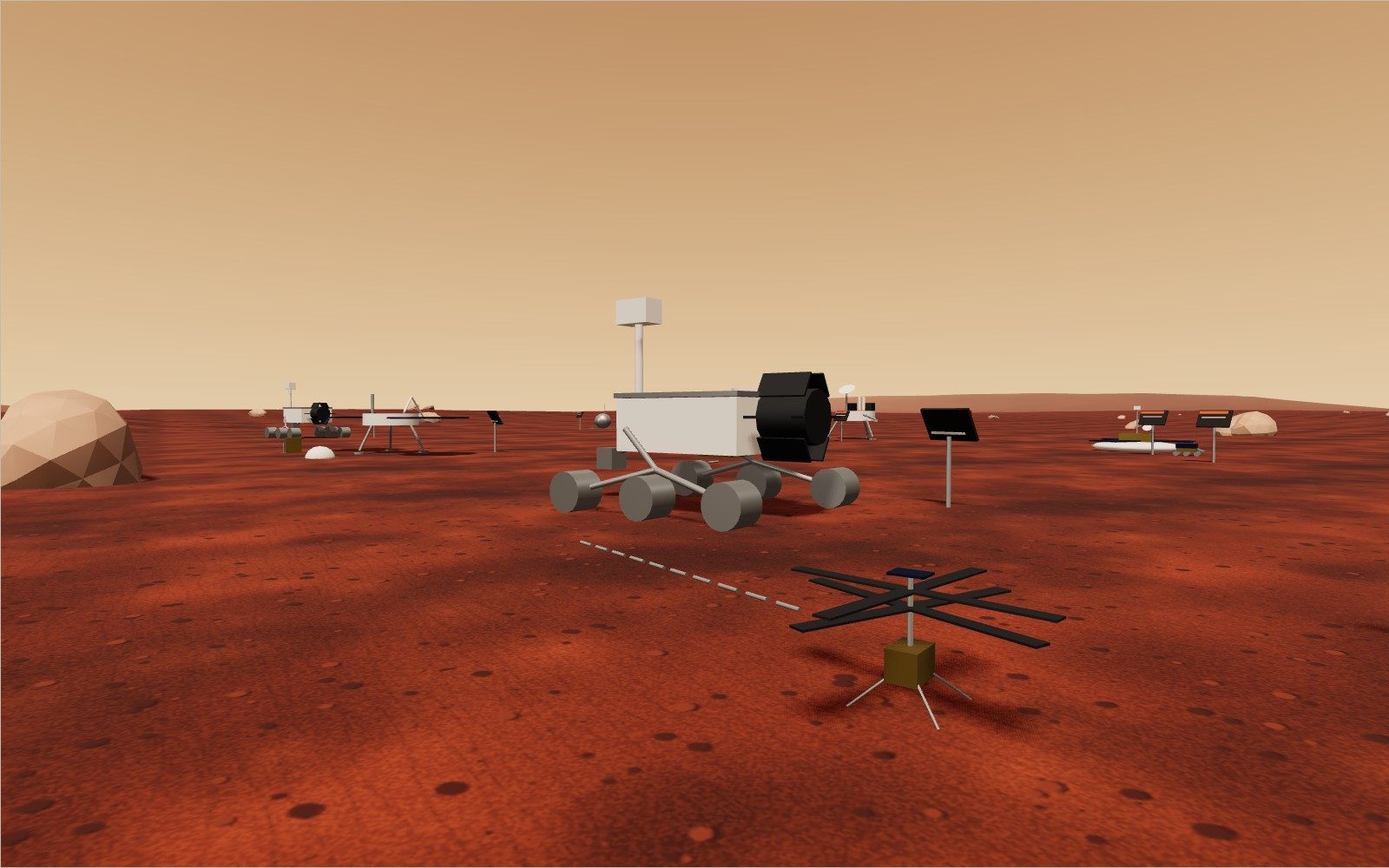 FIG. 75 · Walk-throughs
Walk around a Mars base
On Mars an eye 1.6 m up sees the horizon 3.3 km away. Walk ten areas of a concept base and stand beside every lander and rover that has worked there, at full size.
Find the horizon on Mars, about 3.3 km away for a standing person.
- 08
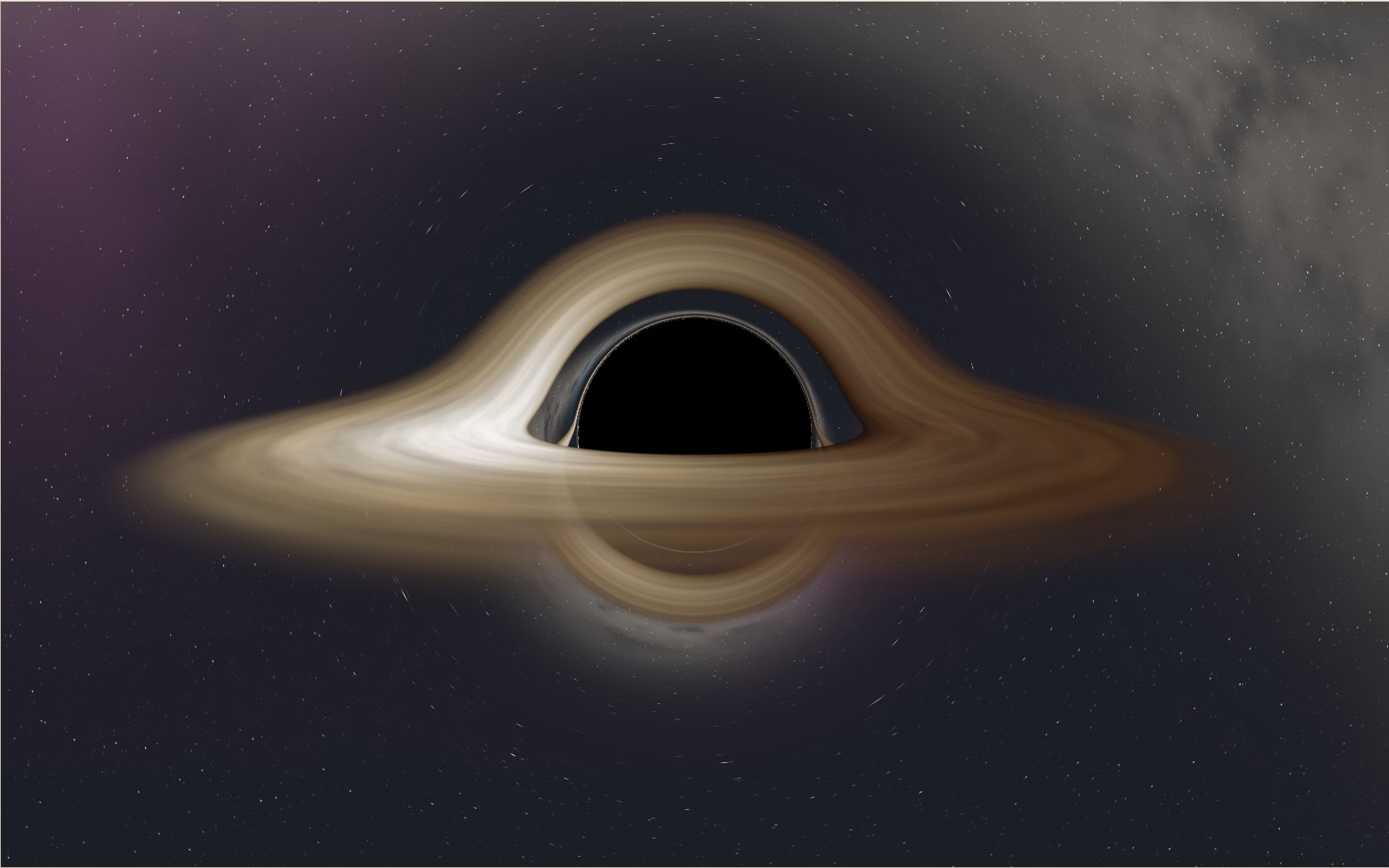 FIG. 82 · Senses
What you would see falling into a black hole
From 40 times the horizon radius a black hole's shadow is only 7.4° wide, yet starlight from directly behind it already forms a ring 28° across.
Move closer to the horizon and watch the shadow grow and the sky bend into a ring.