7 exhibitsCourses
Questions from an ordinary day
Things you meet on a normal day, from the colour of the sky to a game-show puzzle, each opened up as a working model.
The order moves from the sky above you to the machines around you and your own body, and ends with a puzzle about chance.
None of these exhibits needs a laboratory. The colour of the sky, the dot on a phone map, the lift to your floor, a record, your pulse, a folded square of paper and a three-door puzzle are things most people meet in a single day. Each stop takes one of them and shows the mechanism behind it with numbers you can check.
The route starts outdoors with light and satellites, goes indoors to machines that carry people and sound, turns to your own heart, then to your hands, and ends with a question about chance that most people answer wrongly the first time.
- 01
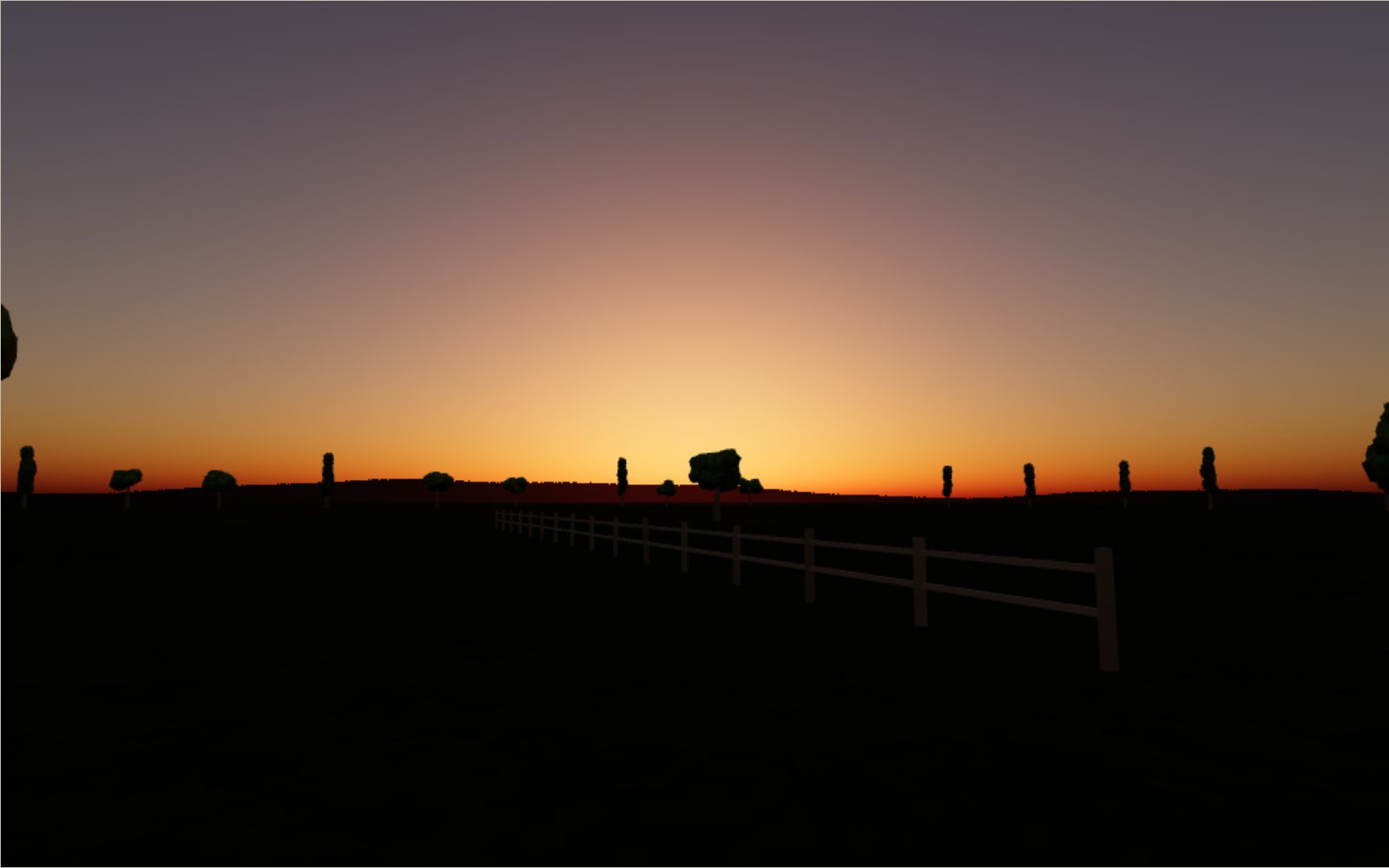 FIG. 83 · Senses
Why the sky is blue and sunsets are red
Air scatters 440 nm blue light about six times more strongly than 680 nm red, and a sun on the horizon shines through 35 times as much air as a sun overhead.
Move the Sun down to the horizon and watch blue drop out of the light before red does.
- 02
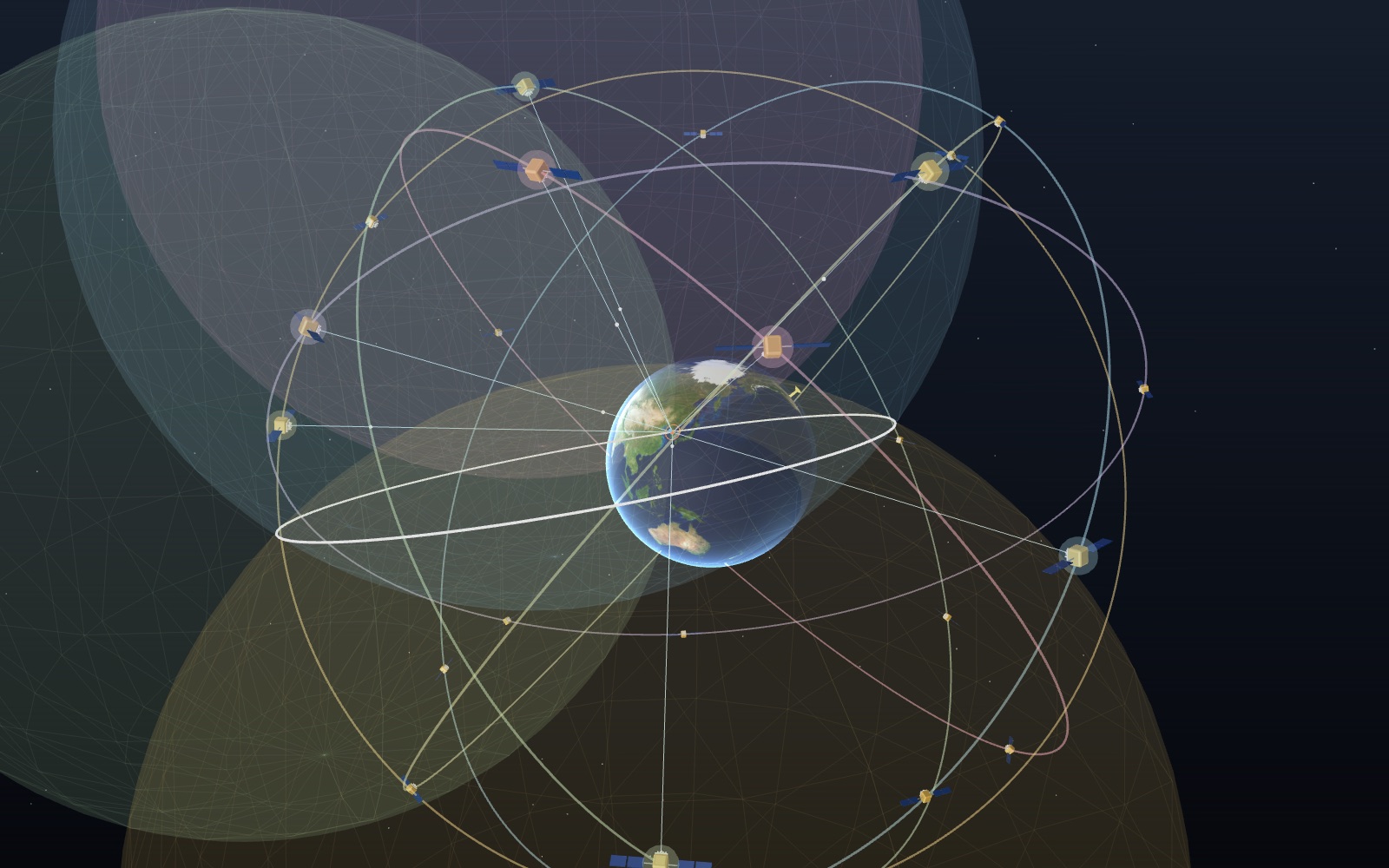 FIG. 74 · How It Works
How GPS works: why your phone needs four satellites
A GPS signal takes about 70 thousandths of a second to fall 20,200 km to your phone, and a millionth of a second of error moves you 300 m.
Lower the number of satellites used, then bunch them together, and watch the position error grow.
- 03
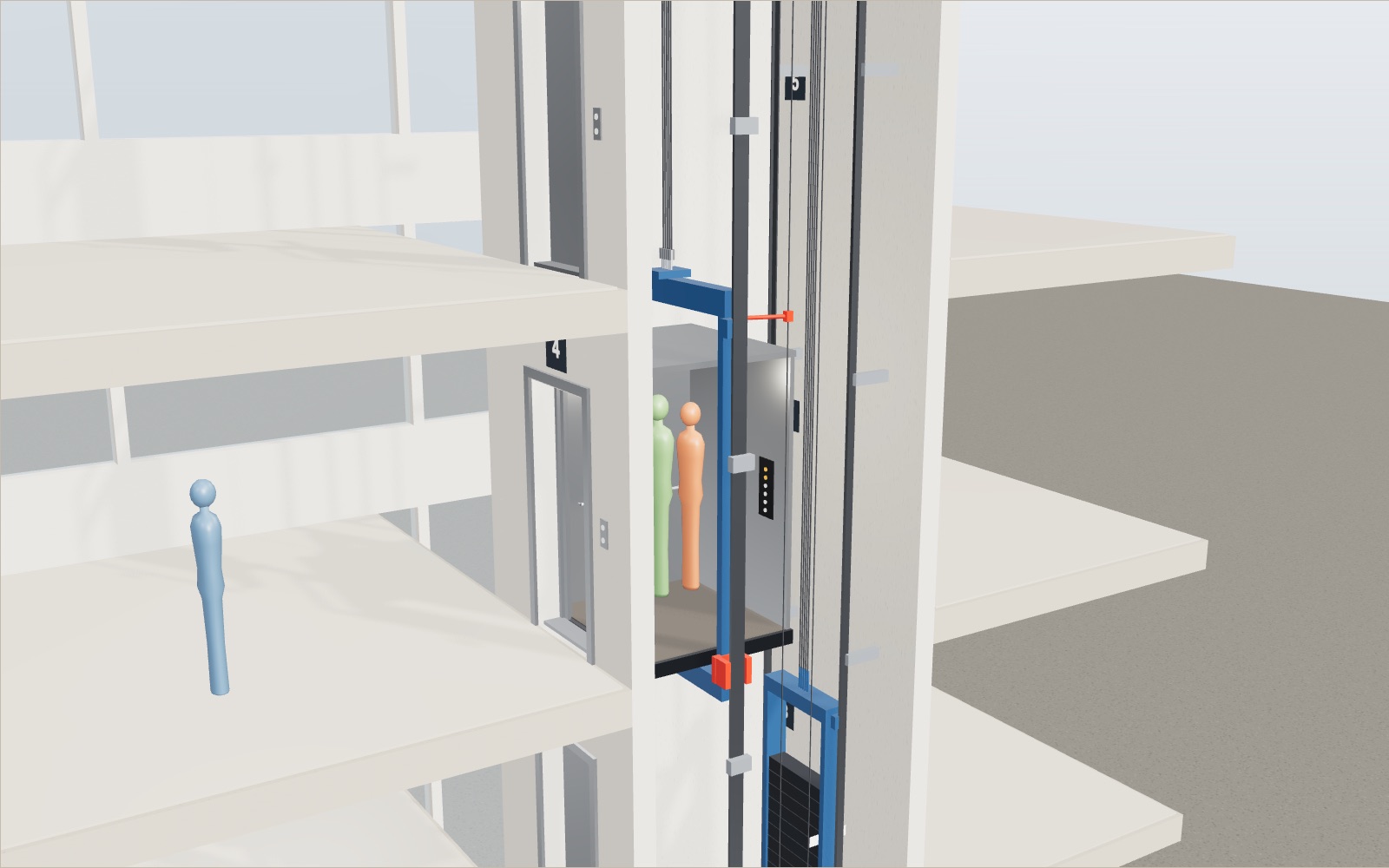 FIG. 76 · How It Works
How does an elevator work? Counterweight and safety brake
A lift car full of people can weigh almost two tonnes, yet the motor that raises it only has to lift about a quarter of that, because a counterweight hangs on the other end of the ropes.
Fill the car with passengers and read how much the motor still has to lift once the counterweight hangs on the other end.
- 04
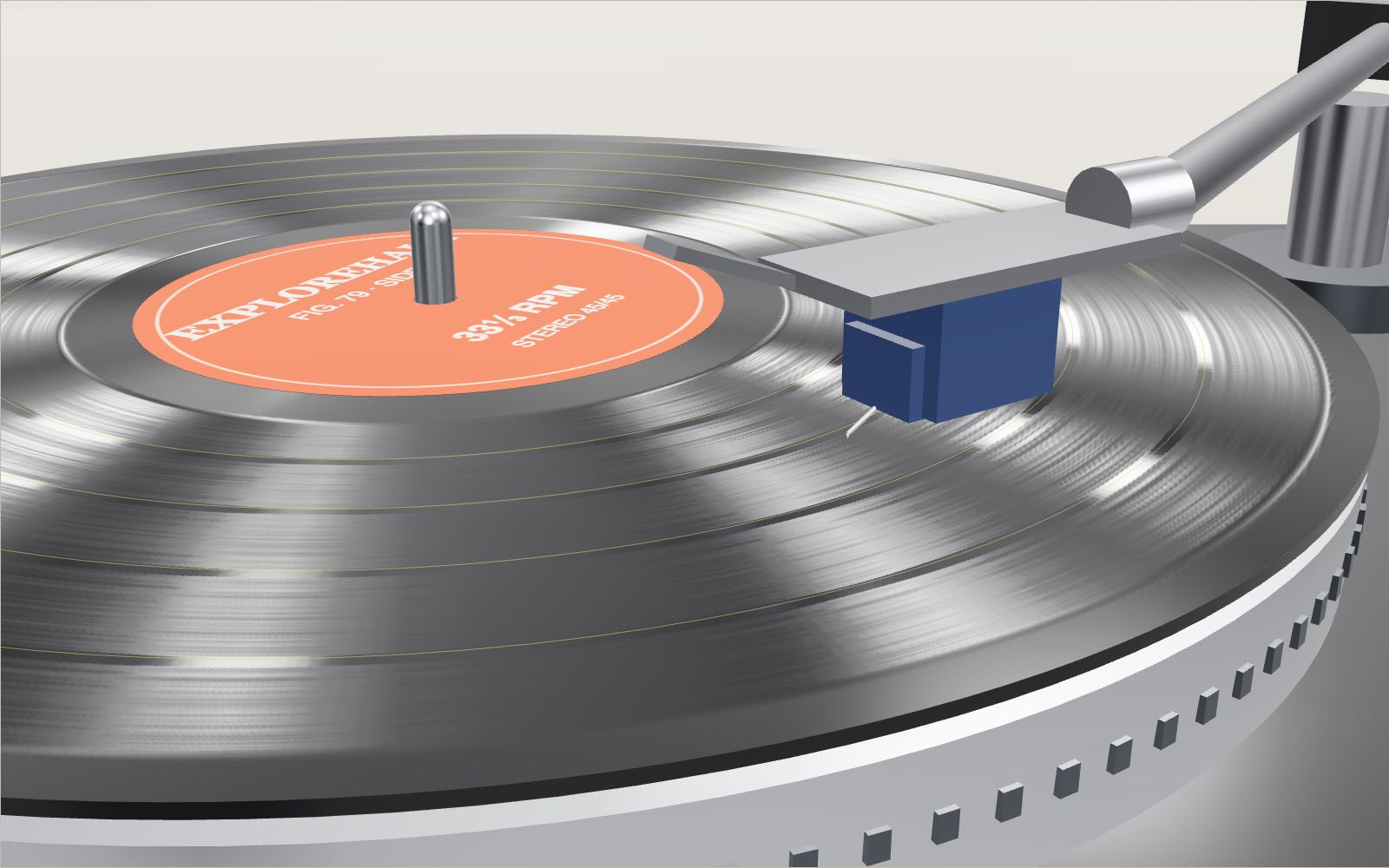 FIG. 79 · Old Machines
How does a vinyl record work? Grooves, stereo and RIAA
At the outer edge of an LP the groove slides under the stylus at half a metre per second, and by the last song it has slowed to 21 centimetres.
Zoom in on the groove and compare how fast it passes the stylus at the edge and near the label.
- 05
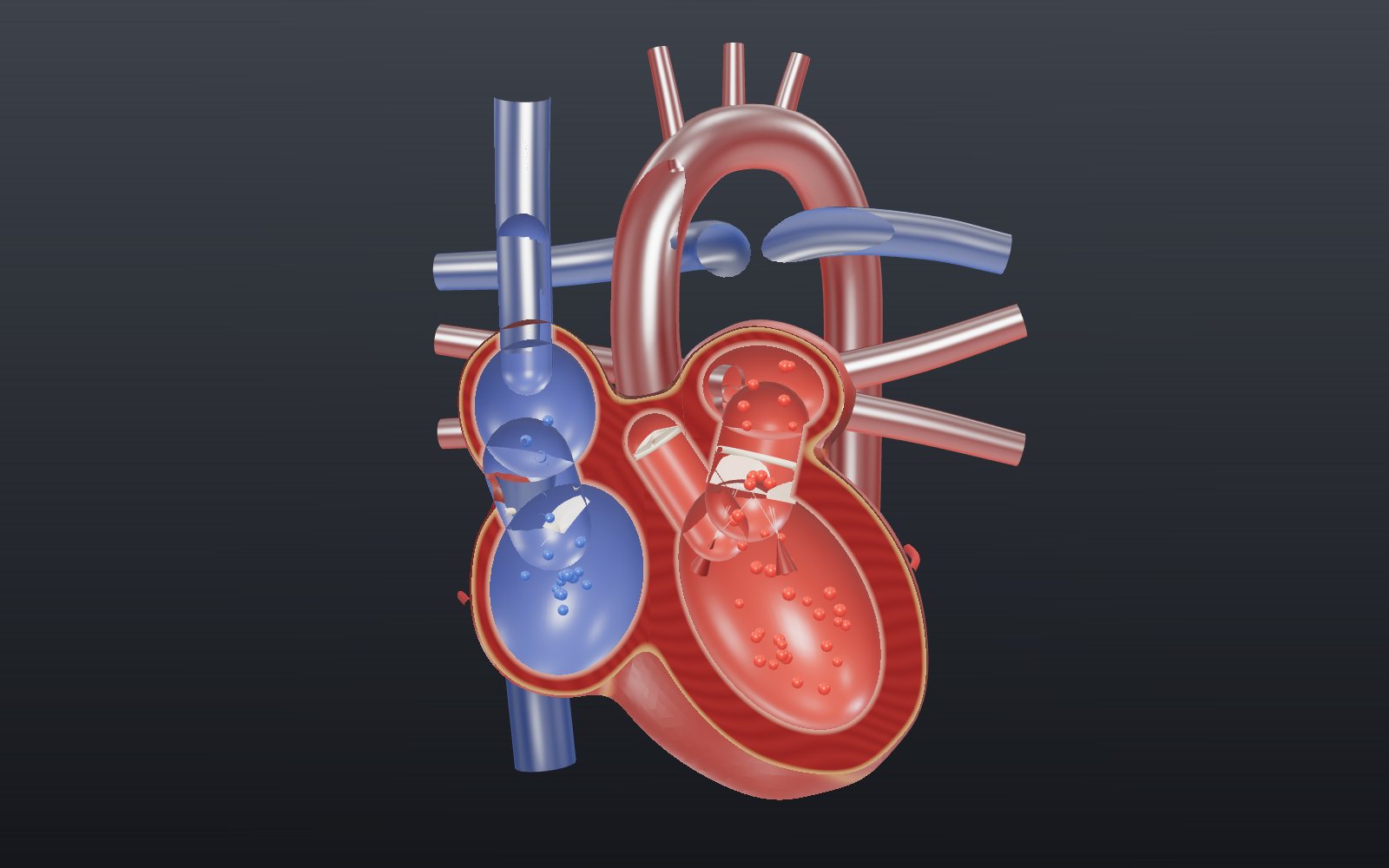 FIG. 77 · How It Works
Heart beating: interactive model of the heart, step by step
Your heart pushes out about 70 mL of blood with each beat, and at a resting pace it does that about 108,000 times a day.
Raise the heart rate and follow how the valves and the four chambers keep their order.
- 06
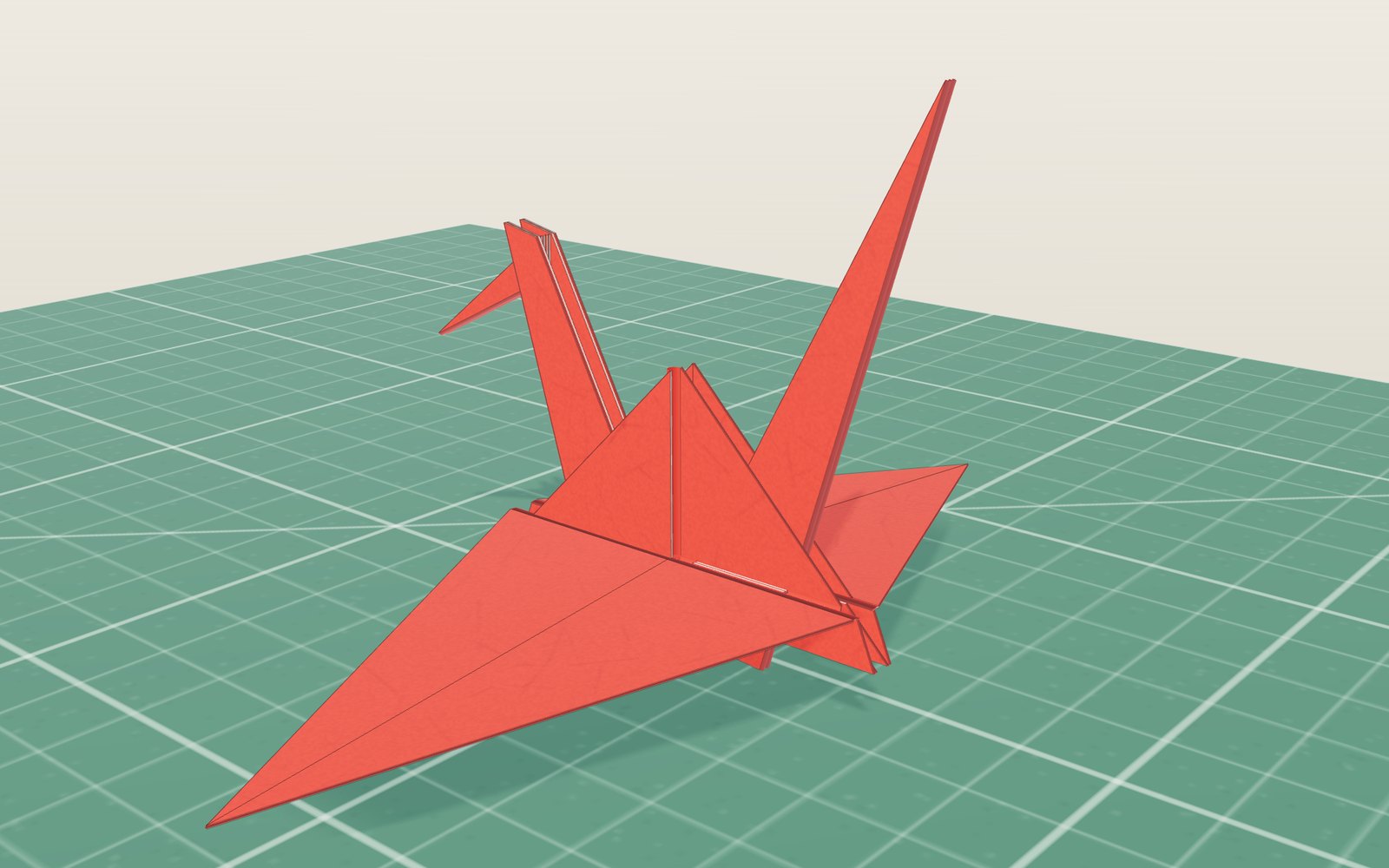 FIG. 80 · Follow Along
How to fold a paper crane and read its crease pattern
A paper crane is folded from one uncut square, and its two wings, neck and tail are the square's four corners.
Step back and forth through the folds and find which corner of the square becomes the neck.
- 07
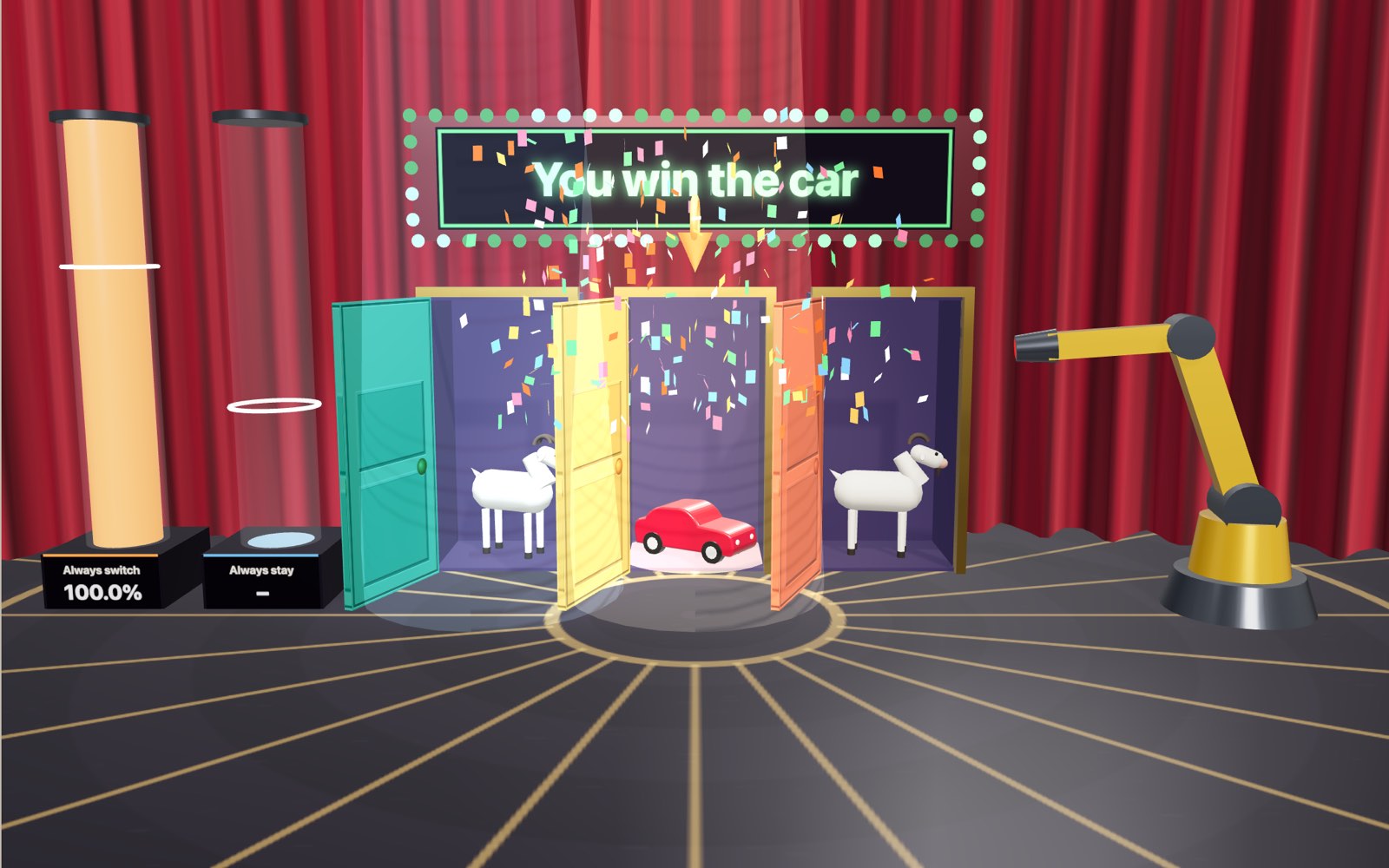 FIG. 85 · Senses
Why should you switch doors in the Monty Hall problem?
After the host opens a door with a goat, the door you did not pick hides the car in two games out of three.
Speed the game up and watch the tally towers settle near two in three for switching.