Gallery
Old Machines
Typewriters, telegraph keys and cipher machines that you can operate on screen.
This gallery is for machines that did their work before electronics took over. Each one is built as a working model you can run slowly, open up and change, and each comes with a long commentary on how it works, who made it and what it was used for. Nothing here is a photograph of an object in a case; you press the keys, wind the spring and turn the crank yourself.
The machines are chosen because the idea inside them is easy to see once the case is off. A vinyl record keeps sound as a wiggle in a spiral groove. A manual typewriter steps its carriage the same distance for every letter. The Enigma cipher machine turns its rotors one step on every key press, so pressing the same key five times lights five different letters. Other exhibits in the gallery follow the same pattern: a Korean water clock from 1434 that strikes a bell with falling balls, a slide rule that multiplies by adding lengths, a pendulum clock, a music box, a Morse telegraph, a rotary telephone dial, movable type and the printing press, a sewing machine, film and instant cameras, windmills and watermills, a steam locomotive and a coin-checking vending machine.
A good way to go through the gallery is in order of age. Start with the water clock and the printing press, move to the clock, the music box and the telegraph of the nineteenth century, and finish with the typewriter, the telephone dial and the cipher machine of the twentieth. Many of the machines solve the same problem in different ways: how to count, how to keep time, or how to turn a movement into a signal.
Each exhibit page ends with a list of sources, mostly museums, standards bodies and the original patents, and a short set of questions and answers.
Exhibits
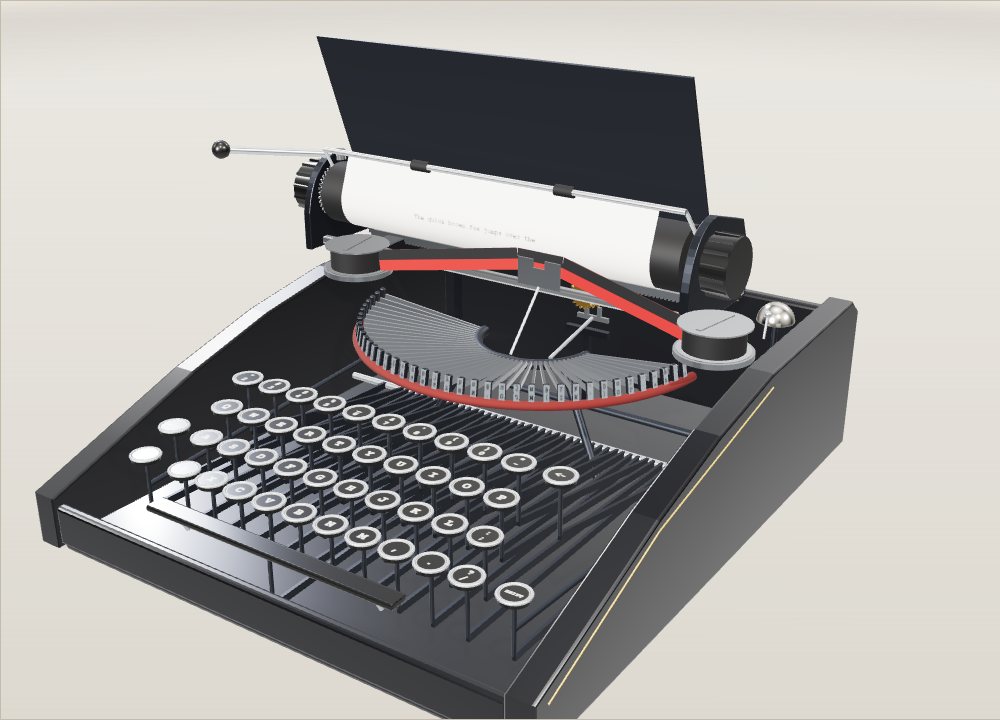
How a typewriter works: inside a manual typewriter
On a pica typewriter every letter, space and full stop moves the carriage the same 2.54 mm to the left.
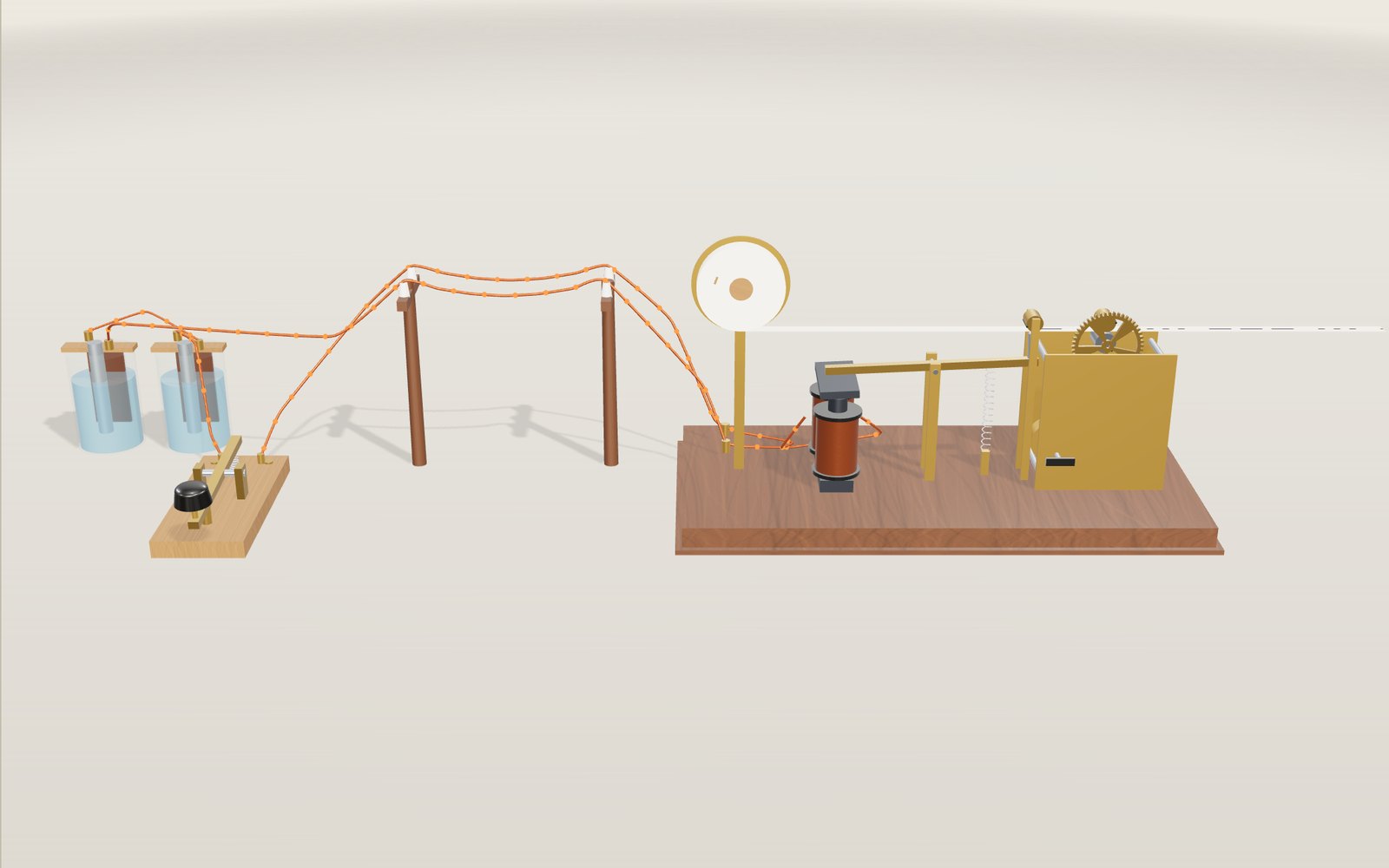
Morse telegraph: key it yourself, step by step
On 24 May 1844 a key in the US Capitol pressed dots and dashes into a paper tape in Baltimore, about 40 miles (64 km) away.
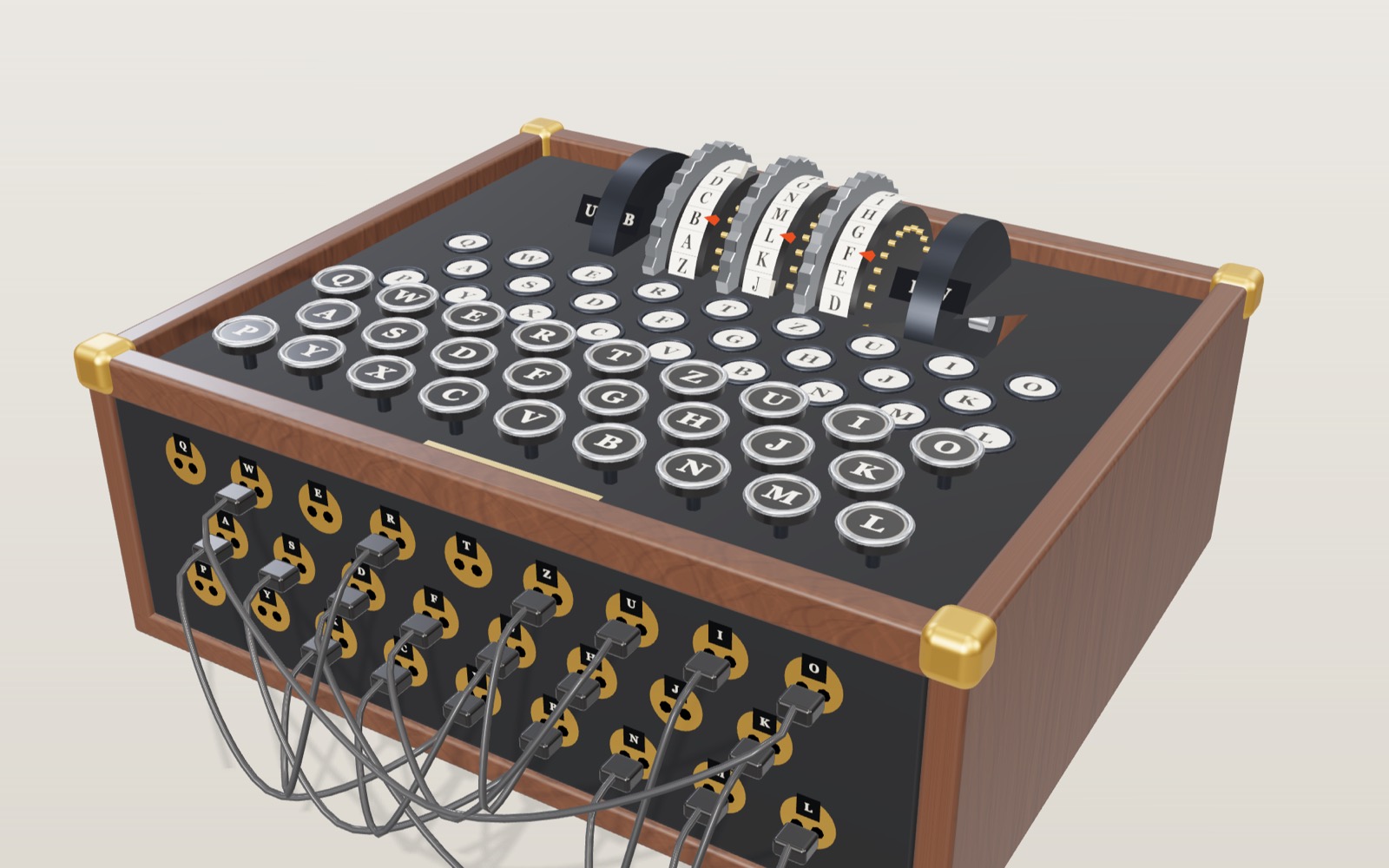
How the Enigma machine worked: rotors, reflector and plugboard
Press A five times on an Enigma set to I-II-III and AAA and the lamps light B, D, Z, G, O.
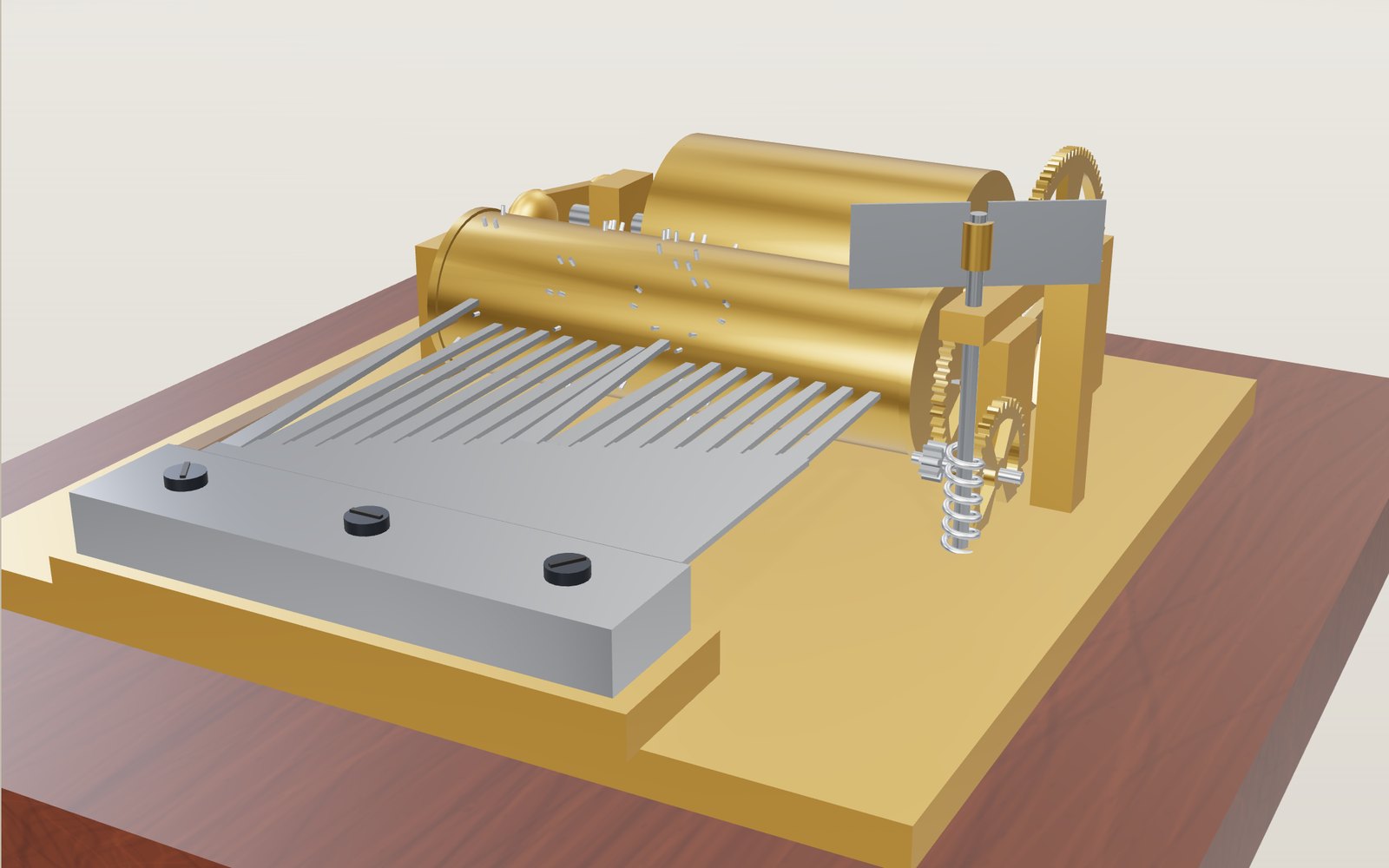
How a music box works
A steel tooth 30.6 mm long rings at 261.6 Hz, and cutting it to half that length would raise the note two octaves.
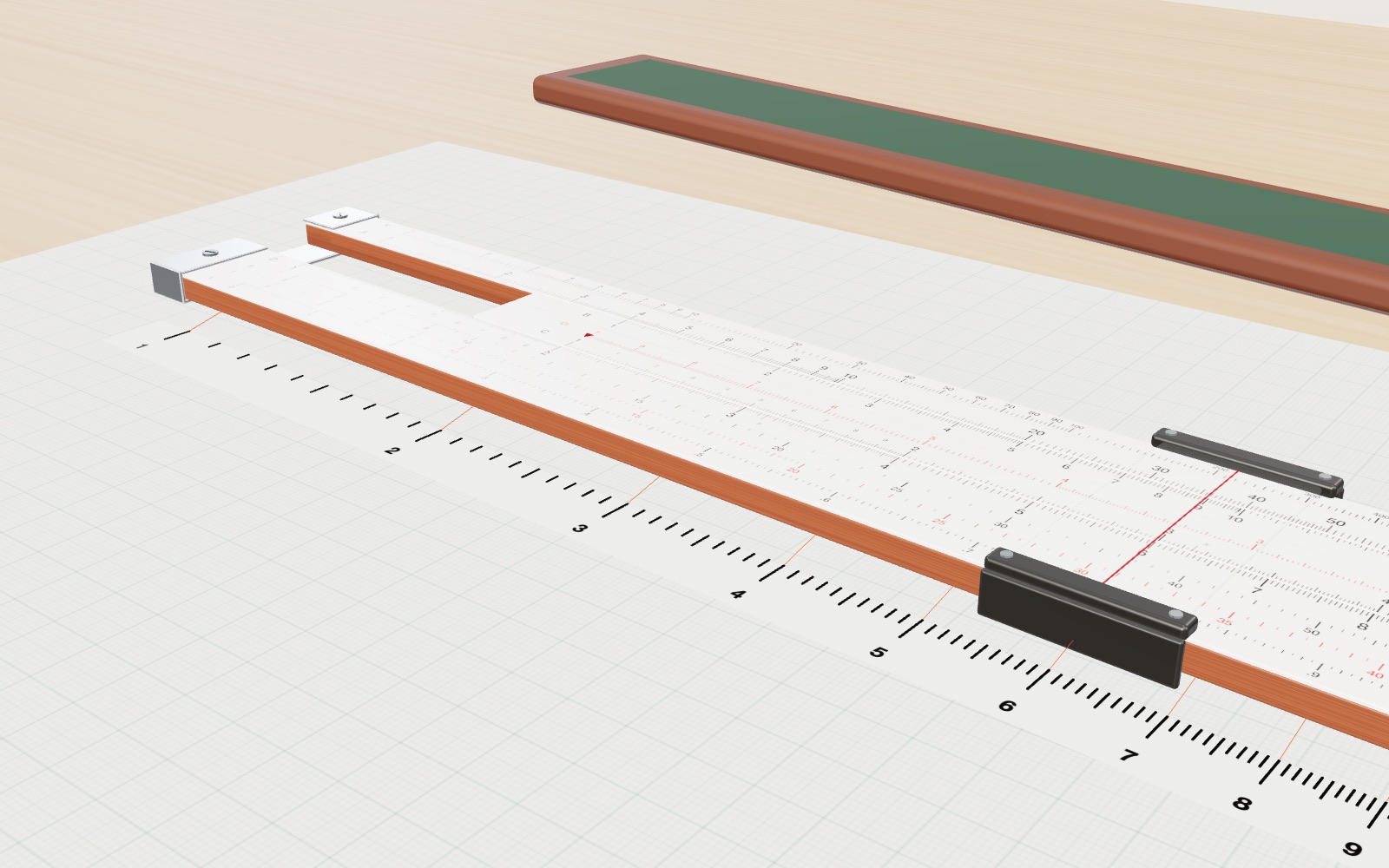
Slide rule: how to use one, with an interactive model
On a 25 cm slide rule the 2 sits 75.3 mm from the 1, because 250 × log 2 = 75.3, and laying two such lengths end to end multiplies the numbers.
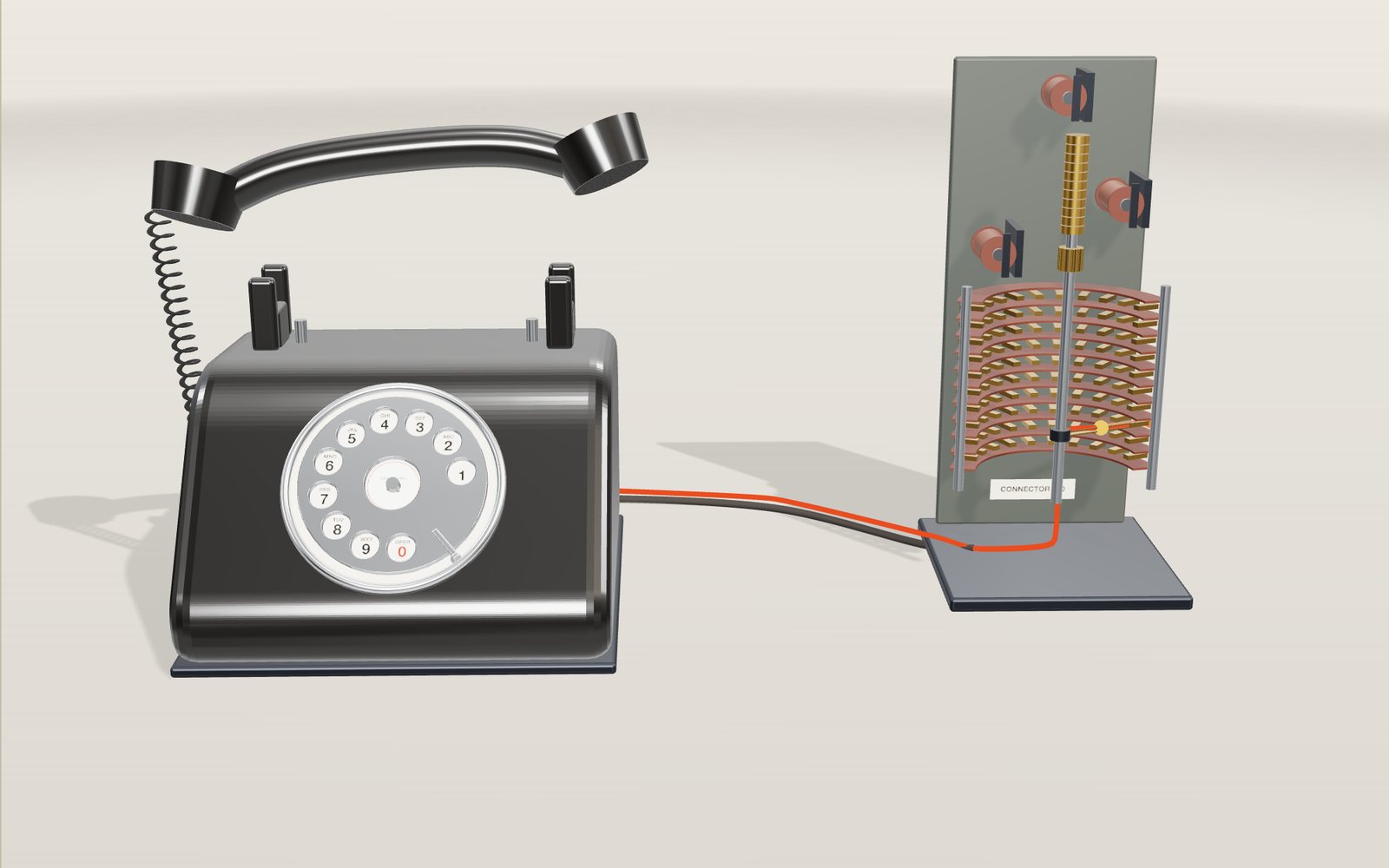
How a rotary phone works: the dial, its pulses and the exchange
A rotary dial sends each digit as short breaks in the line current, ten to a second, and dialling 0 takes ten of them.
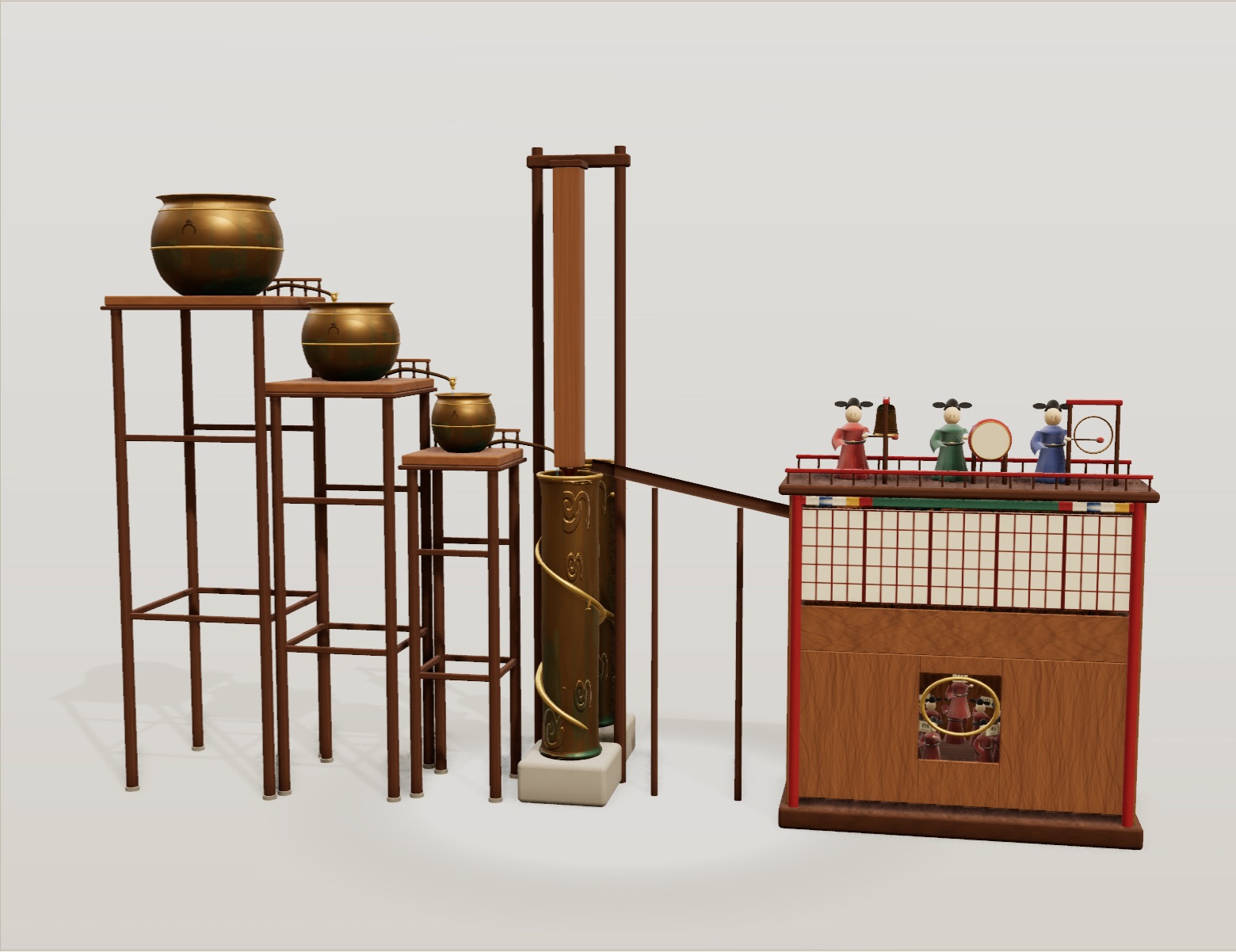
How the Jagyeokru water clock works
In 1434 a float rising in a bronze vessel in Seoul began to drop small balls that set wooden figures striking a bell, a drum and a gong.
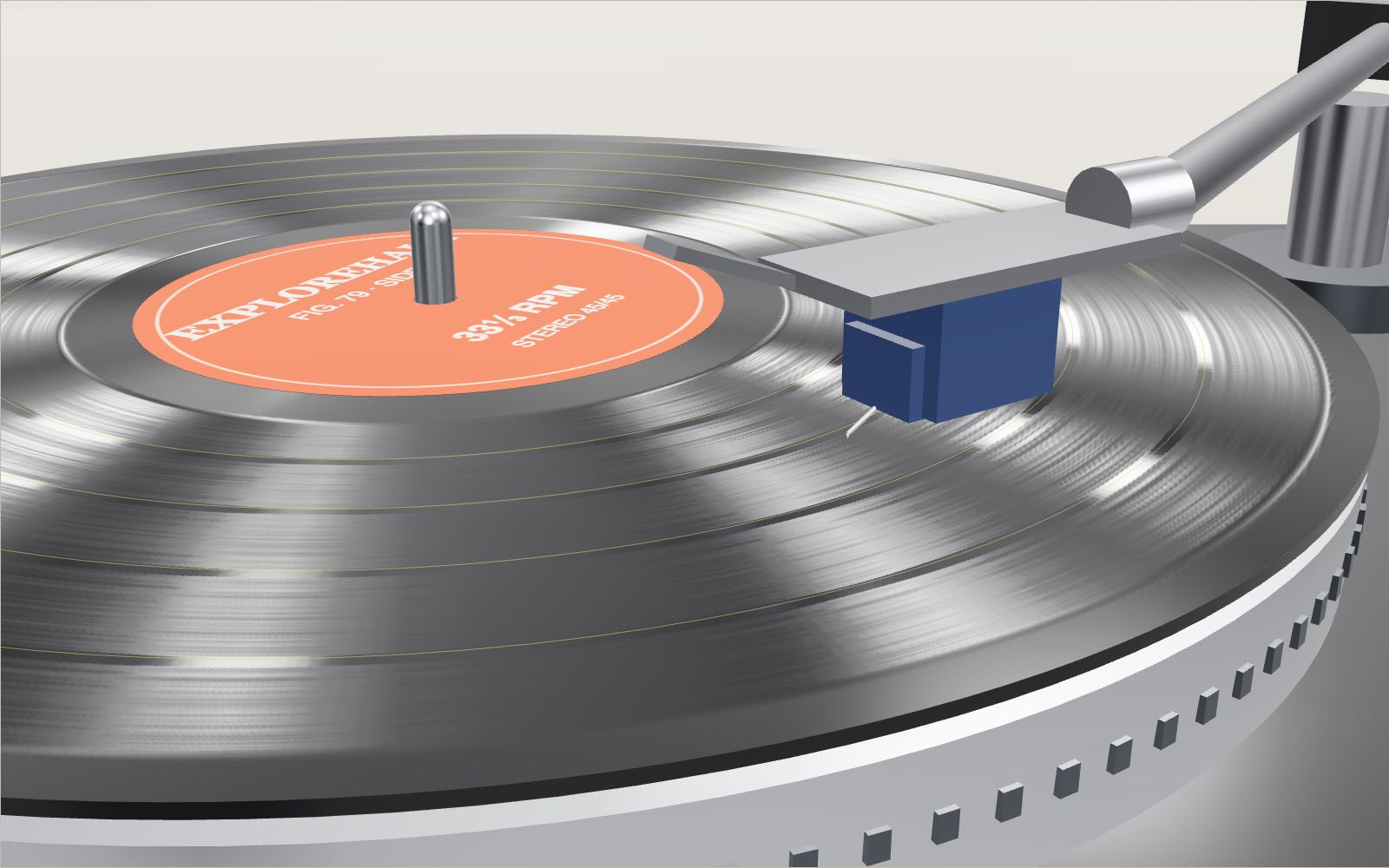
How does a vinyl record work? Grooves, stereo and RIAA
At the outer edge of an LP the groove slides under the stylus at half a metre per second, and by the last song it has slowed to 21 centimetres.
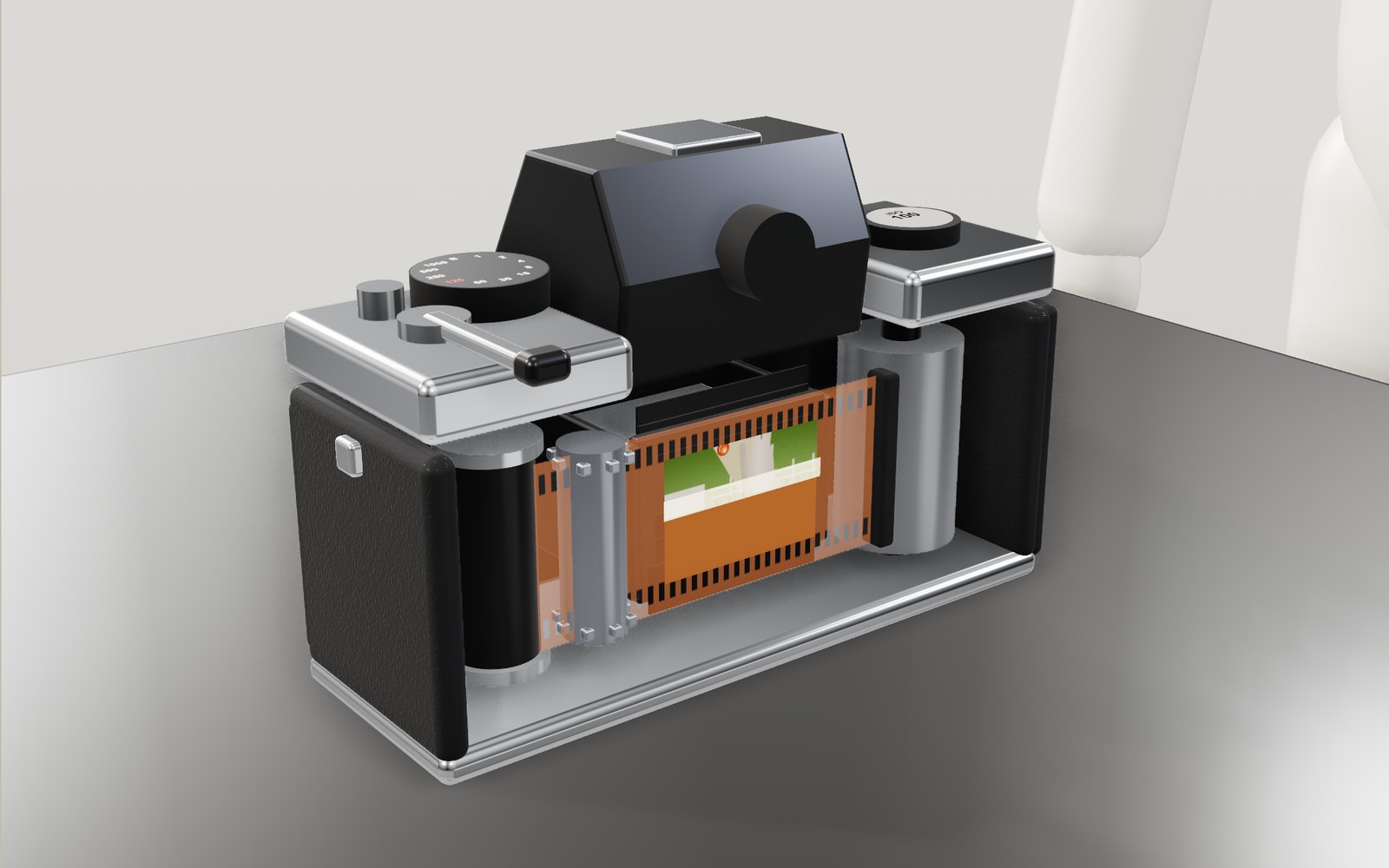
How film cameras and instant cameras work
At 1/1000 of a second a camera shutter never uncovers the whole frame at once: a narrow slit sweeps across the film instead.
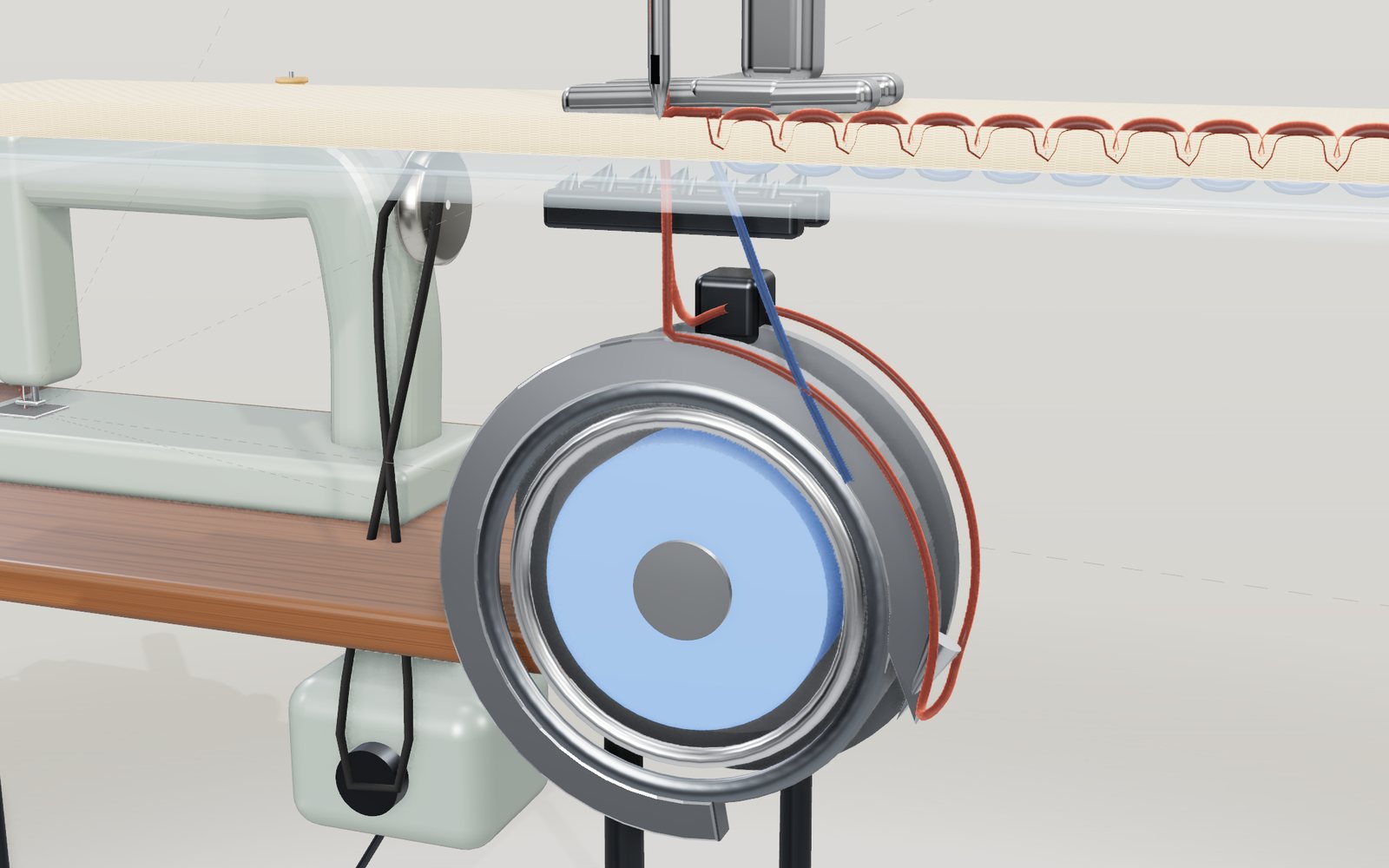
How a sewing machine makes a stitch
A sewing machine needle never goes through the cloth: at every stitch the hook drags its thread right round the bobbin instead.
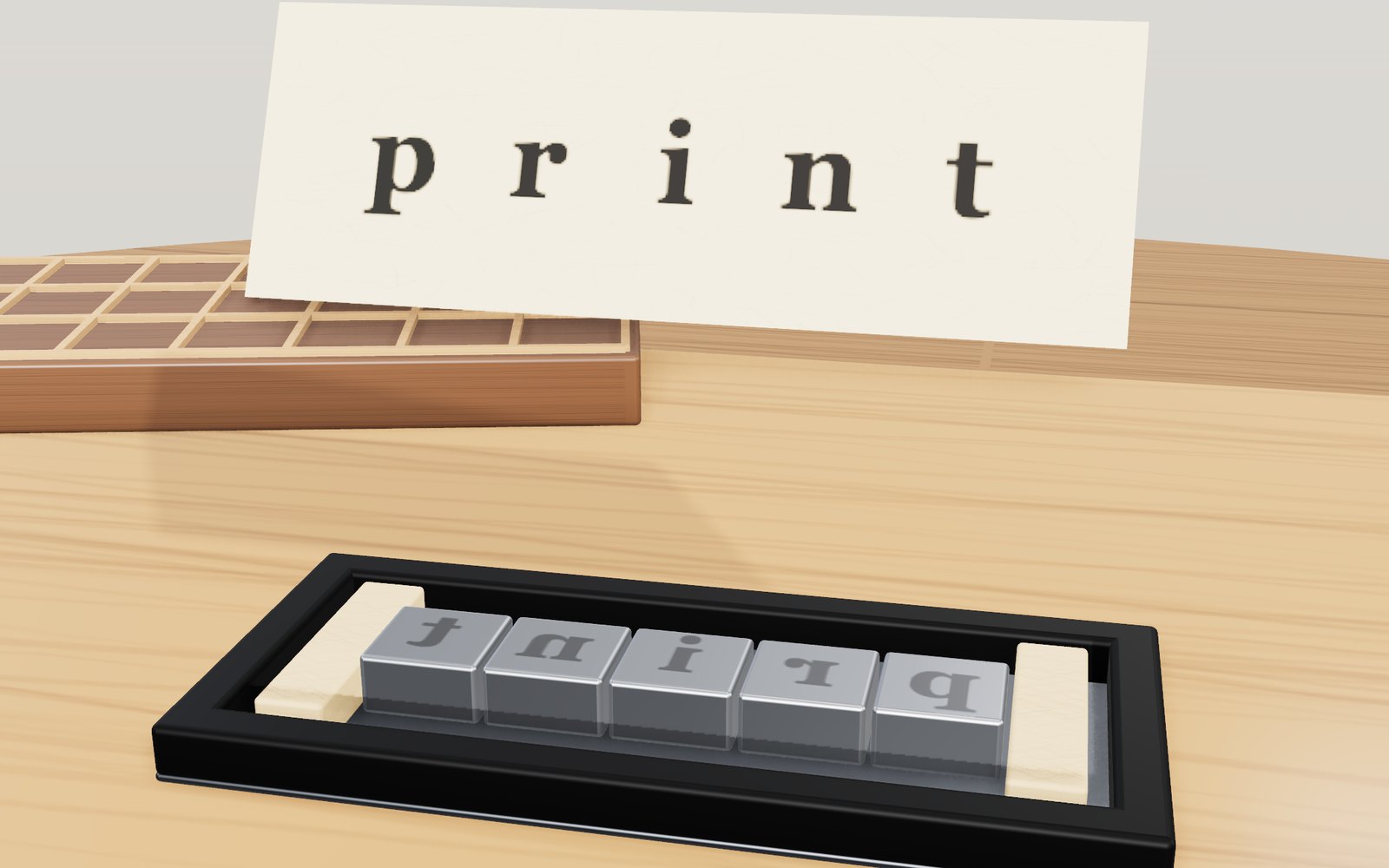
Movable type and the printing press
A piece of type carries its letter back to front. Ink it, press paper on it, turn the sheet over, and the letter reads the right way round.

How a steam locomotive works
Mallard's driving wheels are 2.03 m across, taller than most people, and at its record 126 mph they turned almost nine times a second.

How windmills and watermills work
The sails of a Dutch mill are as wide as an eight-storey building is tall, and at 7 m/s they still take only about a fifth of the wind.
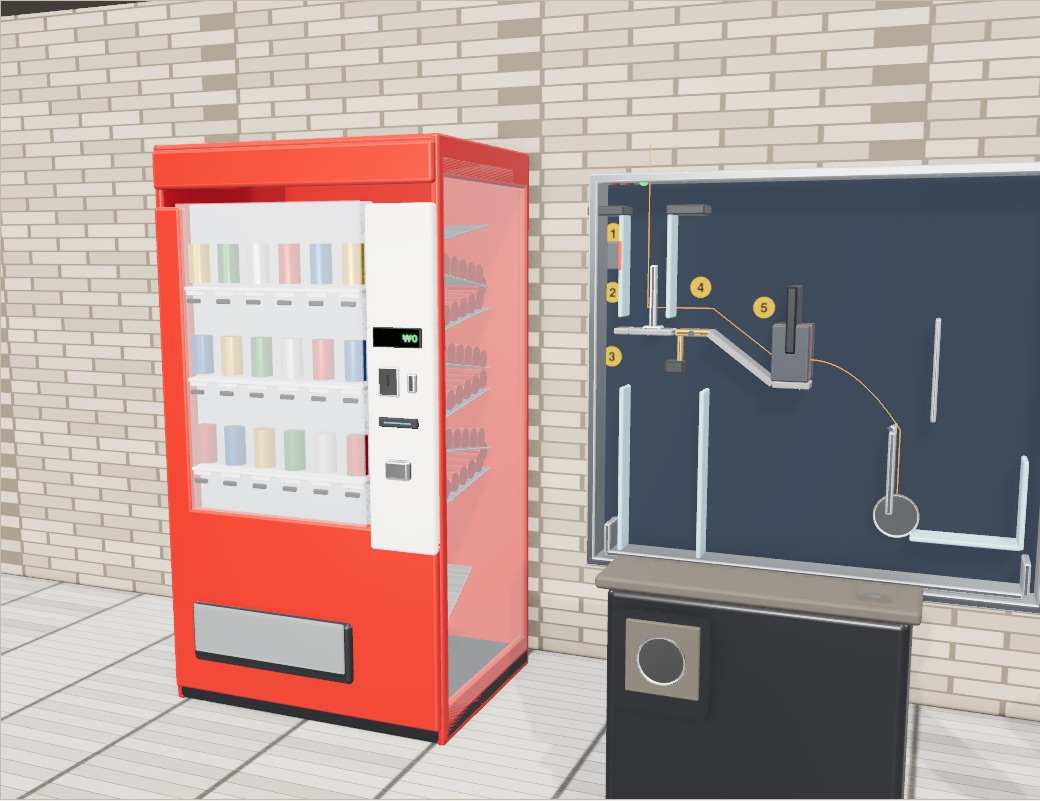
How does a vending machine recognise coins?
A 100 won coin is not attracted to a magnet, yet the magnet inside a vending machine is what tells it from a copper fake.
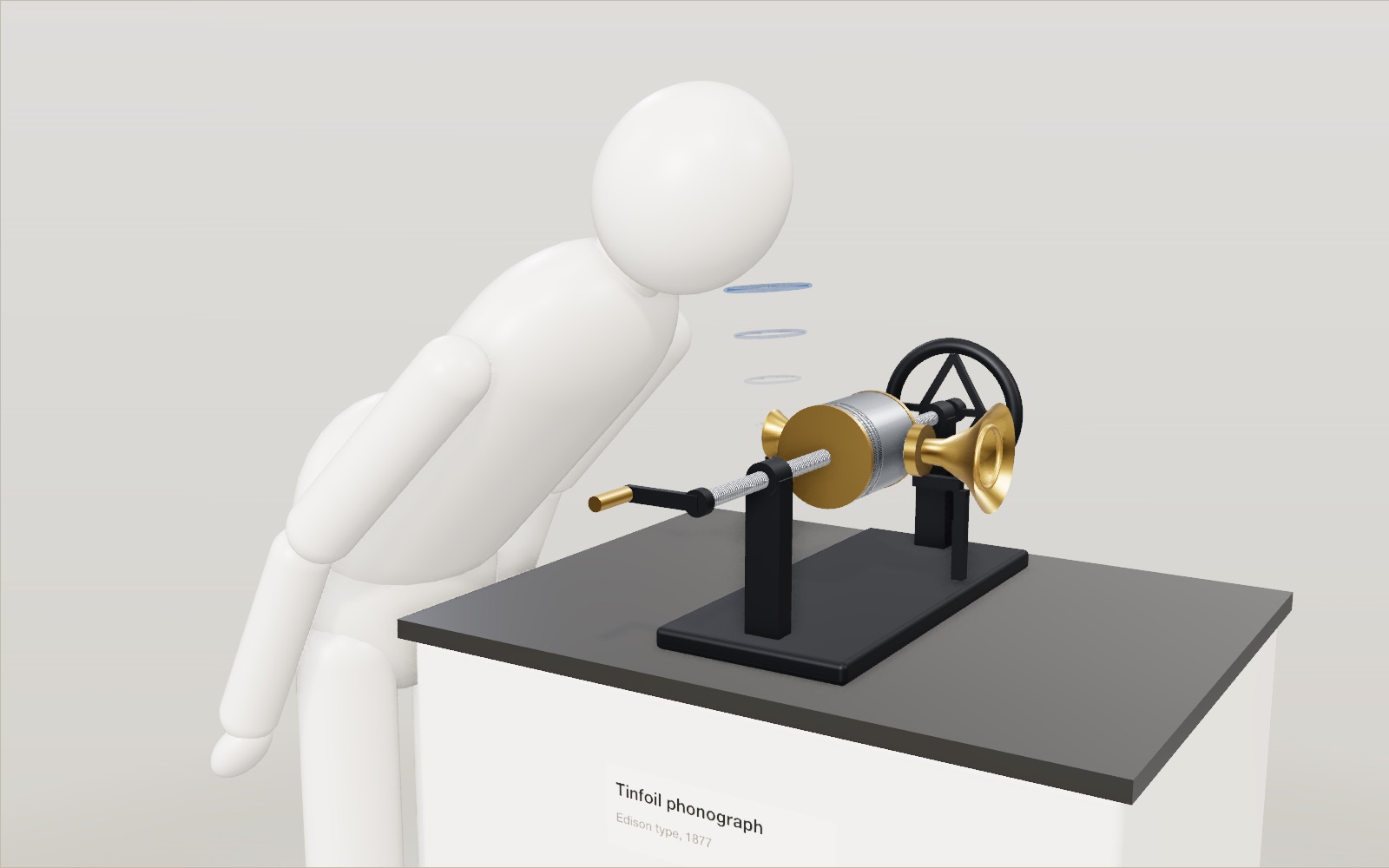
How a phonograph works: from tinfoil to cassette and CD
Edison's first phonograph cut a voice into tinfoil in 1877, and the same needle played it back from a groove 2.54 mm apart.