8 exhibitsCourses
The Earth: from the core to the sky
The planet under your feet, from the iron core through the oceans to the air above.
It starts at the centre of the Earth and works upwards: the moving crust, the sea and what lives in it, then snow and the colour of the sky.
The course starts at the centre of the planet, which nobody has reached, and works upwards. It goes through the moving crust and the earthquakes it causes, how buildings survive them, the tides and the deep sea, the life on a reef, and then the snow and the sky above.
Much of what these stops show is known indirectly: from earthquake waves passing through the Earth, from tide gauges and from instruments lowered into the sea. Each commentary says how the numbers were measured.
- 01
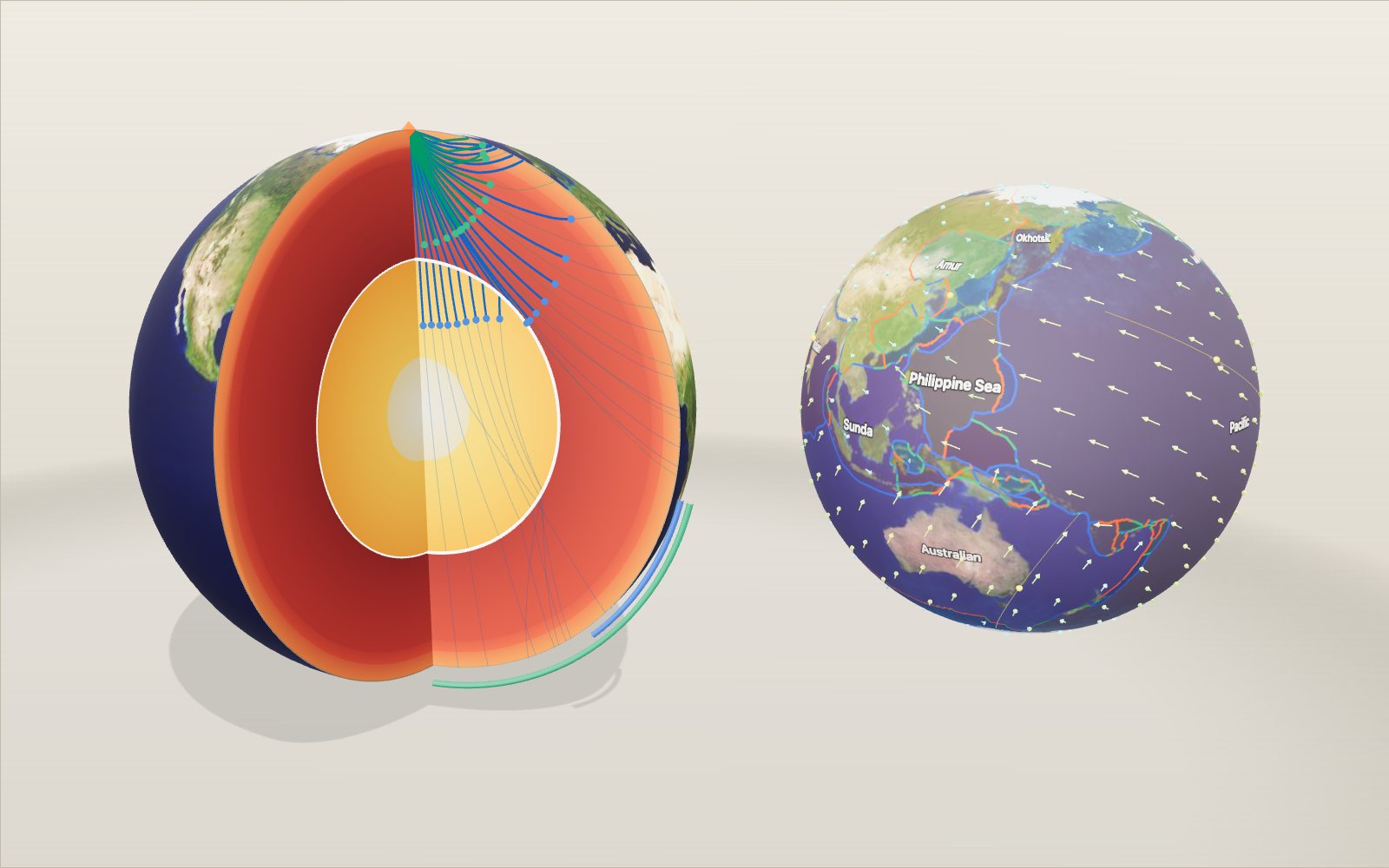 FIG. 06 · How It Works
Layers of the Earth: depth and density, interactive model
Nobody has drilled deeper than 12.3 km, yet we know the pressure at the centre to within a few per cent, because earthquakes shine through the planet.
Send an earthquake wave through the planet and see where it bends and where it stops.
- 02
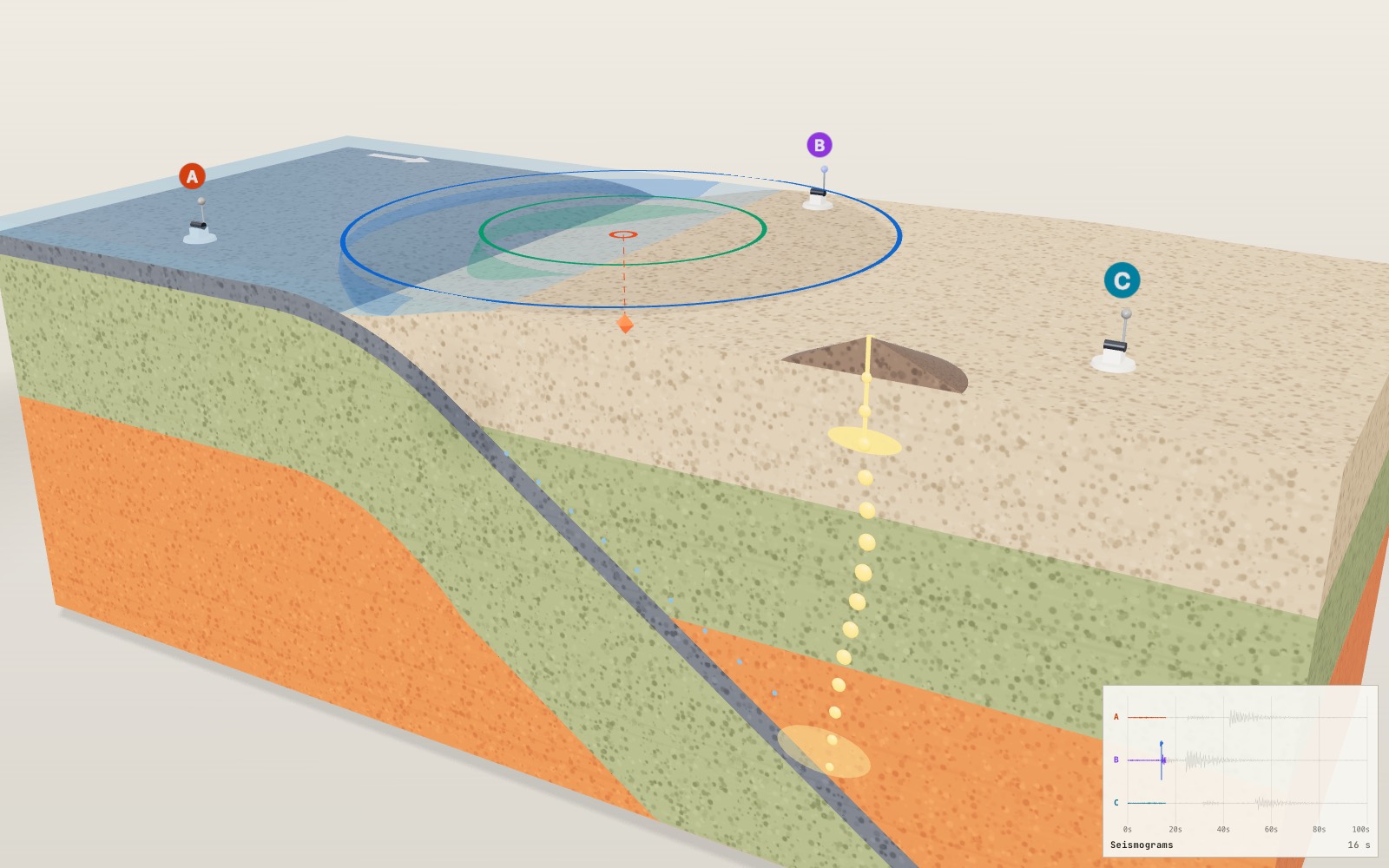 FIG. 37 · How It Works
Where volcanoes and earthquakes happen
For each second between the P wave and the S wave, the earthquake is roughly 8 km farther from the seismometer.
Move the epicentre and read the gap between the P and S waves at each station.
- 03
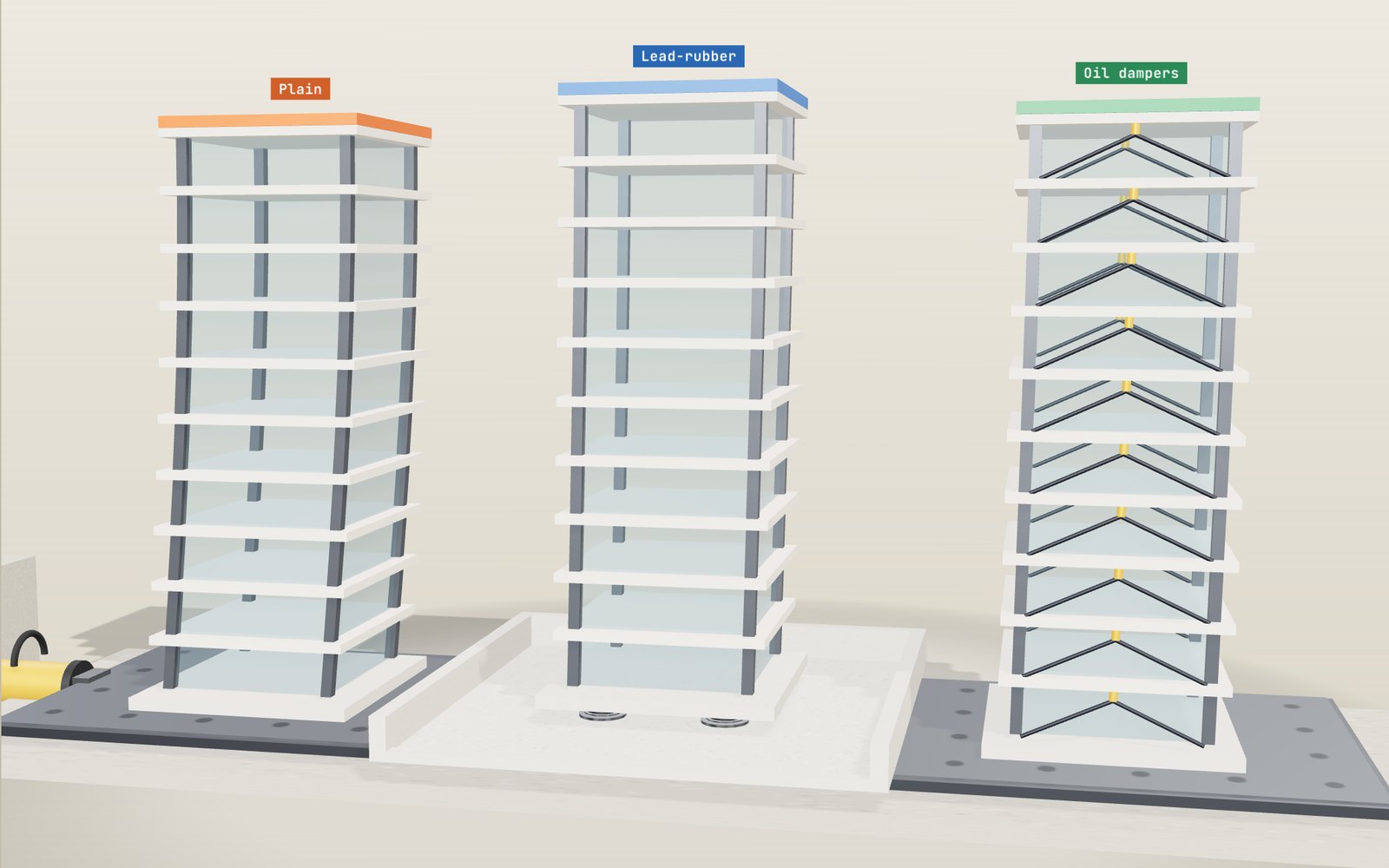 FIG. 48 · How It Works
How buildings resist earthquakes
Shake a six-storey model at 0.6 seconds, its own period, and its floors bend about 14 times more than at one second. Rubber bearings, dampers and braces each answer that in a different way.
Shake the building at its own period, then add rubber bearings and compare.
- 04
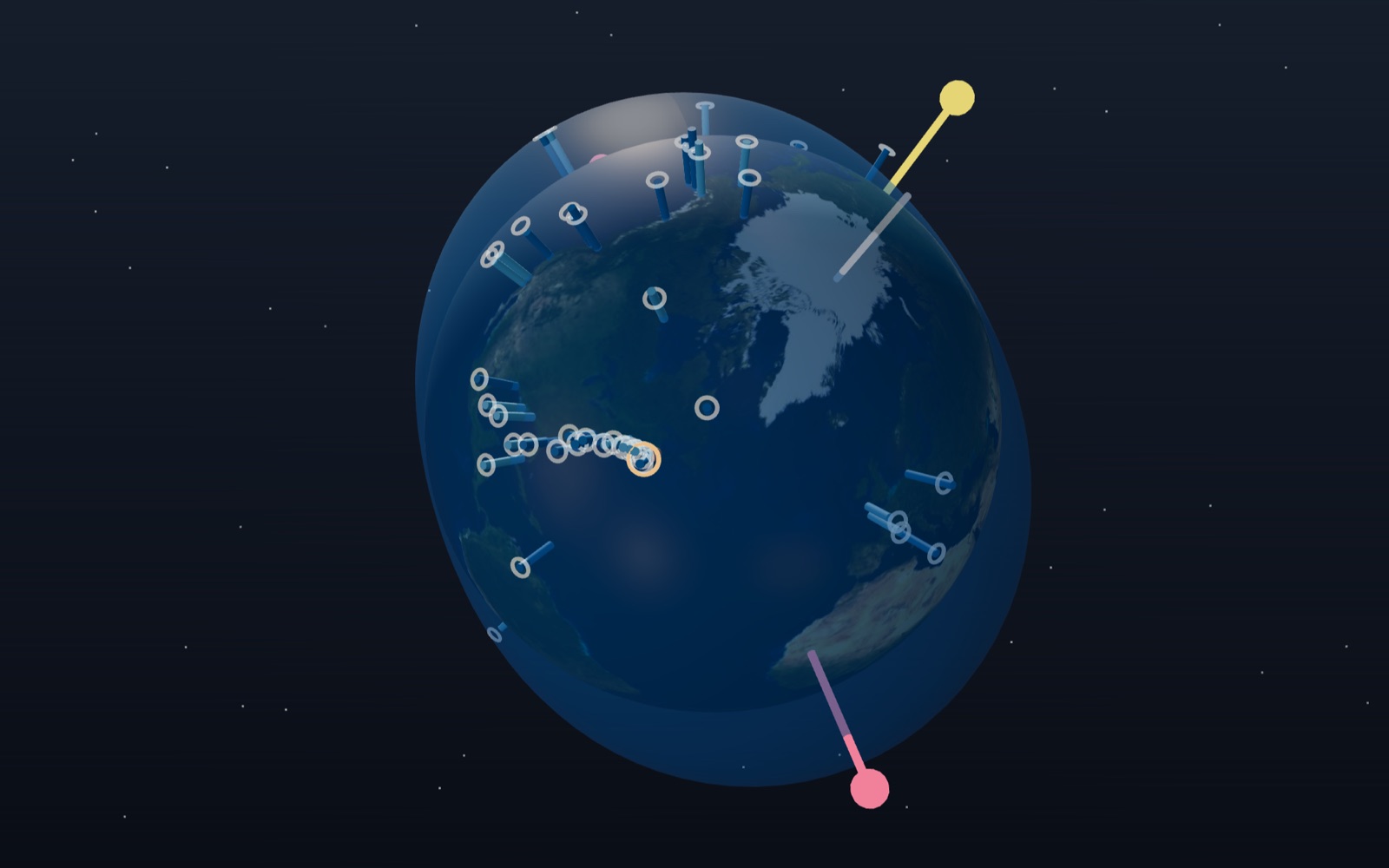 FIG. 25 · How It Works
How tides work
The Moon raises the sea on the side of the Earth facing it, so why is there a second high tide on the side facing away?
Line up the Sun and the Moon and compare a spring tide with a neap tide.
- 05
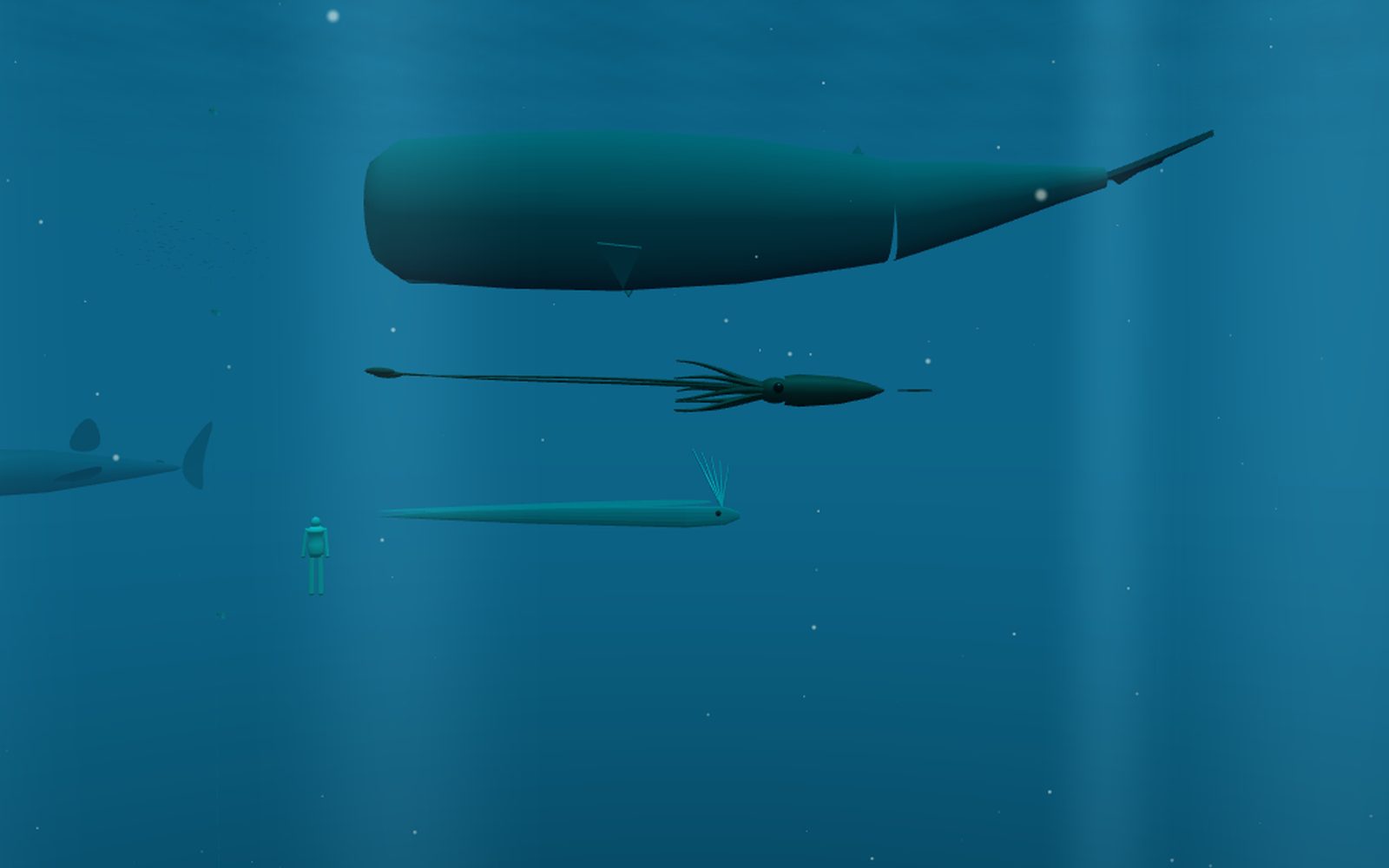 FIG. 53 · Walk-throughs
Swim to the bottom of the Mariana Trench in a 3D ocean
By 20 m down, almost all the red in sunlight has gone, and the Challenger Deep is another 10,900 m below that.
Go down to 1,000 m and read the pressure on every square centimetre.
- 06
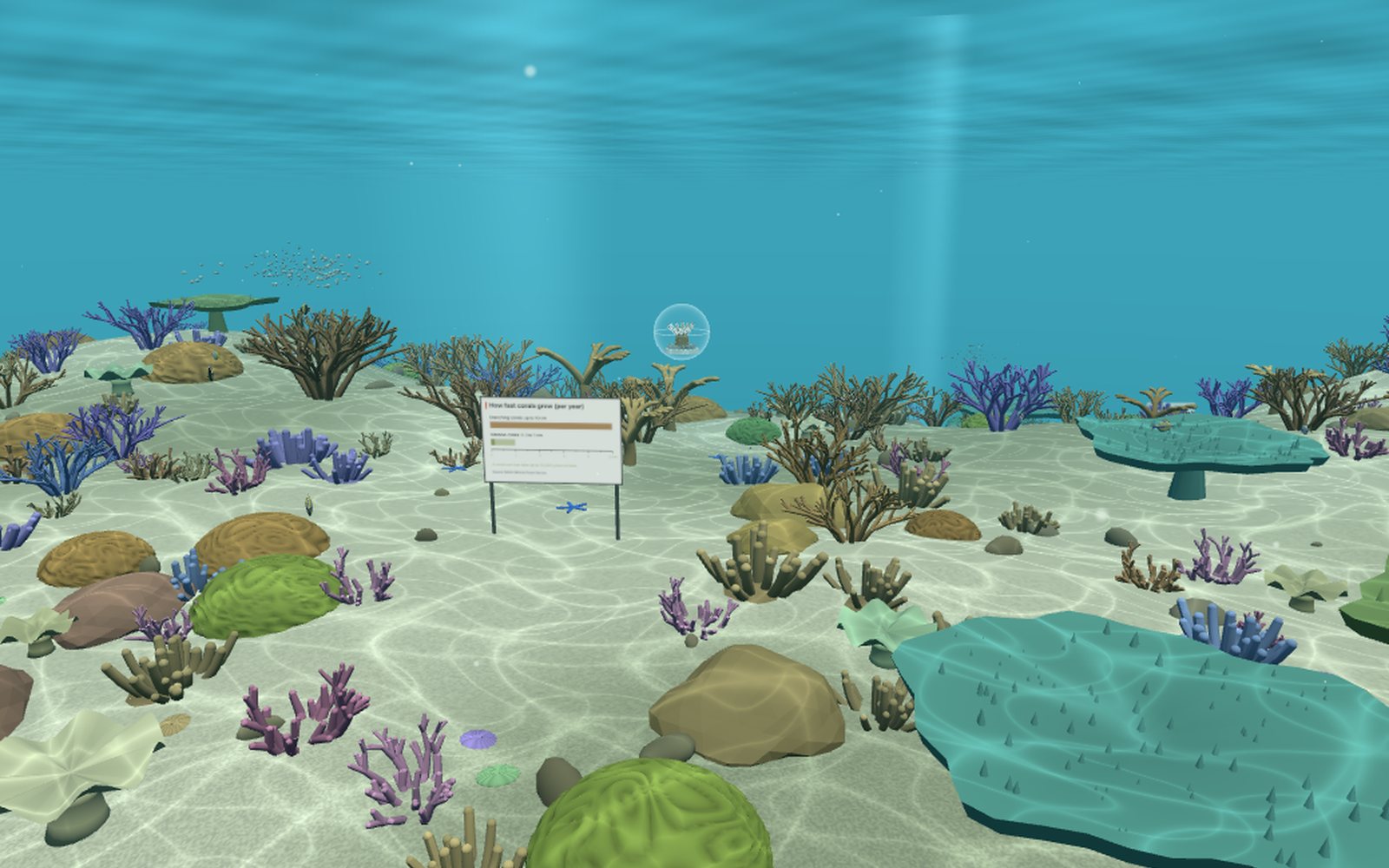 FIG. 70 · Walk-throughs
Coral bleaching causes: why warmer water turns reefs white
Corals get most of their food from algae living in their tissue, and when the sea stays more than 1 °C above its usual summer high for weeks, they lose those algae and turn white.
Hold the water 1 °C above the summer high and watch the reef bleach.
- 07
 FIG. 88 · Senses
Snowflake growth simulator: grow your own crystal
A snow crystal grown at −15 °C sprouts six branching arms, while one grown at −5 °C becomes a needle 2 mm long.
Grow one crystal at −15 °C and one at −5 °C and compare their shapes.
- 08
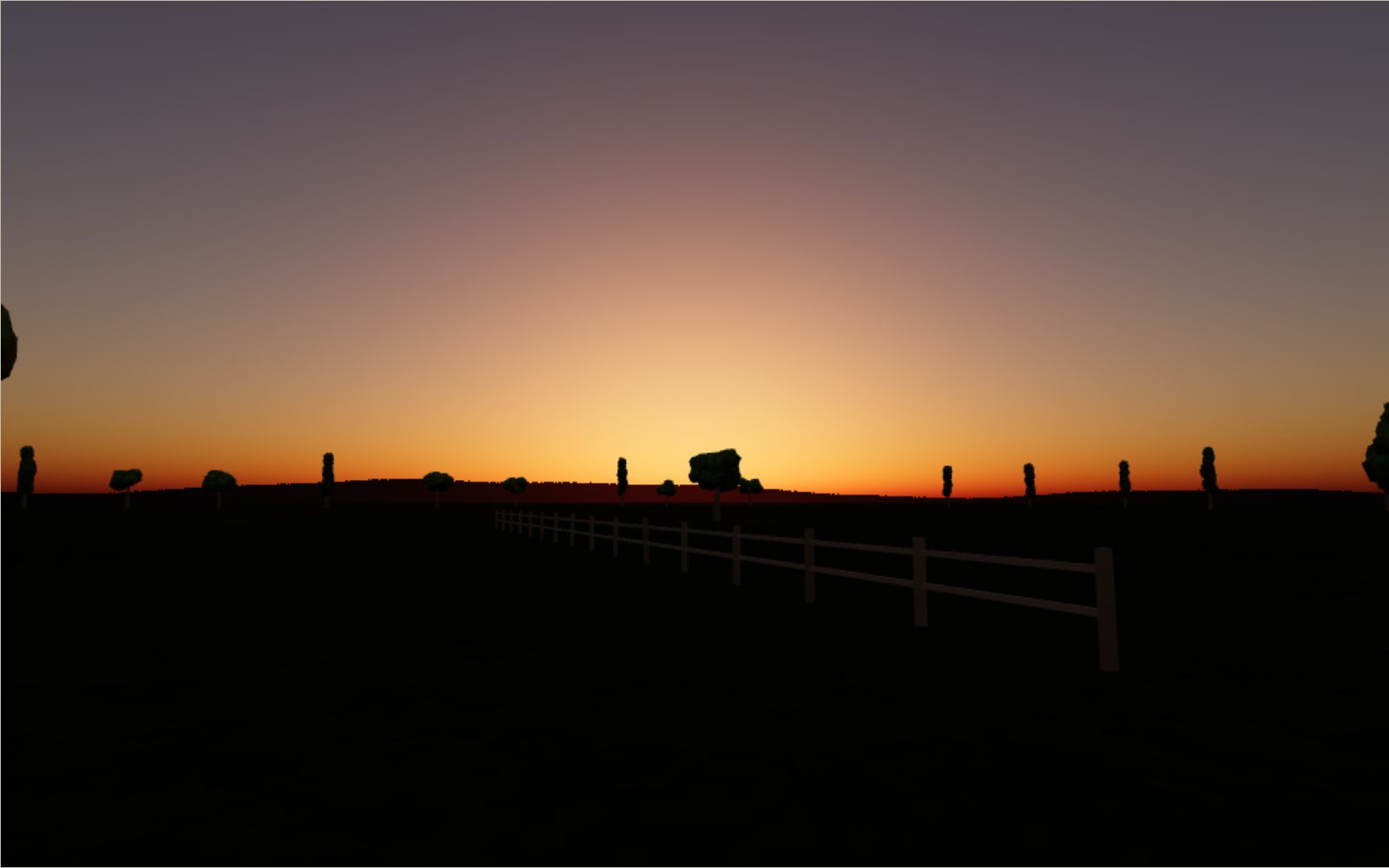 FIG. 83 · Senses
Why the sky is blue and sunsets are red
Air scatters 440 nm blue light about six times more strongly than 680 nm red, and a sun on the horizon shines through 35 times as much air as a sun overhead.
Move the Sun to the horizon and watch the sky turn orange.