6 exhibitsCourses
Measuring size, place and time
How big is it, where is it and what time is it? Six exhibits on the tools people use to answer, from a bank card to a sundial.
It starts with true size and powers of ten, then maps, then the sundial and the crystal lattice, and ends with the many ways people write.
Measuring begins with a plain question and a fixed unit. The first stop asks you to hold a real bank card to the screen so that every object appears at its true size. The second then shrinks and enlarges the scene by a factor of ten at a time, across 42 steps from the inside of a proton to the edge of the observable universe. After both, any number of metres feels less abstract.
The later stops measure place, time and pattern. A map has to flatten a ball, and every flat map distorts something. A sundial reads the time from a shadow, but in Seoul it can run about half an hour behind the clock. A crystal is a repeated unit measured in billionths of a metre, and a writing system is a way of measuring sound with marks. Compare how each tool decides what to keep and what to give up.
- 01
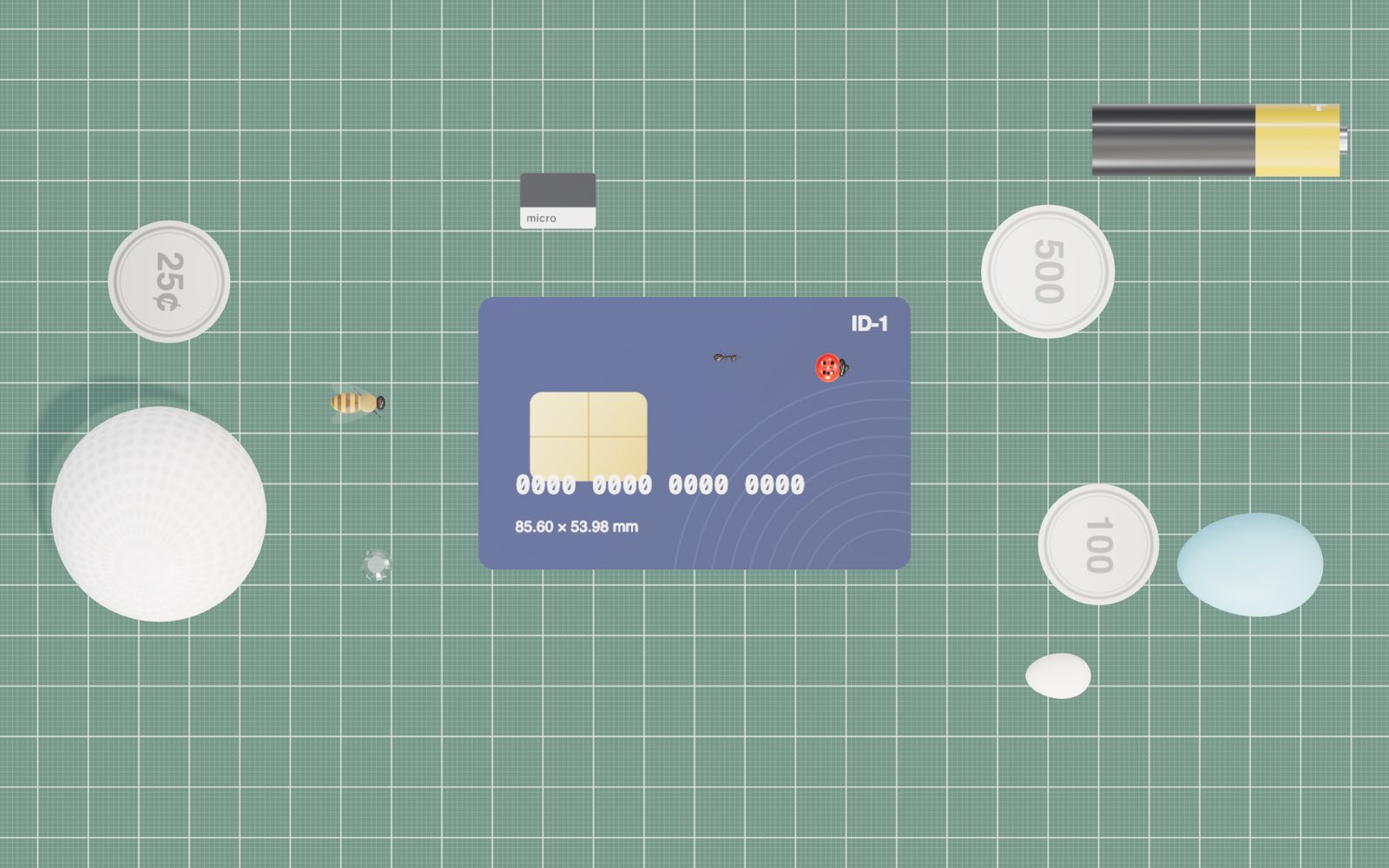 FIG. 22 · Senses
Actual size: see real objects at true scale on your screen
A T. rex tooth was about 30 cm long with its root, longer than most laptop screens are wide. A blue whale would take more than a hundred.
Set Screen scale until the Card outline matches a real bank card held to the screen, then compare objects at true size.
- 02
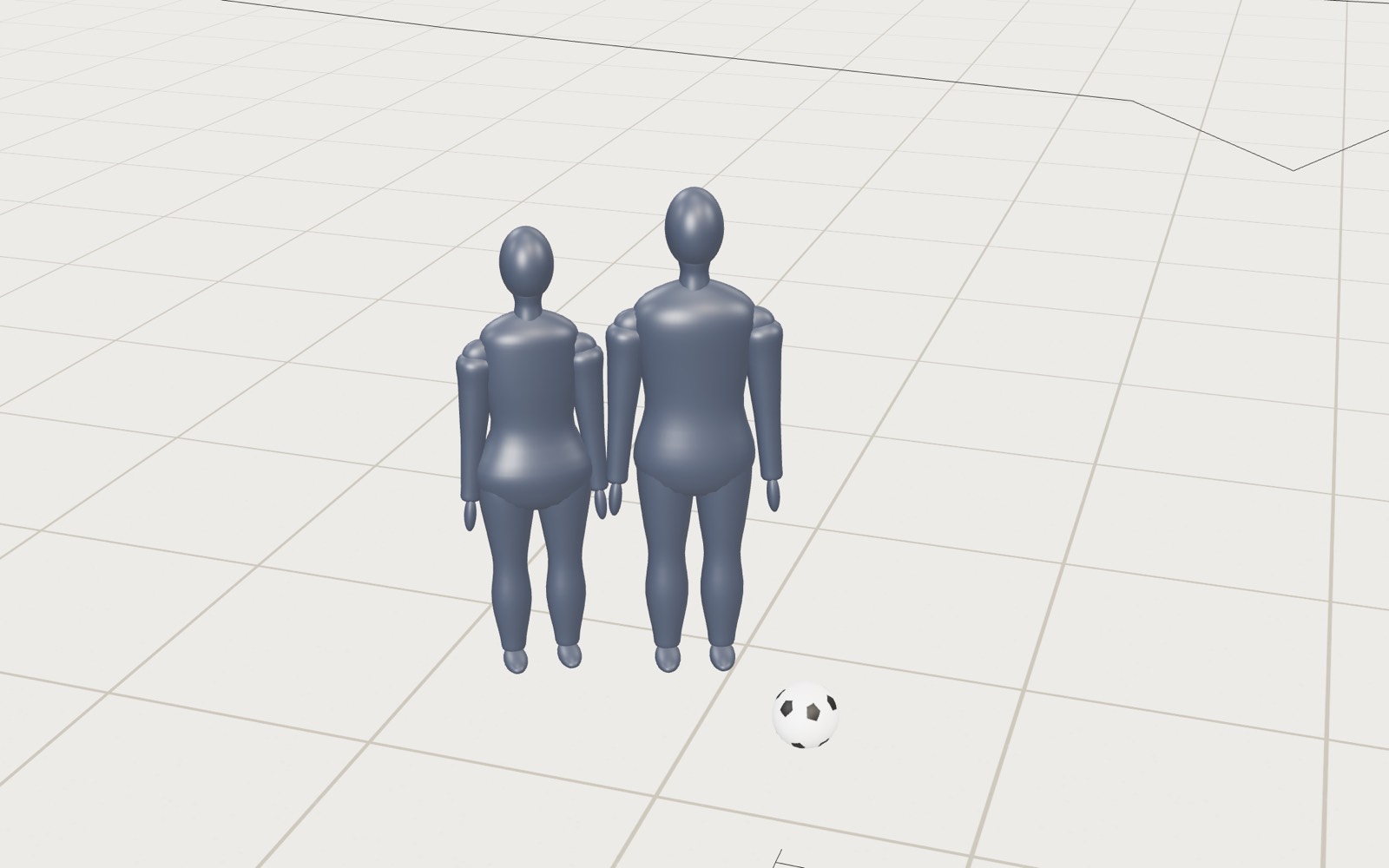 FIG. 29 · Senses
Powers of ten: from a proton to the observable universe
From inside a proton to the edge of the observable universe is 42 steps of ten.
Drag Power of ten from -15 up to 27 and cross 42 steps, from inside a proton to the edge of the universe.
- 03
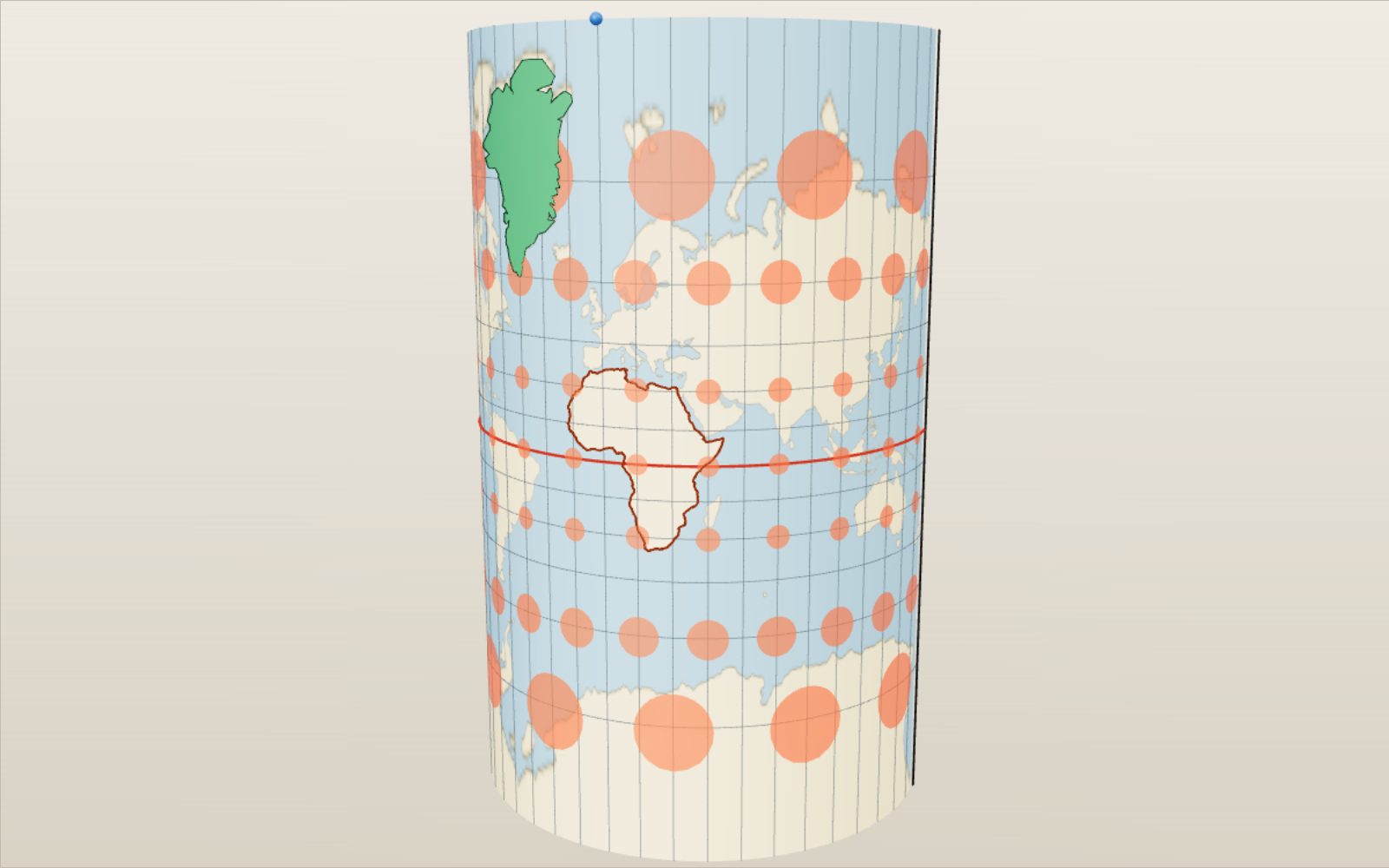 FIG. 31 · How It Works
Map projections: why Greenland looks as big as Africa
On a Mercator map Greenland looks bigger than Africa, which is in fact about 14 times larger.
Drag Globe to map, switch on Tissot circles and change Projection to see Greenland swell on a Mercator map.
- 04
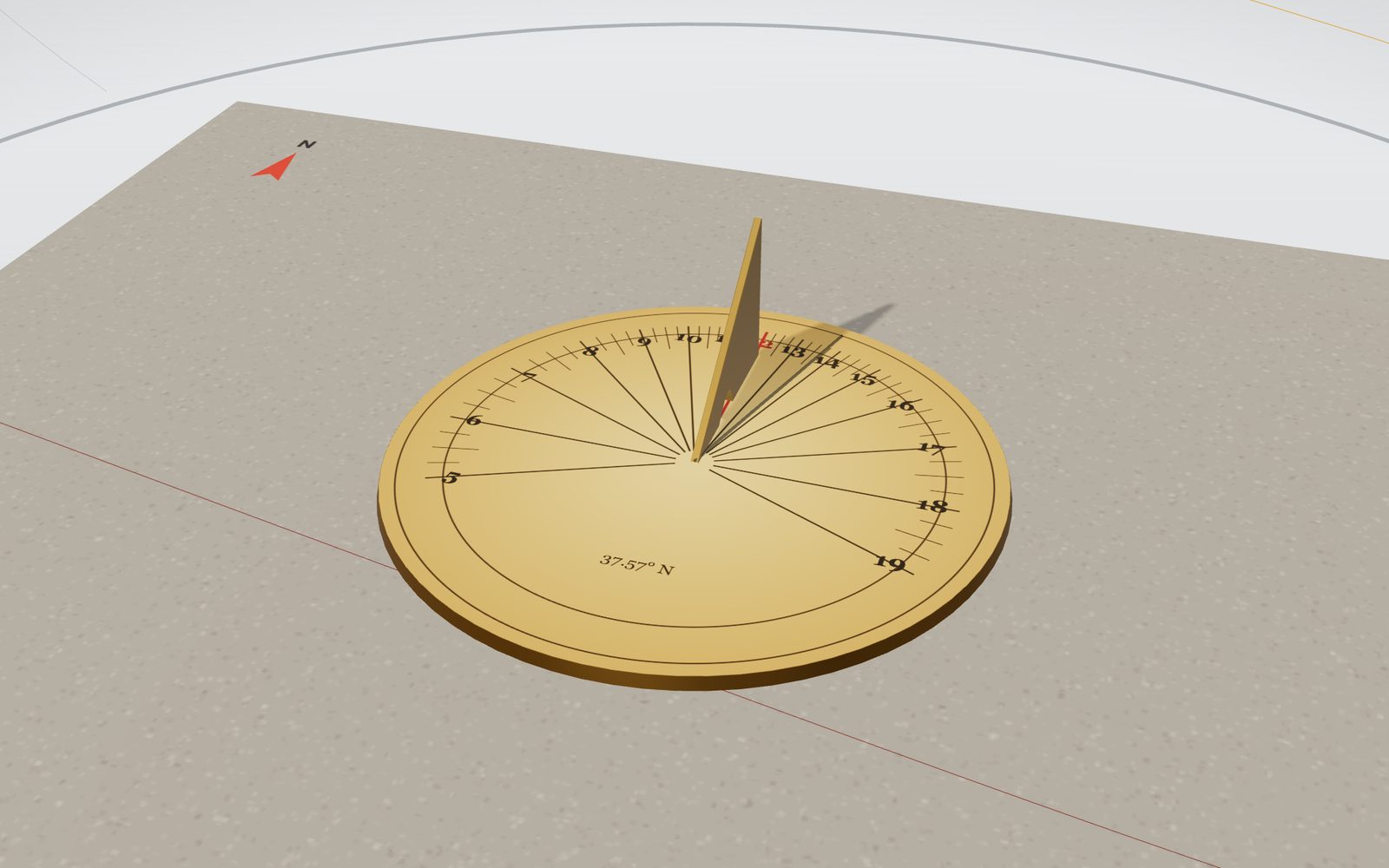 FIG. 28 · Senses
Sundial: interactive model, how to read the time
In Seoul a sundial reads about half an hour behind the clock, because the city lies 8° west of the meridian that sets Korean time.
Move Date and Clock time with Shadow-tip path on, and see the shadow trace a curve across the dial.
- 05
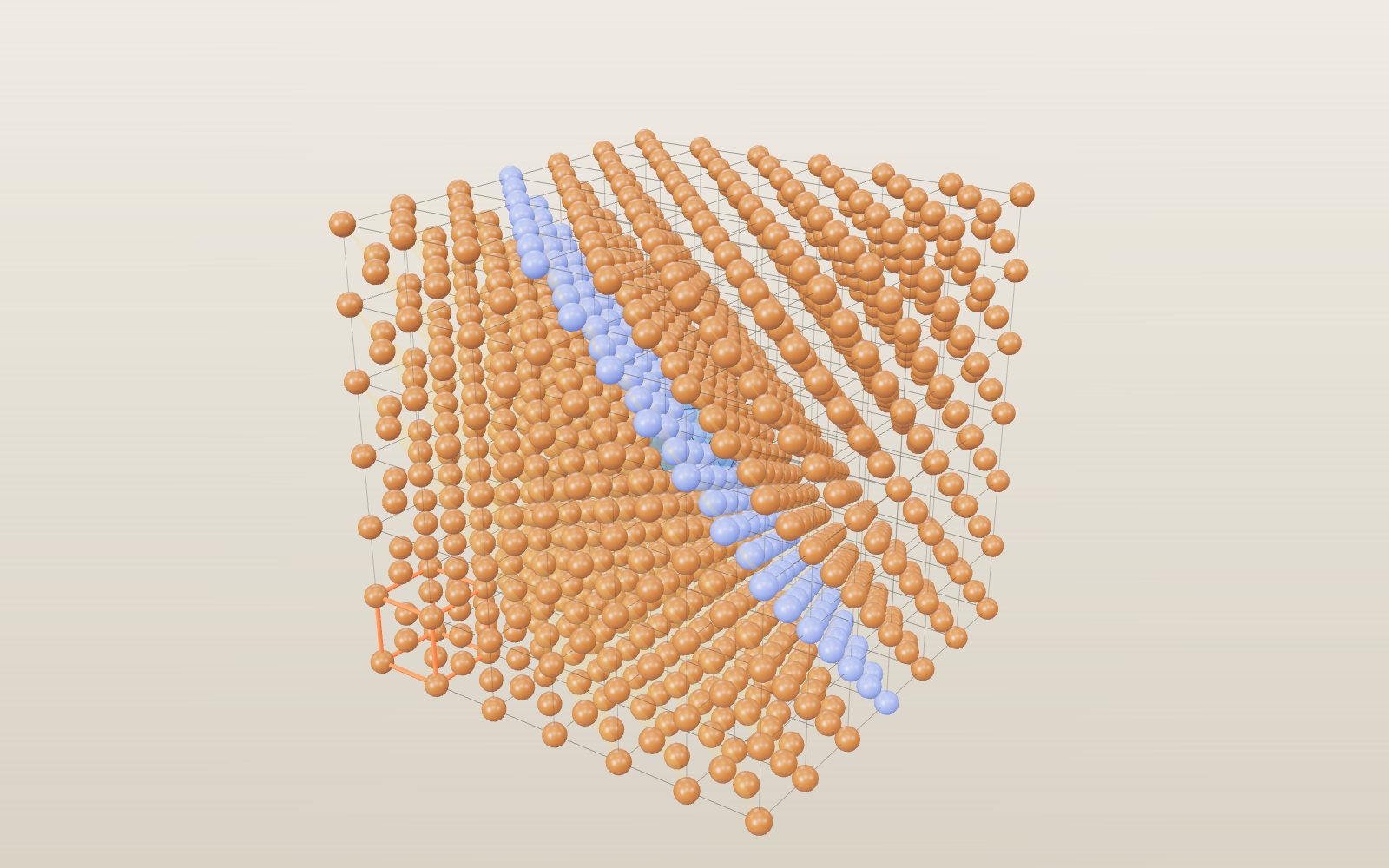 FIG. 33 · How It Works
Why salt forms cubes: crystal structure and unit cells
A grain of table salt is a stack of cubes 0.564 nm on a side, with sodium and chlorine alternating along every edge.
Choose table salt and raise Cells per edge to see sodium and chlorine alternate along every edge of the cube.
- 06
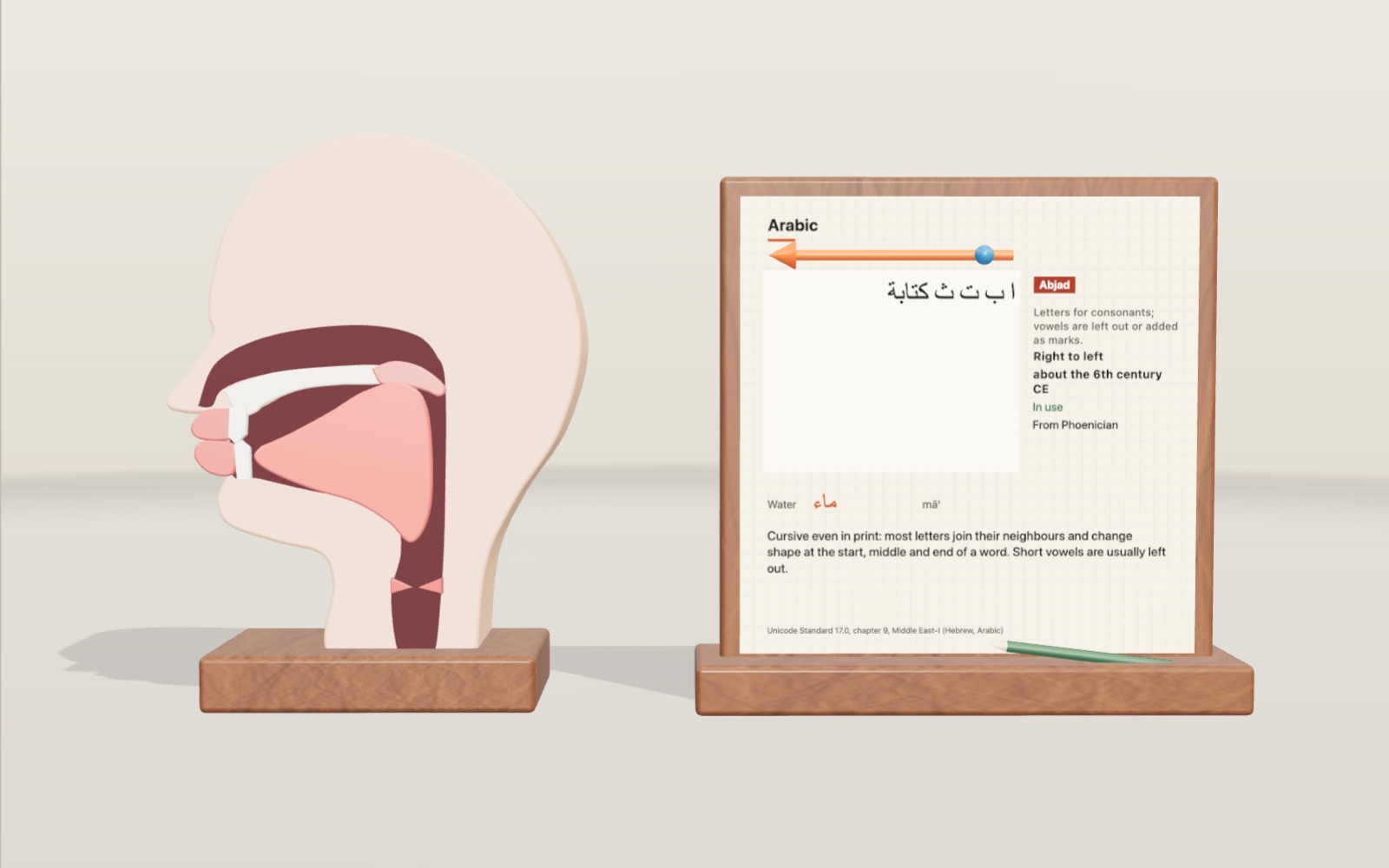 FIG. 18 · Follow Along
Writing systems of the world: Hangul and 22 more scripts
The 1446 book that announced Hangul says ㄱ draws the tongue root closing the throat. Here it stands beside 22 other scripts, from clay wedges to Braille.
Choose a Script and turn on Stroke numbers to watch each character drawn in order, with Hangul beside 22 other scripts.