126 exhibits
Free science simulations for teachers and students
Working 3D models you can put on a class page, sorted by subject.
The exhibits on Explorehall are working 3D models of machines, living things, the Earth and space. They are free to use in class. Students do not need an account and nothing has to be installed: each model runs in the web browser of a laptop, a Chromebook, a tablet or a phone.
Any exhibit below can sit inside your own page. Copy its code and paste it into a class website, a blog post or a learning platform that accepts HTML. The embedded model shows no ads. Under it stays a small link to the full exhibit, which has the written explanation, the sources and the questions.
Most models are simple enough for upper primary pupils to use, and the written explanations are aimed at secondary school students and adults. Try a model yourself before the lesson and pick the steps that fit what your class is studying.
Each code shows the model at full width and 560 pixels high, with the credit link under it. The exhibit pages offer two more sizes. Free for non-commercial use. Please keep the credit line.
Text and simulation: CC BY-NC-SA 4.0, except where noted.
Physics
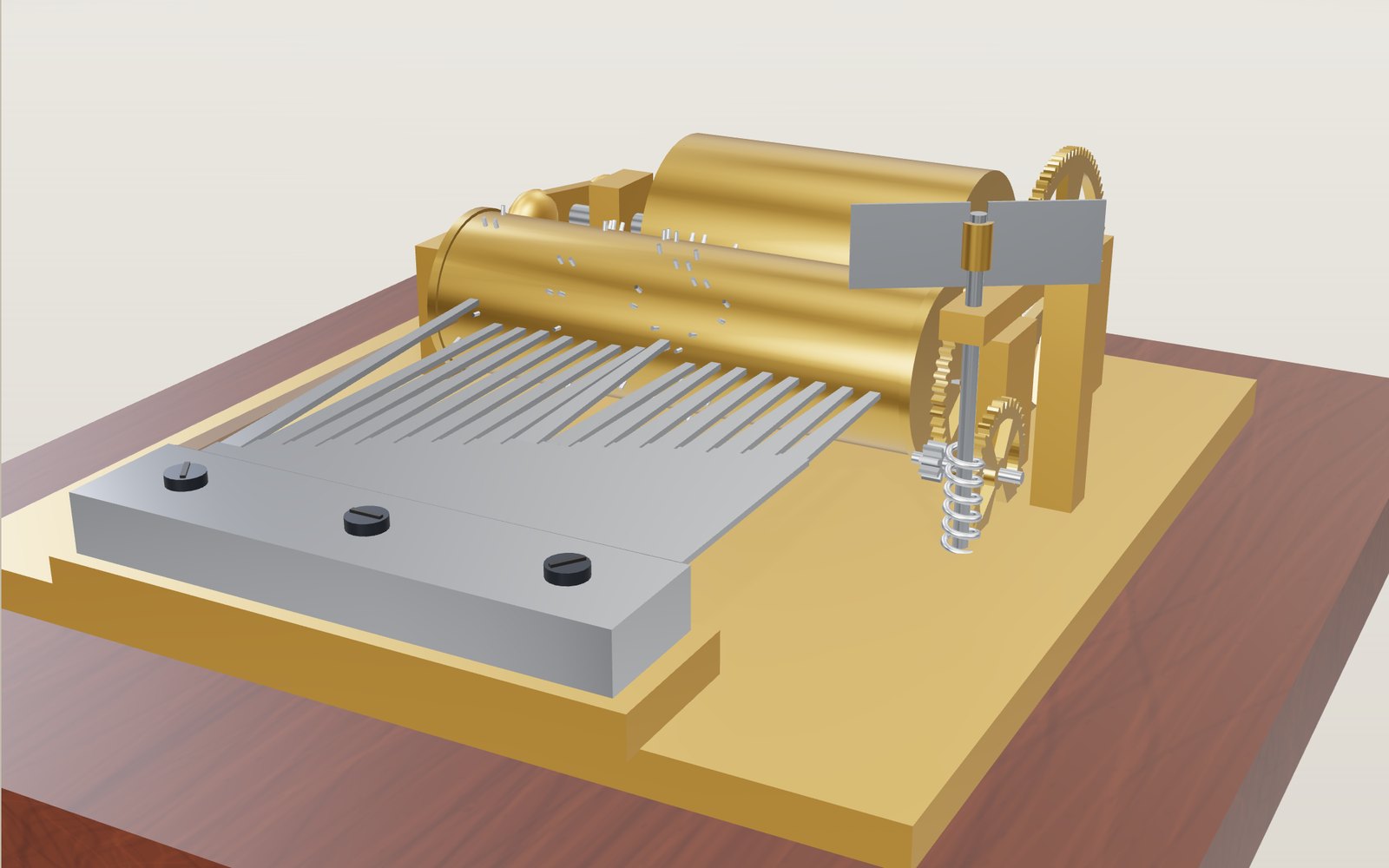
How a music box works
A steel tooth 30.6 mm long rings at 261.6 Hz, and cutting it to half that length would raise the note two octaves.
For lessons on Vibration, pitch, sound
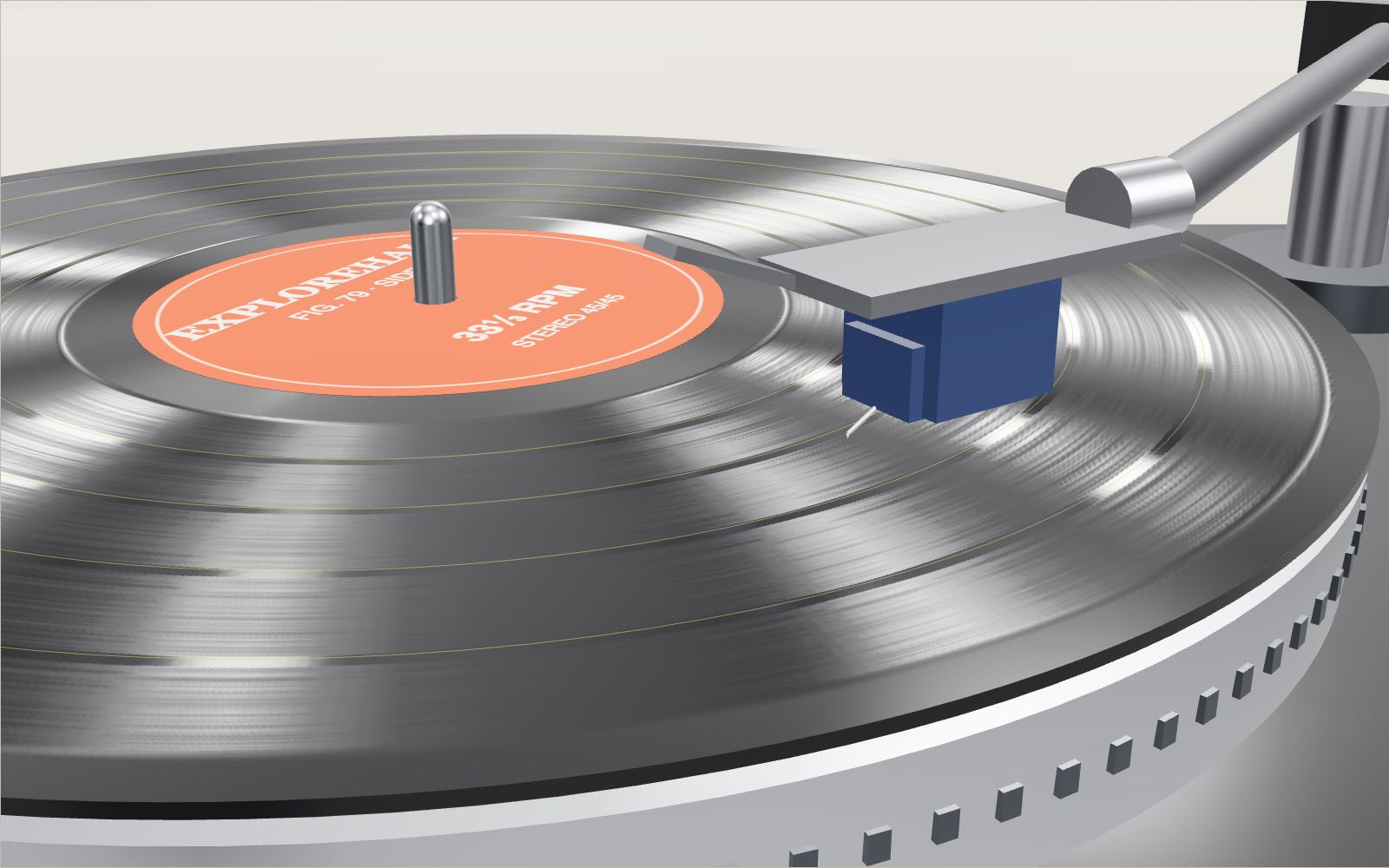
How does a vinyl record work? Grooves, stereo and RIAA
At the outer edge of an LP the groove slides under the stylus at half a metre per second, and by the last song it has slowed to 21 centimetres.
For lessons on Sound recording, vibration, stereo sound
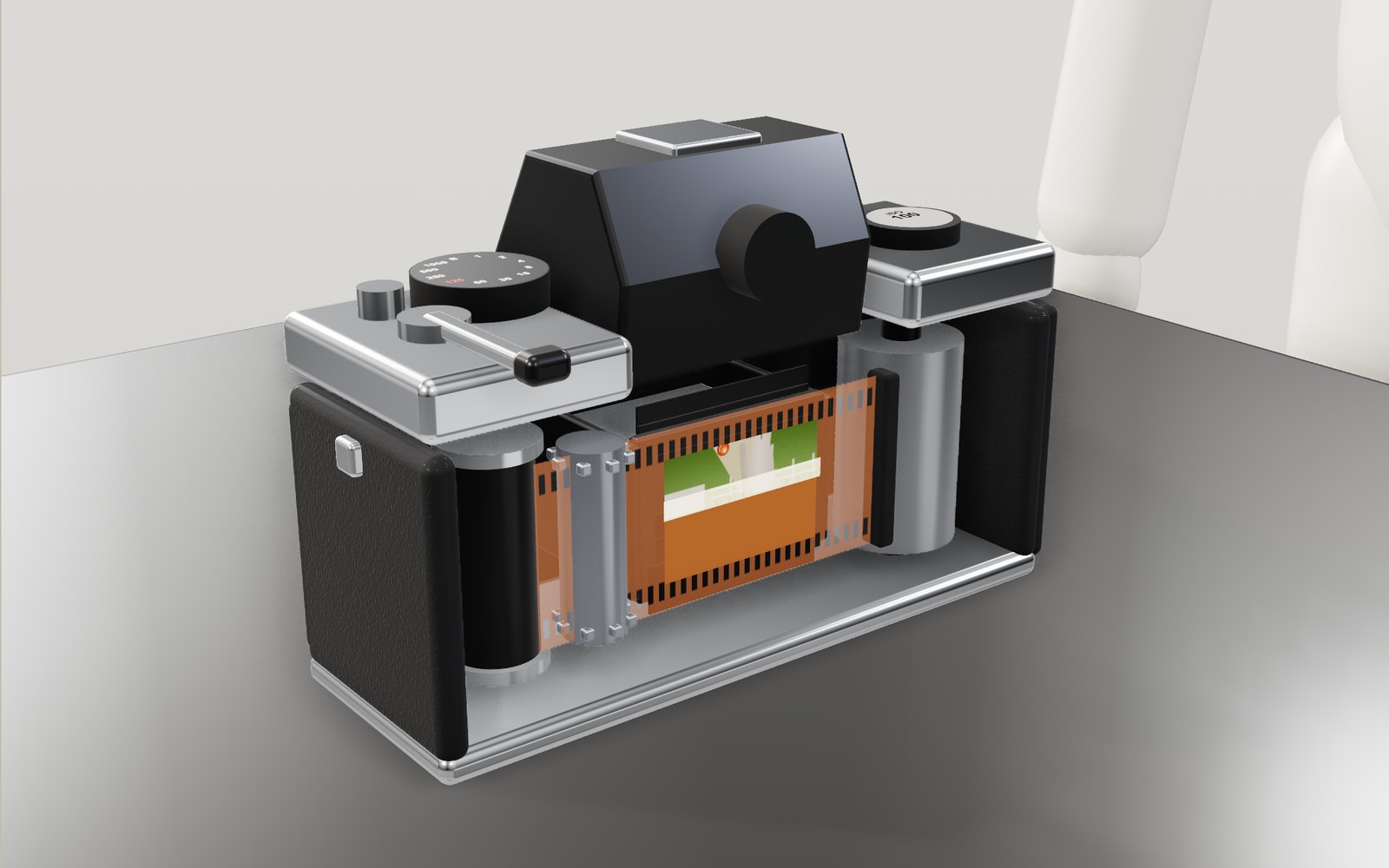
How film cameras and instant cameras work
At 1/1000 of a second a camera shutter never uncovers the whole frame at once: a narrow slit sweeps across the film instead.
For lessons on Lenses, light, image formation, photography
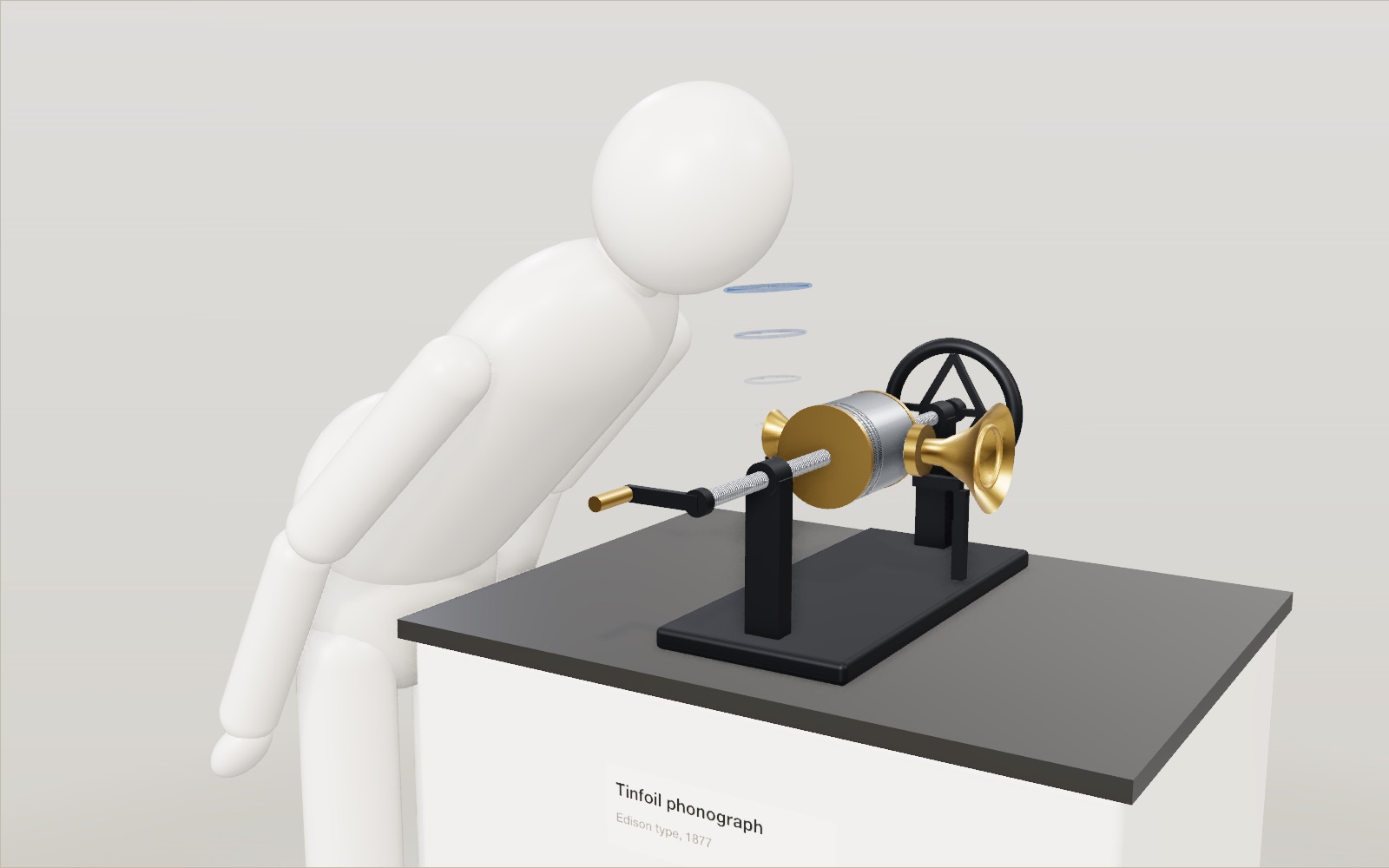
How a phonograph works: from tinfoil to cassette and CD
Edison's first phonograph cut a voice into tinfoil in 1877, and the same needle played it back from a groove 2.54 mm apart.
For lessons on Sound recording, vibration, the history of audio
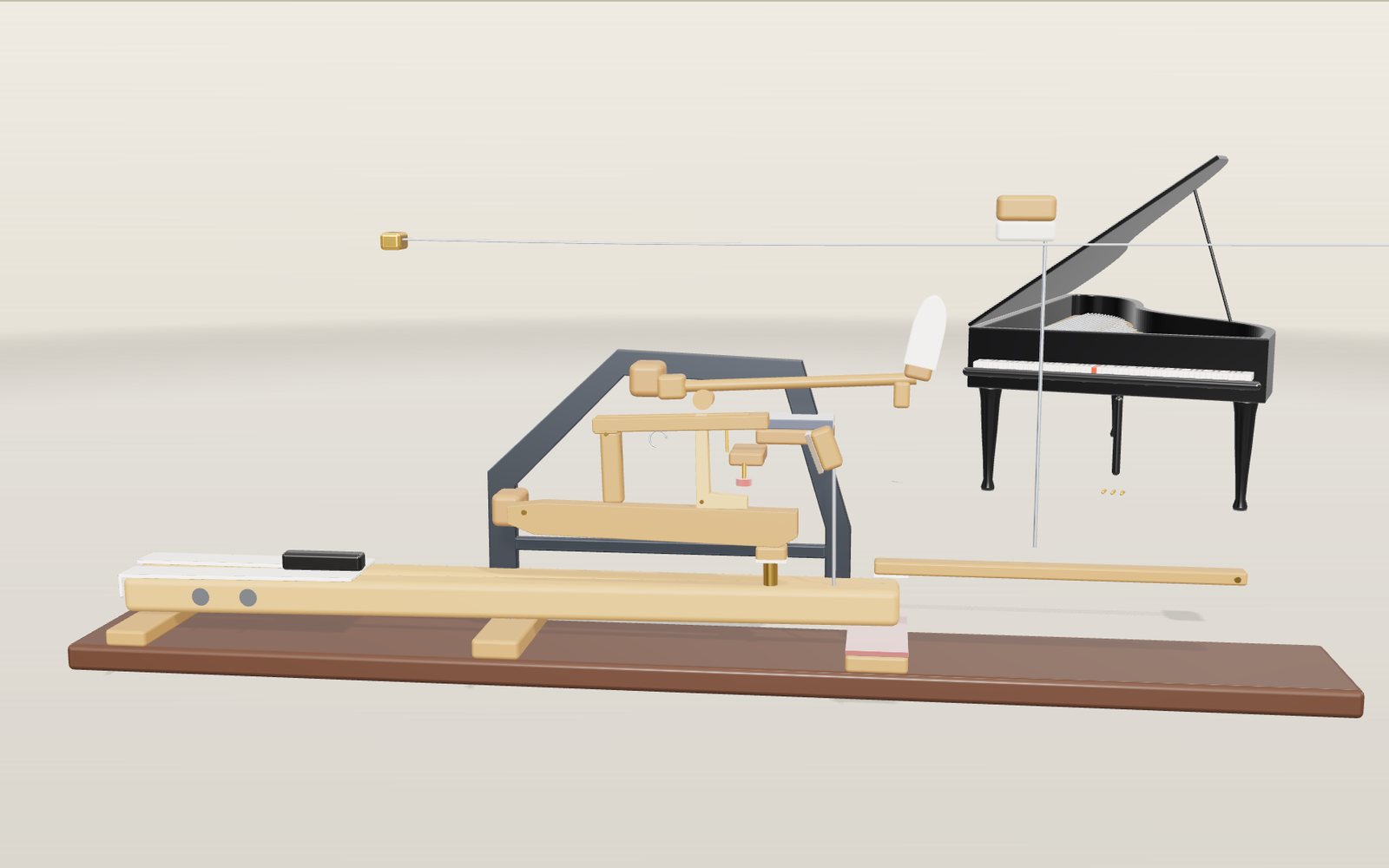
How a piano works: the grand action and equal temperament
Press a key 10 millimetres and a felt hammer flies to the string, hits it and falls away before it can stop the note.
For lessons on Vibrating strings, pitch, musical scales
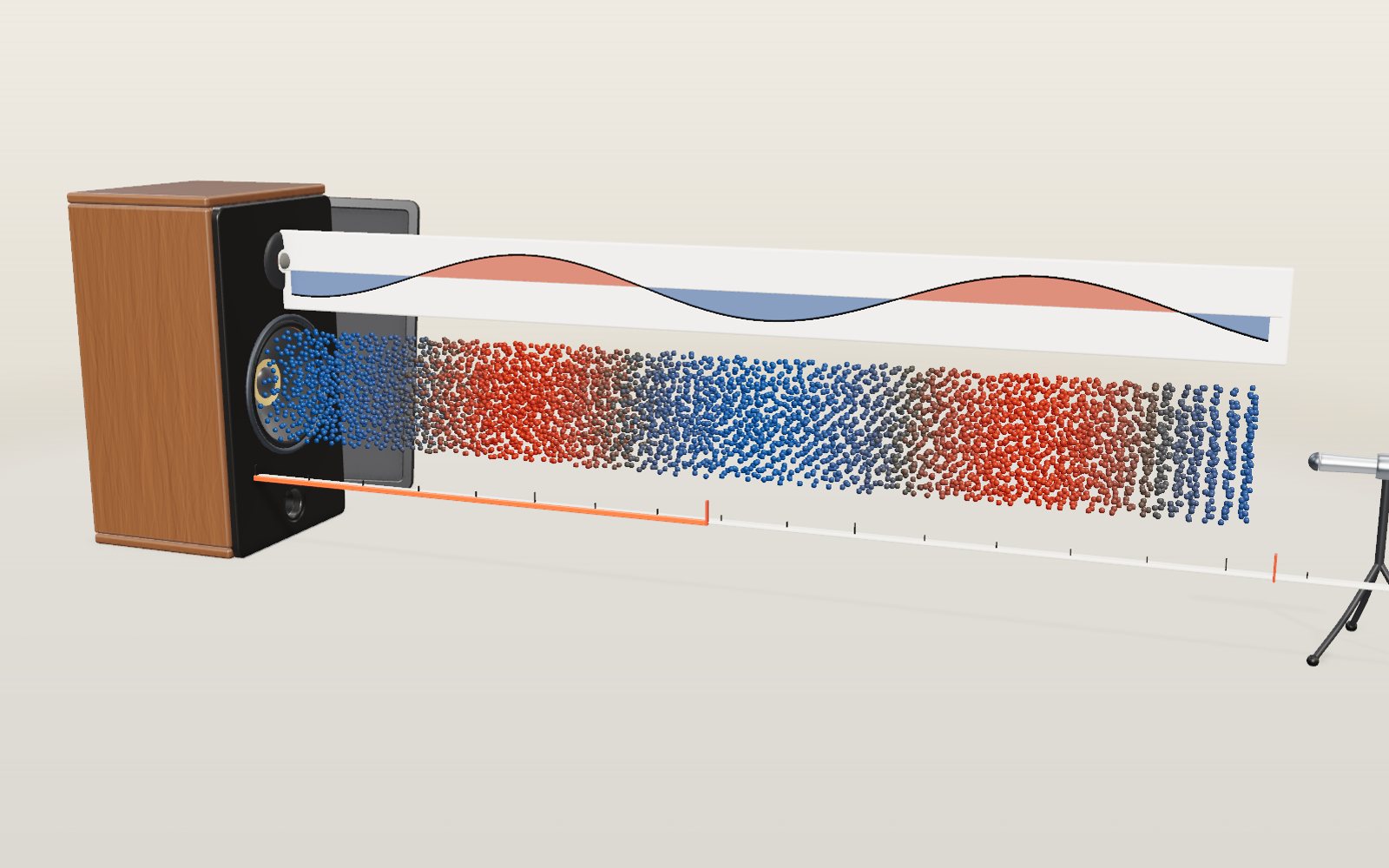
What sound looks like: sound waves, frequency and decibels
A 440 Hz tone packs the air into dense layers 78 centimetres apart, yet even at 94 dB each bit of air moves less than a thousandth of a millimetre.
For lessons on Sound waves, frequency, amplitude, decibels
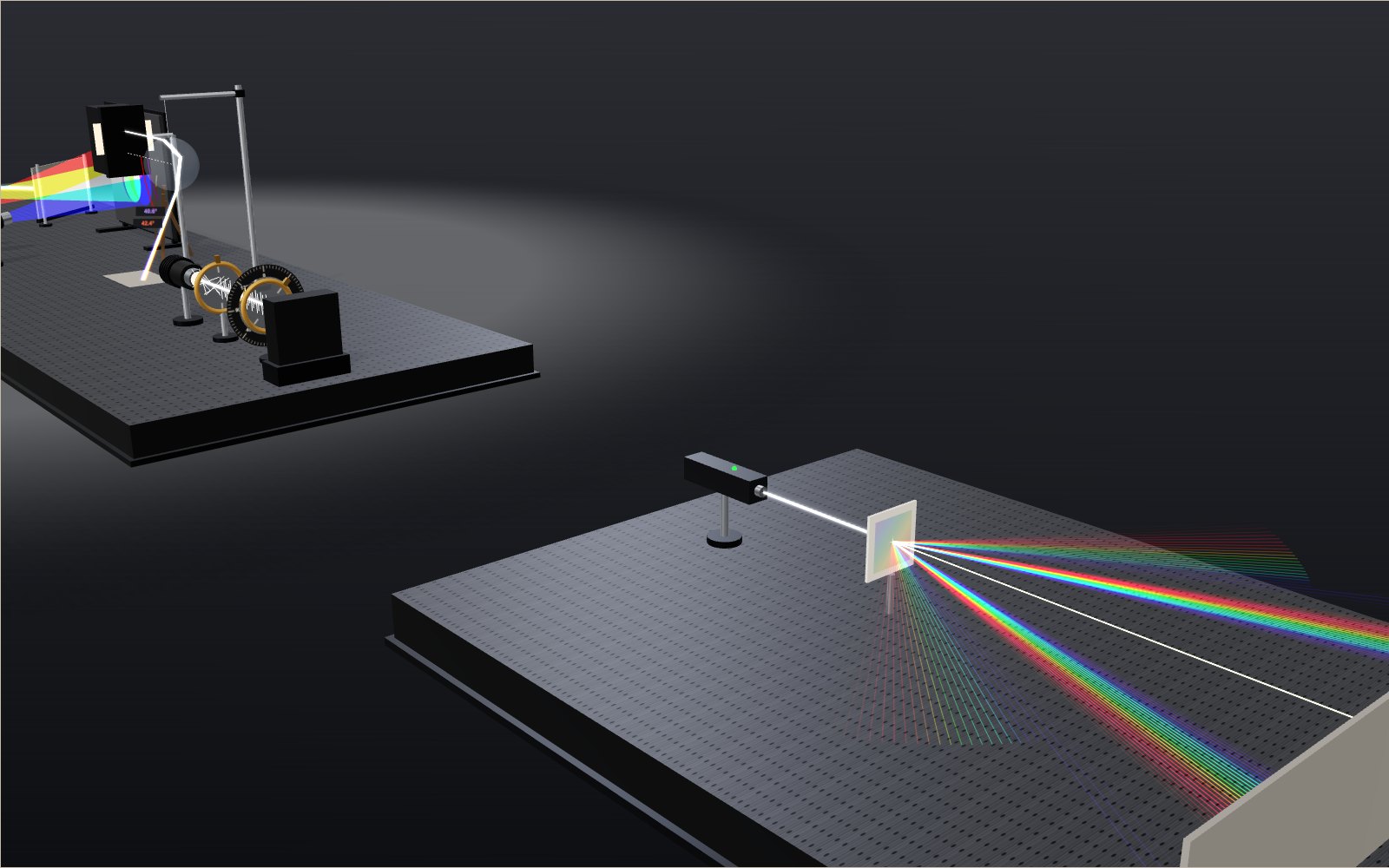
Light and colour, from prisms to polarisers
A glass prism bends violet light about 1.6 degrees more than red, and that small gap is all it takes to spread white light into a spectrum.
For lessons on Light, colour, prisms, polarisation
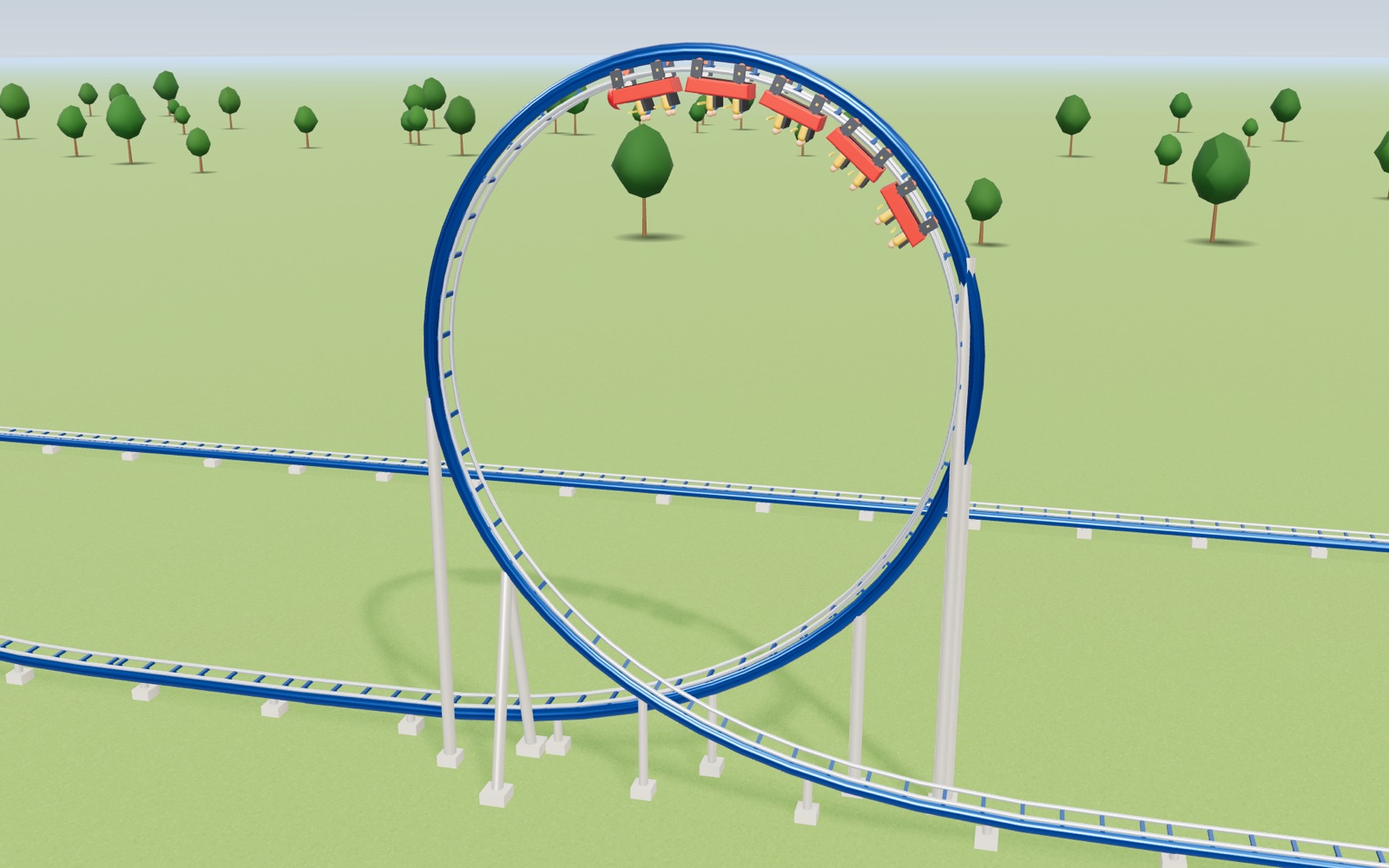
Roller coaster physics: how a coaster works, ride it in 3D
A train that creeps over a 42 m lift hill at 3 m/s is doing 99 km/h at the bottom, and nothing but gravity has pushed it.
For lessons on Potential and kinetic energy, gravity, friction
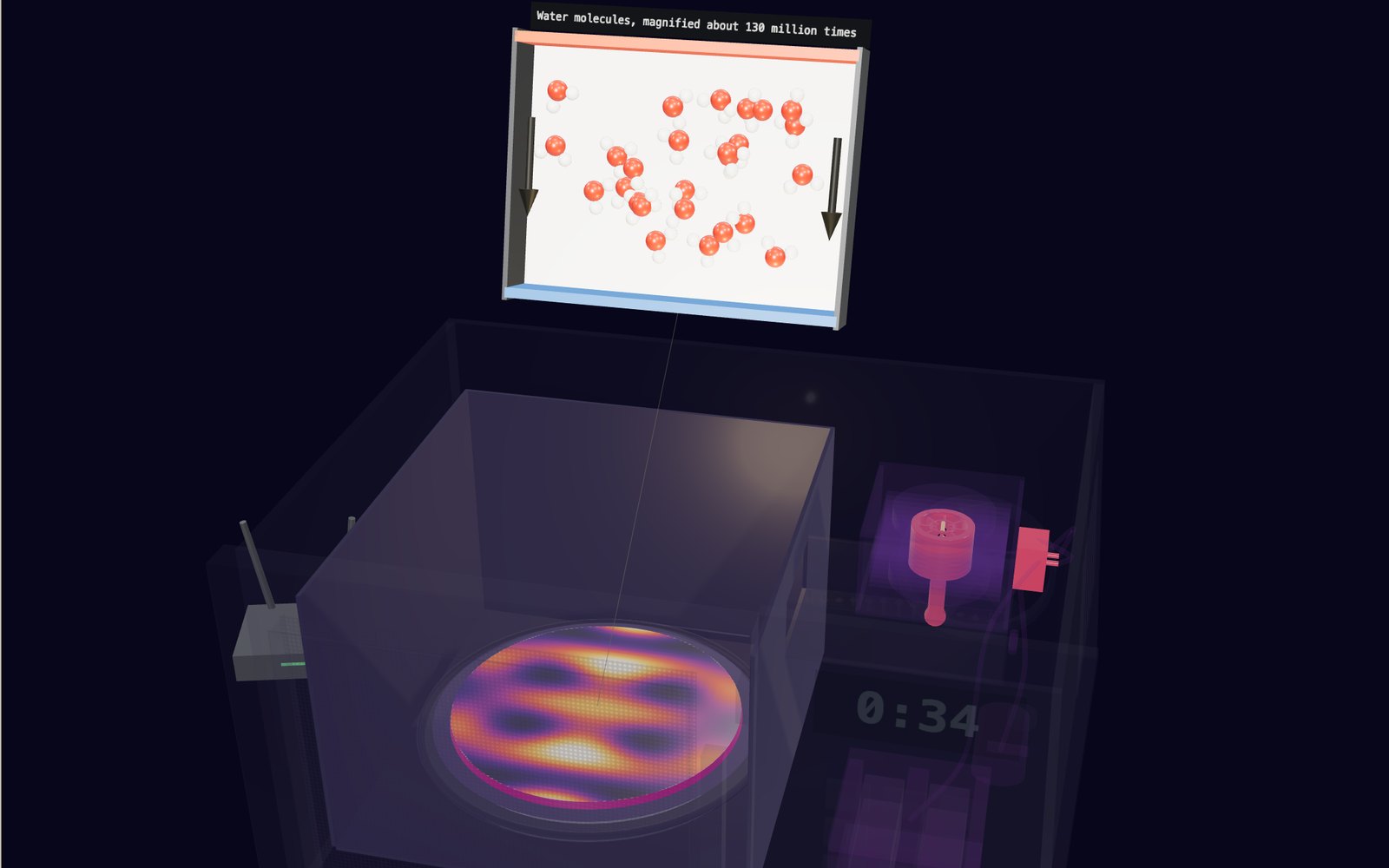
How a microwave oven works: the magnetron that makes the waves
The waves inside a microwave oven are 12.2 cm long, so without a turntable the hot spots in your food sit about 6 cm apart.
For lessons on Electromagnetic waves, microwaves, heating
How a touchscreen works: how the glass finds your finger
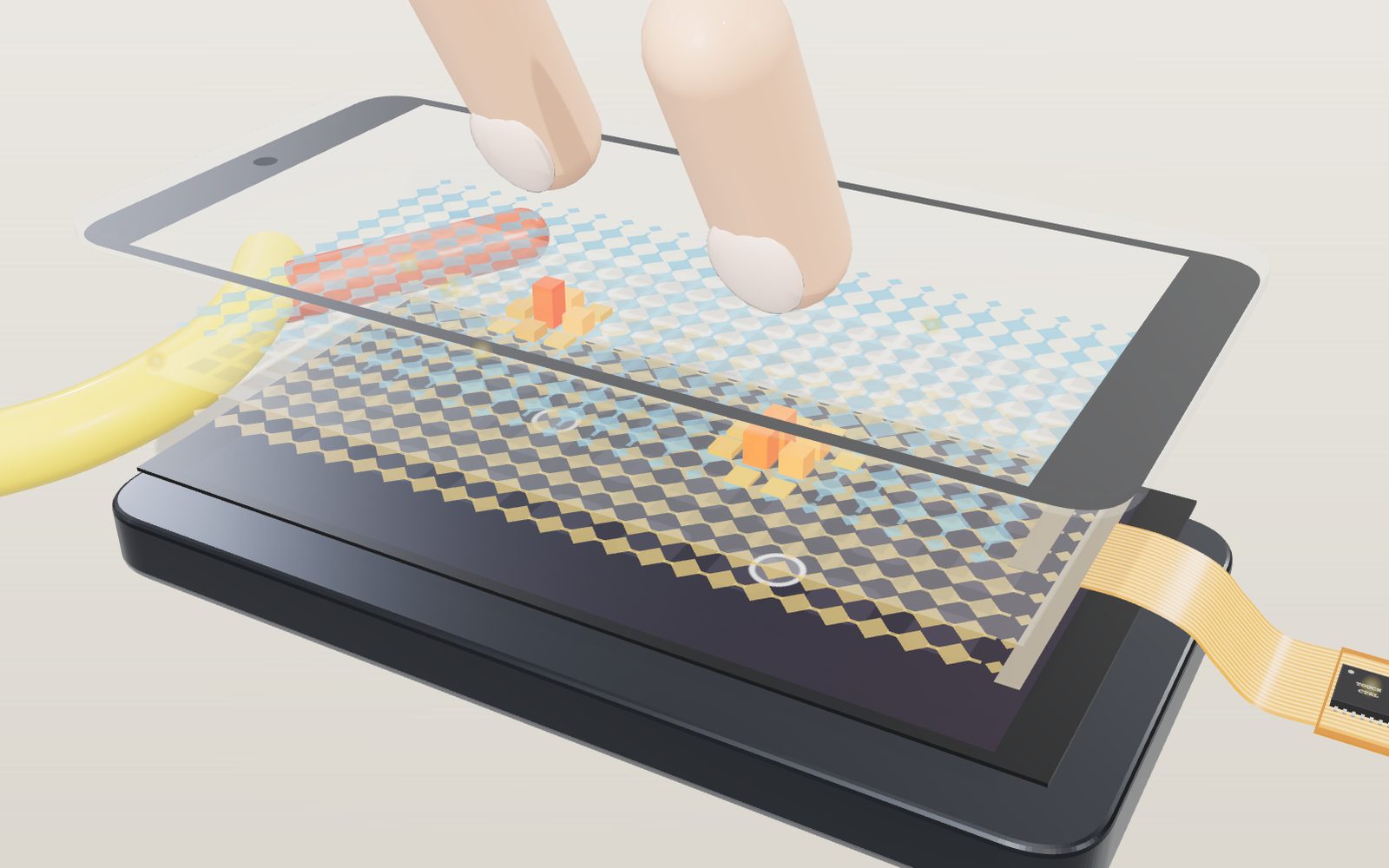
Under the glass of a phone lies a grid of transparent electrodes, and your finger shows up as a small dip in the charge passing between them.
For lessons on Capacitance, electric fields, sensors
Why the sky is blue and sunsets are red
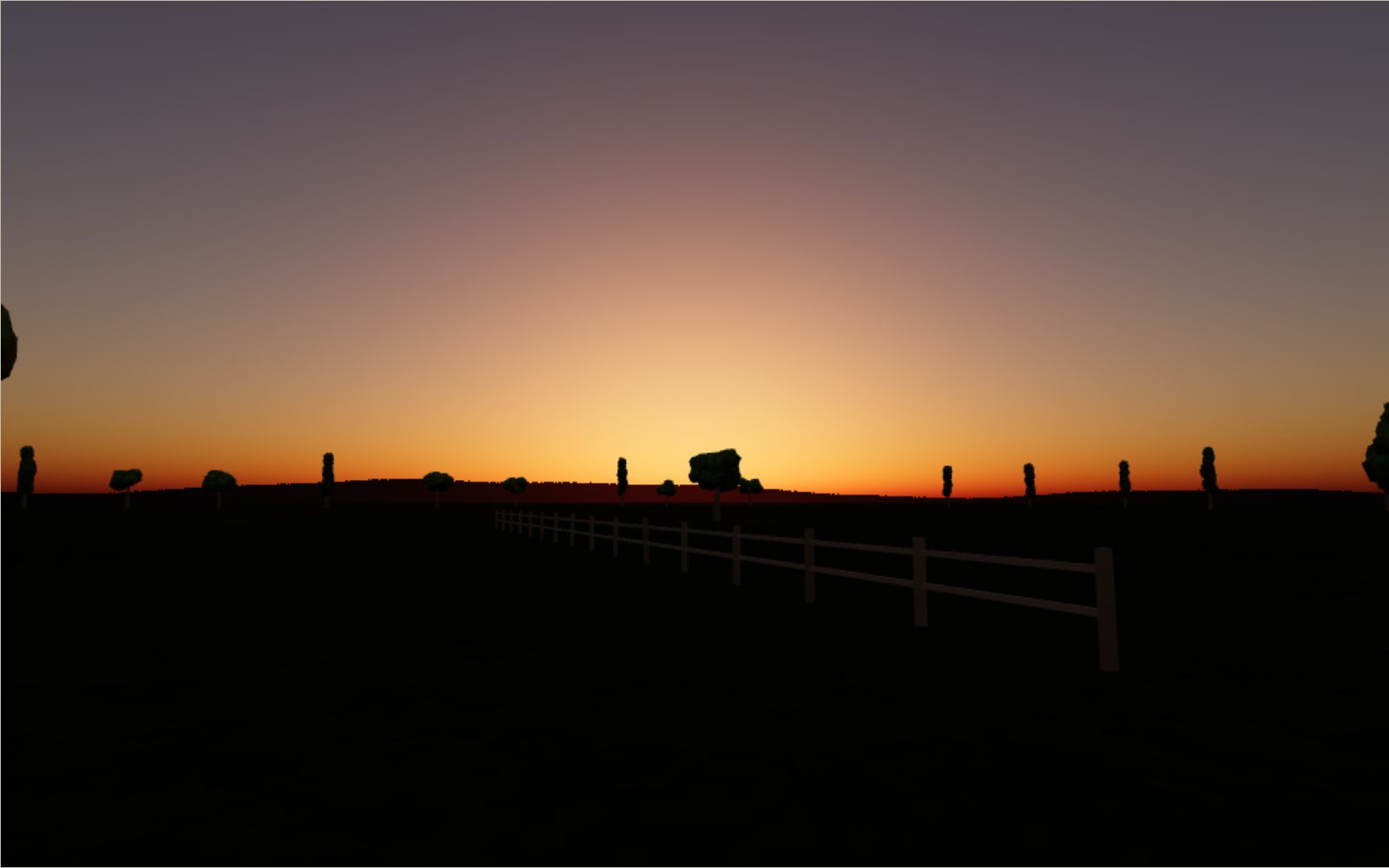
Air scatters 440 nm blue light about six times more strongly than 680 nm red, and a sun on the horizon shines through 35 times as much air as a sun overhead.
For lessons on Scattering of light, the atmosphere, colour
How do bats see with sound? Echolocation explained
An echo from a moth 1 m away comes back to a bat in under 6 thousandths of a second, and that delay is how the bat knows the distance.
For lessons on Sound waves, echoes, animal senses
How lightning and thunder work
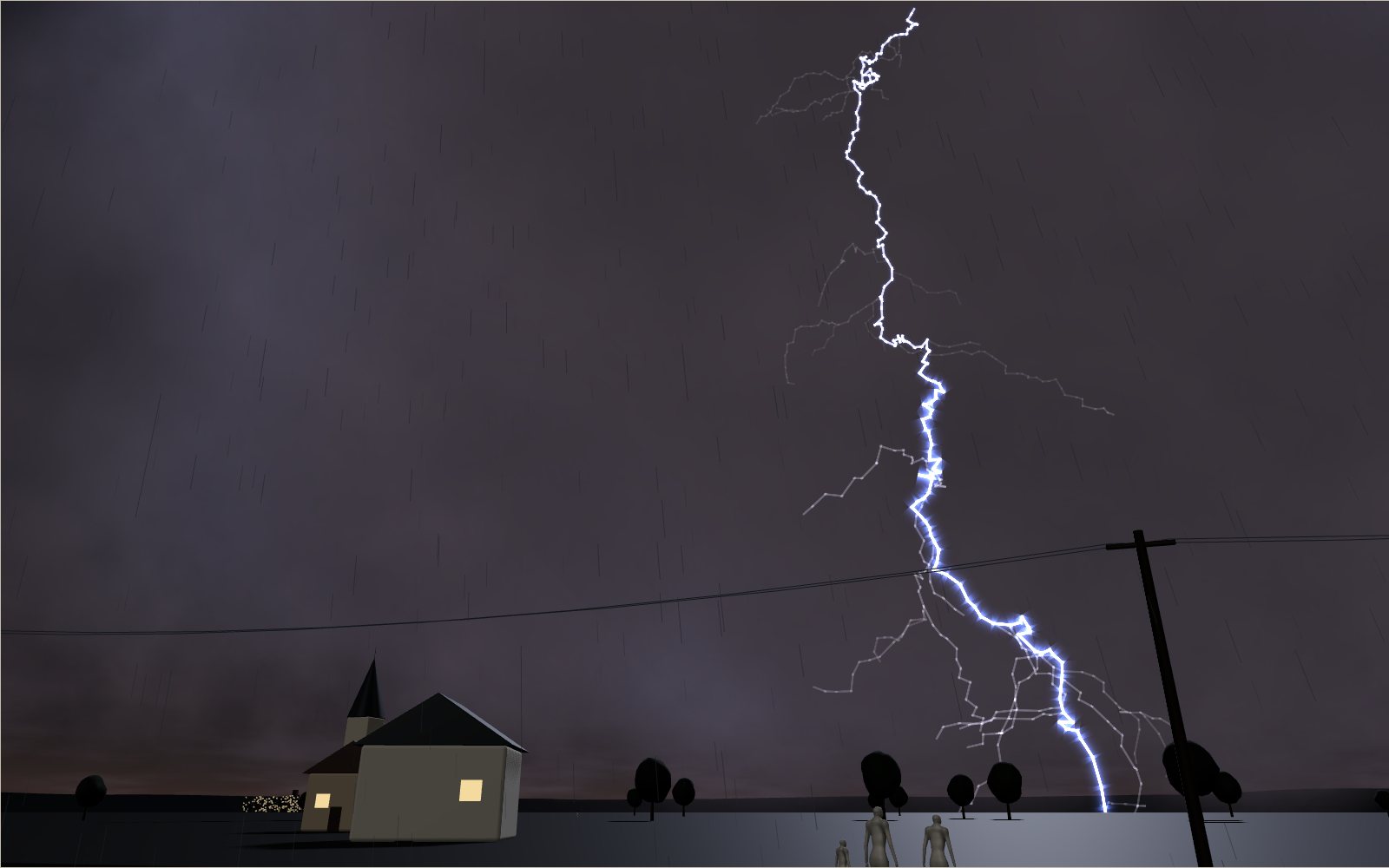
A lightning channel heats the air to about five times the temperature of the Sun’s surface, and its thunder needs about 3 seconds to cover each kilometre to you.
For lessons on Static electricity, lightning, sound speed
Travelling at the speed of light
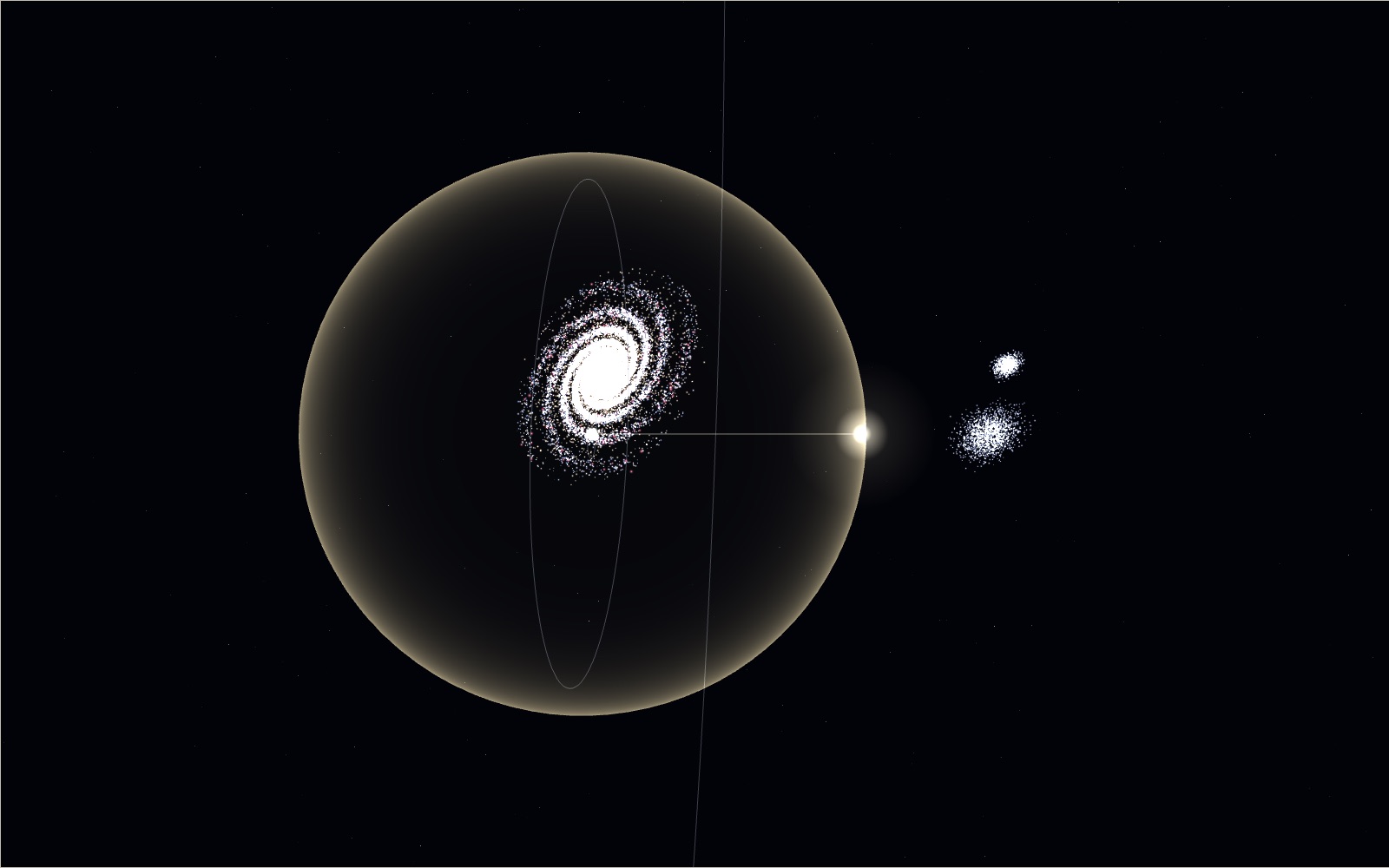
Light goes round the equator 7.5 times in a second, yet the same light needs 2.5 million years to reach the Andromeda galaxy.
For lessons on The speed of light, distance in space, light years
How to fold paper airplanes and fly rubber-powered models
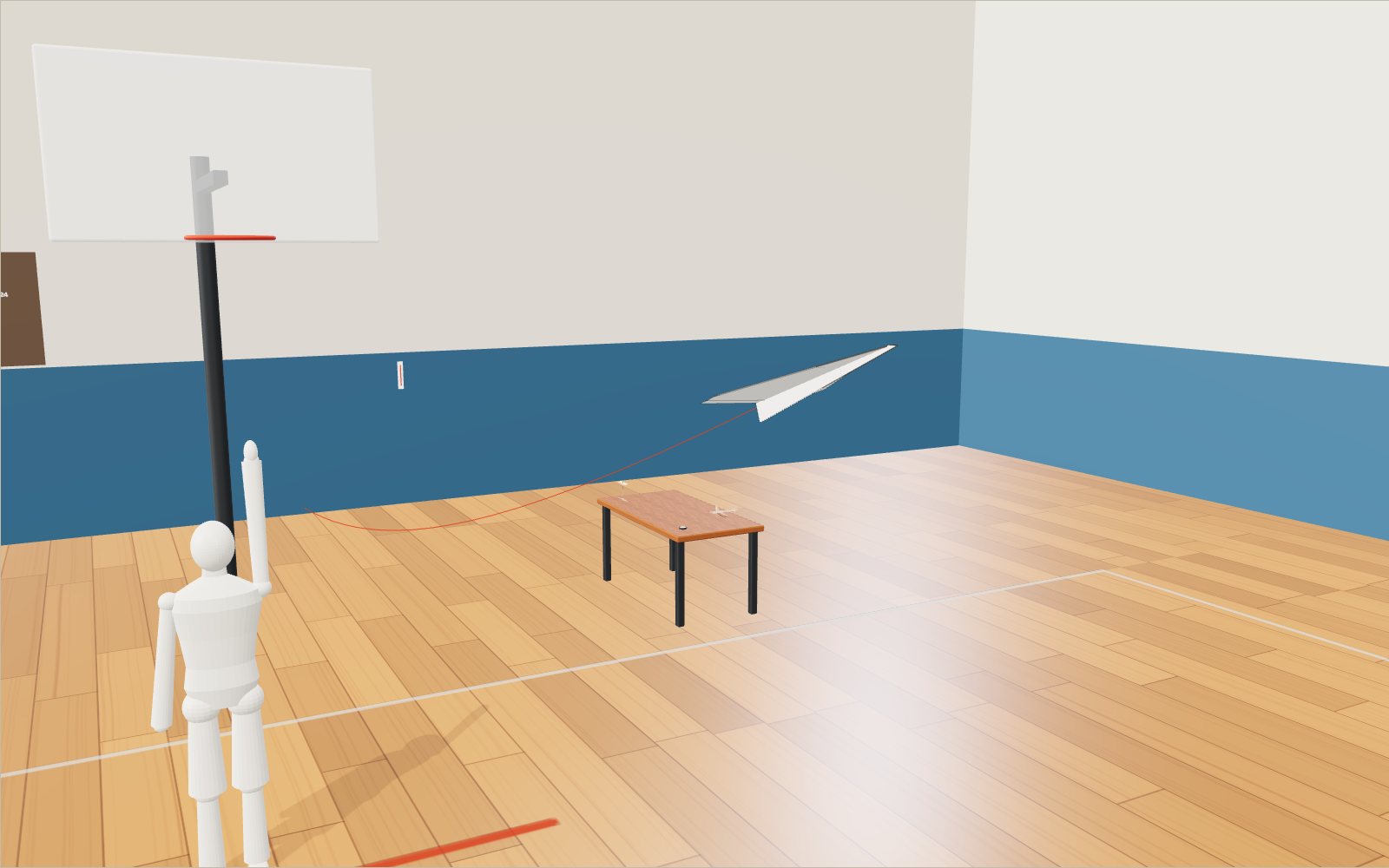
The farthest a folded sheet of paper has flown is 98.43 m, indoors, in Shanghai in December 2025.
For lessons on Flight, lift and drag, centre of gravity
Billiards angles: aiming, spin and the diamond system, step by step
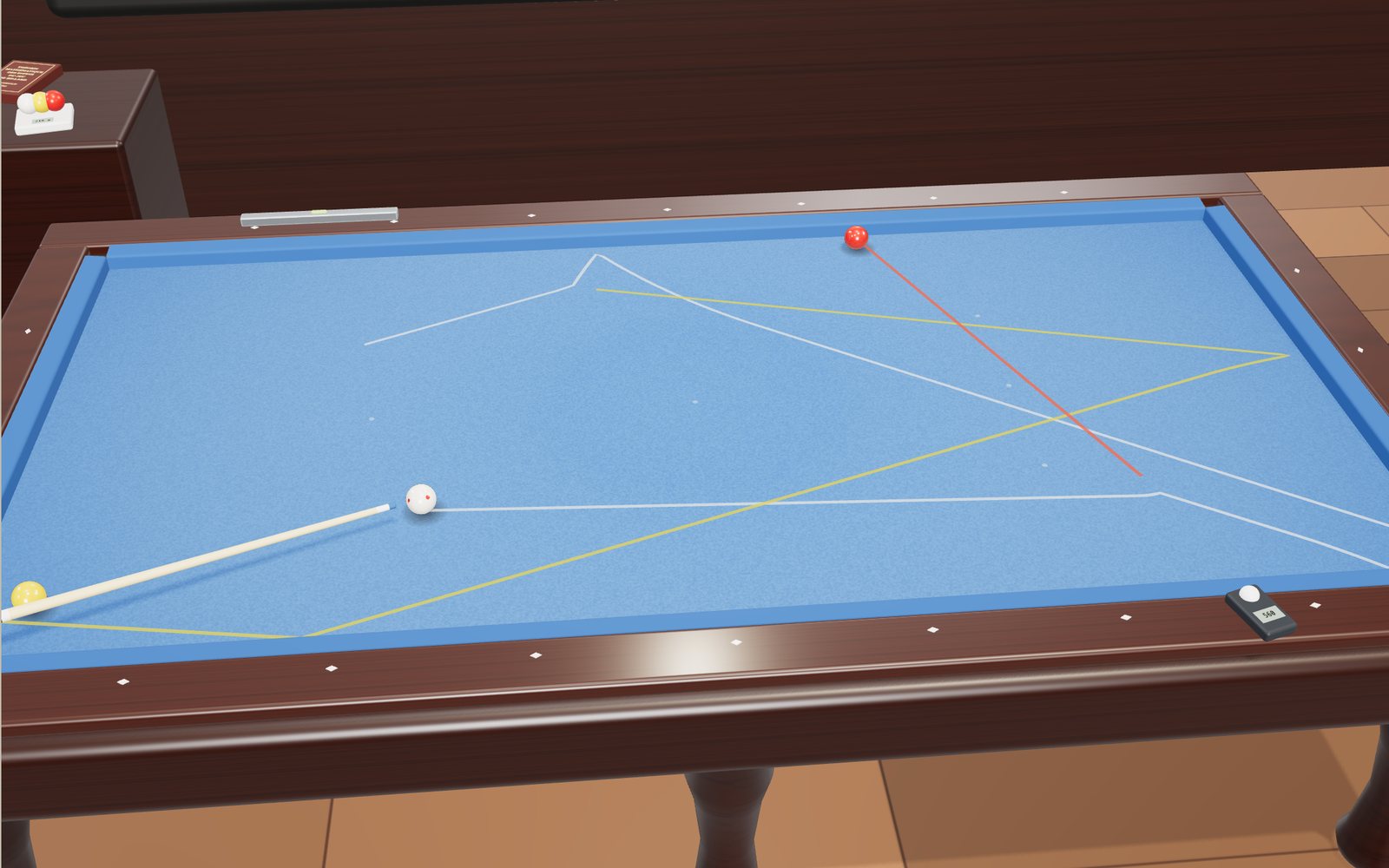
Two equal balls that meet without spin part at a right angle, and a ball struck at its centre slides for 12/49 of v²/μg before it starts to roll.
For lessons on Reflection angles, momentum, collisions
How a pendulum clock works, and why its length sets the time
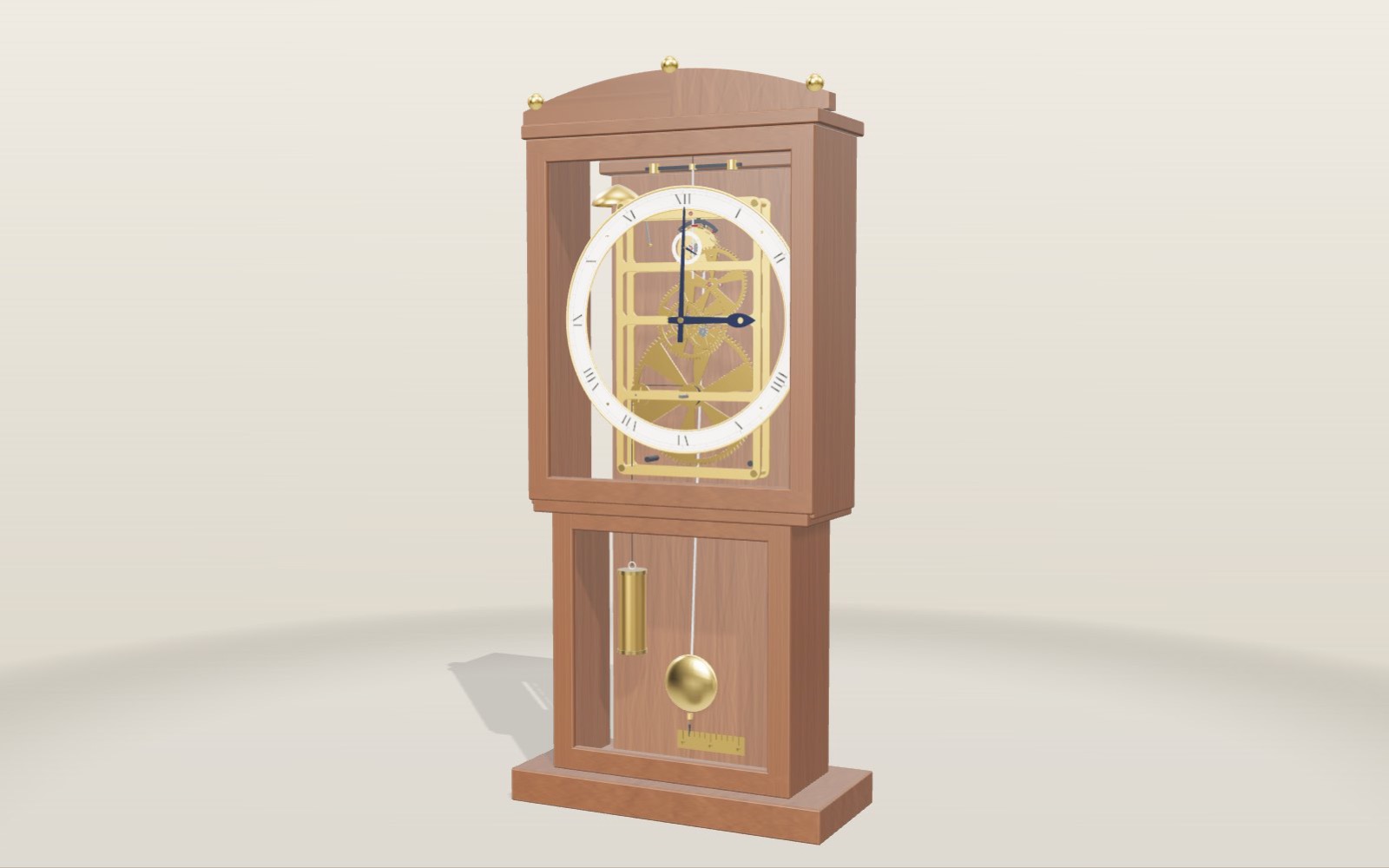
A pendulum clock counts seconds with one rod 99.4 cm long. Change its length, its temperature and its place on Earth, swap four escapements and see how many seconds a day each costs.
For lessons on Pendulums, period, timekeeping
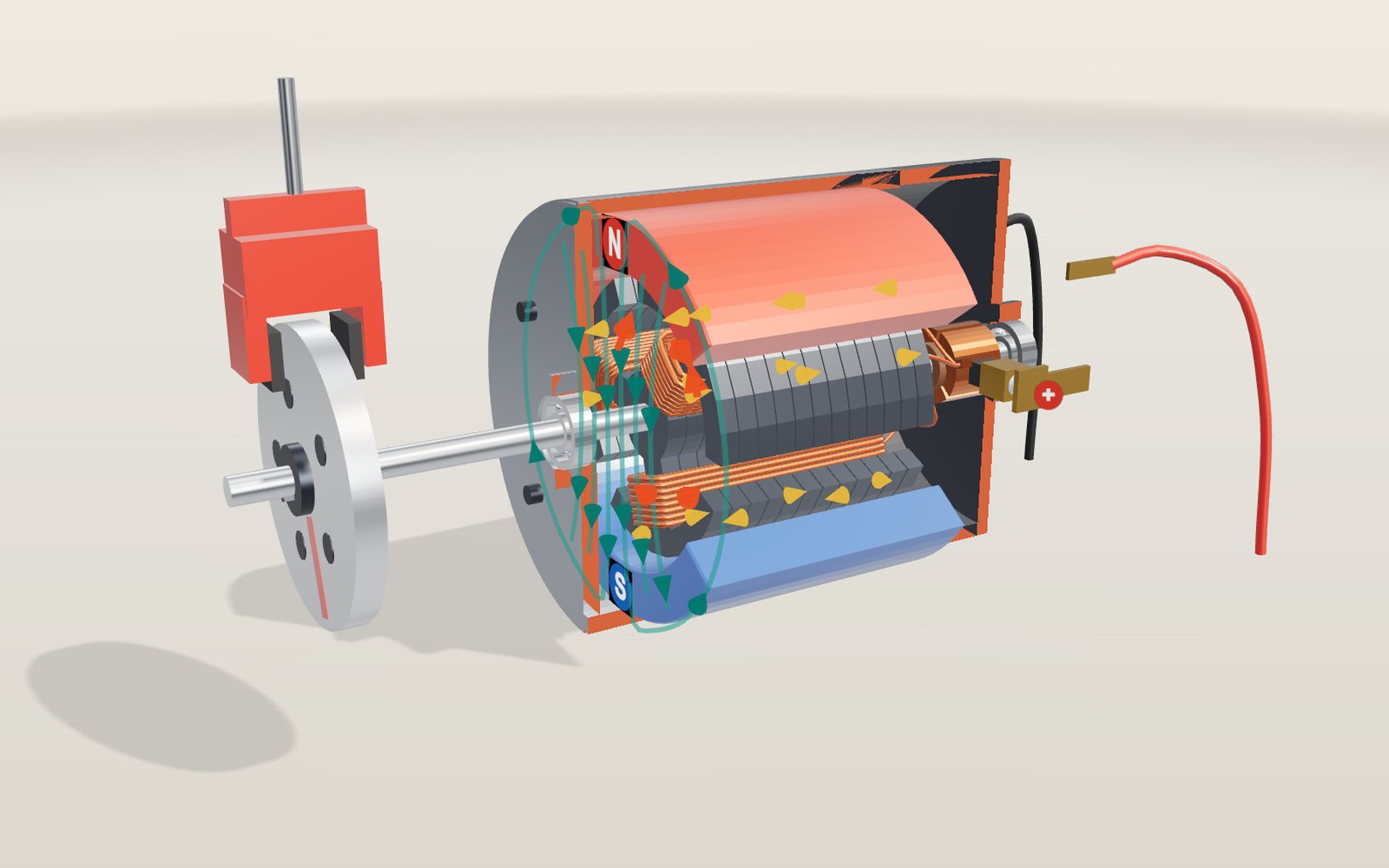
Electric motor simulator: how it works, step by step
Eight motors, from Faraday's wire in mercury in 1821 to the magnets inside an electric car, all turning on the same push between current and field.
For lessons on Electromagnetism, magnetic force, motors
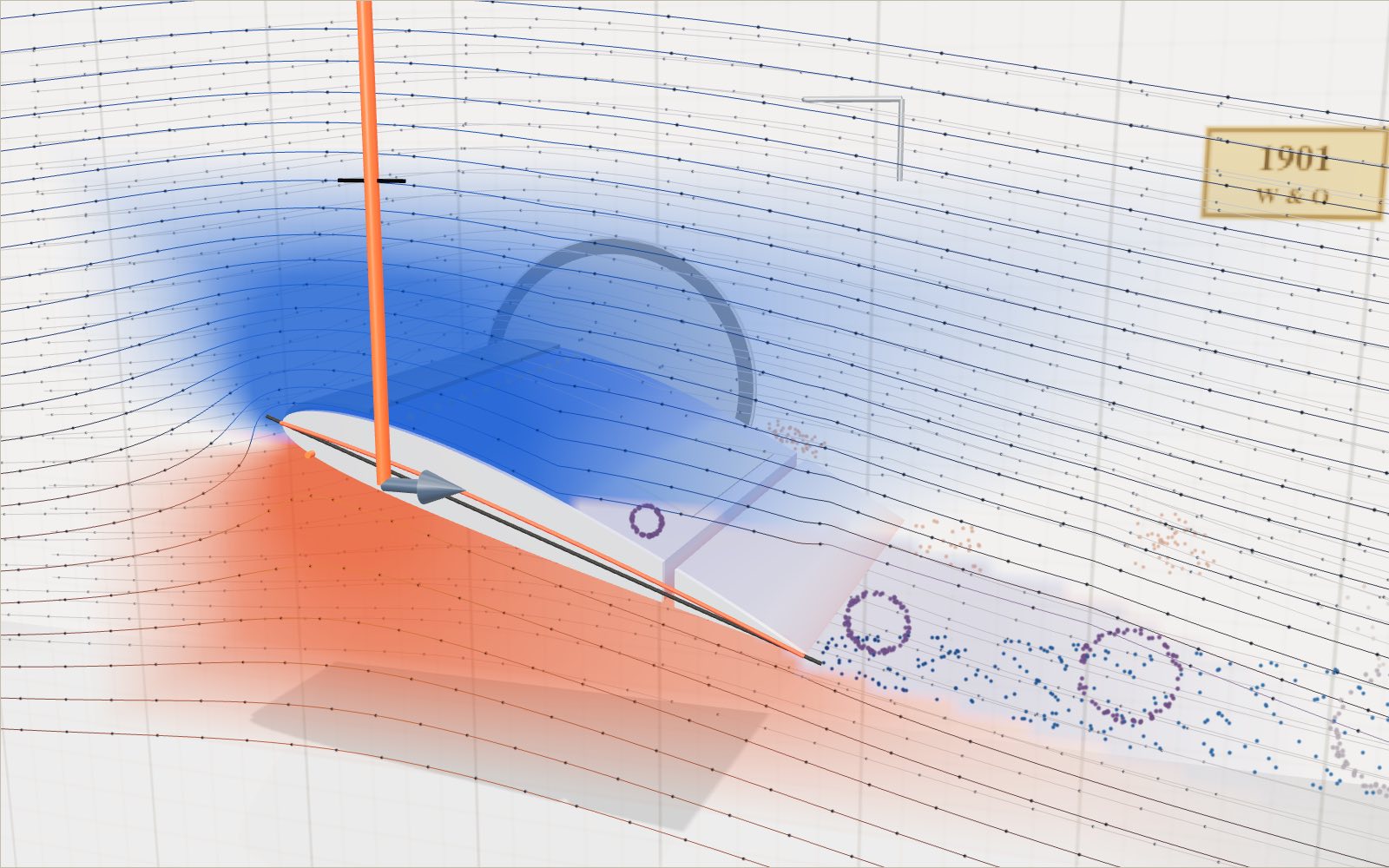
How a wing makes lift, and what changes as the angle grows
Air over the top of a wing reaches the trailing edge first. It does not wait for the air underneath.
For lessons on Forces, lift, air pressure, angle of attack
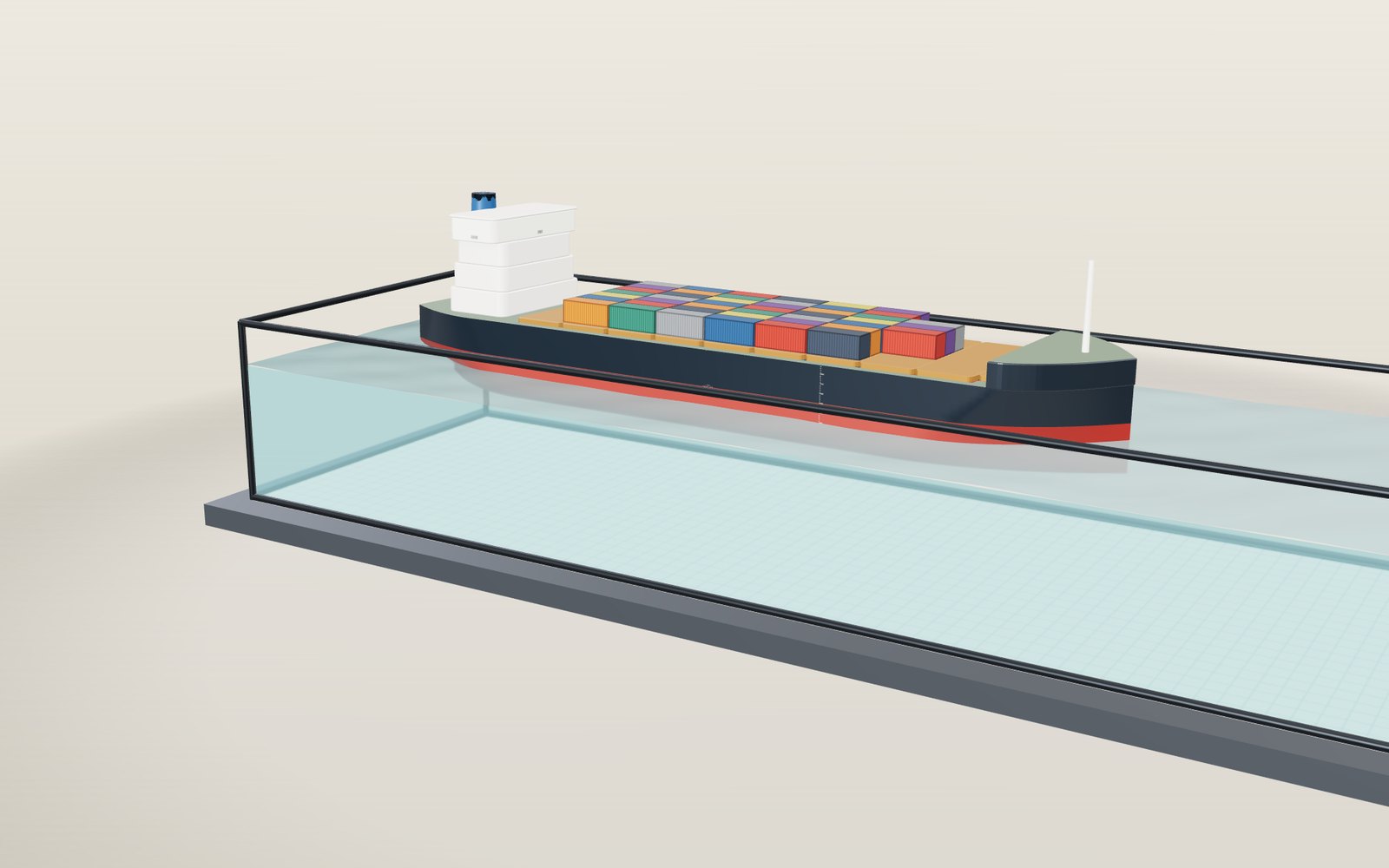
Why do ships float?
A 1,900-tonne steel ship floats, yet the same 1,900 tonnes of steel pressed into a cube goes straight to the bottom.
For lessons on Buoyancy, density, Archimedes’ principle
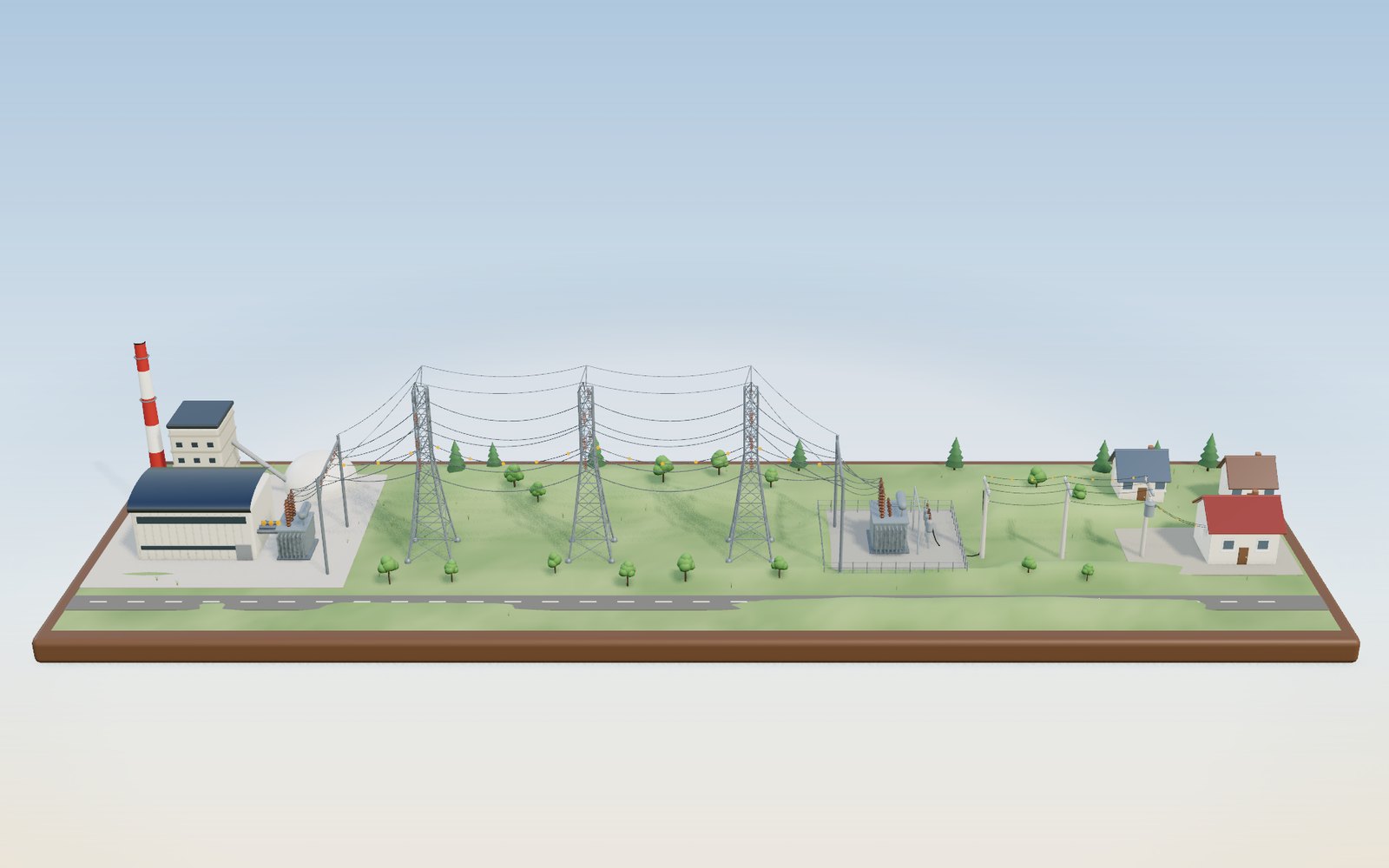
How electricity gets to your home
Electricity leaves the power station at 345,000 volts and reaches the outlet at 220, because high voltage keeps the current, and the heat lost in the wires, small.
For lessons on Electricity generation, transformers, the power grid
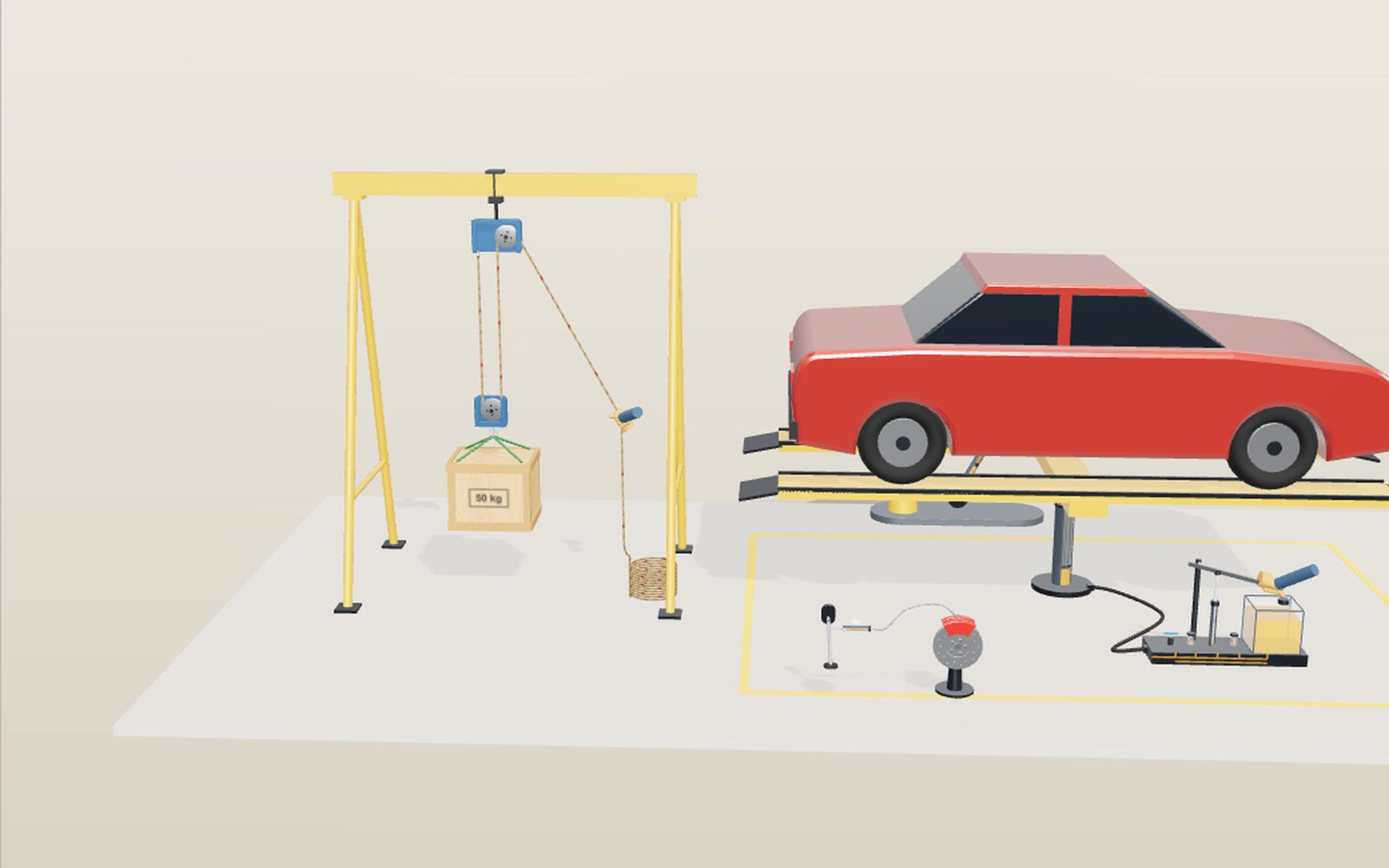
Pulley and hydraulic jack simulator: lift a crate and a car
A 50 kg crate can be lifted with an 82 N pull, as long as you are willing to pull six metres of rope for every metre it rises.
For lessons on Pulleys, hydraulics, pressure, mechanical advantage
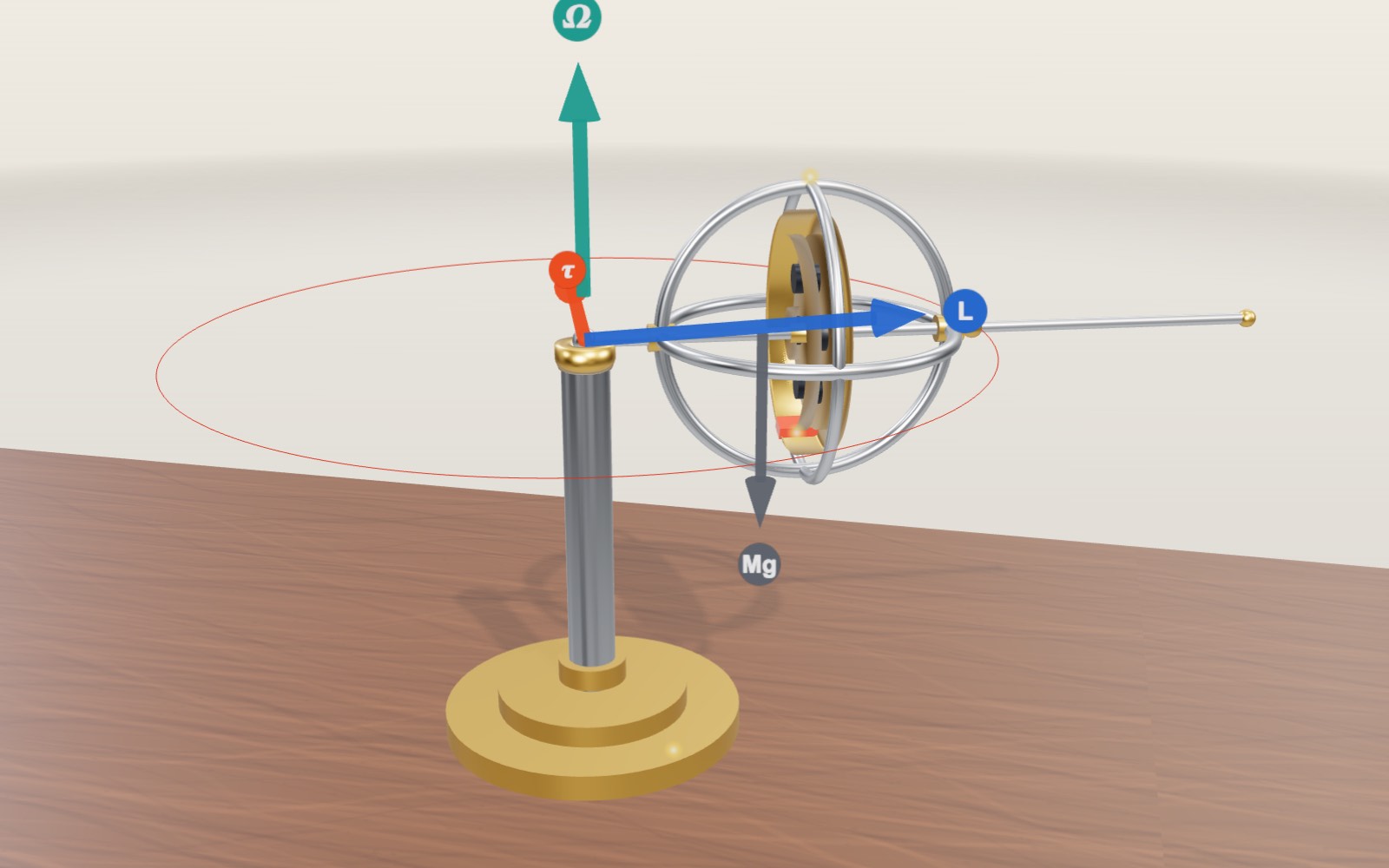
Gyroscope simulator: spin it, push it and watch it precess
A wheel spinning at 3,000 rpm can rest one end of its axle on a post with nothing under the other end, and it circles the post once every 2.8 seconds.
For lessons on Rotation, angular momentum, precession
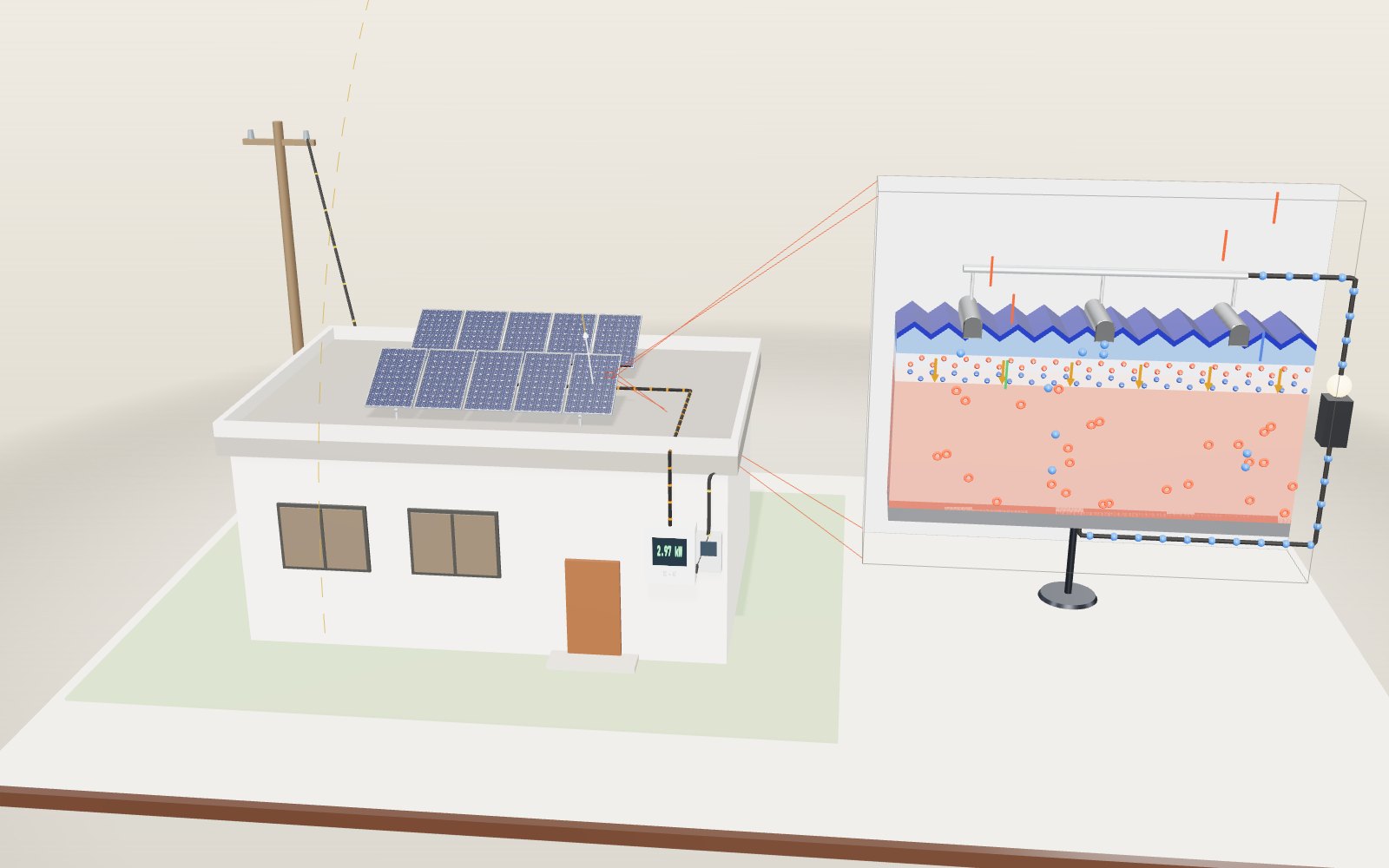
How a solar panel works
In full sun a 60-cell rooftop panel makes about 300 watts, and all of it comes from an electric field sitting inside each slice of silicon.
For lessons on Solar energy, semiconductors, electricity
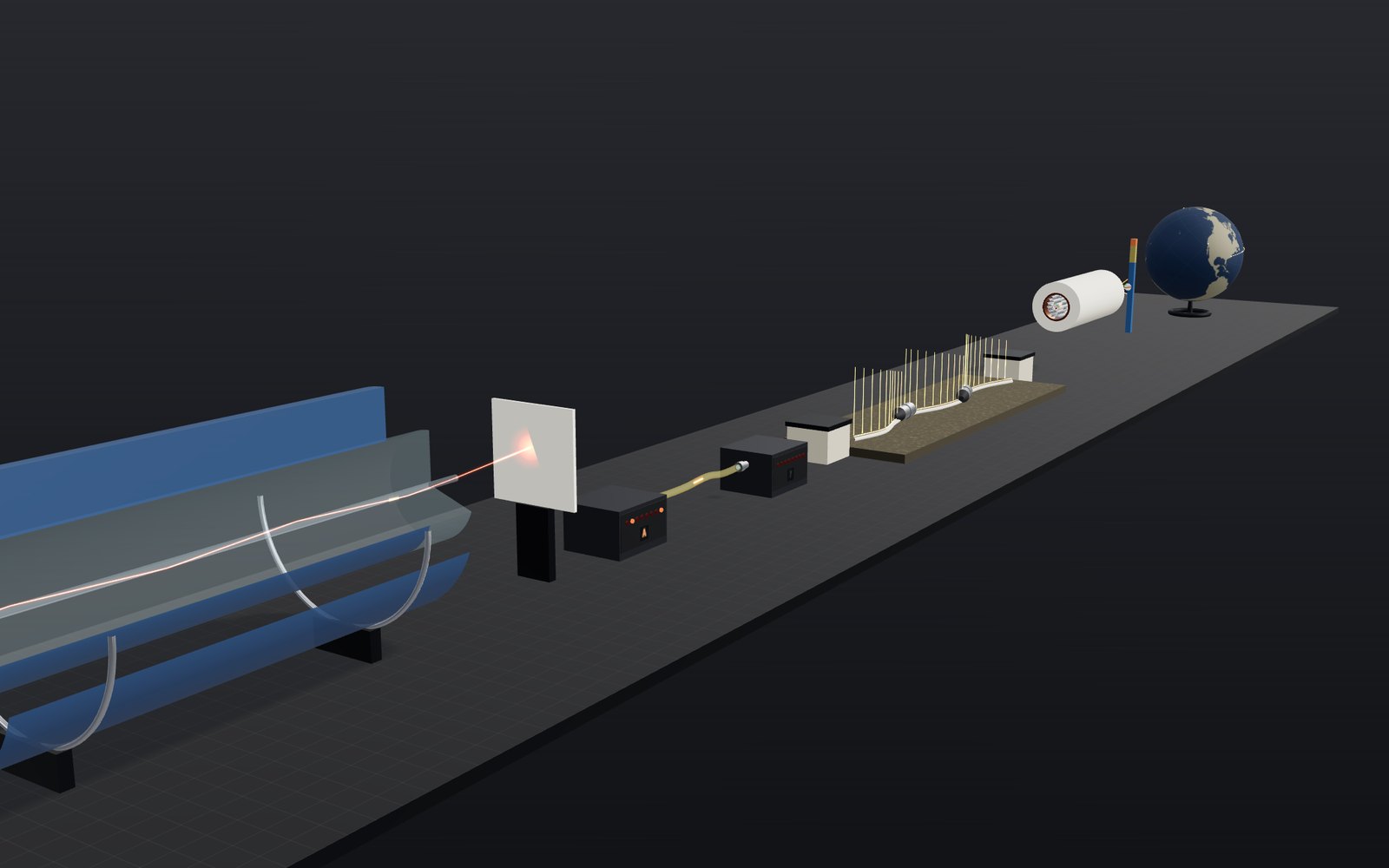
How fiber optic cable works: one ray of light across the ocean
Light in a submarine cable stays inside a glass core 8.2 micrometres wide for thousands of kilometres because it meets the core wall at more than 84.5°.
For lessons on Light, refraction, total internal reflection, communication
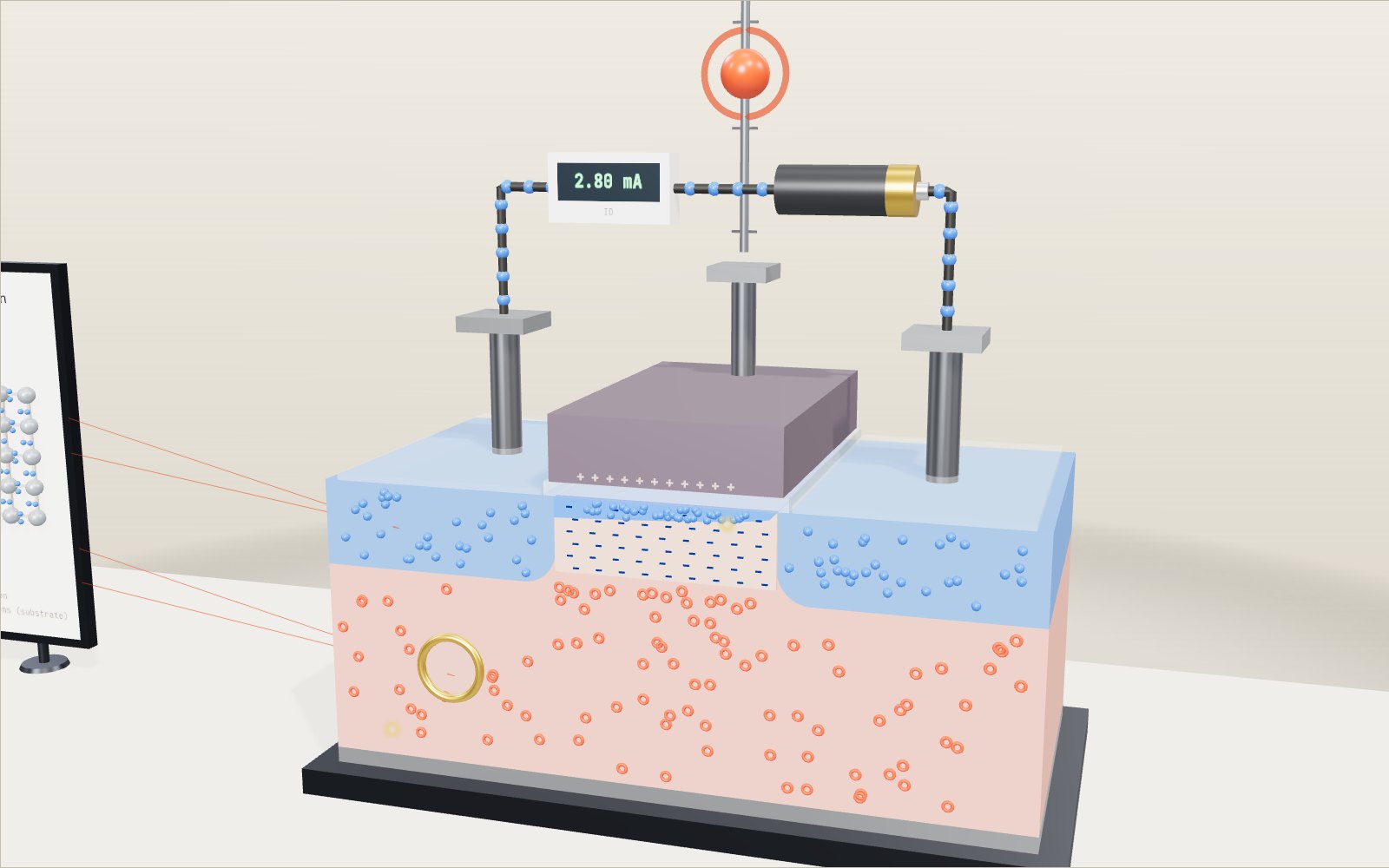
How a transistor works as a switch: the MOSFET gate
A chip with 16 billion transistors turns each one on and off with a few volts on a gate that never touches the silicon underneath.
For lessons on Semiconductors, switches, electronics
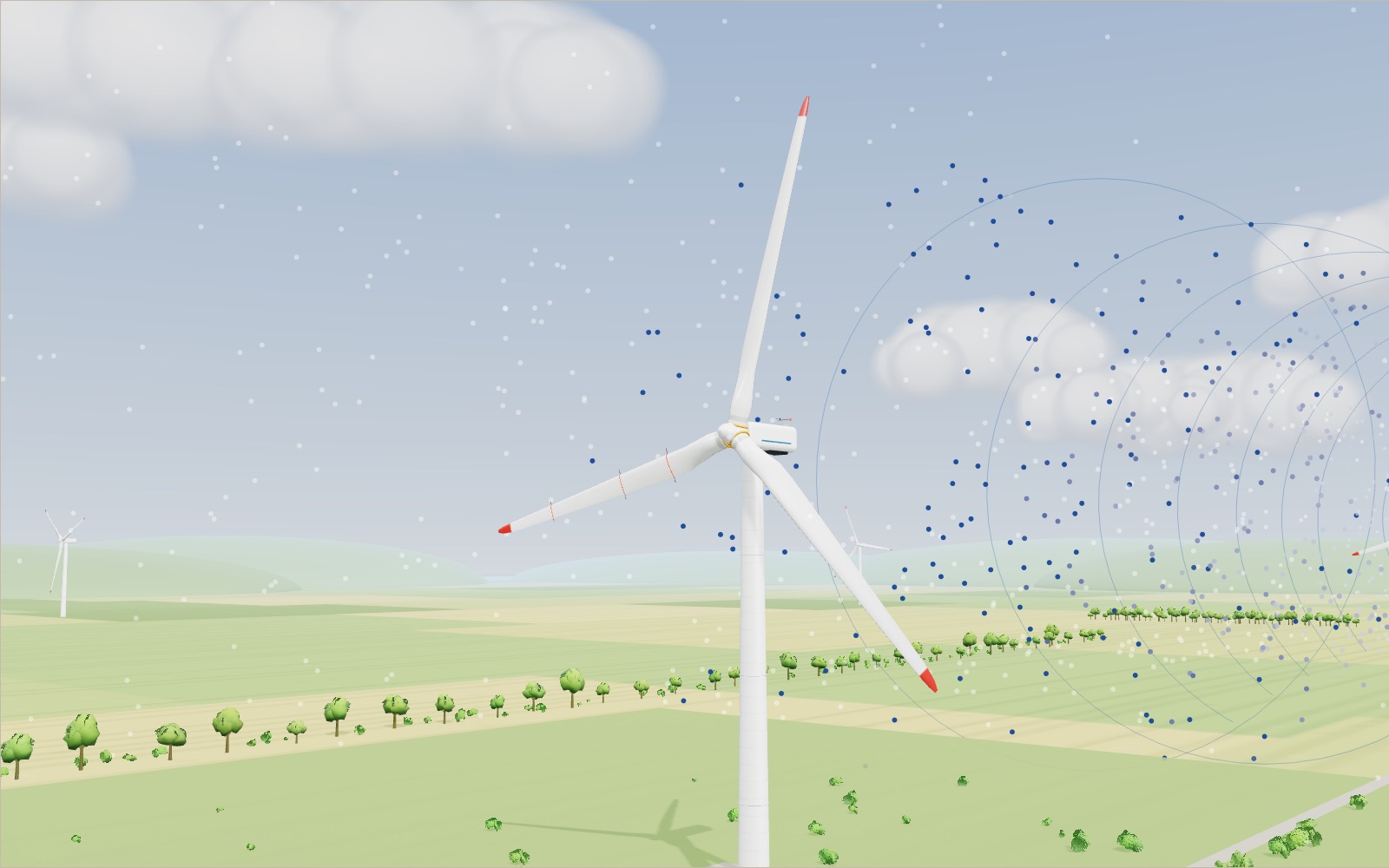
How a wind turbine works: why the blades twist in strong wind
A turbine with 61-metre blades makes no more power in a gale than in a stiff breeze, because above 11.4 metres a second it turns its blades out of the wind.
For lessons on Wind energy, generators, renewable energy
Chemistry
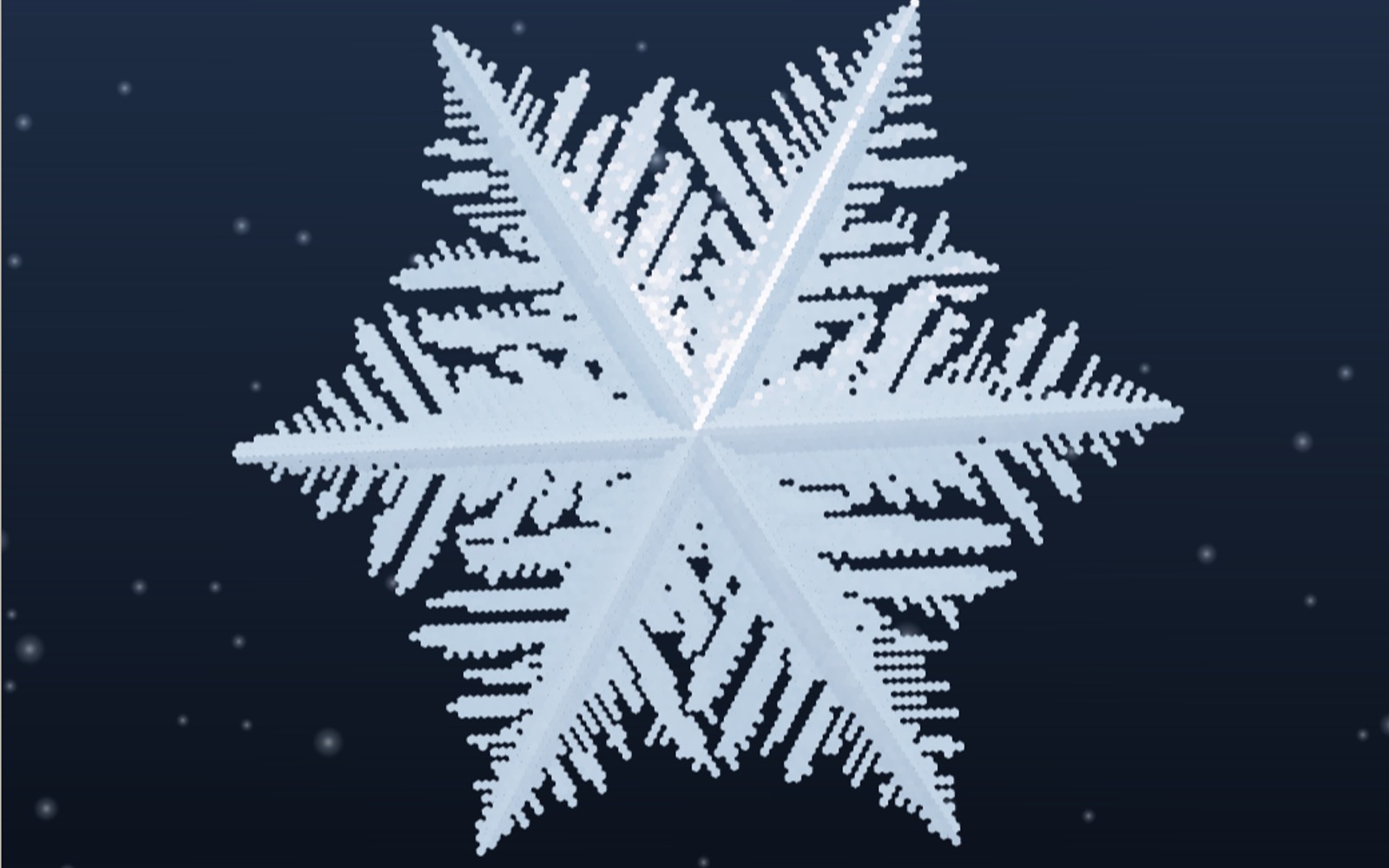
Snowflake growth simulator: grow your own crystal
A snow crystal grown at −15 °C sprouts six branching arms, while one grown at −5 °C becomes a needle 2 mm long.
For lessons on Crystals, water molecules, states of matter
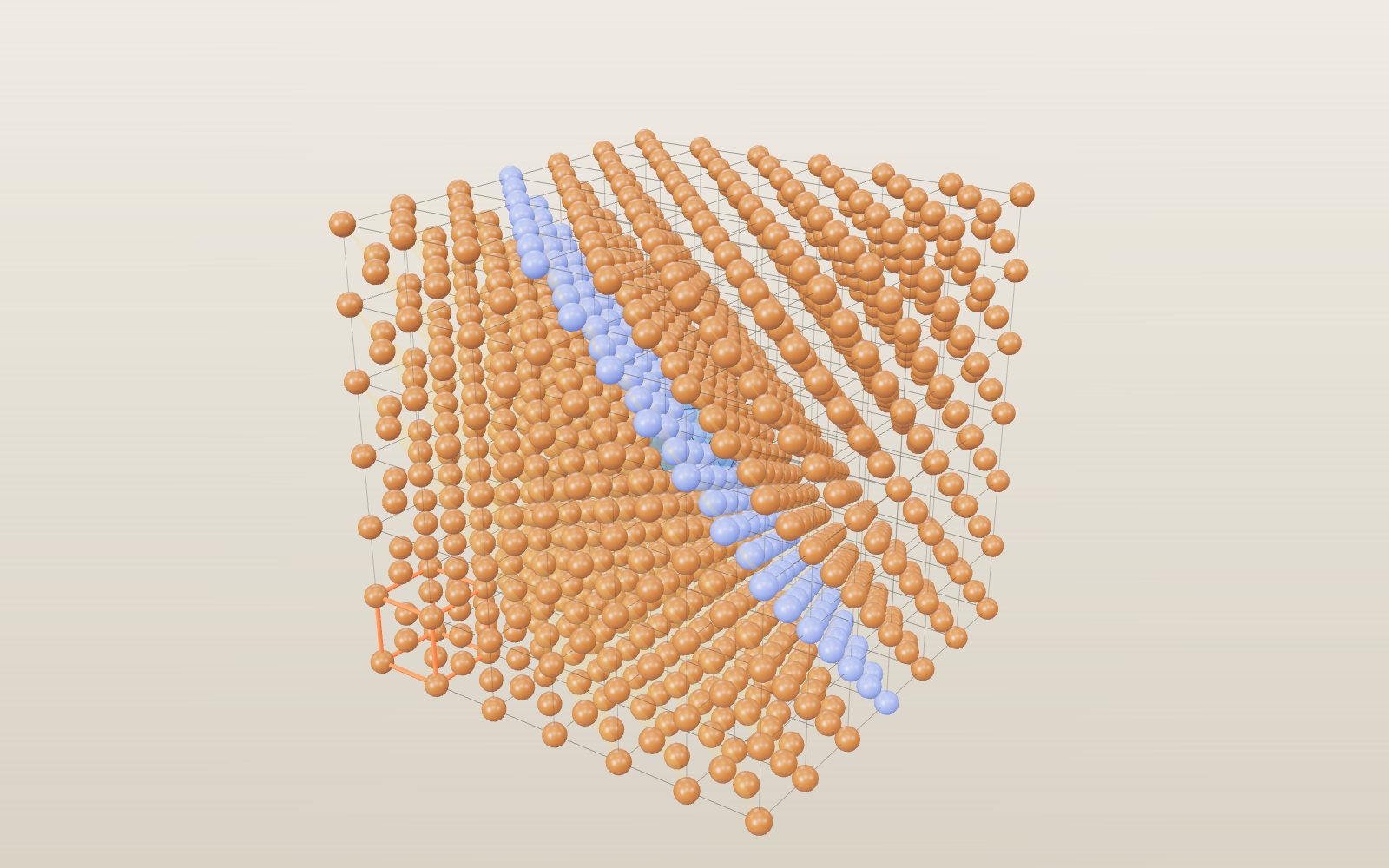
Why salt forms cubes: crystal structure and unit cells
A grain of table salt is a stack of cubes 0.564 nm on a side, with sodium and chlorine alternating along every edge.
For lessons on Crystal structure, ionic bonds, unit cells
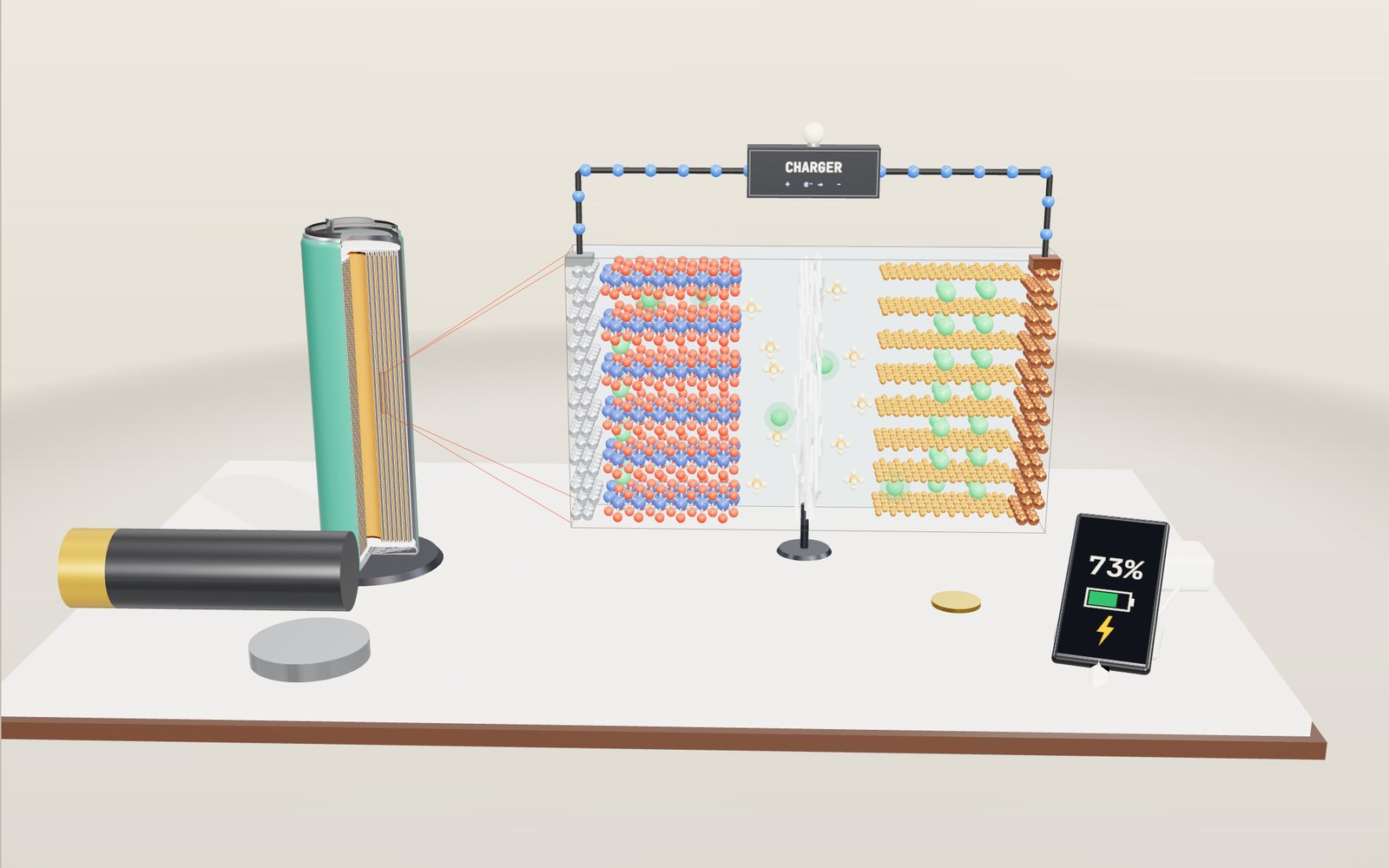
Lithium-ion battery simulator: charge it and follow the ions
Each time an 18650 cell charges, about 7 × 10²² lithium ions leave a metal oxide and squeeze in between sheets of graphite.
For lessons on Batteries, ions, redox reactions, charging
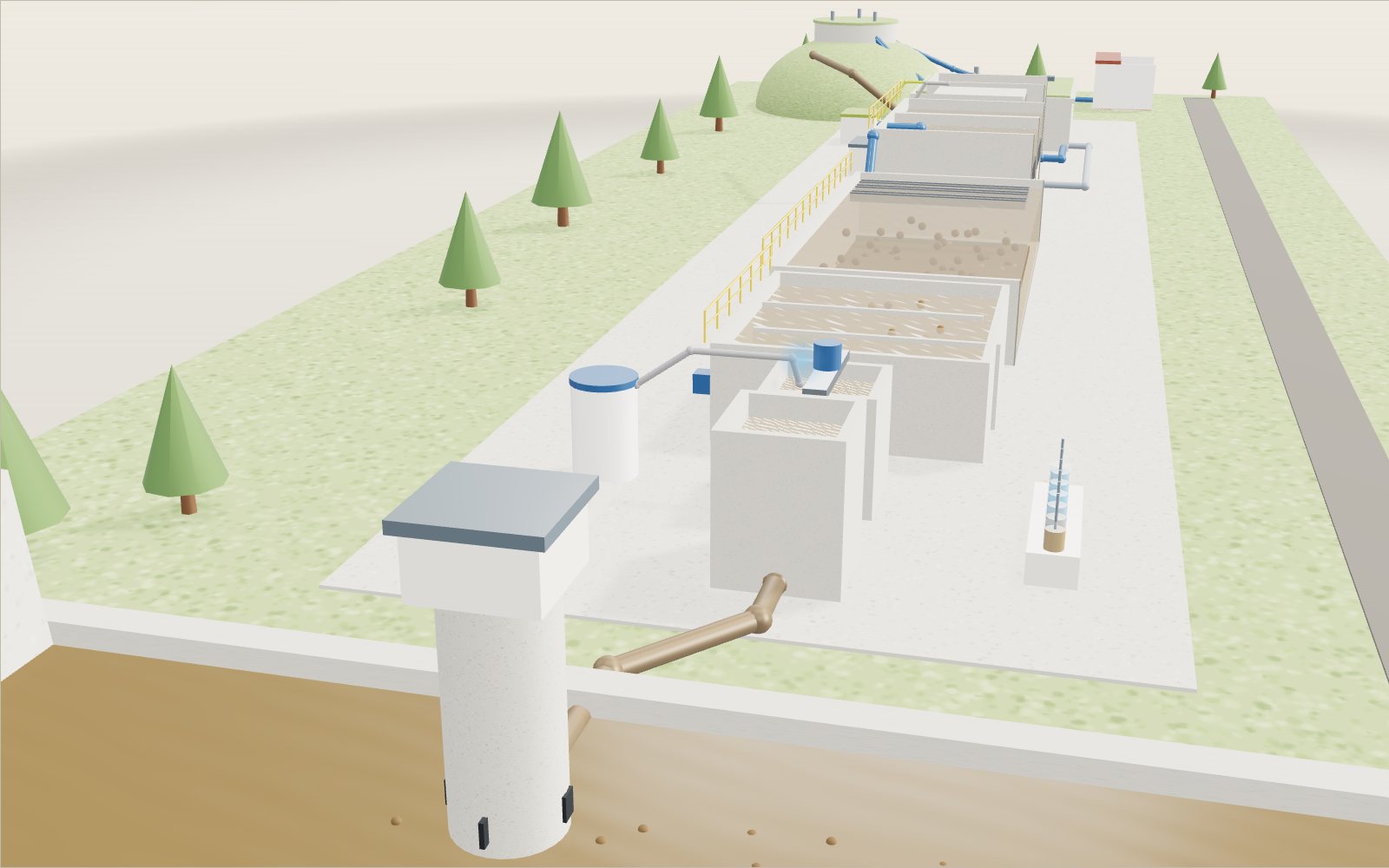
How a water treatment plant turns muddy water clear
A grain of clay two micrometres across would take eleven days to sink through a settling basin, but stuck into a floc by a coagulant it reaches the floor in about two hours.
For lessons on Water purification, filtration, coagulation, disinfection
Biology
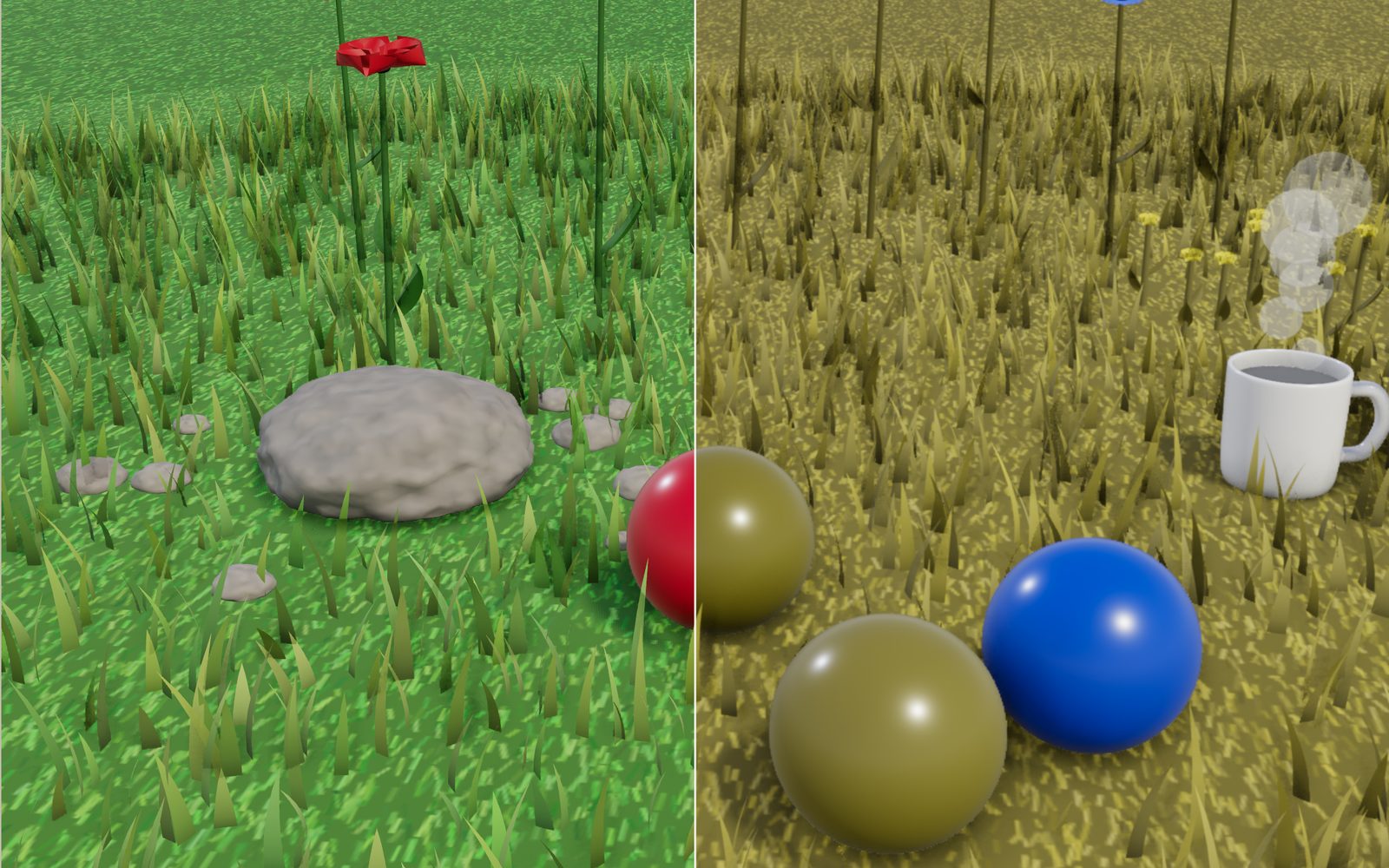
Animal vision: see the world through 69 animals’ eyes
A red ball on green grass is easy for you to find and surprisingly hard for a dog. A honeybee sees a pattern in the same flower that you cannot.
For lessons on Senses, eyes of animals, colour vision, adaptation
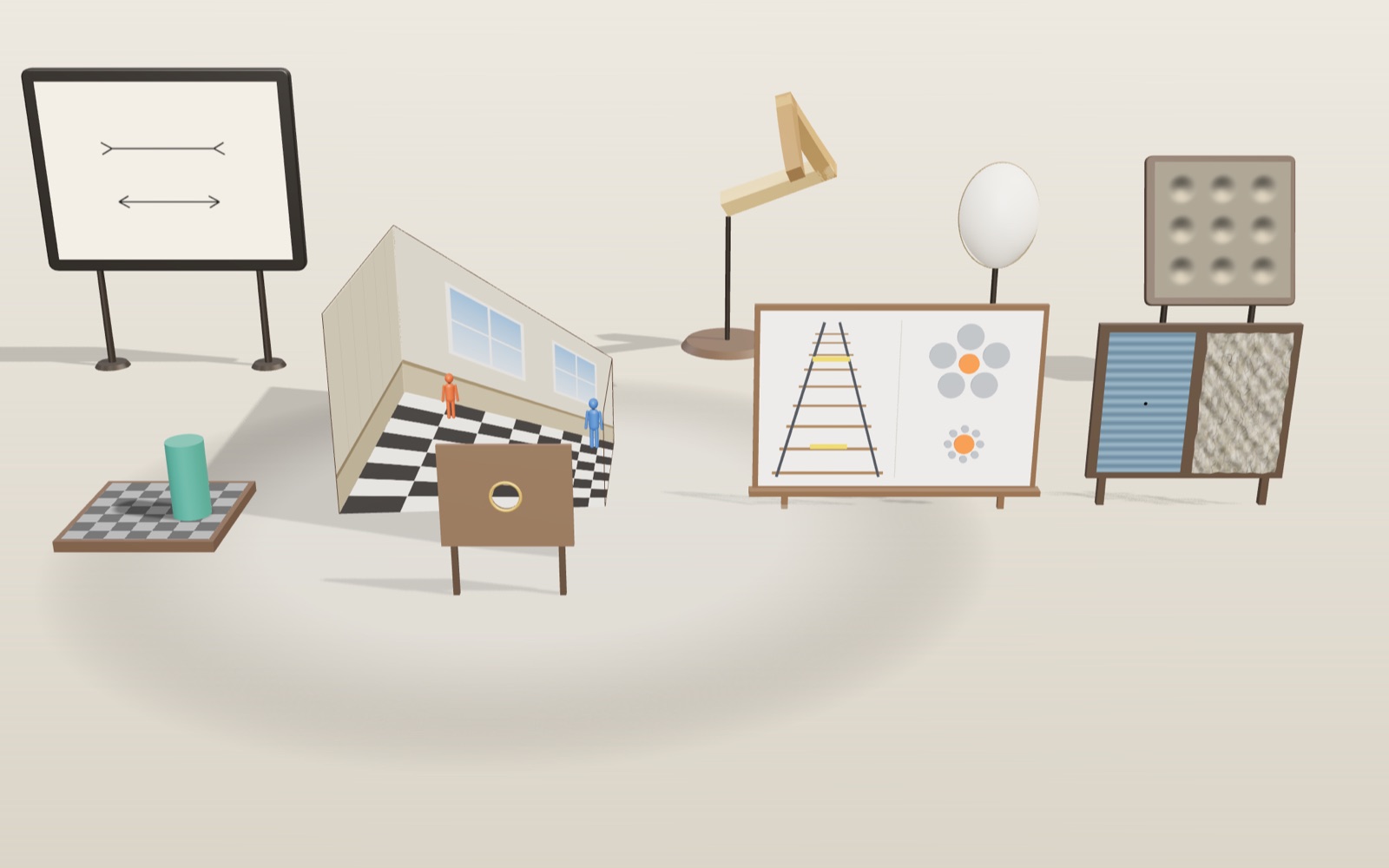
Checker shadow illusion and Ames room: how they work in 3D
Tile A looks dark and tile B looks light, yet your screen sends the same grey to your eye from both.
For lessons on Perception, the eye and the brain
Reaction time test: how many milliseconds do you take?
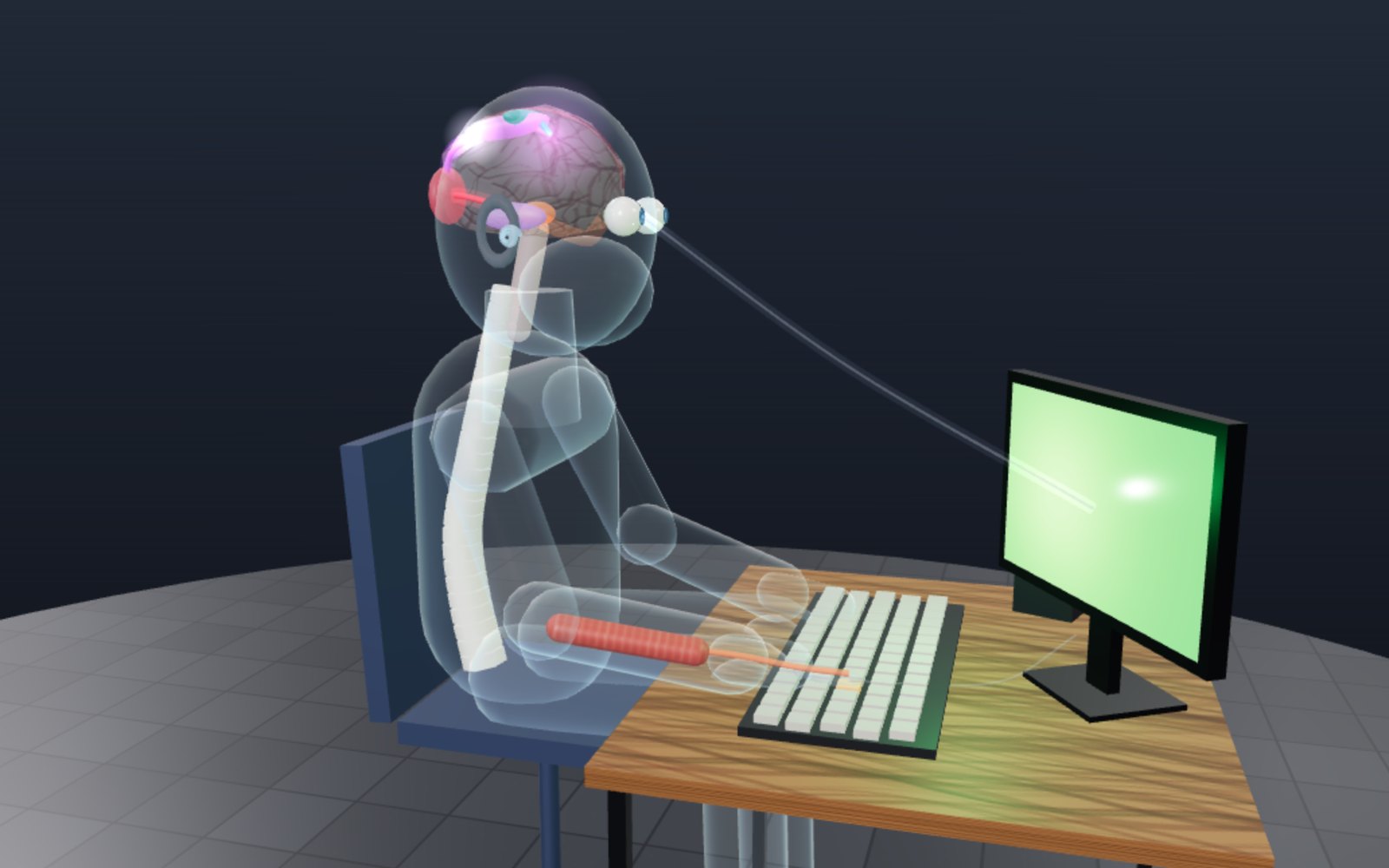
Light from the screen reaches your eye almost at once, yet your finger moves about a fifth of a second later. Most of that time passes inside your head.
For lessons on Reaction time, the nervous system, measurement
How to do CPR, use an AED, help someone choking and use a fire extinguisher
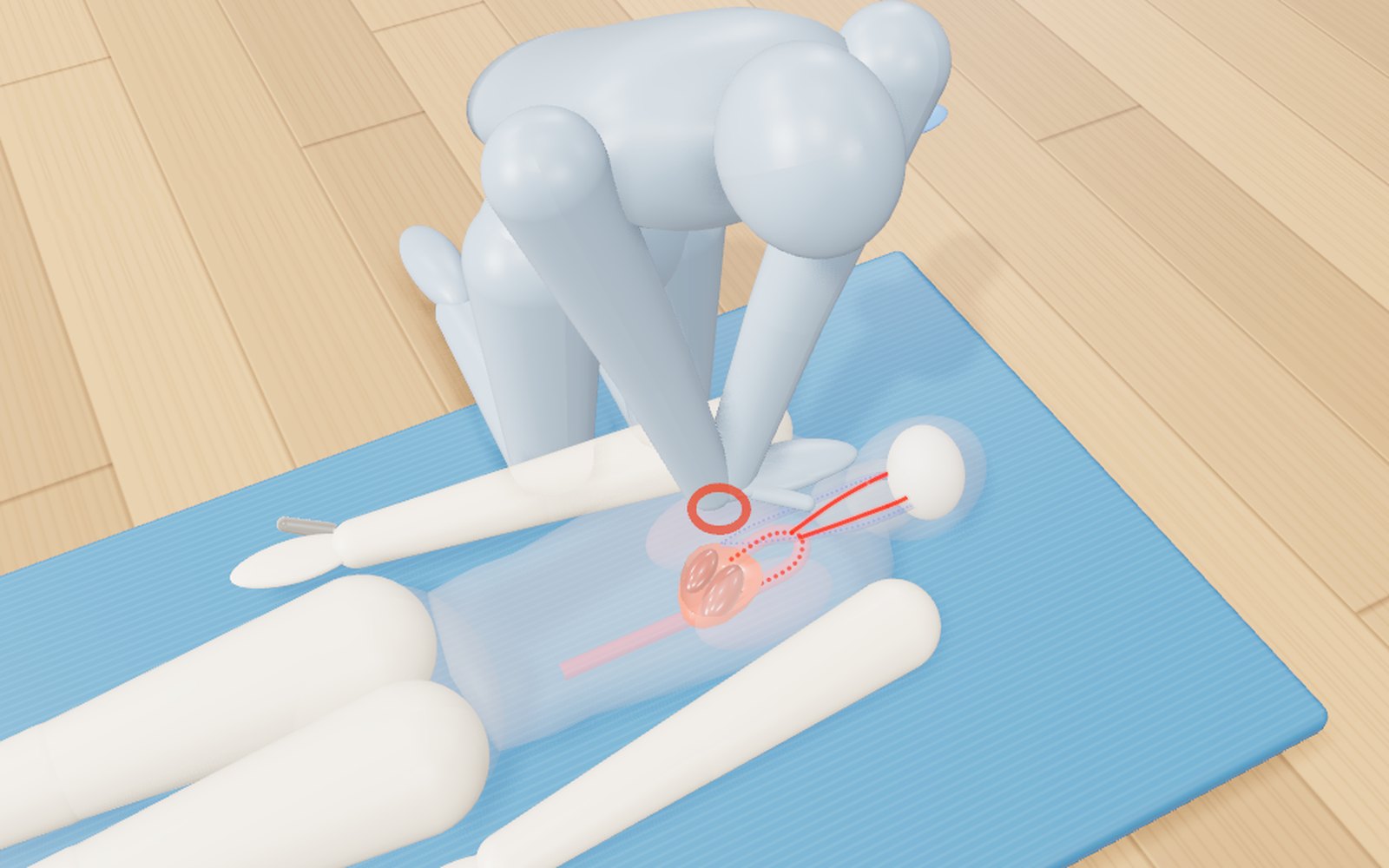
Push 100 to 120 times a minute, about 5 cm deep: with a bystander doing that, survival in Korea in 2024 was 2.36 times higher.
For lessons on First aid, the heart and breathing, safety
How a horse runs: walk, trot, canter and gallop
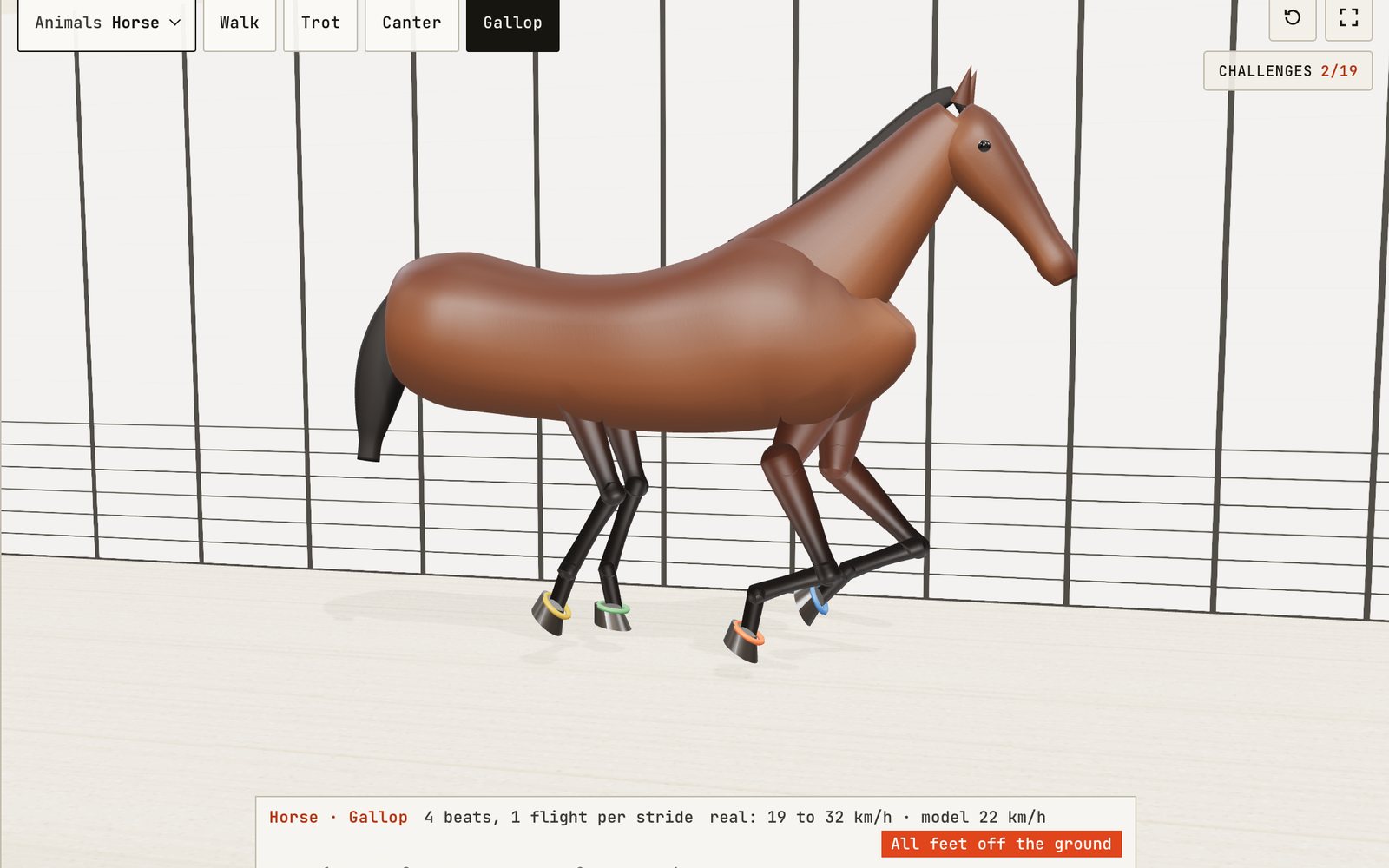
In 1878 Muybridge's cameras showed that a galloping horse does lift all four feet at once, but with its legs tucked under it. Some fast animals never leave the ground at all.
For lessons on Animal movement, gait, muscles and skeleton
How does the eye focus on near and far objects? Try it in 3D
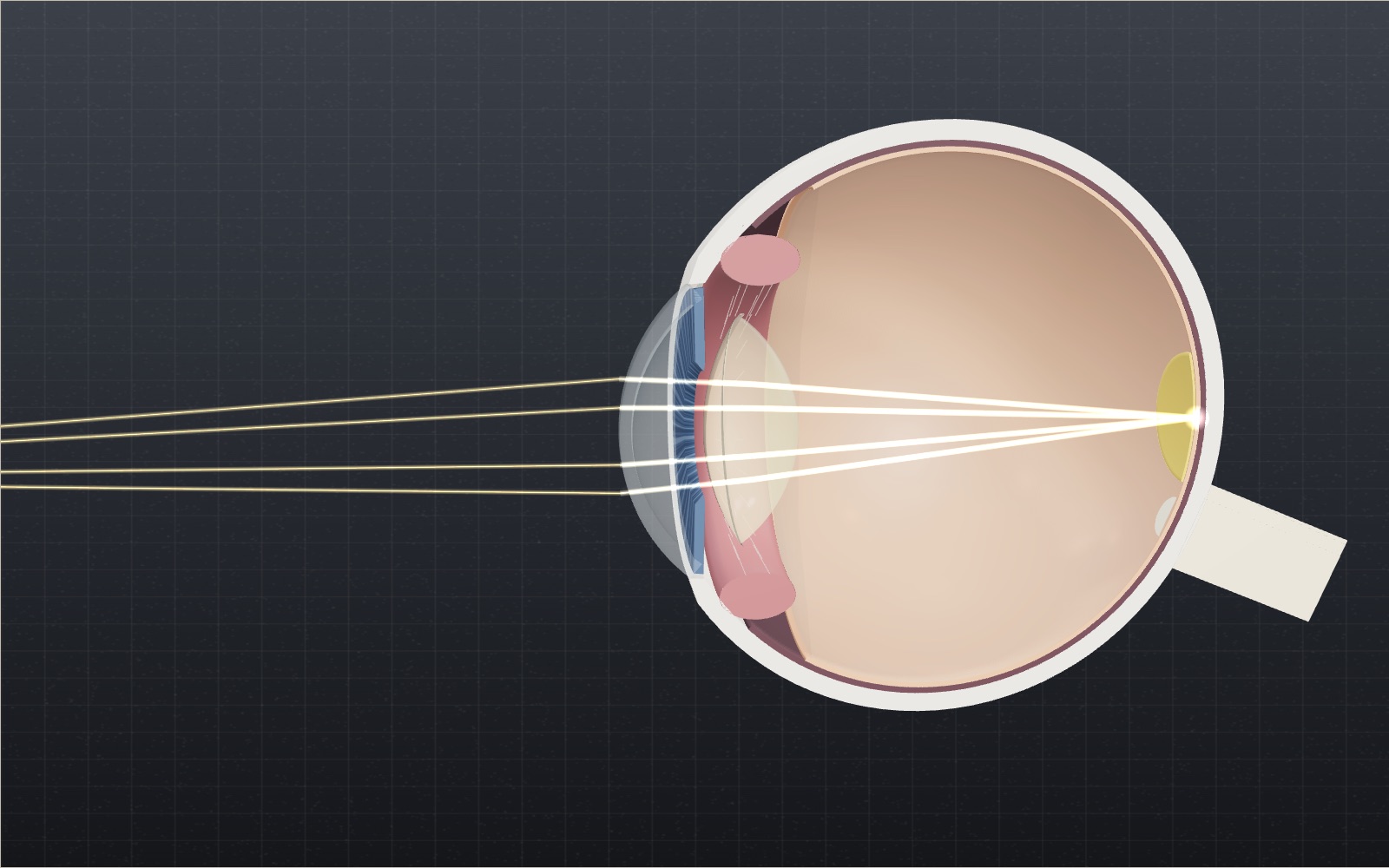
The cornea supplies about 43 of the eye's 60 dioptres, so why does the small lens behind it get all the credit for focusing?
For lessons on The eye, lenses, focusing, vision
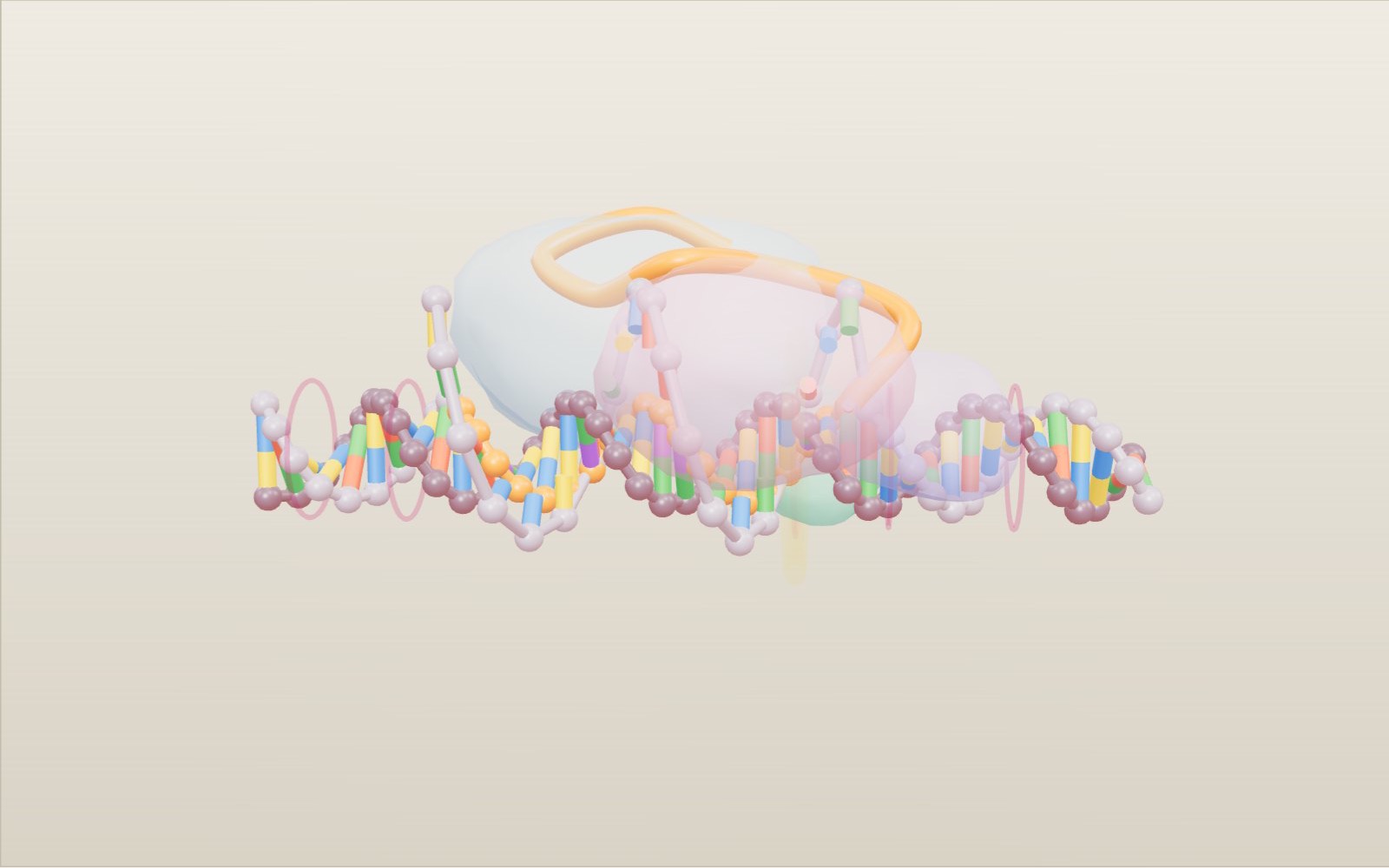
How CRISPR-Cas9 gene editing works
A guide RNA reads just 20 letters of DNA, and that is usually enough to pick out one spot among the 3 billion base pairs of a human genome.
For lessons on Genes, DNA, gene editing, biotechnology
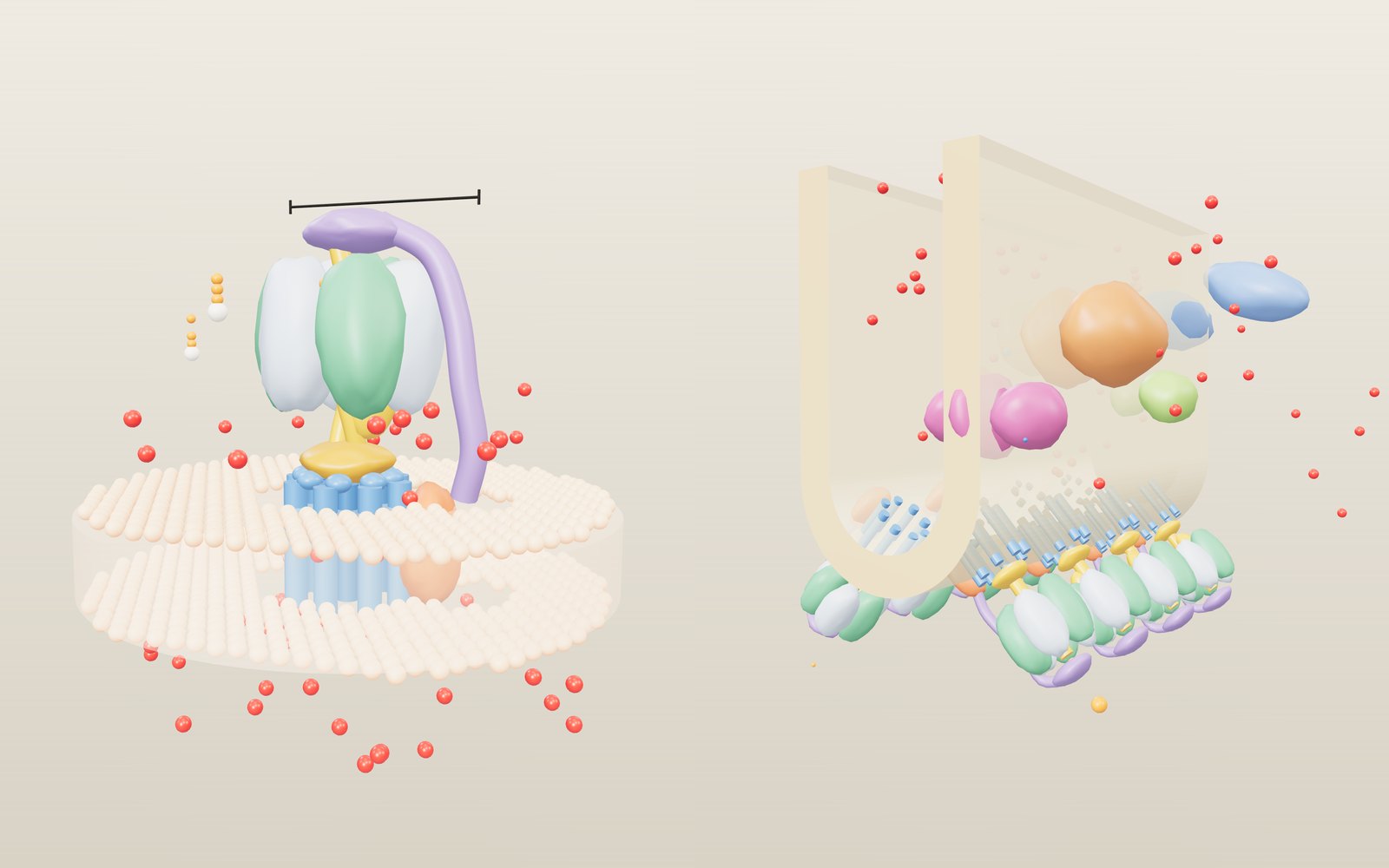
How ATP synthase works
In mitochondria the rotor of ATP synthase turns about 100 times a second, and every full turn releases three molecules of ATP.
For lessons on Cell respiration, ATP, enzymes, mitochondria
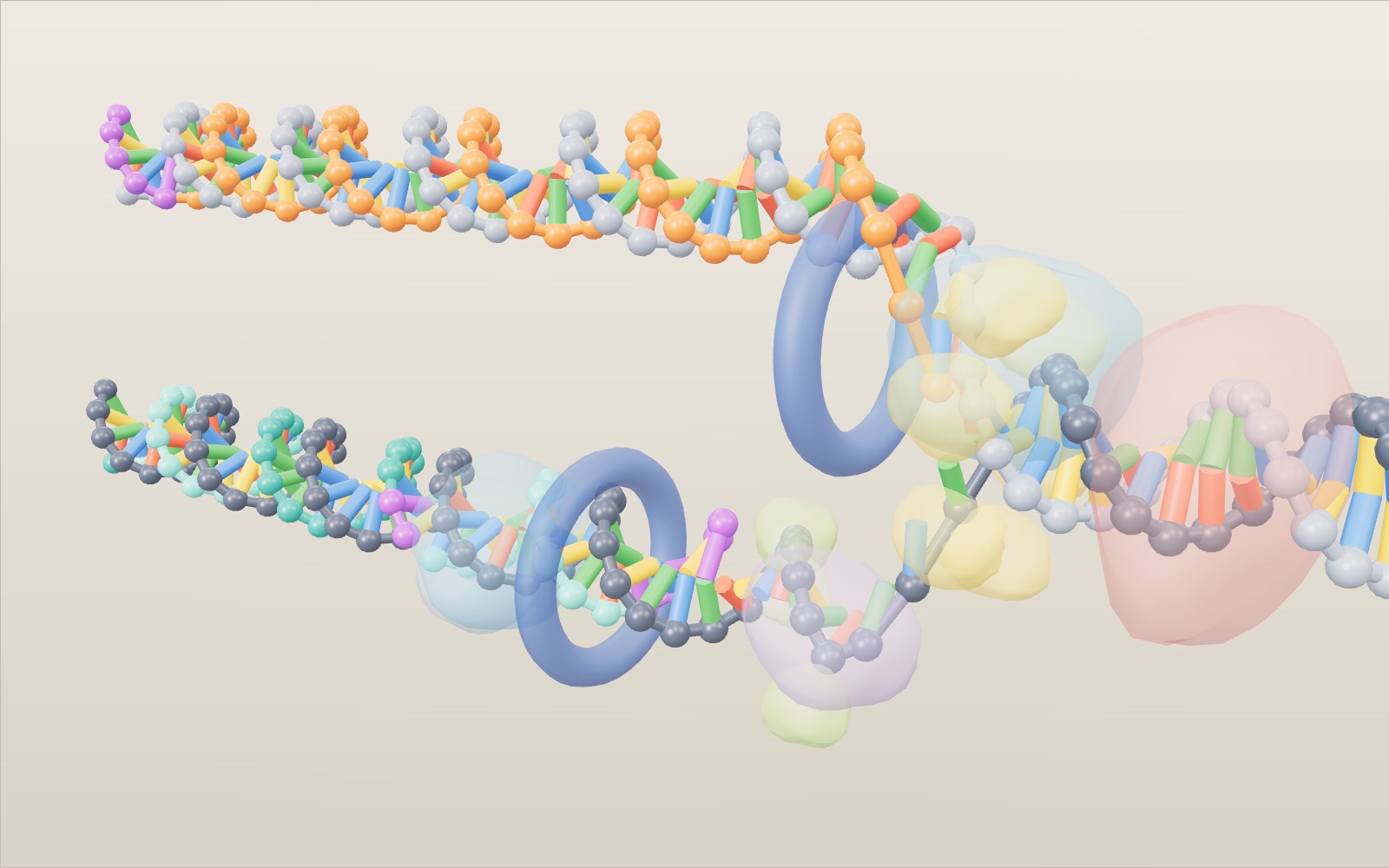
How DNA replication works, step by step: Okazaki fragments in 3D
A DNA polymerase can only add to one end of a strand, so at every replication fork one new strand grows in a single piece and the other in short fragments.
For lessons on DNA, replication, cell division
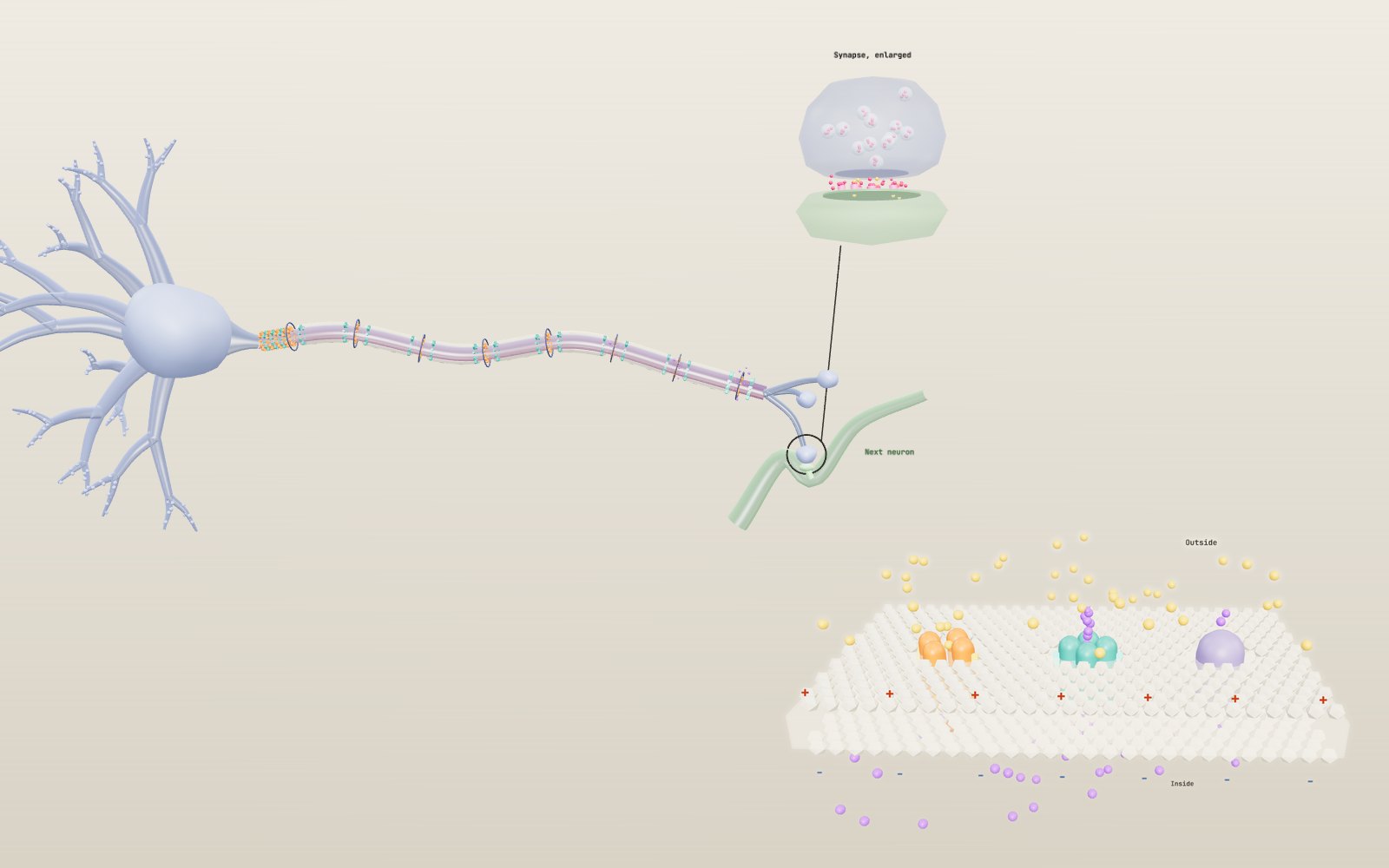
How nerve signals travel
A nerve cell sits at about −70 mV, and when a stimulus lifts it to about −55 mV it fires a spike that is always the same size.
For lessons on Nerve cells, nerve impulses, the nervous system
How photosynthesis works
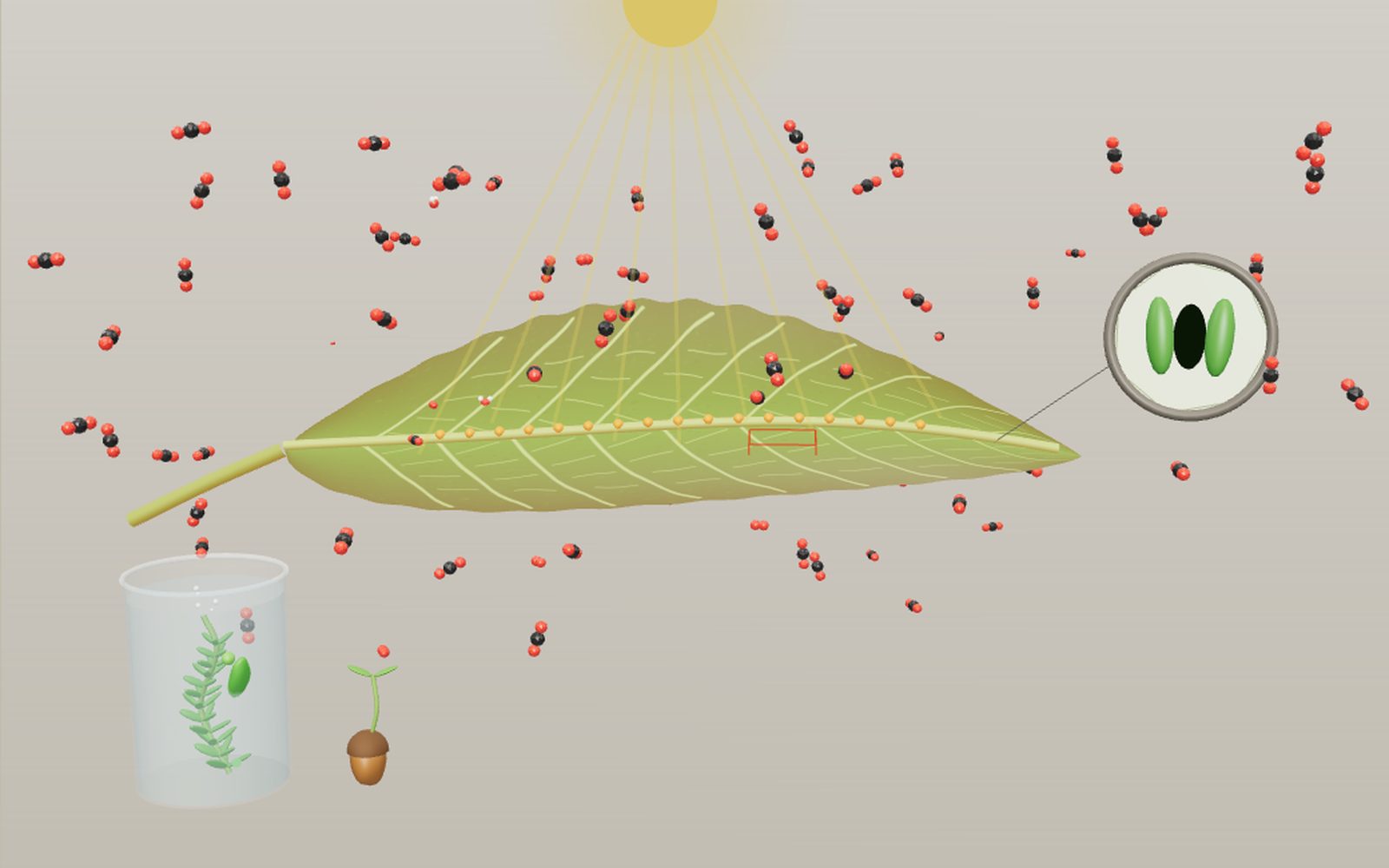
A leaf in full sun pulls carbon dioxide out of air that holds only about 426 parts per million of it, and builds sugar from it.
For lessons on Photosynthesis, chloroplasts, plants and light
Heart beating: interactive model of the heart, step by step
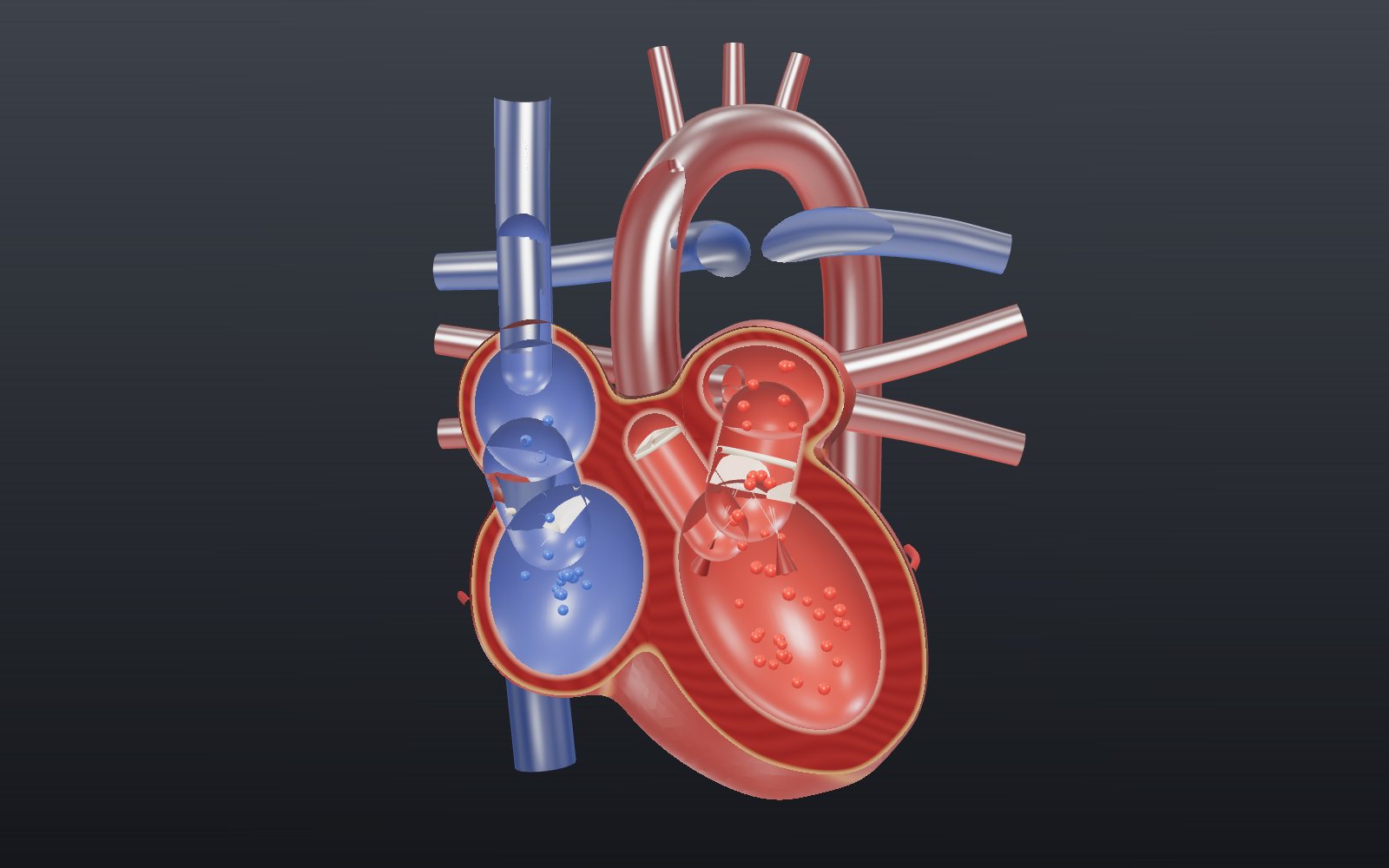
Your heart pushes out about 70 mL of blood with each beat, and at a resting pace it does that about 108,000 times a day.
For lessons on The heart, circulation, blood flow
Dinosaur size compared to a human: 172 life-size animals
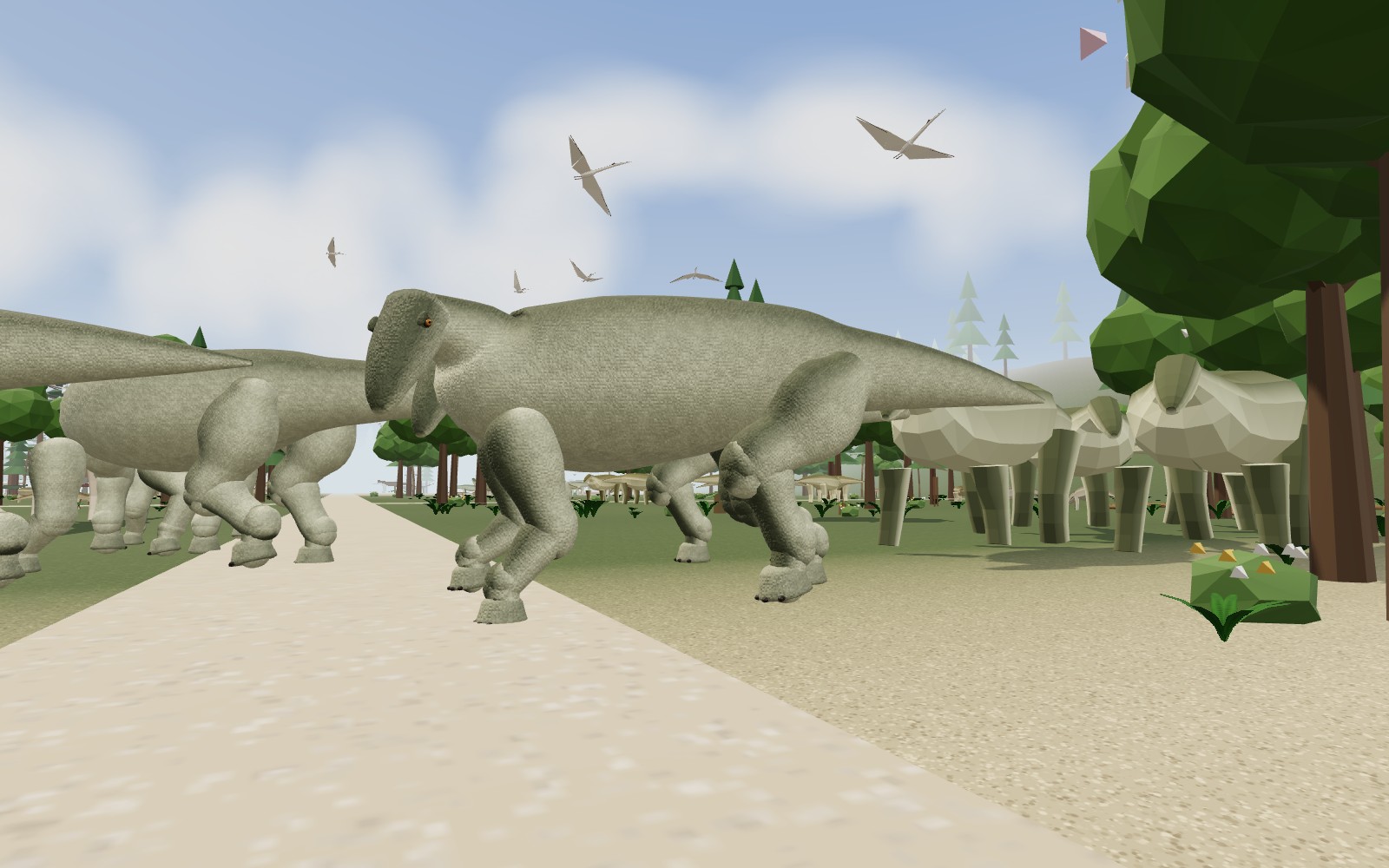
A 600 m park of 172 prehistoric animals at their real size, from the first dinosaurs to T. rex, laid out by age.
For lessons on Dinosaurs, fossils, size and scale
Walk inside a cell: animal, plant and bacterium
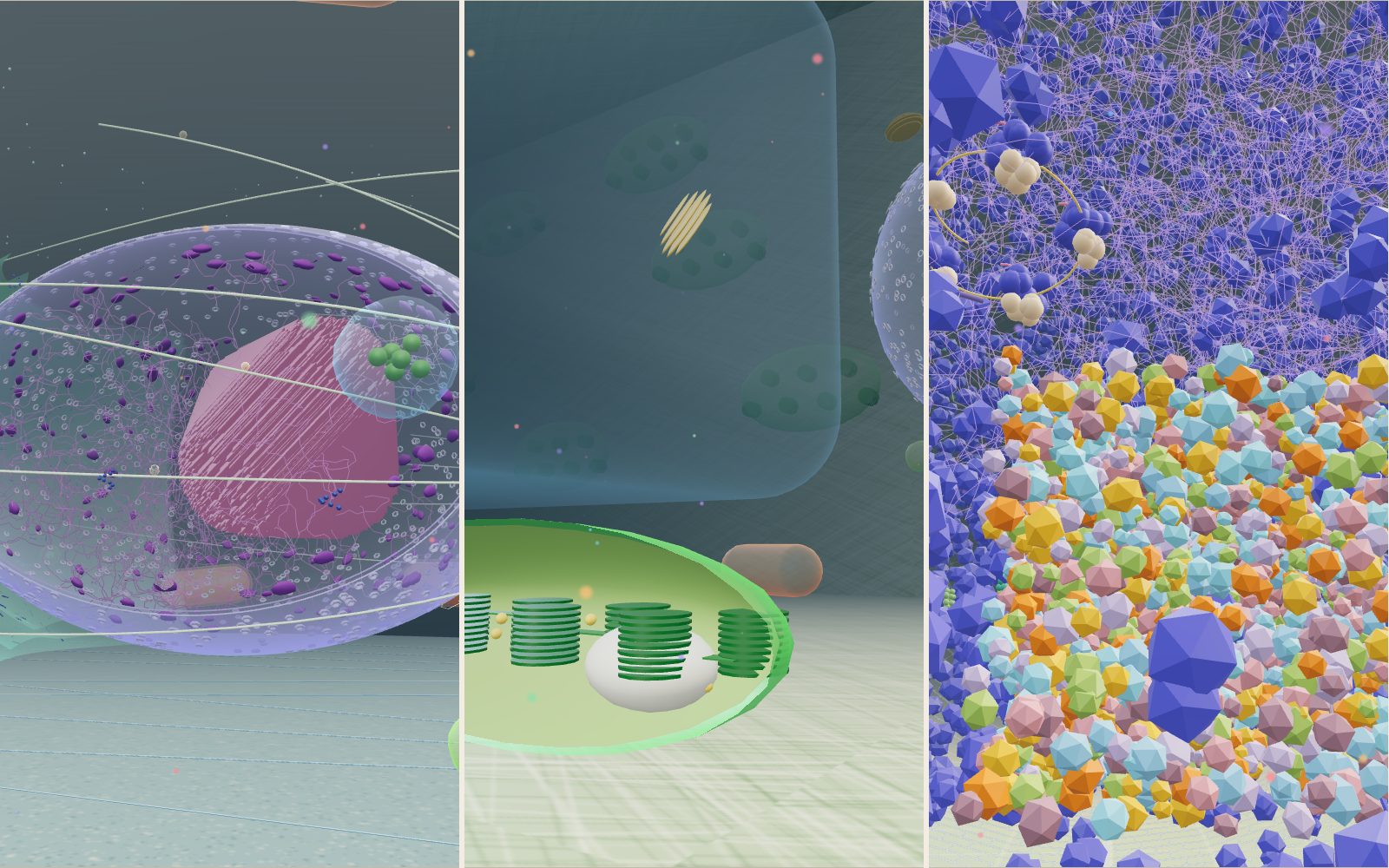
Grown a million times, a mitochondrion is about the size of a sofa, a whole E. coli is 2 m long, and the kinesin towing a vesicle past you walks at 0.8 metres per second.
For lessons on Cells, organelles, plant and animal cells, bacteria
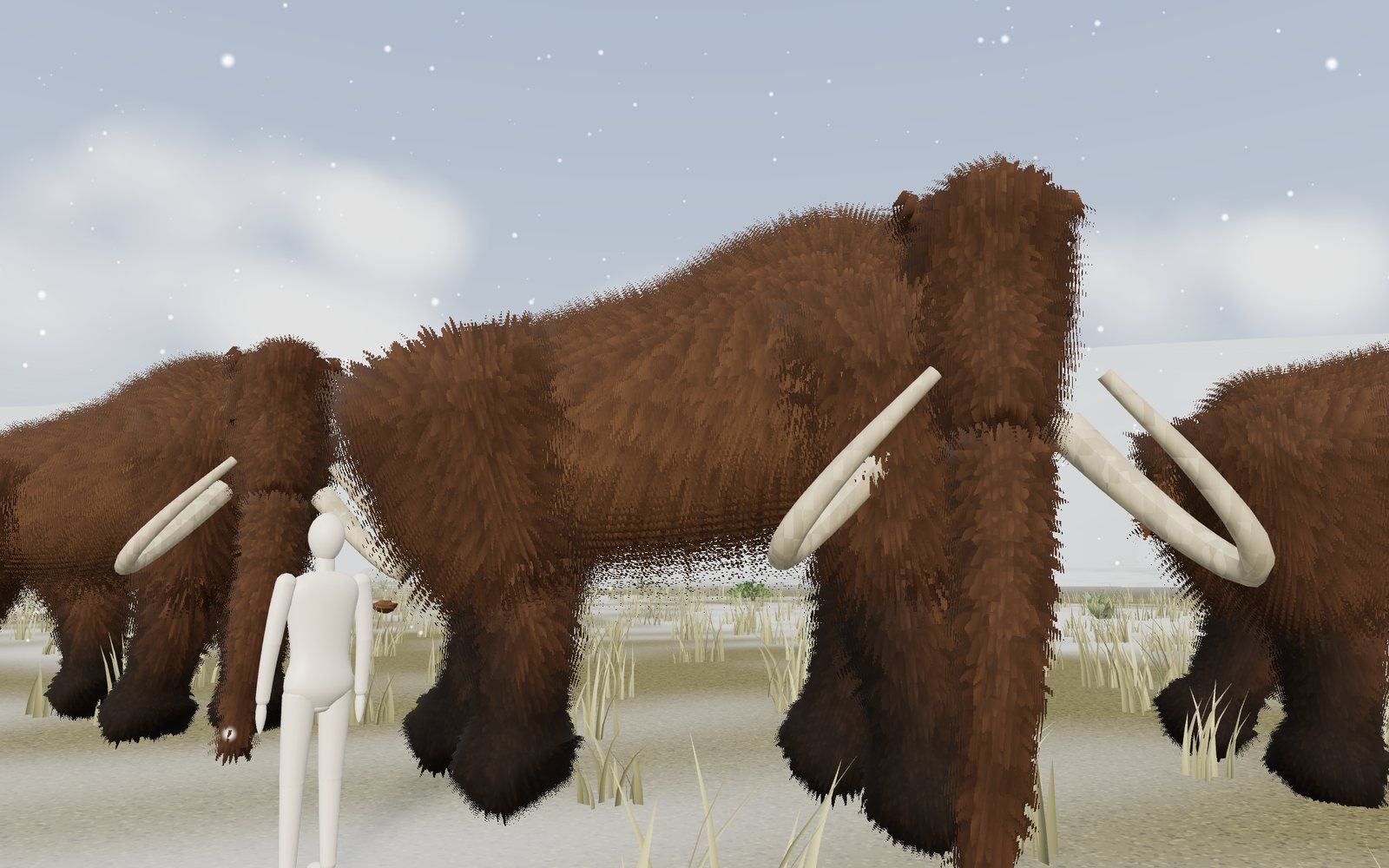
Walk among ice age animals
A 600 m park of 65 animals from the last ice age at their real size, from woolly mammoths to sabre-toothed cats, on a time slider that runs 50,000 years.
For lessons on Ice ages, extinct animals, climate change
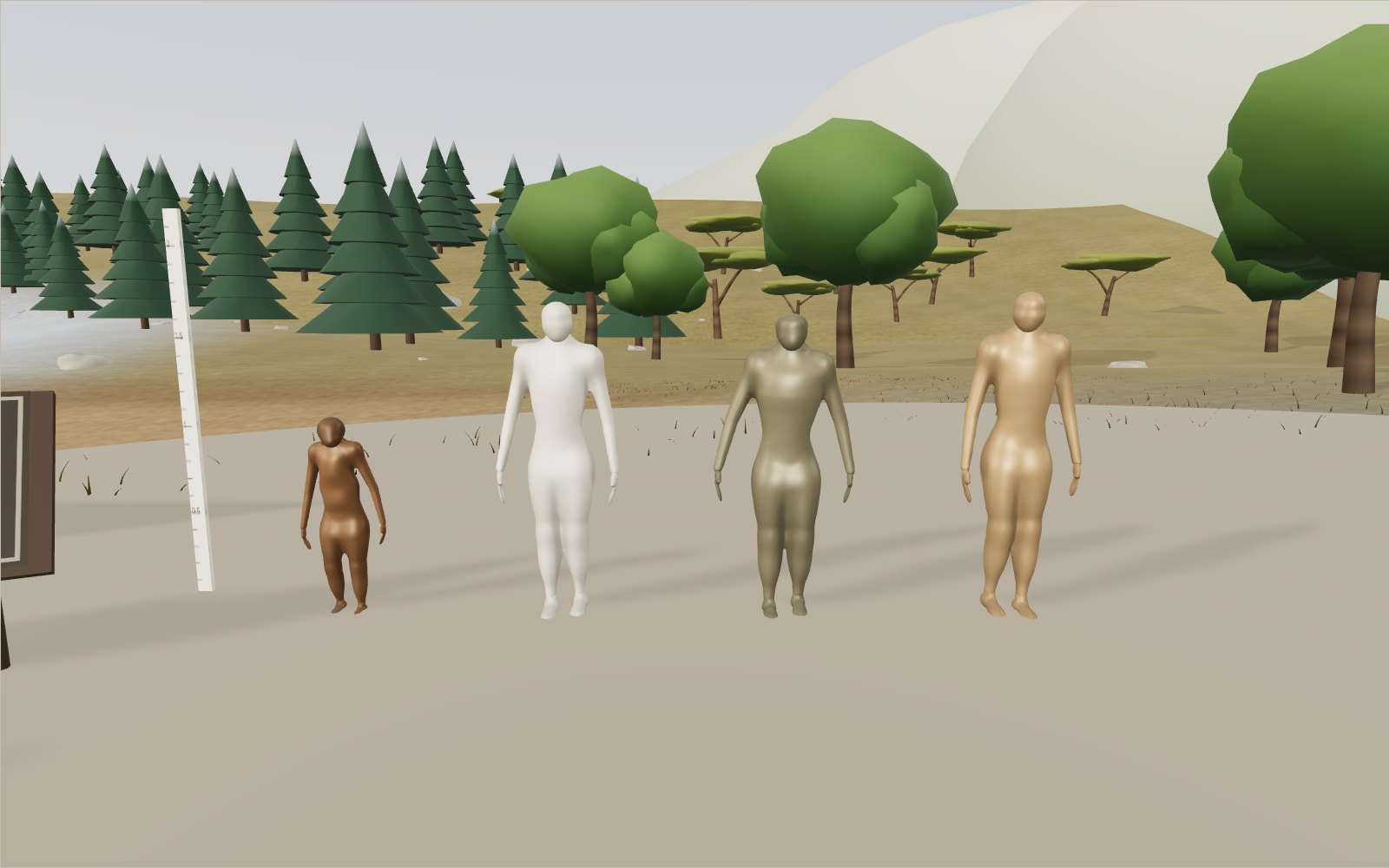
Human evolution walk
Lucy stood about 1.1 m tall. Walk 7 million years of human relatives at their real size, with yourself beside them.
For lessons on Human evolution, fossils, hominins
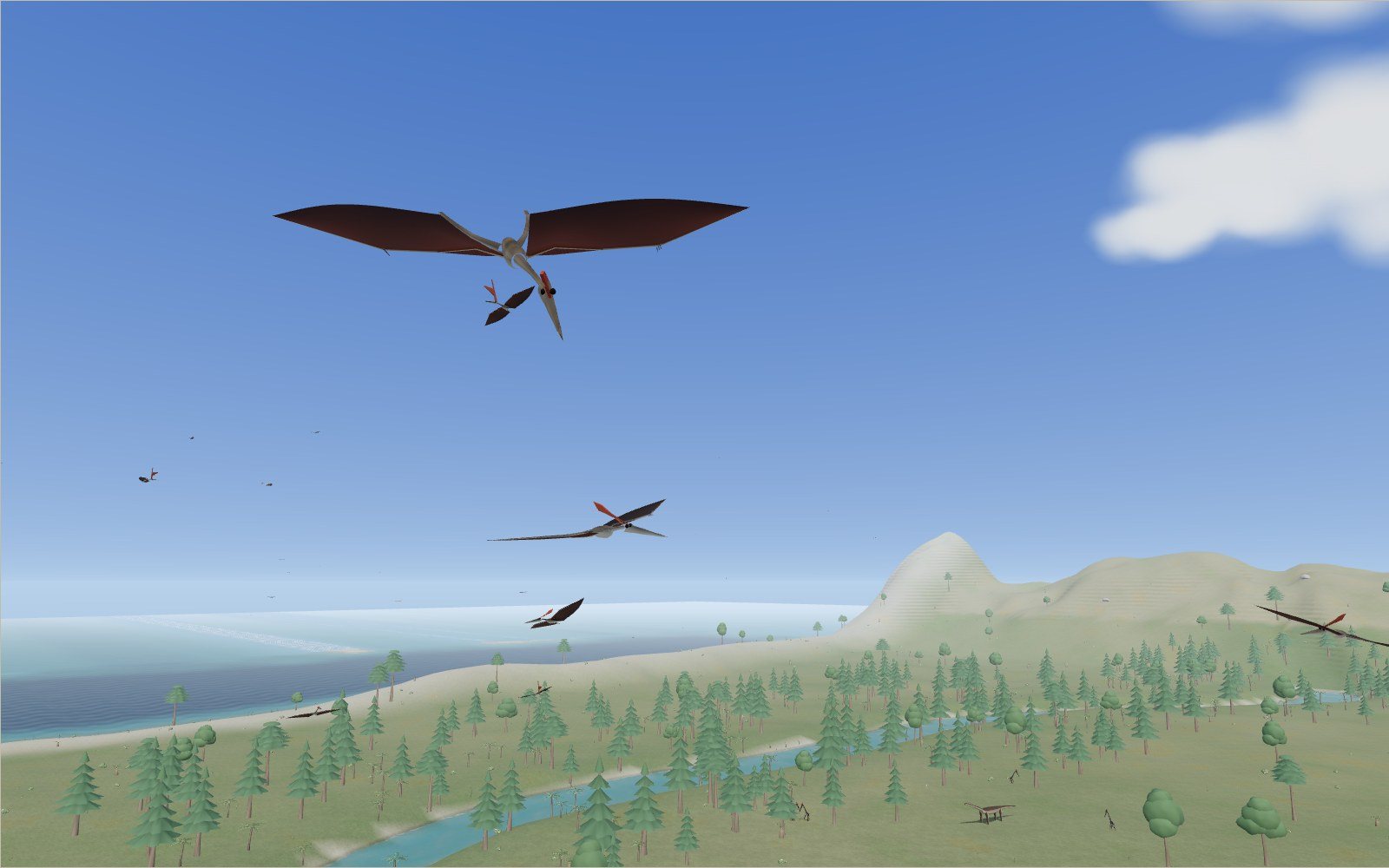
Fly with life-size pterosaurs
Quetzalcoatlus spanned about 10 m, close to the 11 m wing of a Cessna 172, and standing it was as tall as a giraffe. Watch it pass over a Cretaceous cliff, then fly with 35 pterosaurs from three ages.
For lessons on Pterosaurs, flight in animals, fossils
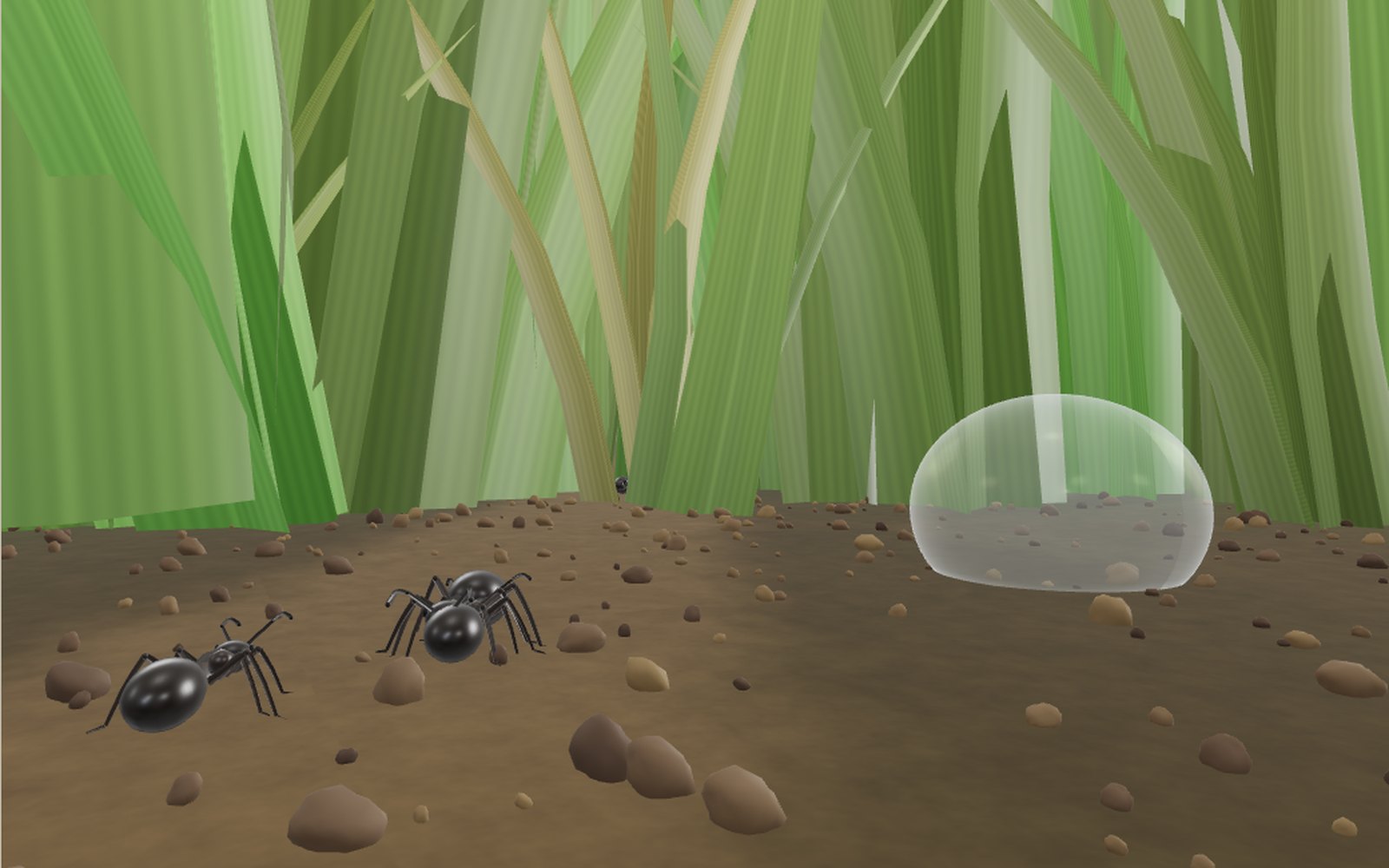
Shrink to the size of an ant and walk into its nest
At 5 mm tall, a blade of lawn grass is 20 times your height and a black garden ant walks past at chest height.
For lessons on Insects, social animals, habitats
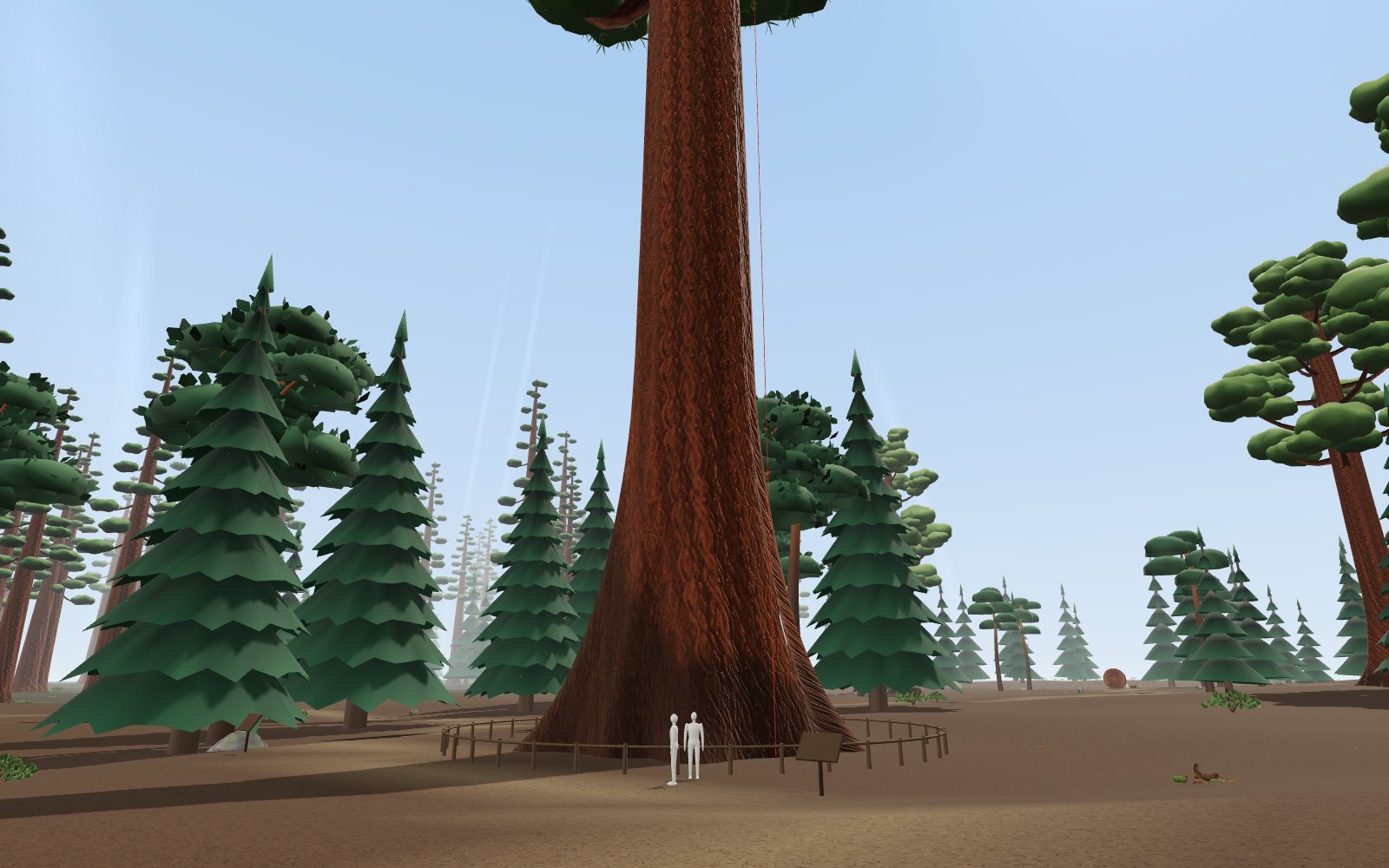
Giant sequoia forest: walk under the largest trees
Stand at the foot of the General Sherman Tree, 83.8 m tall and about 2,200 years old, then climb its trunk and see how hard the water up there is pulled.
For lessons on Trees, forests, plant growth
Earth science
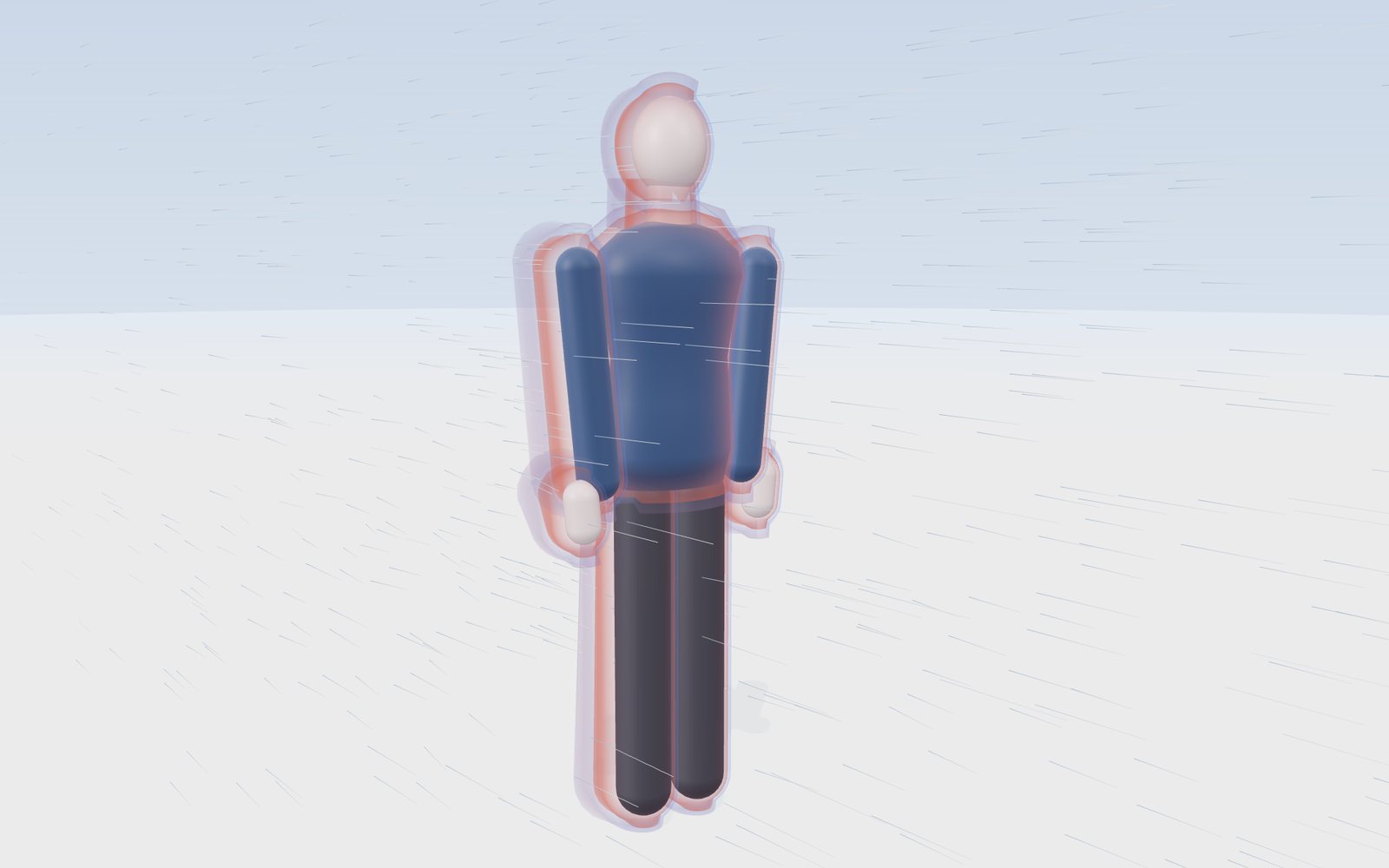
Wind chill chart and calculator: how wind steals body heat
At 0 °F with a 15 mph wind the National Weather Service chart reads −19 °F, and exposed skin can freeze in 30 minutes.
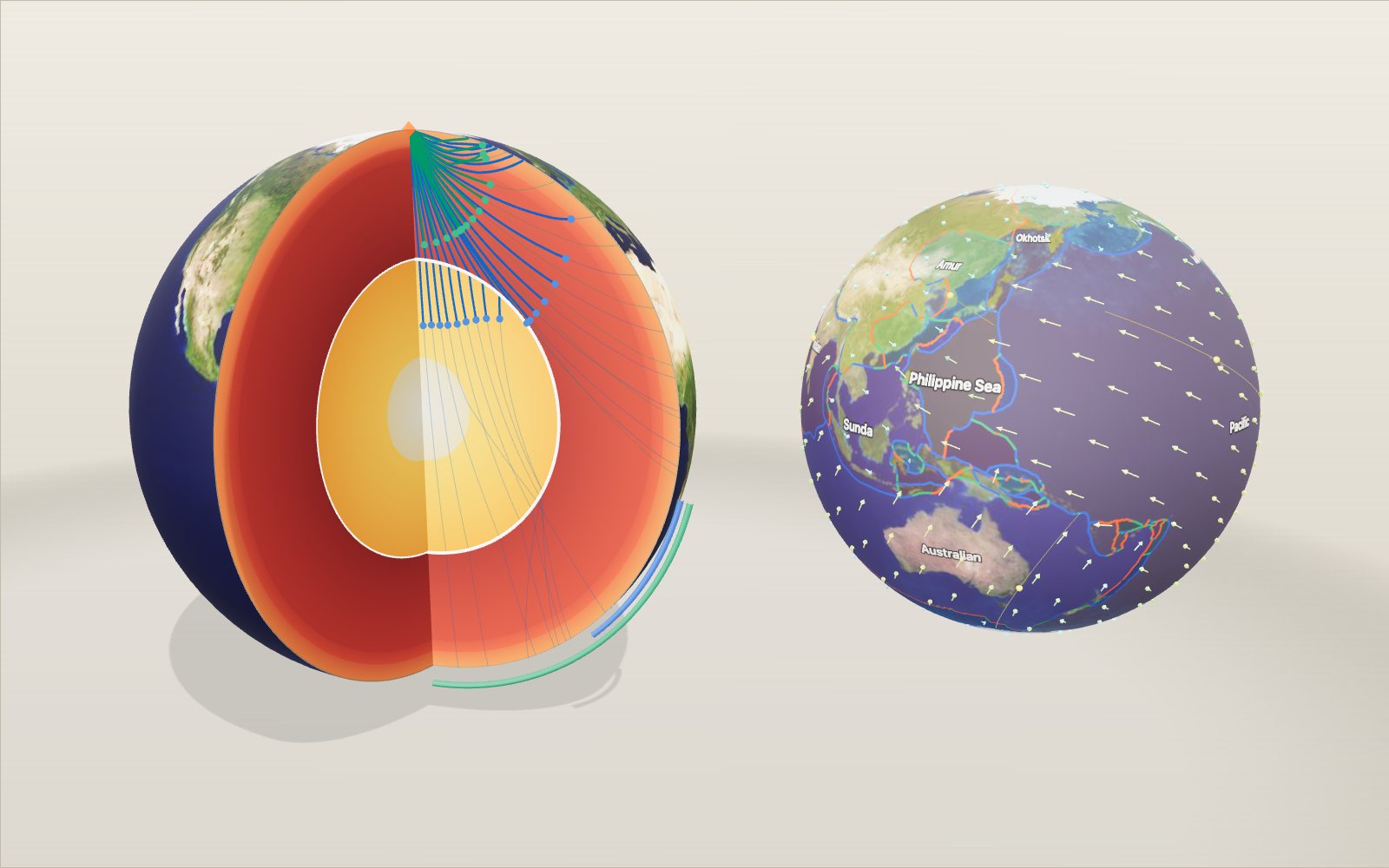
Layers of the Earth: depth and density, interactive model
Nobody has drilled deeper than 12.3 km, yet we know the pressure at the centre to within a few per cent, because earthquakes shine through the planet.
For lessons on Earth’s structure, crust, mantle and core, density
Tides simulator: move the Moon and Sun, watch high tide
The Moon raises the sea on the side of the Earth facing it, so why is there a second high tide on the side facing away?
For lessons on Tides, gravity of the Moon and Sun
Map projections: why Greenland looks as big as Africa
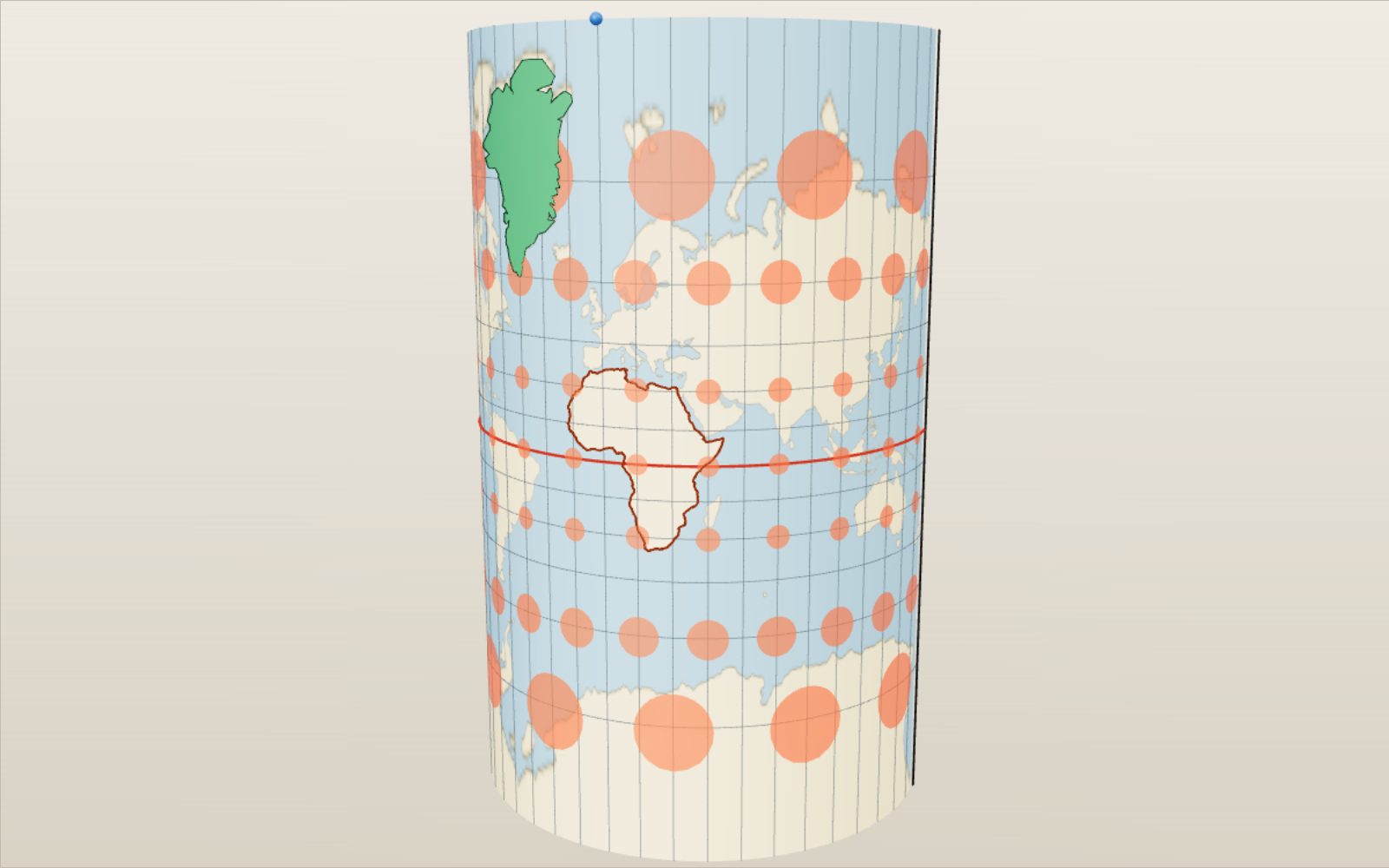
On a Mercator map Greenland looks bigger than Africa, which is in fact about 14 times larger.
For lessons on Maps, globes, projections, distortion
Where volcanoes and earthquakes happen
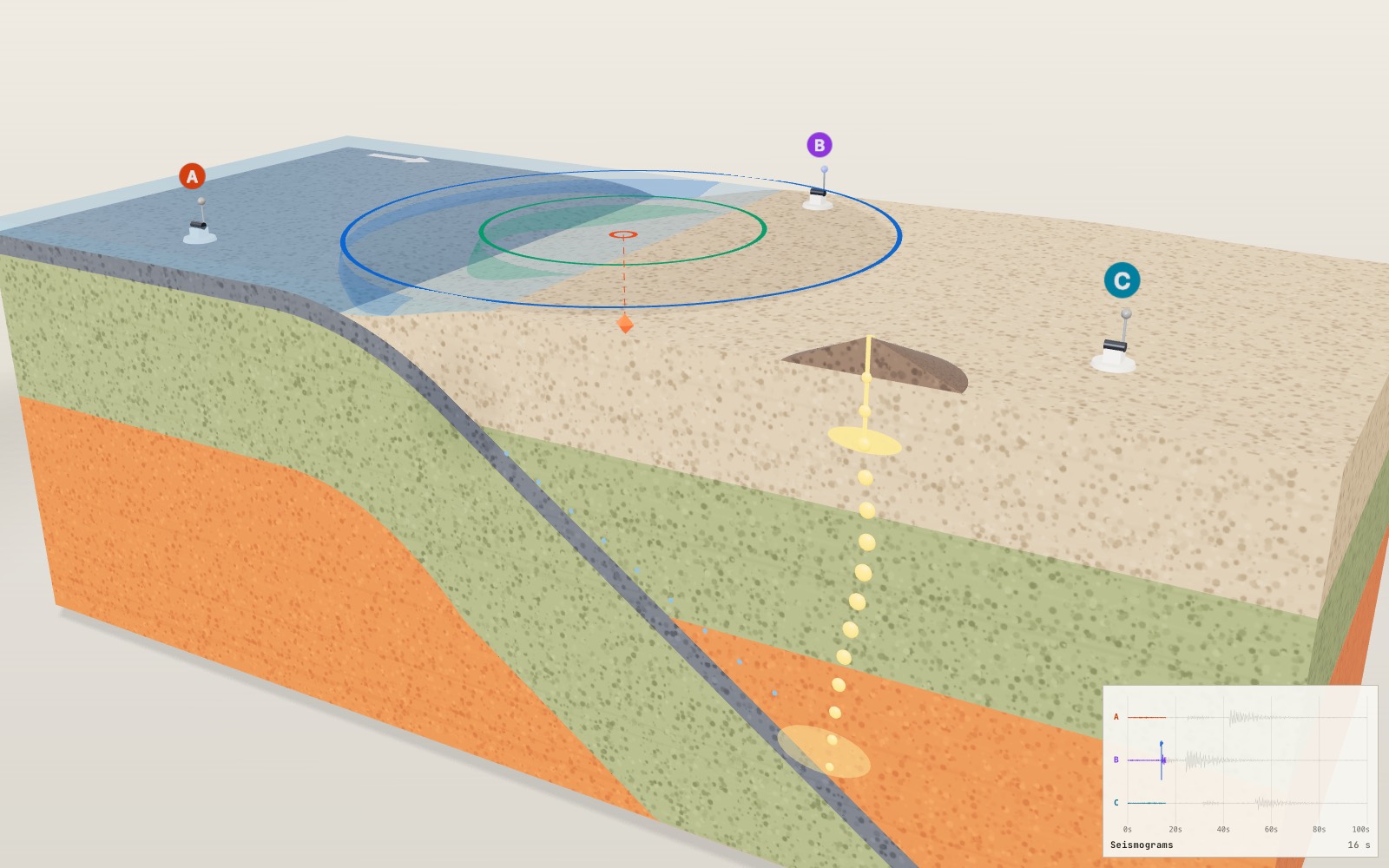
For each second between the P wave and the S wave, the earthquake is roughly 8 km farther from the seismometer.
For lessons on Plate tectonics, volcanoes, earthquakes
How buildings resist earthquakes
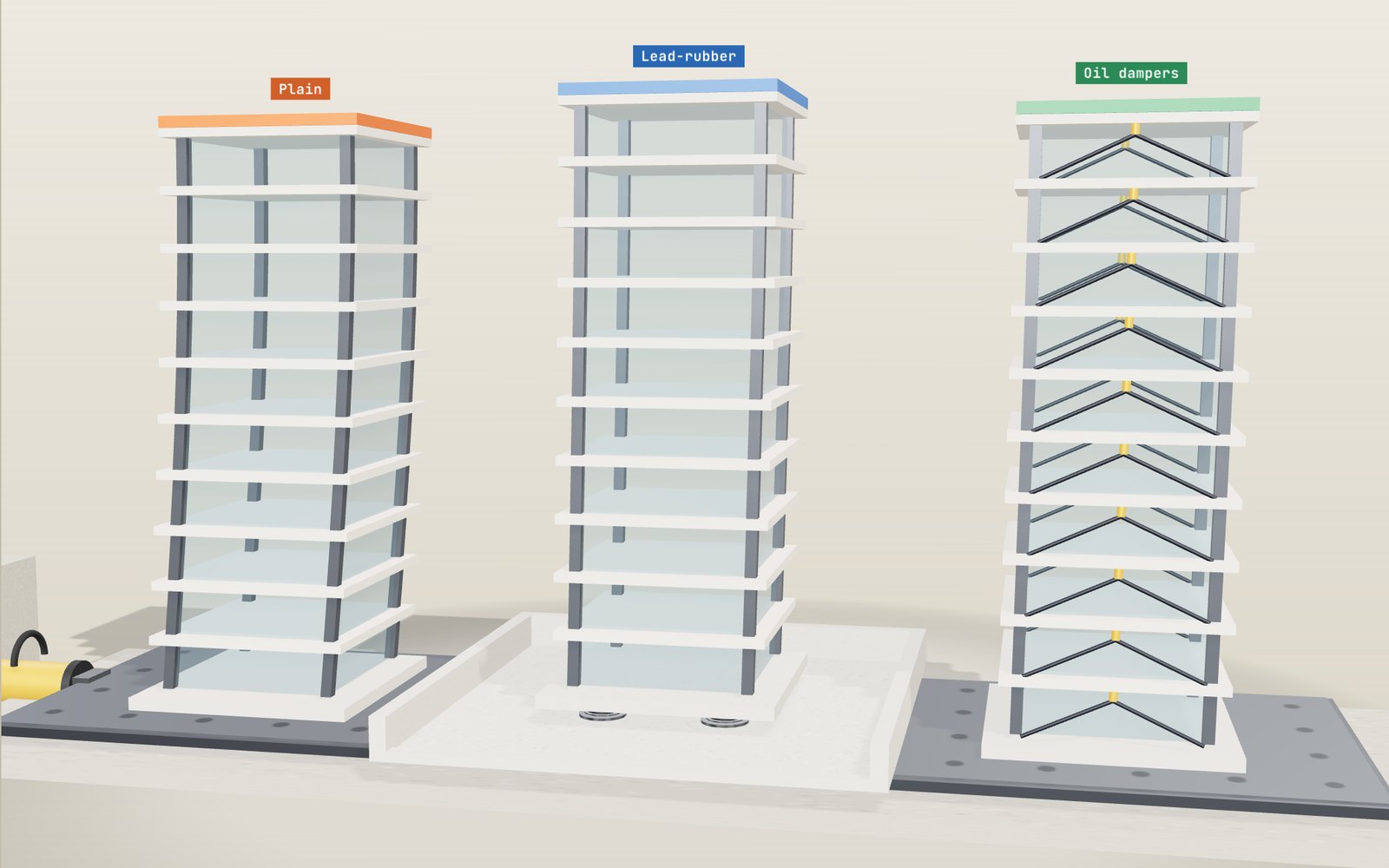
Shake a six-storey model at 0.6 seconds, its own period, and its floors bend about 14 times more than at one second. Rubber bearings, dampers and braces each answer that in a different way.
For lessons on Earthquakes, building safety, vibration
Why lakes freeze from the top down: water density and lake ice
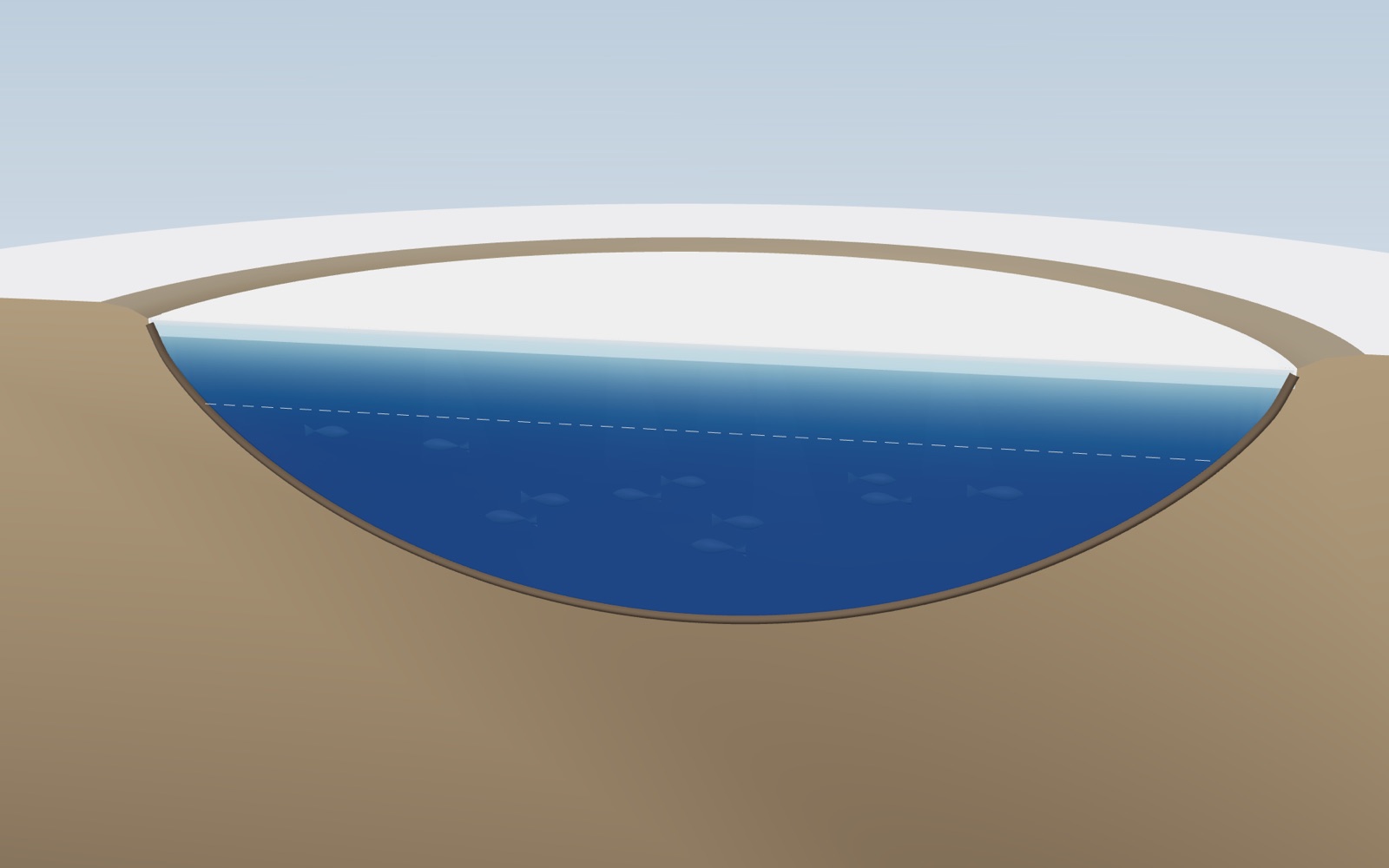
Fresh water is heaviest at 3.98 °C, so a lake cools to 4 °C top to bottom before a thin colder layer on top freezes.
Swim to the bottom of the Mariana Trench in a 3D ocean
By 20 m down, almost all the red in sunlight has gone, and the Challenger Deep is another 10,900 m below that.
For lessons on Ocean depth zones, water pressure, deep-sea life
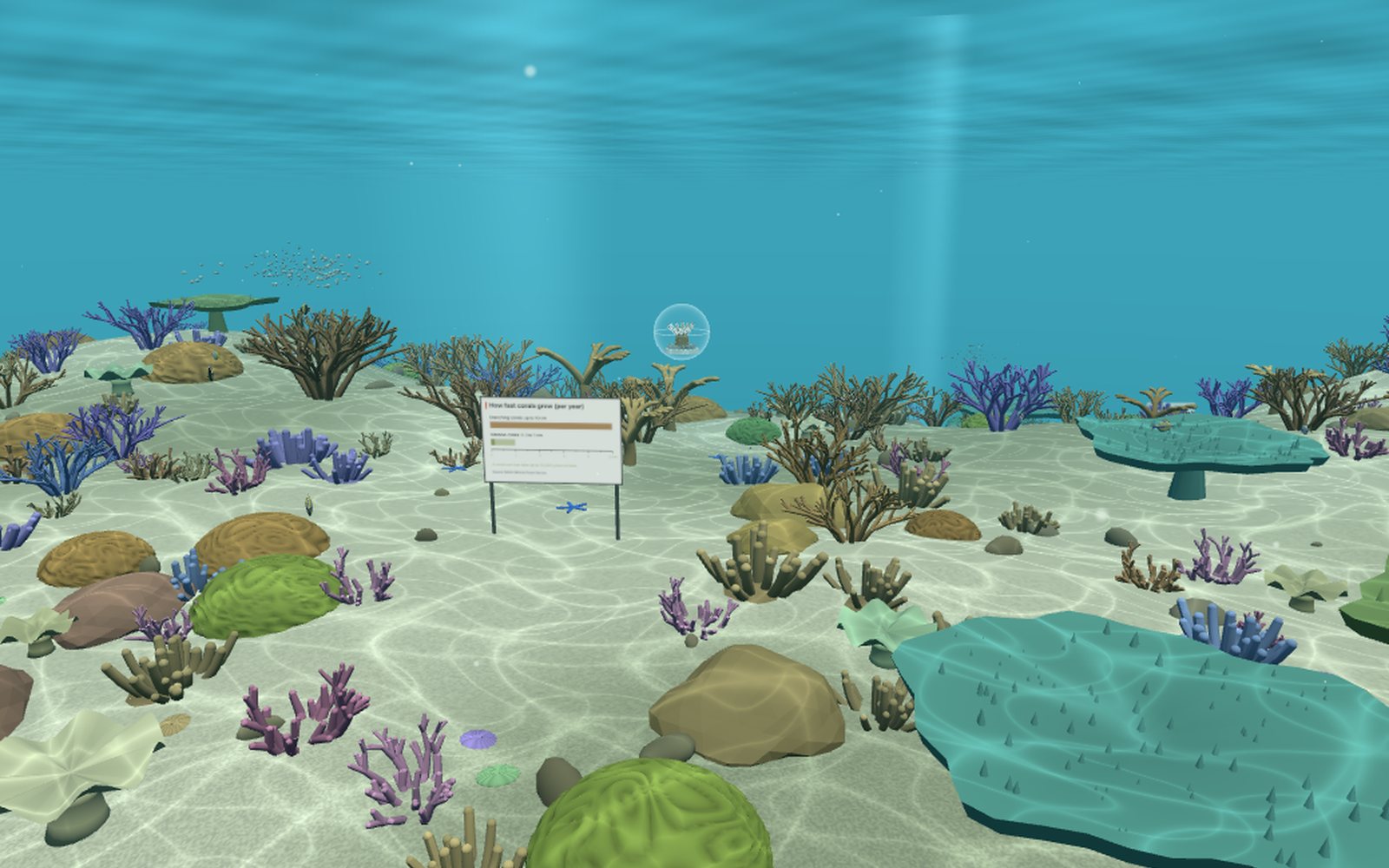
Coral bleaching causes: why warmer water turns reefs white
Corals get most of their food from algae living in their tissue, and when the sea stays more than 1 °C above its usual summer high for weeks, they lose those algae and turn white.
For lessons on Ecosystems, ocean warming, coral bleaching
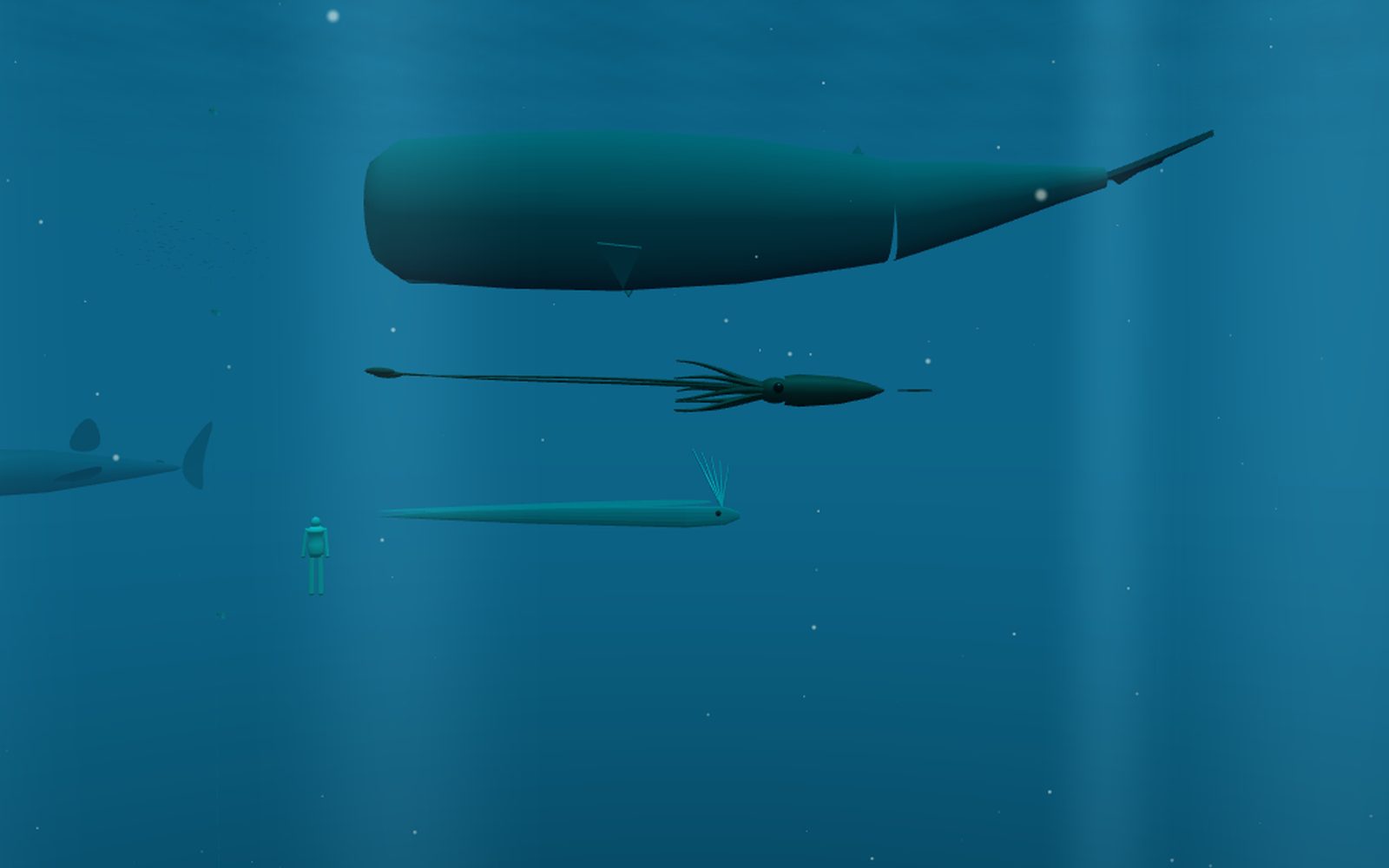
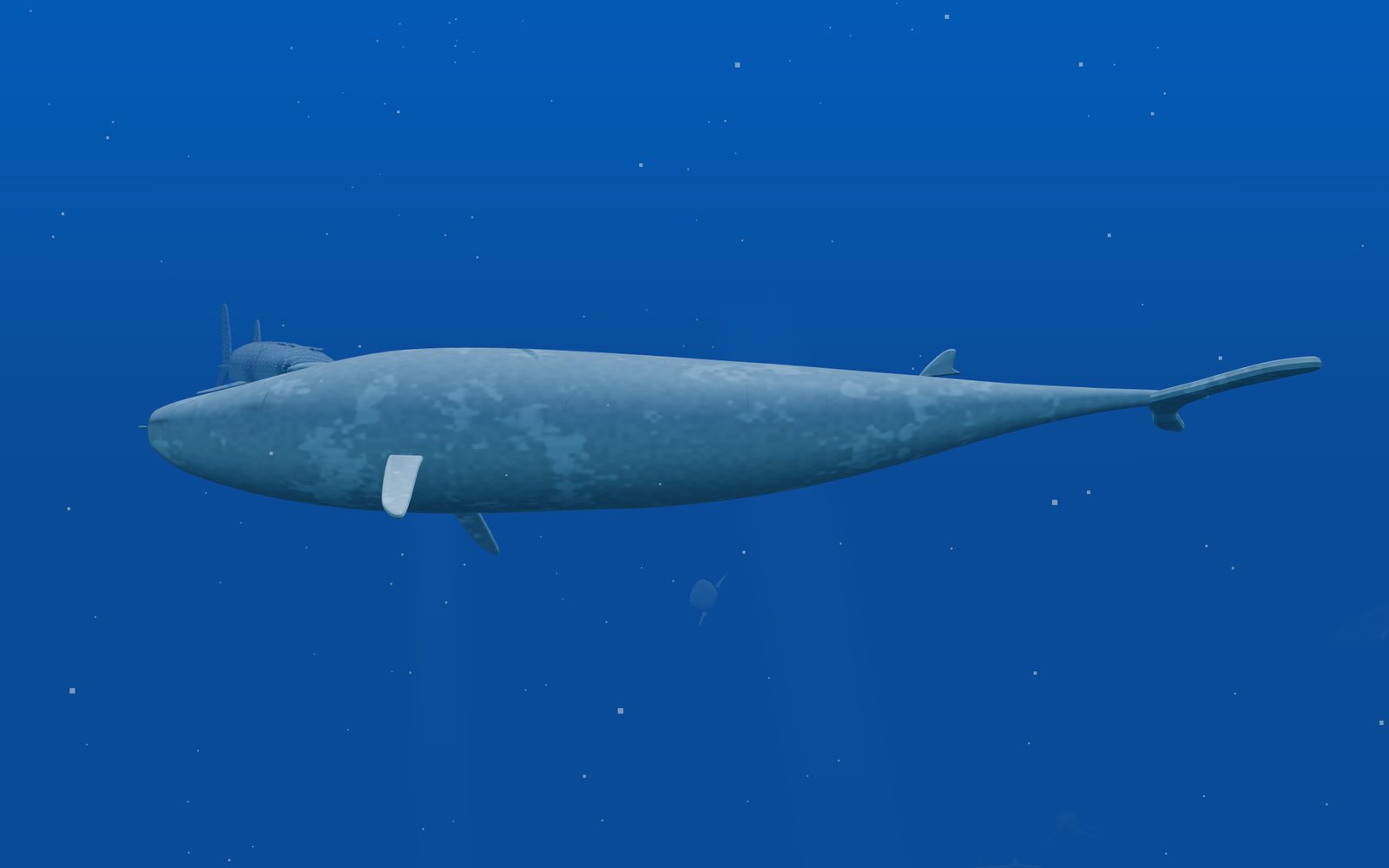
Giants of the sea: megalodon and the blue whale
Swim beside 48 sea giants at their real size, from a 28 m blue whale to megalodon, Livyatan and Mosasaurus, in eight seas from today back to the Triassic.
For lessons on Marine animals, size comparison, extinction
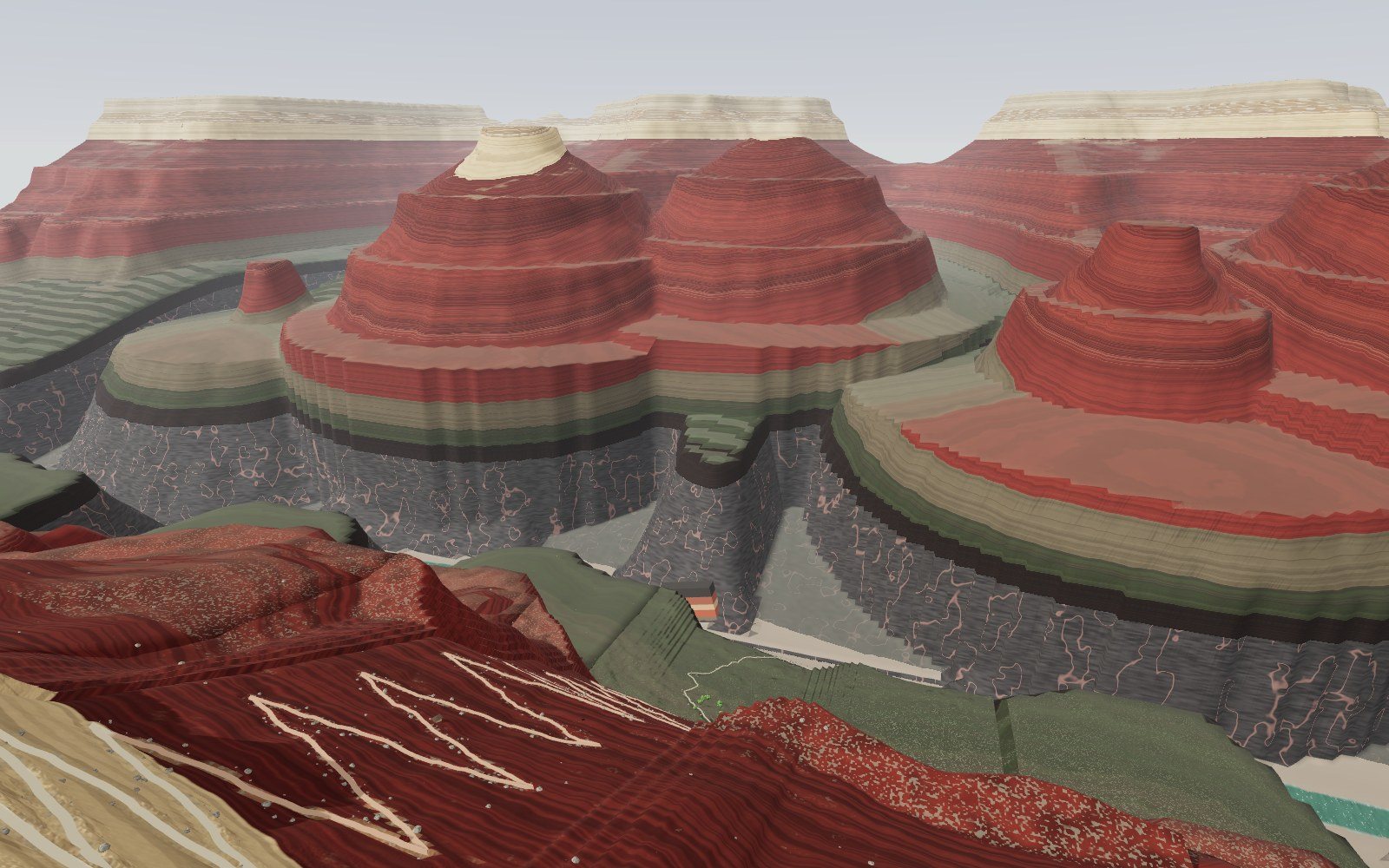
Walk down the Grand Canyon rock layers
Walk 1,360 m down the Bright Angel Trail through 13 rock layers, from a 270-million-year-old sea floor on the rim to 1.75-billion-year-old schist by the river.
For lessons on Rock layers, erosion, geological time
Space
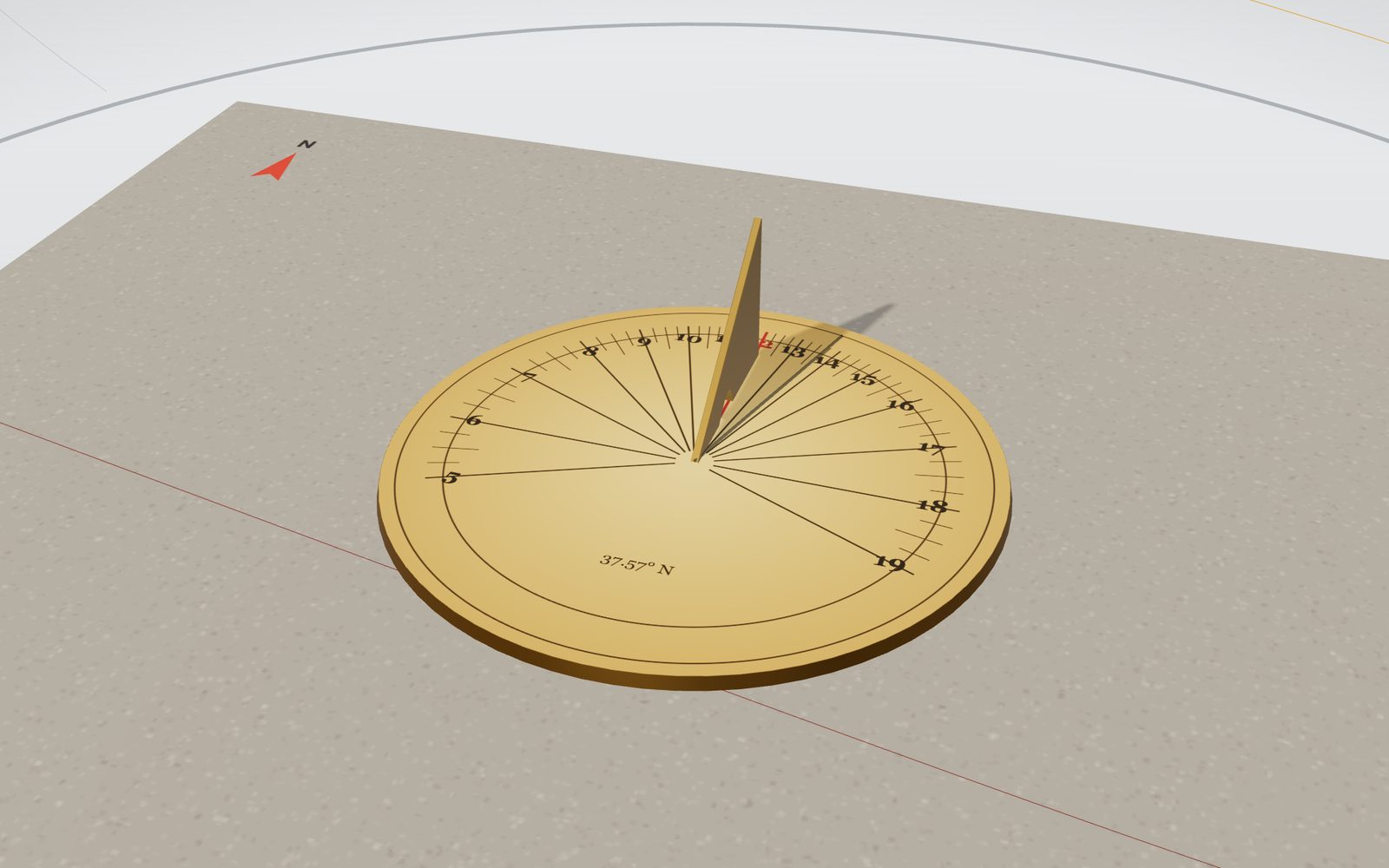
Sundial: interactive model, how to read the time
In Seoul a sundial reads about half an hour behind the clock, because the city lies 8° west of the meridian that sets Korean time.
For lessons on Earth’s rotation, shadows, telling time
Powers of ten: from a proton to the observable universe
From inside a proton to the edge of the observable universe is 42 steps of ten.
For lessons on Scientific notation, powers of ten, scale of the universe
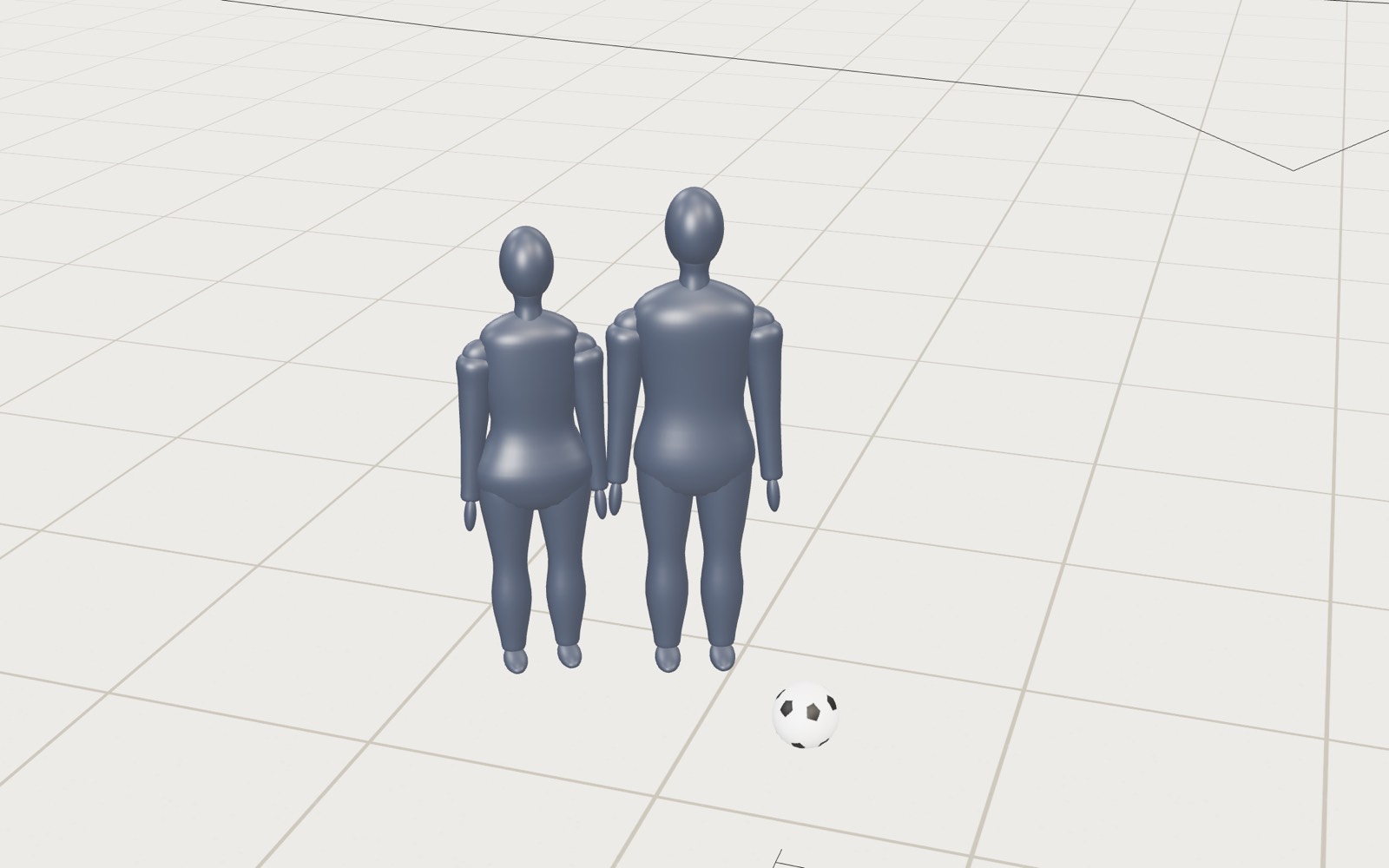
Your weight and jump height on other planets and moons
A 50 cm jump on Earth becomes a 3 m leap on the Moon, 18 m on Ceres and a one-way trip off asteroid Bennu.
For lessons on Gravity, weight and mass, the planets
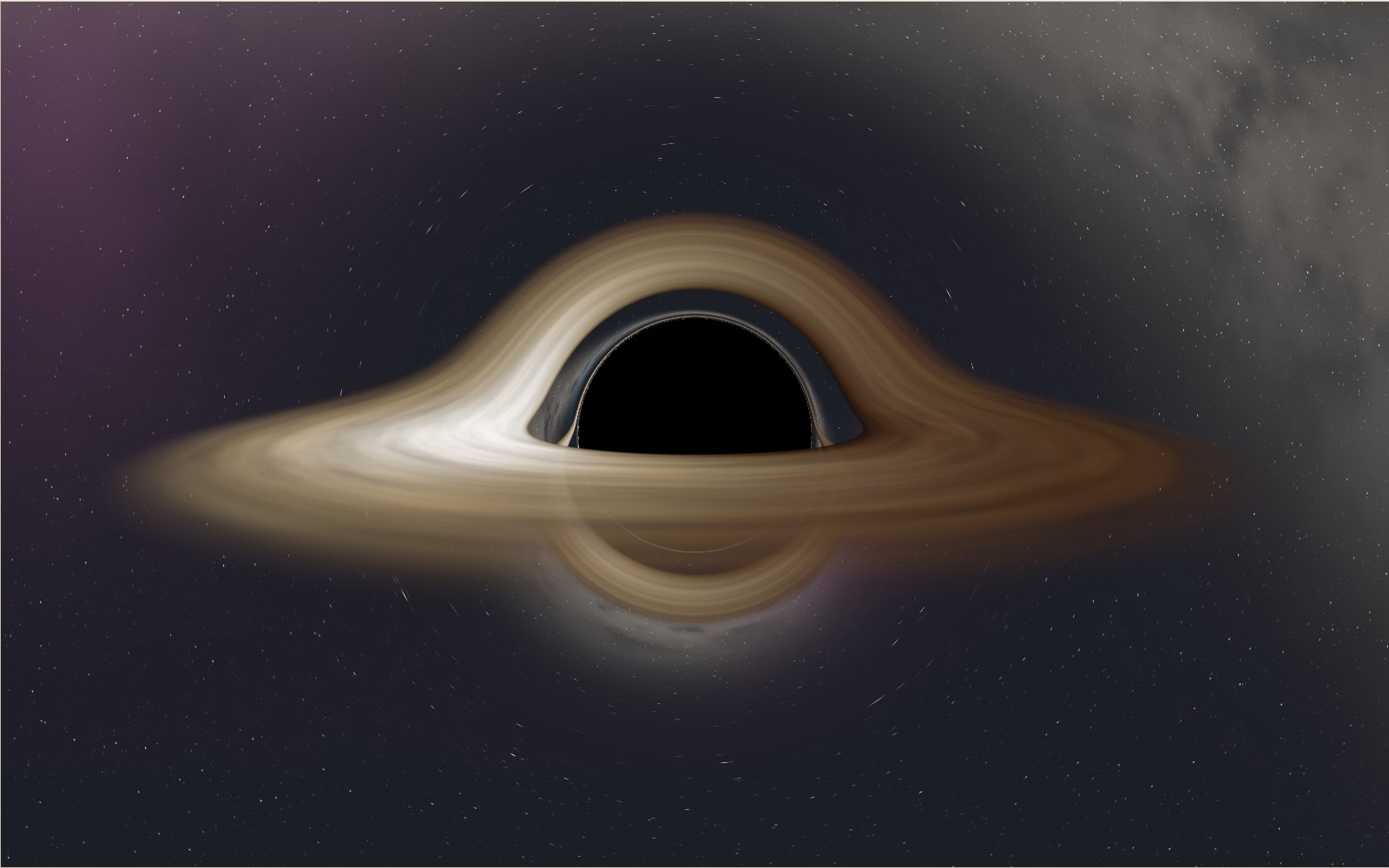
What you would see falling into a black hole
From 40 times the horizon radius a black hole's shadow is only 7.4° wide, yet starlight from directly behind it already forms a ring 28° across.
For lessons on Black holes, gravity, the speed of light
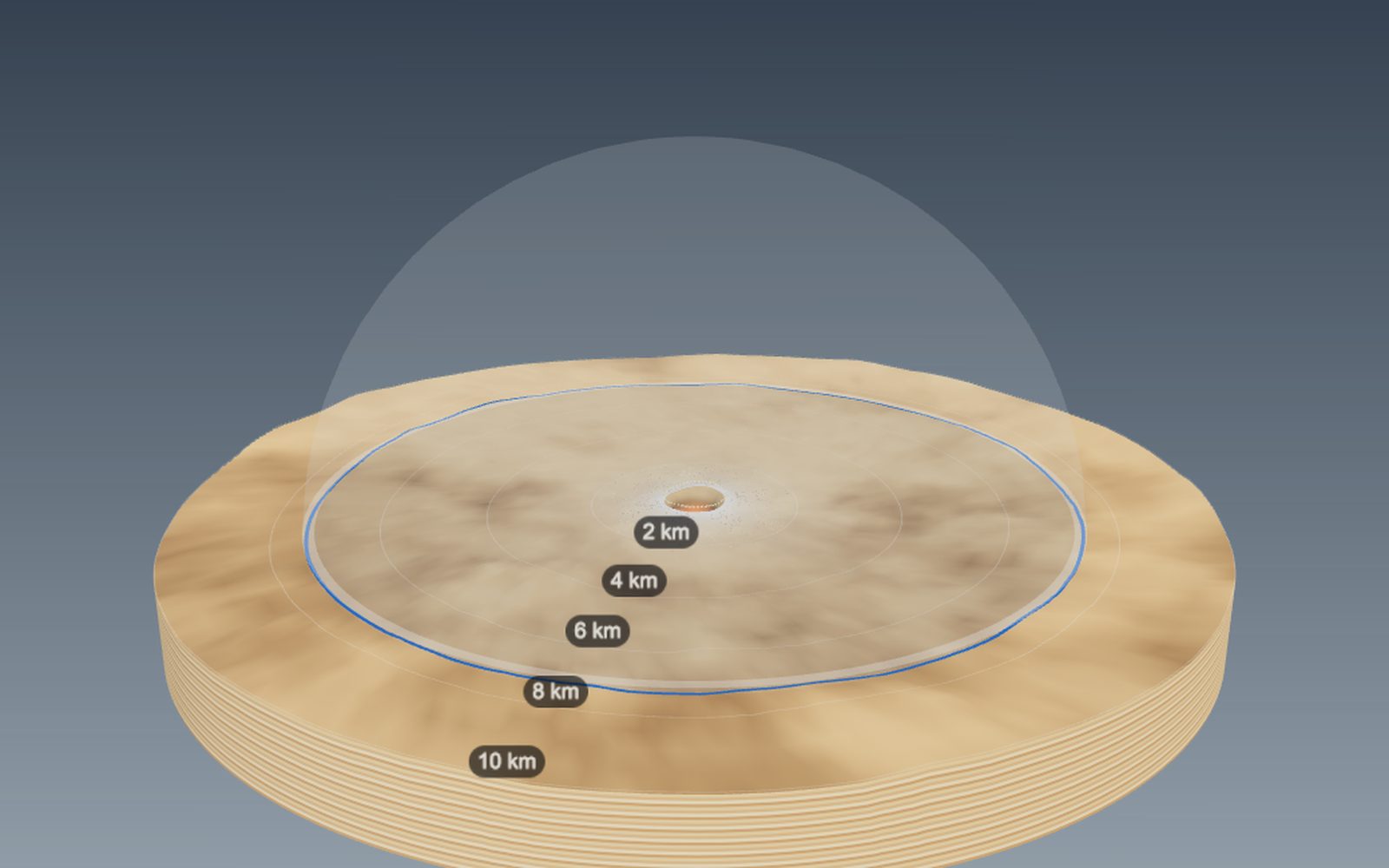
Asteroid impact crater size simulator: how craters form in 3D
The 1.2 km wide Meteor Crater in Arizona was dug by an iron asteroid only a few tens of metres across.
For lessons on Asteroids, impact craters, kinetic energy
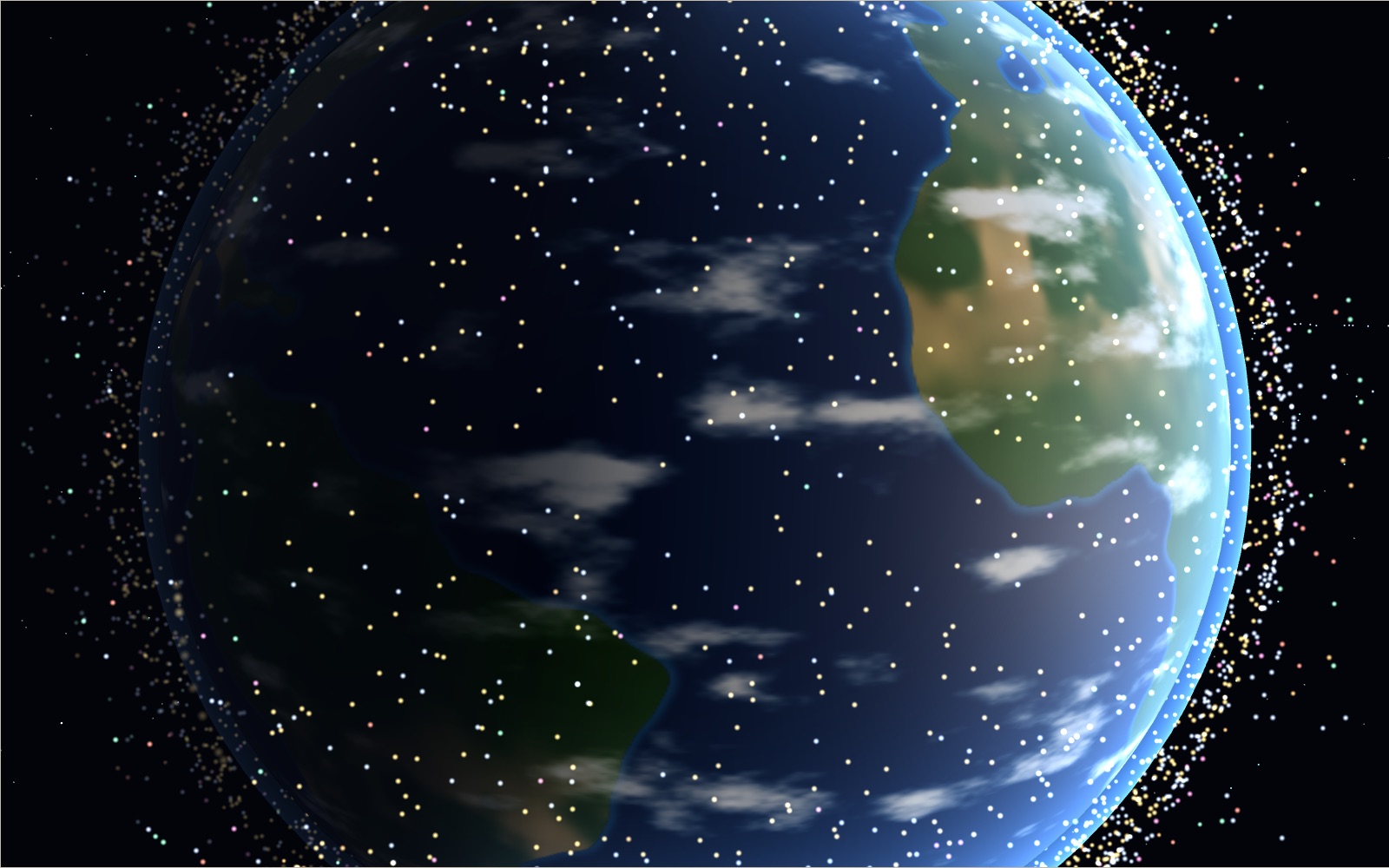
Satellites orbiting Earth right now
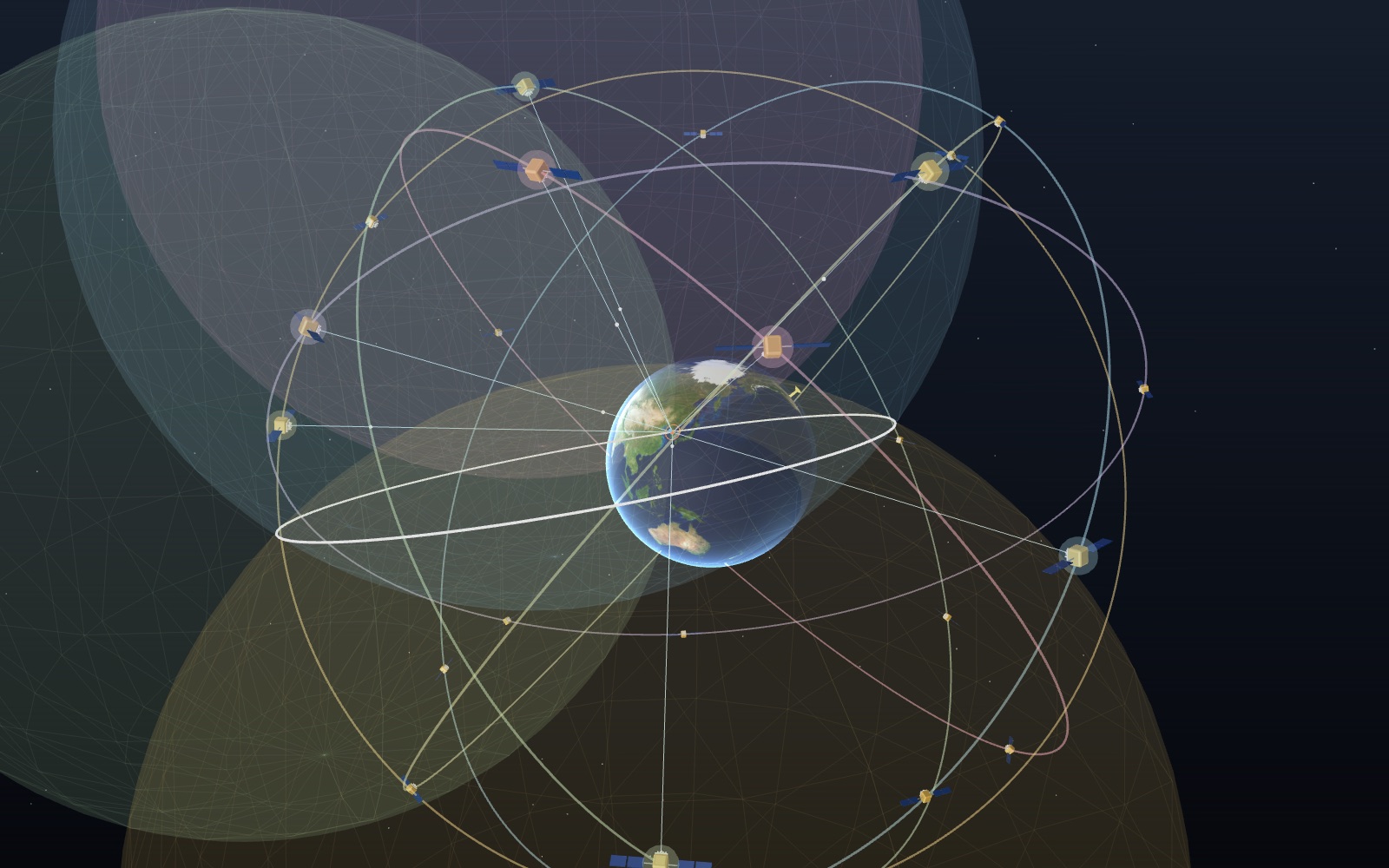
On 20 October 2026 the public catalogue listed 16,768 working satellites, and two in every three belonged to one company's internet network.
For lessons on Satellites, orbits, space technology
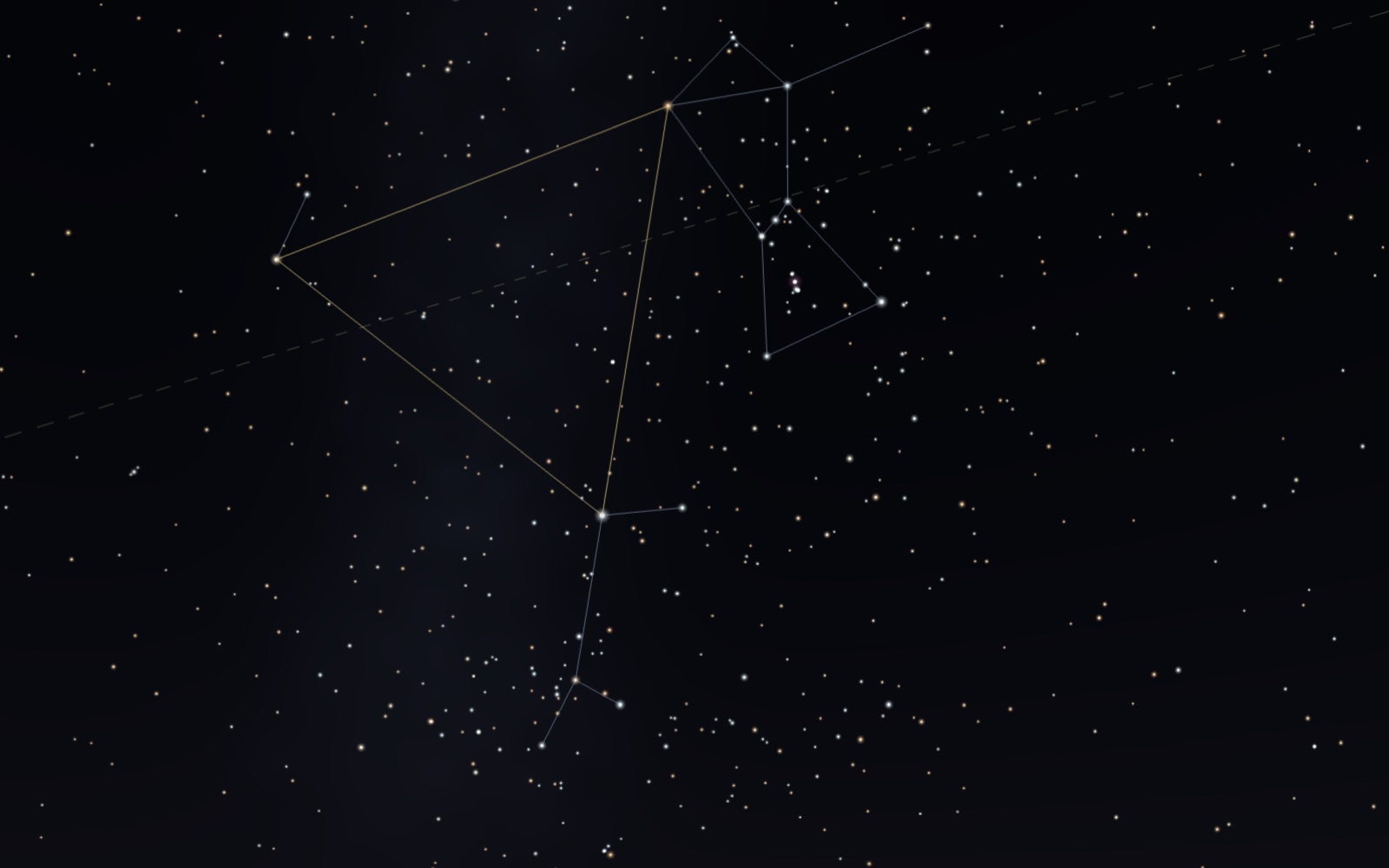
Winter constellations: Orion, the Winter Triangle and Hexagon
The three stars of Orion’s Belt look side by side, yet by their Hipparcos parallaxes Alnilam is nearly three times as far away as Mintaka.
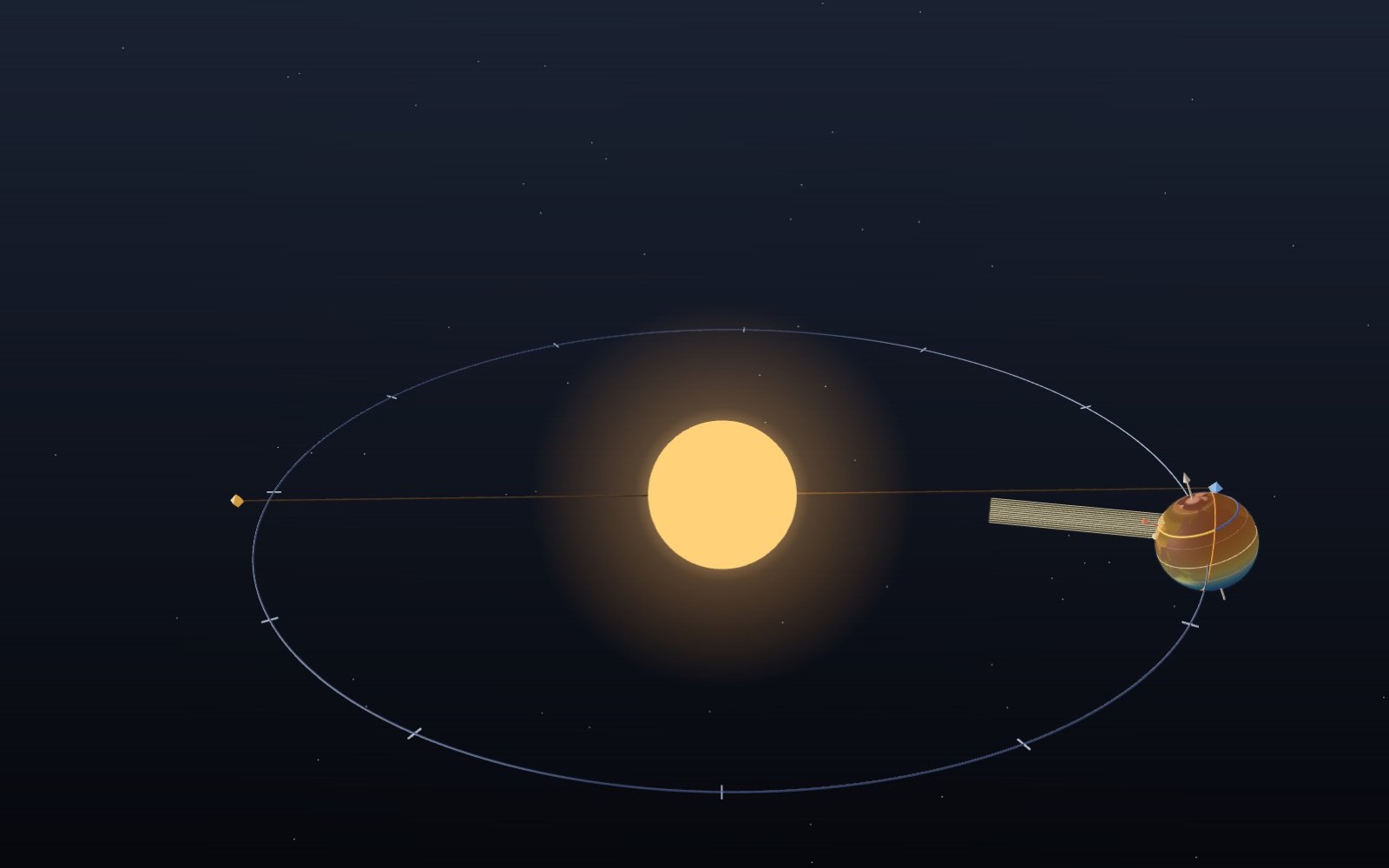
Why we have seasons: tilted Earth, changing daylight
The Earth is closest to the Sun in the first week of January, in the middle of the northern winter.
For lessons on Seasons, Earth’s tilt, day length
Moon phases: why a crescent is not Earth’s shadow
The Moon passes between the Earth and the Sun every 29.5 days, so why is there no solar eclipse every month?
For lessons on Moon phases, the Earth, Moon and Sun
How GPS works: why your phone needs four satellites
A GPS signal takes about 70 thousandths of a second to fall 20,200 km to your phone, and a millionth of a second of error moves you 300 m.
For lessons on Satellites, timing, positioning, triangulation
What happens to your body in space without a suit
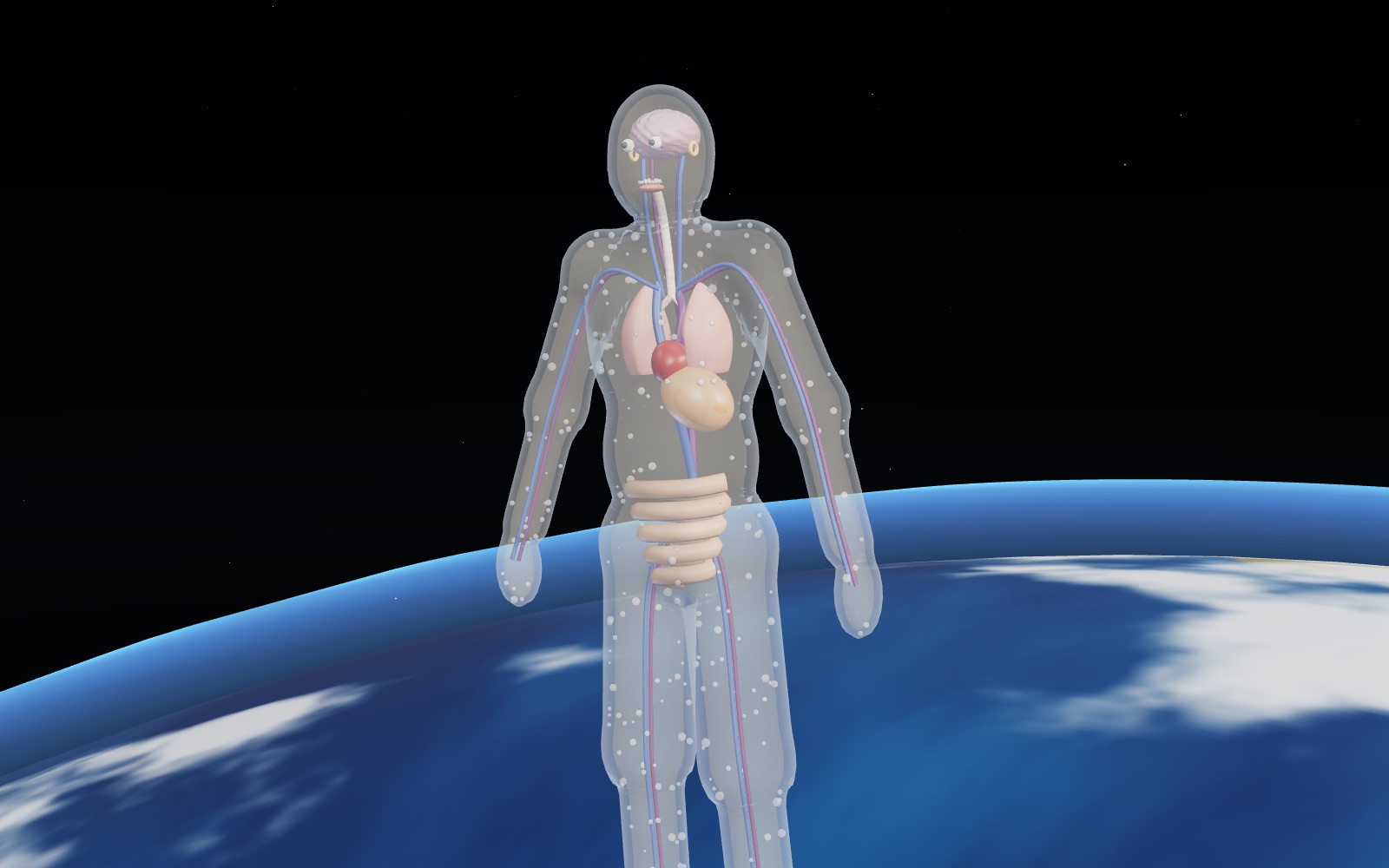
Without a suit you would have about 10 seconds of useful consciousness, and if air came back within a minute or so you might well recover. You would not explode.
For lessons on Pressure, the human body, space environment
Total solar eclipse: the 2027 path and the next total eclipses
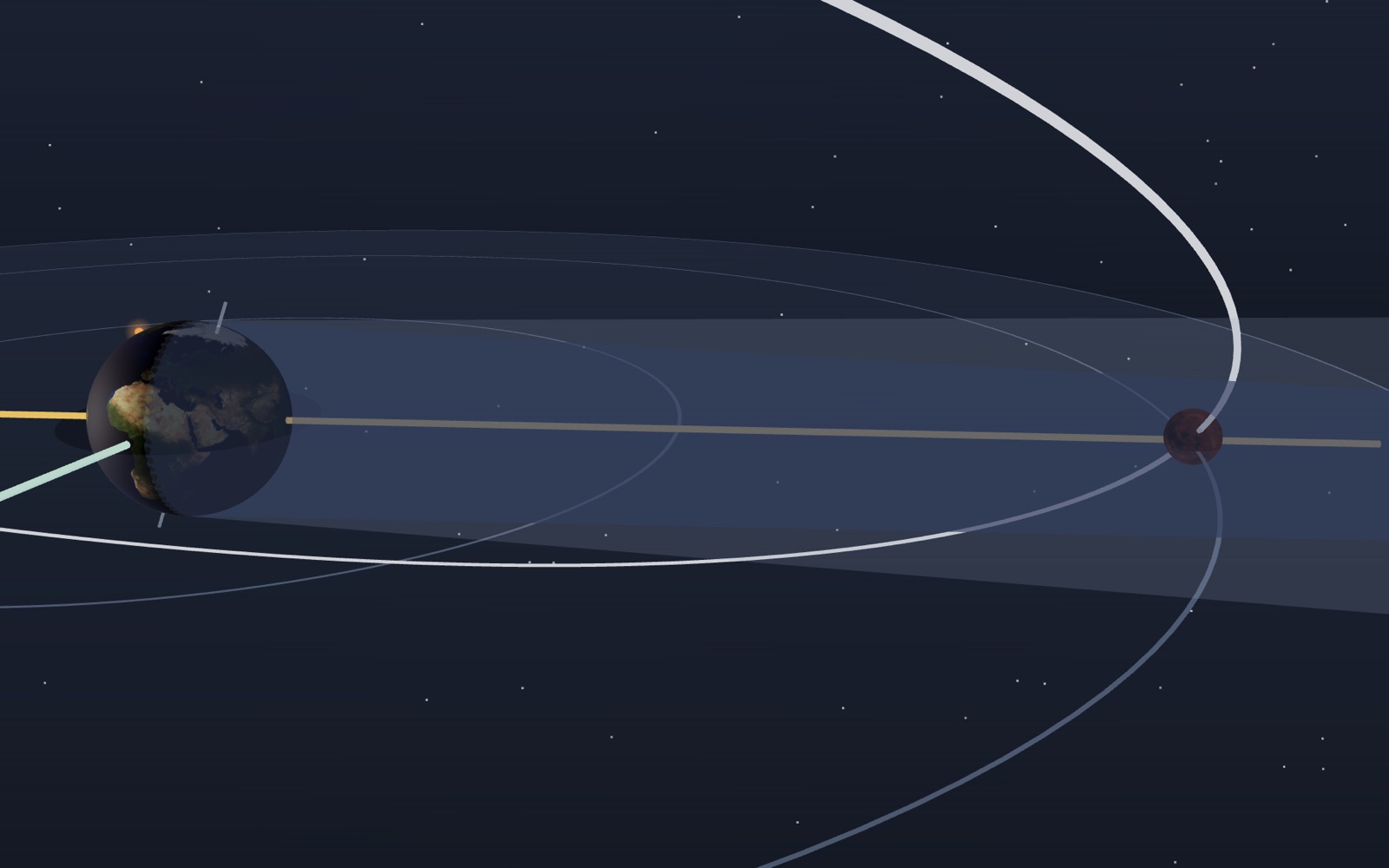
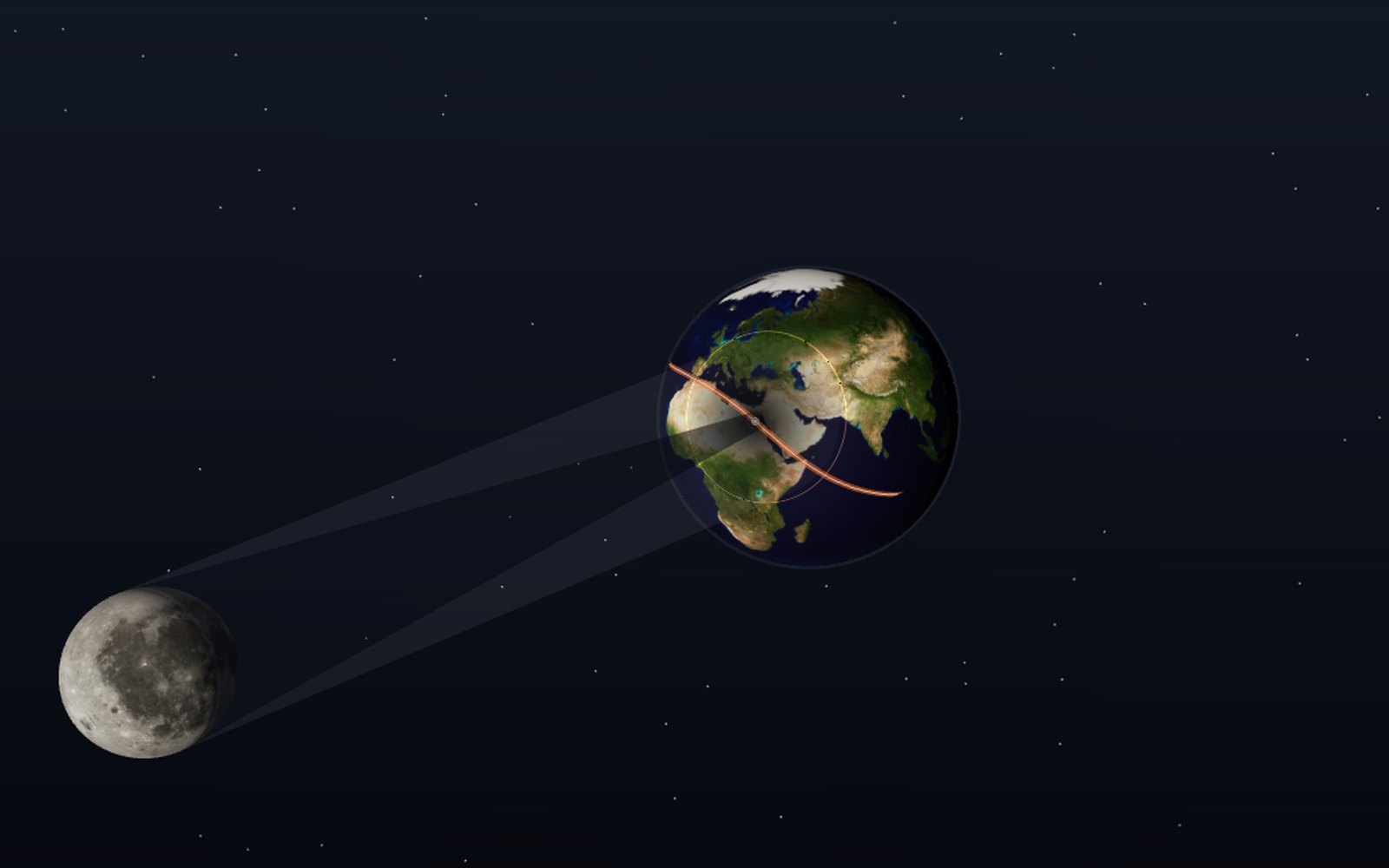
On 2 August 2027 the Moon's shadow crosses Spain, North Africa and Egypt, and near Luxor the Sun stays hidden for about 6 min 23 s.
For lessons on Eclipses, the Earth, Moon and Sun, shadows
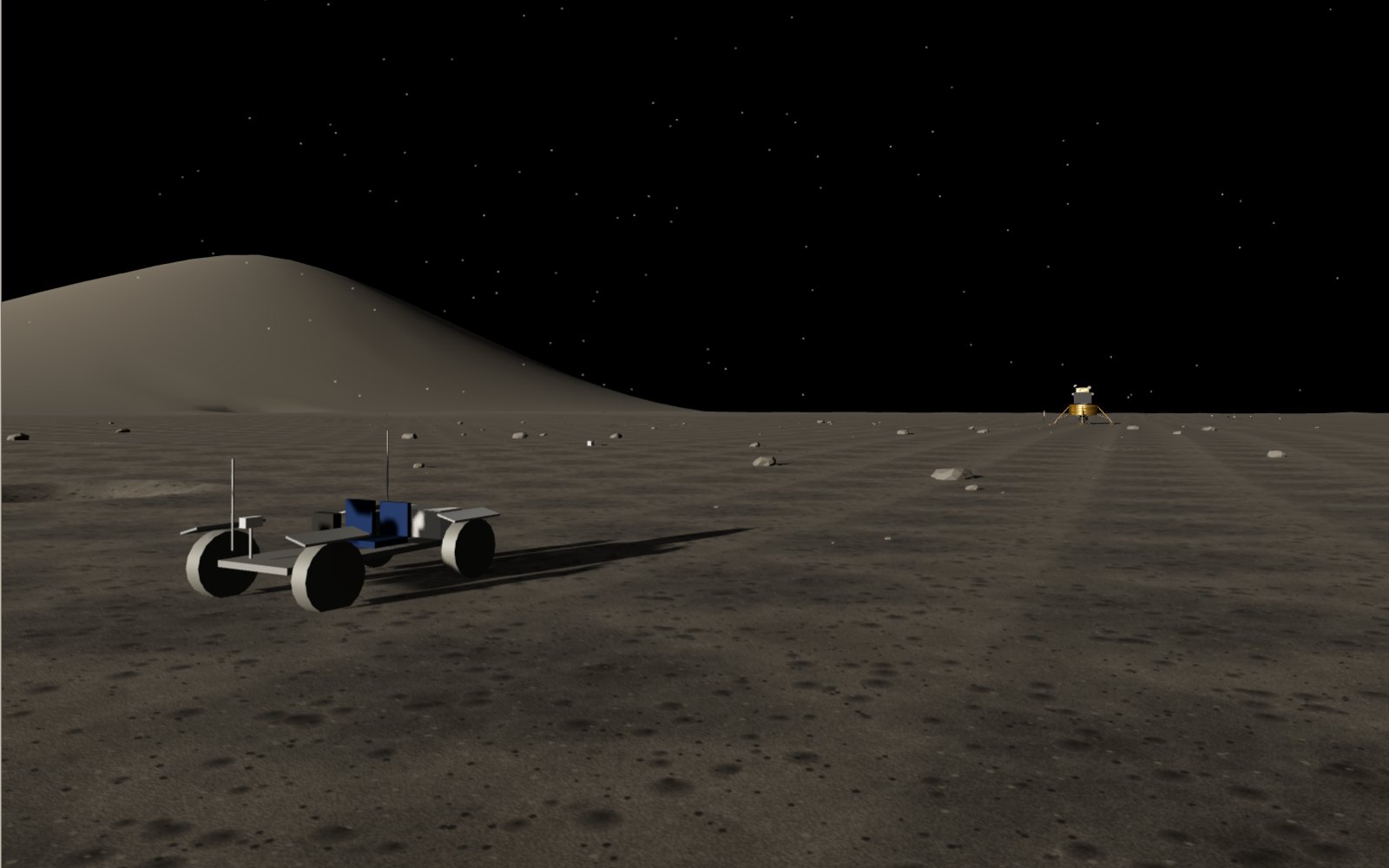
Walk the Apollo landing sites
Standing on the Moon with your eyes 1.6 m up, the horizon is only about 2.4 km away. All six Apollo landing sites are here, from Tranquility Base to Taurus-Littrow.
For lessons on The Moon, space exploration, the Apollo missions
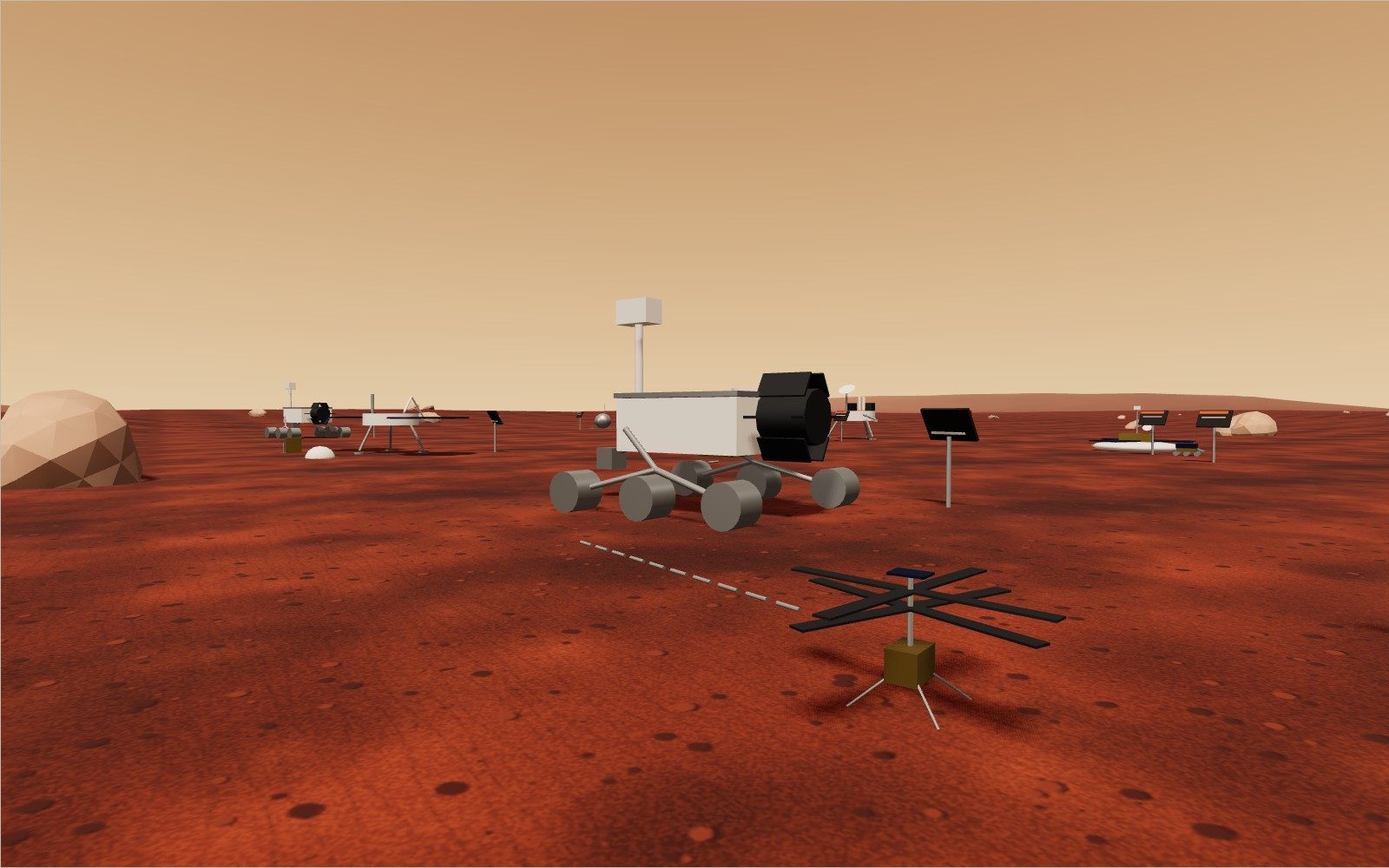
Walk around a Mars base
On Mars an eye 1.6 m up sees the horizon 3.3 km away. Walk ten areas of a concept base and stand beside every lander and rover that has worked there, at full size.
For lessons on Mars, life support, space exploration
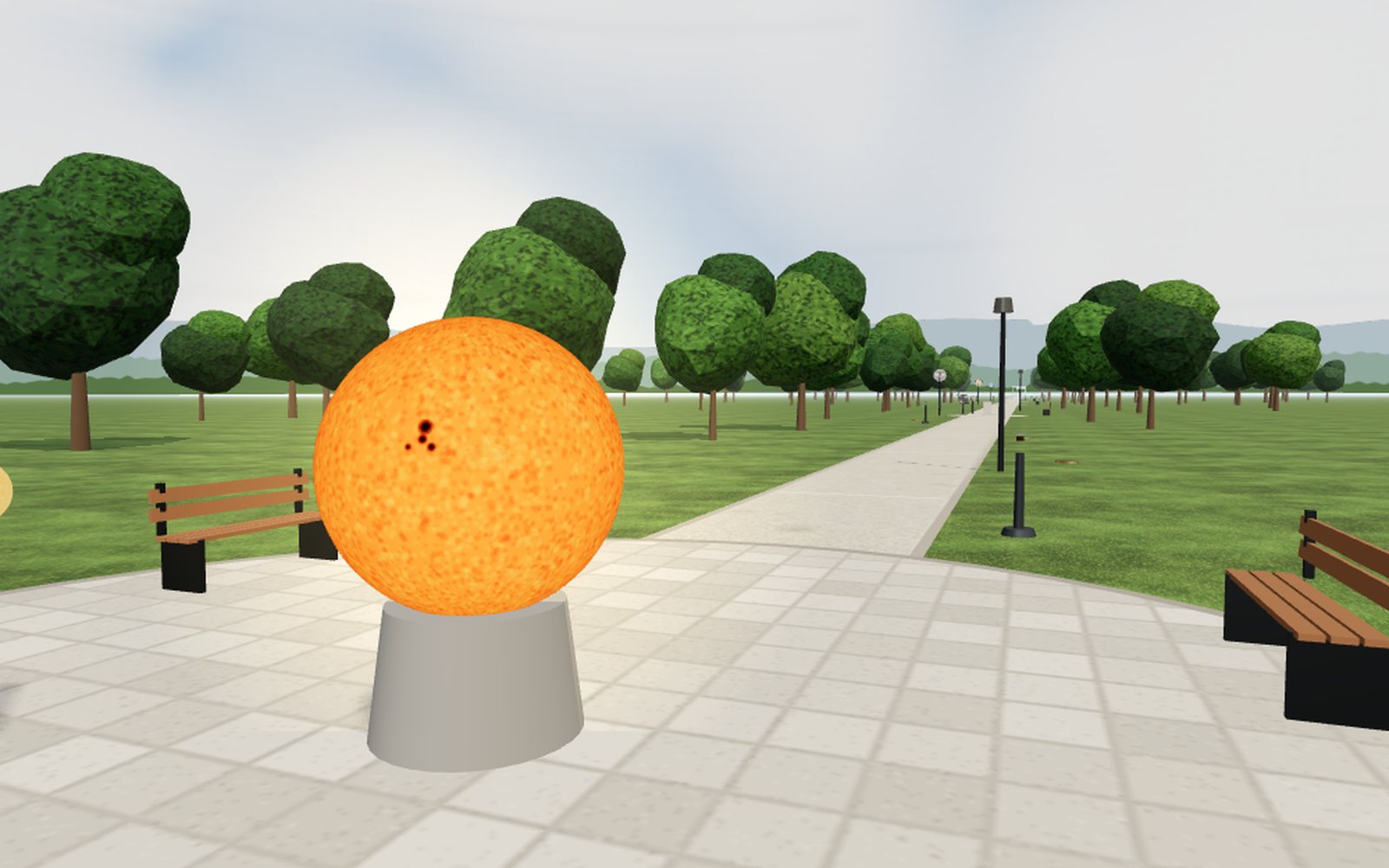
Solar system scale model measurements along a park walk
Shrink the Sun to a ball 1.39 m wide and Earth becomes a 1.27 cm marble 150 m down the path, Neptune is 4.5 km away and Voyager 1 would be 25.7 km.
For lessons on The solar system, distances, scale models
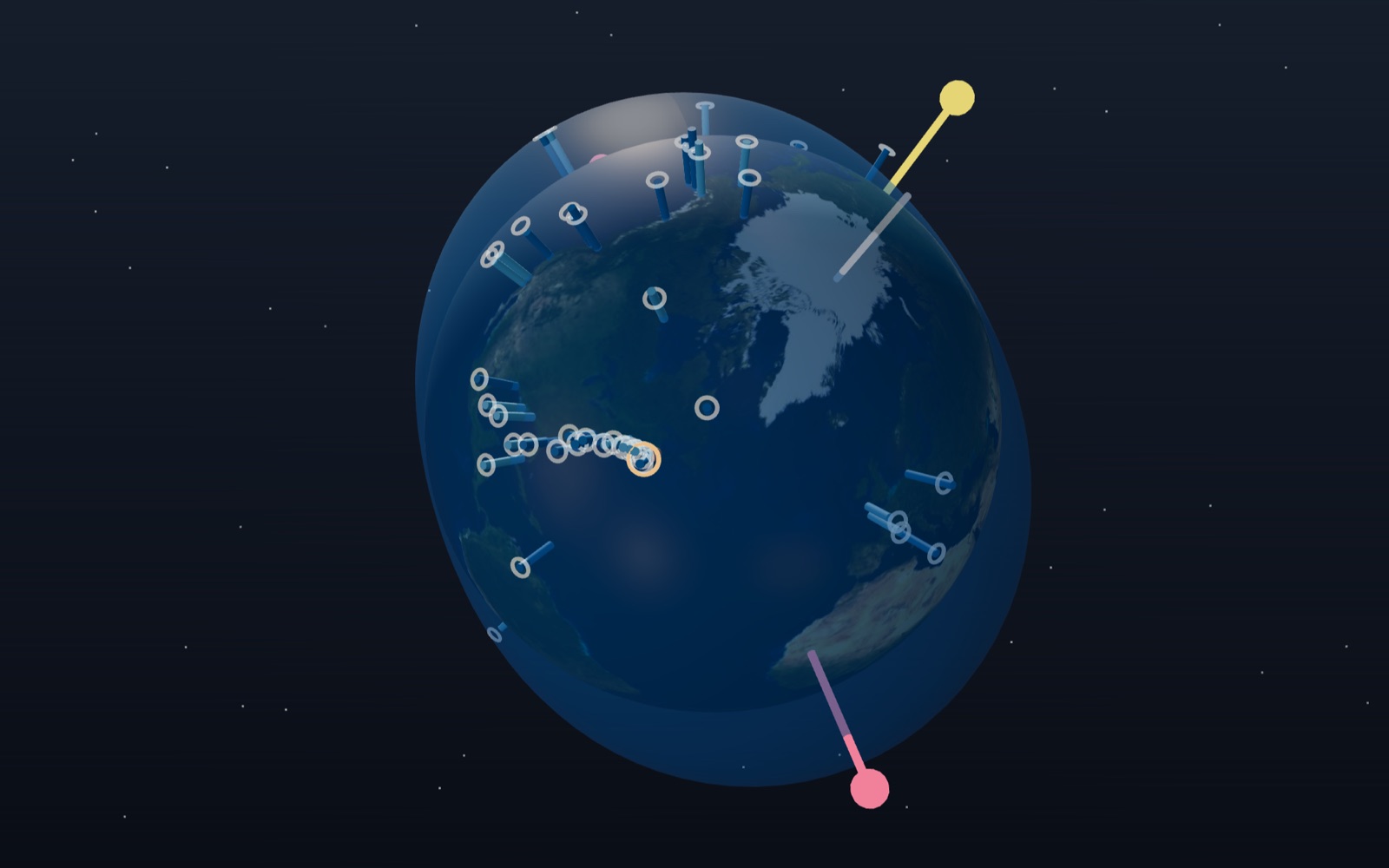
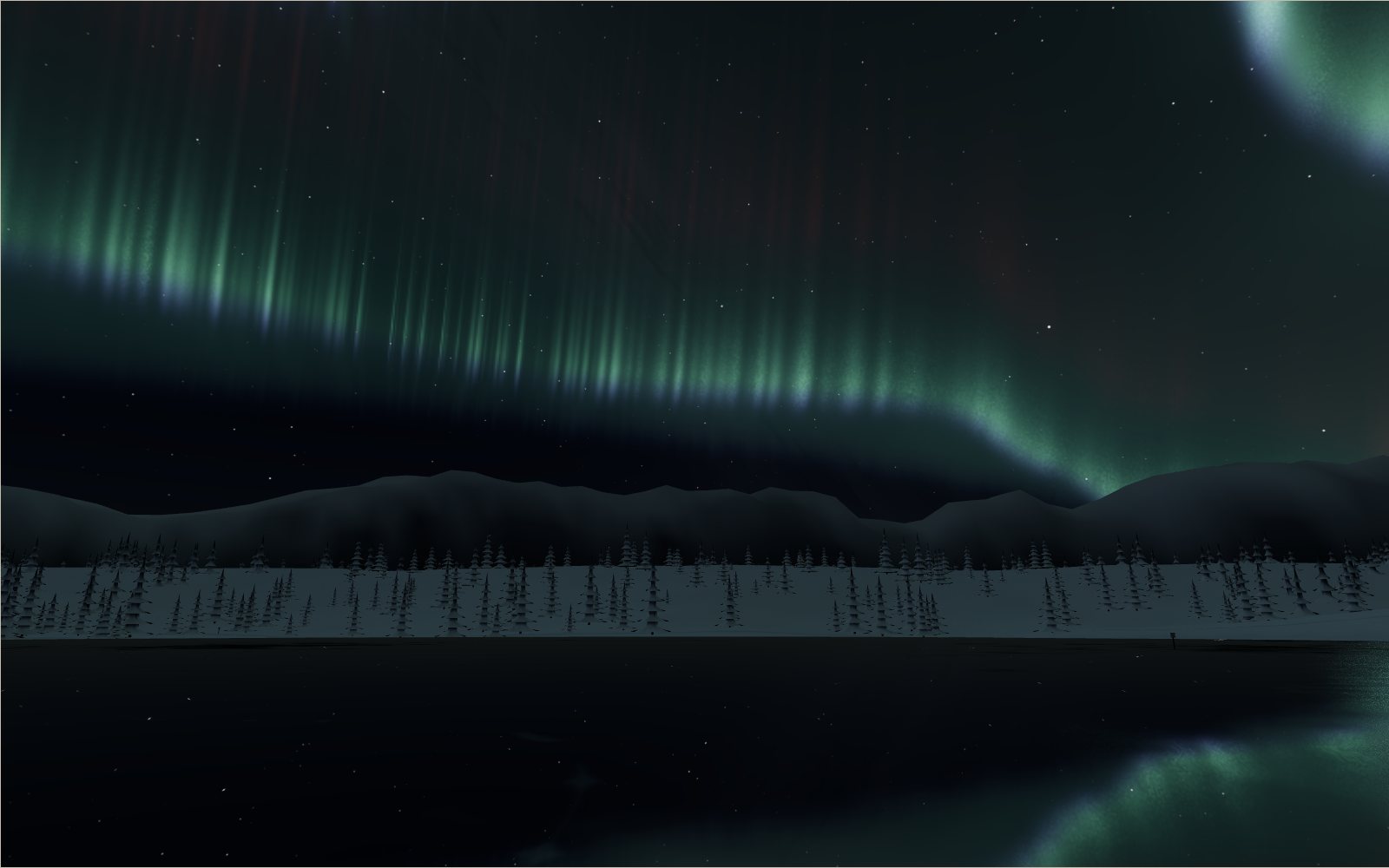
Northern lights over an Arctic village
The green of the northern lights comes from oxygen about 100 km up, and in the biggest storms the red glow above it can be seen as far south as Korea.
For lessons on Aurora, the solar wind, Earth’s magnetic field
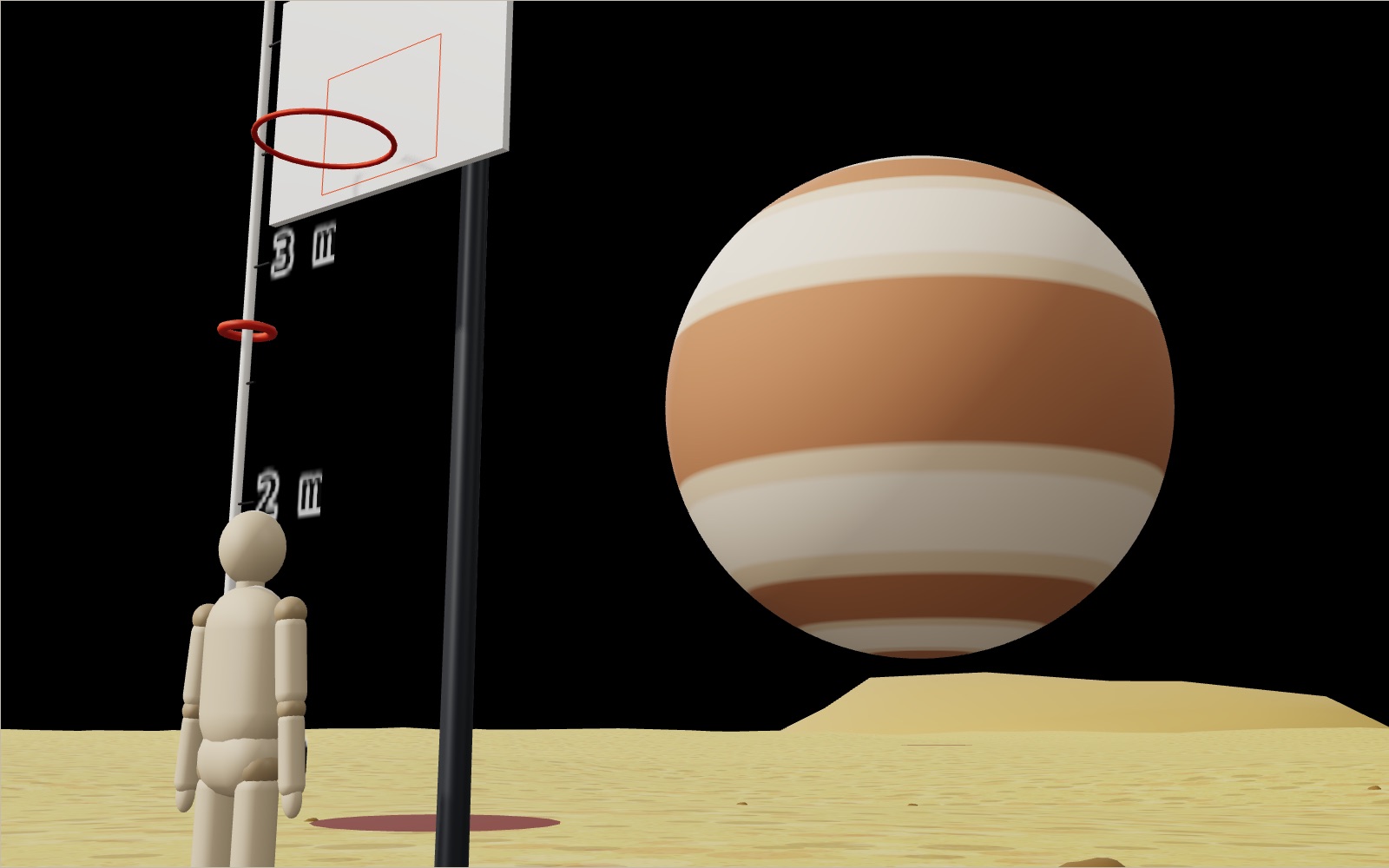
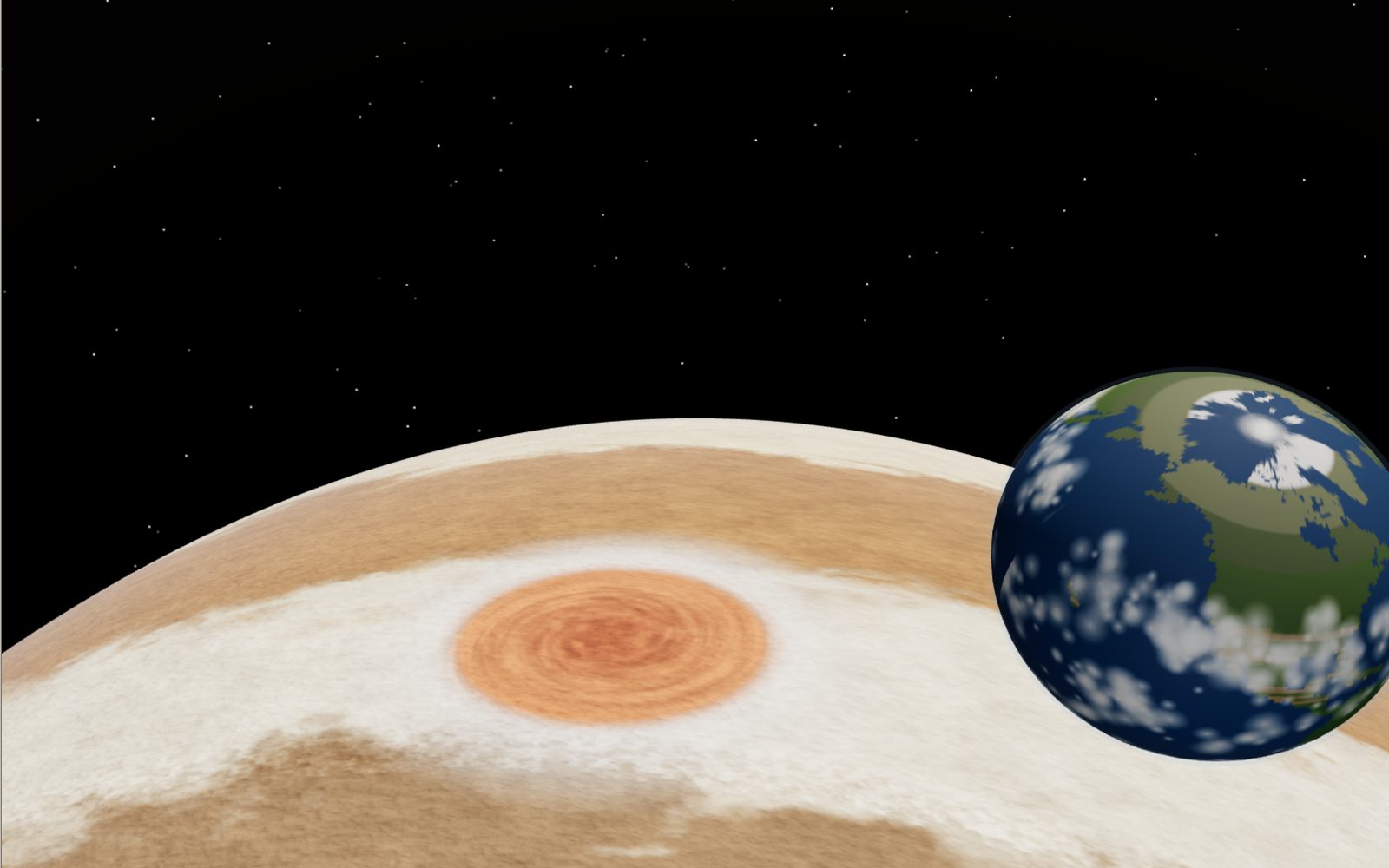
Fly over Jupiter's clouds and the Great Red Spot
In the late 1800s the Great Red Spot was about three Earths long; Hubble now measures it at about one. Float over it with Earth beside you, then sink 132 km into the clouds with the Galileo probe.
For lessons on Jupiter, gas giants, planetary atmospheres
Maths
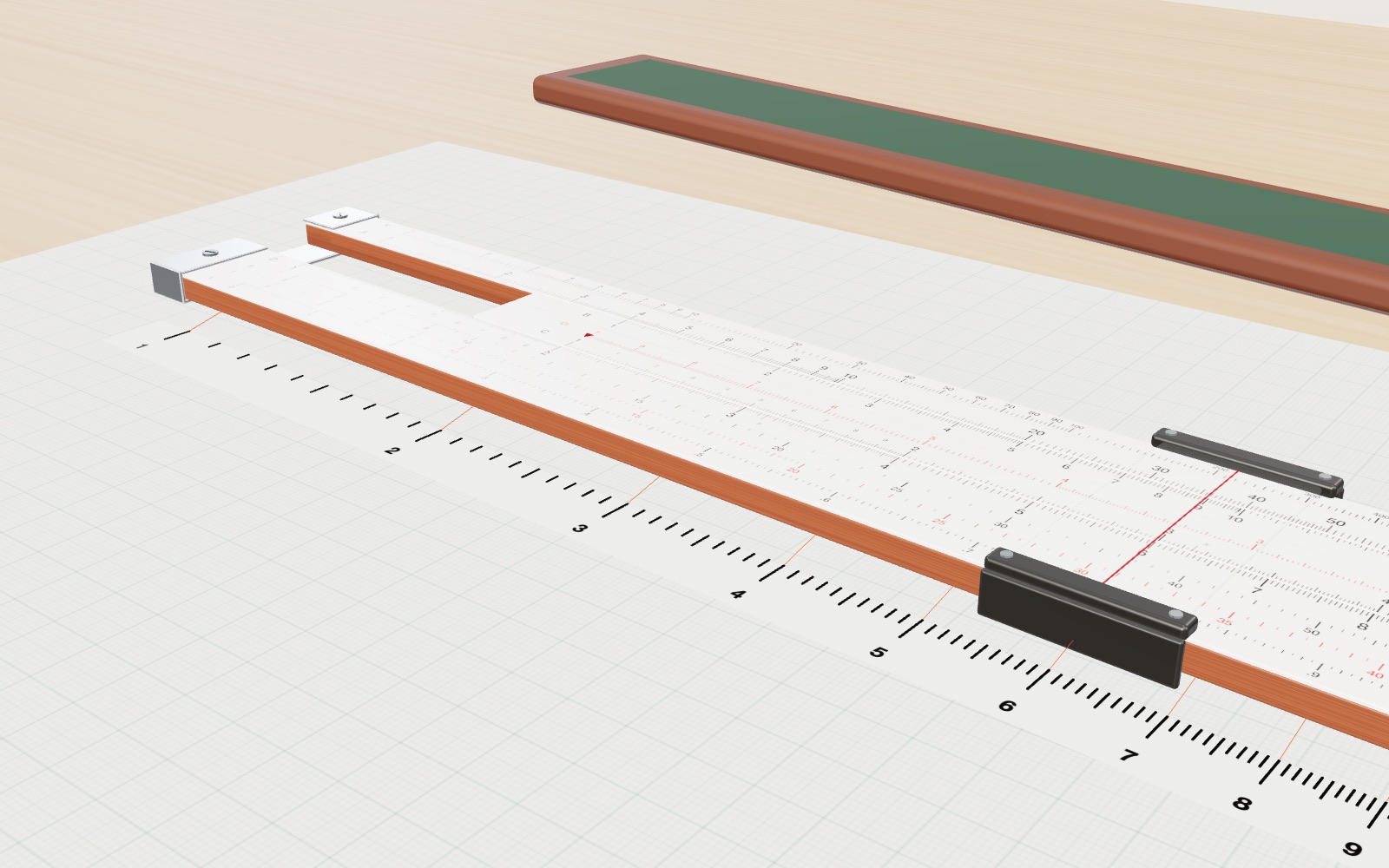
Slide rule: how to use one, with an interactive model
On a 25 cm slide rule the 2 sits 75.3 mm from the 1, because 250 × log 2 = 75.3, and laying two such lengths end to end multiplies the numbers.
For lessons on Logarithms, calculation before computers
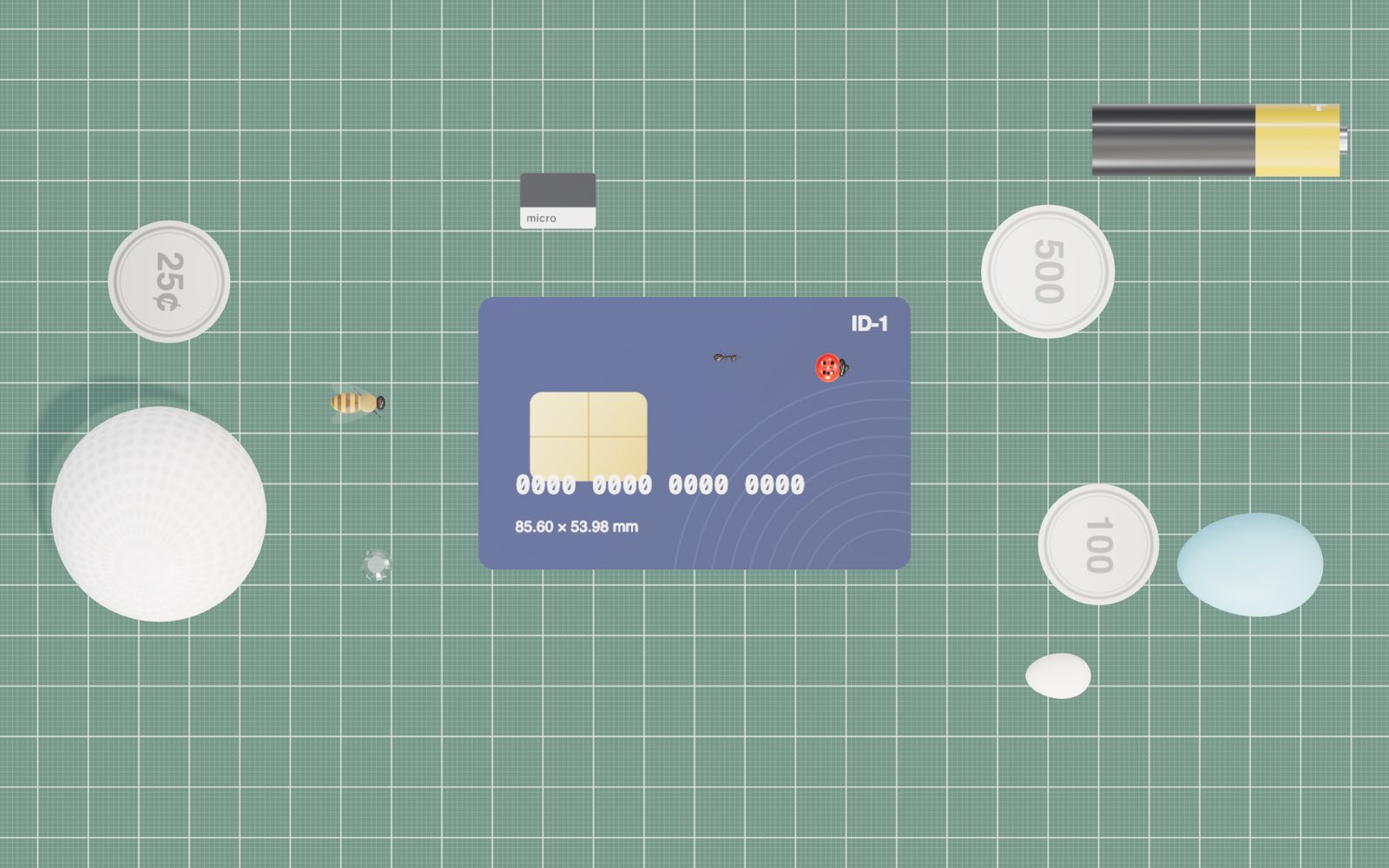
Actual size: see real objects at true scale on your screen
A T. rex tooth was about 30 cm long with its root, longer than most laptop screens are wide. A blue whale would take more than a hundred.
For lessons on Measurement, units, scale and proportion
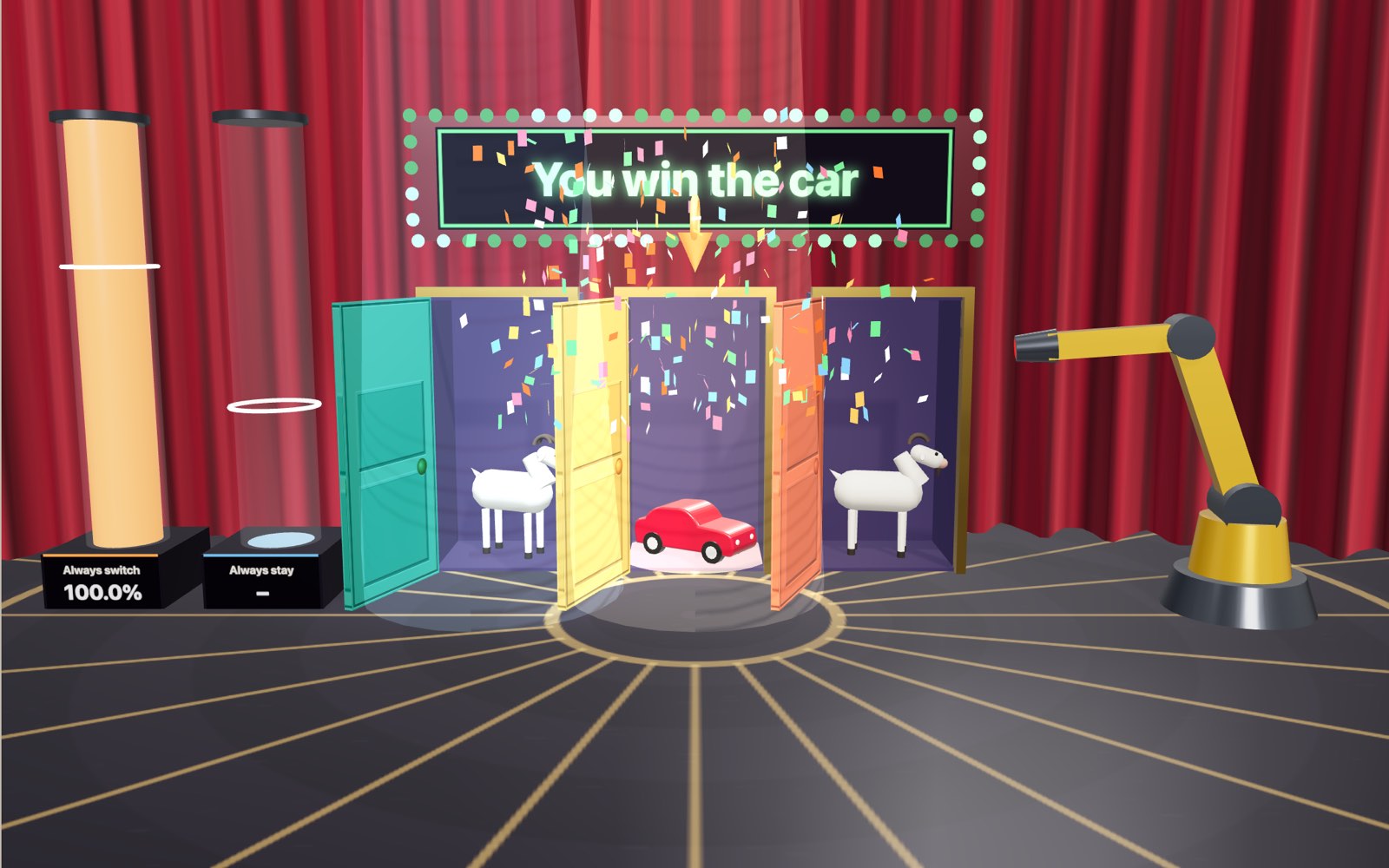
Why should you switch doors in the Monty Hall problem?
After the host opens a door with a goat, the door you did not pick hides the car in two games out of three.
For lessons on Probability, conditional probability
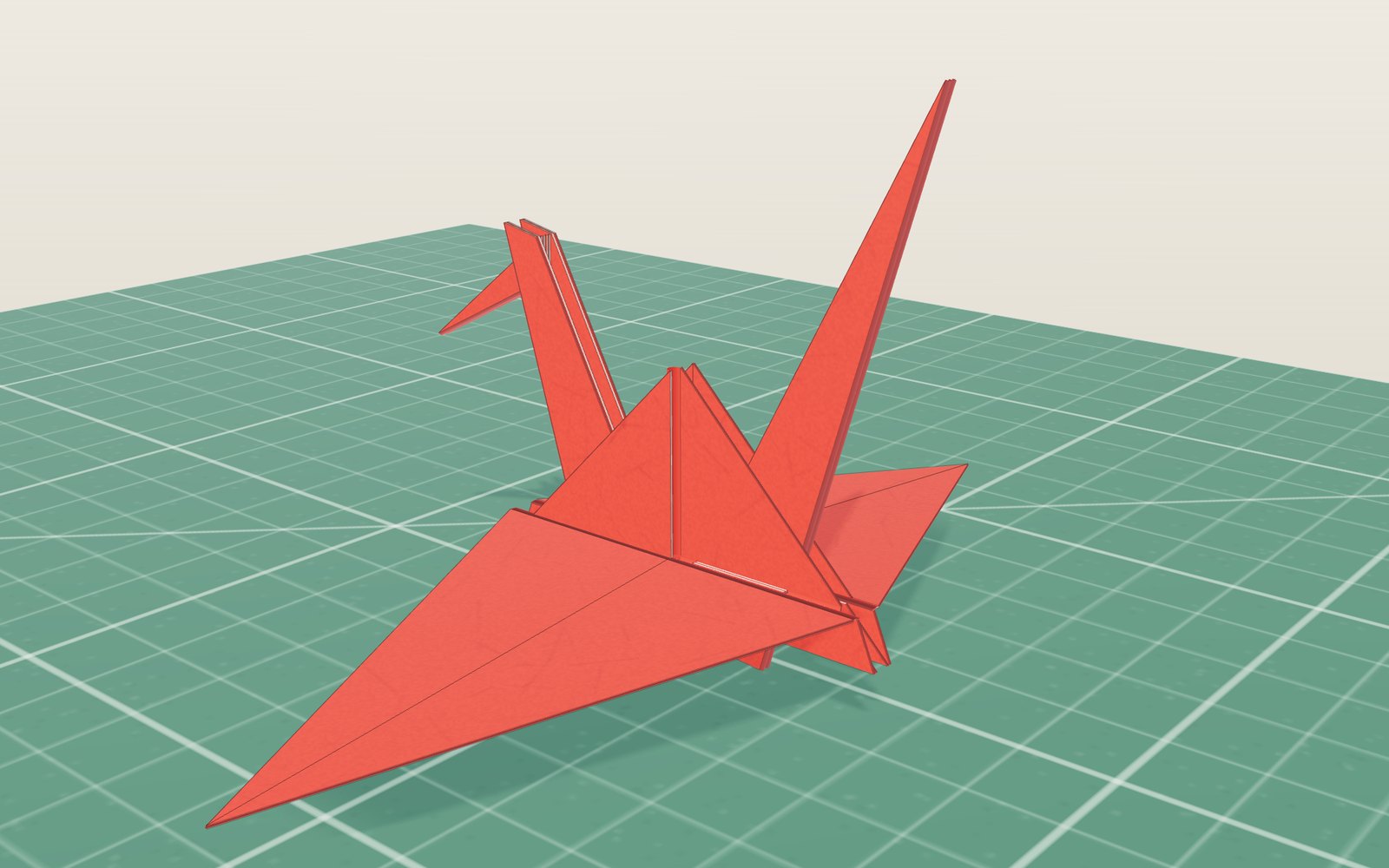
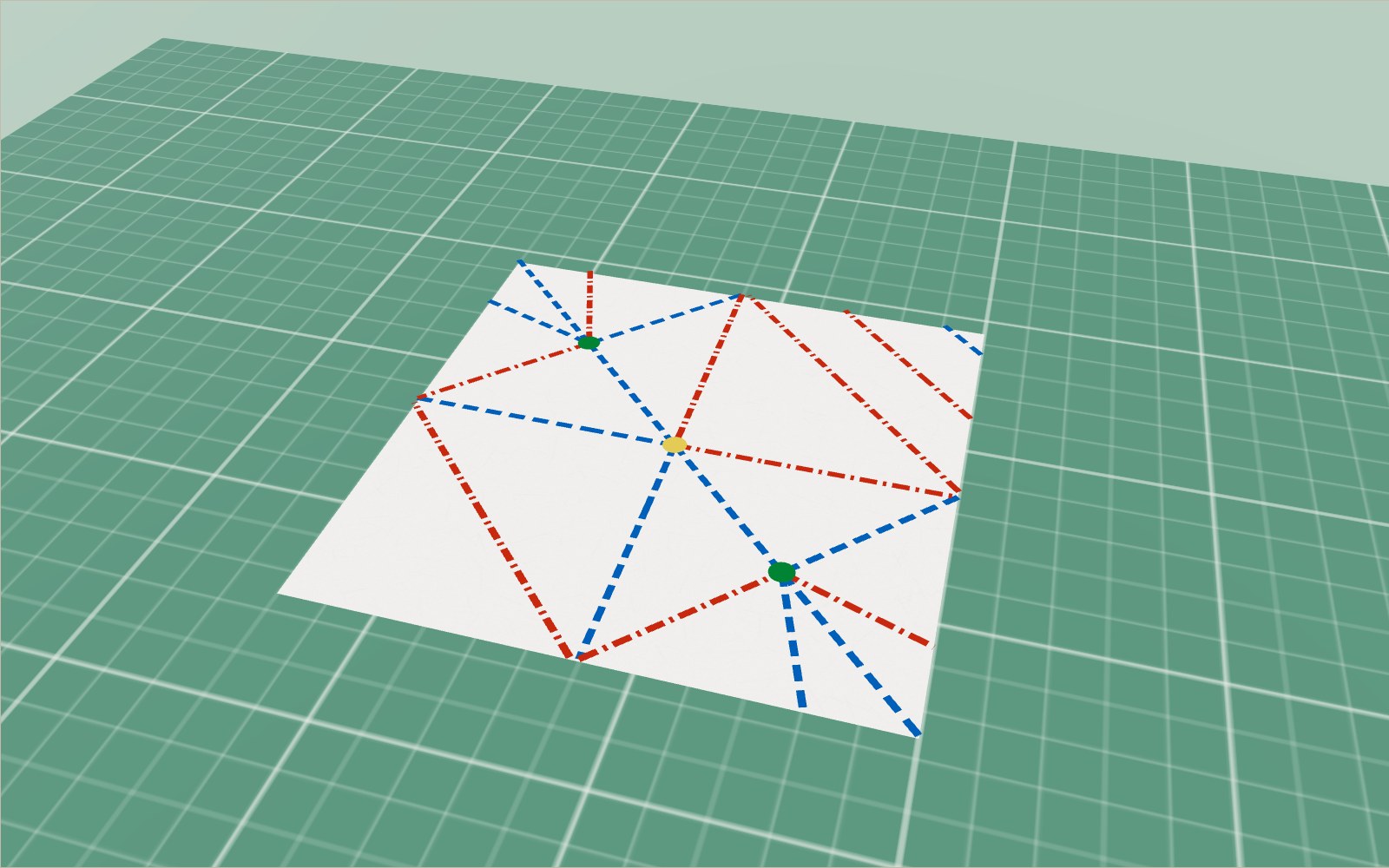
Origami crane crease pattern: how many regions it has
A paper crane is folded from one uncut square, and its two wings, neck and tail are the square's four corners.
For lessons on Geometry, folding, symmetry
Origami: 20 models to fold step by step and unfold
A crane uses about 30 folds, a cup six; every flat-folded point you make has mountains and valleys that differ by exactly two.
For lessons on Geometry, nets, symmetry
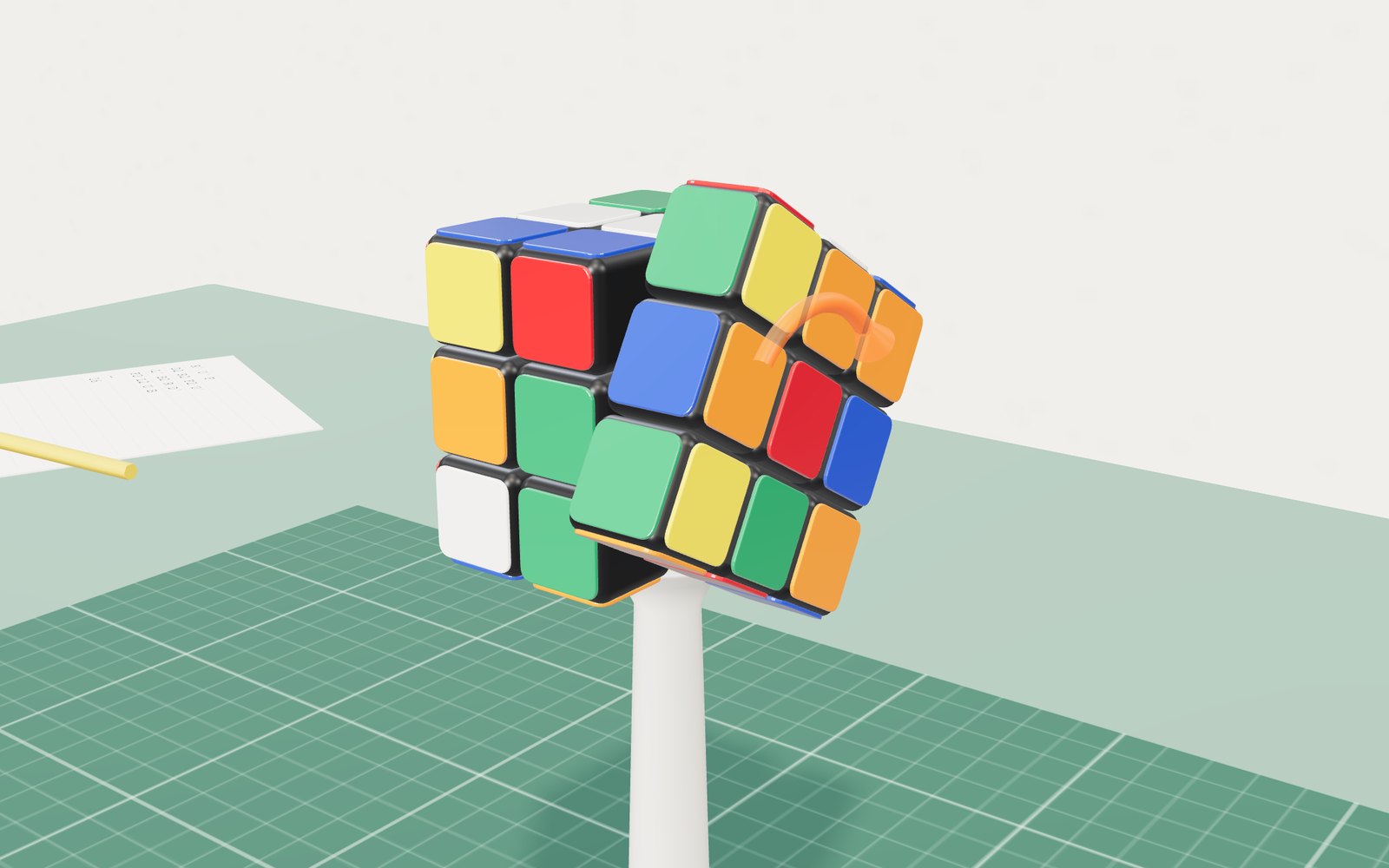
How to solve a 3×3 cube, step by step
A 3×3 cube has 43,252,003,274,489,856,000 positions, and every one of them can be solved in 20 moves or fewer.
For lessons on Algorithms, spatial reasoning, permutations
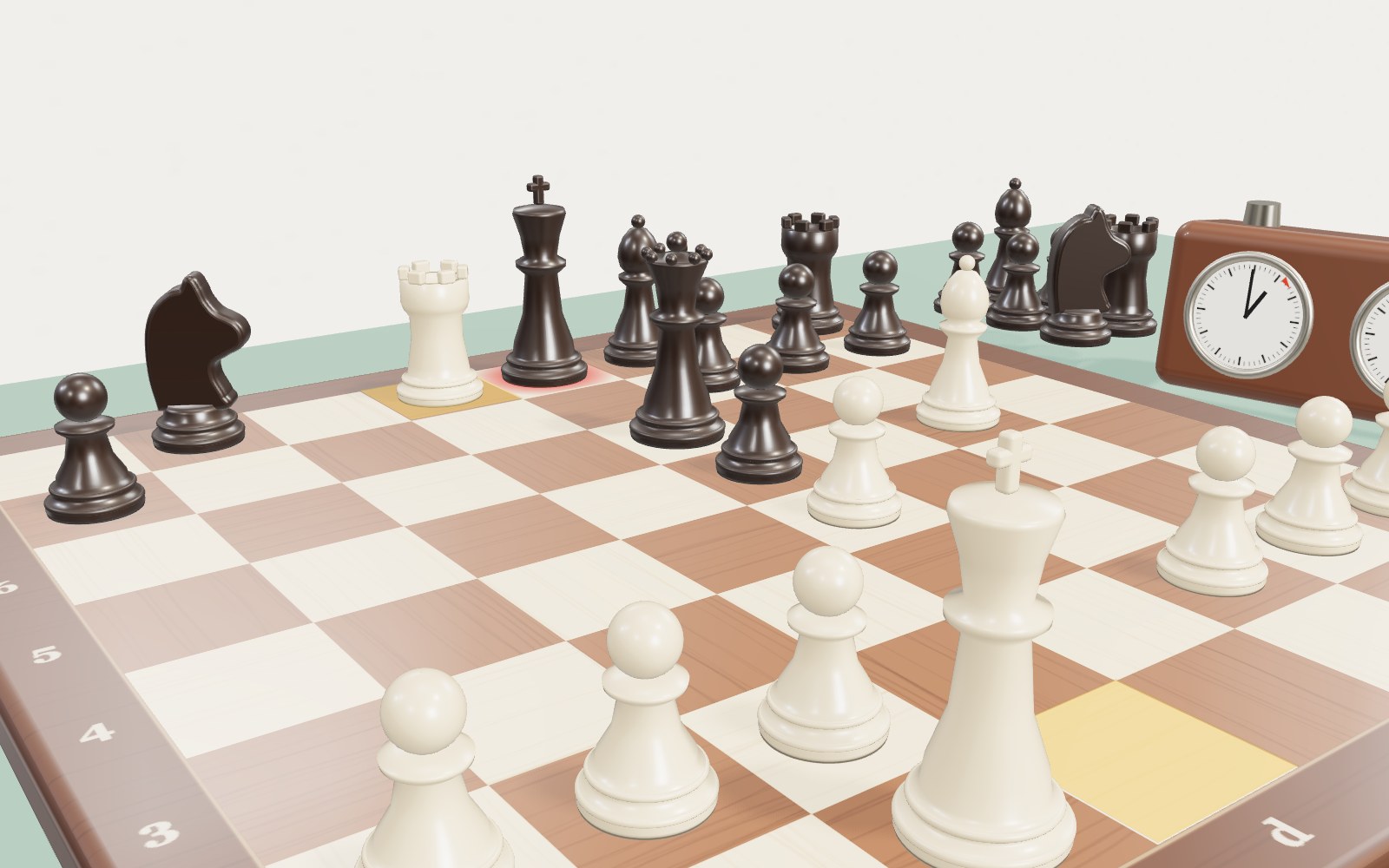
How to play chess, step by step
After just four moves by each side there are 84,998,978,956 possible games.
For lessons on Logic, strategy, counting possibilities
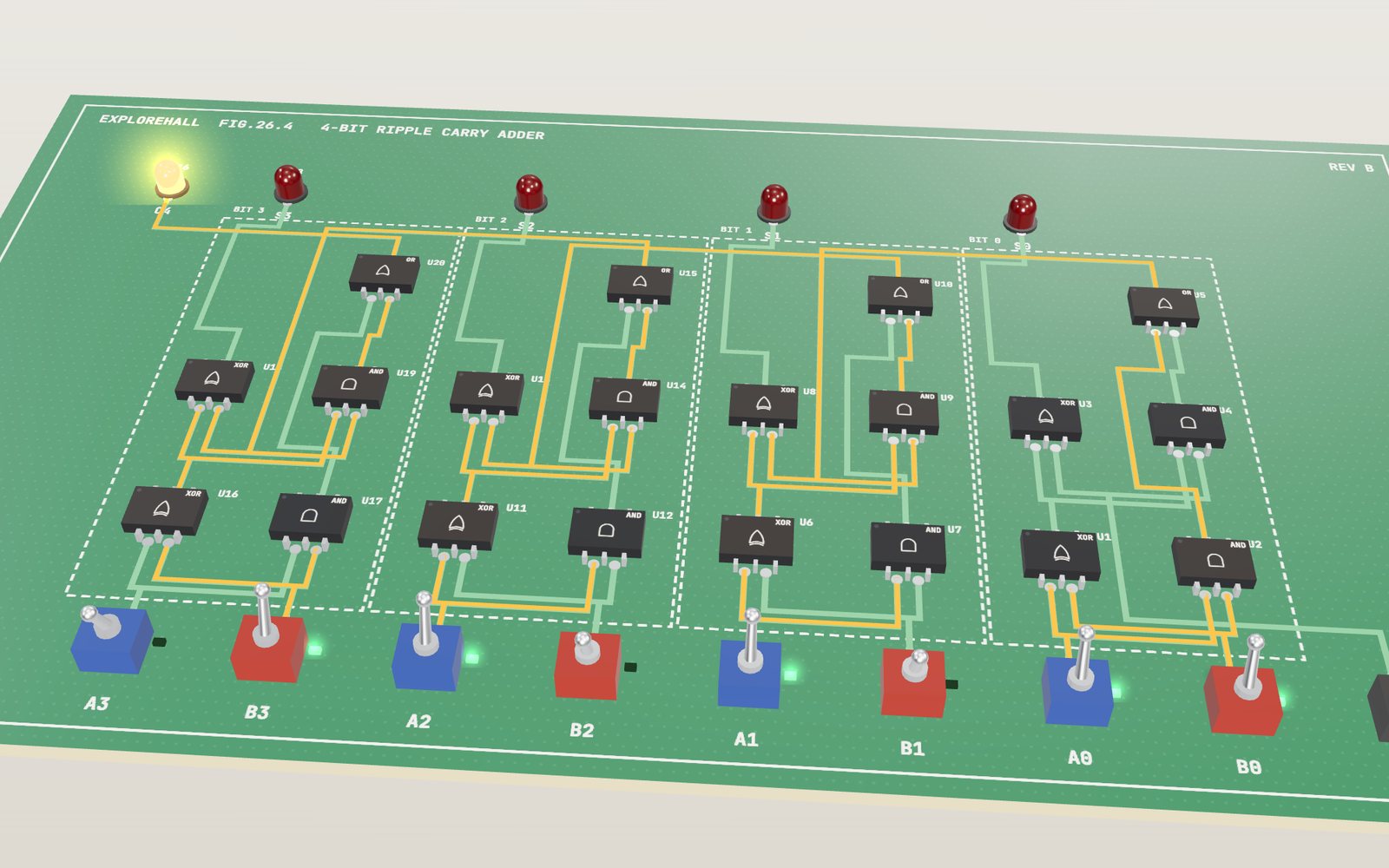
How logic gates add numbers: sum bits and carry bits
Adding 7 and 9 on this board takes 20 gates, and the last carry lands 8 gate delays after you flip the switches.
For lessons on Binary numbers, logic gates, adding in a computer
Engineering
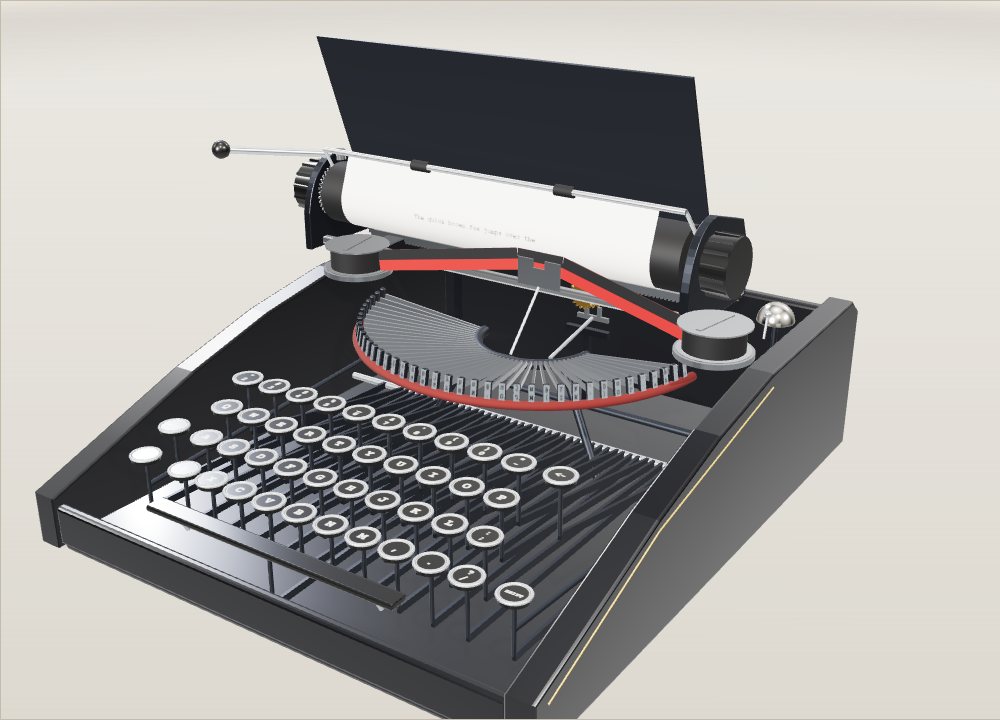
Typewriter simulator: how a typewriter works, key by key
On a pica typewriter every letter, space and full stop moves the carriage the same 2.54 mm to the left.
For lessons on Levers, mechanisms, the history of writing tools
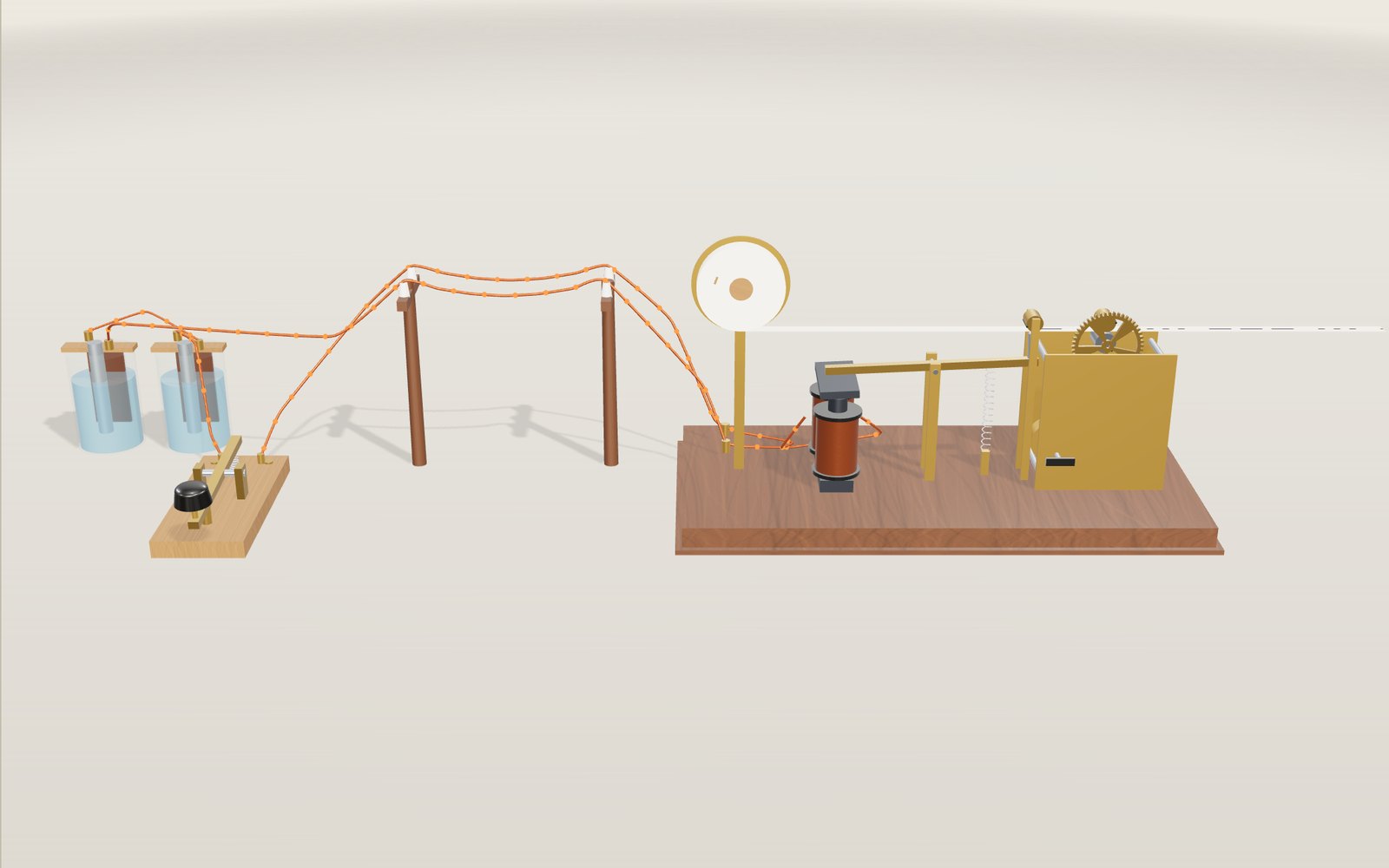
Morse telegraph: key it yourself, step by step
On 24 May 1844 a key in the US Capitol pressed dots and dashes into a paper tape in Baltimore, about 40 miles (64 km) away.
For lessons on Electric circuits, electromagnets, Morse code
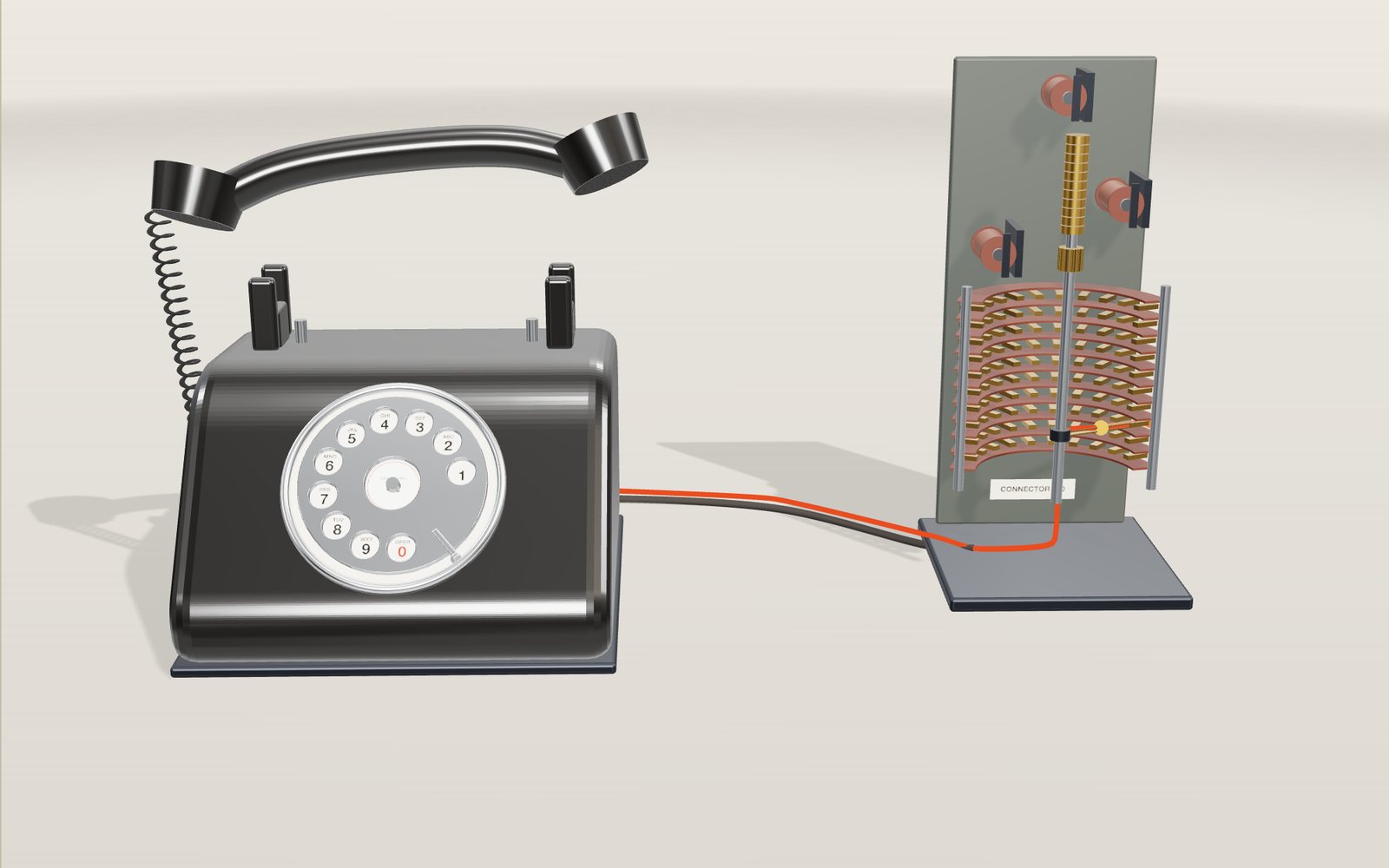
How a rotary phone works: dial pulses explained in 3D
A rotary dial sends each digit as short breaks in the line current, ten to a second, and dialling 0 takes ten of them.
For lessons on Telephones, electric pulses, the history of communication
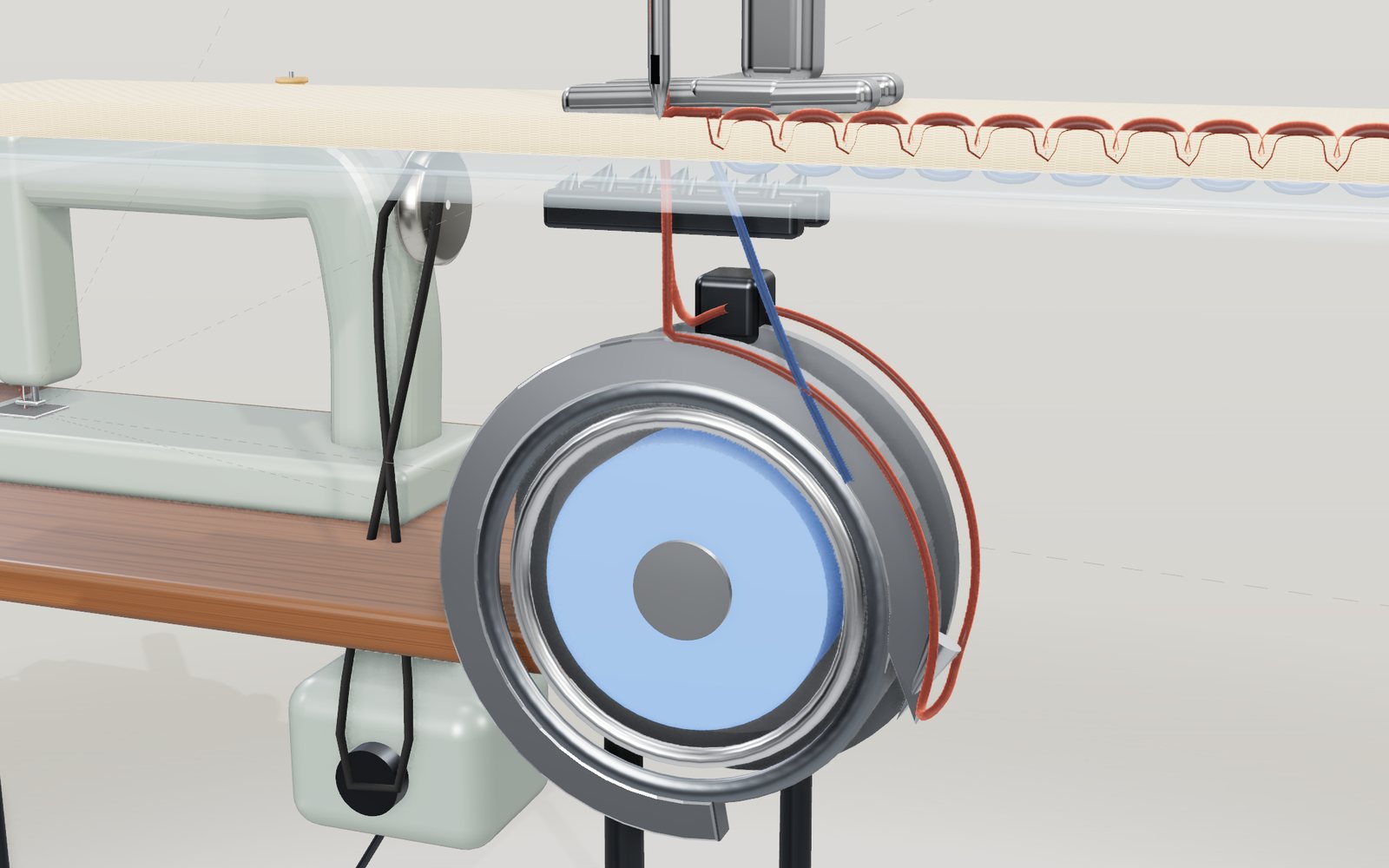
How a sewing machine makes a stitch
A sewing machine needle never goes through the cloth: at every stitch the hook drags its thread right round the bobbin instead.
For lessons on Mechanisms, the Industrial Revolution, textiles
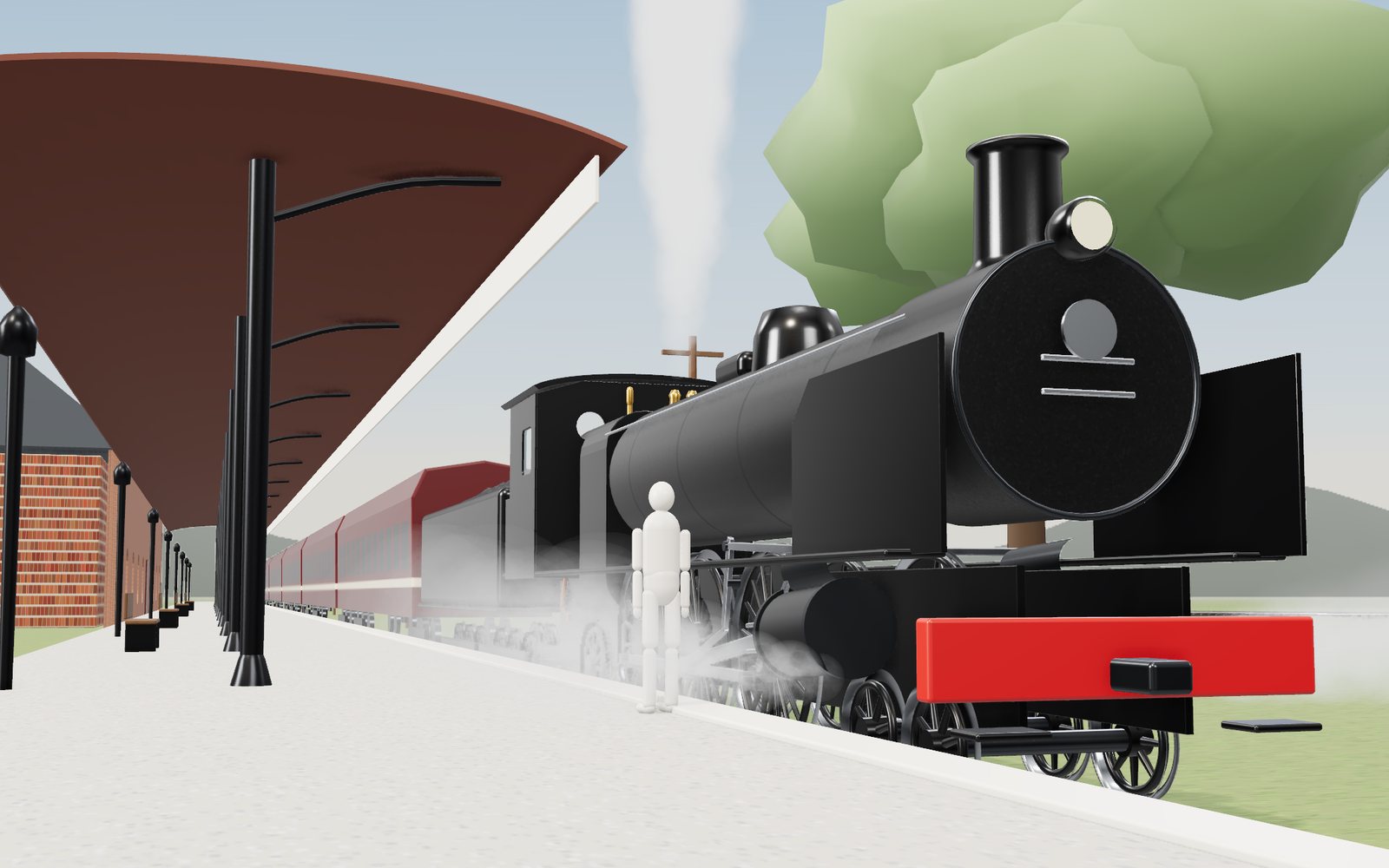
How a steam locomotive works
Mallard's driving wheels are 2.03 m across, taller than most people, and at its record 126 mph they turned almost nine times a second.
For lessons on Steam power, railways, the Industrial Revolution
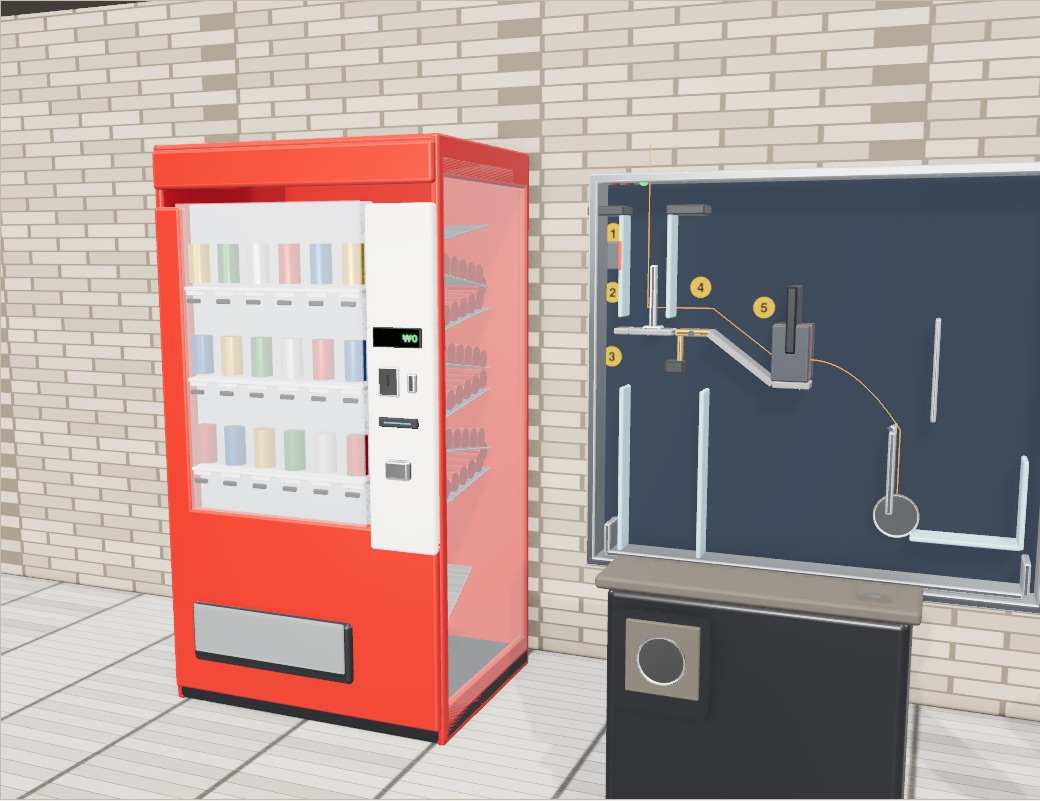
How vending machines detect fake coins: follow one coin inside
A 100 won coin is not attracted to a magnet, yet the magnet inside a vending machine is what tells it from a copper fake.
For lessons on Magnetism, metals, sorting coins
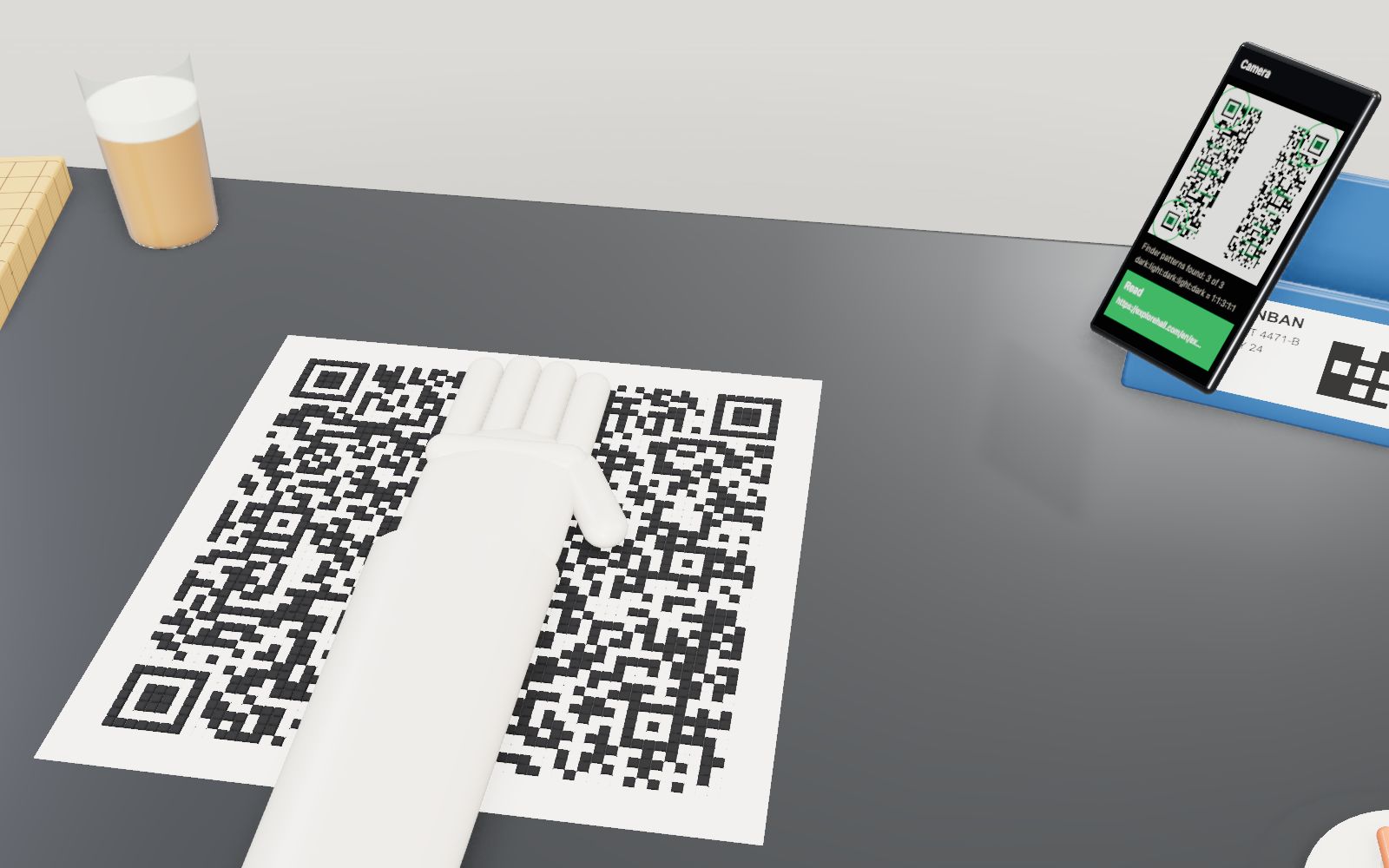
How a QR code is read
Cover 30 % of a QR code with your hand and a phone still reads it. Cover one corner and it does not.
For lessons on Codes, binary data, error correction
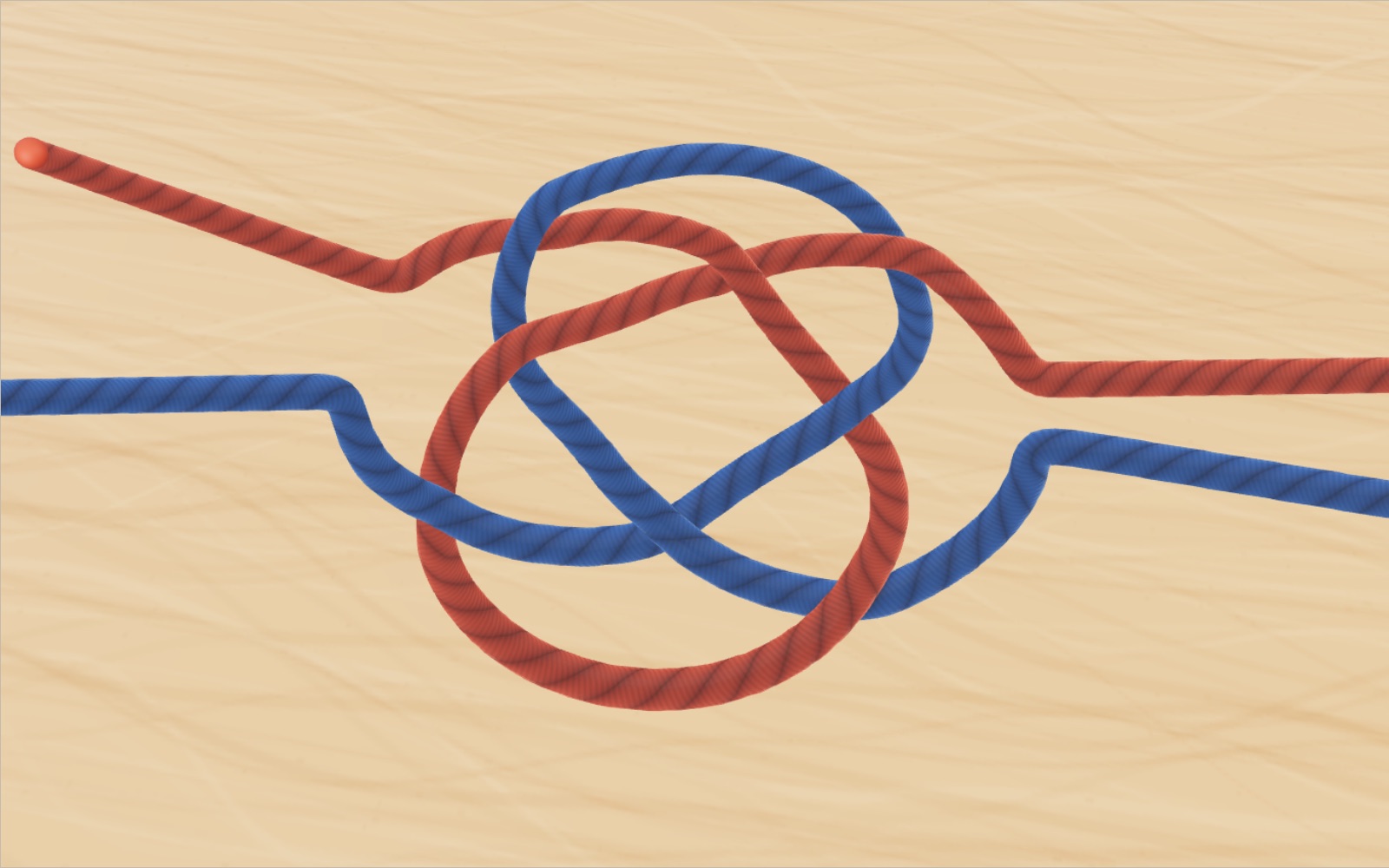
How to tie knots: 40 knots step by step
In one set of break tests a bowline kept about 63% of the rope's strength and a sheet bend about half.
For lessons on Friction, tension, practical skills
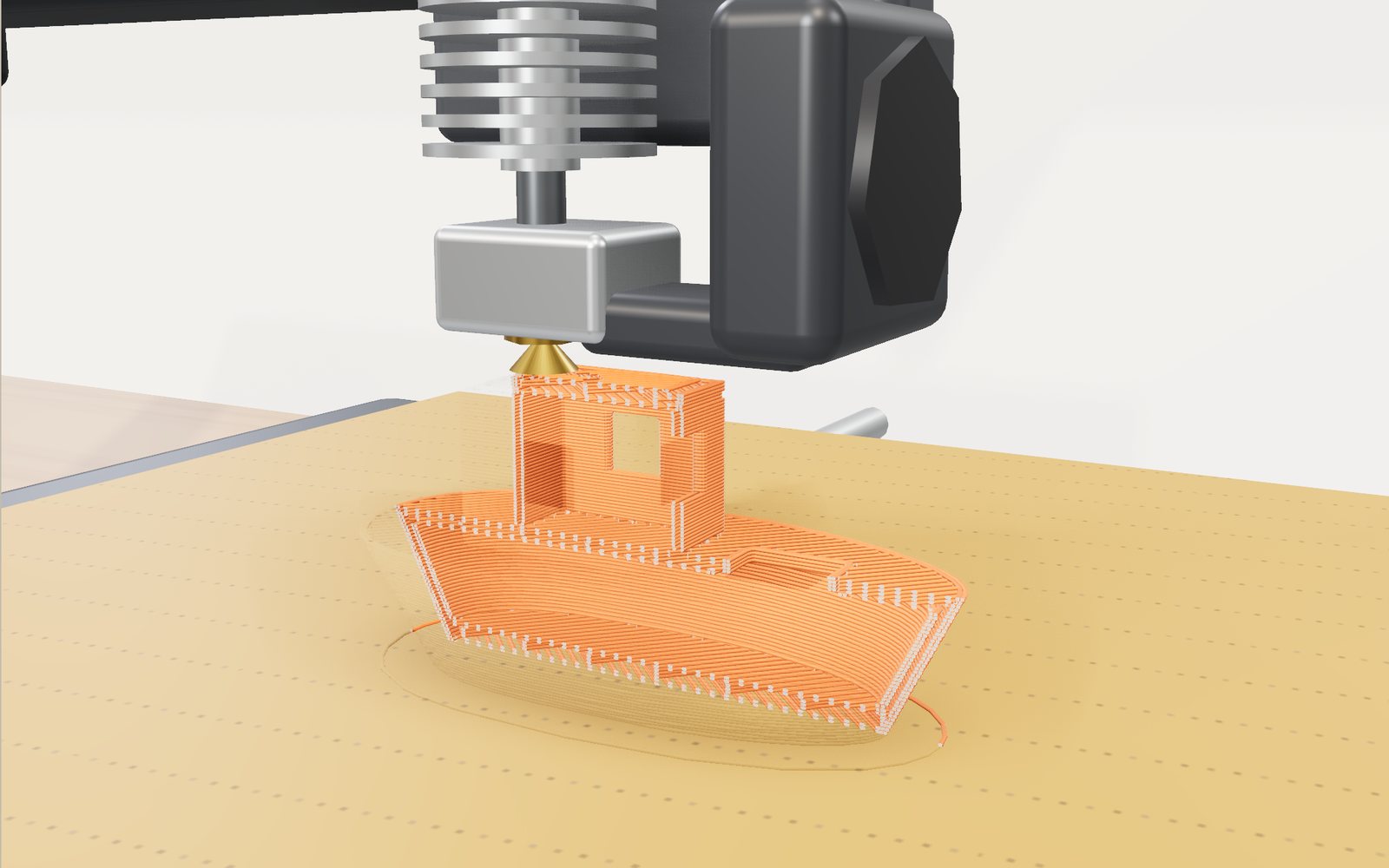
How a 3D printer works, layer by layer
A 20 mm cube printed in 0.2 mm layers is exactly 100 layers, each drawn by a nozzle 0.4 mm wide.
For lessons on 3D printing, layers, design and manufacturing
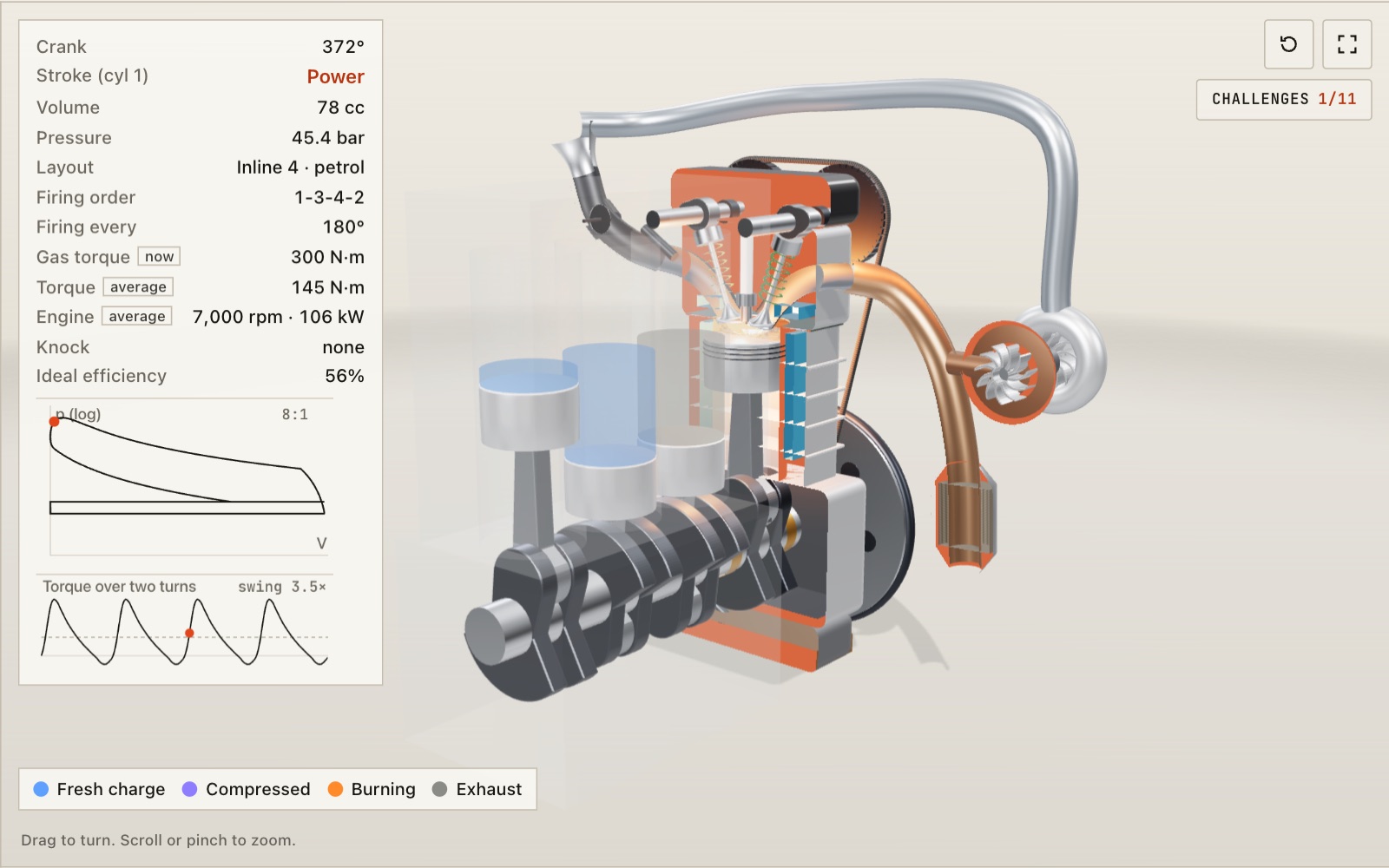
Four-stroke engine simulator: watch each stroke in a cutaway
At 3,000 rpm each cylinder fires 25 times a second. Here the engine turns slowly enough to follow every stroke, laid out as anything from a single to a V8 with its own firing order.
For lessons on Heat engines, combustion, energy conversion
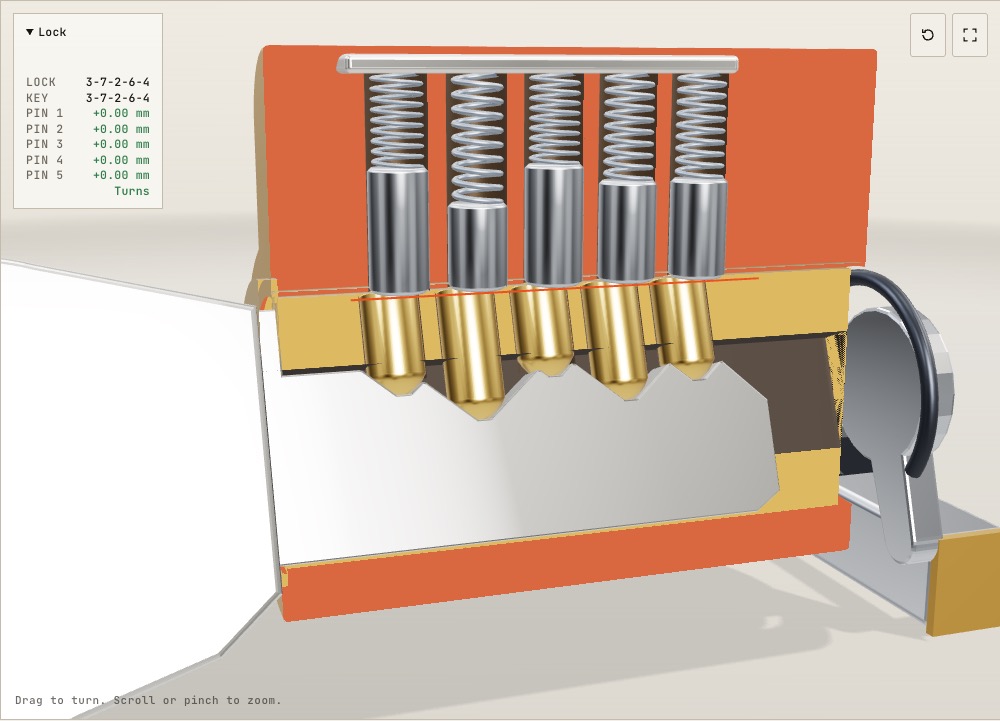
How does a pin tumbler lock work inside? A 3D cutaway
On a common Schlage key one cut depth differs from the next by 0.381 mm, and that small step is enough to keep a wrong key from turning.
For lessons on Simple mechanisms, security, design
Bike gears explained: shift a bicycle simulator up a hill
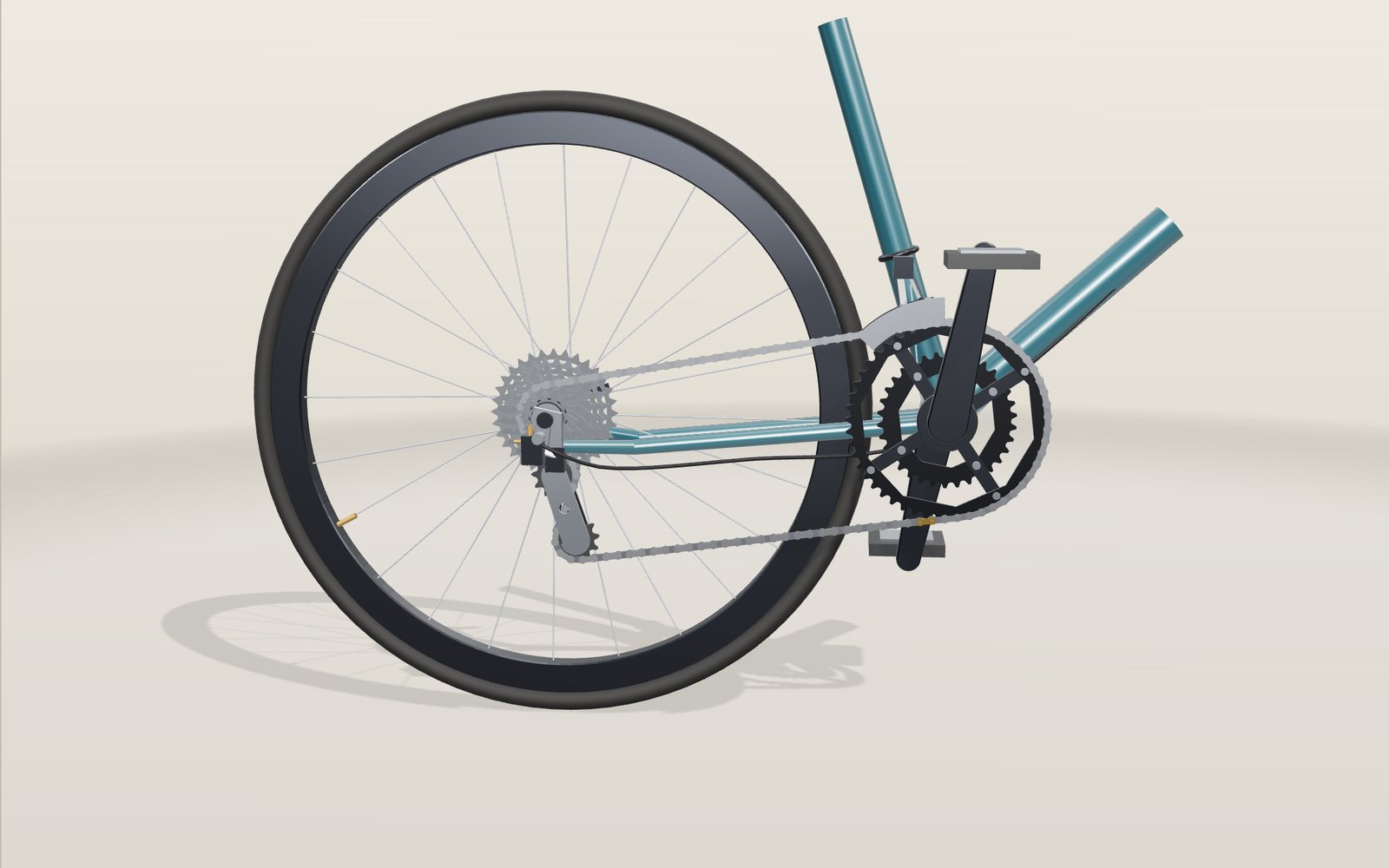
In a 50 by 11 gear one turn of the pedals moves a road bike 9.57 metres; in 34 by 32 it moves 2.24 metres.
For lessons on Gears, gear ratios, simple machines
How does a differential work in a car? A 3D gear model
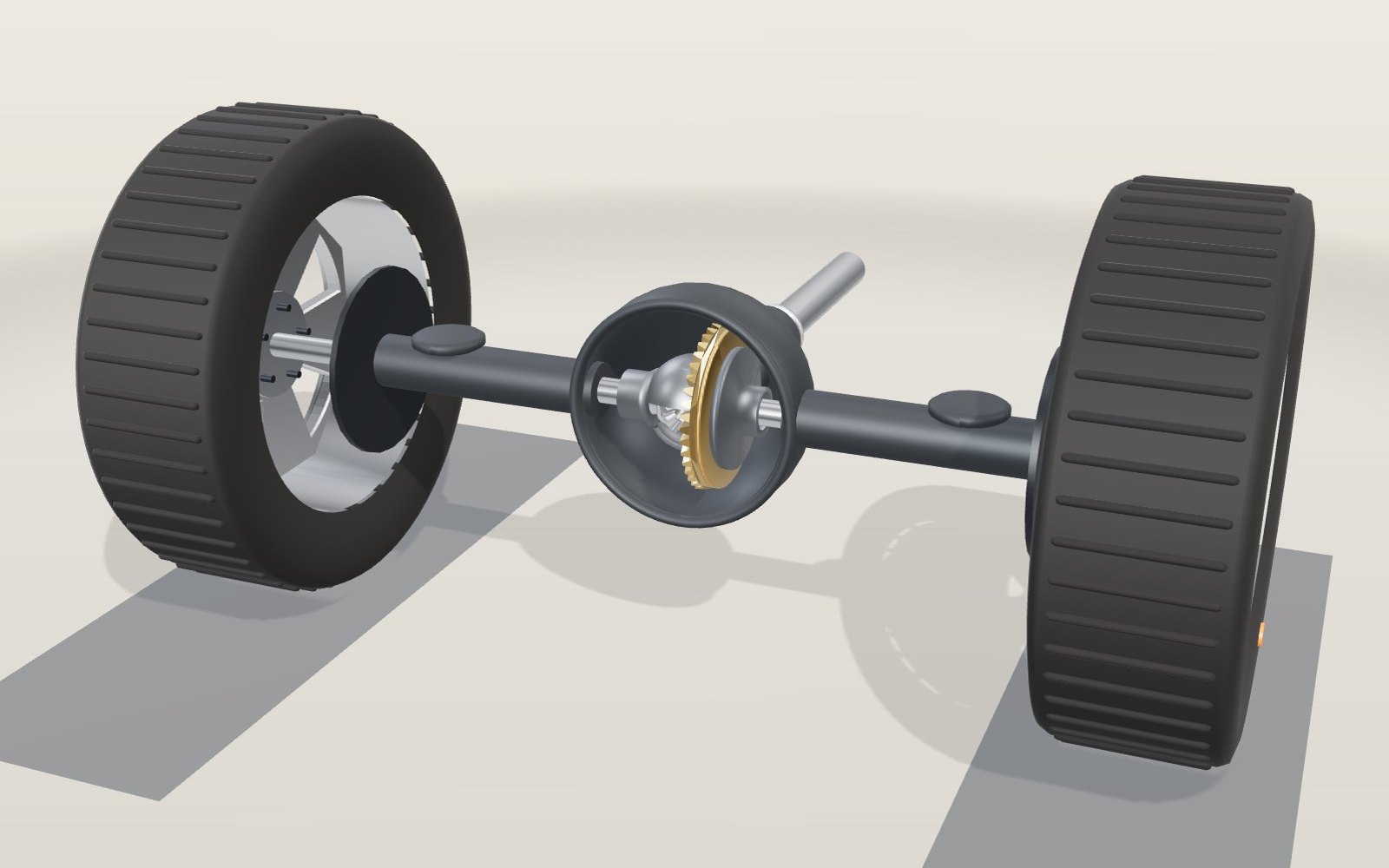
Round a 10 m bend at 50 km/h and the outer rear wheel turns 17% faster than the inner one, yet both are driven from the same shaft.
For lessons on Gears, rotation, how cars turn corners
Stone arch bridge: load it and watch how it carries weight
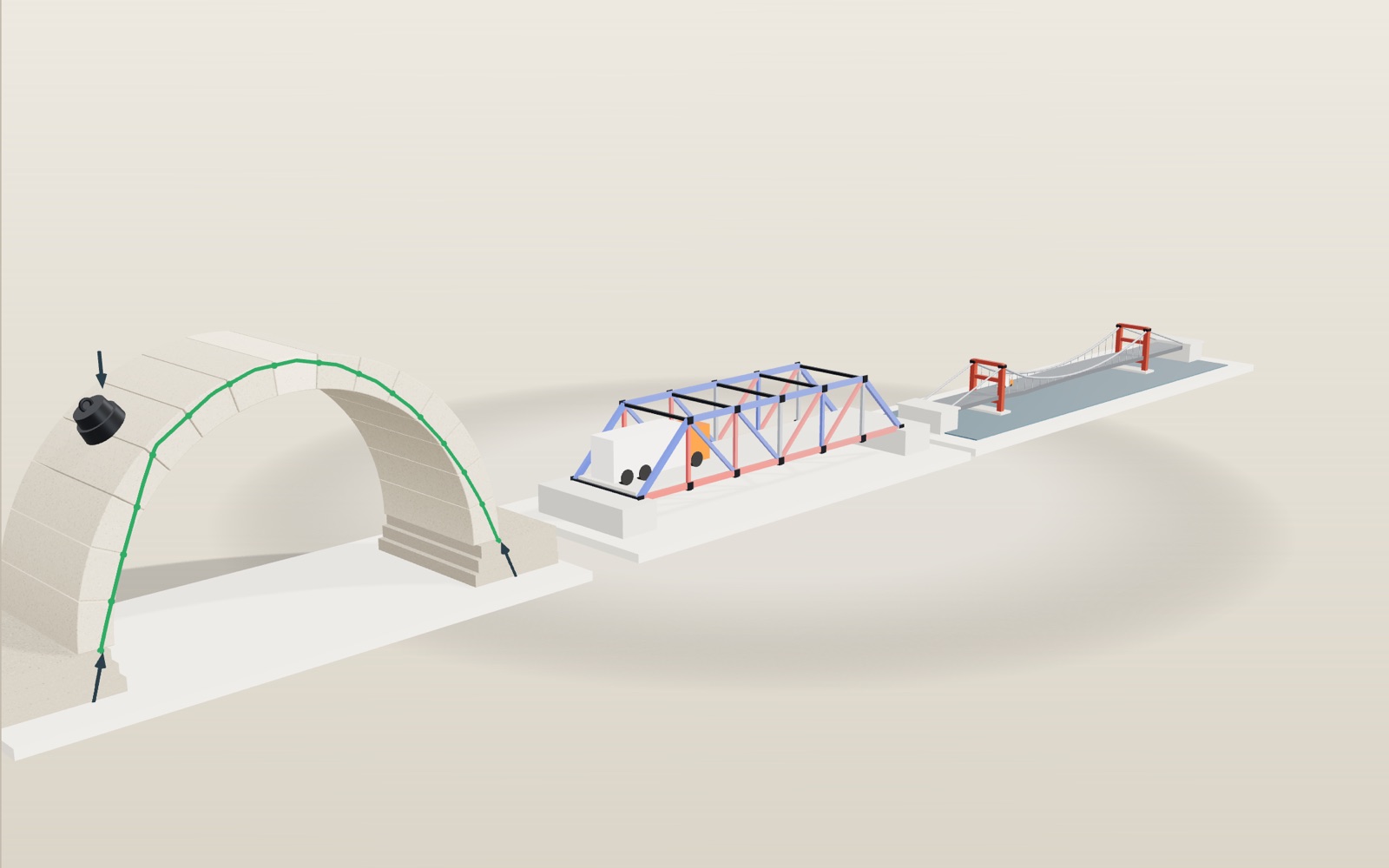
A stone arch has no glue between its blocks, yet it stands on its own once the last stone is set at the top.
For lessons on Structures, compression, load paths, bridges
Zipper mechanism: work the slider and see the teeth lock
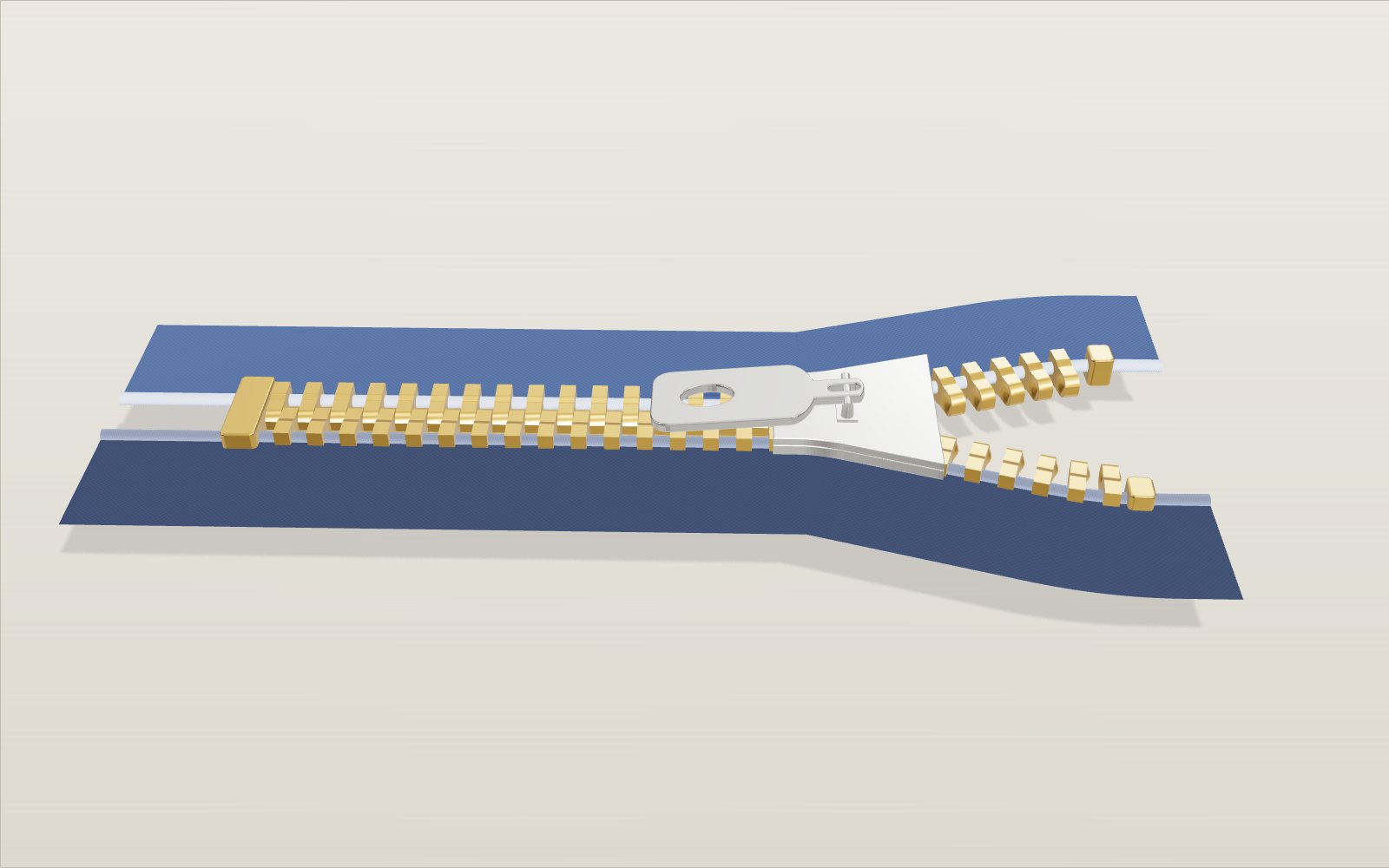
Nothing inside a zipper slider moves, yet the same Y-shaped channel locks the teeth on the way up and unlocks them on the way down.
For lessons on Simple mechanisms, wedges, design
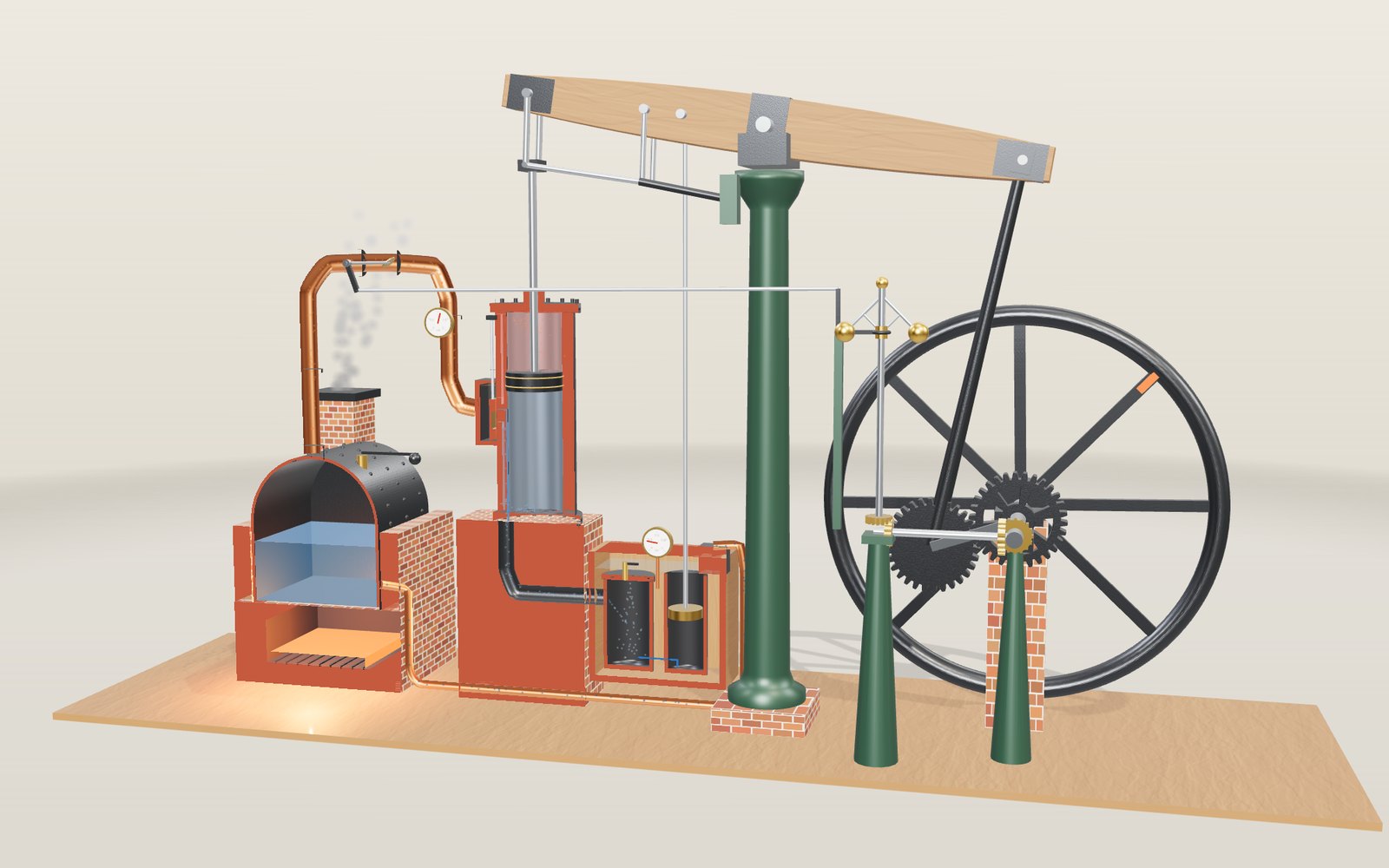
How does the Watt steam engine work? A working 3D model
A Watt engine did the same work as a Newcomen engine on about a third of the coal, because it condensed its steam in a separate vessel.
For lessons on Steam power, the Industrial Revolution, heat engines
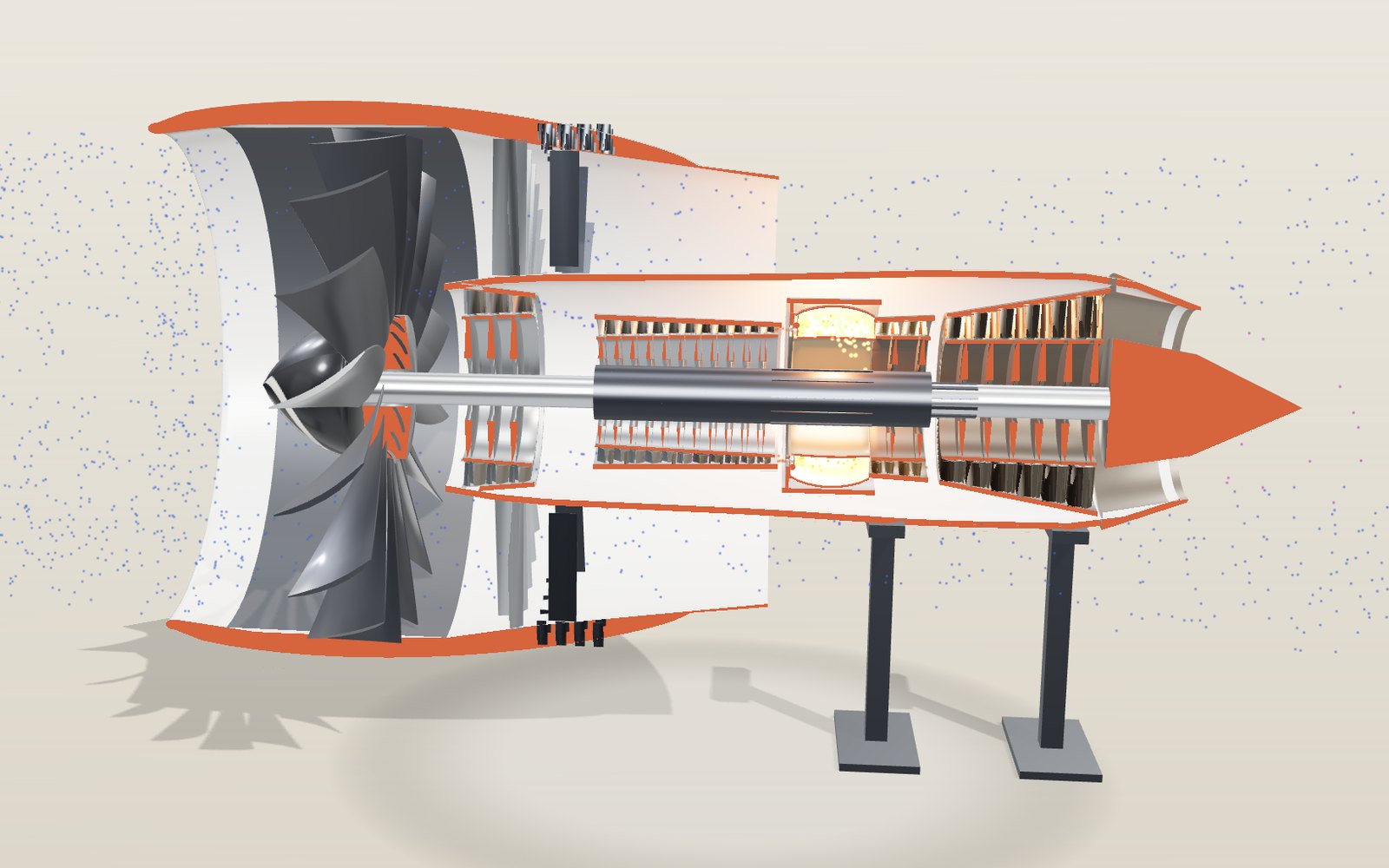
How a jet engine works: where an airliner’s thrust comes from
In an airliner's turbofan only one kilogram of air in eleven passes through the flame. Six other kinds of jet engine split the work differently, and you can open each one here.
For lessons on Thrust, Newton’s third law, gas turbines
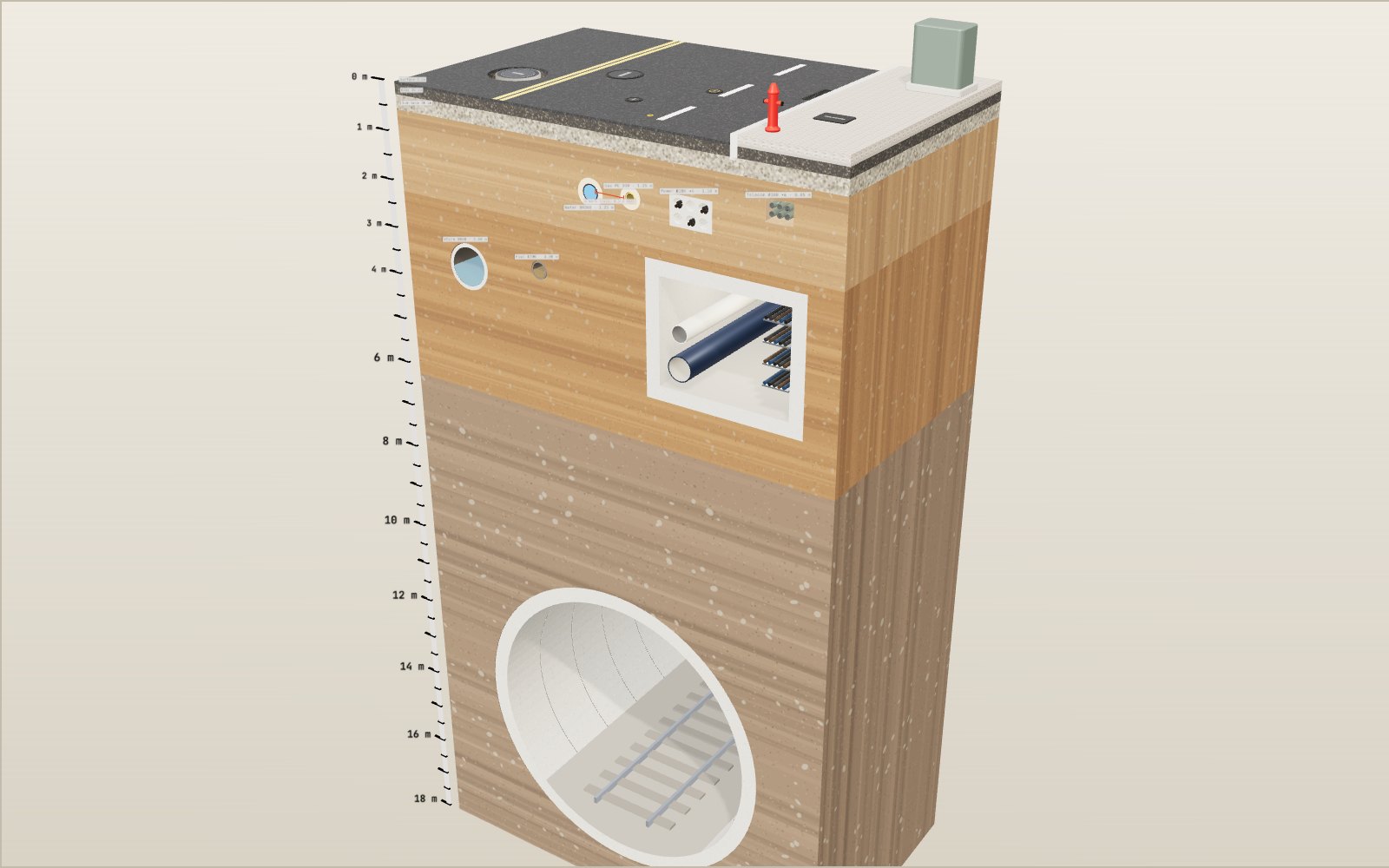
What is under the street
Korean road rules put a water main at least 1.2 metres under the road and a main sewer at least 3 metres down, so four kinds of pipe and cable all lie within the top 2 metres.
For lessons on Urban infrastructure, water and sewage, utilities
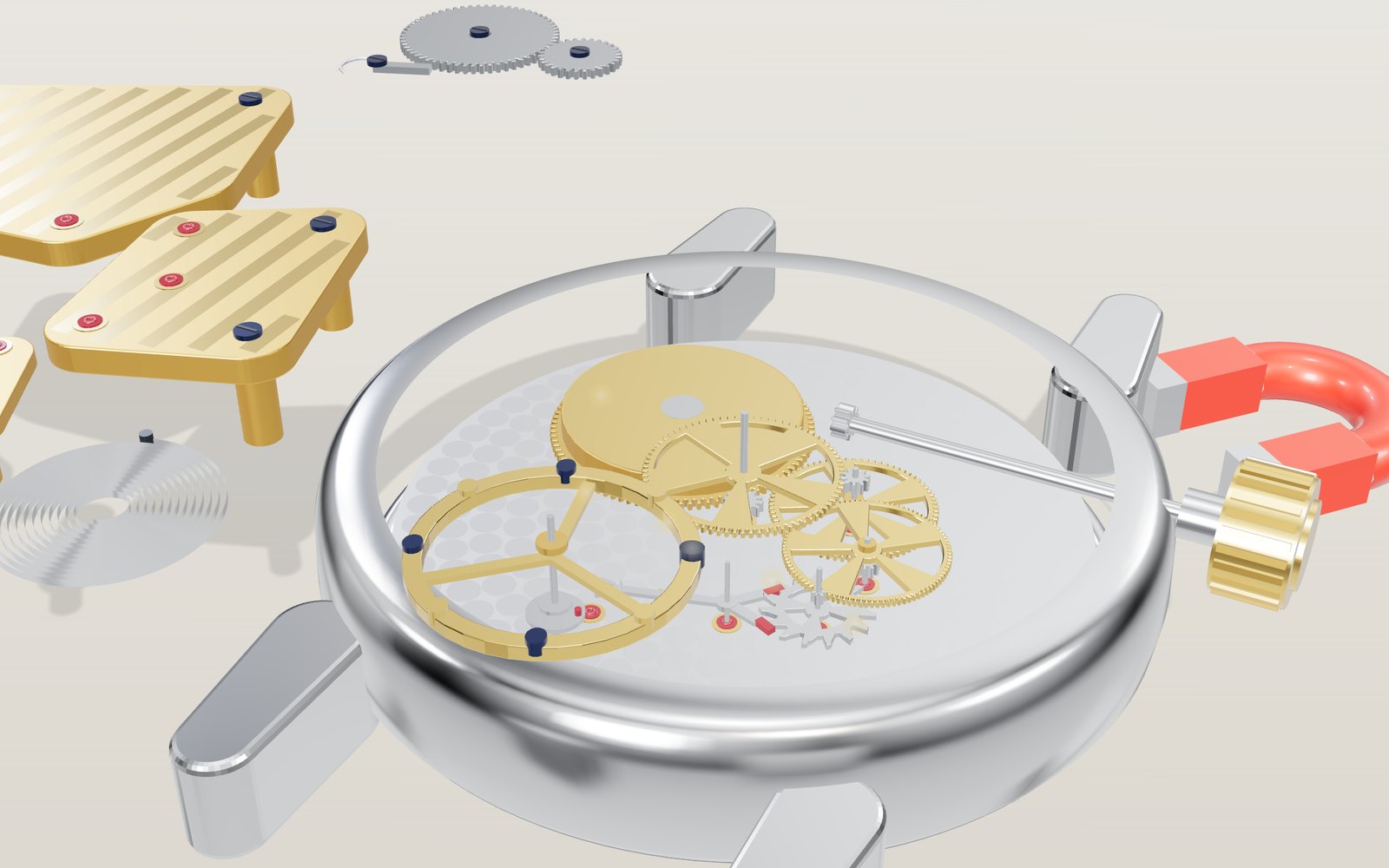
How does a mechanical watch work without a battery?
A balance wheel the size of a fingernail swings eight times a second, and each swing lets the gears move on by half a tooth.
For lessons on Springs, gears, stored energy, timekeeping
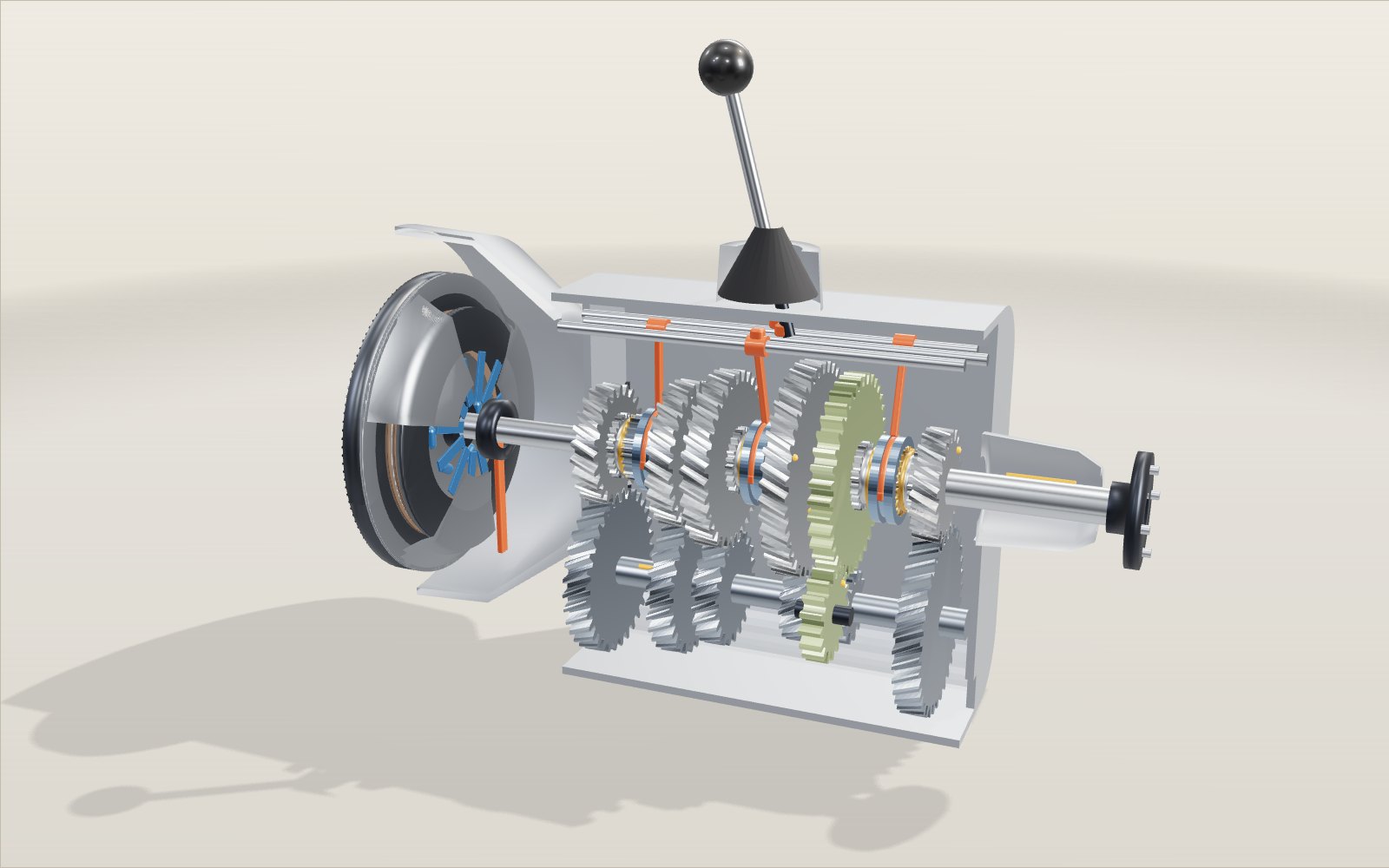
How a manual gearbox works
At 3,000 rpm the same engine moves the car at 23 km/h in first and 115 km/h in fifth, and a brass ring the size of a biscuit decides when the next gear can go in.
For lessons on Gears, torque, gear ratios
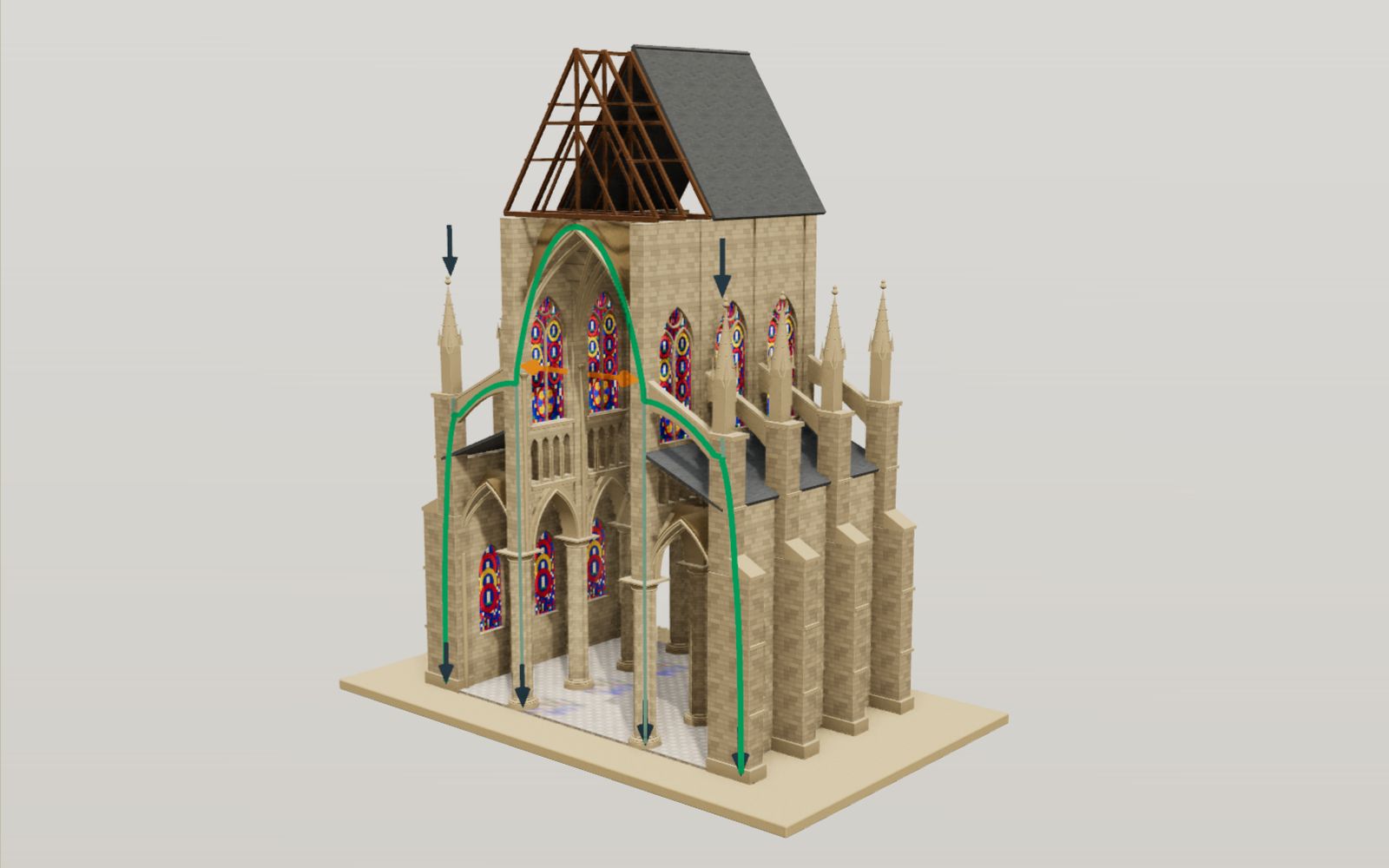
How flying buttresses work: Gothic cathedral 3D model
The stone vault of Amiens Cathedral hangs 42.3 metres above the floor, and the walls under it are mostly glass.
For lessons on Medieval architecture, forces in structures
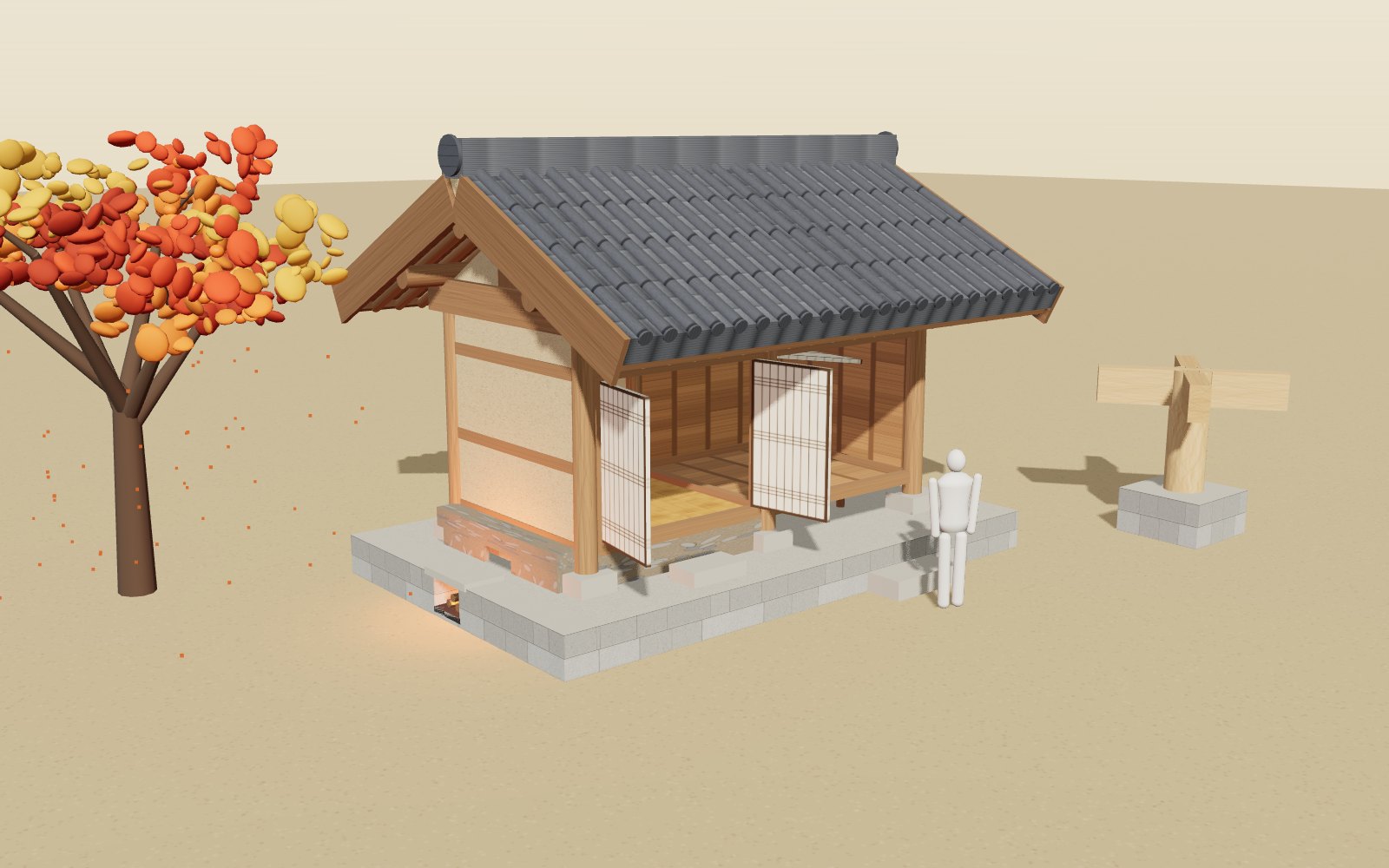
How a hanok is put together and heated by ondol
The frame of a hanok locks together with carved wooden joints, and under its warm room the smoke from one small fire runs through stone flues to the chimney.
For lessons on Traditional architecture, heat transfer, ondol
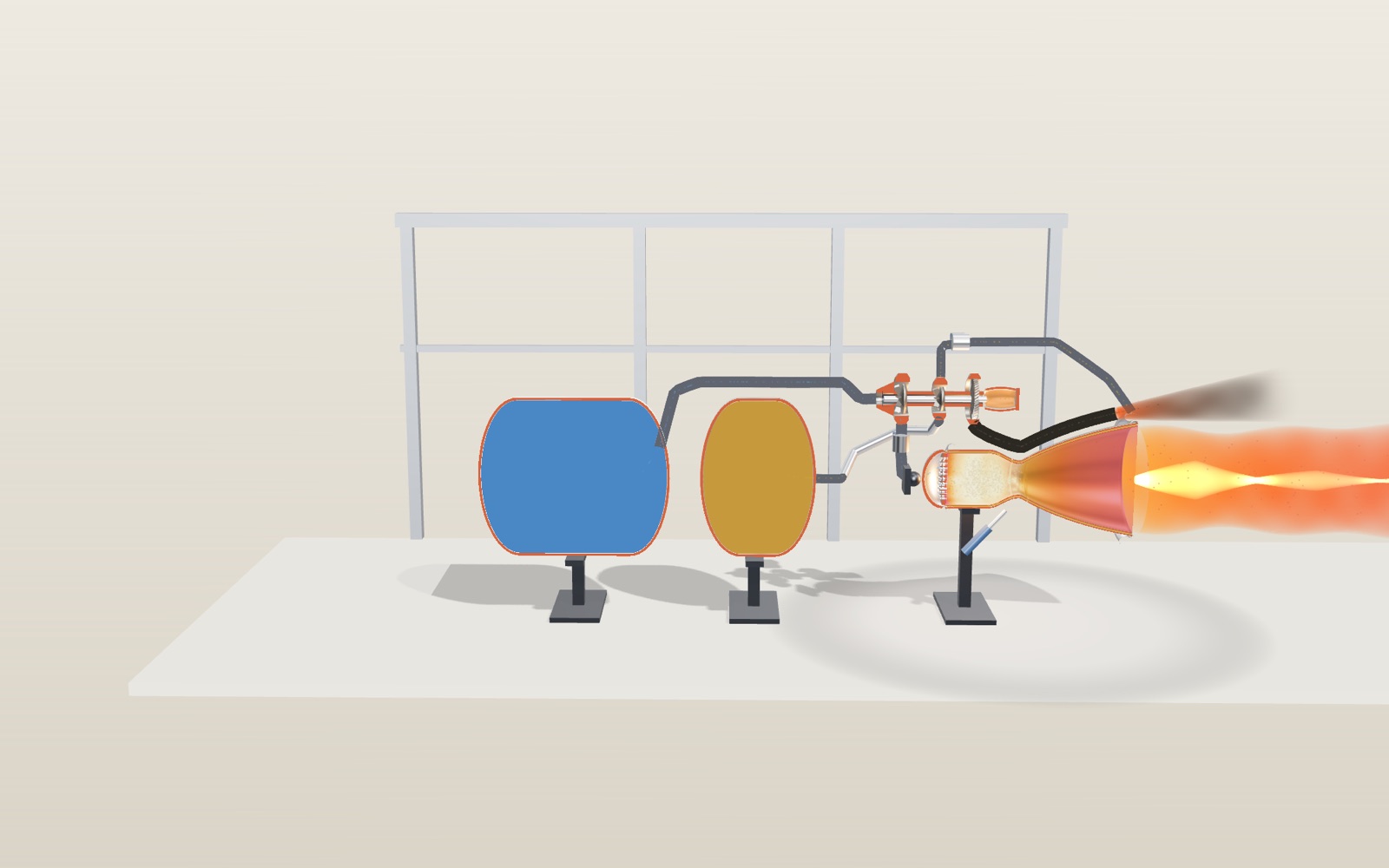
Liquid rocket engine: interactive model, how it works
Nuri's 75-tonne engine burns 255 kg of kerosene and liquid oxygen every second, and the same engine pushes about 13 percent harder in space than at sea level.
For lessons on Rockets, thrust, Newton’s third law, combustion
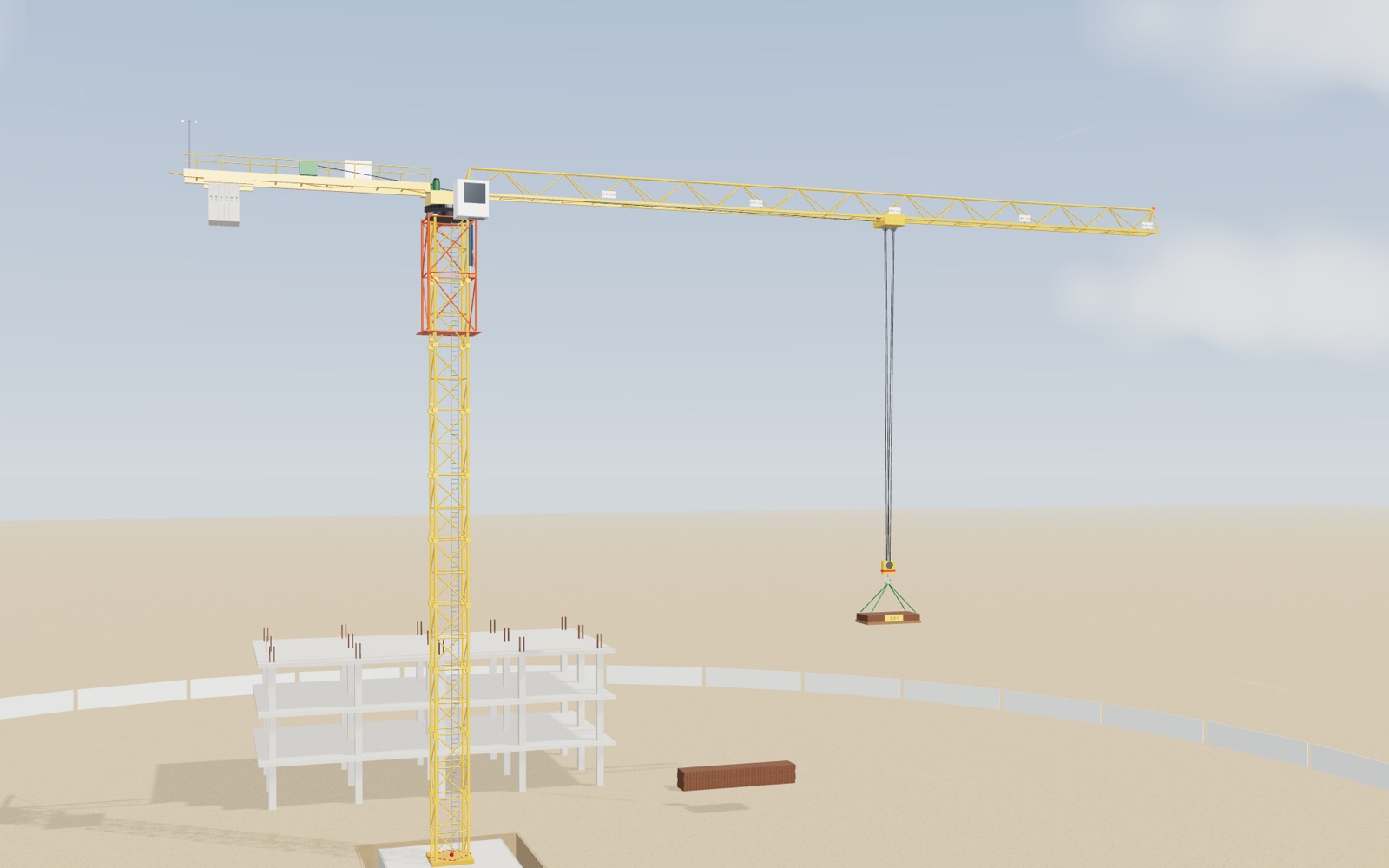
Why a tower crane doesn't tip over
A tower crane that lifts 8 tonnes next to its mast may carry only 3.2 tonnes at the tip of its 50 m jib, and the reason is a single multiplication.
For lessons on Levers, balance, centre of mass
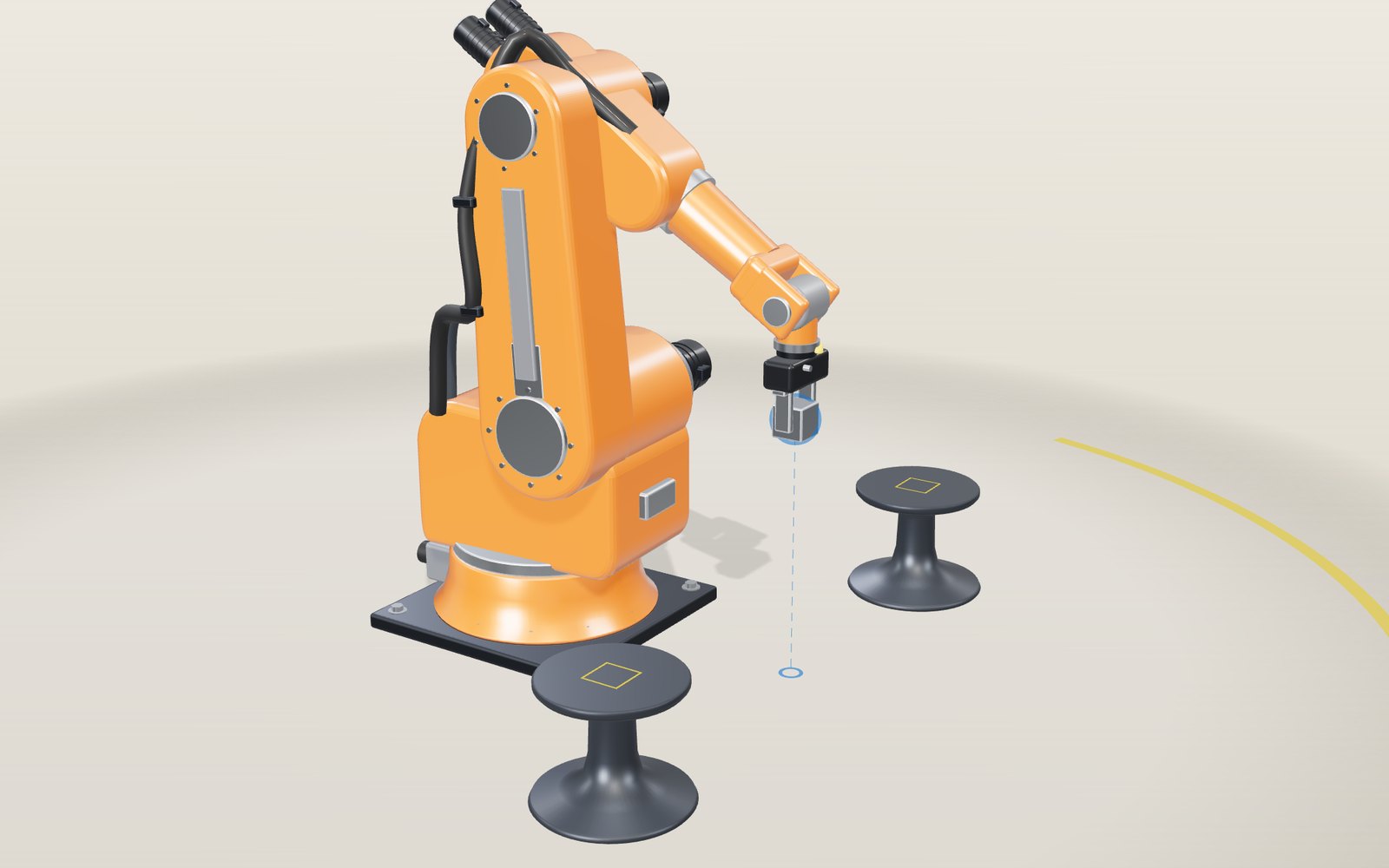
Robot arm: move the joints, how it works step by step
Slide the fingertips of a six-axis robot arm sideways at 250 mm/s past one particular line in space, and one of its wrist joints has to spin at 510° a second.
For lessons on Robotics, joints, angles, automation
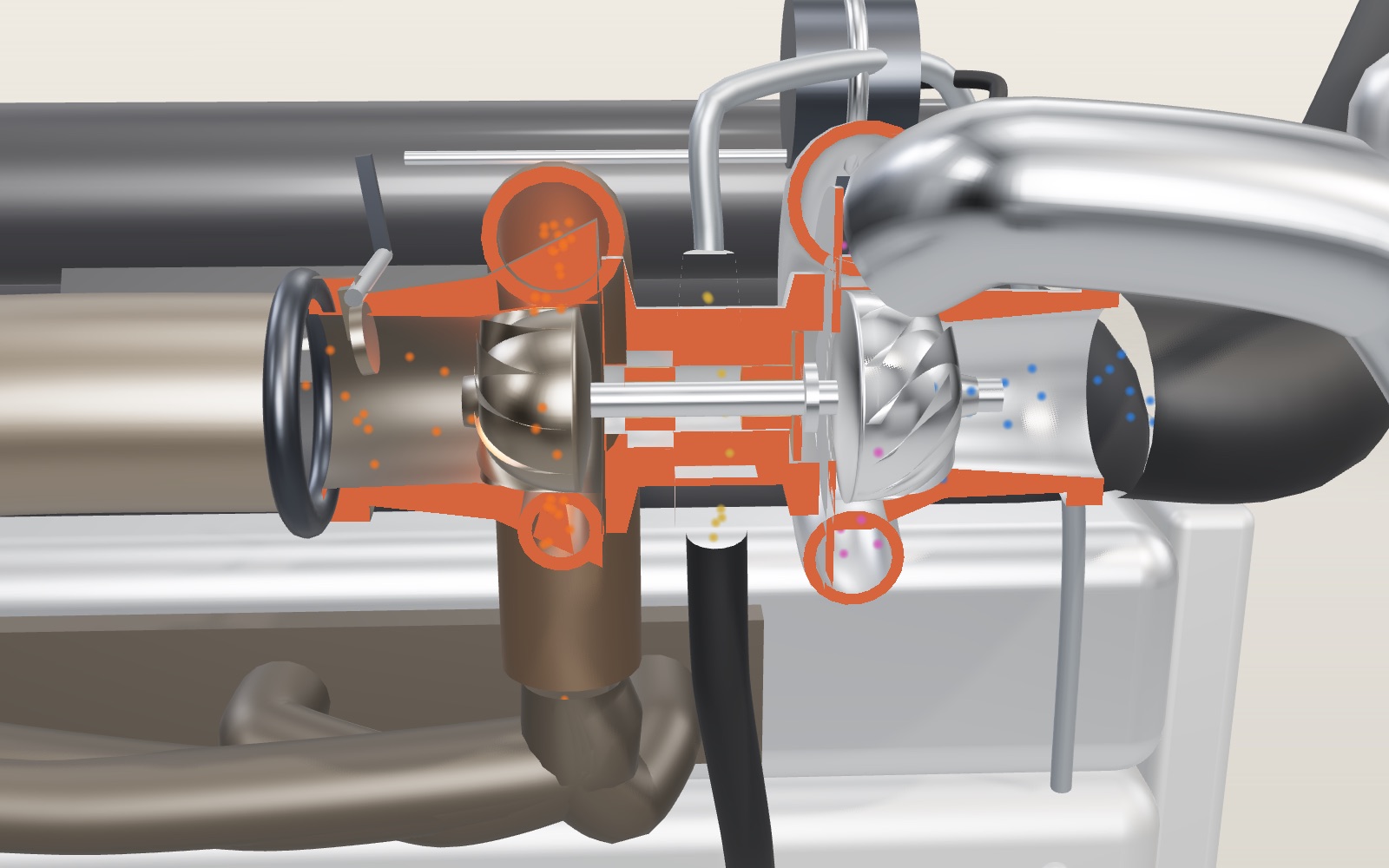
Turbocharger: interactive model, take it apart
On this model 2.0-litre engine, a shaft spinning at 142,000 rpm squeezes almost twice as much air into each cylinder.
For lessons on Engines, air pressure, energy recovery
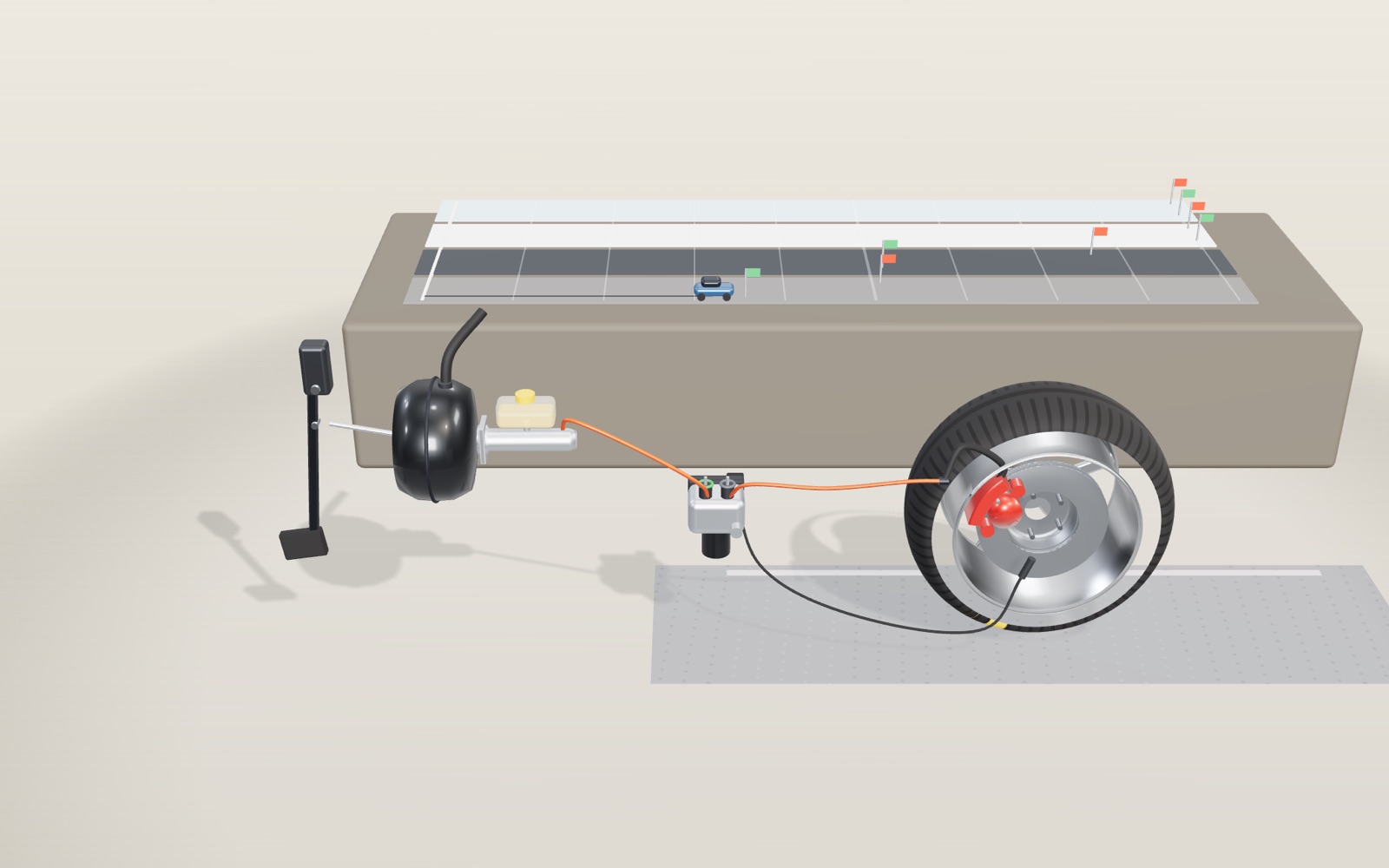
Disc brake and ABS simulator: how they work, step by step
On a dry road at 100 km/h a skidding tyre needs about 51 m to stop, while a tyre that ABS keeps turning stops the same model car in 36 m.
For lessons on Friction, kinetic energy, braking, car safety
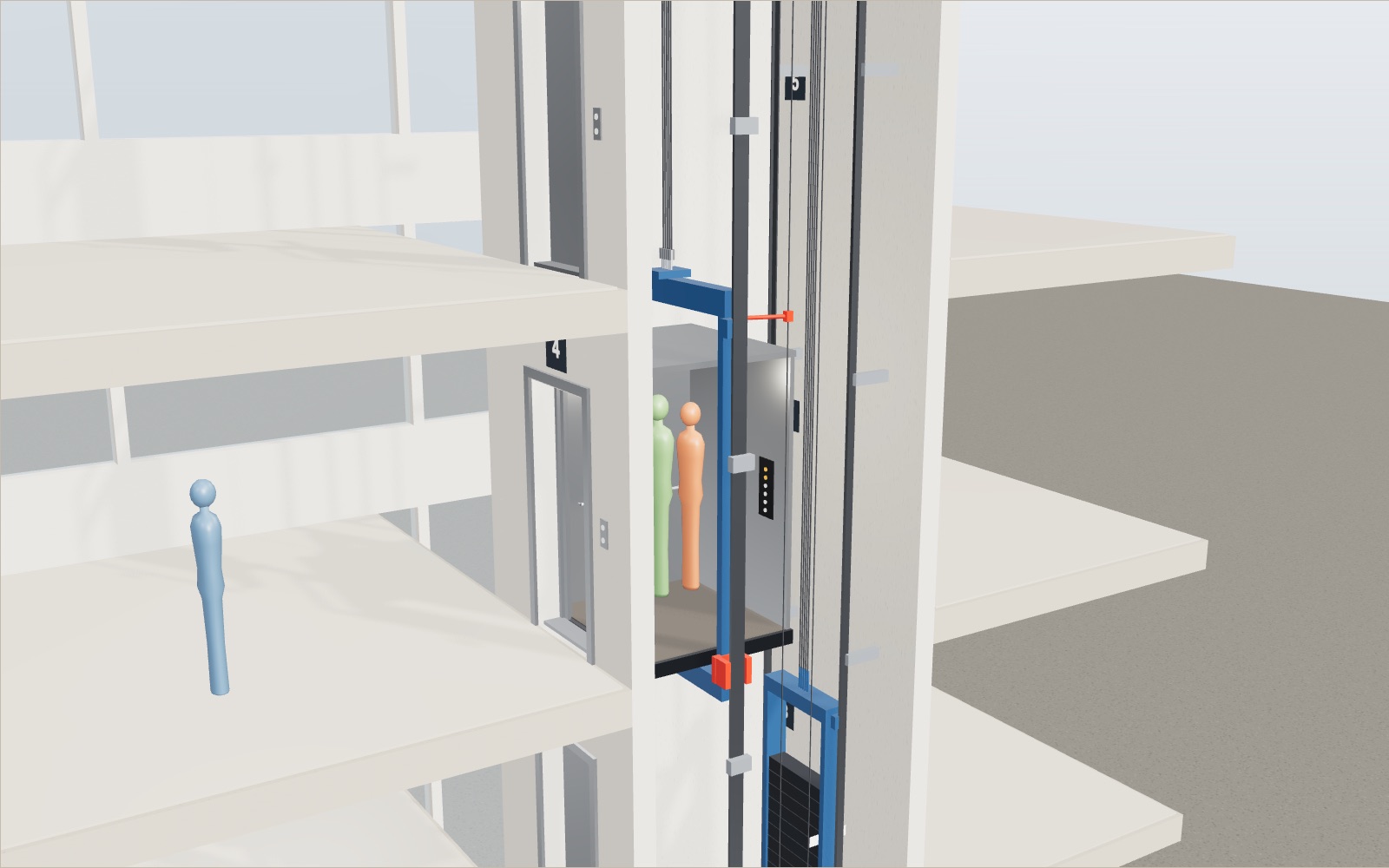
How does an elevator work? Counterweight and safety brake
A lift car full of people can weigh almost two tonnes, yet the motor that raises it only has to lift about a quarter of that, because a counterweight hangs on the other end of the ropes.
For lessons on Pulleys, counterweights, forces in machines
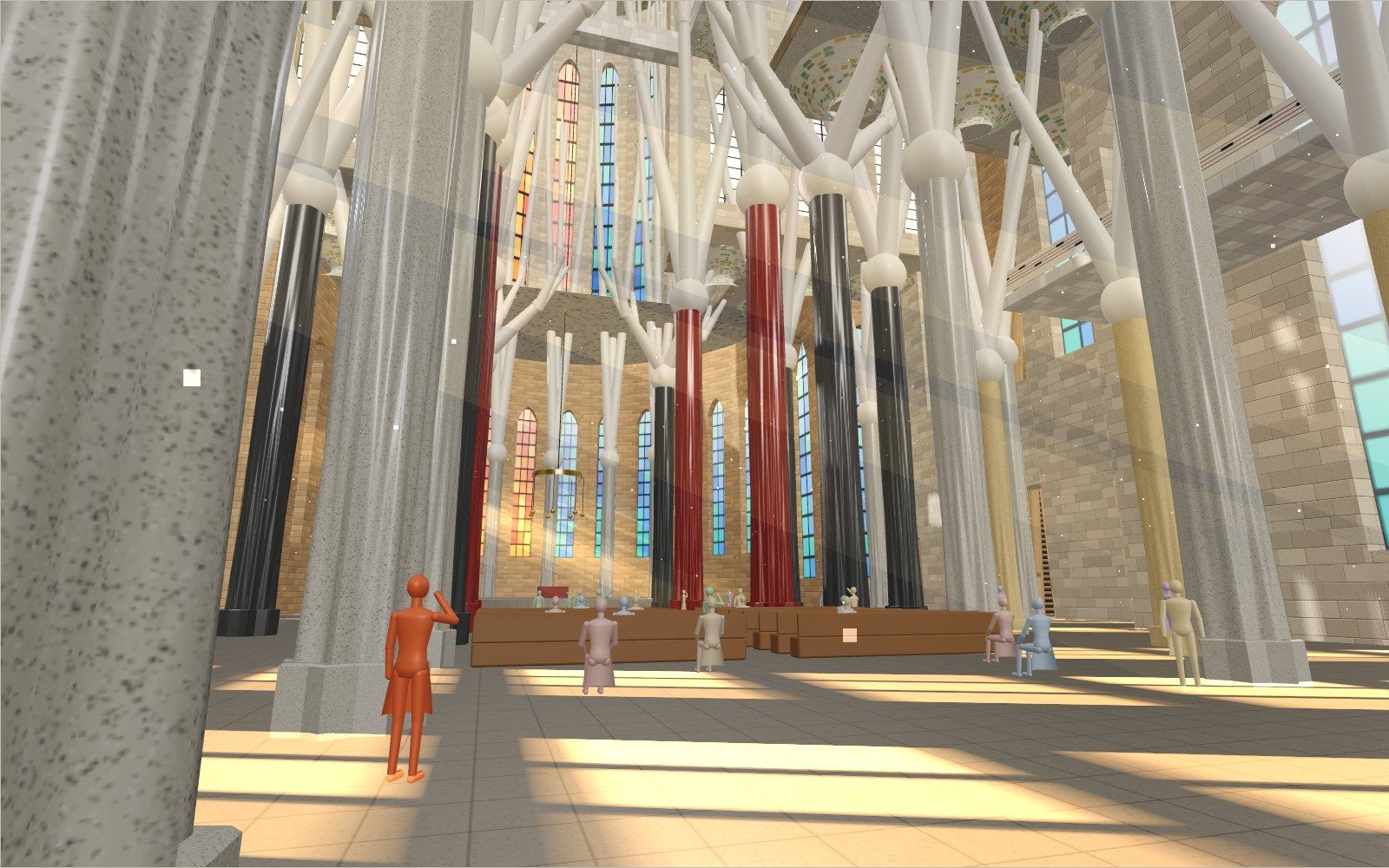
Walk through the Sagrada Família
Inside the Sagrada Família the columns branch like trees 45 m up, and the sun moves blue and orange light across the floor.
For lessons on Architecture, arches, geometry in building
History
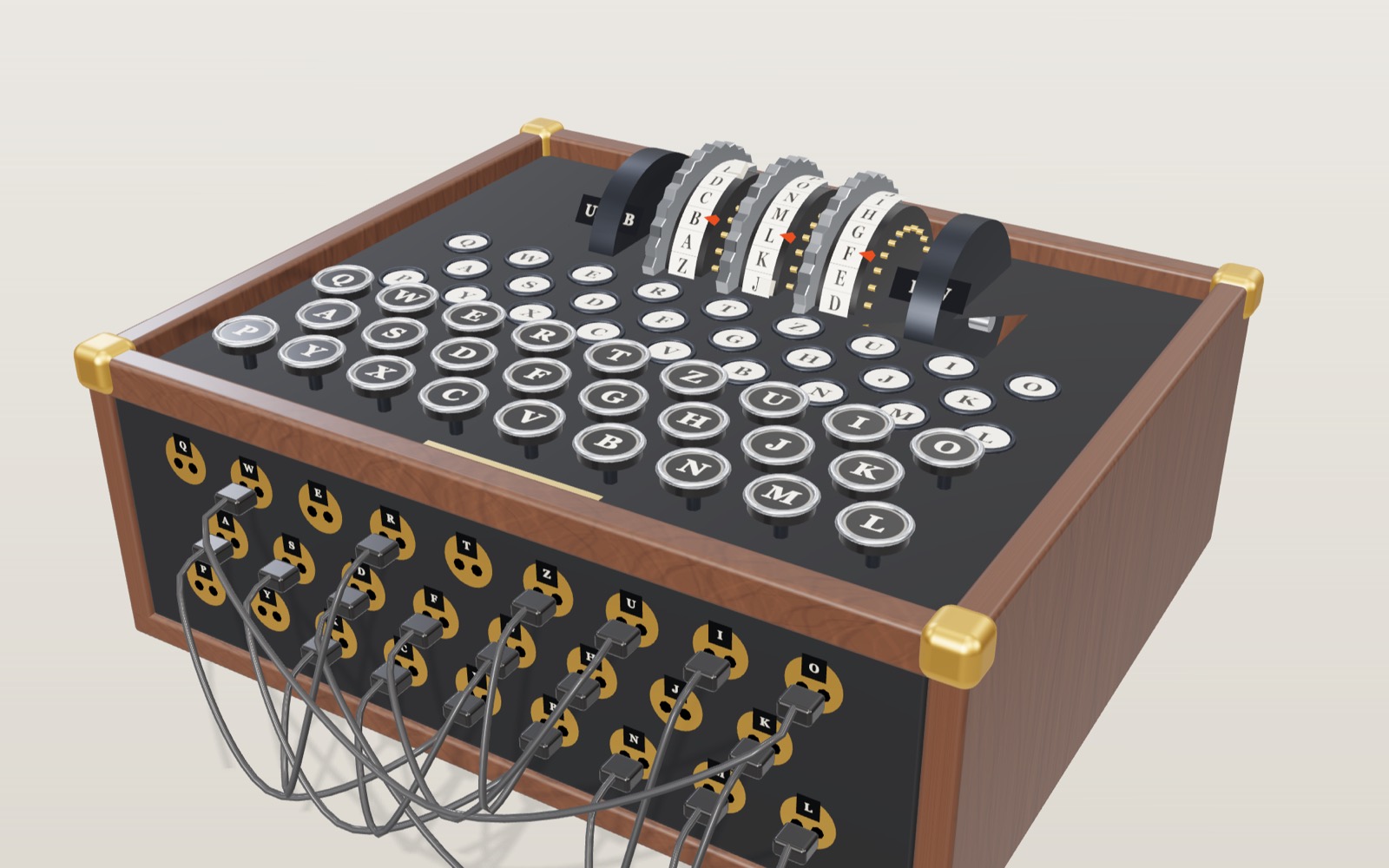
How the Enigma machine worked: rotors, reflector and plugboard
Press A five times on an Enigma set to I-II-III and AAA and the lamps light B, D, Z, G, O.
For lessons on Codes and ciphers, the Second World War
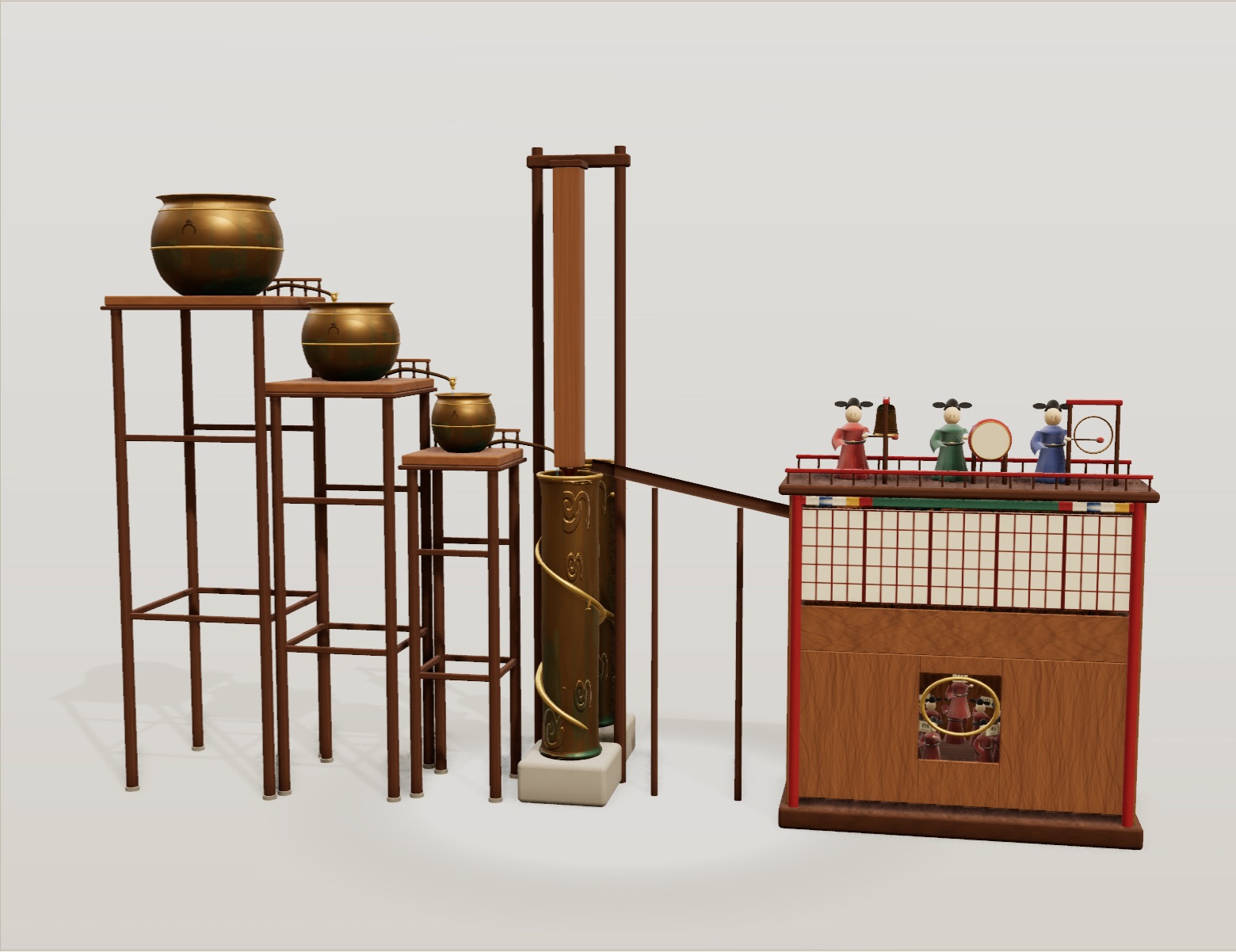
How the Jagyeokru water clock works
In 1434 a float rising in a bronze vessel in Seoul began to drop small balls that set wooden figures striking a bell, a drum and a gong.
For lessons on Timekeeping, water clocks, Joseon science
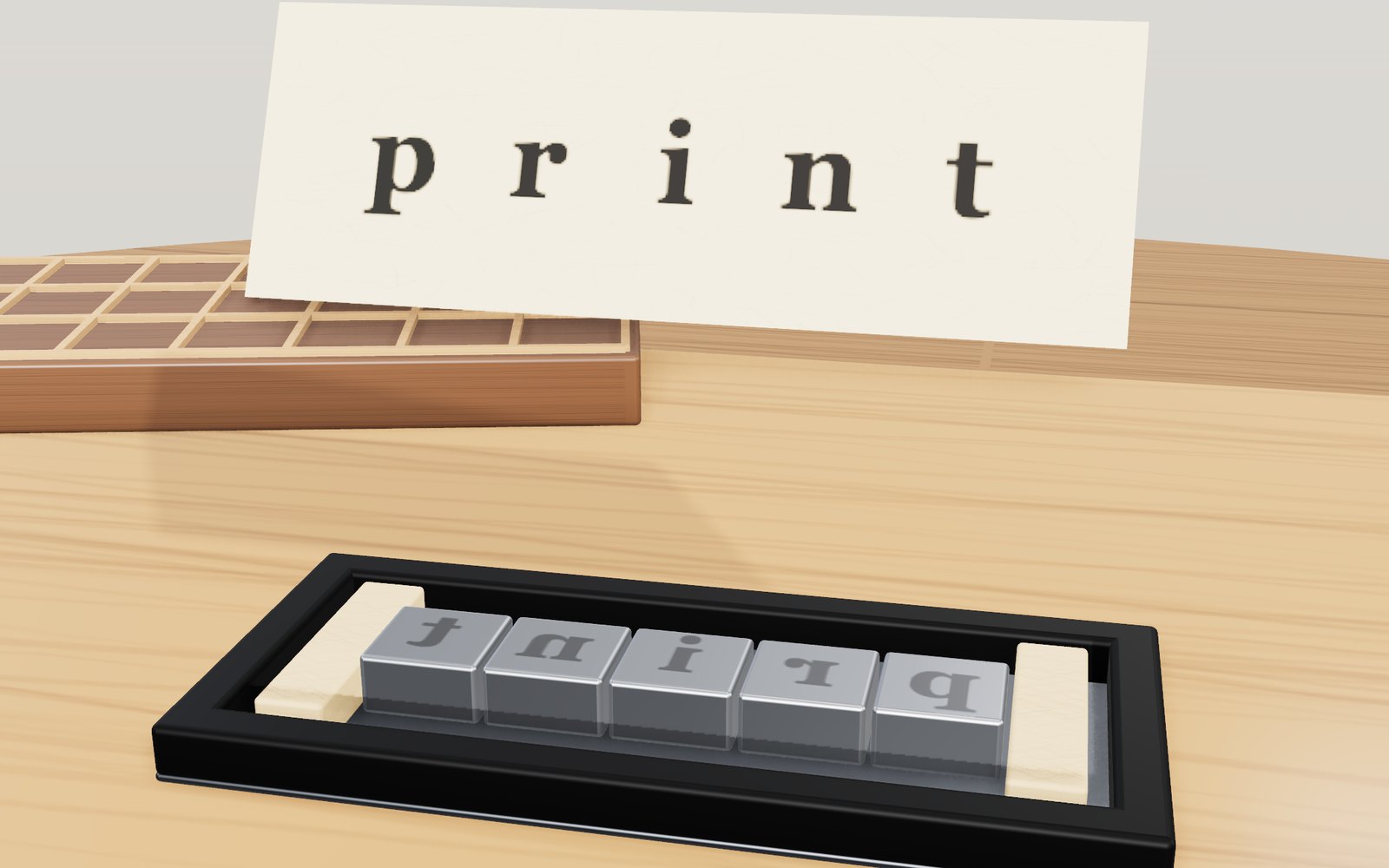
Movable type and the printing press
A piece of type carries its letter back to front. Ink it, press paper on it, turn the sheet over, and the letter reads the right way round.
For lessons on Printing, Gutenberg, Jikji, spread of books
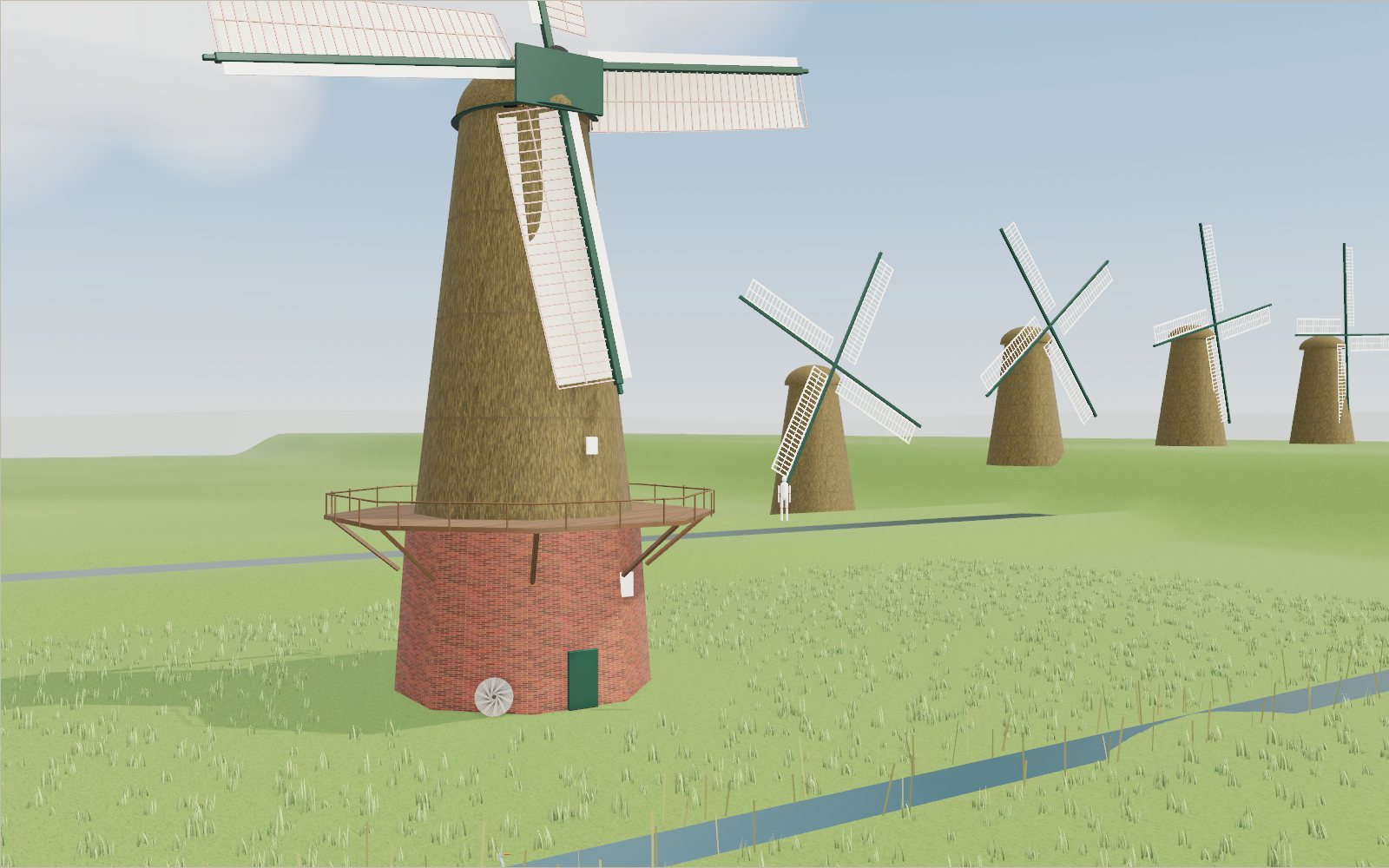
How windmills and watermills work
The sails of a Dutch mill are as wide as an eight-storey building is tall, and at 7 m/s they still take only about a fifth of the wind.
For lessons on Wind and water power, mills, history of technology
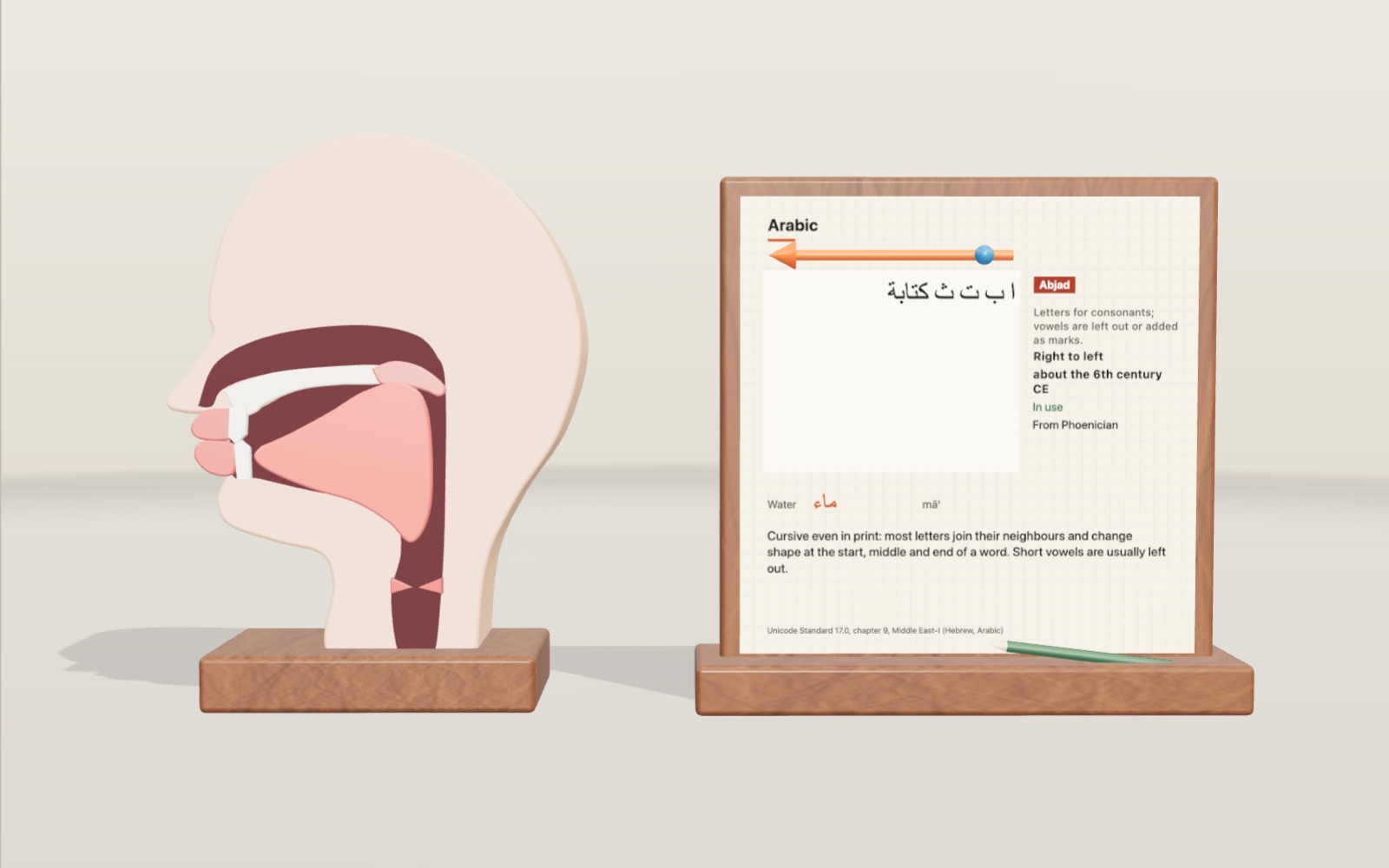
Writing systems of the world: Hangul and 22 more scripts
The 1446 book that announced Hangul says ㄱ draws the tongue root closing the throat. Here it stands beside 22 other scripts, from clay wedges to Braille.
For lessons on Writing systems, Hangul, alphabets
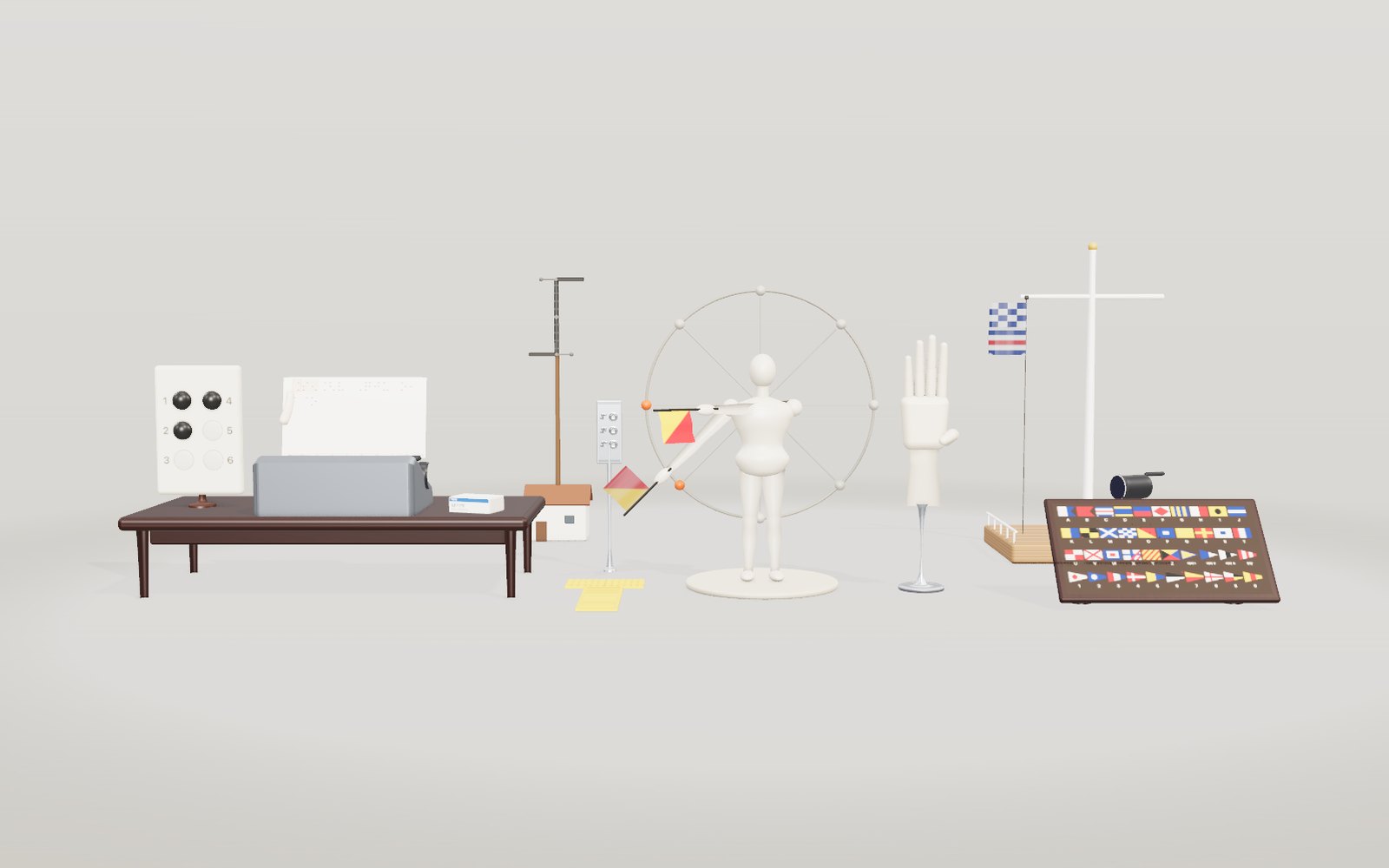
Braille, semaphore and fingerspelling: how the codes work
A braille dot is 1.5 mm across, and six of them in a 2 by 3 grid give 64 patterns that Korean, English, Japanese and music braille all share.
For lessons on Codes, writing for the blind, signalling
Walk through Pompeii on its last day
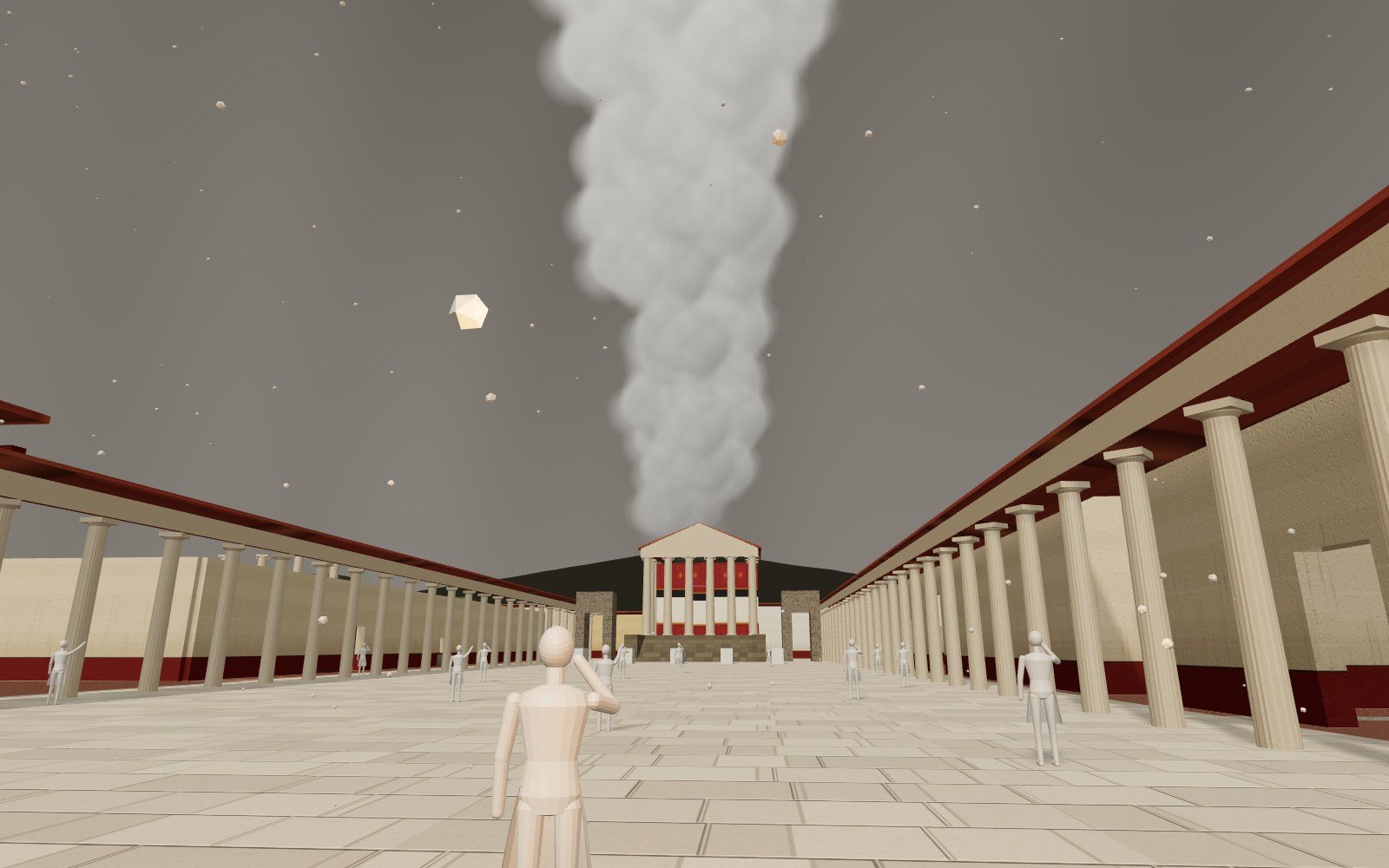
A walkable model of Pompeii with a clock from the first column of Vesuvius to the surge of the next morning, then to the ruins of today.
For lessons on Ancient Rome, volcanoes, archaeology
Walk through the Colosseum
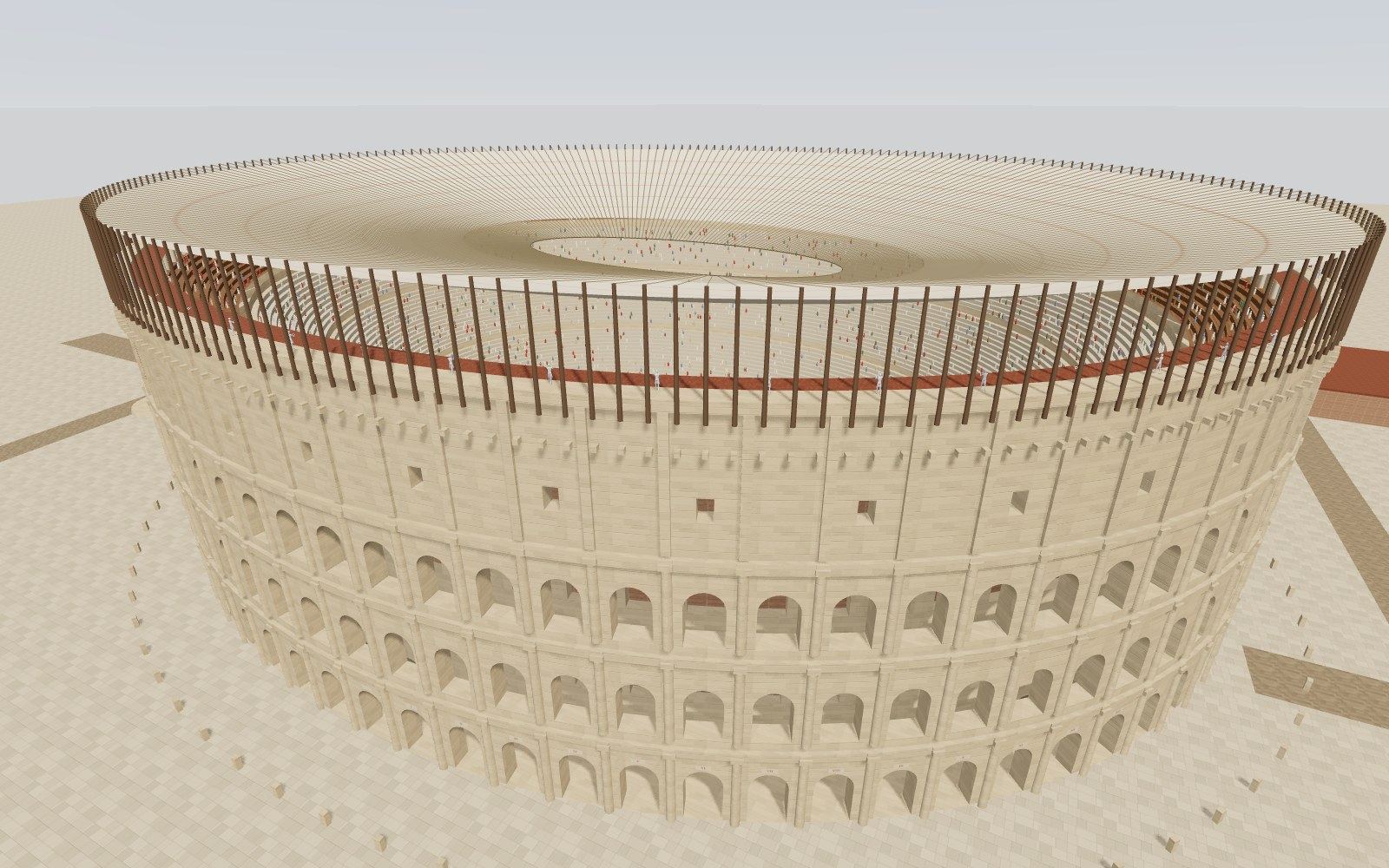
Under the sand of the Colosseum, 28 freight elevators were raised by eight people each, 6 m below the arena.
For lessons on Ancient Rome, Roman engineering
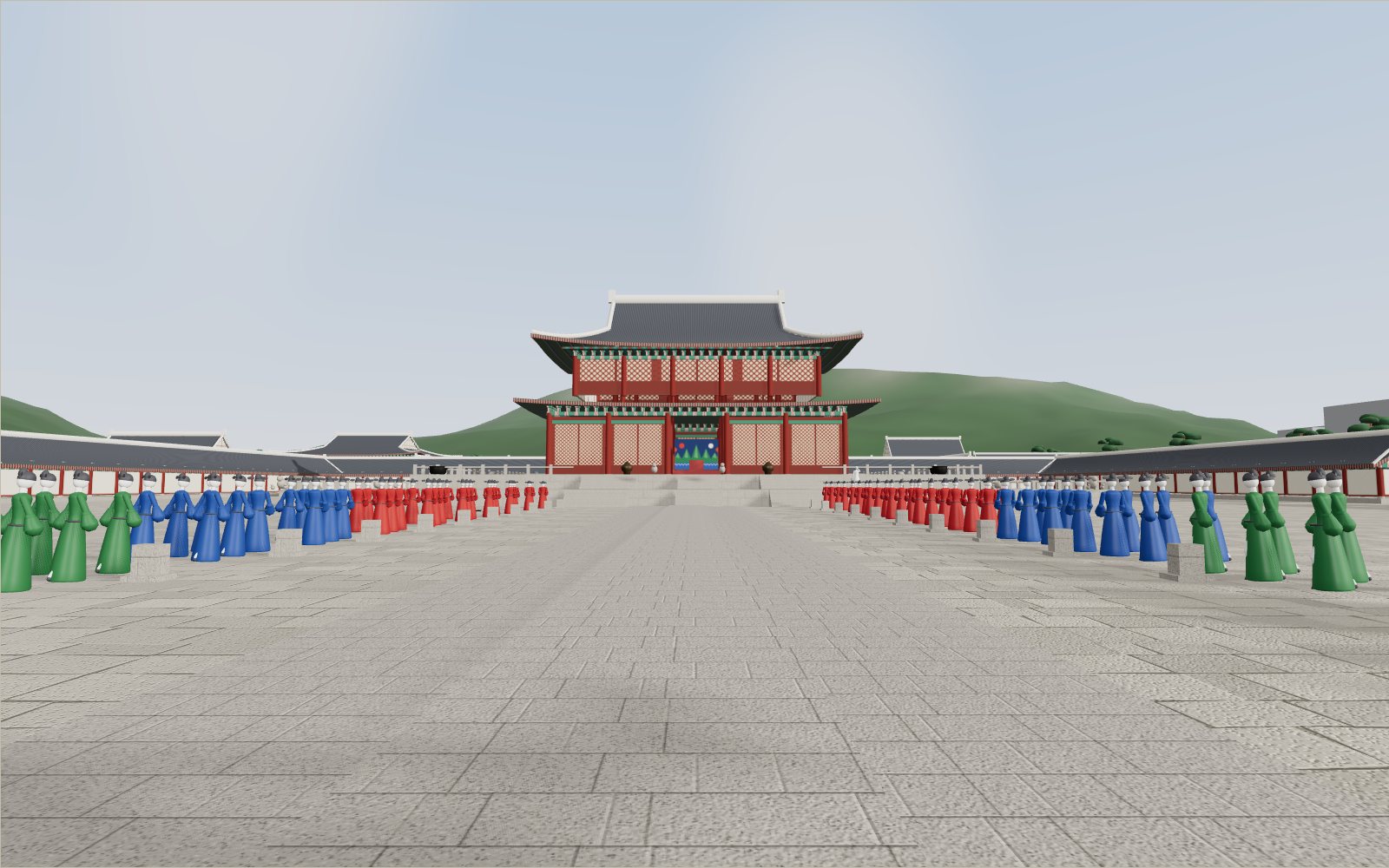
Walk through Gyeongbokgung Palace
In the courtyard of the throne hall, 24 stones told each official where to stand, from the first grade by the hall to the ninth by the gate.
For lessons on Joseon dynasty, Korean palaces, architecture
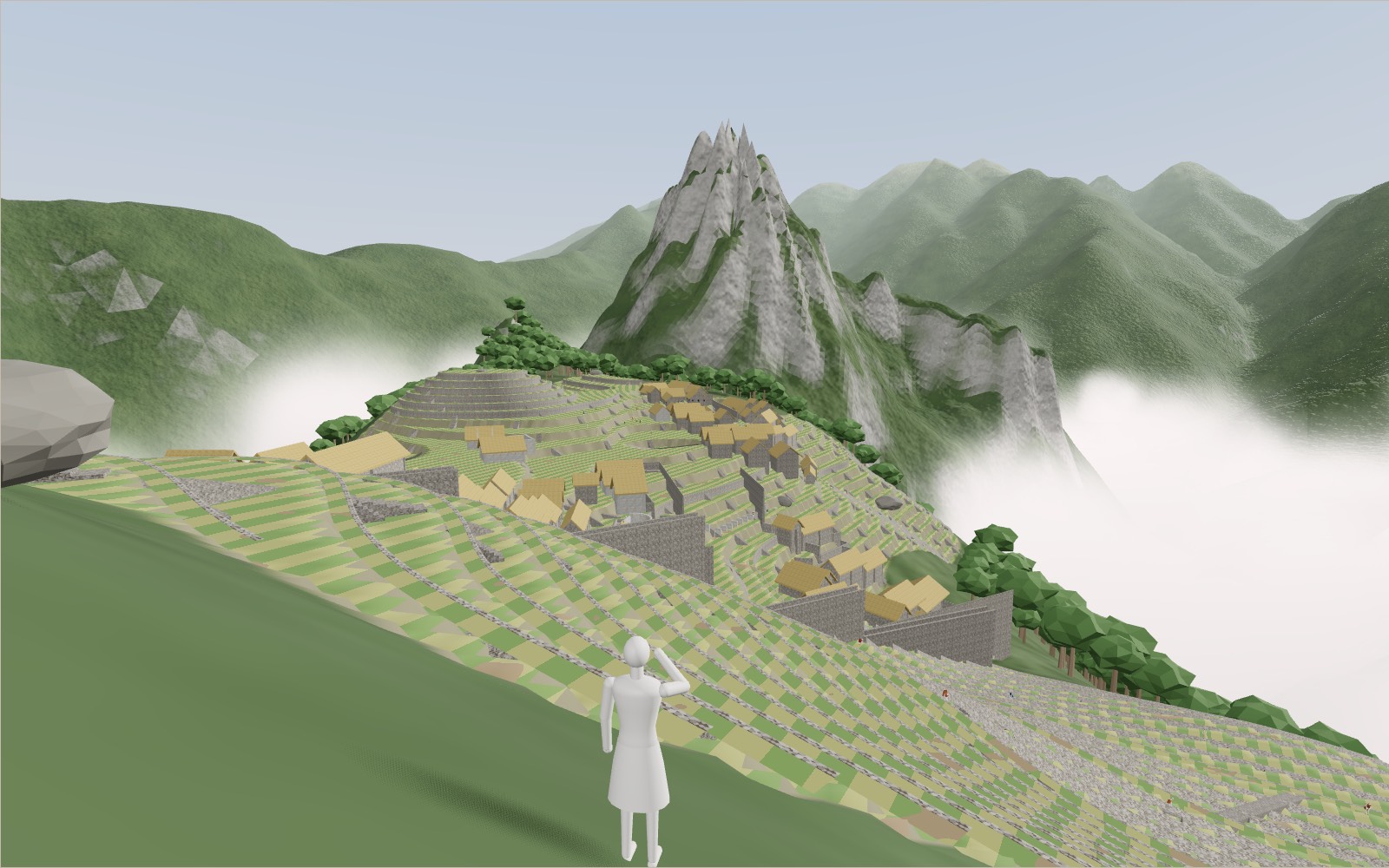
Walk through Machu Picchu
Most of the work that holds Machu Picchu on its ridge, 60 per cent by one estimate, lies under the ground in foundations and drains nobody sees.
For lessons on The Inca, mountain settlements, stone building
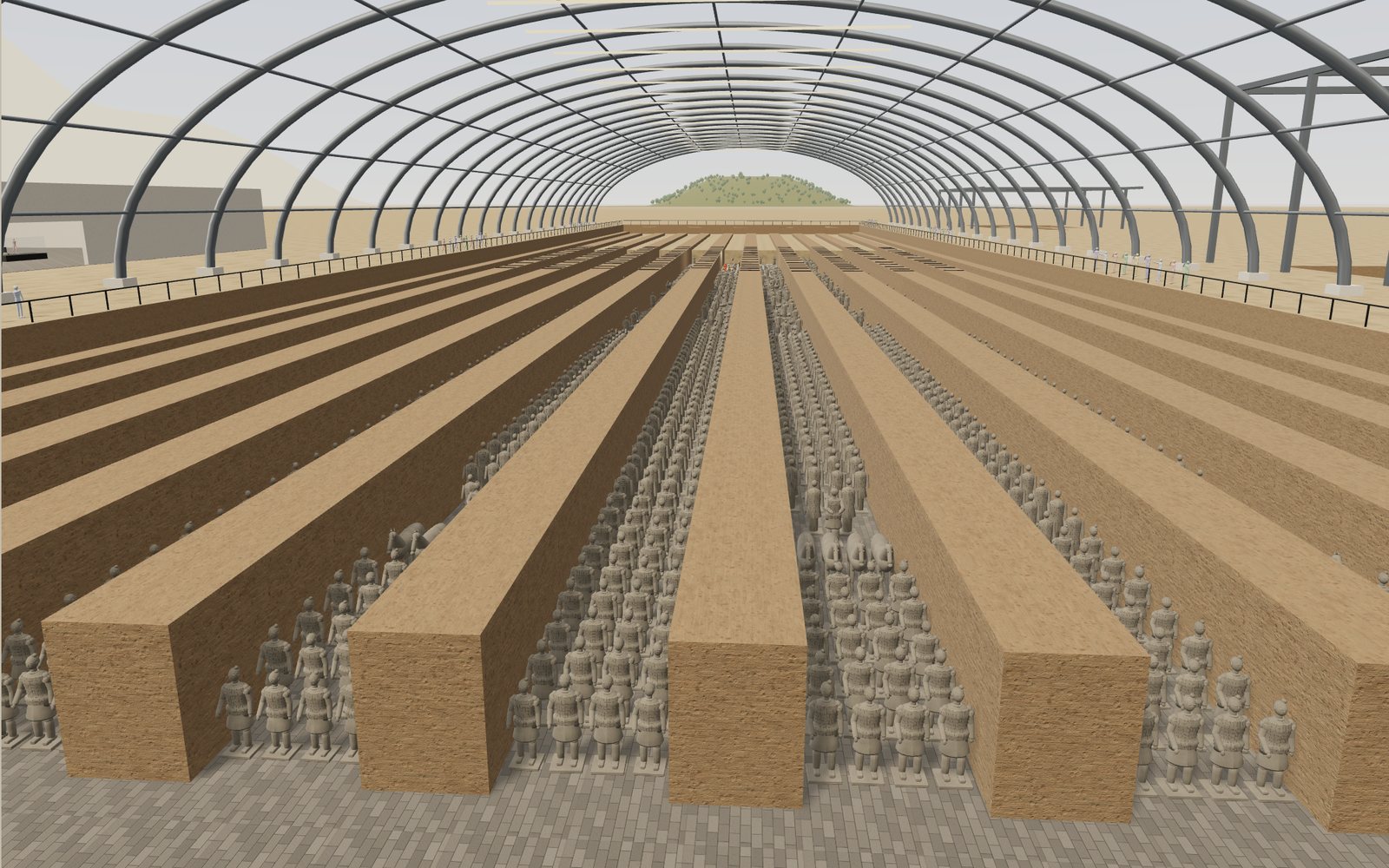
Walk through the Terracotta Army
Pit 1 of the Terracotta Army is 230 m long and holds an estimated 6,000 figures and horses, and every one of them was painted once.
For lessons on Ancient China, the Qin dynasty, archaeology