9 exhibitsCourses
Walk through famous places
Rome's arena, Barcelona's cathedral, a canyon, a Korean palace, an Inca town, a sequoia forest, an army of clay, a buried city and the clouds of Jupiter.
They run roughly from ancient to modern, then to the natural giants, and the walk ends beyond Earth in the cloud tops of Jupiter.
Each of these exhibits is a place you can walk through, built from measurements and maps. In the Colosseum you can go under the floor to the lifts that raised animals into the arena. In the Sagrada Família the columns branch like trees above you and coloured light crosses the floor as the day goes on. In Gyeongbokgung the stones in the courtyard told every official where to stand.
The later places add time. The Grand Canyon is a stack of rock layers that records a billion years, Machu Picchu hides most of its work underground, and a sequoia forest keeps a record in its rings. The Terracotta Army was once painted, Pompeii has a clock that runs to the last morning, and Jupiter shows its famous spot shrinking. Look for what you cannot see from the usual photograph, such as foundations, drains, lifts and layers.
- 01
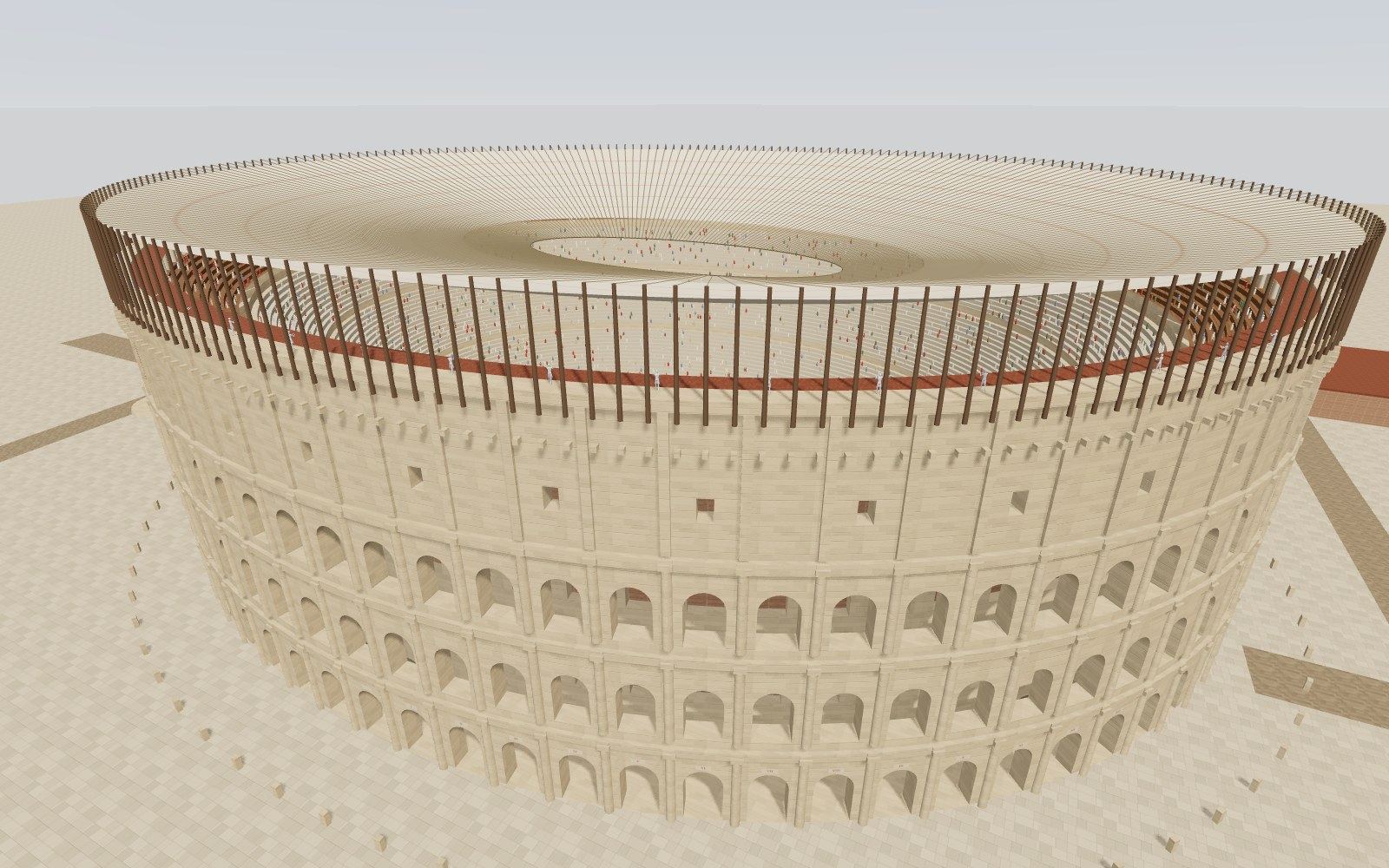 FIG. 99 · Walk-throughs
Walk through the Colosseum
Under the sand of the Colosseum, 28 freight elevators were raised by eight people each, 6 m below the arena.
Turn on See under the floor and Freight elevators to see the 28 lifts, each raised by eight people.
- 02
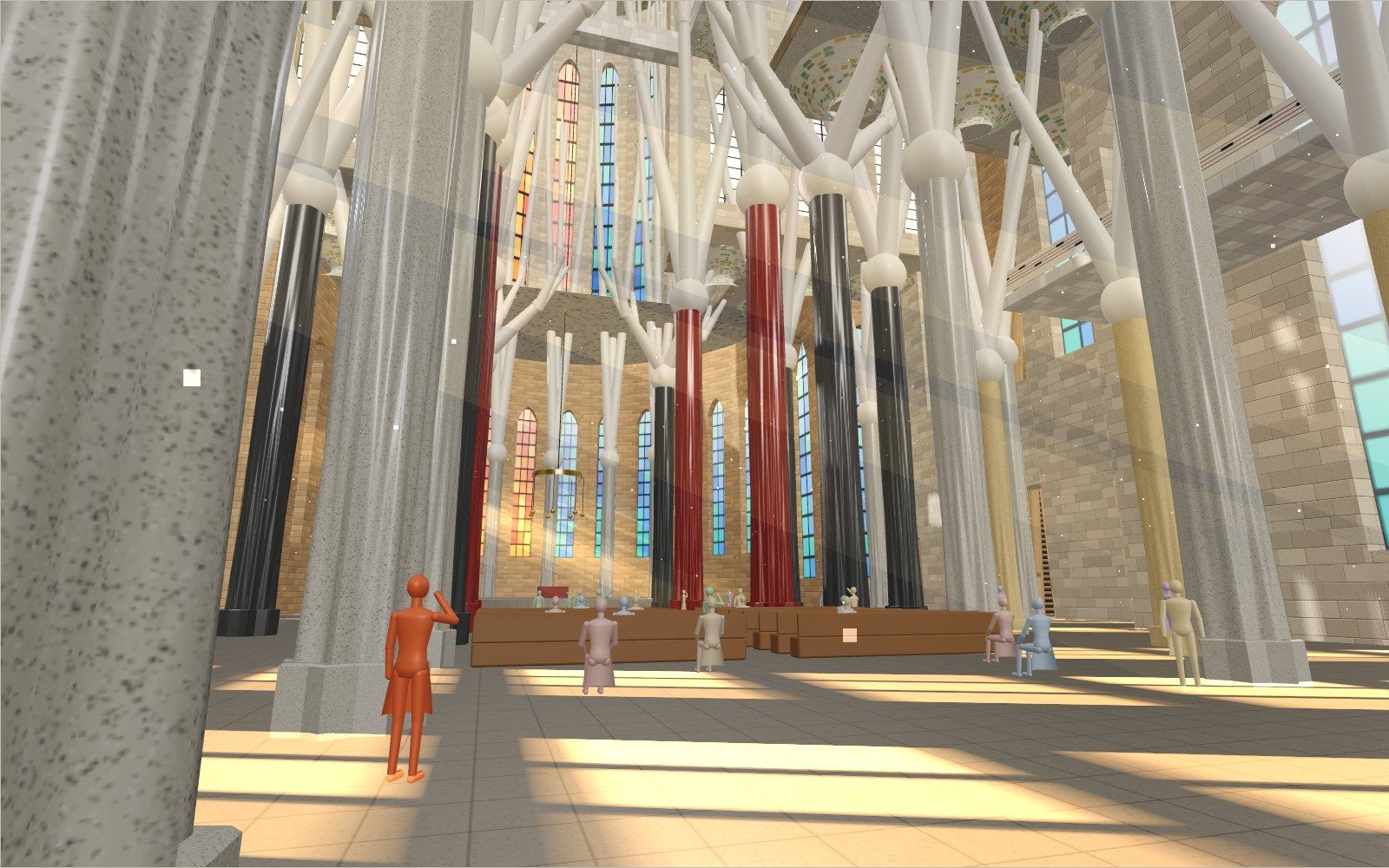 FIG. 103 · Walk-throughs
Walk through the Sagrada Família
Inside the Sagrada Família the columns branch like trees 45 m up, and the sun moves blue and orange light across the floor.
Drag Time of day with Coloured glass and Light beams on and watch blue and orange light cross the floor.
- 03
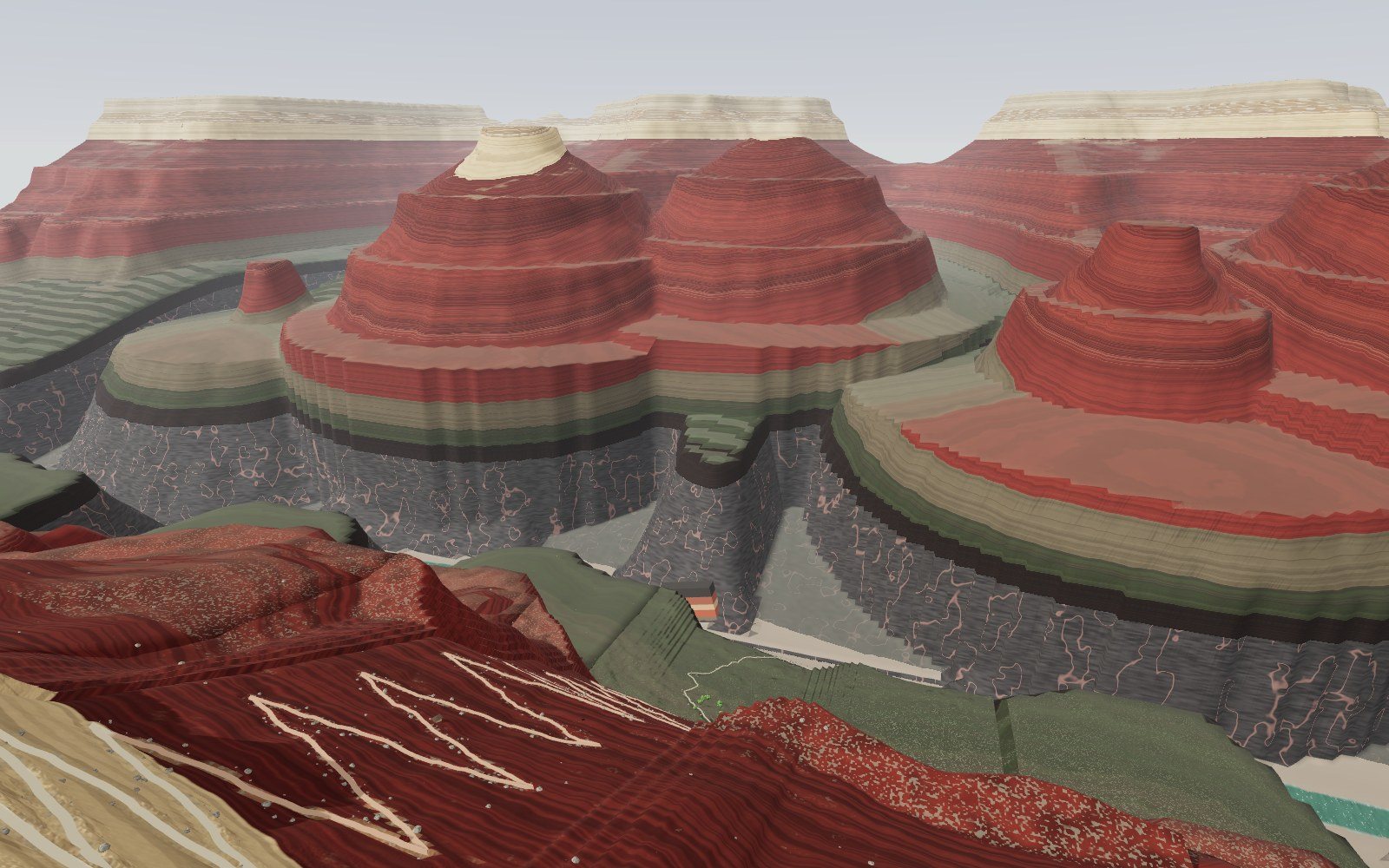 FIG. 106 · Walk-throughs
Walk down the Grand Canyon rock layers
Walk 1,360 m down the Bright Angel Trail through 13 rock layers, from a 270-million-year-old sea floor on the rim to 1.75-billion-year-old schist by the river.
Slide Time-lapse (million years ago) back and compare the canyon of that time with the one you walk down today.
- 04
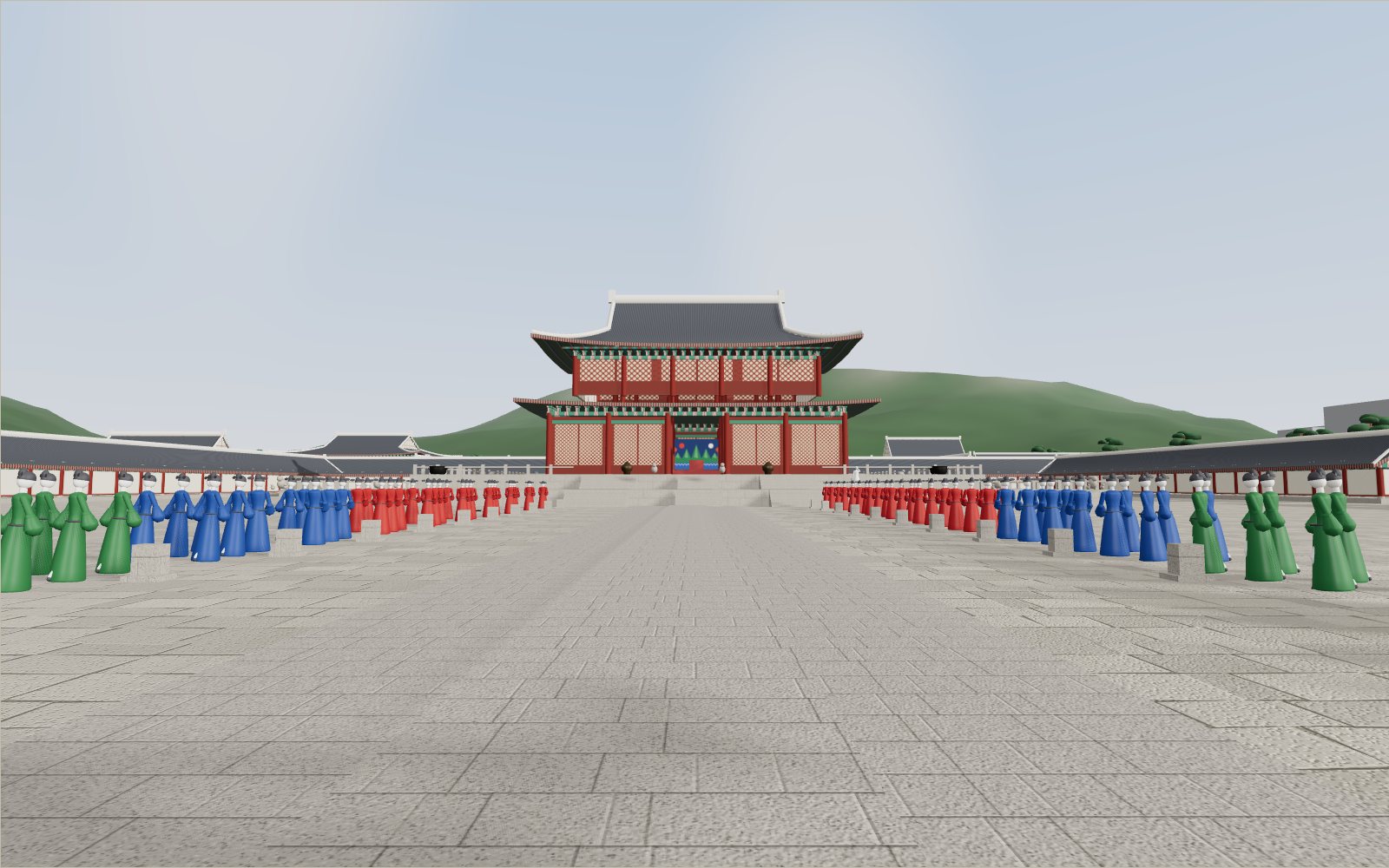 FIG. 110 · Walk-throughs
Walk through Gyeongbokgung Palace
In the courtyard of the throne hall, 24 stones told each official where to stand, from the first grade by the hall to the ninth by the gate.
Turn on Morning assembly to see where the 24 rank stones told officials to stand, from first grade to ninth.
- 05
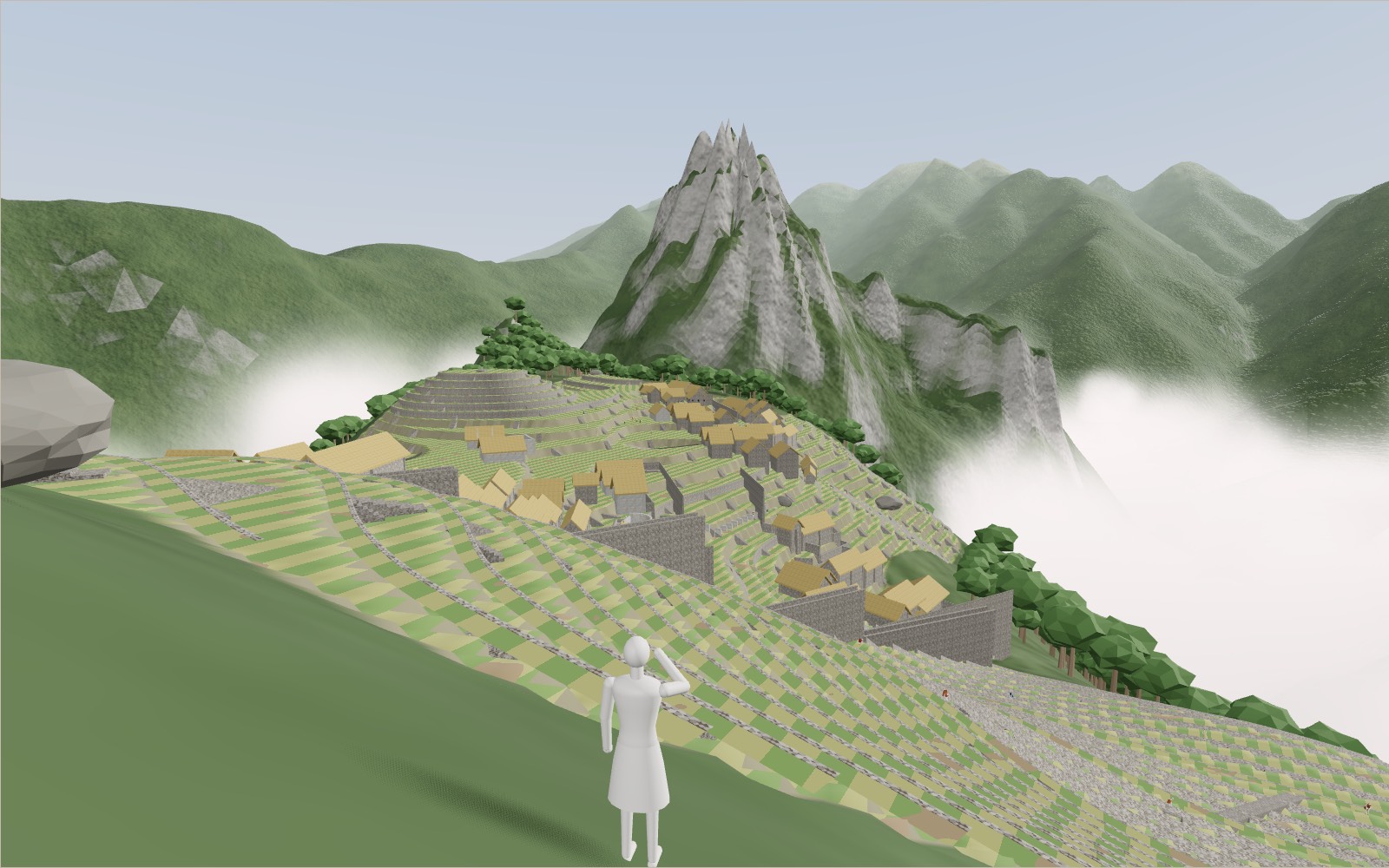 FIG. 114 · Walk-throughs
Walk through Machu Picchu
Most of the work that holds Machu Picchu on its ridge, 60 per cent by one estimate, lies under the ground in foundations and drains nobody sees.
Turn on See underground to find the foundations and drains that hold the town on its ridge.
- 06
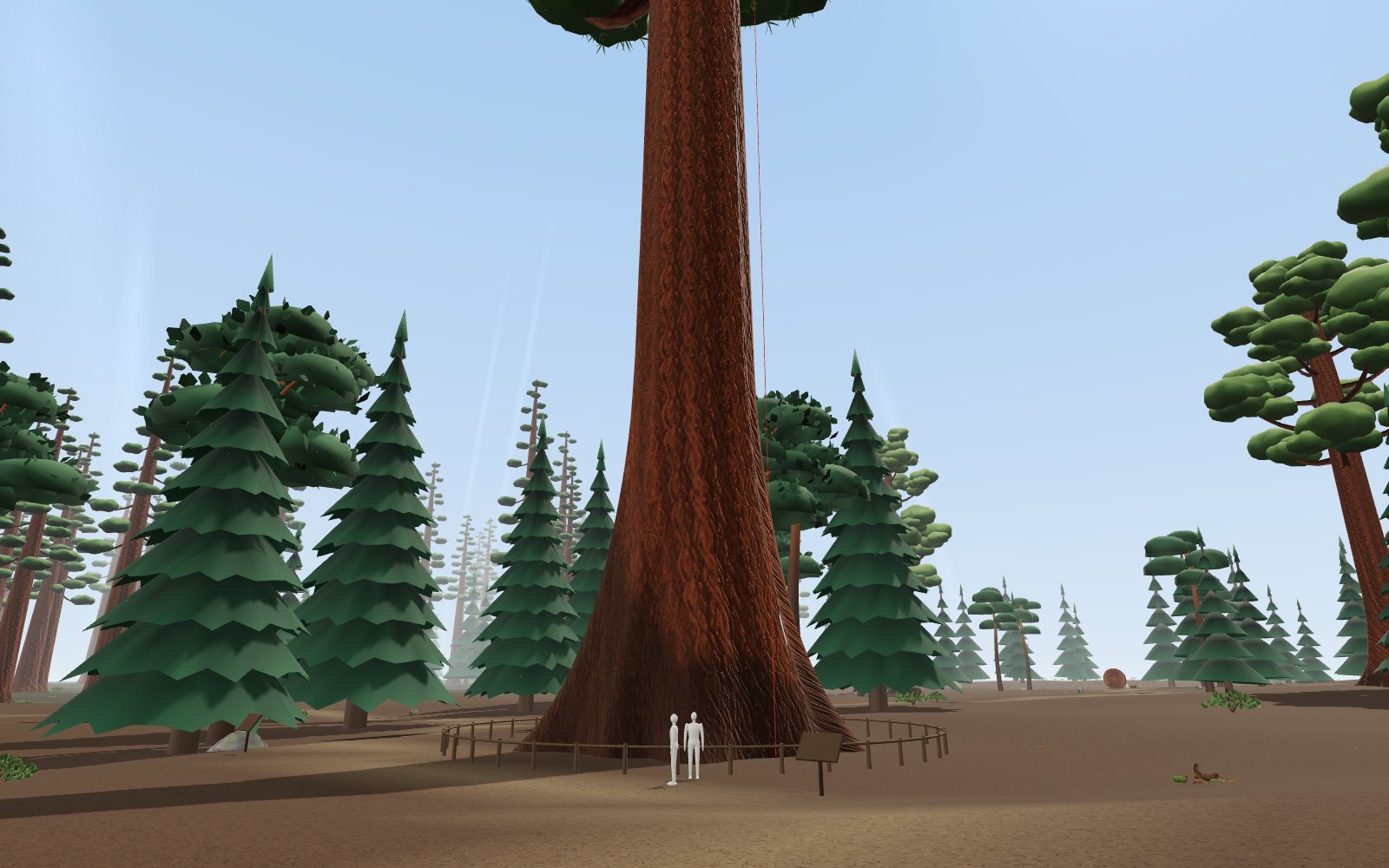 FIG. 117 · Walk-throughs
Giant sequoia forest: walk under the largest trees
Stand at the foot of the General Sherman Tree, 83.8 m tall and about 2,200 years old, then climb its trunk and see how hard the water up there is pulled.
Turn on Water in the trunk and climb the rope to see how hard water is pulled up the tree.
- 07
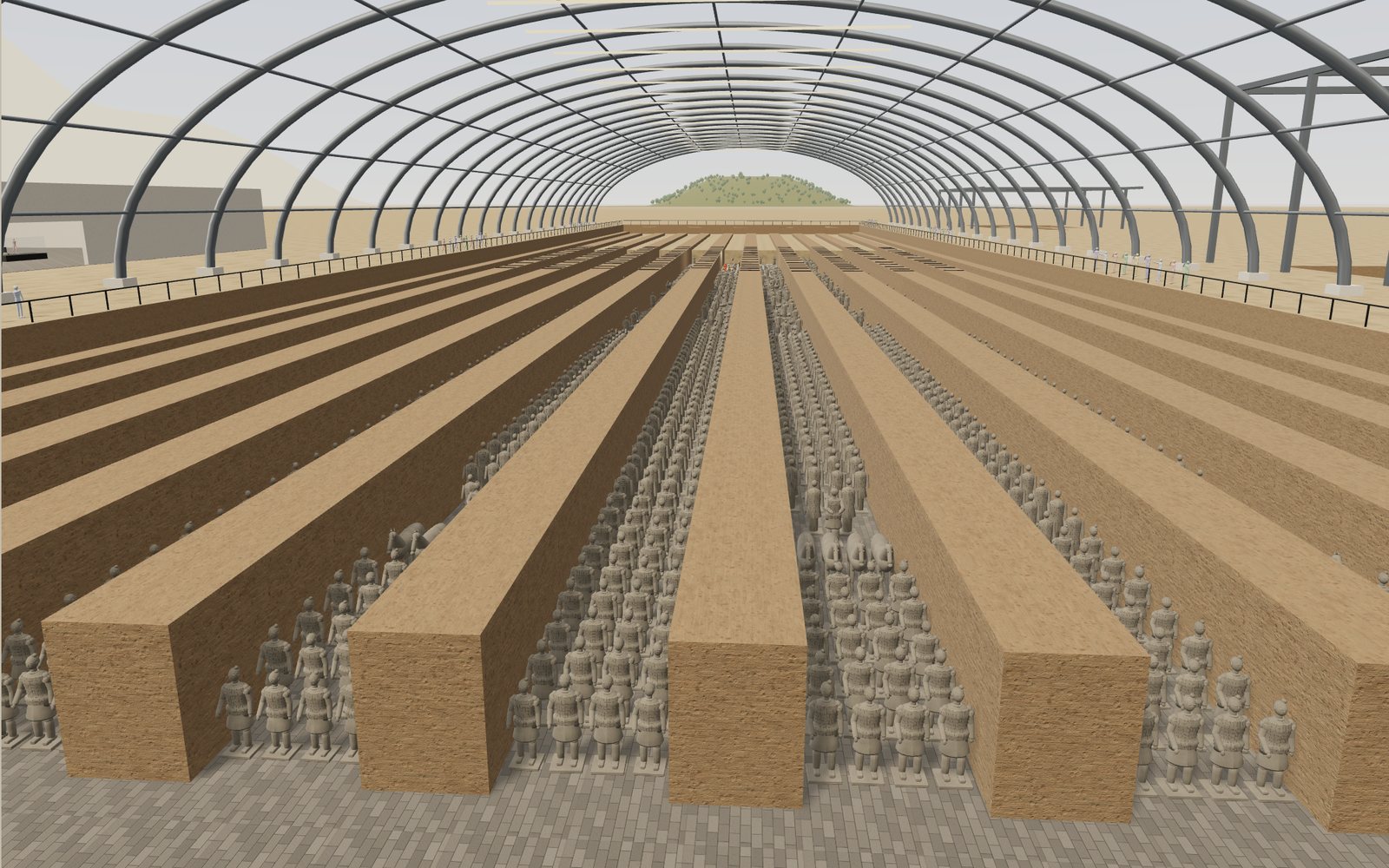 FIG. 121 · Walk-throughs
Walk through the Terracotta Army
Pit 1 of the Terracotta Army is 230 m long and holds an estimated 6,000 figures and horses, and every one of them was painted once.
Raise Paint to show the colour the figures once had, then compare the painted figures with the bare clay.
- 08
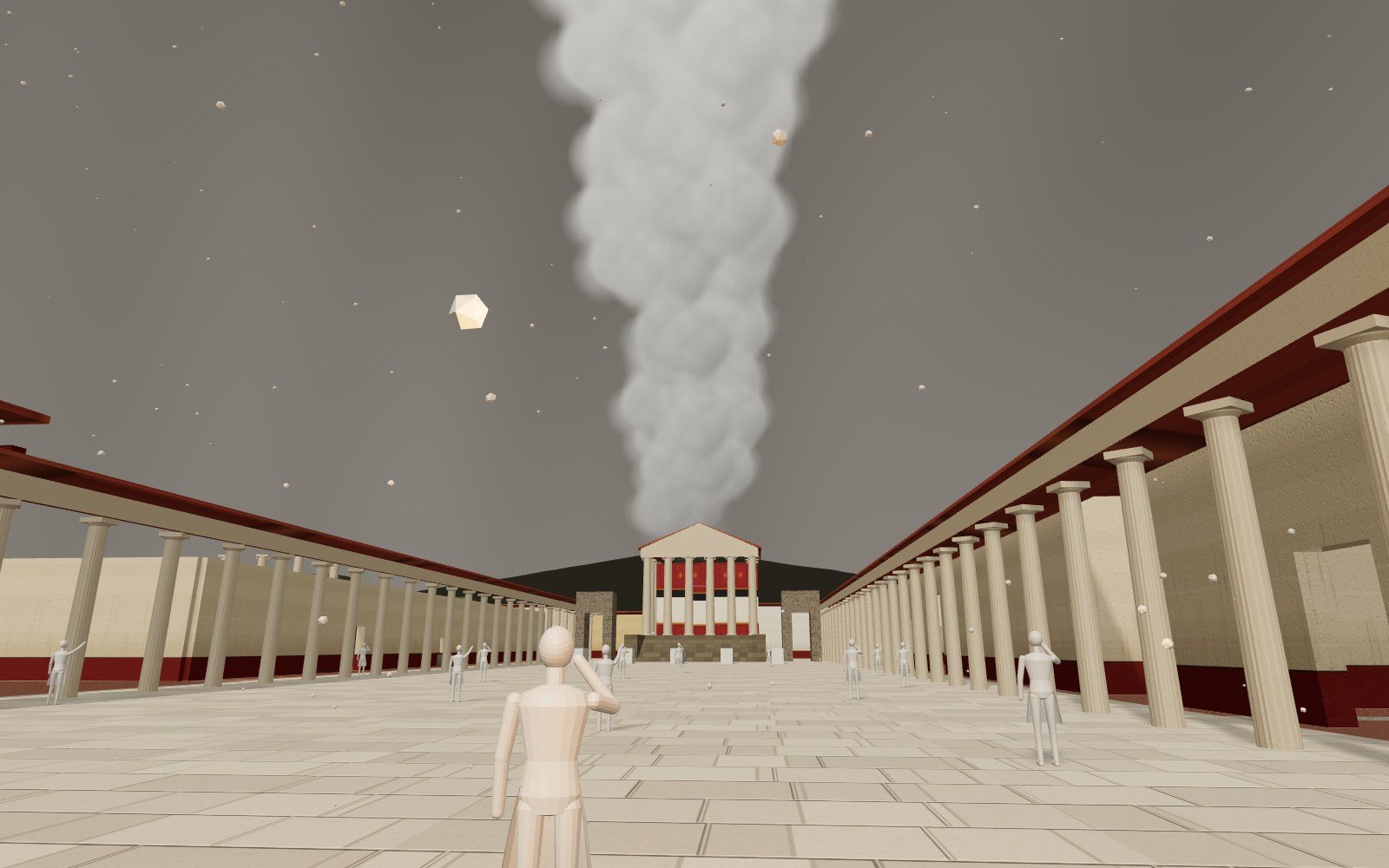 FIG. 95 · Walk-throughs
Walk through Pompeii on its last day
A walkable model of Pompeii with a clock from the first column of Vesuvius to the surge of the next morning, then to the ruins of today.
Drag Clock from the first column of Vesuvius to the next morning's surge, then switch on Today's ruins.
- 09
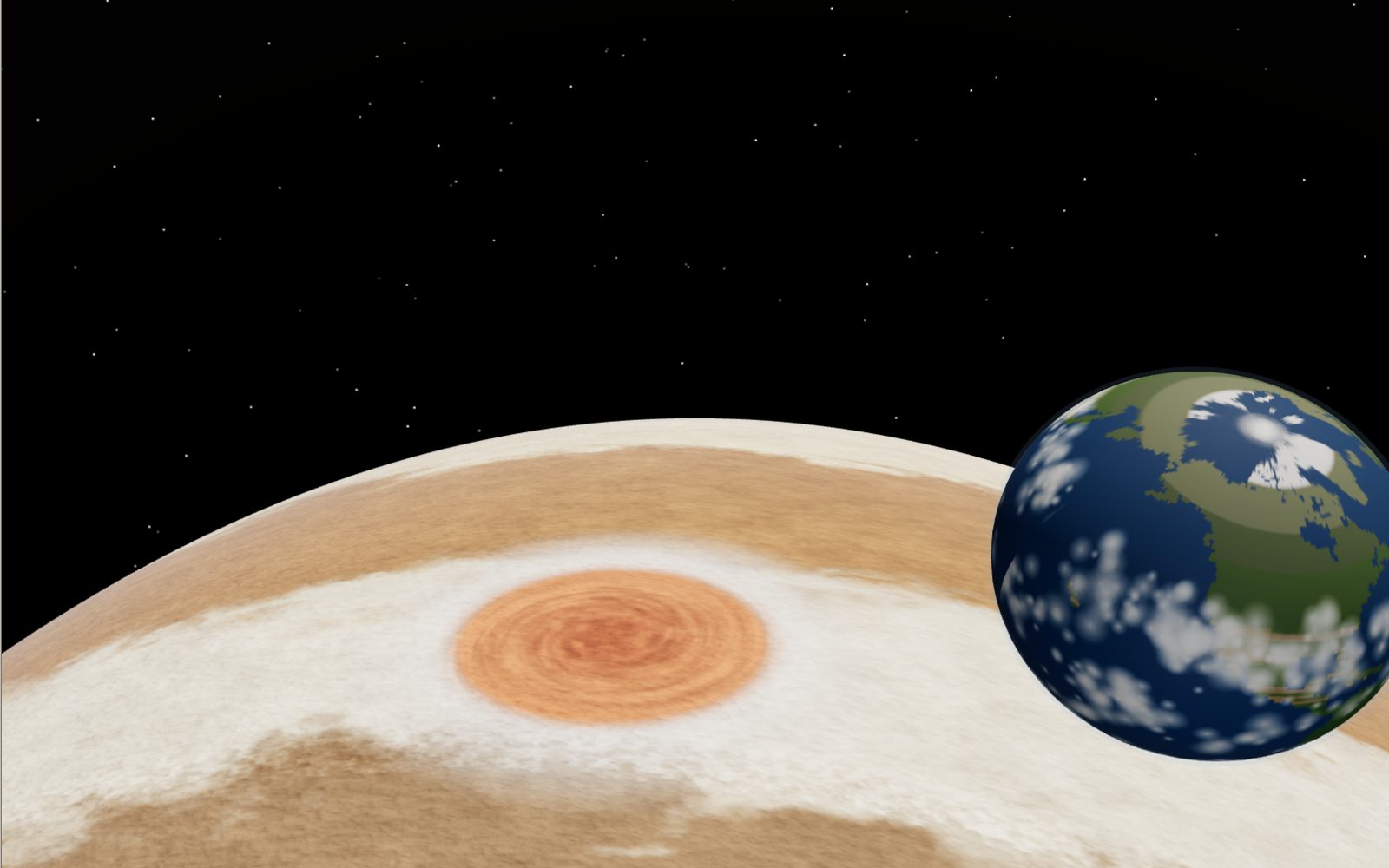 FIG. 97 · Walk-throughs
Fly over Jupiter's clouds and the Great Red Spot
In the late 1800s the Great Red Spot was about three Earths long; Hubble now measures it at about one. Float over it with Earth beside you, then sink 132 km into the clouds with the Galileo probe.
Drag Year (Great Red Spot) from 1880 to 2024 with Earth for scale and watch the spot shrink.