9 exhibitsCourses
Forces you can ride or push
Machines and models where a push, a pull or a turn is multiplied, redirected or balanced, from a coaster's first drop to a folded paper plane.
It starts with the energy of height on a ride, moves on to spinning, gears and lifting, then floating and flying, and ends with braking, a robot arm and a thrown plane.
Every stop here is about a force and what it can be made to do. A coaster turns height into speed, a gyroscope turns a falling weight into a slow circle, and gears and pulleys trade a long, light pull for a short, strong one. None of this needs a formula first. Each exhibit lets you change one number, such as a drop height, a gear or a rope count, and see the result at once.
The later stops add fluids and friction. A ship floats because the water pushes back with exactly its weight, a wing pushes air down and is pushed up in return, and a disc brake turns motion into heat. At every stop it is worth asking the same two questions: where does the force come from, and where does the energy end up? The last stops show people steering forces on purpose, with a robot arm and a sheet of paper.
- 01
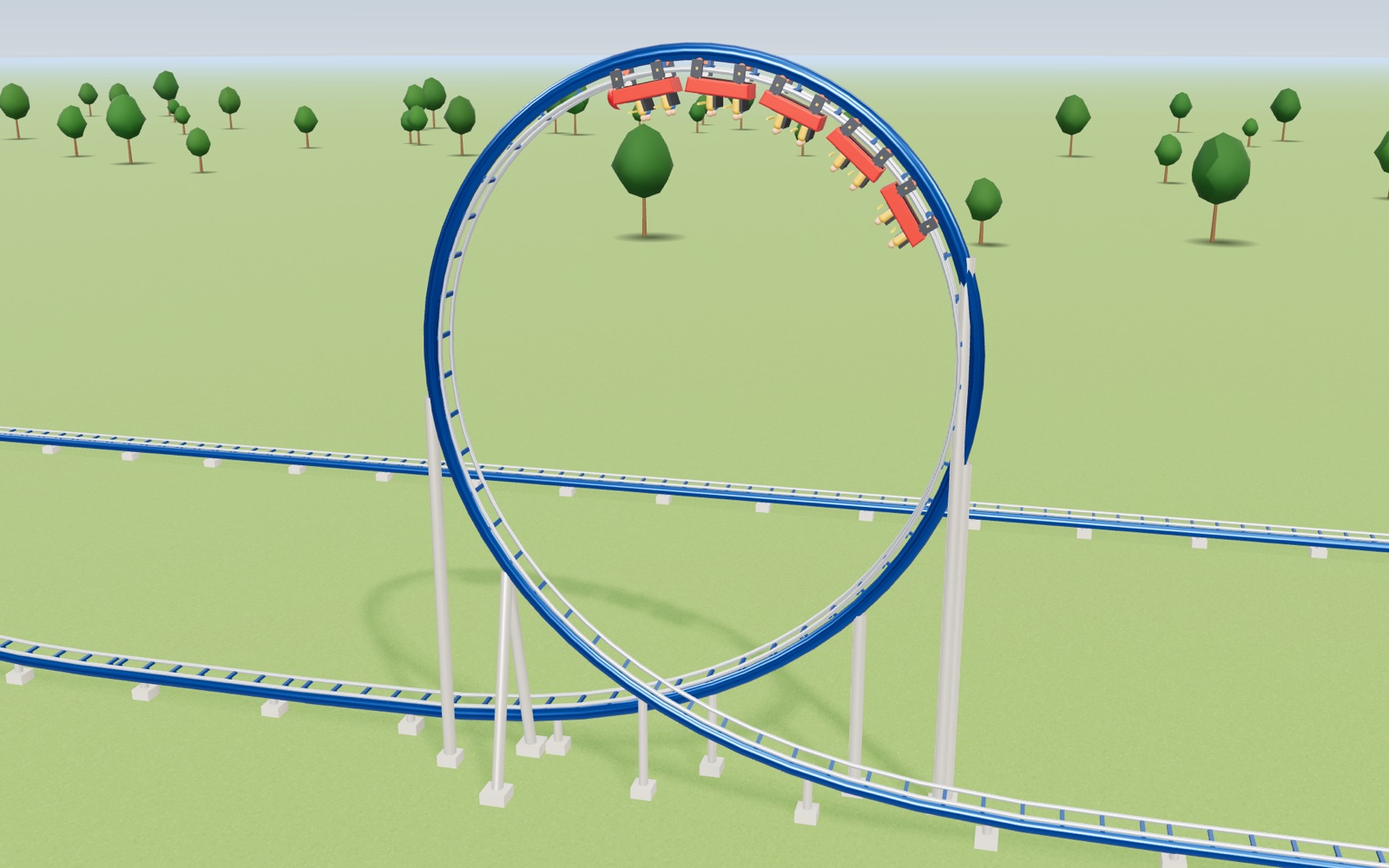 FIG. 55 · Senses
Roller coaster physics: how a coaster works, ride it in 3D
A train that creeps over a 42 m lift hill at 3 m/s is doing 99 km/h at the bottom, and nothing but gravity has pushed it.
Lower the First drop slider to 25 m on the steel loop course and watch the train run out of energy inside the loop.
- 02
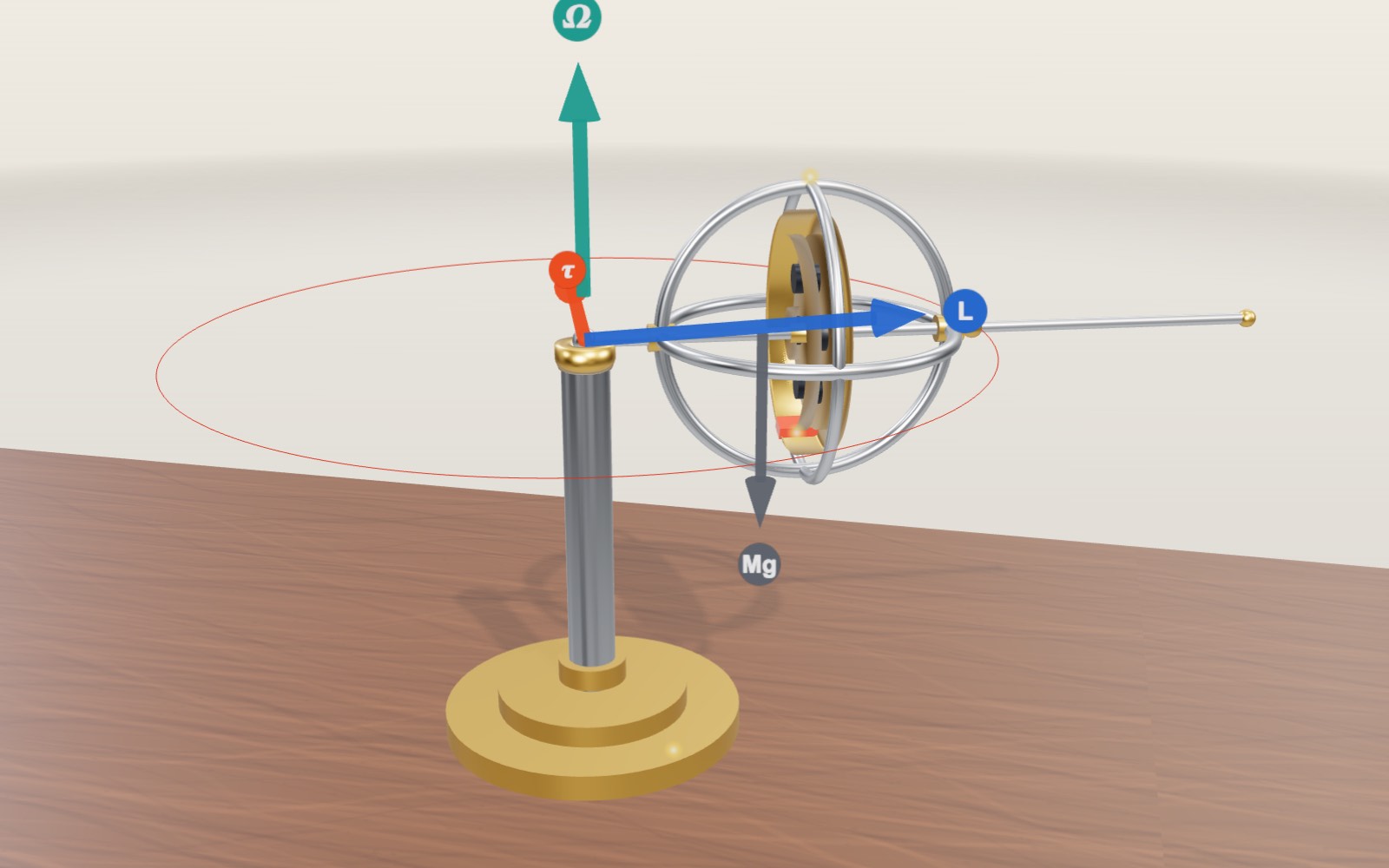 FIG. 46 · How It Works
Gyroscope simulator: spin it, push it and watch it precess
A wheel spinning at 3,000 rpm can rest one end of its axle on a post with nothing under the other end, and it circles the post once every 2.8 seconds.
Set Spin to 3,000 rpm and watch the axle circle the post once every 2.8 seconds without falling.
- 03
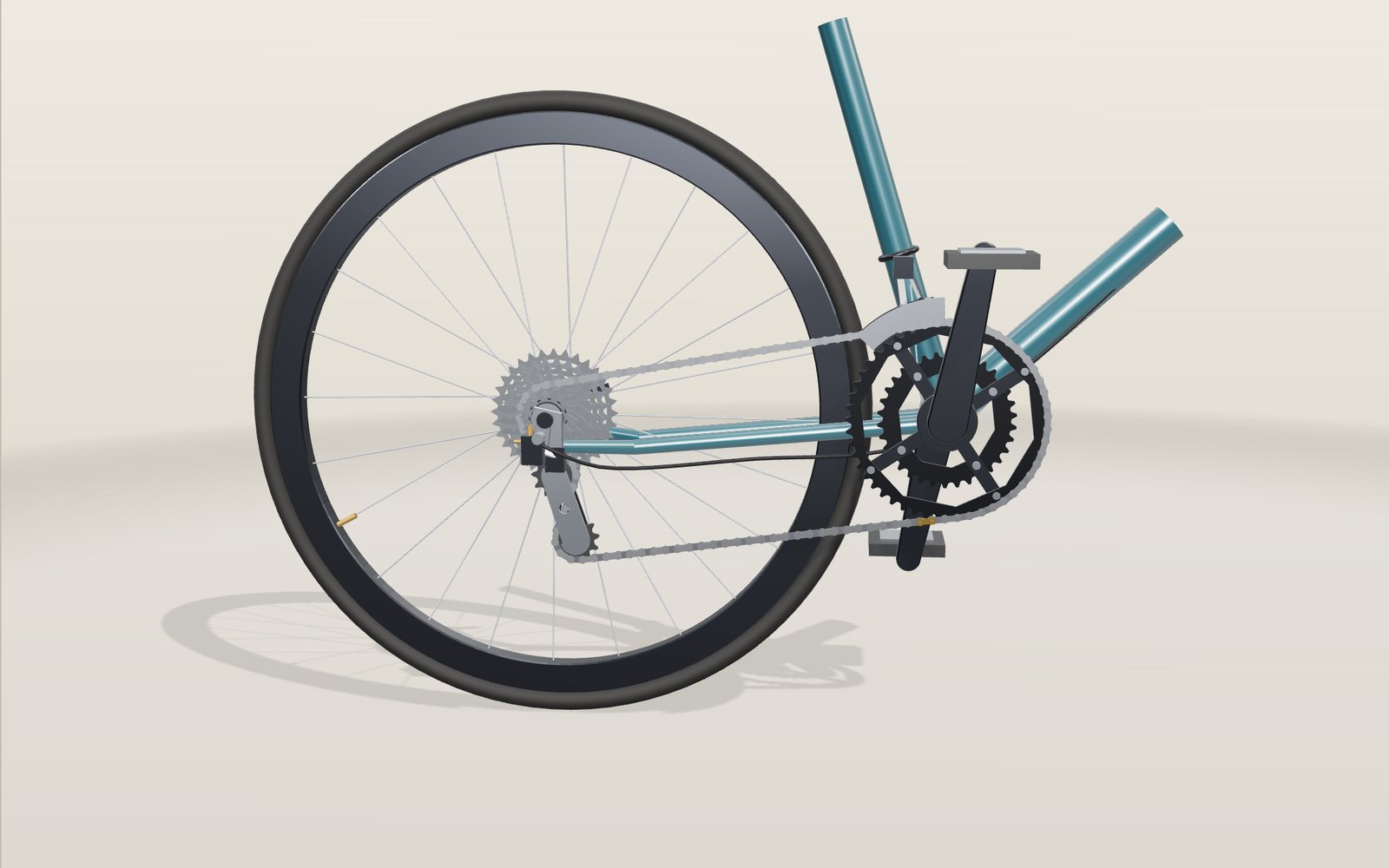 FIG. 04 · How It Works
Bike gears explained: shift a bicycle simulator up a hill
In a 50 by 11 gear one turn of the pedals moves a road bike 9.57 metres; in 34 by 32 it moves 2.24 metres.
Pick the large Chainring and the smallest Rear cog for a 50 by 11 gear, and one pedal turn moves the bike 9.57 metres.
- 04
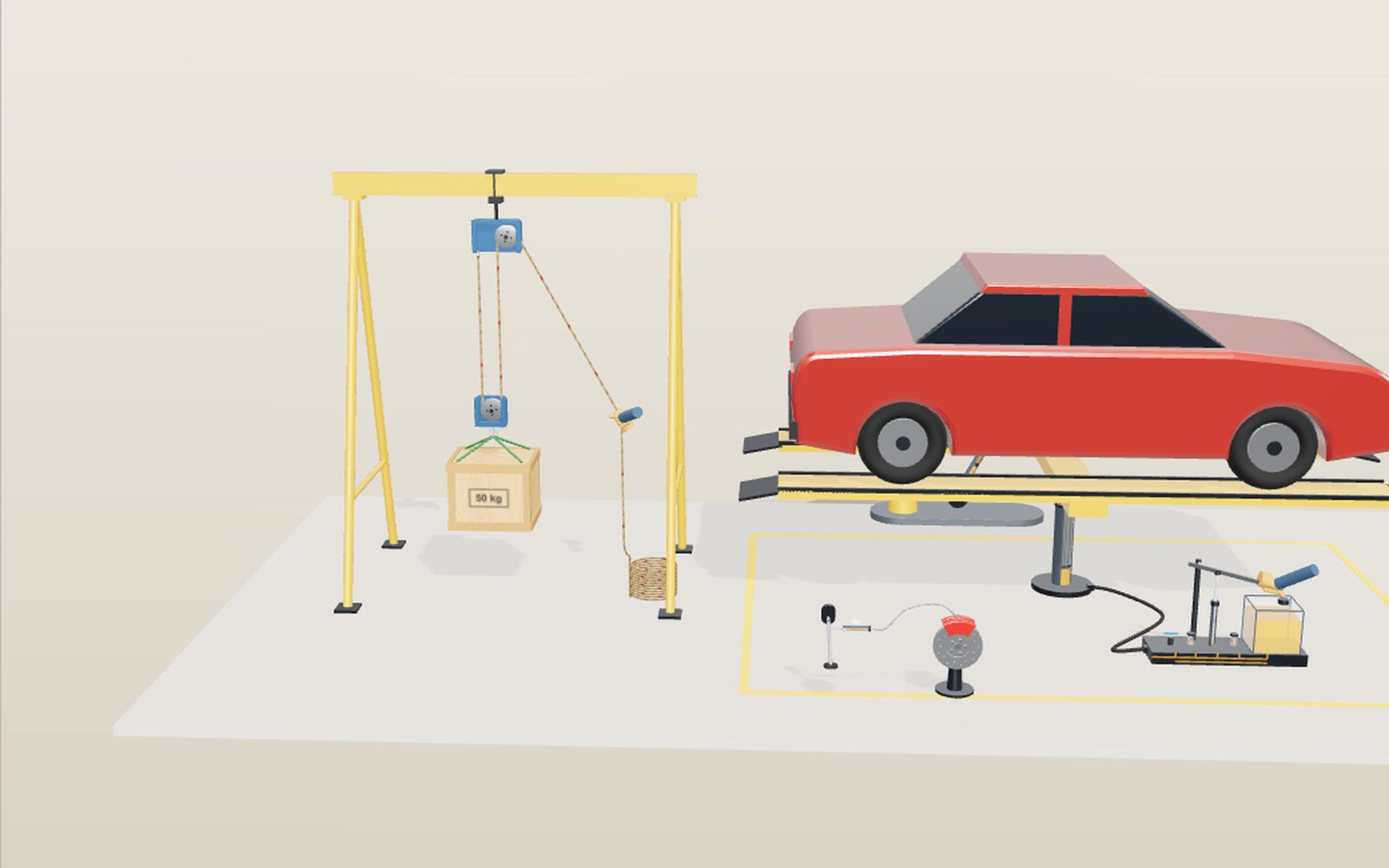 FIG. 39 · How It Works
Pulley and hydraulic jack simulator: lift a crate and a car
A 50 kg crate can be lifted with an 82 N pull, as long as you are willing to pull six metres of rope for every metre it rises.
Change Rope parts and compare the pull on the rope with how much rope you must haul for each metre the crate rises.
- 05
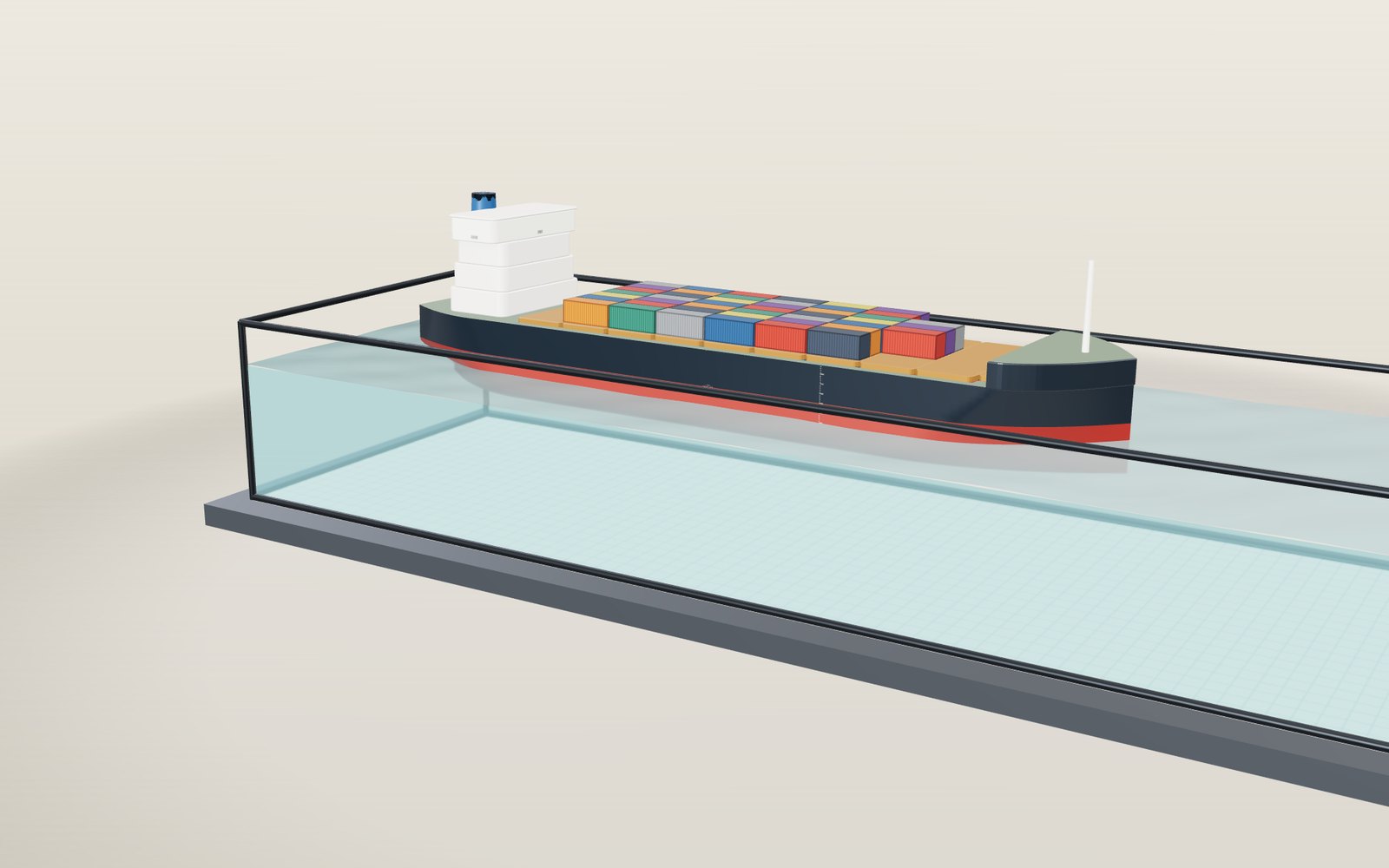 FIG. 36 · How It Works
Why do ships float?
A 1,900-tonne steel ship floats, yet the same 1,900 tonnes of steel pressed into a cube goes straight to the bottom.
Turn on Steel lump to see the same steel that floats as a hull sink to the bottom once pressed into a cube.
- 06
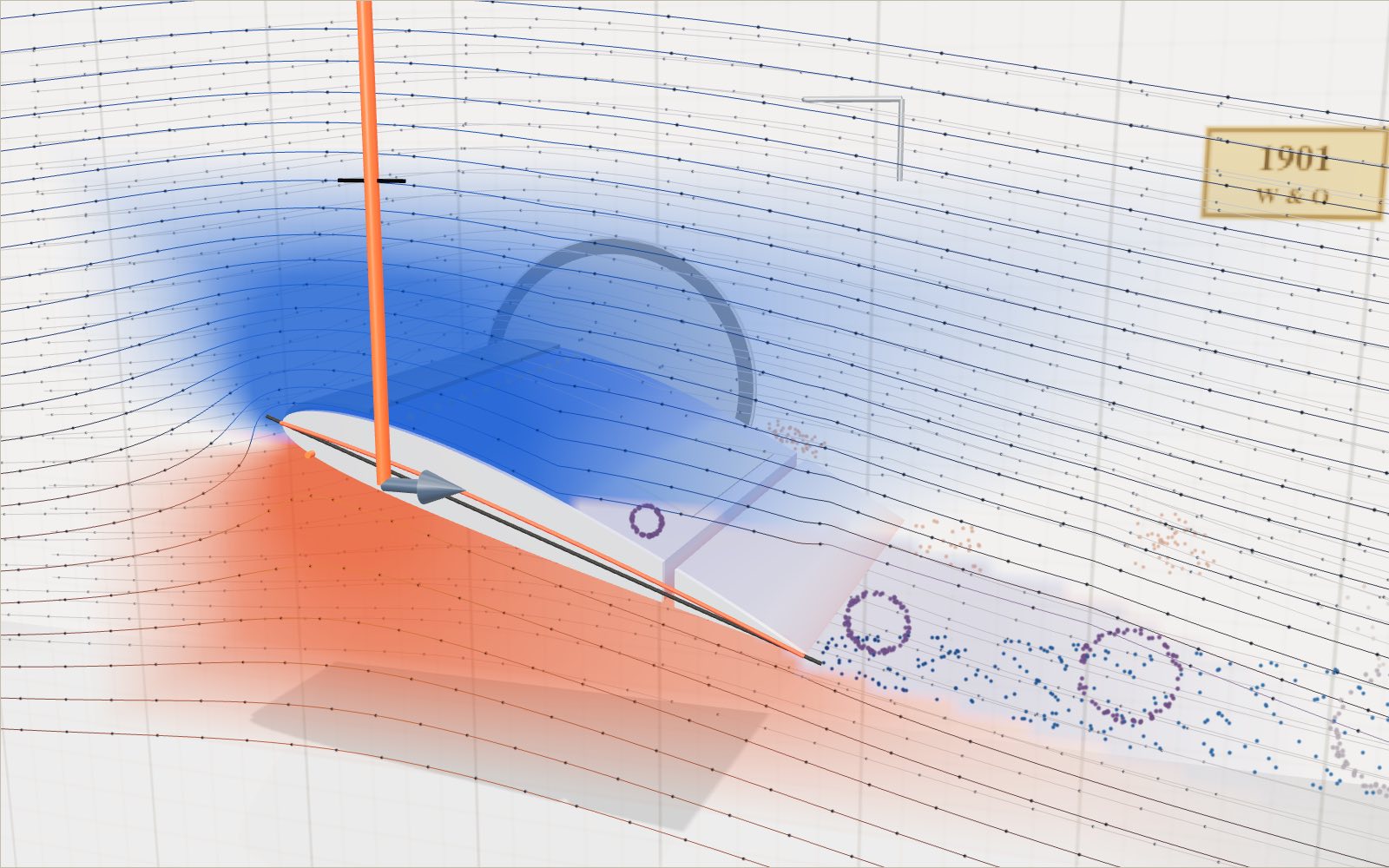 FIG. 10 · How It Works
How a wing makes lift, and what changes as the angle grows
Air over the top of a wing reaches the trailing edge first. It does not wait for the air underneath.
Raise the Angle of attack with Flow and Pressure colours on, and watch the air and the pressure change over the top of the wing.
- 07
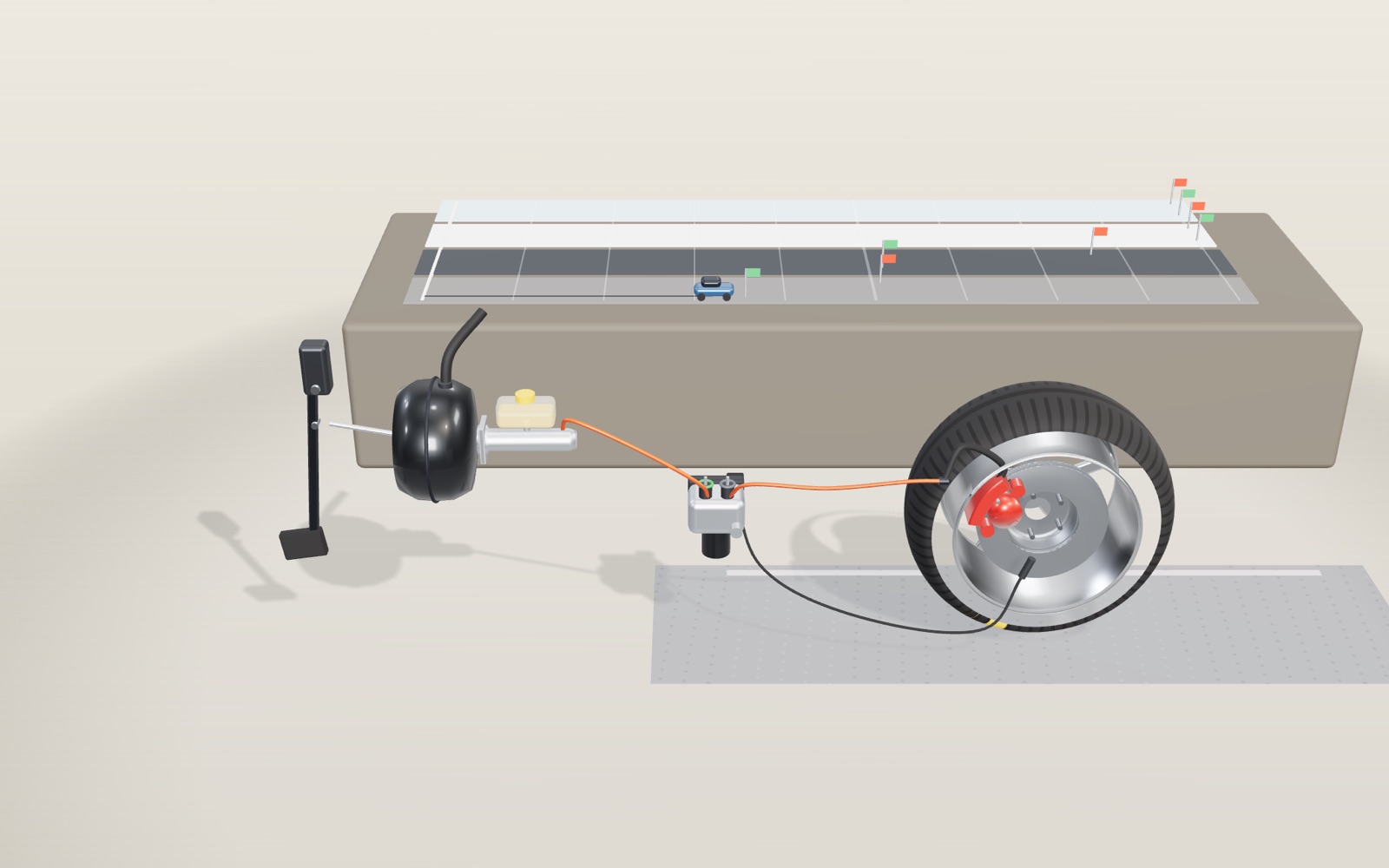 FIG. 73 · How It Works
Disc brake and ABS simulator: how they work, step by step
On a dry road at 100 km/h a skidding tyre needs about 51 m to stop, while a tyre that ABS keeps turning stops the same model car in 36 m.
On a dry road at 100 km/h switch ABS off: the skidding tyre needs about 51 m to stop, against 36 m with ABS on.
- 08
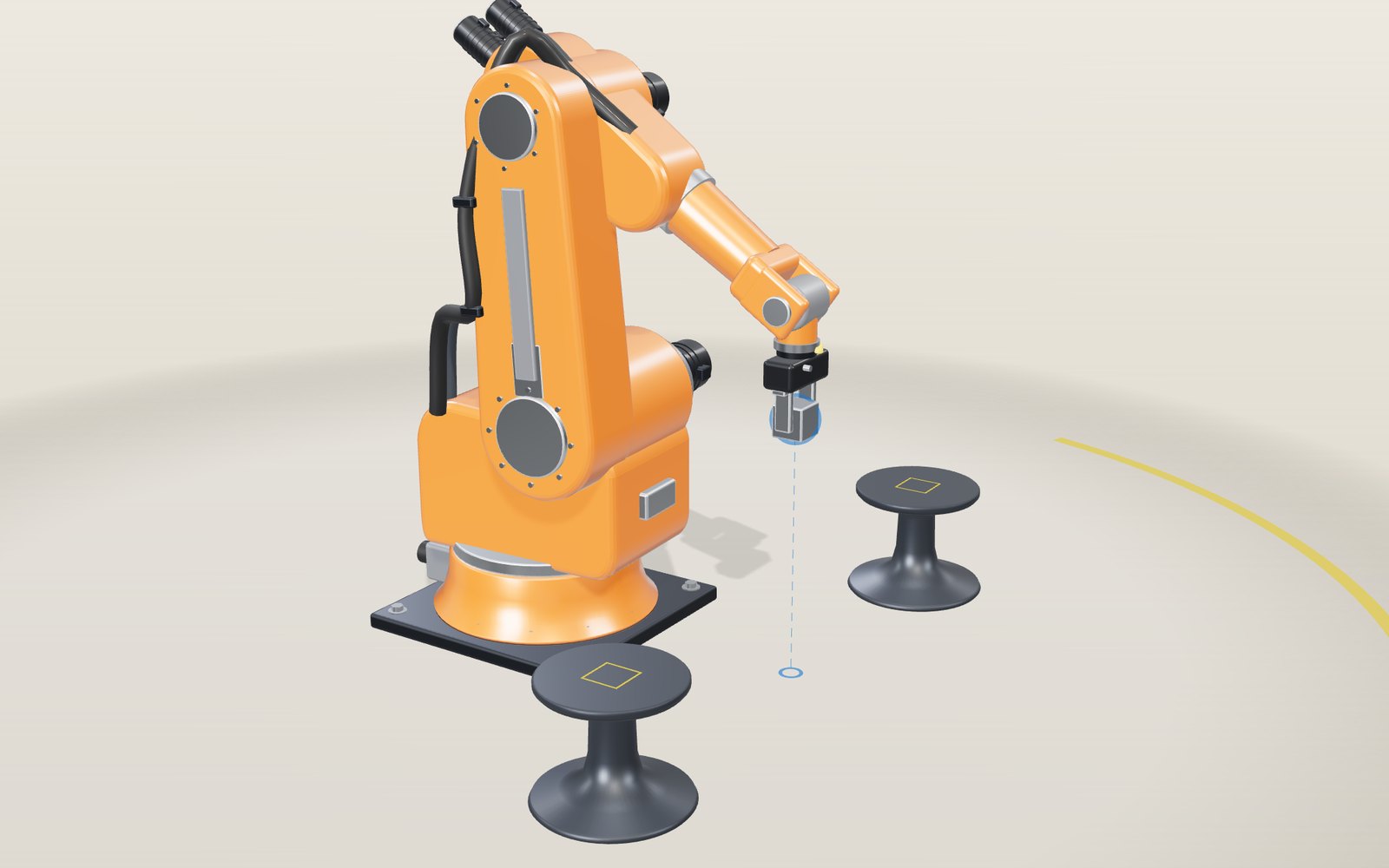 FIG. 63 · How It Works
Robot arm: move the joints, how it works step by step
Slide the fingertips of a six-axis robot arm sideways at 250 mm/s past one particular line in space, and one of its wrist joints has to spin at 510° a second.
Turn each joint slider from J1 to J6 in turn and see which part of the arm moves and how far the gripper swings.
- 09
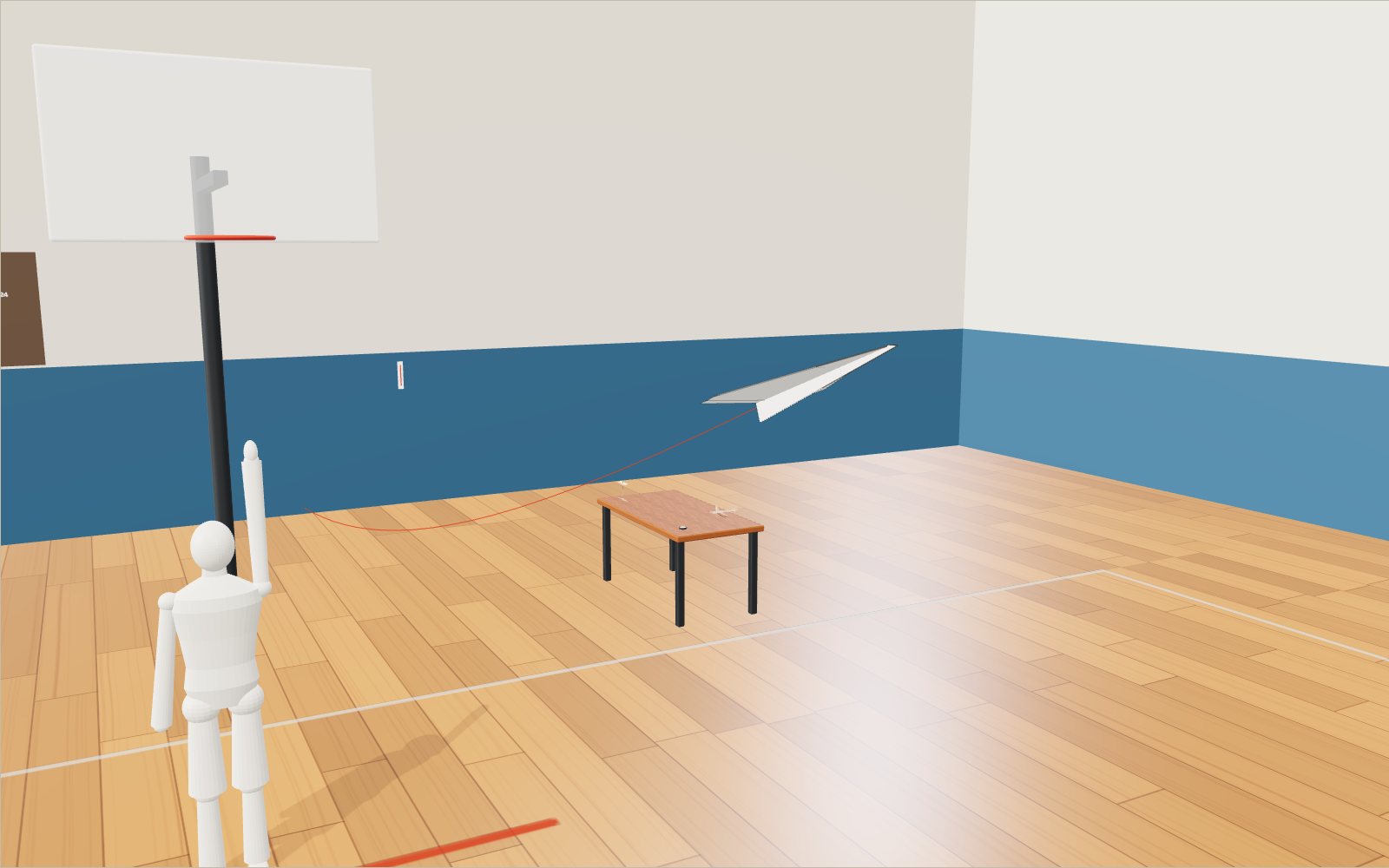 FIG. 98 · Follow Along
How to fold paper airplanes and fly rubber-powered models
The farthest a folded sheet of paper has flown is 98.43 m, indoors, in Shanghai in December 2025.
Bend the Elevator up a little more and the nose lifts and the glide slows, as the Flight path shows.