7 exhibitsCourses
Crafts that changed the world
Sewing, printing, photographs, recorded sound, timekeeping, steam and wind: seven hand-built technologies that shaped daily life before the electronic age.
It begins with cloth and print, moves to light and sound captured on a surface, then to the watch, and ends with the two big power sources, steam and wind and water.
Each of these crafts solved one old problem with a mechanism you can follow by eye. A sewing machine ties a knot inside the cloth at every stitch. Movable type reverses every letter so the page reads correctly. A film camera lets light in through a moving slit, and a phonograph scratches sound into tinfoil. None of them uses a chip, so every step from cause to effect is something you can slow down and watch.
The later stops are about keeping time and finding power. A mechanical watch counts the swings of a balance wheel the size of a fingernail. A steam locomotive turns the heat of burning coal into the push of a piston, and windmills and watermills take energy from air and falling water. Look for the point in each machine where a smooth supply of energy is turned into regular, countable steps.
- 01
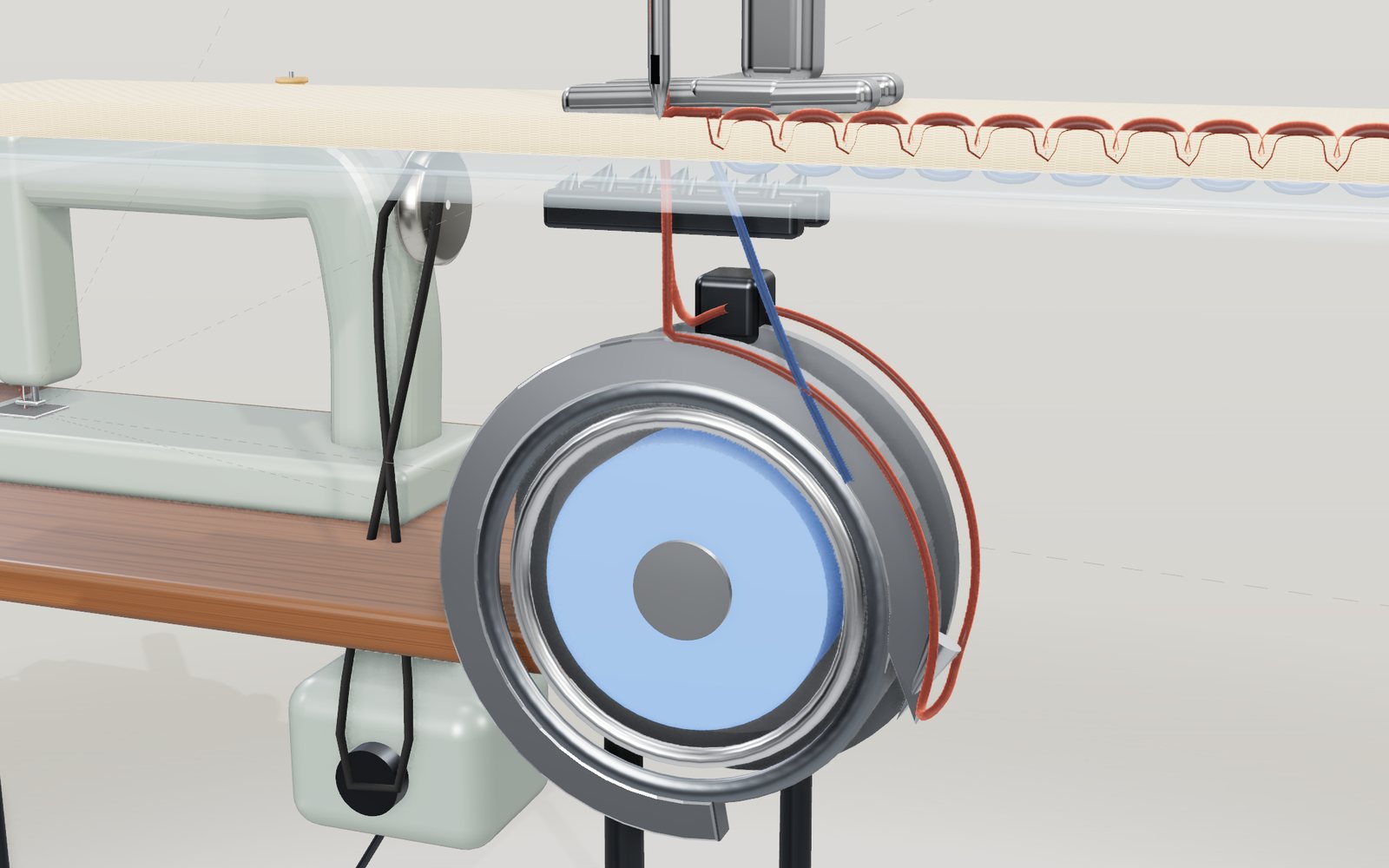 FIG. 104 · Old Machines
How a sewing machine makes a stitch
A sewing machine needle never goes through the cloth: at every stitch the hook drags its thread right round the bobbin instead.
Turn the Handwheel slowly and watch the hook carry the upper thread right round the bobbin to make each stitch.
- 02
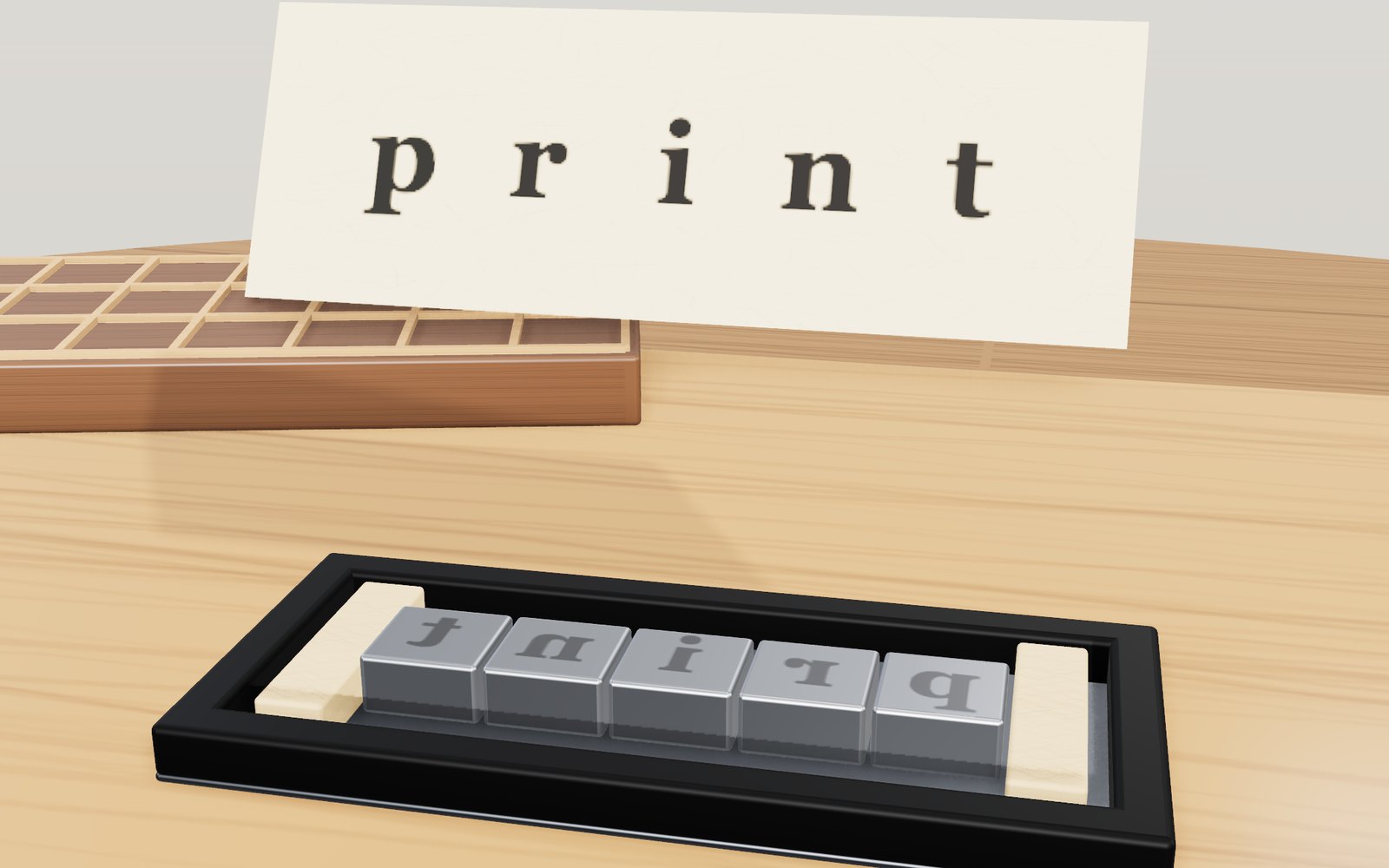 FIG. 107 · Old Machines
Movable type and the printing press
A piece of type carries its letter back to front. Ink it, press paper on it, turn the sheet over, and the letter reads the right way round.
Turn on Mirror to see that each piece of type carries its letter back to front, so the printed sheet reads correctly.
- 03
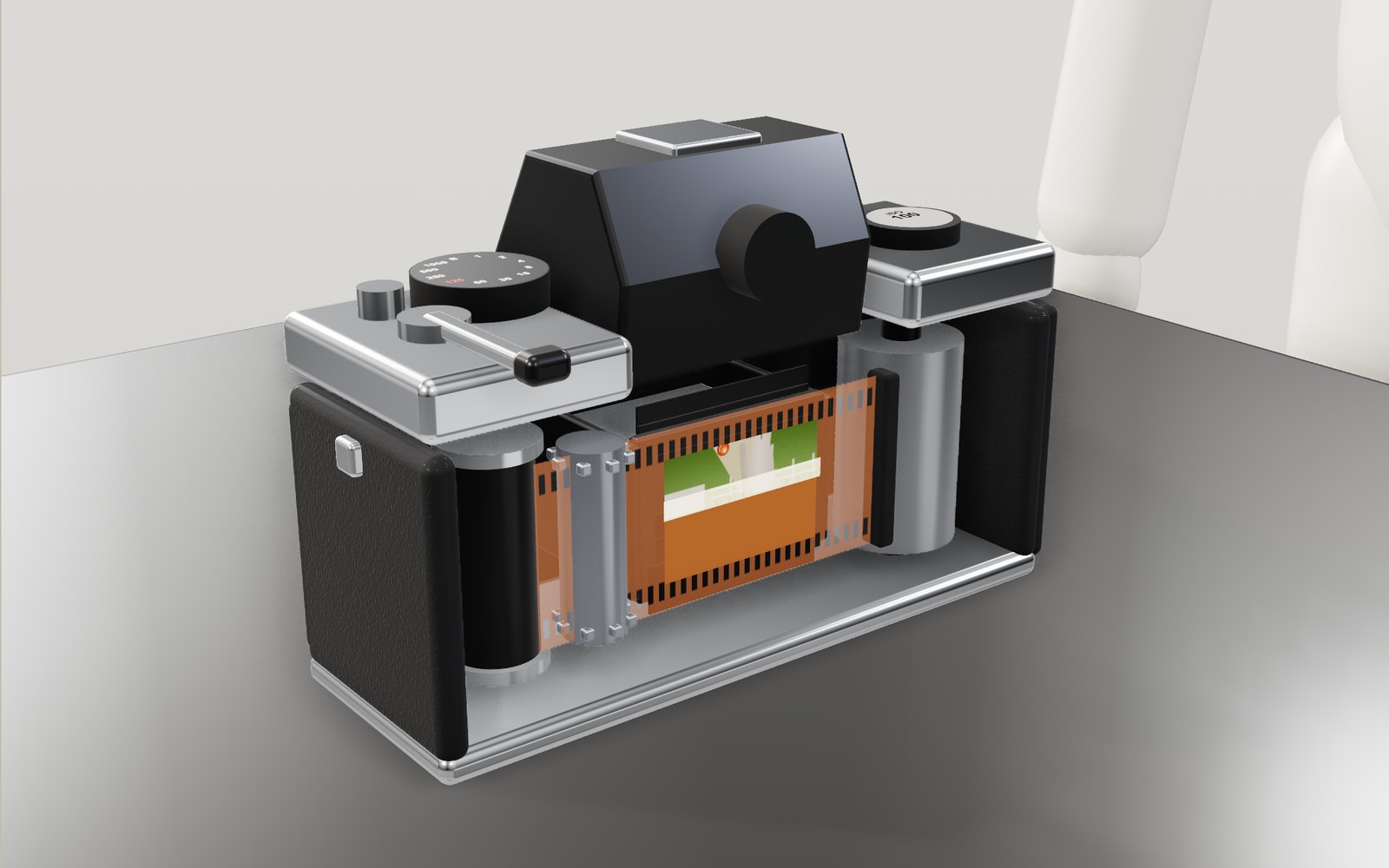 FIG. 100 · Old Machines
How film cameras and instant cameras work
At 1/1000 of a second a camera shutter never uncovers the whole frame at once: a narrow slit sweeps across the film instead.
Choose a fast Shutter time and use Slow motion to see a narrow slit sweep across the film instead of the whole frame.
- 04
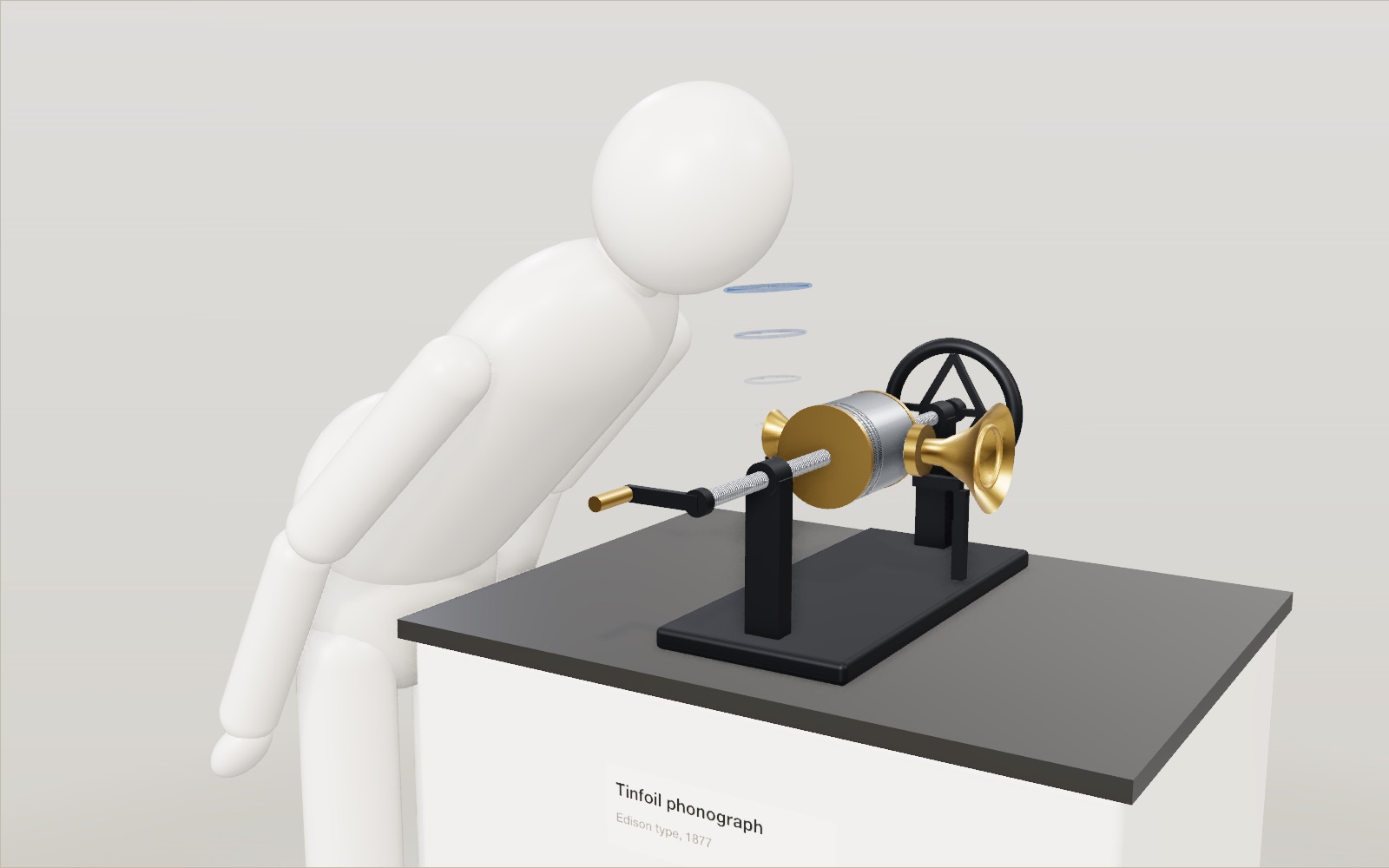 FIG. 122 · Old Machines
How a phonograph works: from tinfoil to cassette and CD
Edison's first phonograph cut a voice into tinfoil in 1877, and the same needle played it back from a groove 2.54 mm apart.
Raise Times played and zoom in on the groove to see the wear build up where the needle runs.
- 05
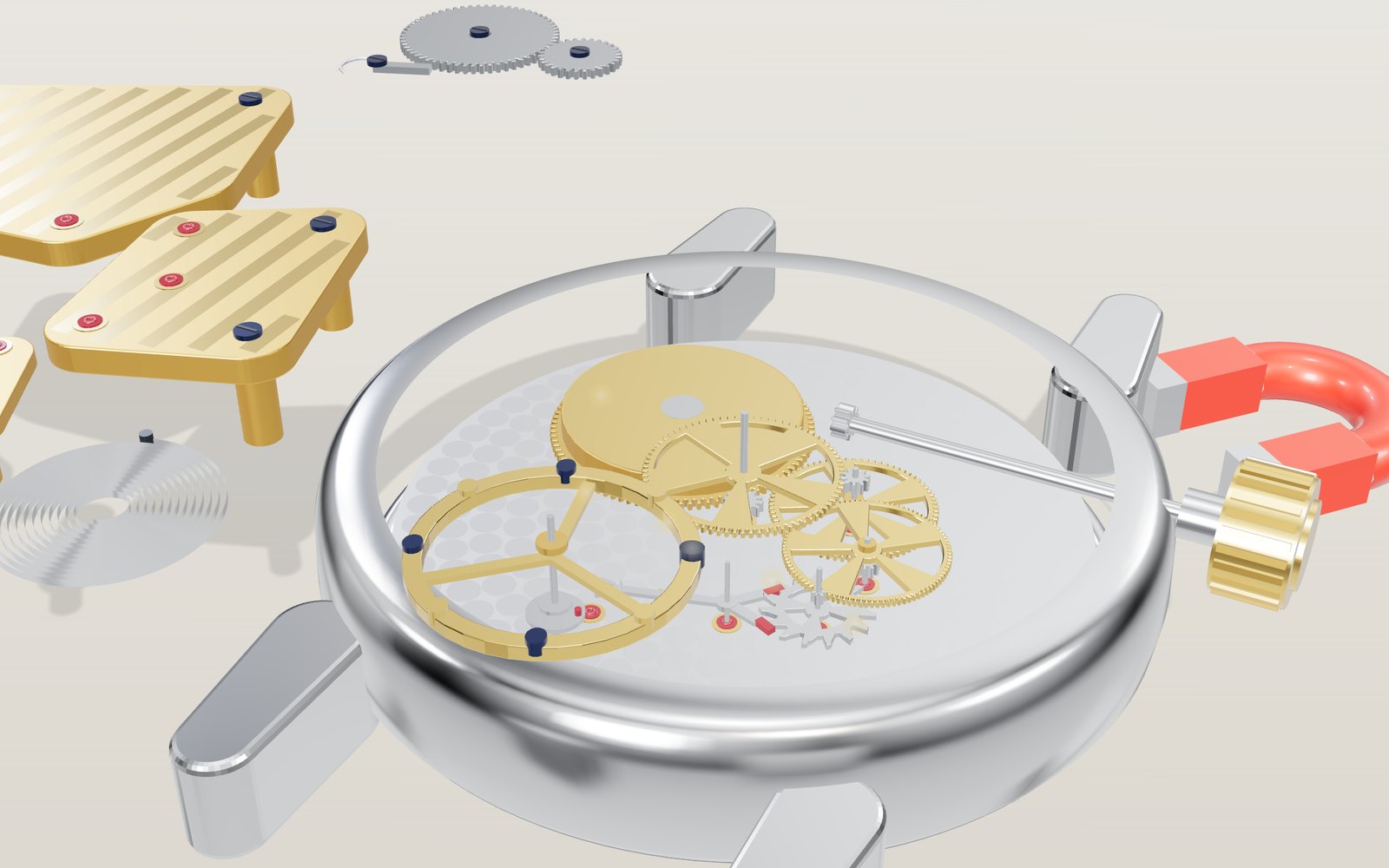 FIG. 47 · How It Works
How does a mechanical watch work without a battery?
A balance wheel the size of a fingernail swings eight times a second, and each swing lets the gears move on by half a tooth.
Change Beat rate and Mainspring wound and watch how the Escape wheel steps forward at each swing of the balance.
- 06
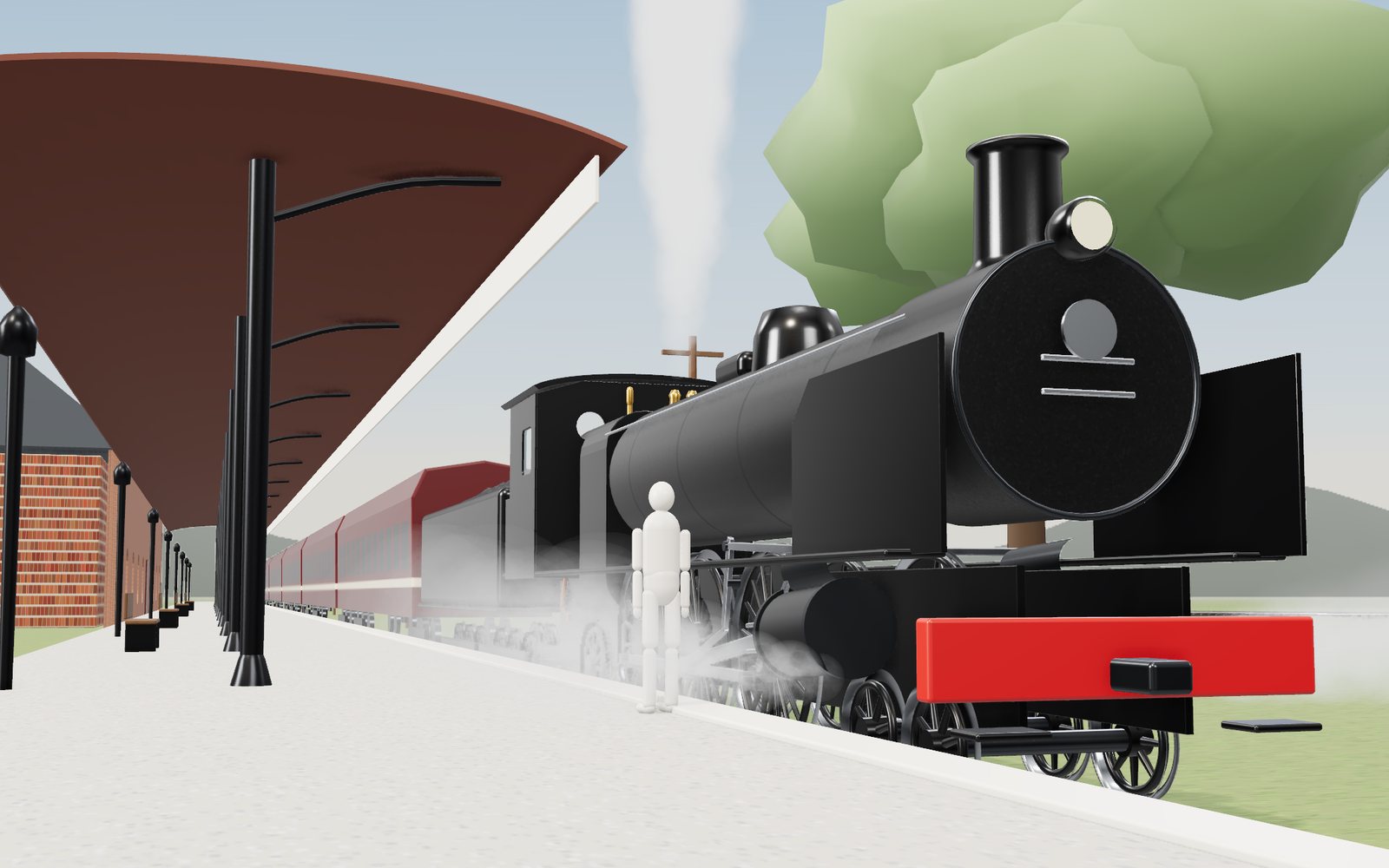 FIG. 111 · Old Machines
How a steam locomotive works
Mallard's driving wheels are 2.03 m across, taller than most people, and at its record 126 mph they turned almost nine times a second.
Open the Regulator gradually and watch steam reach the cylinders and the driving wheels begin to turn.
- 07
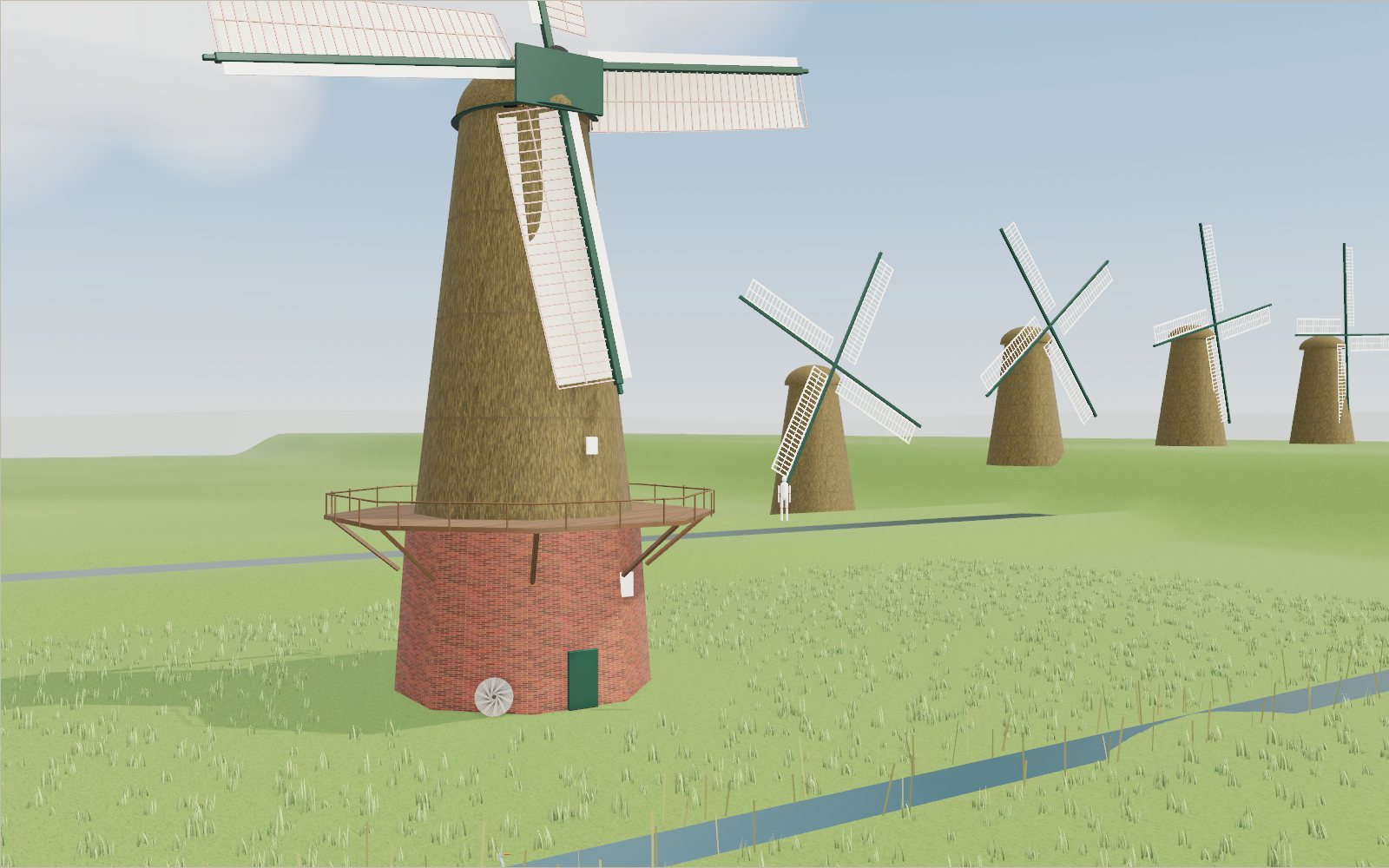 FIG. 115 · Old Machines
How windmills and watermills work
The sails of a Dutch mill are as wide as an eight-storey building is tall, and at 7 m/s they still take only about a fifth of the wind.
Raise Wind speed and open the Power graph to see the sails turn faster as the available power rises.