9 exhibitsCourses
Weather, sky and light
Lightning, wind and ice, the winter stars, an eclipse, satellites, fibre cables and the northern lights, all things that happen above or around us.
It follows the sky outward: weather and ice near the ground, then stars, the Moon's shadow and satellites, then the speed of light and the glass cables and auroras that use it.
The first four stops are close to the ground. Thunder takes about three seconds to cover each kilometre, wind makes cold air feel colder than a thermometer says, the winter sky shows stars that look side by side but sit at very different distances, and a lake cools to about 4 °C all the way down before its top freezes. Each exhibit gives you the number behind a familiar feeling.
The later stops go higher and faster. A total eclipse hides the Sun along a narrow path, more than sixteen thousand working satellites are circling overhead, and light crosses the equator seven and a half times a second. Fibre cables carry that light under the sea, and an aurora shows what happens when charged particles reach the upper air. Notice how every stop connects a distance to a time.
- 01
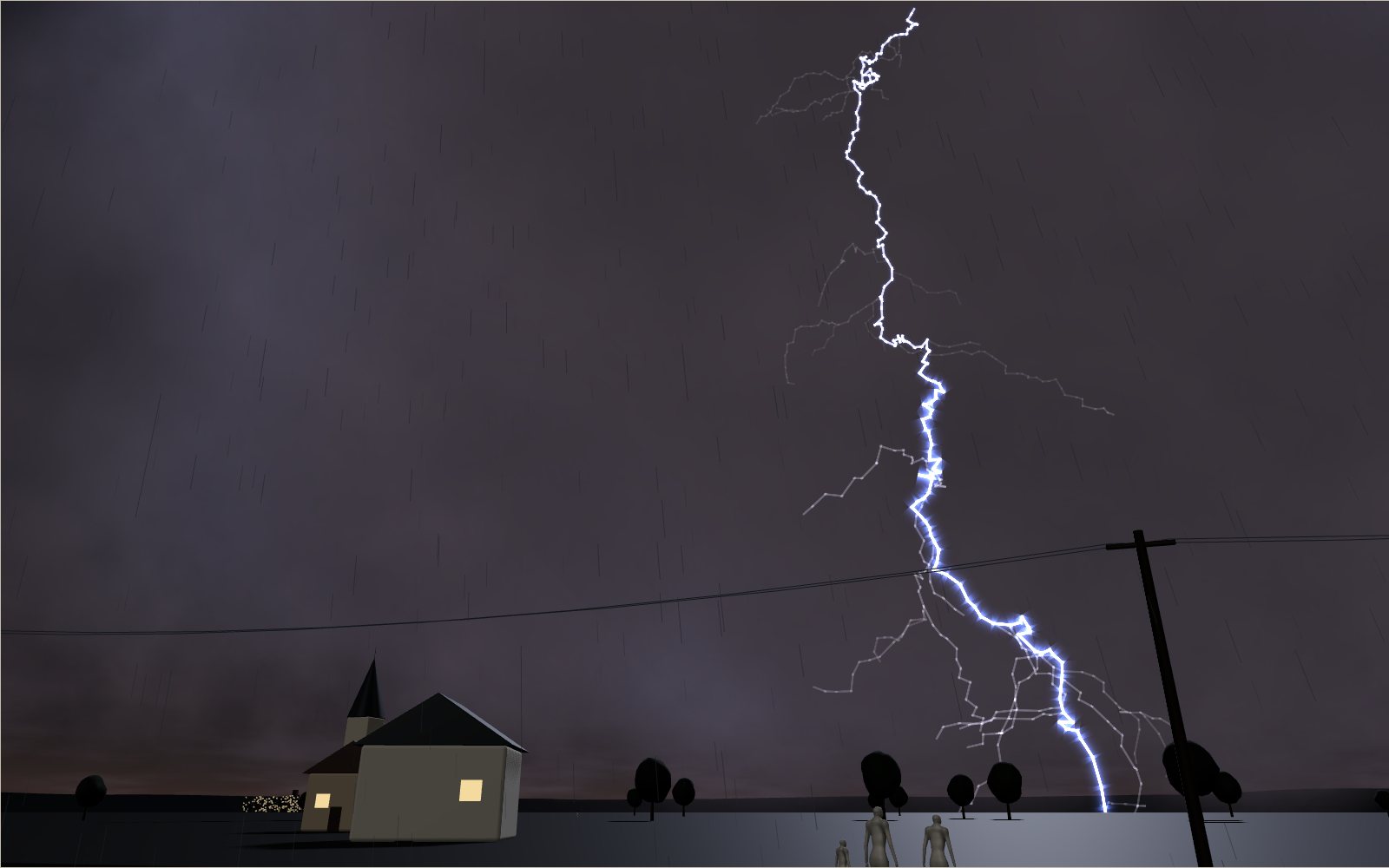 FIG. 109 · Senses
How lightning and thunder work
A lightning channel heats the air to about five times the temperature of the Sun’s surface, and its thunder needs about 3 seconds to cover each kilometre to you.
Slide Distance out by 1 km and thunder arrives about 3 seconds later, so counting the gap gives the distance.
- 02
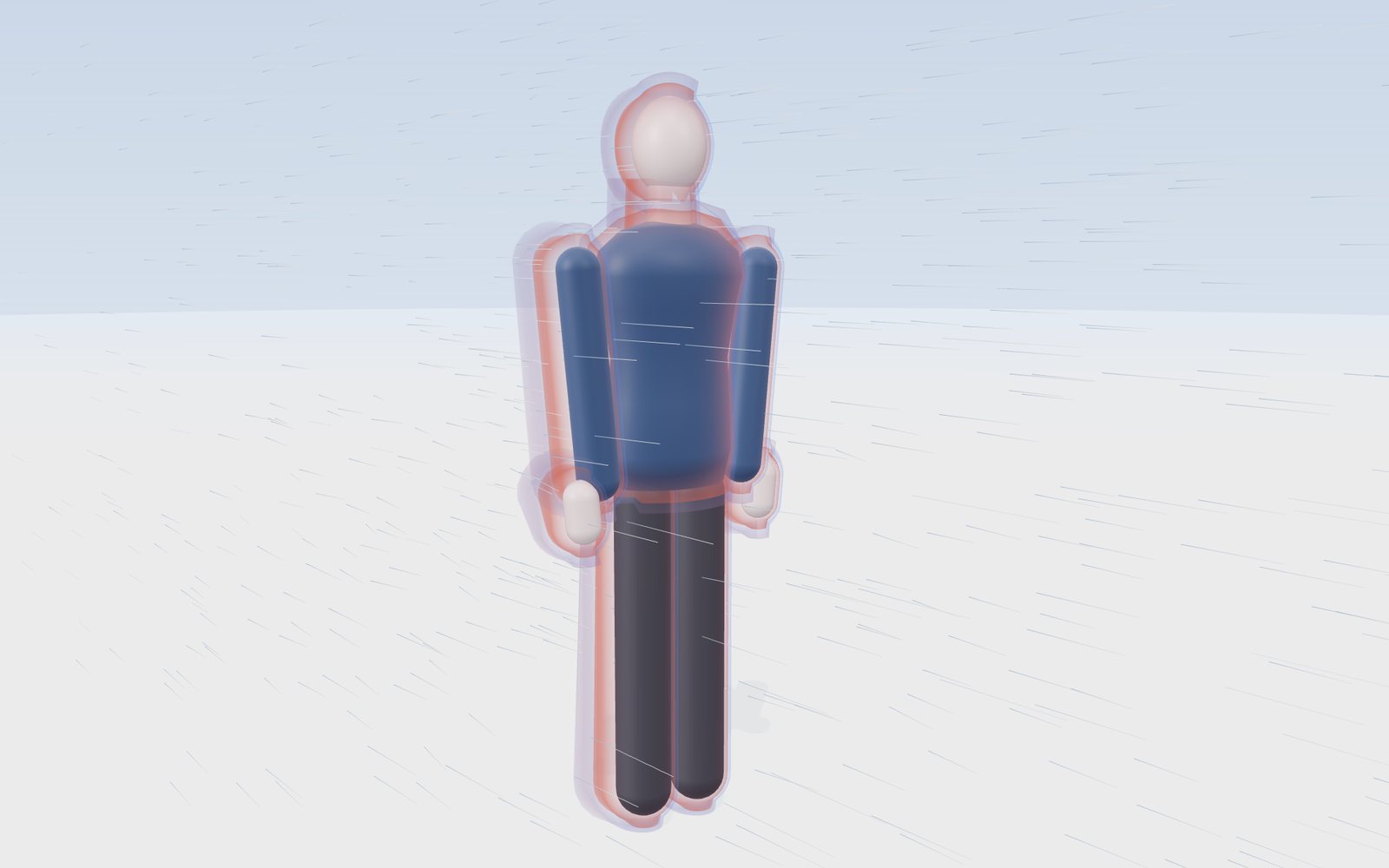 FIG. 124 · Senses
Wind chill chart and calculator: how wind steals body heat
At 0 °F with a 15 mph wind the National Weather Service chart reads −19 °F, and exposed skin can freeze in 30 minutes.
Set Air temperature to 0 °F and Wind speed to 15 mph and read the chart value of −19 °F.
- 03
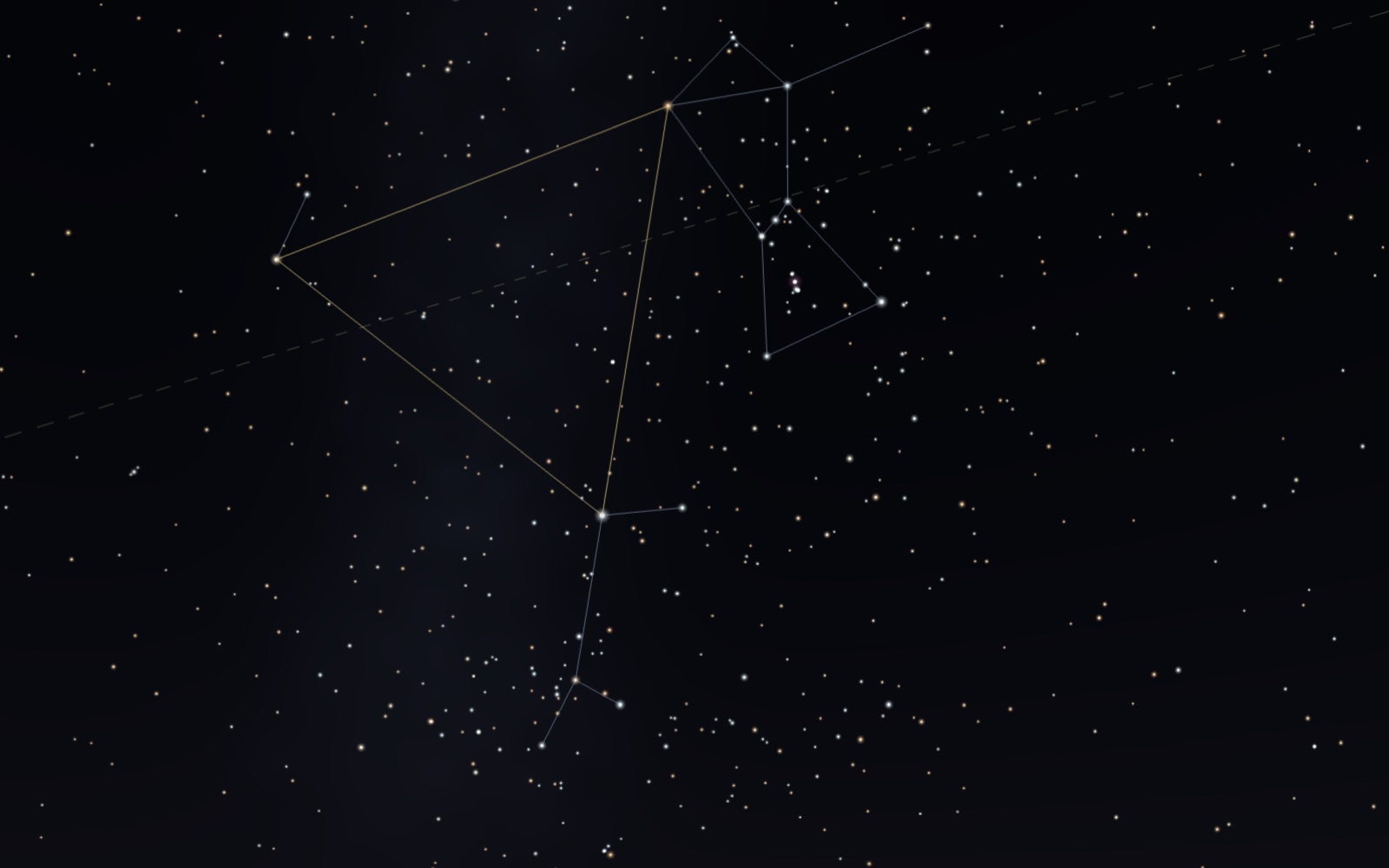 FIG. 126 · Senses
Winter constellations: Orion, the Winter Triangle and Hexagon
The three stars of Orion’s Belt look side by side, yet by their Hipparcos parallaxes Alnilam is nearly three times as far away as Mintaka.
Turn on Star lines and Real distances to see that the three stars of Orion's Belt lie at very different distances.
- 04
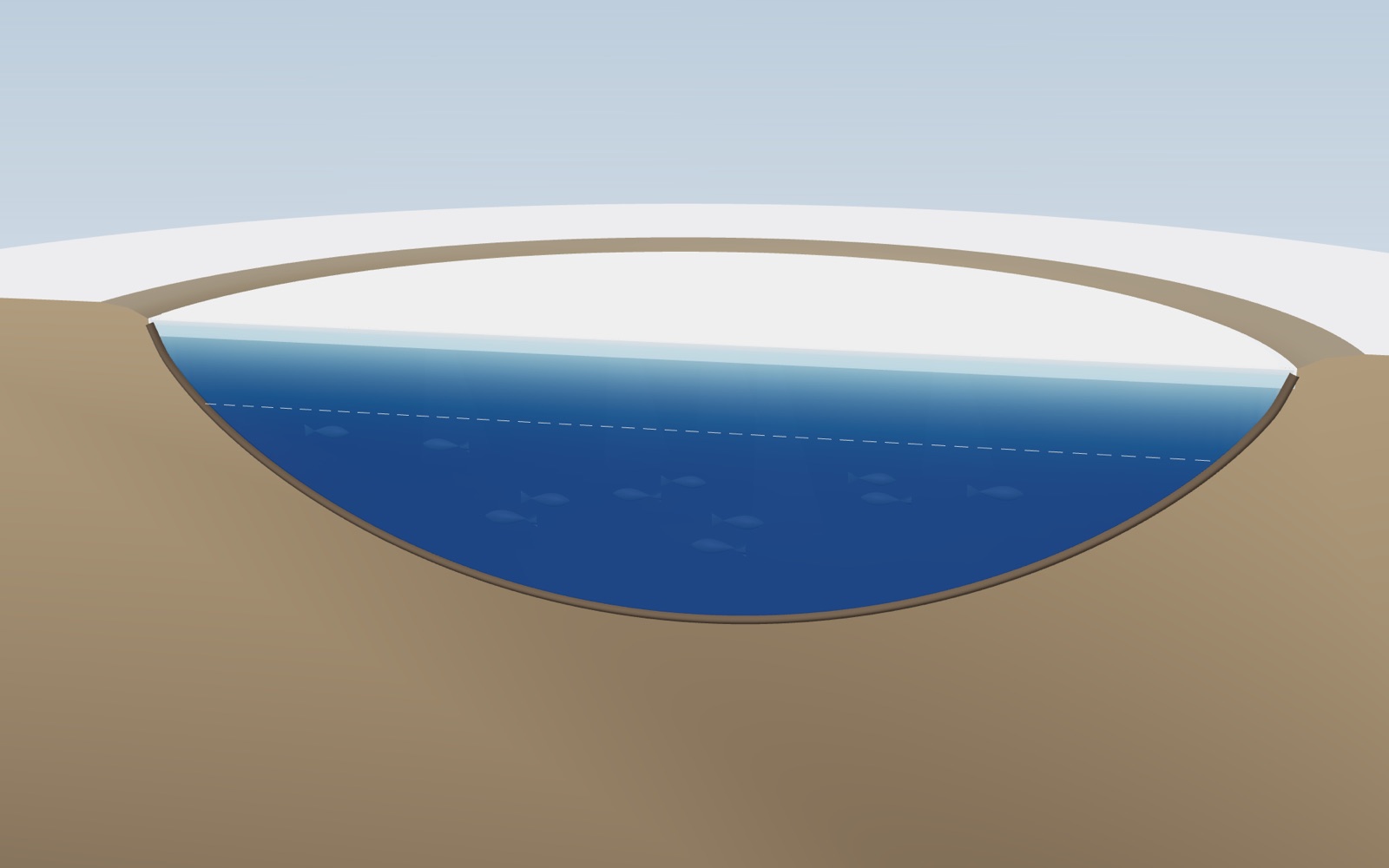 FIG. 125 · How It Works
Why lakes freeze from the top down: water density and lake ice
Fresh water is heaviest at 3.98 °C, so a lake cools to 4 °C top to bottom before a thin colder layer on top freezes.
Drag Date into winter with the 4 °C line on and watch the thin cold top layer freeze above deeper, warmer water.
- 05
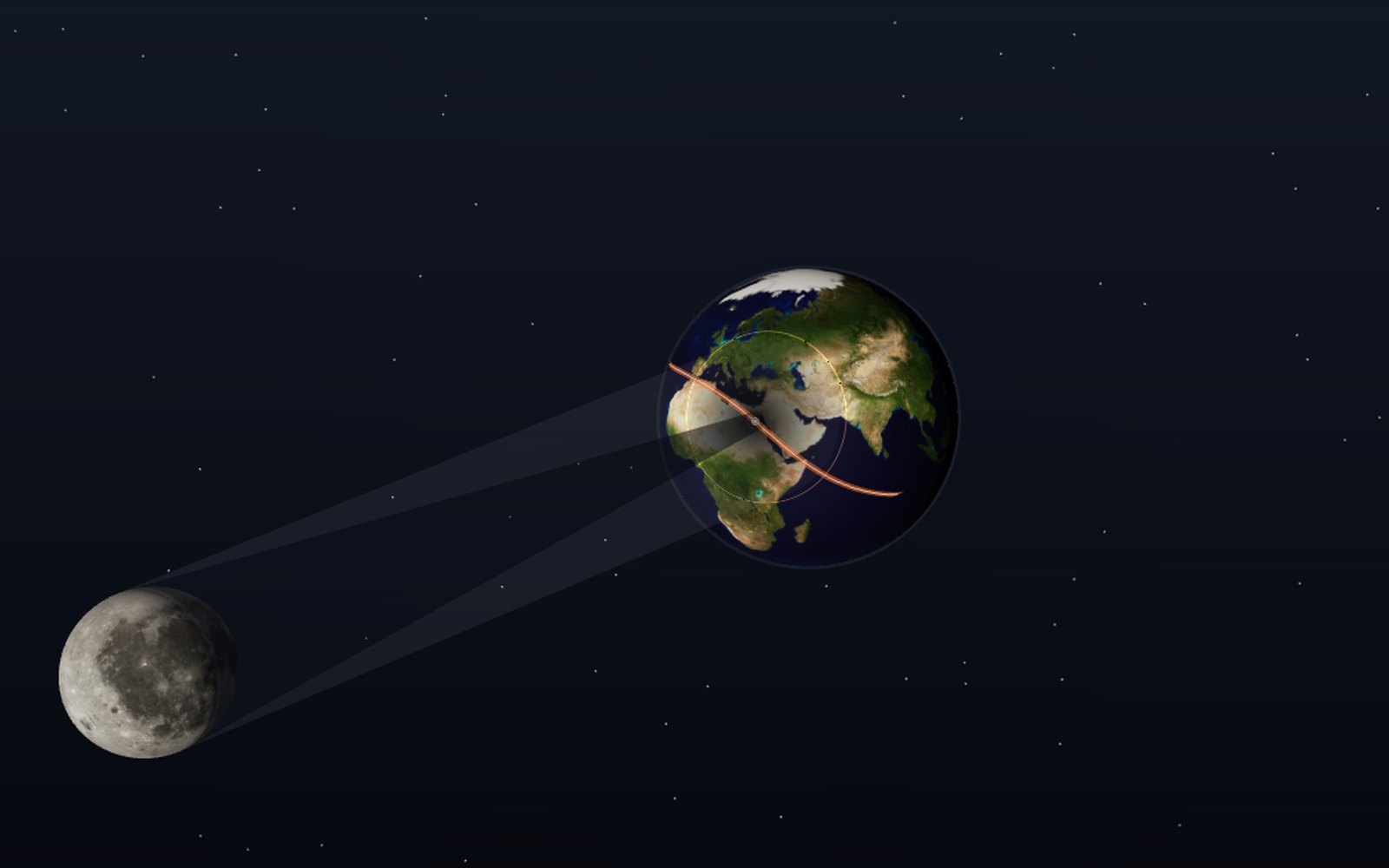 FIG. 123 · How It Works
Total solar eclipse: the 2027 path and the next total eclipses
On 2 August 2027 the Moon's shadow crosses Spain, North Africa and Egypt, and near Luxor the Sun stays hidden for about 6 min 23 s.
Drag Time through totality with Shadow cones on and watch the Moon's shadow sweep along the Path of totality.
- 06
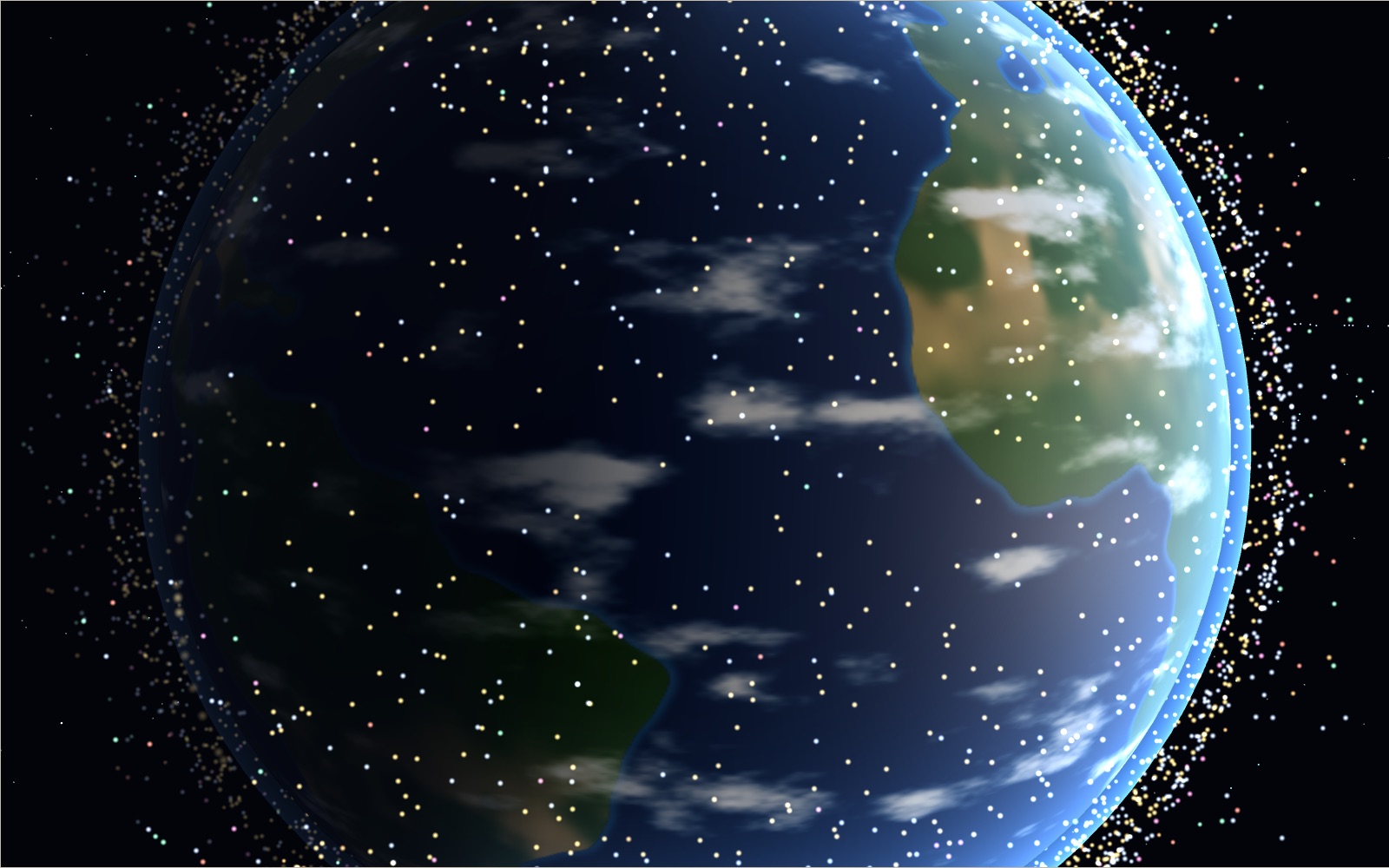 FIG. 118 · Senses
Satellites orbiting Earth right now
On 20 October 2026 the public catalogue listed 16,768 working satellites, and two in every three belonged to one company's internet network.
Drag Year from 1957 to 2026 and watch the number of satellites in orbit grow.
- 07
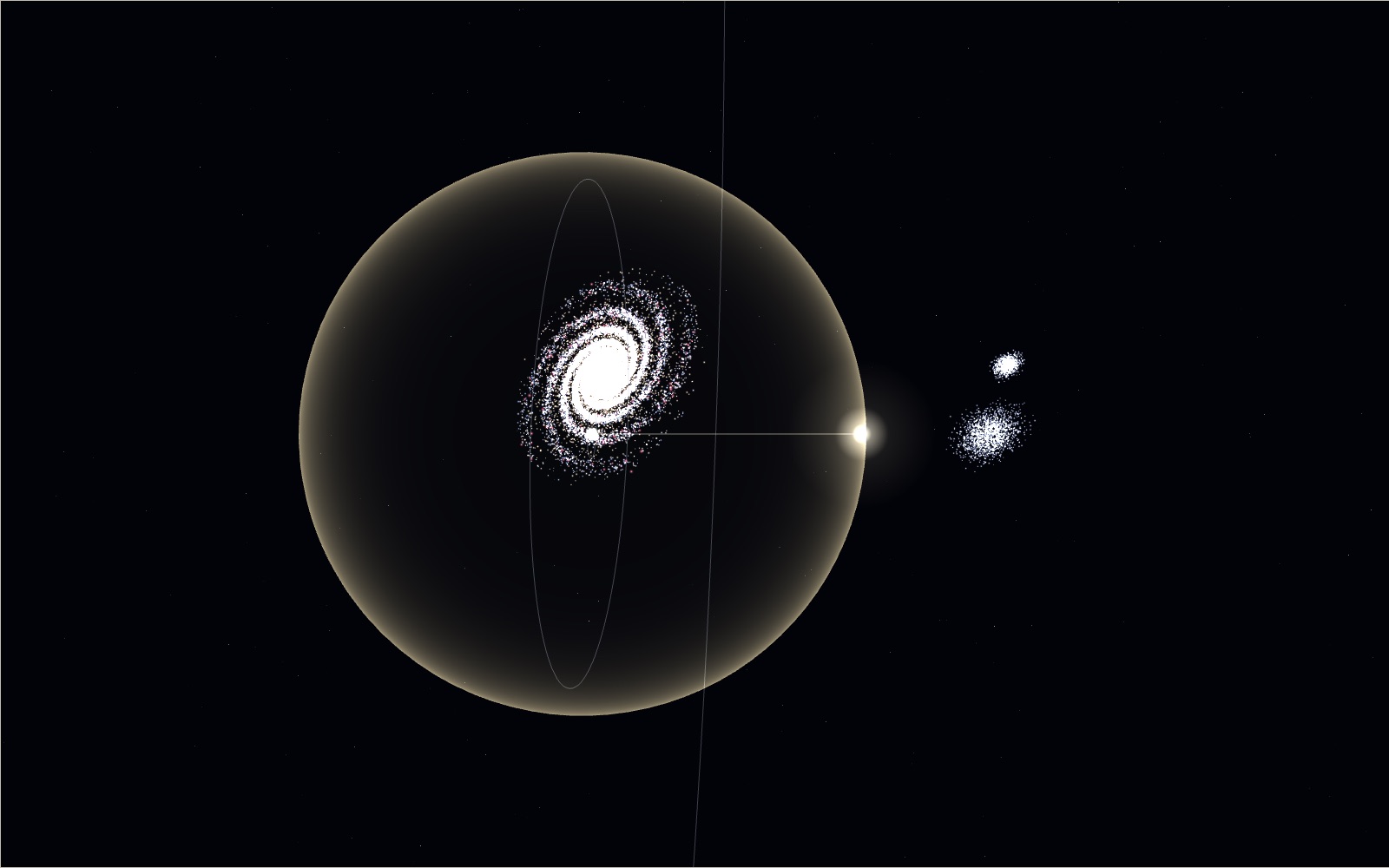 FIG. 113 · Senses
Travelling at the speed of light
Light goes round the equator 7.5 times in a second, yet the same light needs 2.5 million years to reach the Andromeda galaxy.
Pick the Moon or Proxima Centauri as Destination and see how long the flash of light takes to arrive.
- 08
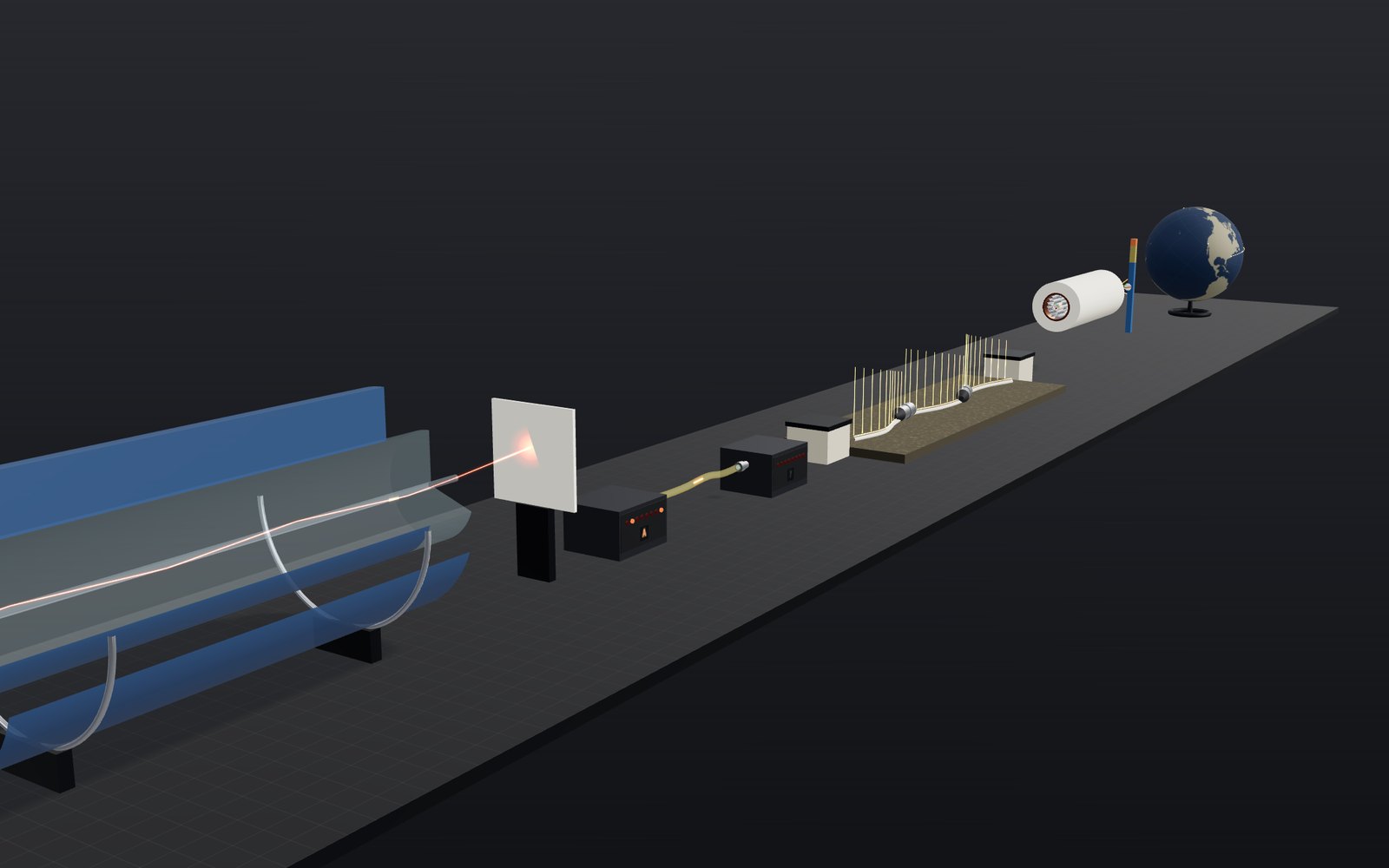 FIG. 68 · How It Works
How fiber optic cable works: one ray of light across the ocean
Light in a submarine cable stays inside a glass core 8.2 micrometres wide for thousands of kilometres because it meets the core wall at more than 84.5°.
Slide Angle on the core wall above and below 84.5° and see the ray stay inside the core or leak out.
- 09
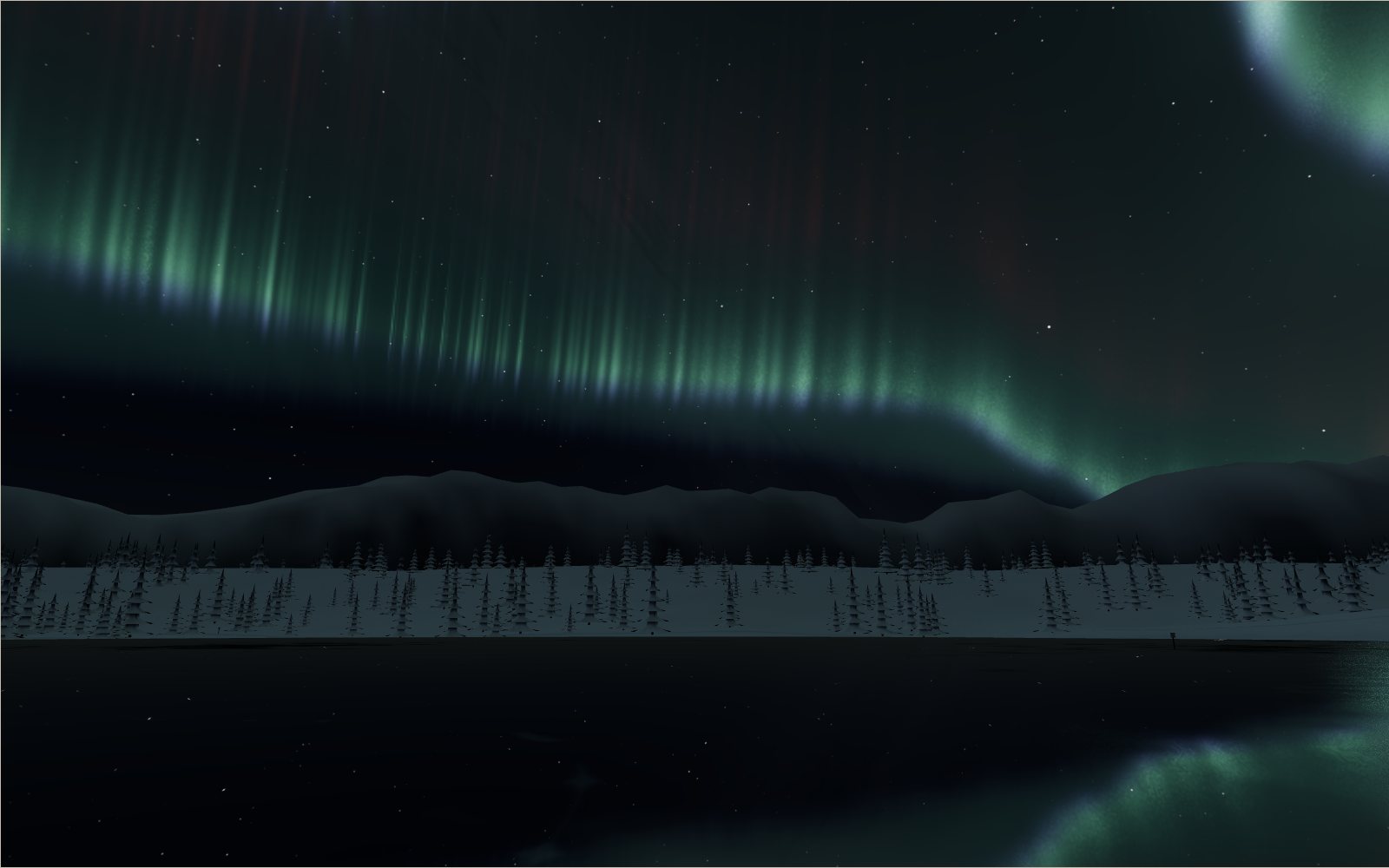 FIG. 94 · Walk-throughs
Northern lights over an Arctic village
The green of the northern lights comes from oxygen about 100 km up, and in the biggest storms the red glow above it can be seen as far south as Korea.
Raise Storm strength (Kp) and use the Height ruler to see green light about 100 km up with red above it.