7 exhibitsCourses
Puzzles, games and codes
Cubes, boards, folded paper, knotted rope and dots of ink, each a small system with strict rules that you can step through one move at a time.
It begins with the cube and the chessboard, moves to the geometry of a pool table and of folded paper, and ends with rope, QR codes and braille, where the rules become a code.
A puzzle is a set of rules small enough to hold in your head and large enough to surprise you. A 3 by 3 cube has more positions than anyone could try, yet every one can be solved in 20 moves or fewer. After only four moves each, a chess game has already branched into billions of possibilities. These stops let you step through the rules slowly, one move or one fold at a time, instead of watching a finished result.
The second half turns rules into codes. A knot holds because of how the rope crosses itself. A QR code can lose a good share of its squares and still be read, because extra data is built into it. Braille packs the alphabet into six dots. In each of these, look first for the small repeating unit and then for how the pieces combine into something that carries meaning.
- 01
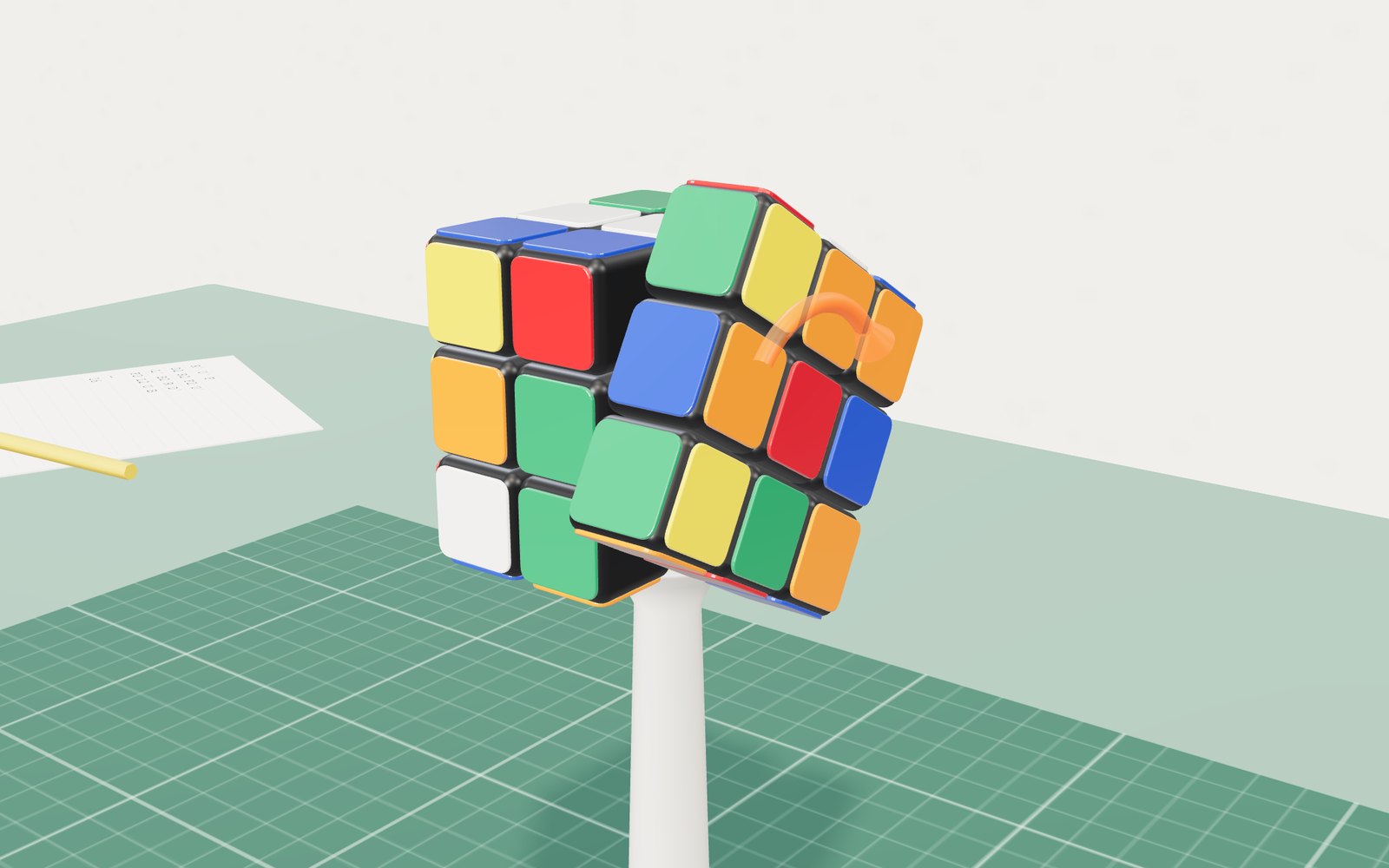 FIG. 112 · Follow Along
How to solve a 3×3 cube, step by step
A 3×3 cube has 43,252,003,274,489,856,000 positions, and every one of them can be solved in 20 moves or fewer.
Drag the Move slider through a solution and watch how every single turn changes the cube.
- 02
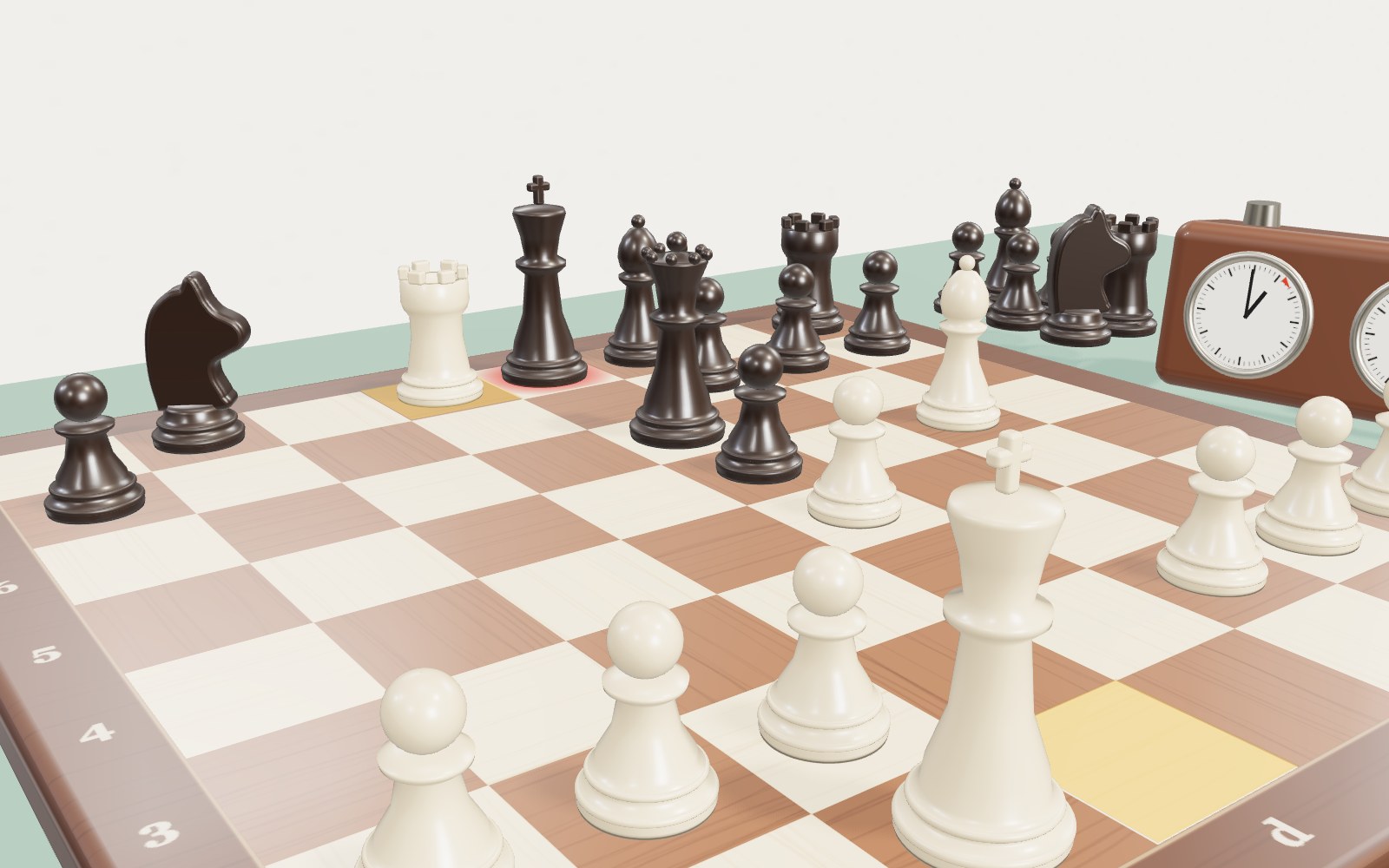 FIG. 116 · Follow Along
How to play chess, step by step
After just four moves by each side there are 84,998,978,956 possible games.
Turn on Attacked squares and Light the moves, then step through the game to see which squares each piece controls.
- 03
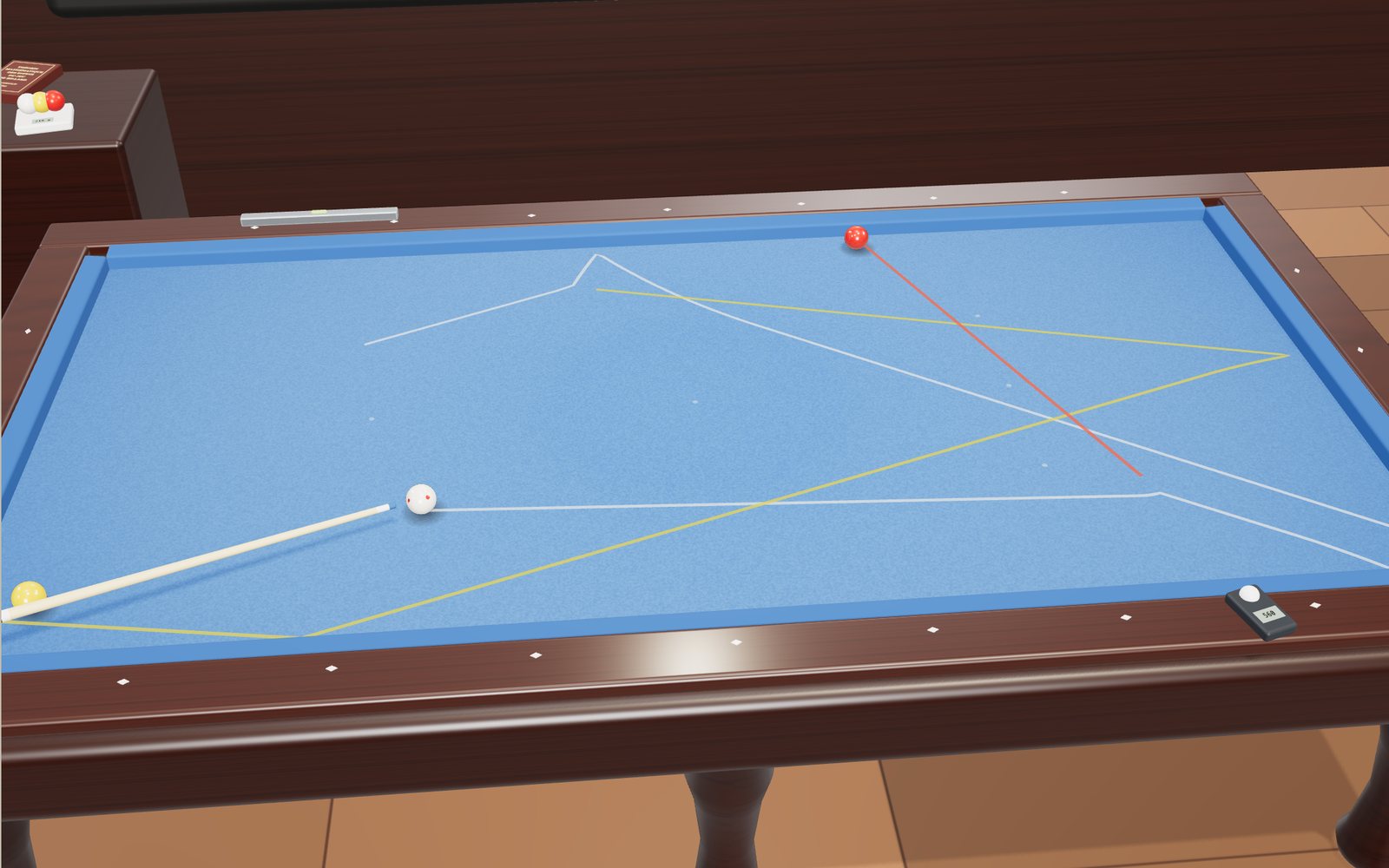 FIG. 120 · Follow Along
Billiards angles: aiming, spin and the diamond system, step by step
Two equal balls that meet without spin part at a right angle, and a ball struck at its centre slides for 12/49 of v²/μg before it starts to roll.
Strike with no Side spin and no Top or bottom spin, and watch two equal balls part at a right angle.
- 04
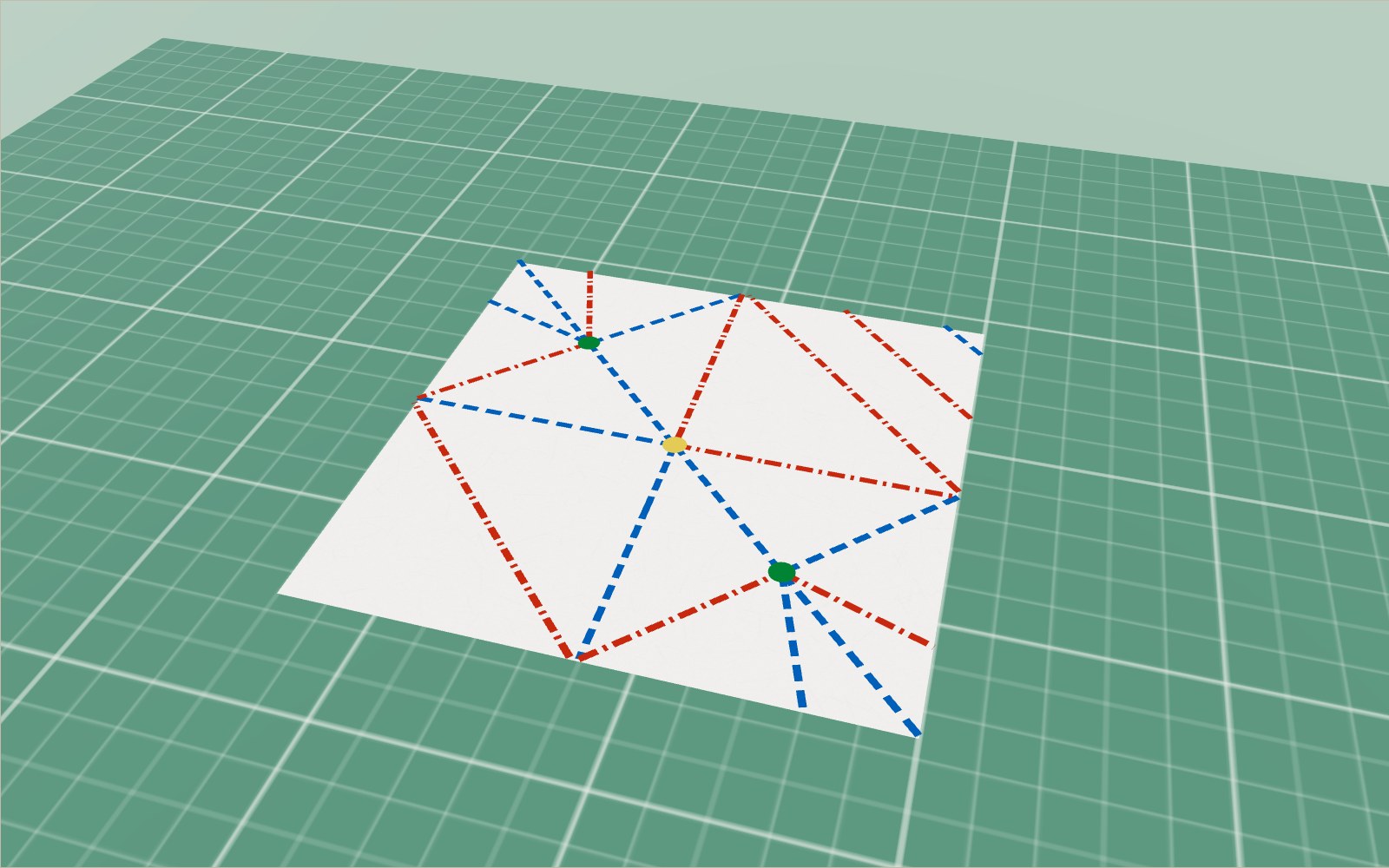 FIG. 108 · Follow Along
Origami: 20 models to fold step by step and unfold
A crane uses about 30 folds, a cup six; every flat-folded point you make has mountains and valleys that differ by exactly two.
Drag the Step slider through the model, then compare the Crease pattern on the table with its valley and mountain folds.
- 05
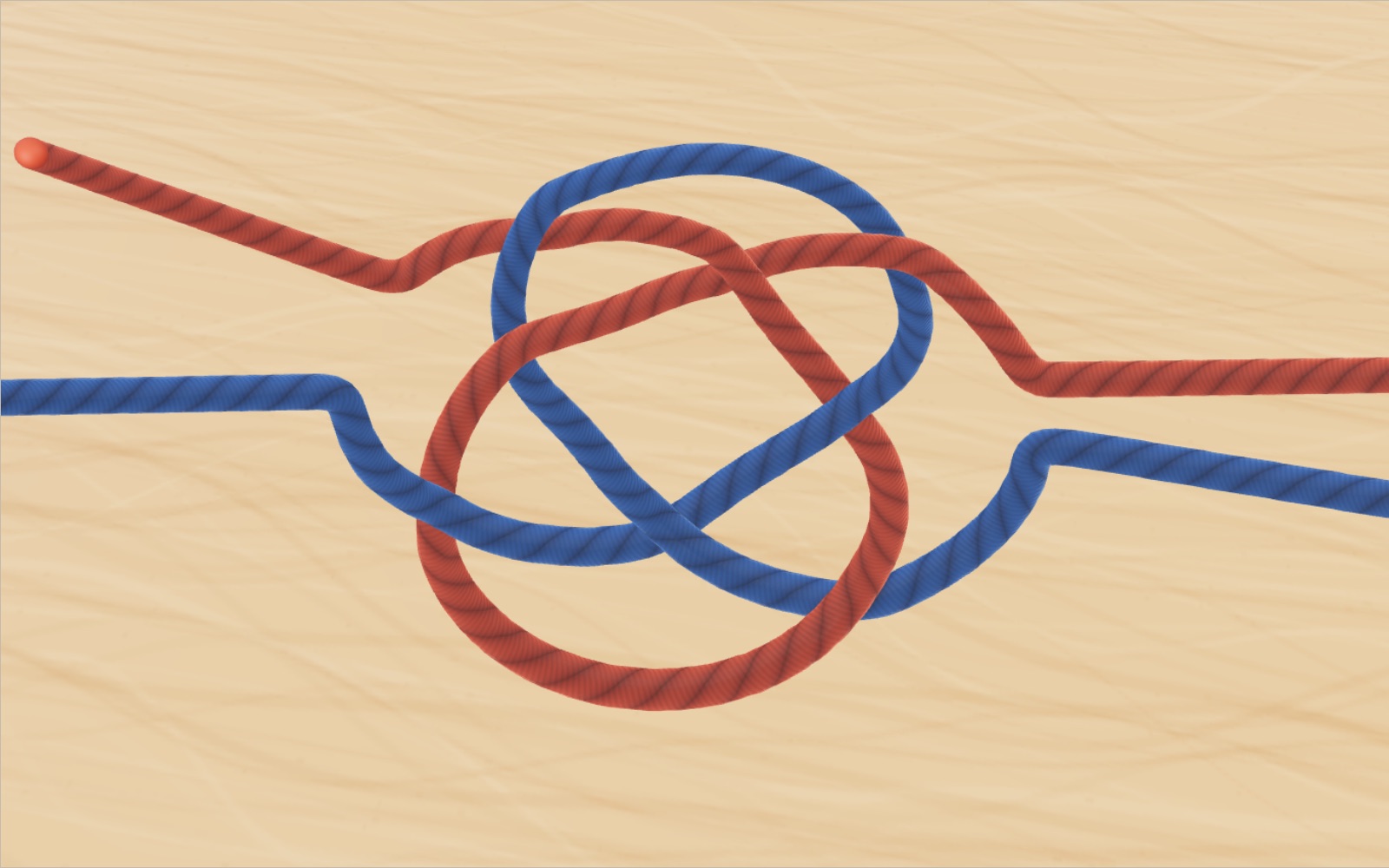 FIG. 17 · Follow Along
How to tie knots: 40 knots step by step
In one set of break tests a bowline kept about 63% of the rope's strength and a sheet bend about half.
Turn on Colour by step and drag Step to see where the working end passes over and under the standing part.
- 06
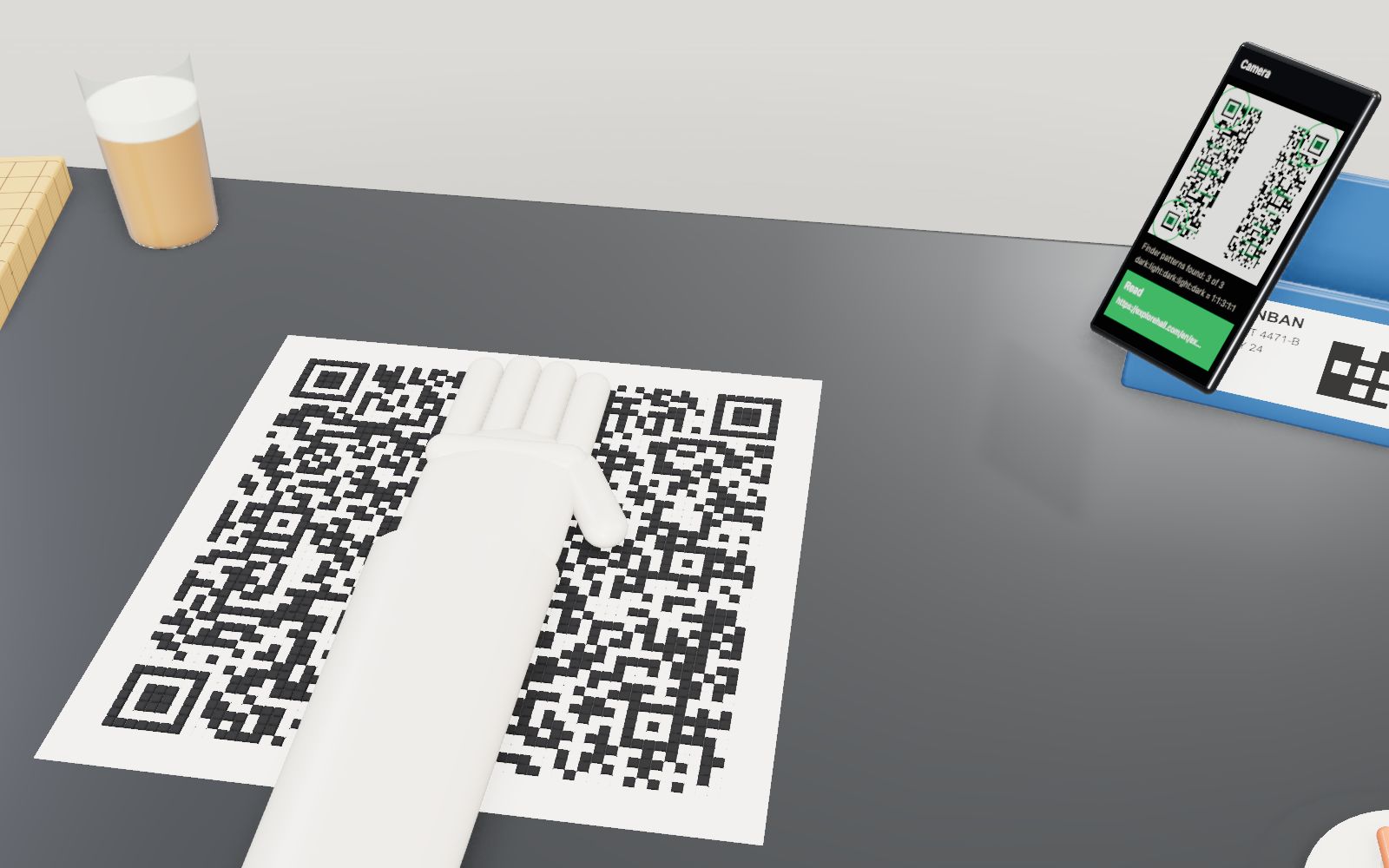 FIG. 102 · Senses
How a QR code is read
Cover 30 % of a QR code with your hand and a phone still reads it. Cover one corner and it does not.
Raise Cover width to 30 percent and the code still reads; move Cover position to a corner and it does not.
- 07
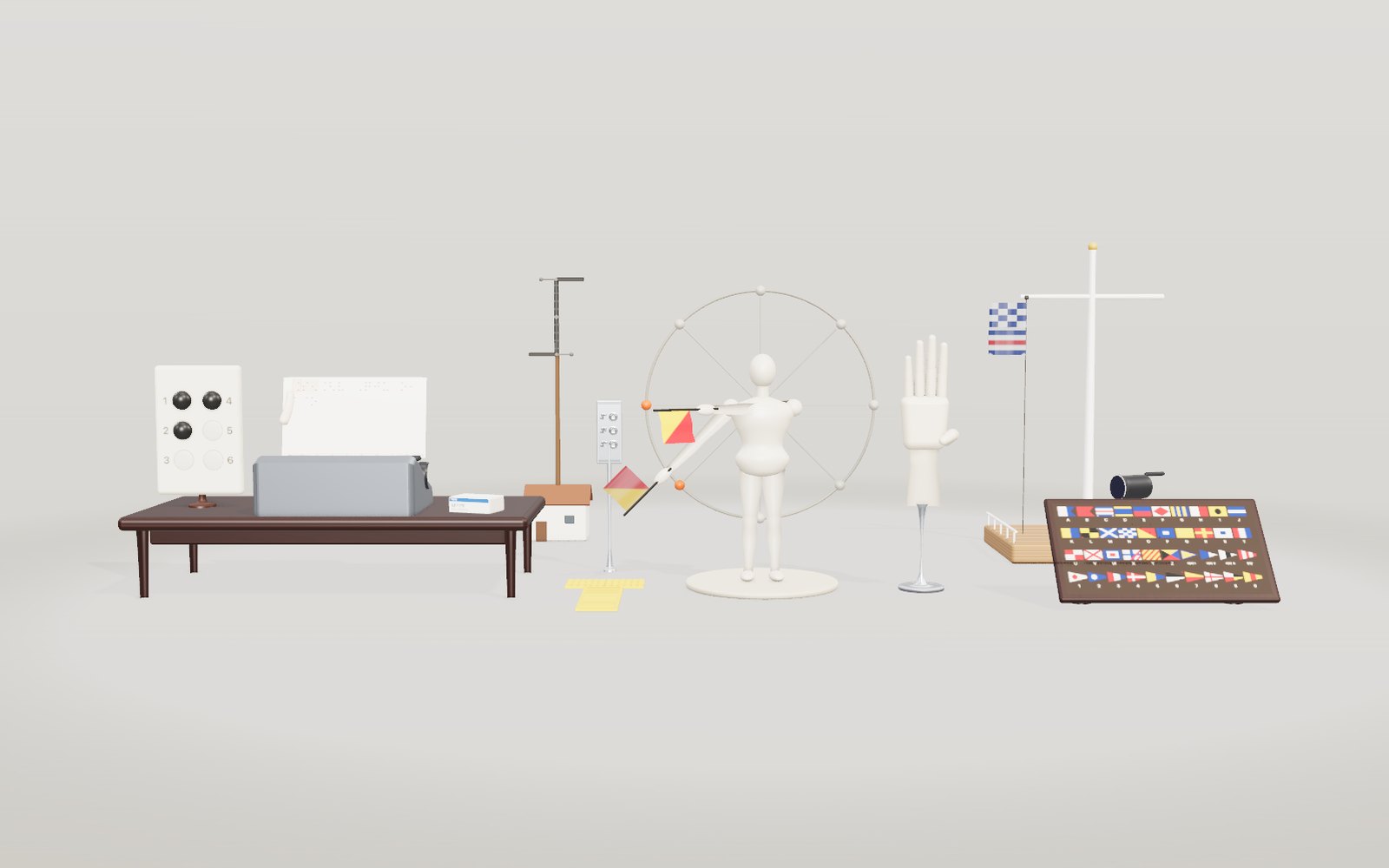 FIG. 34 · Follow Along
Braille, semaphore and fingerspelling: how the codes work
A braille dot is 1.5 mm across, and six of them in a 2 by 3 grid give 64 patterns that Korean, English, Japanese and music braille all share.
Press dots on the 6-dot cell and read in the panel which letter that pattern makes in each braille system.