Online science museum
How things work,
as working models
Clocks, engines and locks rebuilt as 3D models you can turn and take apart, each with a full written explanation.
Try one now

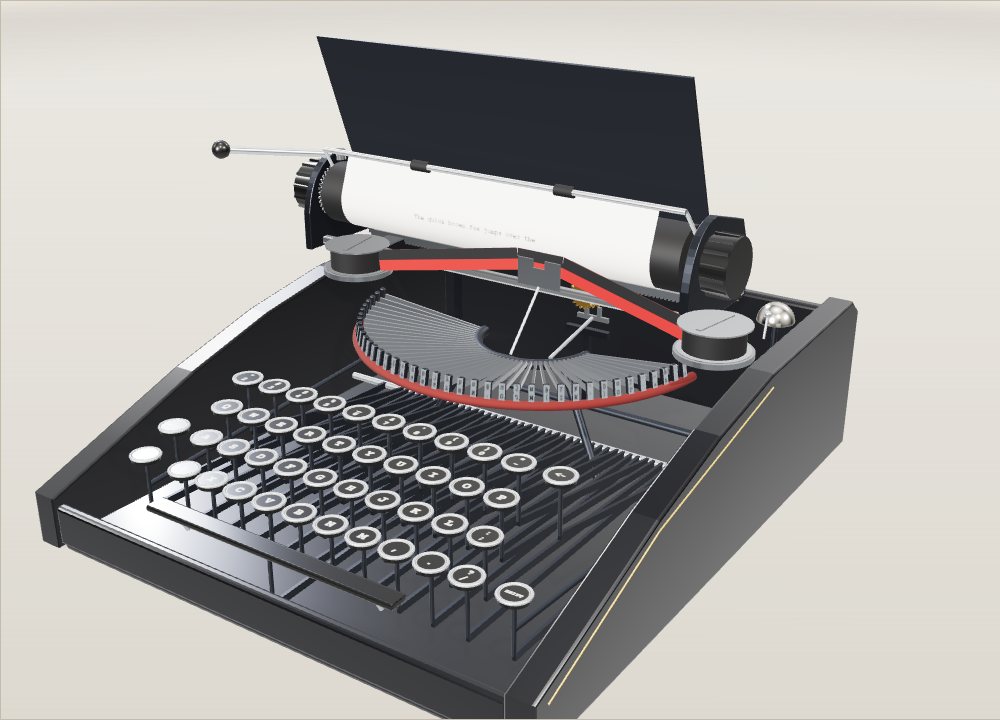
Typewriter simulator: how a typewriter works, key by key
On a pica typewriter every letter, space and full stop moves the carriage the same 2.54 mm to the left.
OpenGalleries
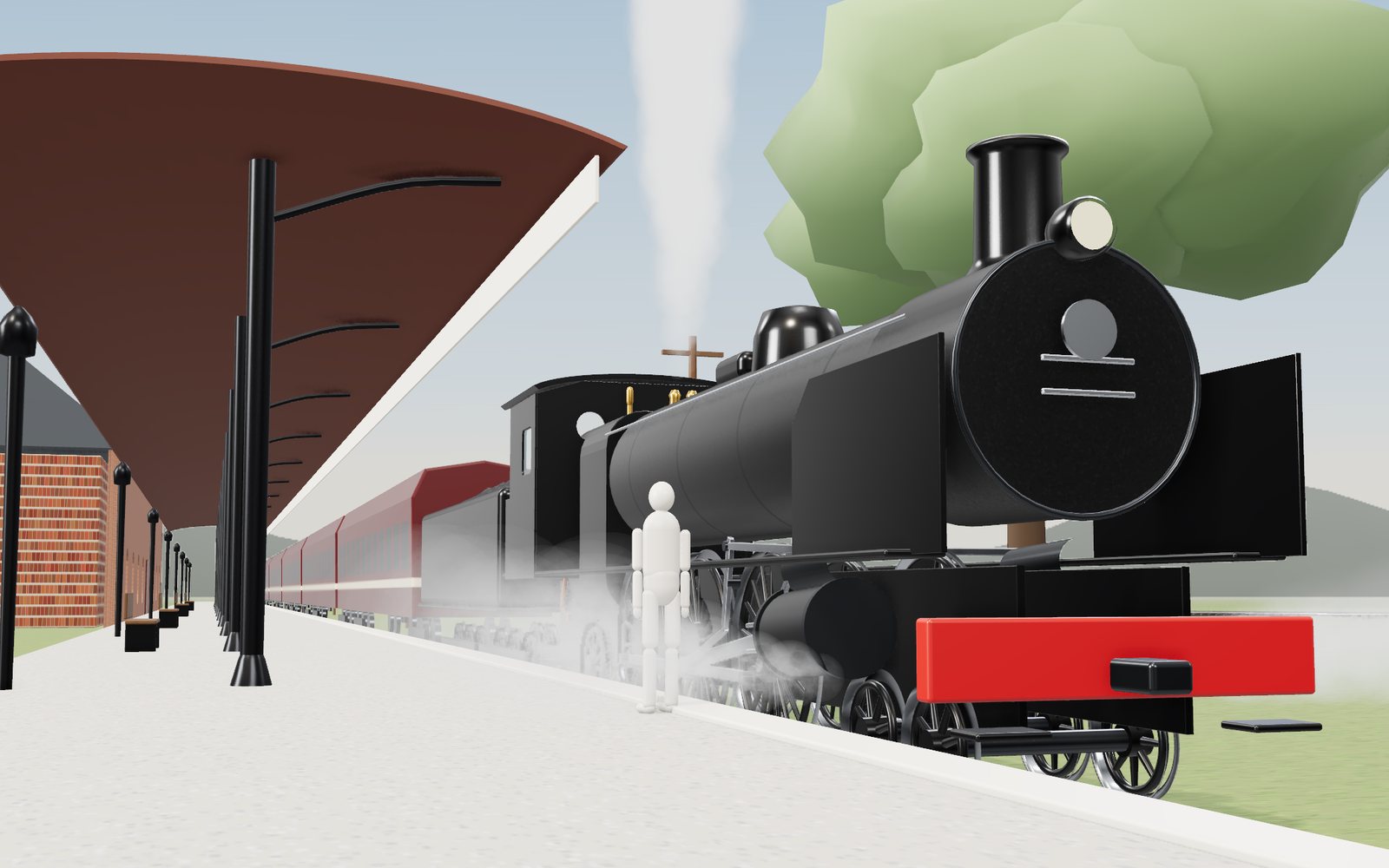
Clocks, engines and locks, opened up and run slowly enough to follow each part.
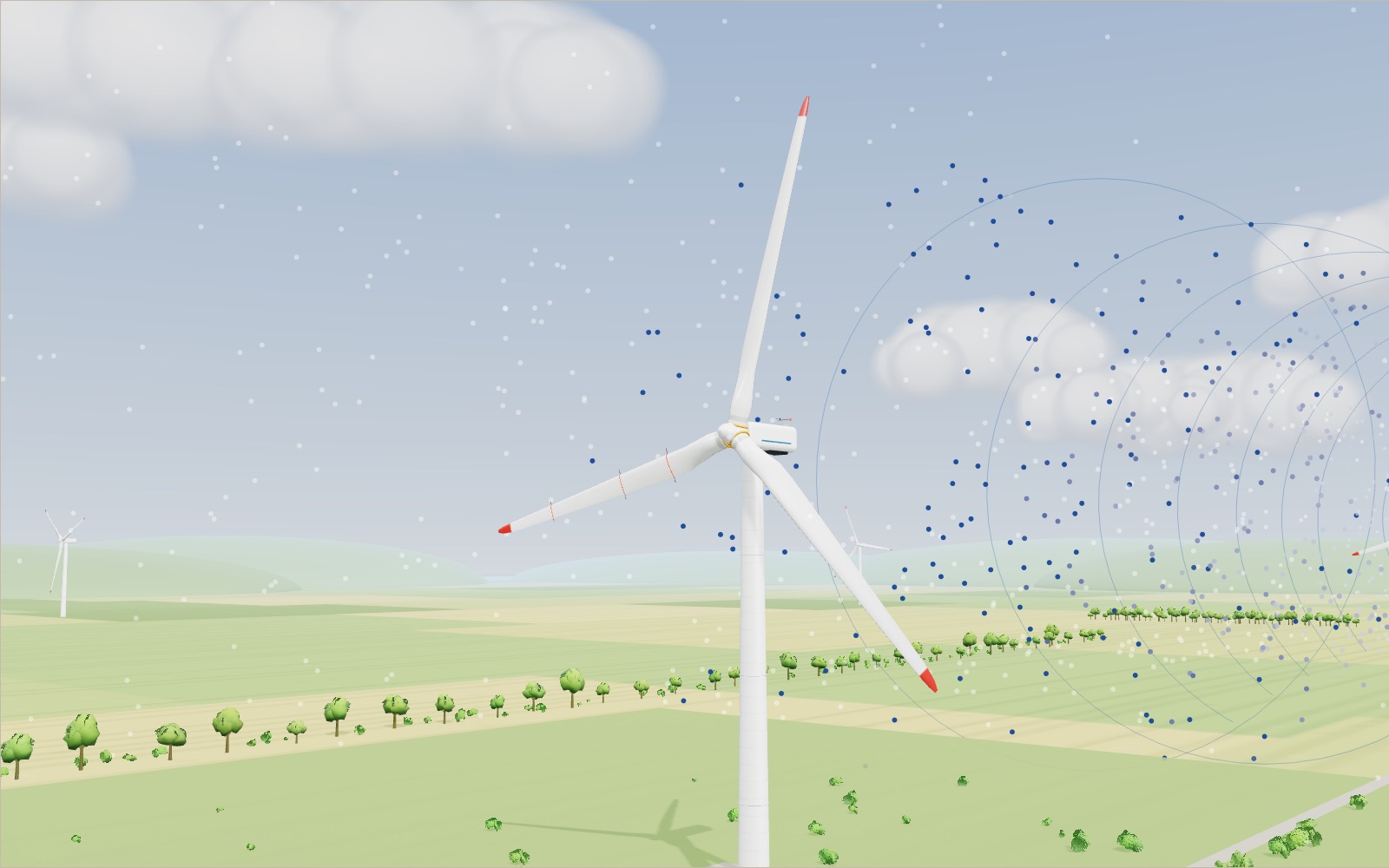
Typewriters, telegraph keys and cipher machines that you can operate on screen.
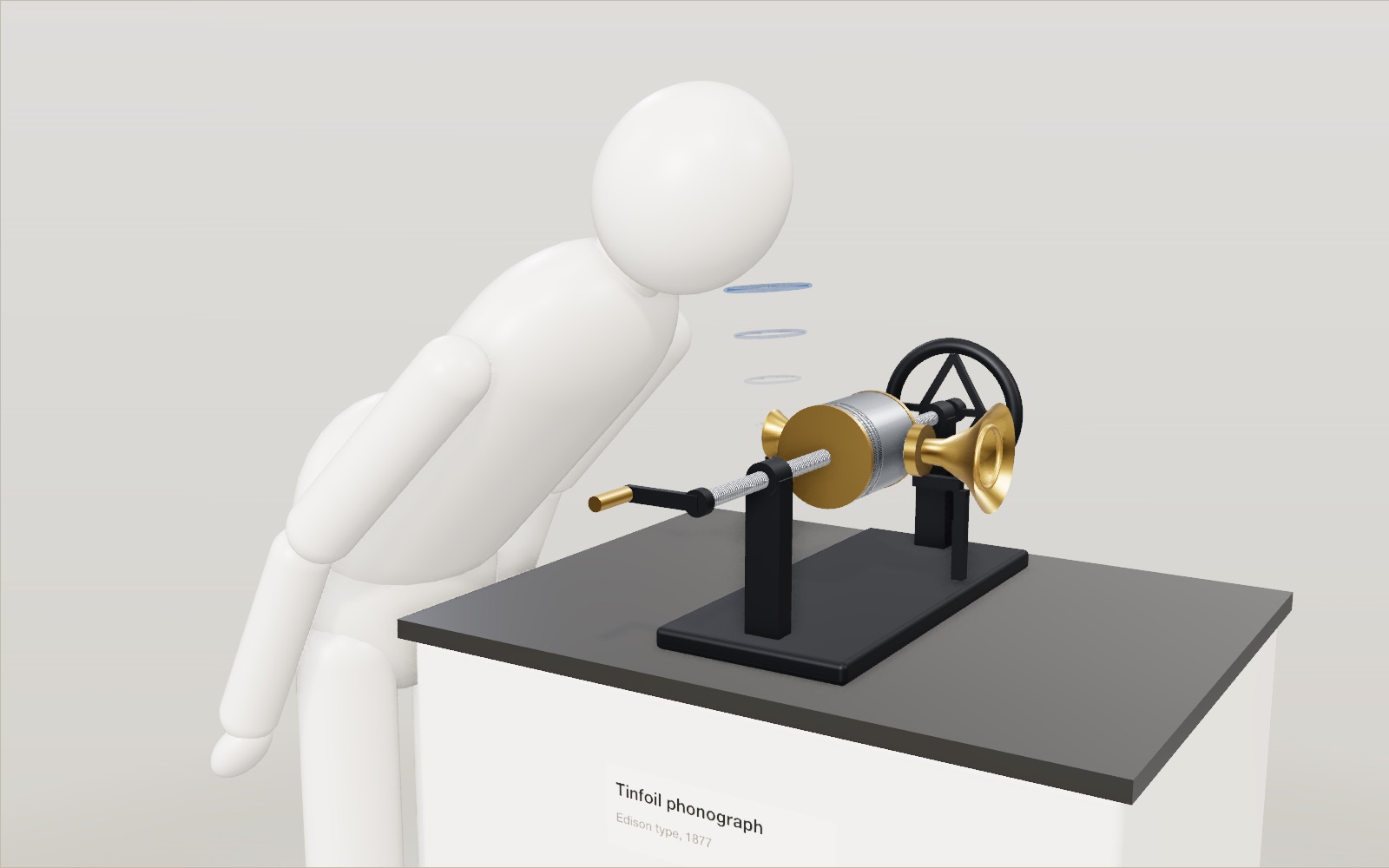
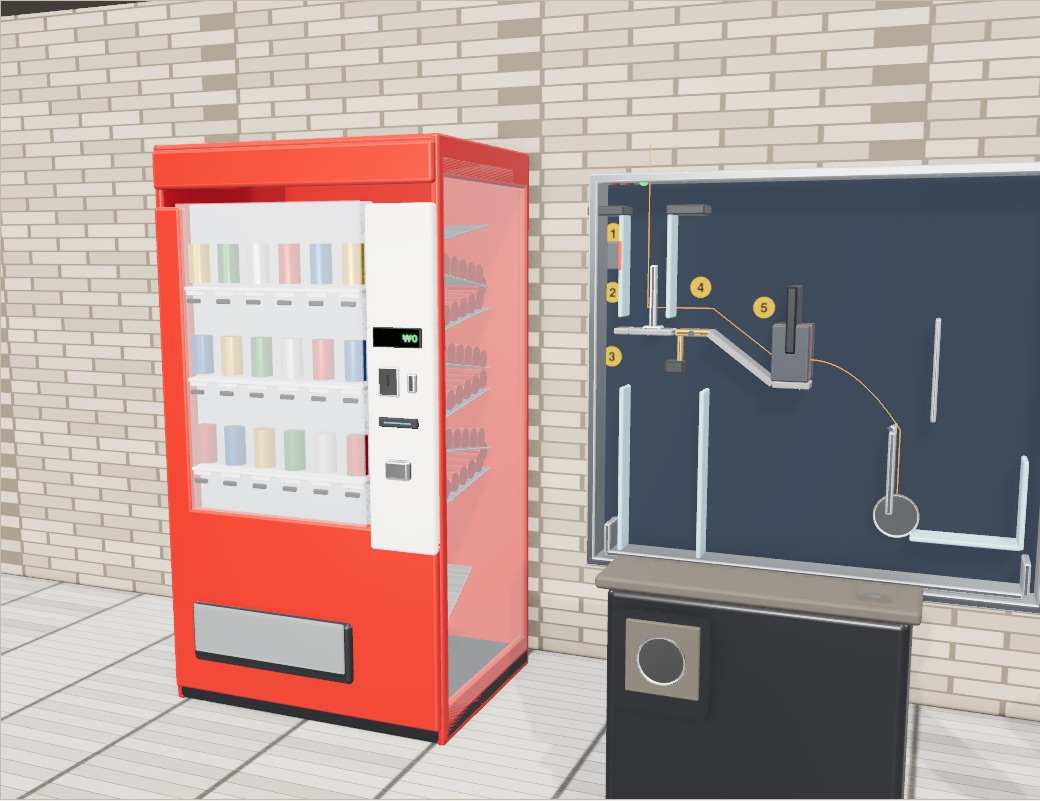
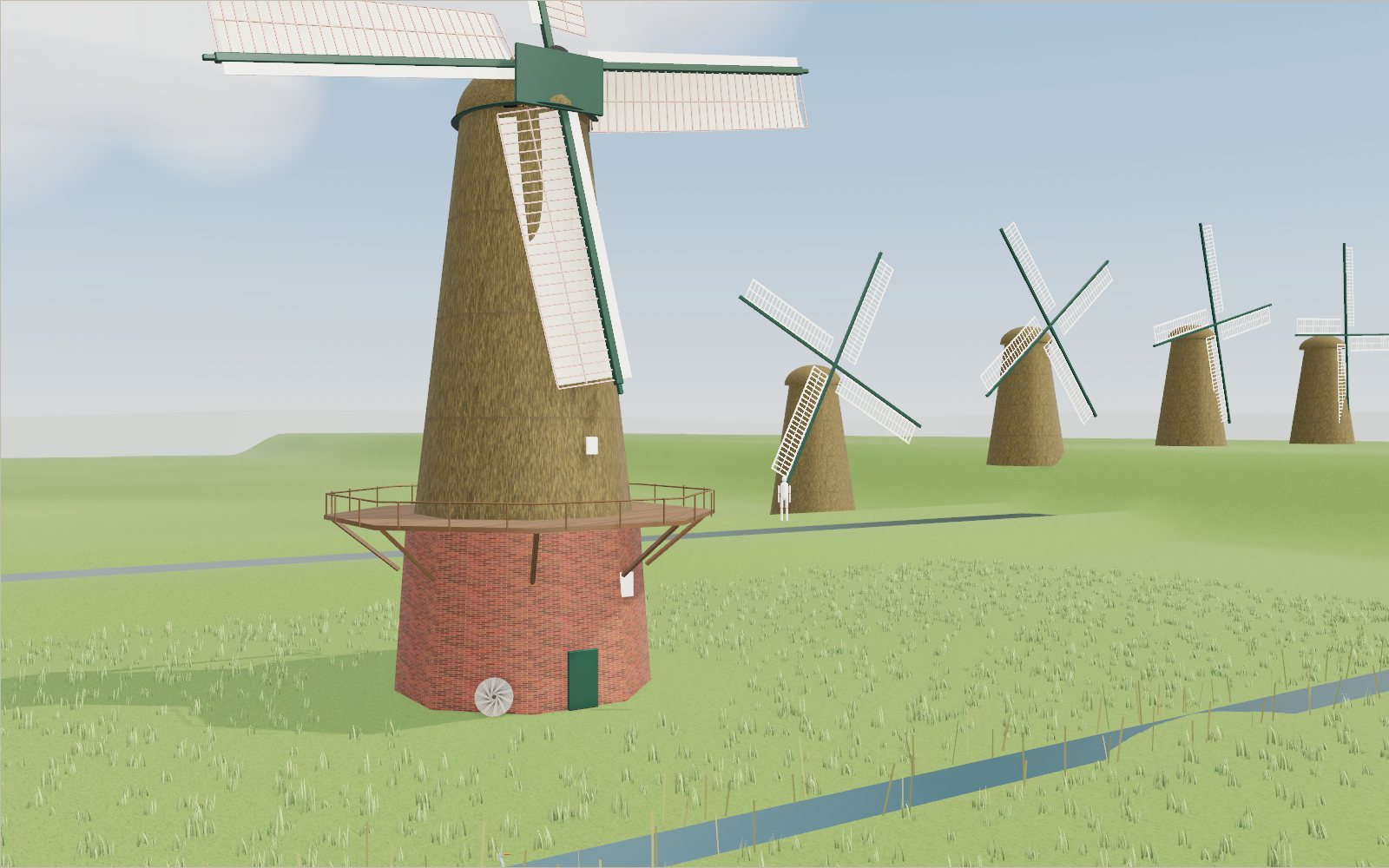
Knots and handwriting, broken into steps you can replay as often as you need.
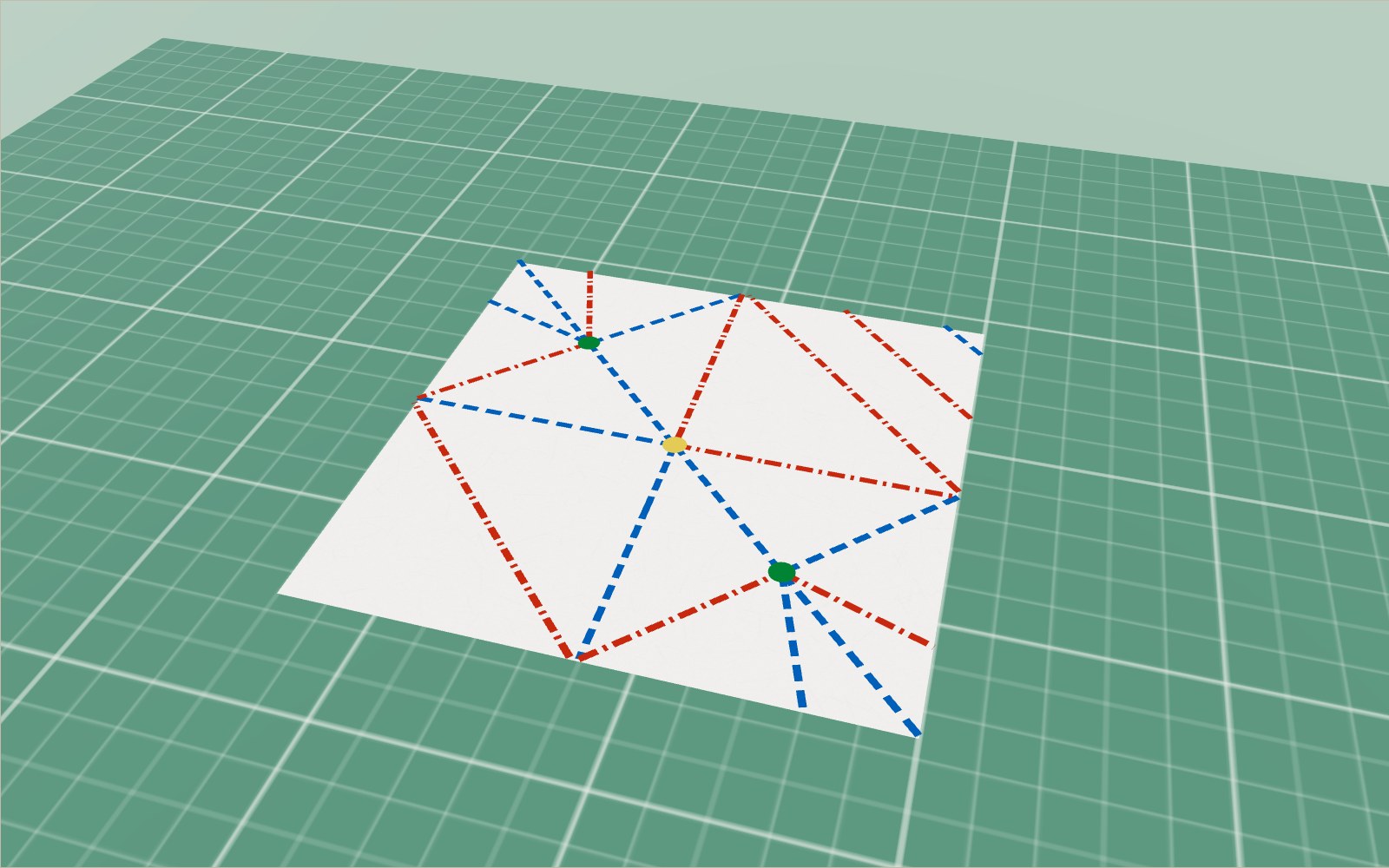
Exhibits about hearing and seeing, from piano strings to the way a dog sees colour.
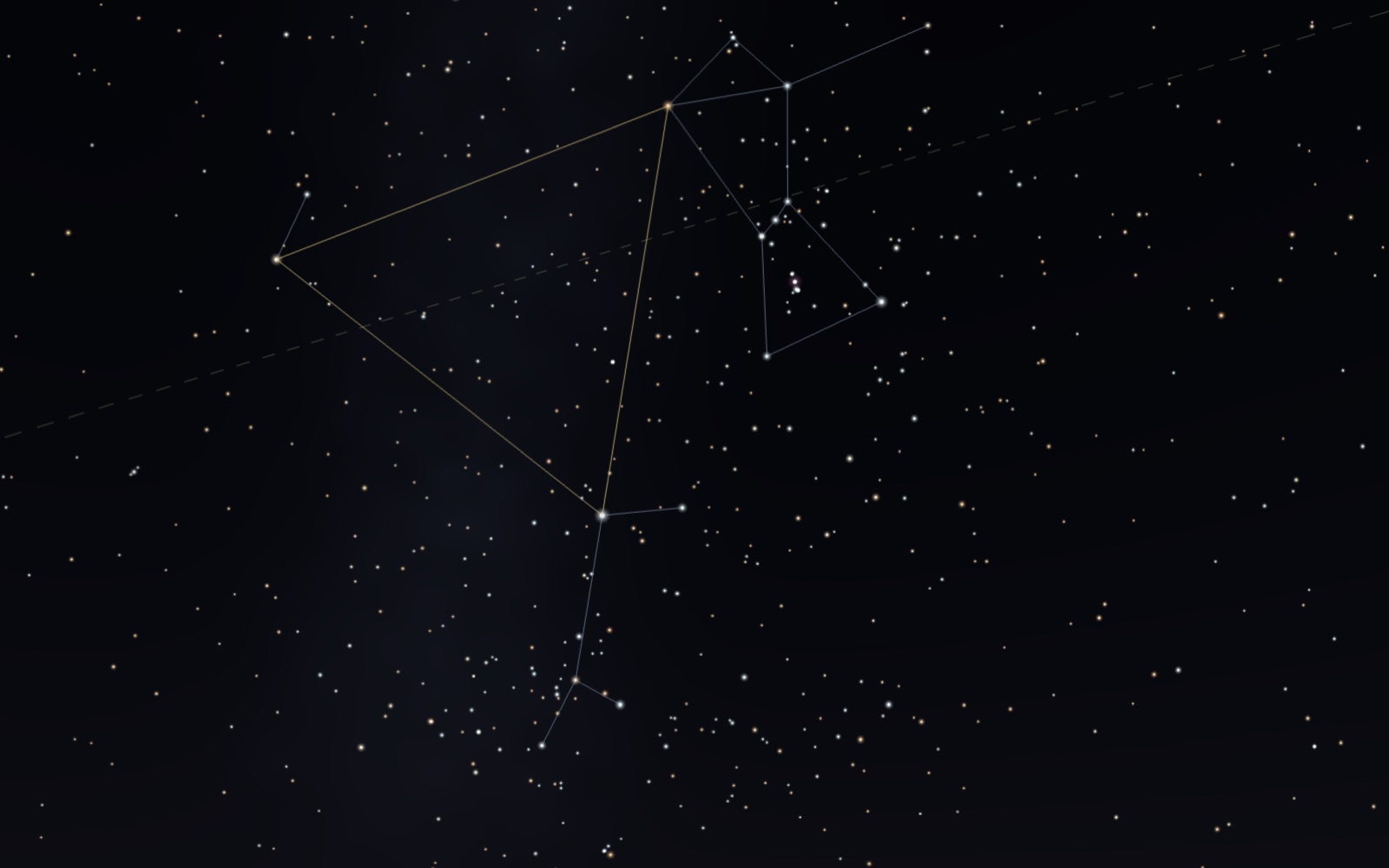
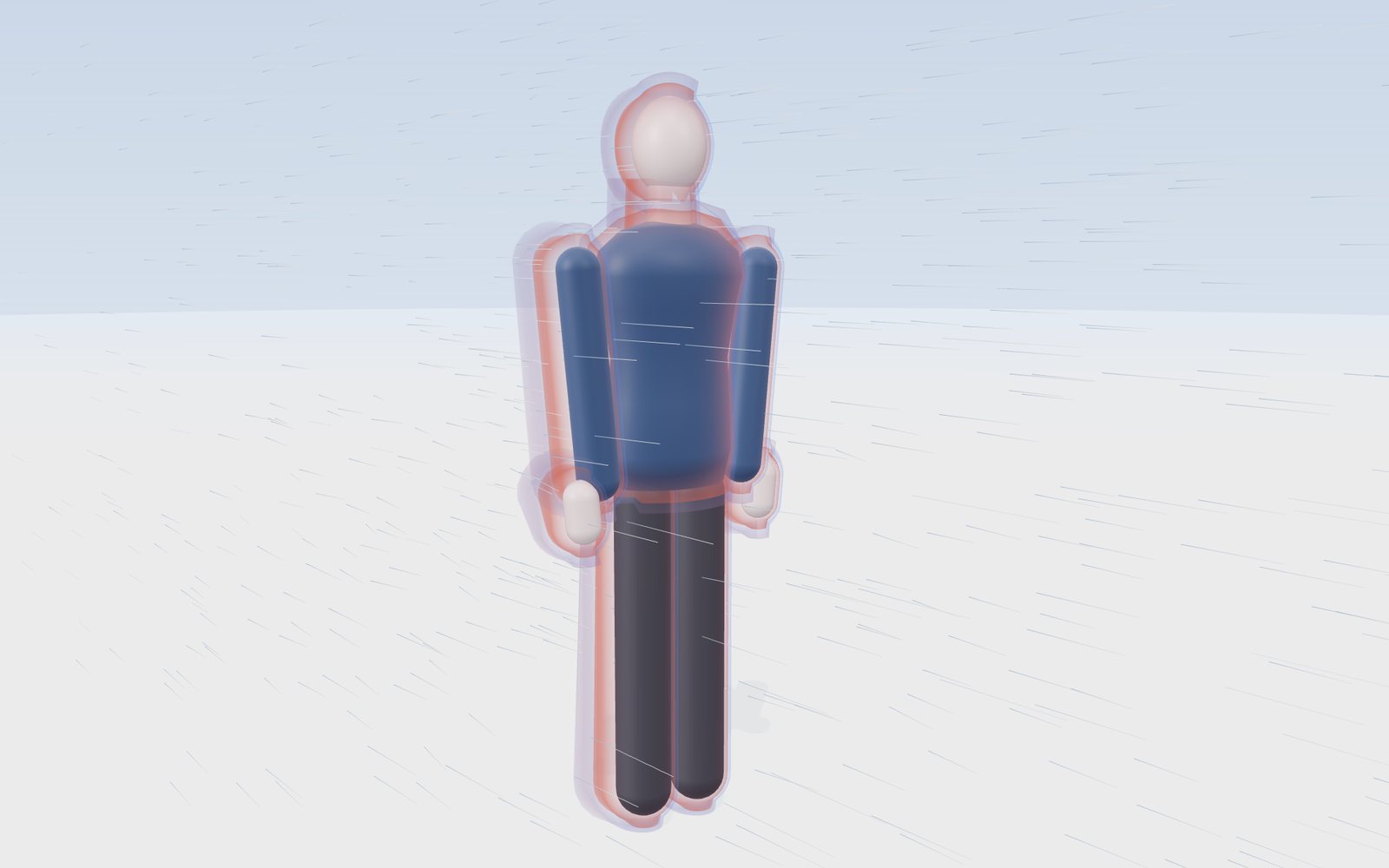
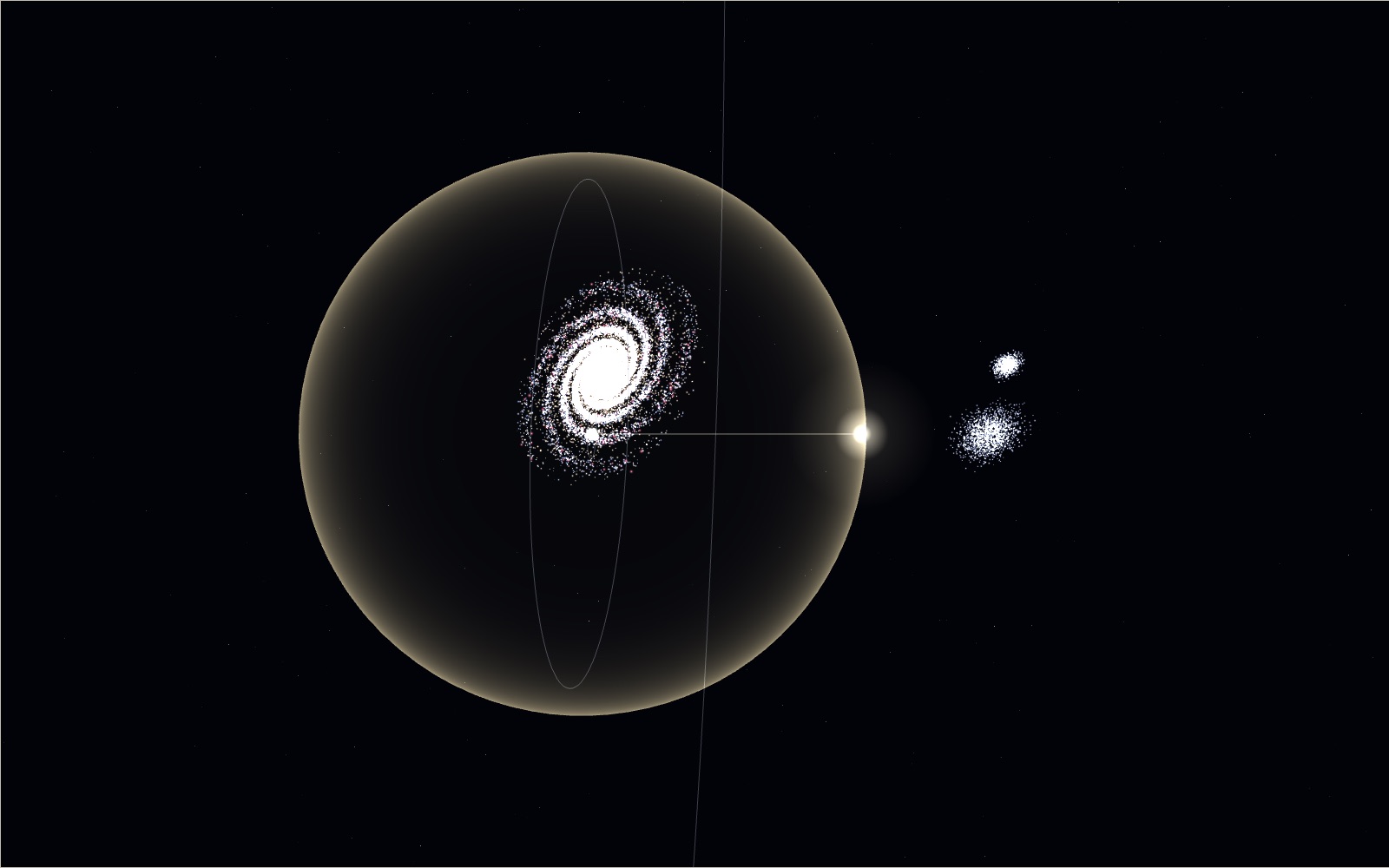
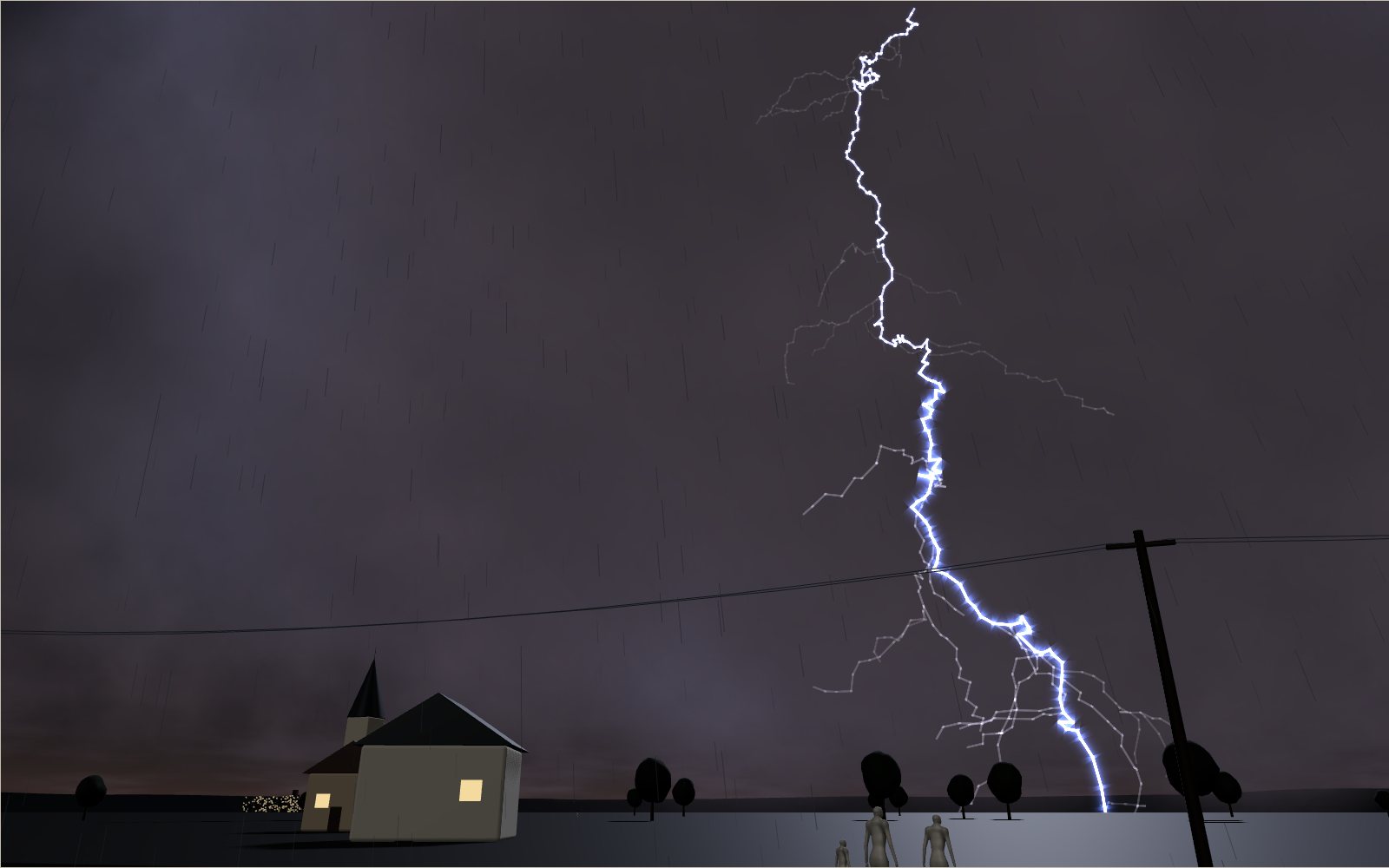
Life-size 3D places you can walk around, from a field of dinosaurs to the inside of a cell.
Courses
- Questions from an ordinary dayThings you meet on a normal day, from the colour of the sky to a game-show puzzle, each opened up as a working model.7 exhibits
- Walking tour: from a cell to the solar systemLife-size places you can walk through, visited in order of size.7 exhibits
- Engines: from steam to rocketsHow the heat of burning fuel becomes motion, from the steam engine to the engine that lifts a rocket.7 exhibits
- Space: from your window to a black holeStart with the sky you can see from home and move outwards, as far as the edge of a black hole.8 exhibits
- The body: from heartbeat to DNAYour own body, from the organs you can feel down to the molecules inside each cell.8 exhibits
- Light and soundWhat a sound wave and a light wave are, and what ears, eyes and machines do with them.8 exhibits
- Old machines, oldest firstMachines that kept time, played music, calculated and carried messages before electronics took over.8 exhibits
- Electricity: from turbine to chipFollow electric power from where it is made to where it turns a motor or adds two numbers.8 exhibits
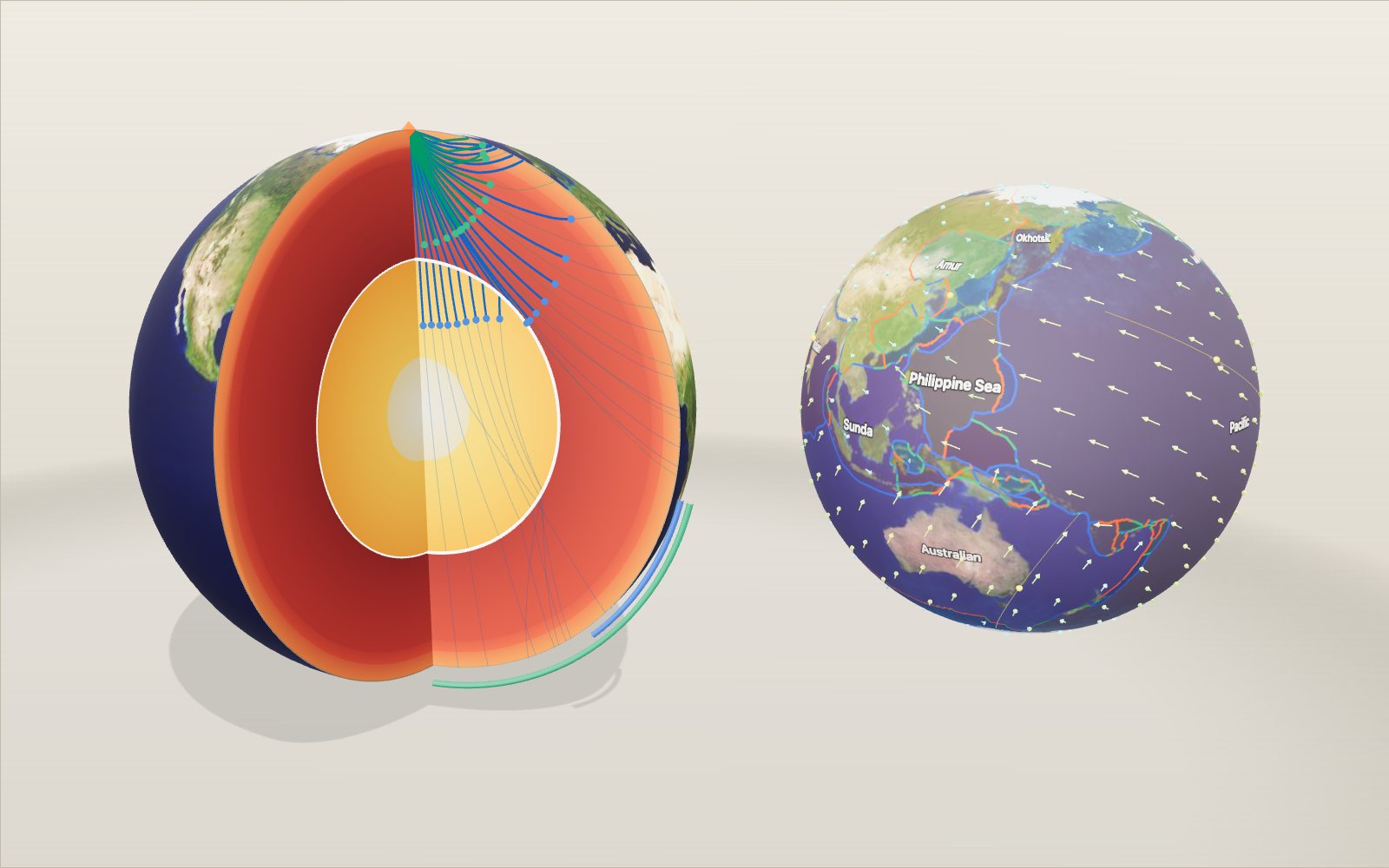
- The Earth: from the core to the skyThe planet under your feet, from the iron core through the oceans to the air above.8 exhibits
- Buildings and the cityHow structures stand up, and how a city keeps water and power moving underneath them.8 exhibits
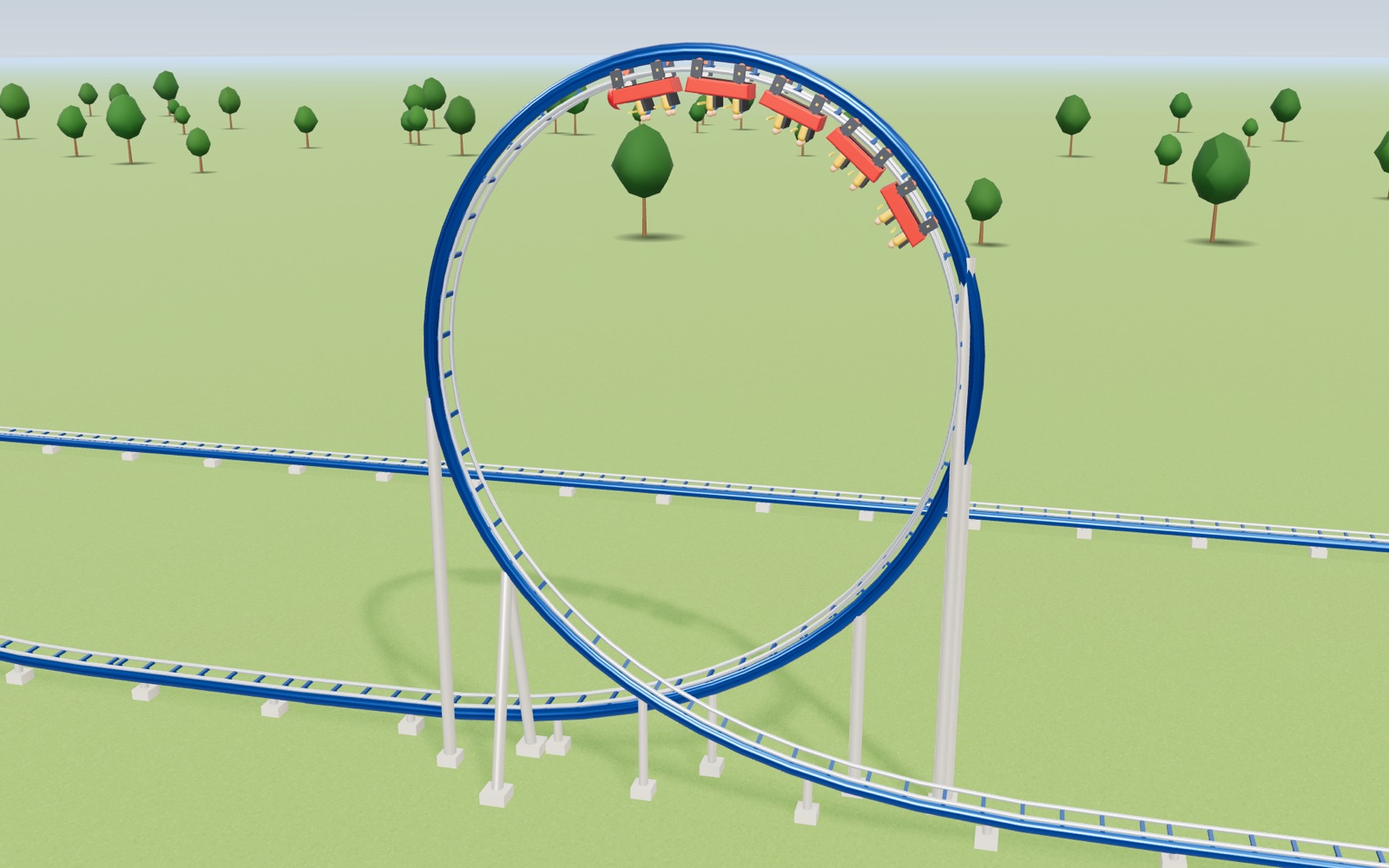
- Forces you can ride or pushMachines and models where a push, a pull or a turn is multiplied, redirected or balanced, from a coaster's first drop to a folded paper plane.9 exhibits
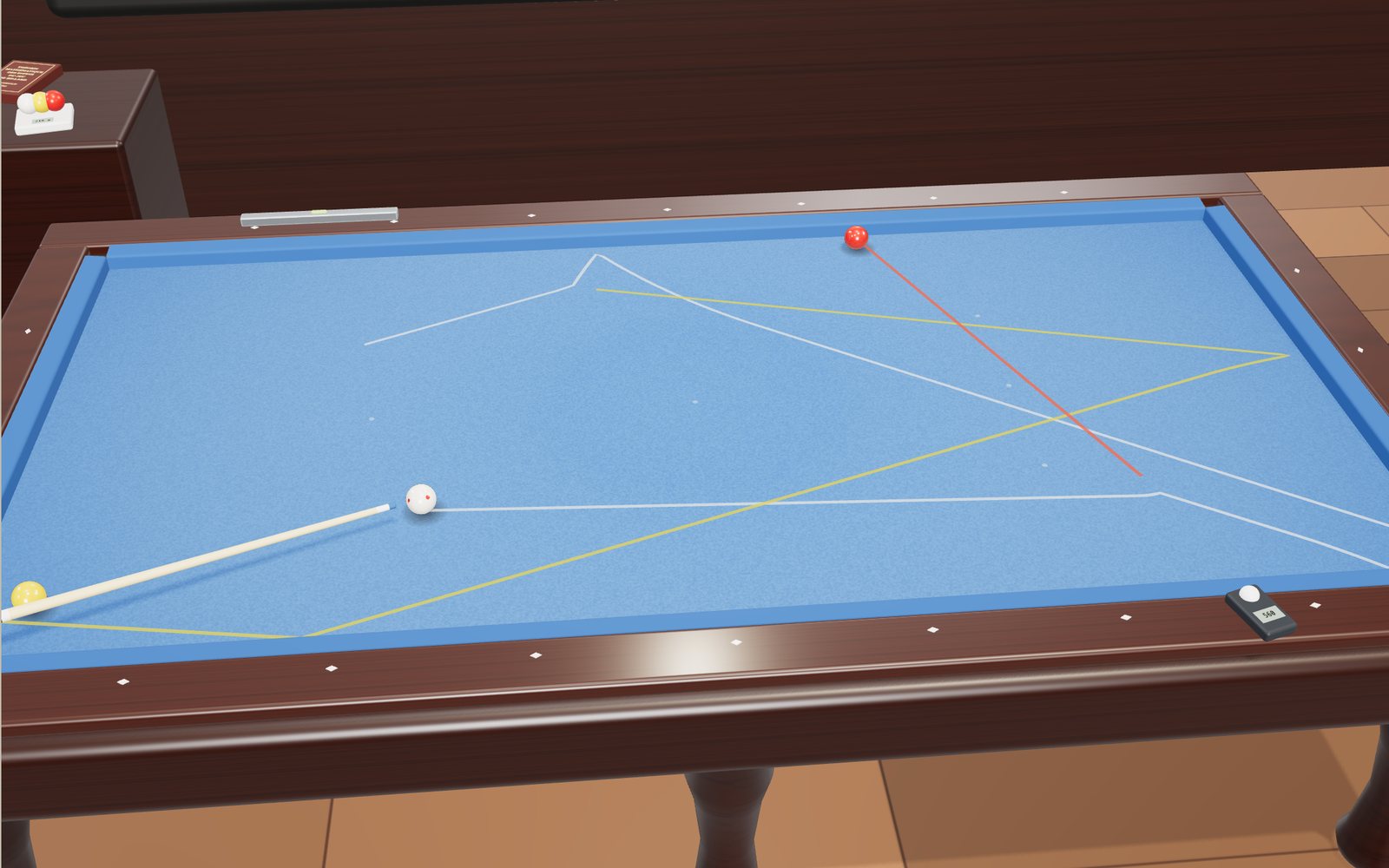
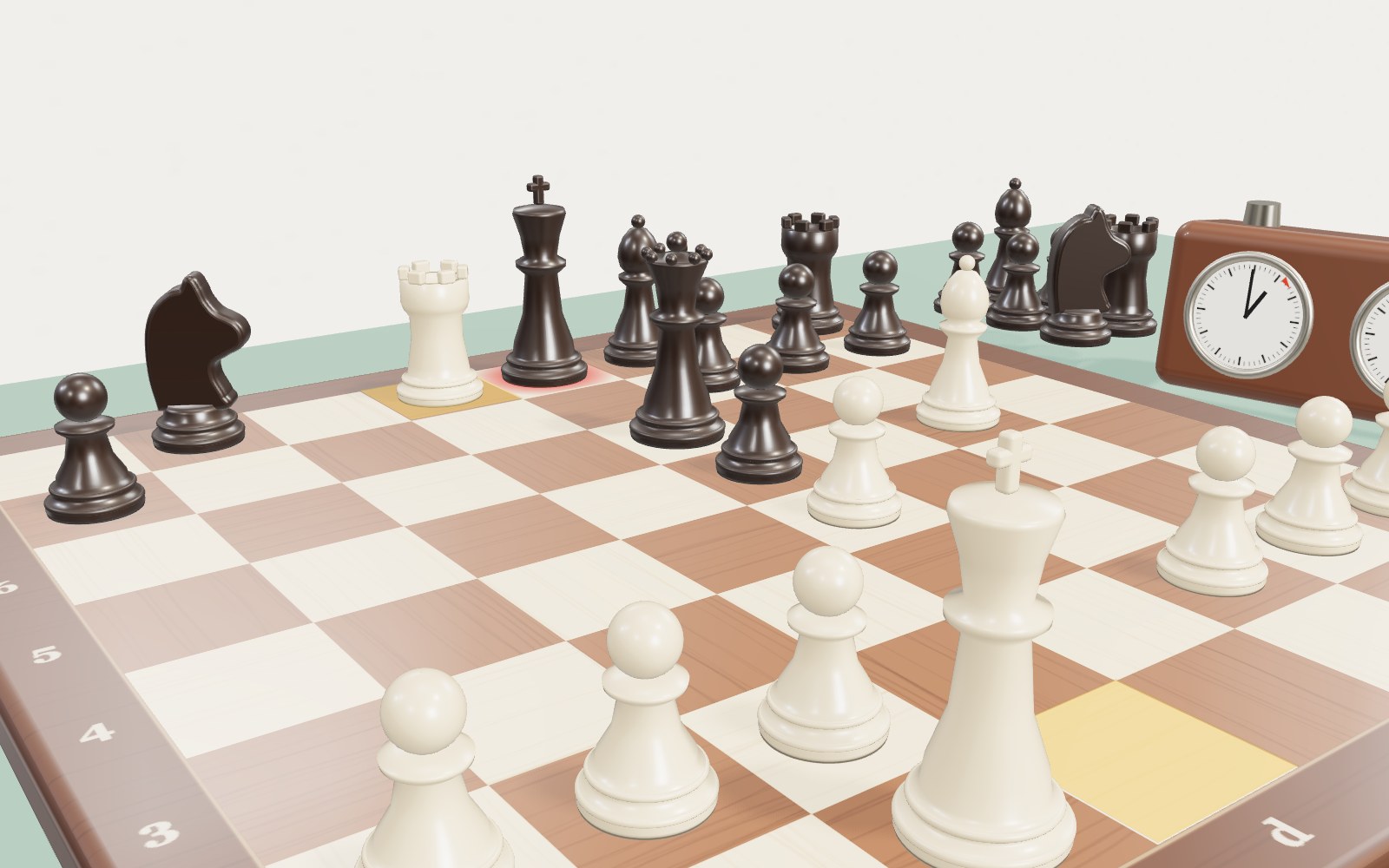
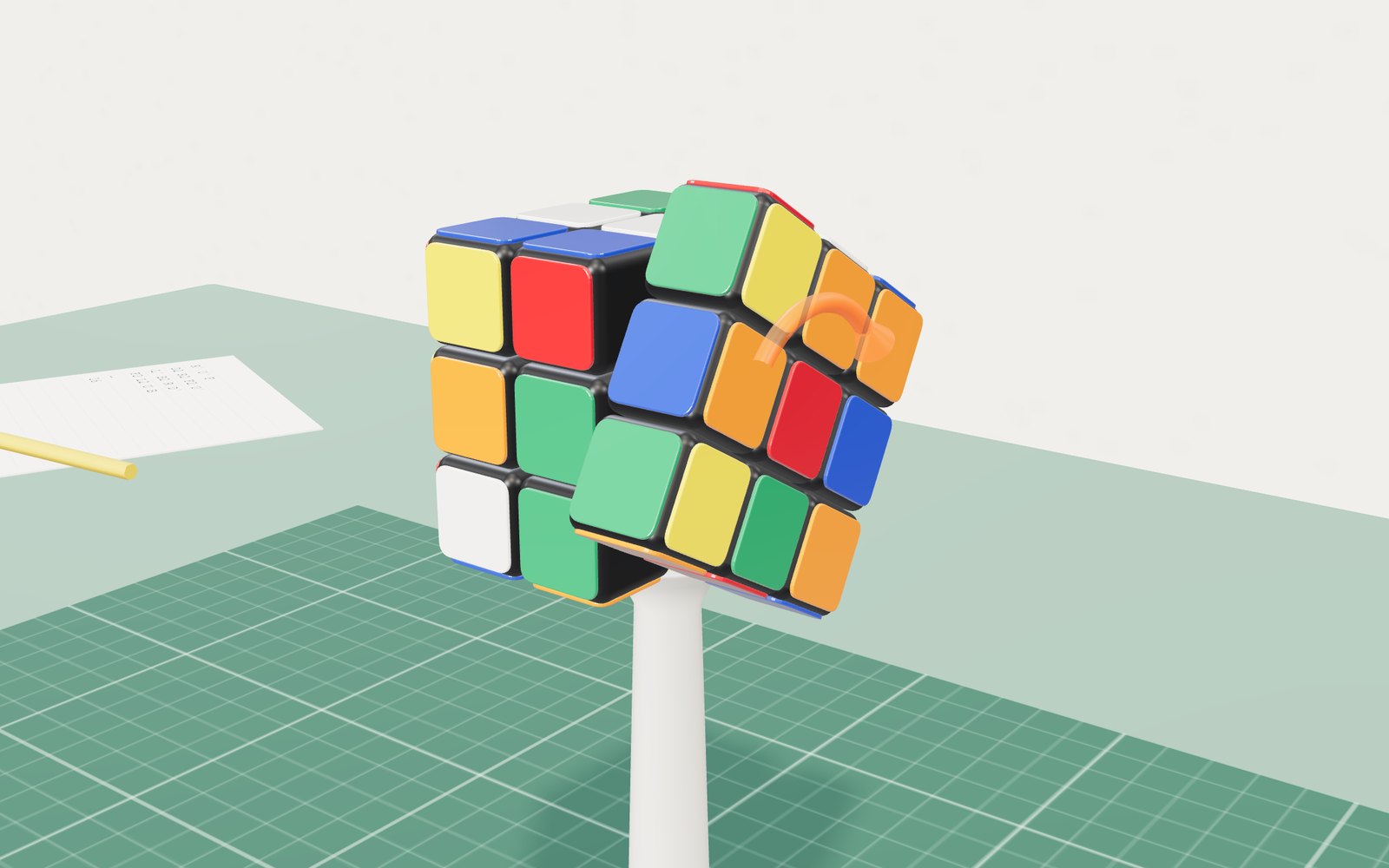
- Puzzles, games and codesCubes, boards, folded paper, knotted rope and dots of ink, each a small system with strict rules that you can step through one move at a time.7 exhibits
- Everyday devices opened upA vending machine, a microwave, a phone screen, a zipper, a lock and a printer, each taken apart so you can see the idea that makes it work.6 exhibits
- Crafts that changed the worldSewing, printing, photographs, recorded sound, timekeeping, steam and wind: seven hand-built technologies that shaped daily life before the electronic age.7 exhibits
- Weather, sky and lightLightning, wind and ice, the winter stars, an eclipse, satellites, fibre cables and the northern lights, all things that happen above or around us.9 exhibits
- Measuring size, place and timeHow big is it, where is it and what time is it? Six exhibits on the tools people use to answer, from a bank card to a sundial.6 exhibits
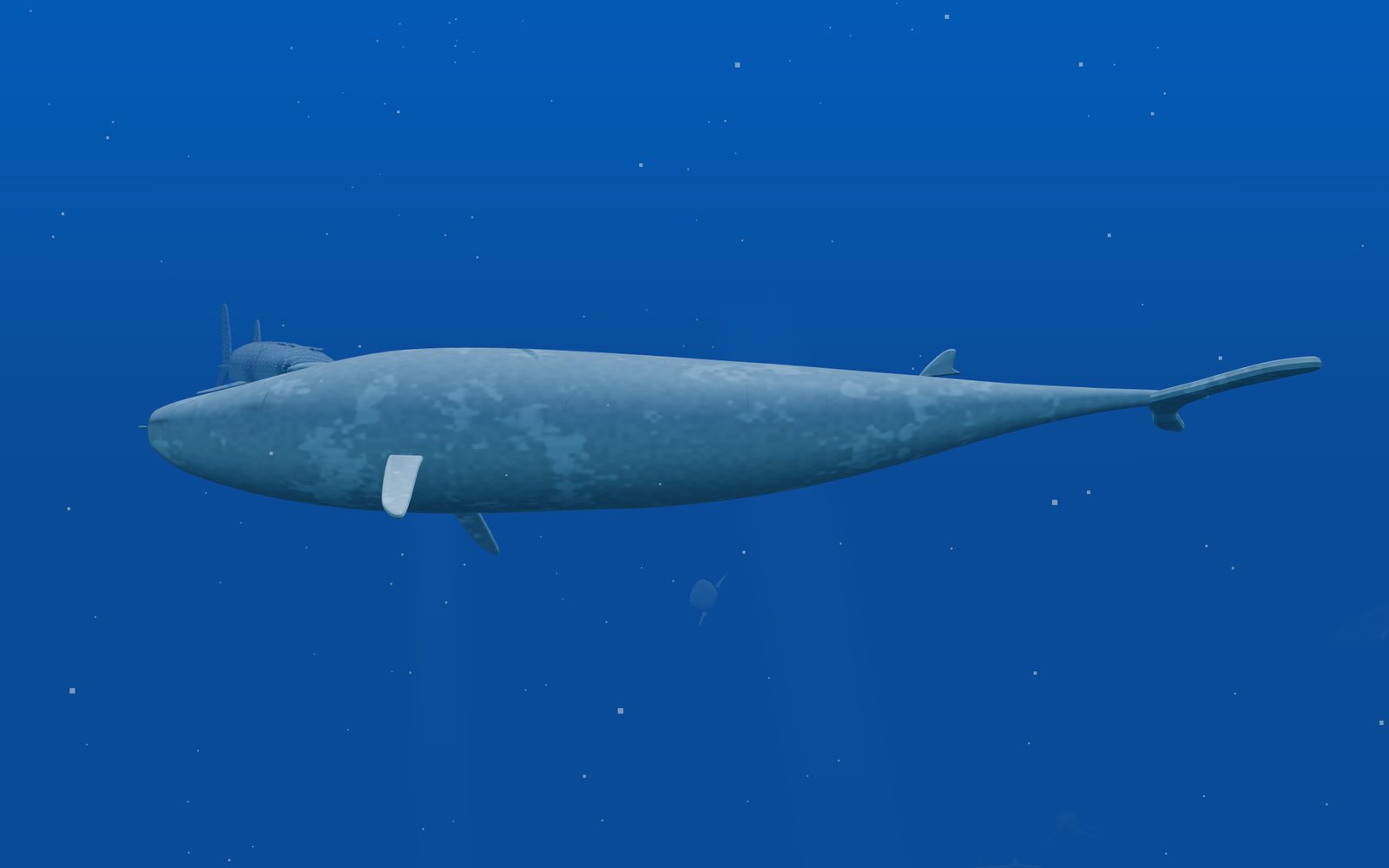
- Giants at real sizeWhales, mammoths, our human ancestors and flying reptiles, each placed in a walkable scene at their real size so that you can stand beside them.4 exhibits
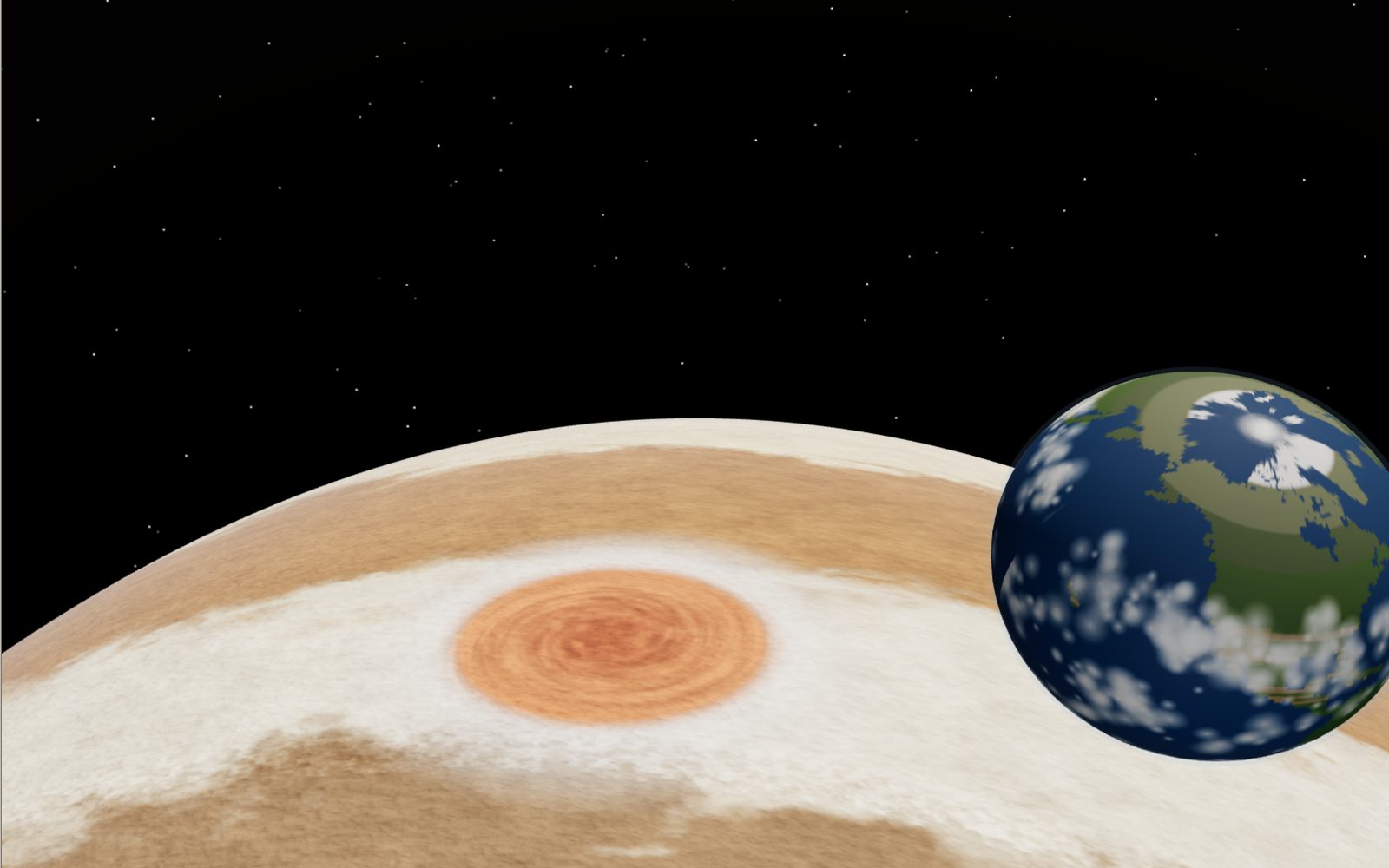
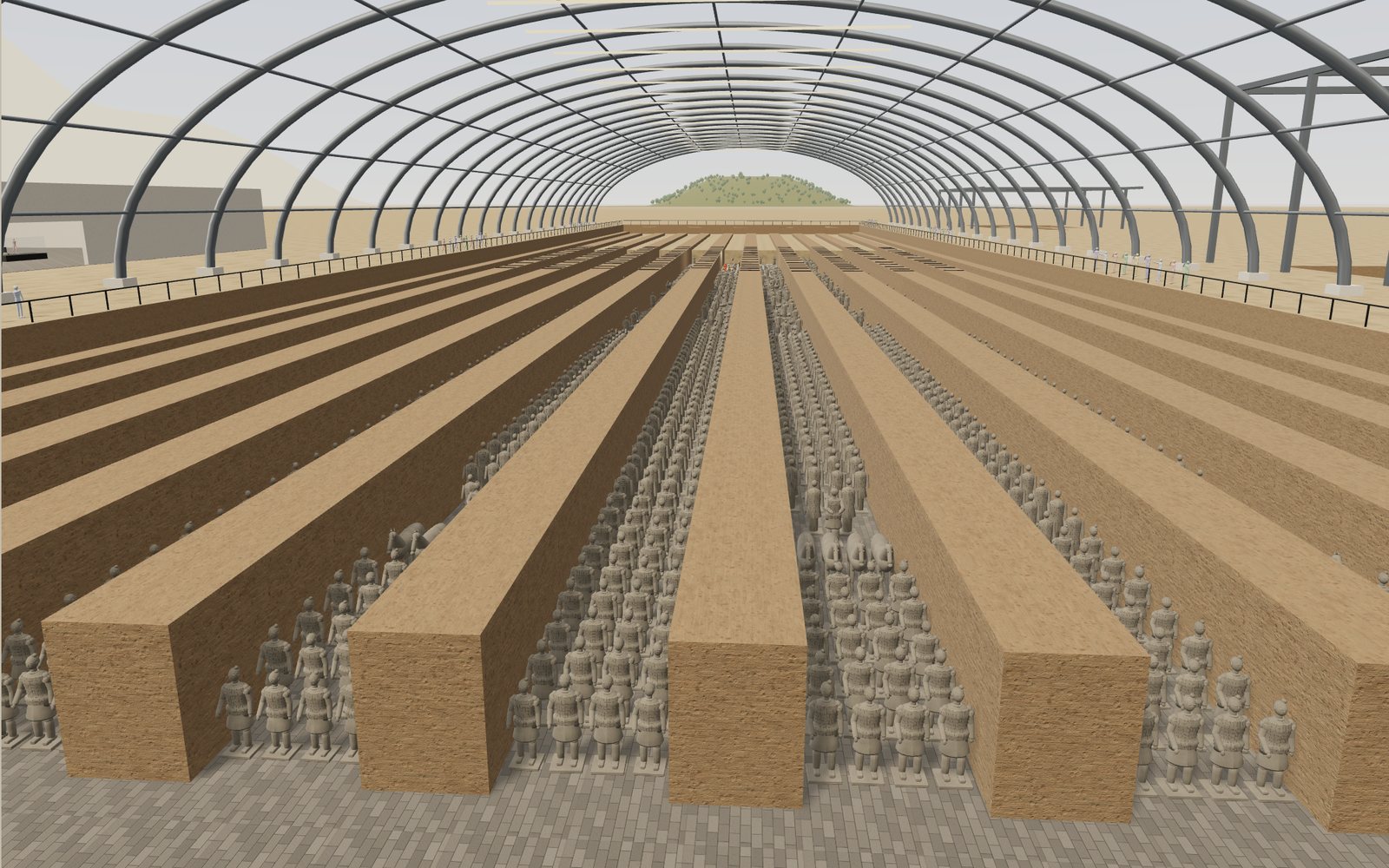
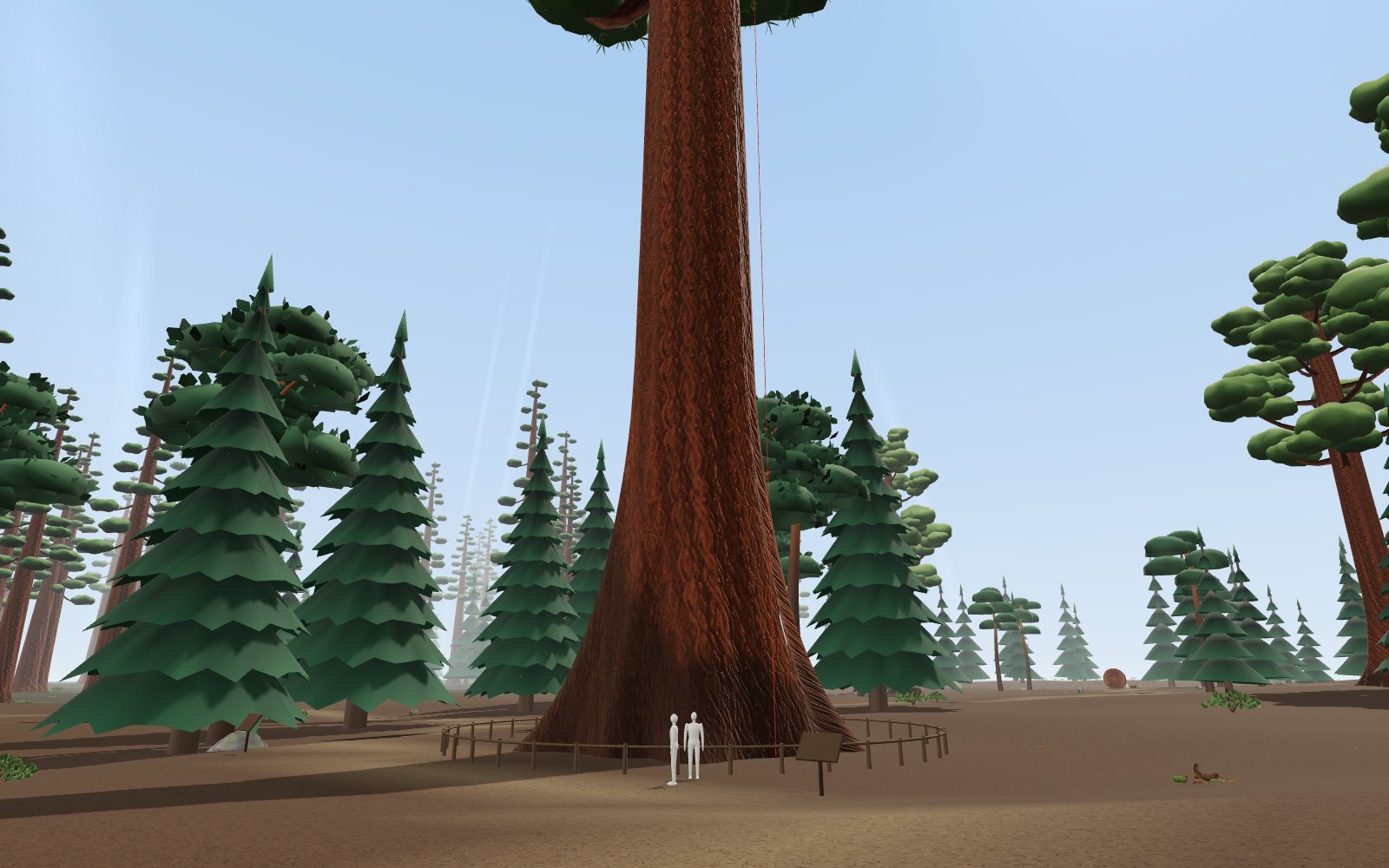
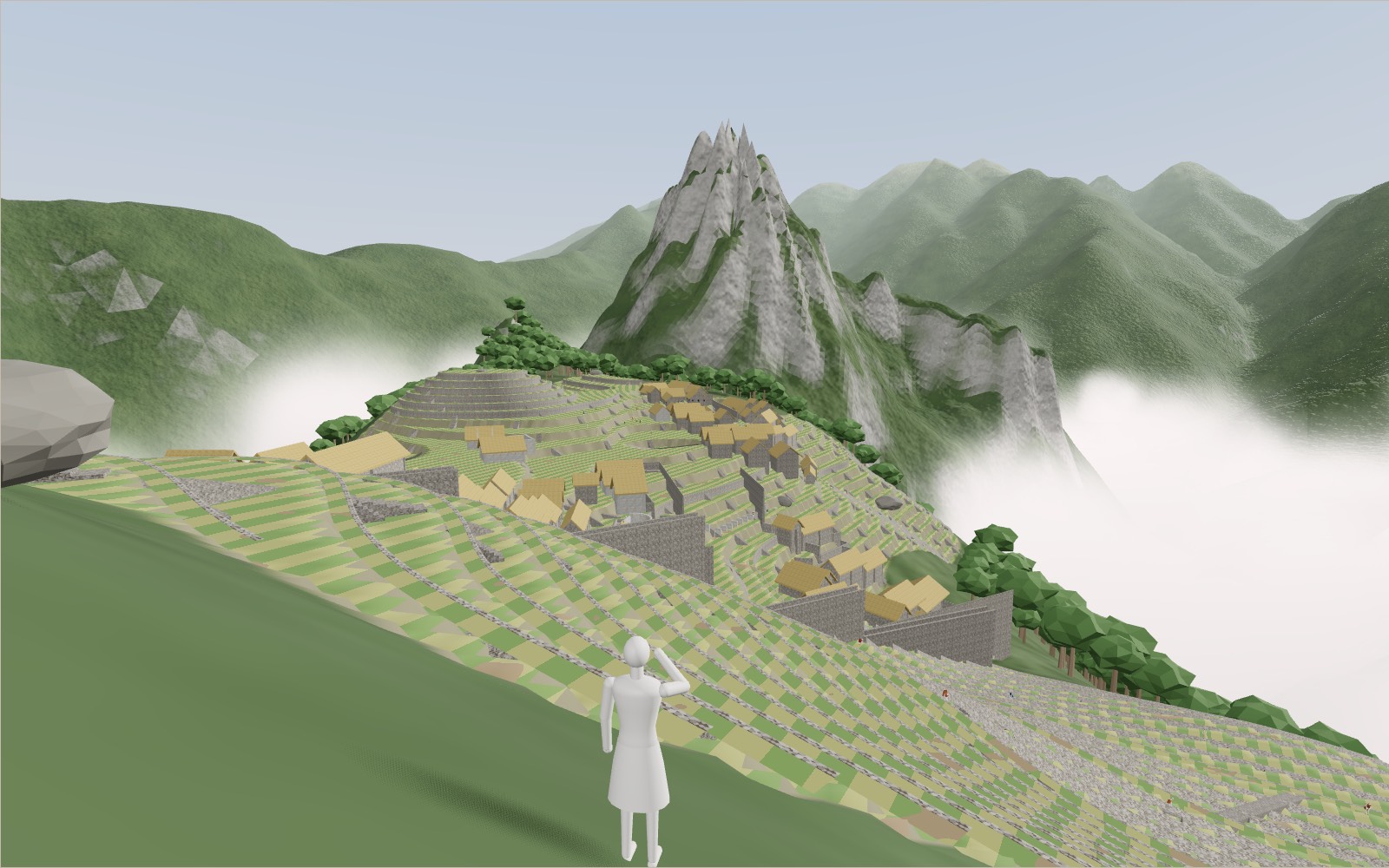
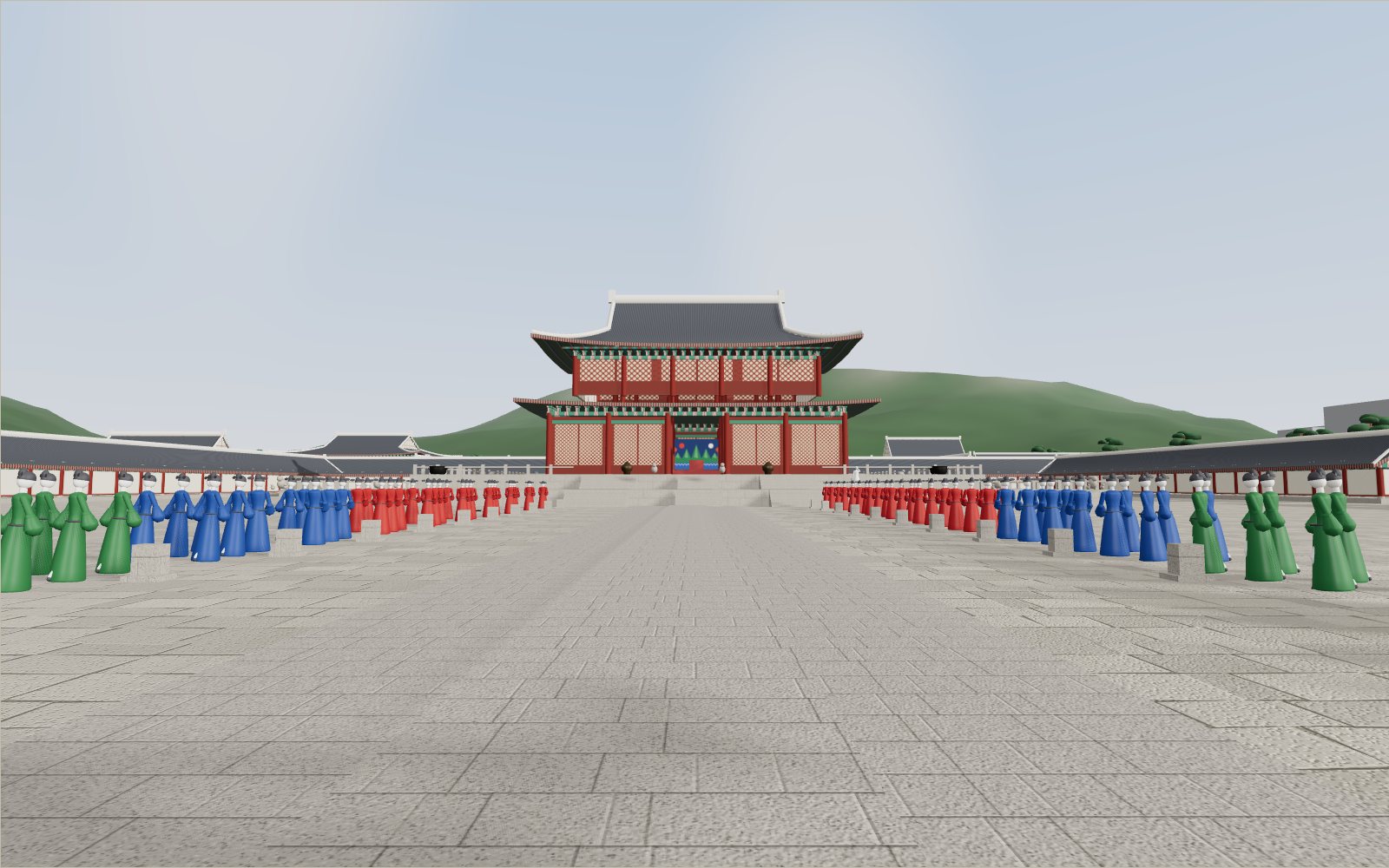
- Walk through famous placesRome's arena, Barcelona's cathedral, a canyon, a Korean palace, an Inca town, a sequoia forest, an army of clay, a buried city and the clouds of Jupiter.9 exhibits
- Life up close: bodies and survivalHow a horse runs, how a leaf feeds itself, how an ant colony works, how to save a life and what happens to a body in space.5 exhibits
About Explorehall
Explorehall is a small online science museum. Each exhibit is a 3D model of one machine or natural process, built from published measurements, with a long article underneath that explains how it works.
You can drag a model to look at it from any side, change its speed, make the case transparent, or move the parts apart to see how they fit. The guide next to the model walks through the mechanism in order, and the parts list jumps to any piece you want to look at.
The articles cover the mechanism, the numbers behind it, where the real object differs from the model, a short history, common questions and the sources used. If a number appears on the page, the formula is usually there too.
Exhibits are grouped into five galleries. How It Works opens up everyday machines and natural processes. Old Machines has devices that are hard to find in use today, such as typewriters and telegraph keys. Follow Along is for things you learn with your hands, like knots and handwriting. Senses is about hearing and seeing. Walk-throughs are life-size places you can walk around, from a field of dinosaurs to the inside of a cell.